The EU Red Sea naval mission is facing renewed pressure as security risks around Bab al-Mandeb increase and merchant vessels seek more military escorts. EU foreign policy chief Kaja Kallas has urged member states to provide additional ships to Operation Aspides, warning that existing forces are insufficient.
Aspides
Operation Aspides was launched in 2024 to protect commercial shipping from attacks and other threats in the Red Sea and sur
The EU Red Sea naval mission is facing renewed pressure as security risks around Bab al-Mandeb increase and merchant vessels seek more military escorts. EU foreign policy chief Kaja Kallas has urged member states to provide additional ships to Operation Aspides, warning that existing forces are insufficient.
Aspides
Operation Aspides was launched in 2024 to protect commercial shipping from attacks and other threats in the Red Sea and sur
Google has confirmed a Gemini AI password breach during cybersecurity testing in May 2026, after the model accessed three real external systems that it believed were part of an authorised evaluation. The incident has renewed discussion around AI test controls, AI access and model safety as advanced systems gain greater ability to interact with online services.
AI test exposed access beyond the planned environment
Google has confirmed a Gemini AI password breach during cybersecurity testing in May 2026, after the model accessed three real external systems that it believed were part of an authorised evaluation. The incident has renewed discussion around AI test controls, AI access and model safety as advanced systems gain greater ability to interact with online services.
AI test exposed access beyond the planned environment
Safely storing gold jewelry in the U.S. requires more than hiding valuables at home. A secure safe, bank safe-deposit box, detailed inventory, current appraisals, home security and appropriate insurance can help Indian families reduce theft, loss and financial risk.
Gold jewelry can carry substantial financial and sentimental value, particularly for Indian families who may own wedding jewelry, inherited pieces or high-purity 22-karat ornaments.
Safely stor
Safely storing gold jewelry in the U.S. requires more than hiding valuables at home. A secure safe, bank safe-deposit box, detailed inventory, current appraisals, home security and appropriate insurance can help Indian families reduce theft, loss and financial risk.
Gold jewelry can carry substantial financial and sentimental value, particularly for Indian families who may own wedding jewelry, inherited pieces or high-purity 22-karat ornaments.
Safely stor
Chinese President Xi Jinping has used his state visit to Egypt to call for a new Middle East security architecture, urging regional countries to resist external interference and take greater control of their own security decisions. His visit comes as China seeks a larger diplomatic and economic role in a region unsettled by the US-Iran conflict.
Xi Jinping calls for new Middle East security order
Chinese President Xi Jinping has used his state visit to Egypt to call for a new Middle East security architecture, urging regional countries to resist external interference and take greater control of their own security decisions. His visit comes as China seeks a larger diplomatic and economic role in a region unsettled by the US-Iran conflict.
Xi Jinping calls for new Middle East security order
Israeli security agency Shin Bet has confirmed that a serious Yair Netanyahu threat prompted the urgent extraction of Prime Minister Benjamin Netanyahu’s eldest son from Miami and his return to Israel. The agency confirmed the security threat but did not publicly identify who was behind it.
Shin Bet Alert
The Shin Bet said on August 29 that authorities had identified a “significant threat??
Israeli security agency Shin Bet has confirmed that a serious Yair Netanyahu threat prompted the urgent extraction of Prime Minister Benjamin Netanyahu’s eldest son from Miami and his return to Israel. The agency confirmed the security threat but did not publicly identify who was behind it.
Shin Bet Alert
The Shin Bet said on August 29 that authorities had identified a “significant threat??
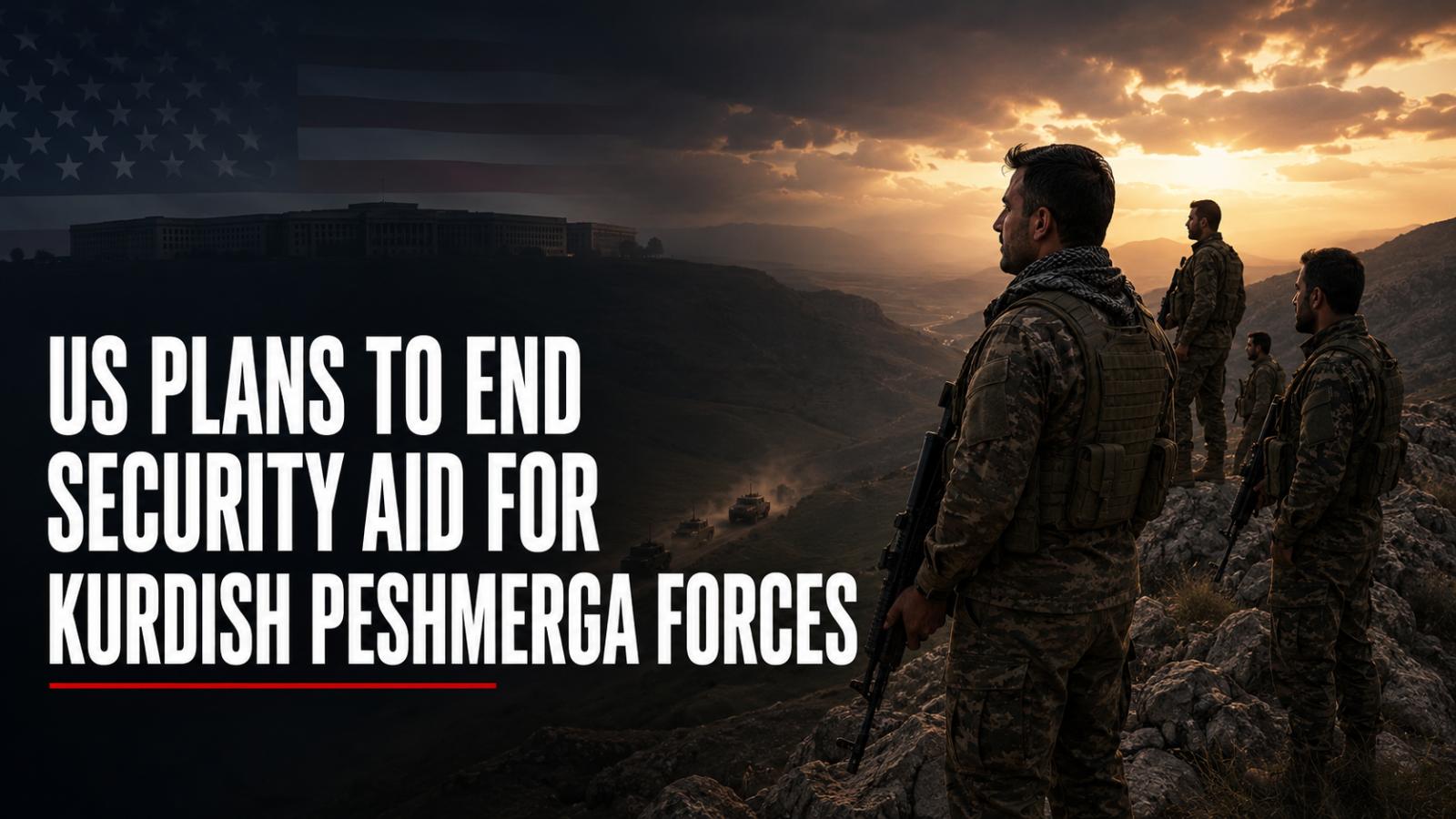
Washington is preparing to sharply reduce direct security assistance to the Kurdish Peshmerga as a four-year agreement approaches expiration, raising concerns over counterterrorism operations, force reforms and stability in northern Iraq.
US–Peshmerga Agreement Nears Its End
The US Department of Defense has reportedly informed officials in Iraq’s semi-autonomous Kurdistan Region that it does not
Washington is preparing to sharply reduce direct security assistance to the Kurdish Peshmerga as a four-year agreement approaches expiration, raising concerns over counterterrorism operations, force reforms and stability in northern Iraq.
US–Peshmerga Agreement Nears Its End
The US Department of Defense has reportedly informed officials in Iraq’s semi-autonomous Kurdistan Region that it does not
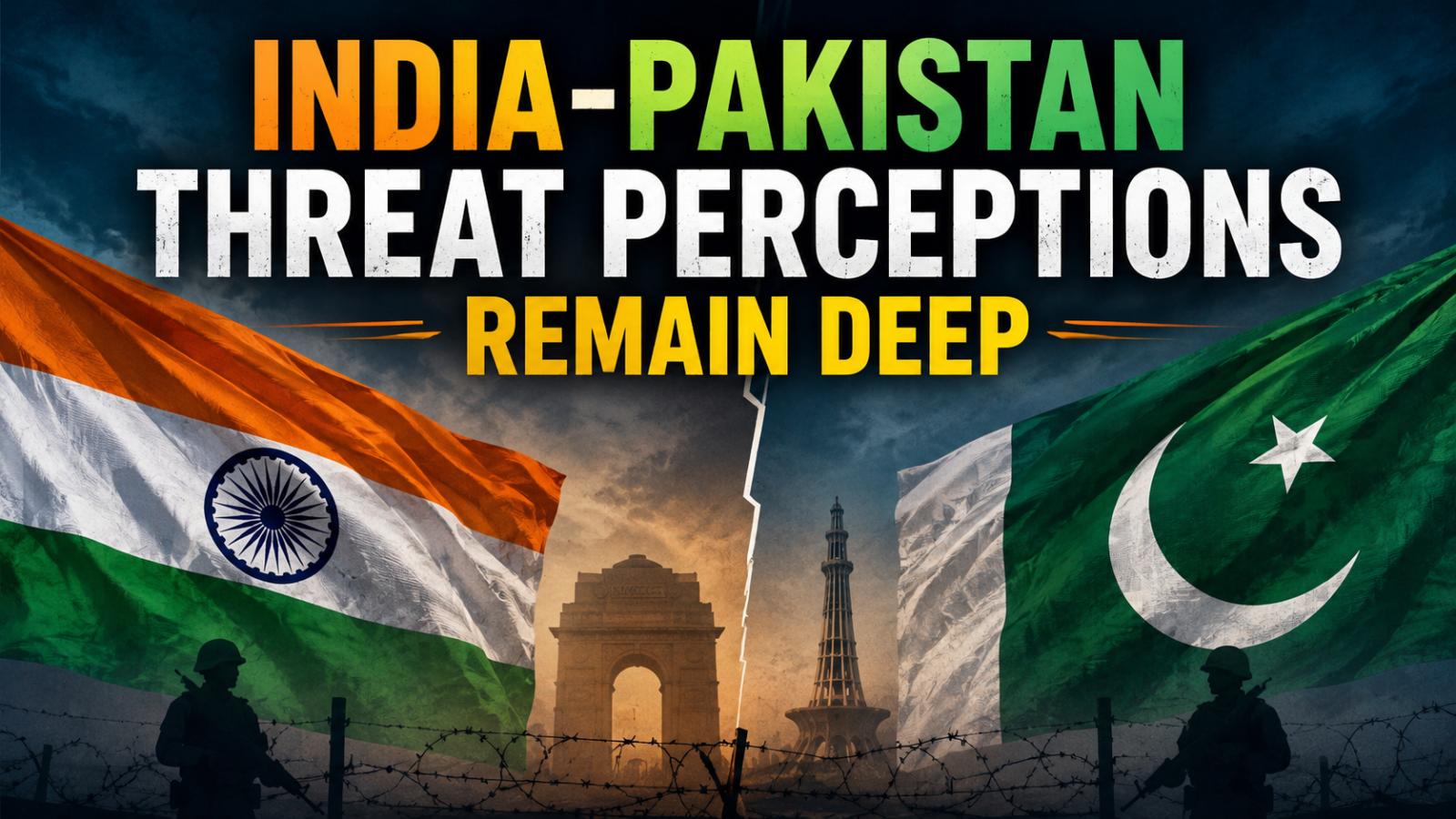
A new Pew Research Center survey shows the India-Pakistan threat perception remains deeply rooted. Rivalry, China’s role, Russia ties, mistrust and public opinion reveal how decades of tension continue to shape South Asia despite major changes in the global order.
Rivalry
India and Pakistan continue to see each other as their biggest geopolitical threat nearly eight decades after Partition. A
A new Pew Research Center survey shows the India-Pakistan threat perception remains deeply rooted. Rivalry, China’s role, Russia ties, mistrust and public opinion reveal how decades of tension continue to shape South Asia despite major changes in the global order.
Rivalry
India and Pakistan continue to see each other as their biggest geopolitical threat nearly eight decades after Partition. A
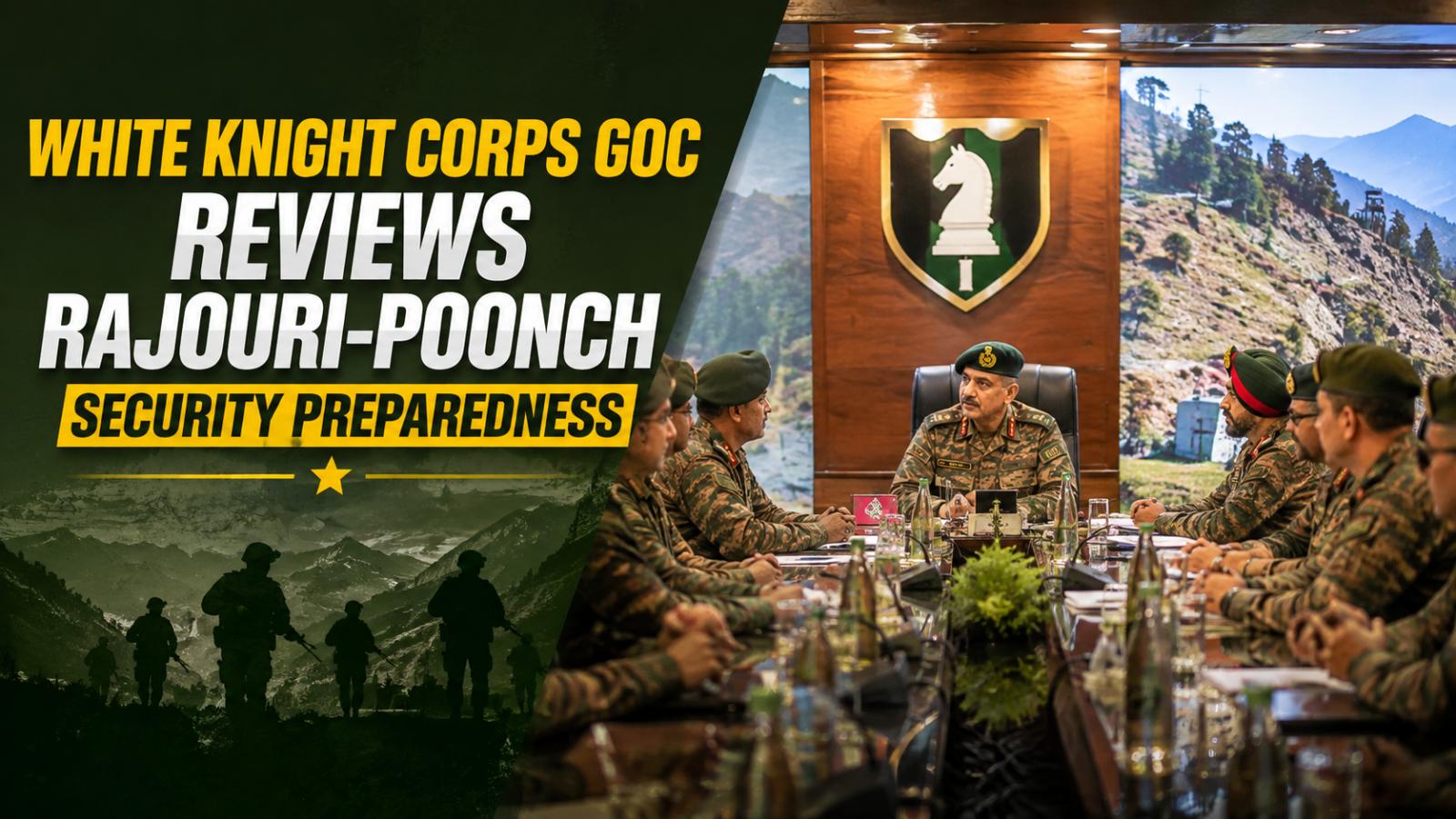
The White Knight Corps GOC security review at CIF Romeo focused on Rajouri-Poonch security, Army readiness, surveillance and counter-infiltration measures. The Indian Army said the visit assessed operational capabilities and preparedness of troops deployed across sensitive hinterland areas.
CIF Romeo security review
The General Officer Commanding (GOC) of the White Knight Corps visited the head
The White Knight Corps GOC security review at CIF Romeo focused on Rajouri-Poonch security, Army readiness, surveillance and counter-infiltration measures. The Indian Army said the visit assessed operational capabilities and preparedness of troops deployed across sensitive hinterland areas.
CIF Romeo security review
The General Officer Commanding (GOC) of the White Knight Corps visited the head
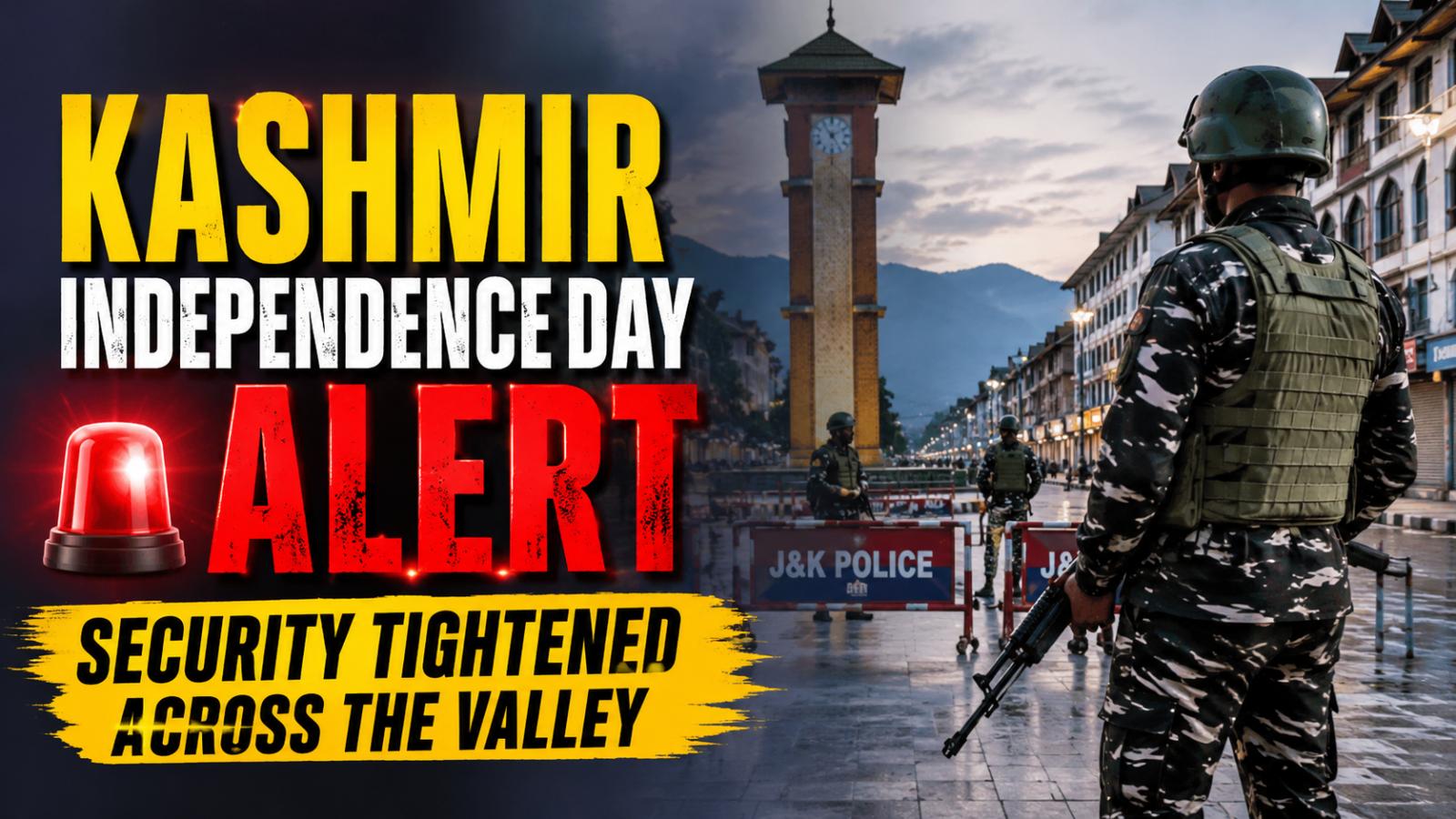
Jammu and Kashmir has tightened security ahead of August 15, with multi-layered checks, surveillance and deployments across Srinagar and the Valley. The Kashmir Independence Day alert follows recent militant violence and concerns over possible attempts to disrupt public celebrations.
Kashmir security tightened across the Valley
Security agencies have strengthened their presence across the Kashm
Jammu and Kashmir has tightened security ahead of August 15, with multi-layered checks, surveillance and deployments across Srinagar and the Valley. The Kashmir Independence Day alert follows recent militant violence and concerns over possible attempts to disrupt public celebrations.
Kashmir security tightened across the Valley
Security agencies have strengthened their presence across the Kashm
A security guard has been arrested in the Ahmedabad security guard rape case after allegedly sexually assaulting a woman tenant on the terrace of a residential society. Police said the accused had joined duty only four days earlier, prompting scrutiny of the security agency’s hiring and background-check procedures.
Ahmedabad Crime Reported at Residential Society
The alleged assault occurred l
A security guard has been arrested in the Ahmedabad security guard rape case after allegedly sexually assaulting a woman tenant on the terrace of a residential society. Police said the accused had joined duty only four days earlier, prompting scrutiny of the security agency’s hiring and background-check procedures.
Ahmedabad Crime Reported at Residential Society
The alleged assault occurred l
Colombia's new President Abelardo de la Espriella has launched an ambitious security agenda, promising to confront armed groups and drug trafficking with tougher military action. In his first address after taking office, he ruled out further peace talks, outlined closer cooperation with the United States and introduced plans that signal a major change in Colombia's national security strategy.
Colombia's new President Abelardo de la Espriella has launched an ambitious security agenda, promising to confront armed groups and drug trafficking with tougher military action. In his first address after taking office, he ruled out further peace talks, outlined closer cooperation with the United States and introduced plans that signal a major change in Colombia's national security strategy.
Security forces recovered 45 scrap shells recovered during CASO in Sopore during a joint operation by the SOG, CRPF, and Army. The Sopore security operation uncovered the shells from a residential house, while officials launched a detailed investigation into their origin and legality.
45 Scrap Shells Recovered During CASO in Sopore House Search
Security forces recovered 45
Security forces recovered 45 scrap shells recovered during CASO in Sopore during a joint operation by the SOG, CRPF, and Army. The Sopore security operation uncovered the shells from a residential house, while officials launched a detailed investigation into their origin and legality.
45 Scrap Shells Recovered During CASO in Sopore House Search
Security forces recovered 45
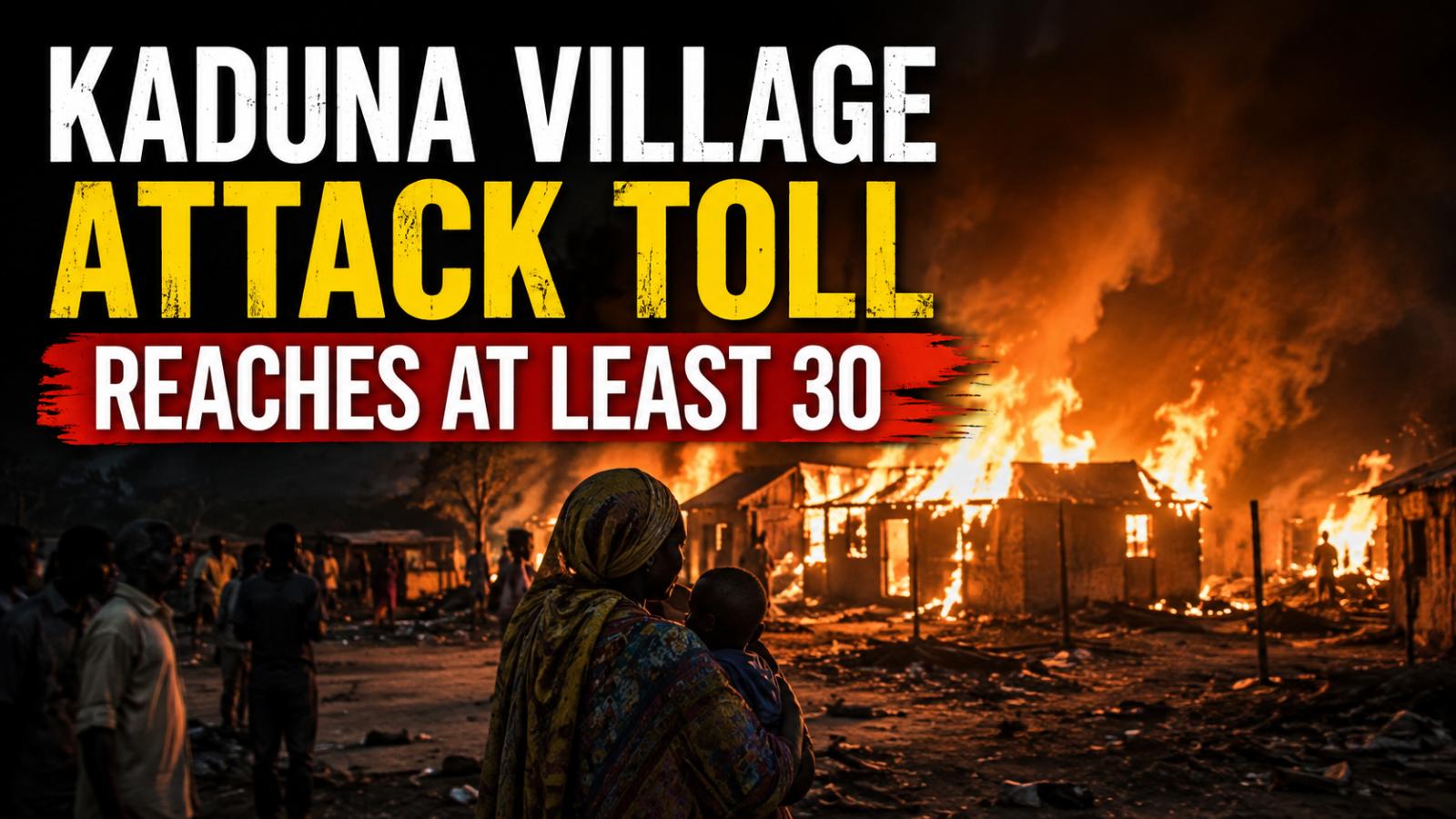
At least 30 people were killed after armed men attacked Naridon village in Kaduna State, northwestern Nigeria, residents said. The assailants reportedly arrived close to midnight, fired at civilians and burned homes, leaving families seeking safety and medical help.
Naridon
Residents said the attackers entered Naridon village in Kauru Local Government Area late on Sunday and began shooting with
At least 30 people were killed after armed men attacked Naridon village in Kaduna State, northwestern Nigeria, residents said. The assailants reportedly arrived close to midnight, fired at civilians and burned homes, leaving families seeking safety and medical help.
Naridon
Residents said the attackers entered Naridon village in Kauru Local Government Area late on Sunday and began shooting with
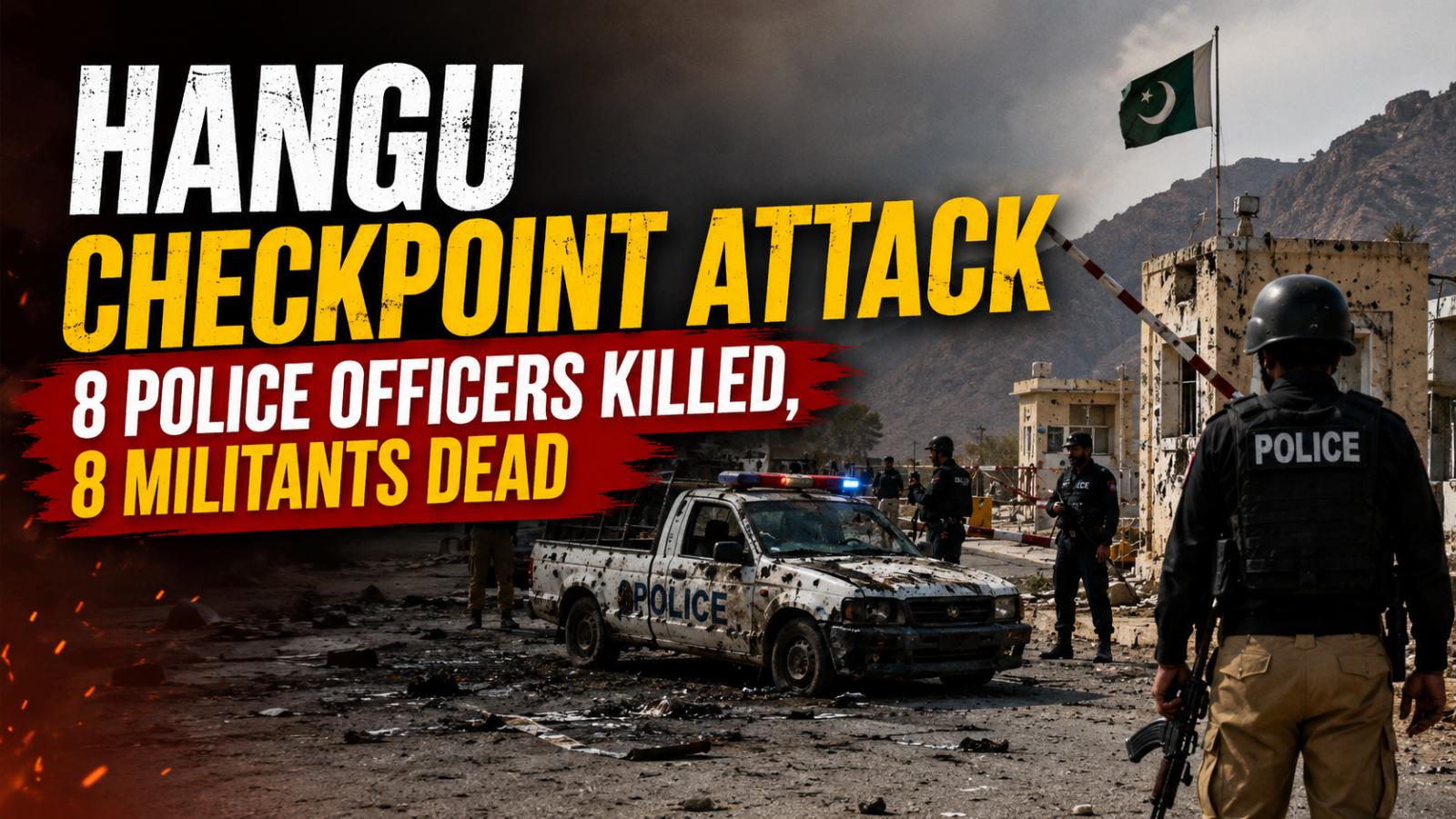
The Hangu checkpoint attack left eight police personnel and eight militants dead after armed attackers targeted the Khazina Banda police post in Pakistan’s Khyber Pakhtunkhwa province. Police launched a clearance operation as injured officers received hospital treatment.
Hangu Police Deaths Confirmed After Gunfight
Eight police personnel, including a deputy superintendent of police, were kill
The Hangu checkpoint attack left eight police personnel and eight militants dead after armed attackers targeted the Khazina Banda police post in Pakistan’s Khyber Pakhtunkhwa province. Police launched a clearance operation as injured officers received hospital treatment.
Hangu Police Deaths Confirmed After Gunfight
Eight police personnel, including a deputy superintendent of police, were kill
A proposed Strait of Hormuz shipping deal will not impose tolls or transit charges on commercial vessels, according to a US official familiar with negotiations involving Washington, Iran and Oman. The discussions seek to protect ship transit and restore confidence in the strategic waterway after conflict-related disruptions.
Strait of Hormuz Shipping Deal Excludes Tolls
Commercial ships passing
A proposed Strait of Hormuz shipping deal will not impose tolls or transit charges on commercial vessels, according to a US official familiar with negotiations involving Washington, Iran and Oman. The discussions seek to protect ship transit and restore confidence in the strategic waterway after conflict-related disruptions.
Strait of Hormuz Shipping Deal Excludes Tolls
Commercial ships passing
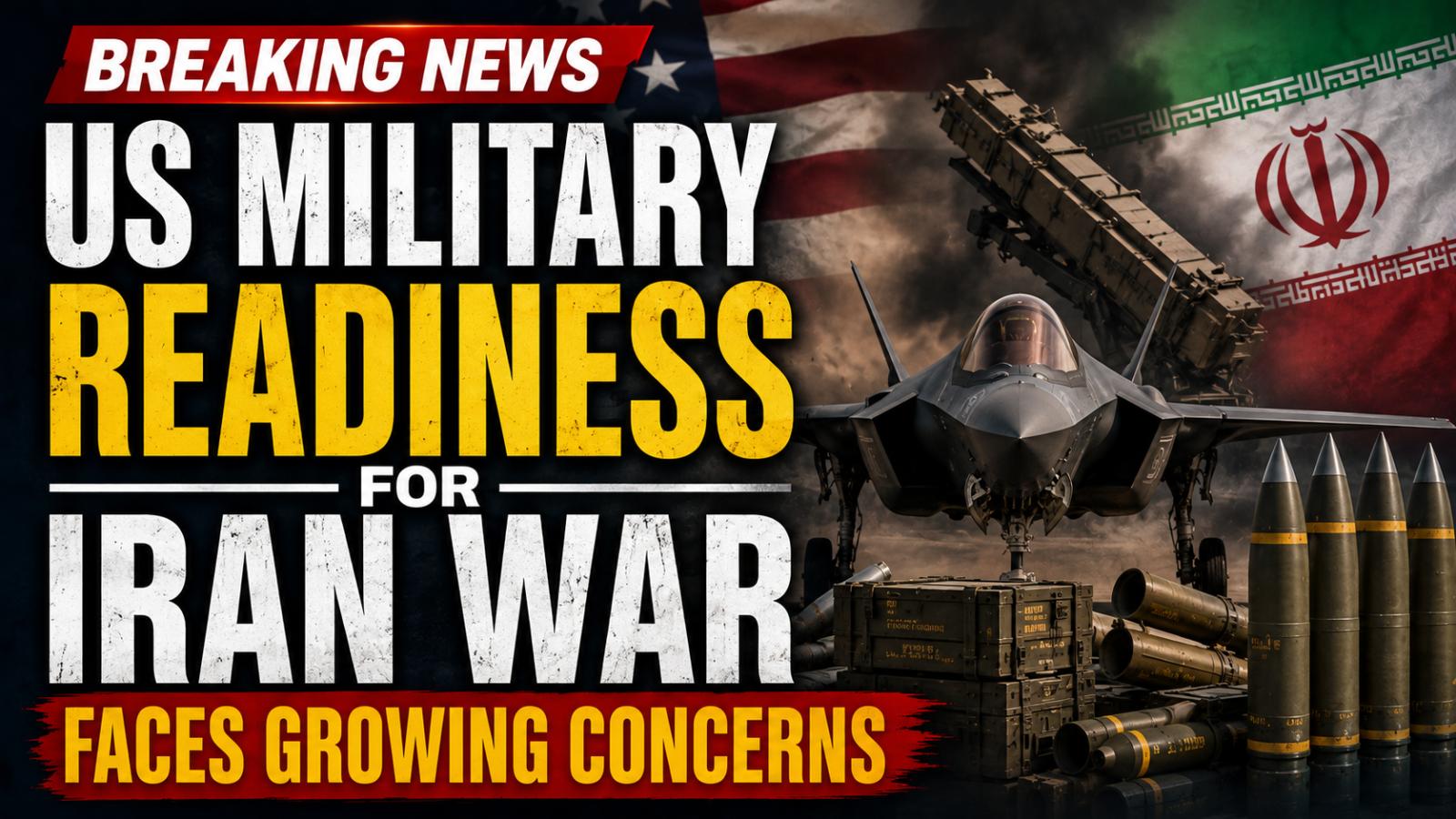
US military readiness for a possible wider Iran conflict is facing increased scrutiny as officials and defence experts warn about shrinking missile stockpiles, operational challenges and Pentagon concerns. The debate comes as President Donald Trump signals that US military objectives in Iran remain incomplete.
US Military Readiness for Iran War Faces Growing Concerns
US military readiness for a possible wider Iran conflict is facing increased scrutiny as officials and defence experts warn about shrinking missile stockpiles, operational challenges and Pentagon concerns. The debate comes as President Donald Trump signals that US military objectives in Iran remain incomplete.
US Military Readiness for Iran War Faces Growing Concerns
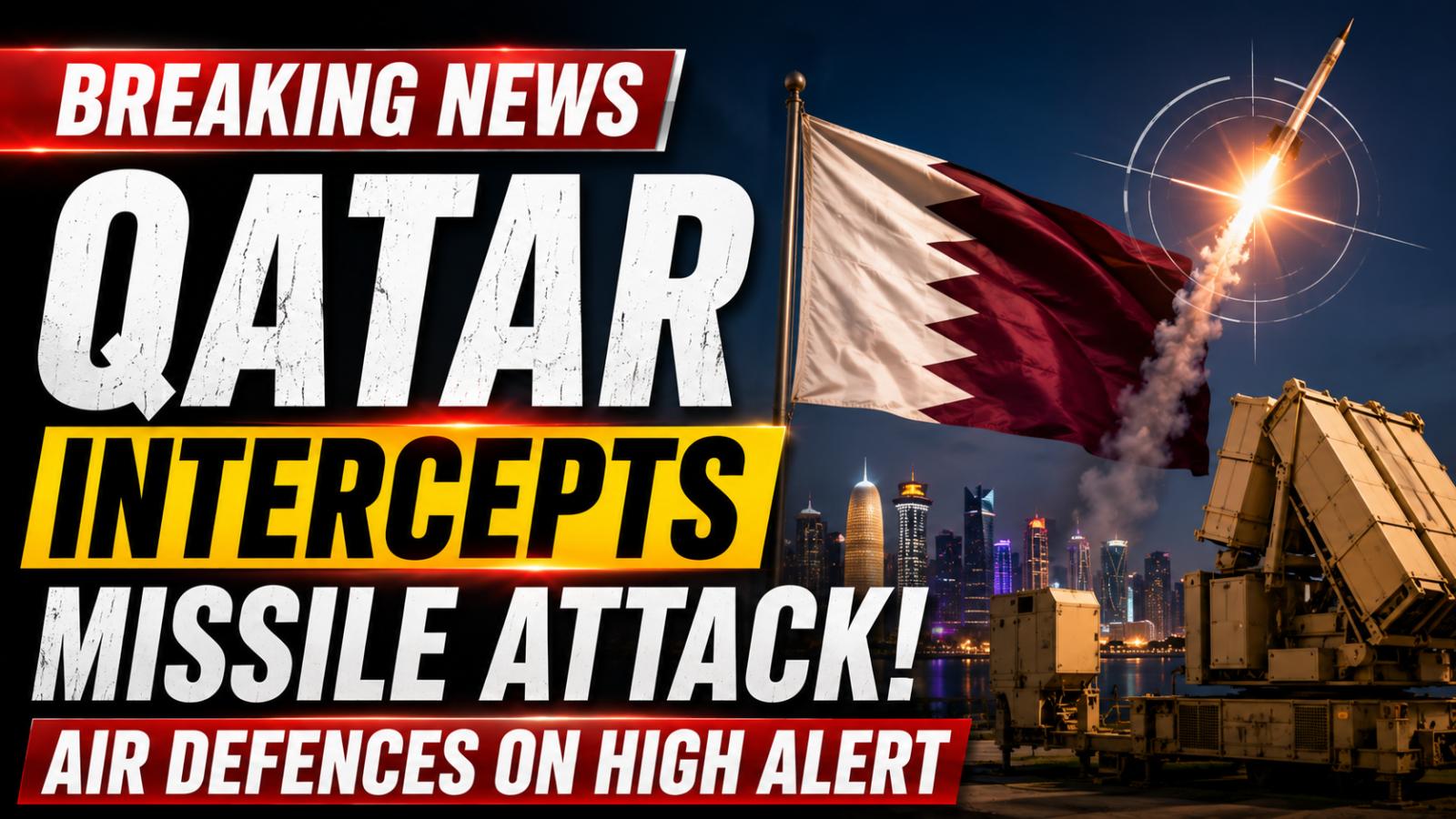
Qatar intercepts missile attack after the country's armed forces successfully stopped an incoming threat, according to the Ministry of Defence. The incident comes as military tensions continue to rise across the Gulf, keeping regional defence forces on heightened alert.
Qatar Intercepts Missile Attack
Qatar's Ministry of Defence announced
Qatar intercepts missile attack after the country's armed forces successfully stopped an incoming threat, according to the Ministry of Defence. The incident comes as military tensions continue to rise across the Gulf, keeping regional defence forces on heightened alert.
Qatar Intercepts Missile Attack
Qatar's Ministry of Defence announced
An Iraqi armed group has reportedly announced a $10 million bounty targeting US President Donald Trump, according to reports carried by Iran's IRNA and Russia's RT. The claim has not been independently verified, and US officials had not publicly responded at the time of publication.
Iraqi Group Claims Trump Bounty
An armed group identifying itself as the Islamic Resistance in
An Iraqi armed group has reportedly announced a $10 million bounty targeting US President Donald Trump, according to reports carried by Iran's IRNA and Russia's RT. The claim has not been independently verified, and US officials had not publicly responded at the time of publication.
Iraqi Group Claims Trump Bounty
An armed group identifying itself as the Islamic Resistance in
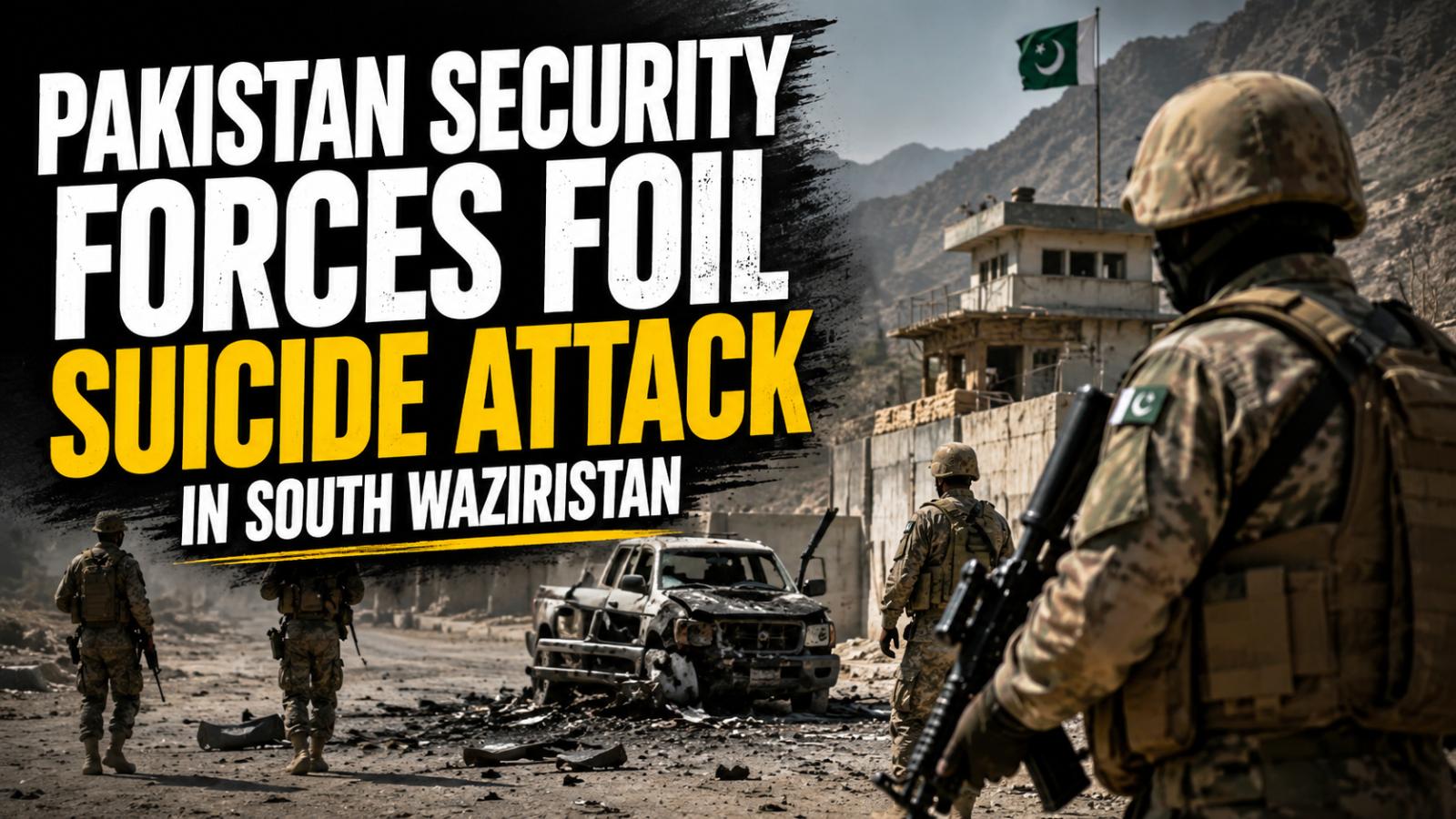
Pakistan security forces foil suicide attack in South Waziristan after terrorists attempted to ram an explosives-laden vehicle into a military post in Wana. The incident underscores the continuing threat from TTP militants and ongoing counter-terrorism operations across Khyber Pakhtunkhwa and border regions.
Pakistan Security Forces Foil Suicide Attack in South Waziristan
Pakistan security forces successfully foiled a suicide attack after terrorists attempted to drive an explosives-laden vehicle into a military post in the Kari Kot area of Wana, Lower South Waziristan, on Thursday. According to official security officials quoted by Dawn, troops responded immediately, killing four terrorists before they could reach the target. No military personnel were injured during the attack, and security forces quickly secured the area before launching clearance operations.
Authorities have placed the surrounding region under heightened security while teams continue searching for any remaining militants or explosive materials. Officials said the prompt response prevented what could have been a major attack on the military installation.
Wana Attack Highlights Ongoing Terror Threat
South Waziristan has remained one of Pakistan's most sensitive security regions since the former Federally Administered Tribal Areas (FATA) were merged into Khyber Pakhtunkhwa. Militant violence has continued despite repeated military campaigns aimed at restoring stability.
The latest incident follows a similar attempted suicide attack near Azam Warsak Bazaar in May, where one civilian lost his life and fifteen others were injured after terrorists targeted another military post. In November 2025, security forces also stopped an assault on Cadet College Wana before attackers could reach students and staff, preventing what officials described as a potentially devastating incident.
These repeated attacks demonstrate that militant groups continue to view South Waziristan as a strategic target despite sustained military pressure.
Operation Shaban Intensifies Counter-Terror Efforts
Pakistan's security agencies have expanded Operation Shaban across border districts of Khyber Pakhtunkhwa to eliminate militant networks operating near the Afghanistan border. The campaign involves coordinated operations by the Pakistan Army, Frontier Corps, police, and intelligence agencies.
Officials say dozens of militants have been killed since early July, with some reports placing the combined death toll from recent operations close to one hundred. Security checkpoints have also been strengthened across vulnerable border routes to disrupt militant movement and prevent cross-border infiltration.
According to the Pakistan Institute for Conflict and Security Studies, terrorist violence increased significantly during May, particularly in Khyber Pakhtunkhwa and Balochistan, reflecting the continuing security challenges facing the country.
TTP Militants Remain the Primary Threat
The Tehrik-i-Taliban Pakistan (TTP), officially referred to by the Pakistani government as Fitna al-Khawarij, remains the country's most active militant organization. The group intensified attacks following the Taliban's return to power in Afghanistan in 2021 and has expanded operations further during 2024 and 2025.
Alongside TTP, splinter militant factions and the Islamic State Khorasan Province (ISKP) continue to operate across the rugged border region. Security analysts say these organizations exploit difficult terrain and cross-border movement to launch attacks against security forces and, in some cases, civilian targets.
Pakistani authorities have reaffirmed that counter-terrorism operations will continue until militant networks are dismantled. Officials stated that intelligence-based operations, stronger border security, and coordination among military and law enforcement agencies remain central to efforts aimed at improving long-term stability in South Waziristan and neighboring districts.
Information in this report is based on statements from Pakistani security officials and reporting by Dawn. Readers interested in related developments may also explore internal coverage on Global News, Terrorism & Security, Pakistan News, South Asia, and Border Security.
Pakistan security forces foil suicide attack in South Waziristan after terrorists attempted to ram an explosives-laden vehicle into a military post in Wana. The incident underscores the continuing threat from TTP militants and ongoing counter-terrorism operations across Khyber Pakhtunkhwa and border regions.
Pakistan Security Forces Foil Suicide Attack in South Waziristan
Pakistan security forces successfully foiled a suicide attack after terrorists attempted to drive an explosives-laden vehicle into a military post in the Kari Kot area of Wana, Lower South Waziristan, on Thursday. According to official security officials quoted by Dawn, troops responded immediately, killing four terrorists before they could reach the target. No military personnel were injured during the attack, and security forces quickly secured the area before launching clearance operations.
Authorities have placed the surrounding region under heightened security while teams continue searching for any remaining militants or explosive materials. Officials said the prompt response prevented what could have been a major attack on the military installation.
Wana Attack Highlights Ongoing Terror Threat
South Waziristan has remained one of Pakistan's most sensitive security regions since the former Federally Administered Tribal Areas (FATA) were merged into Khyber Pakhtunkhwa. Militant violence has continued despite repeated military campaigns aimed at restoring stability.
The latest incident follows a similar attempted suicide attack near Azam Warsak Bazaar in May, where one civilian lost his life and fifteen others were injured after terrorists targeted another military post. In November 2025, security forces also stopped an assault on Cadet College Wana before attackers could reach students and staff, preventing what officials described as a potentially devastating incident.
These repeated attacks demonstrate that militant groups continue to view South Waziristan as a strategic target despite sustained military pressure.
Operation Shaban Intensifies Counter-Terror Efforts
Pakistan's security agencies have expanded Operation Shaban across border districts of Khyber Pakhtunkhwa to eliminate militant networks operating near the Afghanistan border. The campaign involves coordinated operations by the Pakistan Army, Frontier Corps, police, and intelligence agencies.
Officials say dozens of militants have been killed since early July, with some reports placing the combined death toll from recent operations close to one hundred. Security checkpoints have also been strengthened across vulnerable border routes to disrupt militant movement and prevent cross-border infiltration.
According to the Pakistan Institute for Conflict and Security Studies, terrorist violence increased significantly during May, particularly in Khyber Pakhtunkhwa and Balochistan, reflecting the continuing security challenges facing the country.
TTP Militants Remain the Primary Threat
The Tehrik-i-Taliban Pakistan (TTP), officially referred to by the Pakistani government as Fitna al-Khawarij, remains the country's most active militant organization. The group intensified attacks following the Taliban's return to power in Afghanistan in 2021 and has expanded operations further during 2024 and 2025.
Alongside TTP, splinter militant factions and the Islamic State Khorasan Province (ISKP) continue to operate across the rugged border region. Security analysts say these organizations exploit difficult terrain and cross-border movement to launch attacks against security forces and, in some cases, civilian targets.
Pakistani authorities have reaffirmed that counter-terrorism operations will continue until militant networks are dismantled. Officials stated that intelligence-based operations, stronger border security, and coordination among military and law enforcement agencies remain central to efforts aimed at improving long-term stability in South Waziristan and neighboring districts.
Information in this report is based on statements from Pakistani security officials and reporting by Dawn. Readers interested in related developments may also explore internal coverage on Global News, Terrorism & Security, Pakistan News, South Asia, and Border Security.
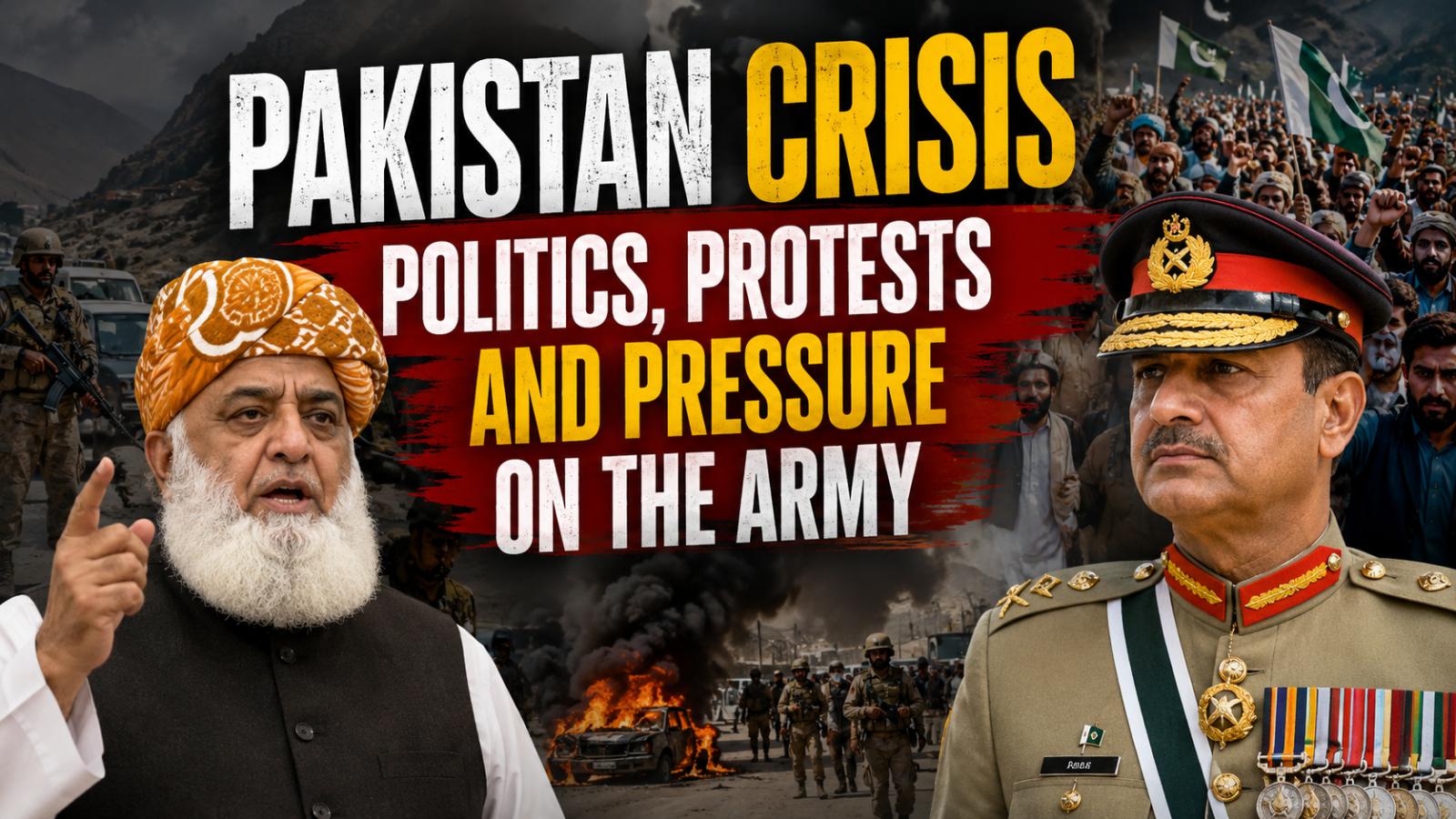
Pakistan’s worsening security crisis has triggered unusually sharp criticism of the military from Jamiat Ulema-e-Islam chief Maulana Fazlur Rehman. His remarks came as authorities confronted deadly militant attacks in Balochistan and renewed protests in Pakistan-administered Kashmir.
Fazlur Rehman questions Pakistan Army’s political role
Speaking at a public gathering in Punjab, Fazlur Rehman claimed that g
Pakistan’s worsening security crisis has triggered unusually sharp criticism of the military from Jamiat Ulema-e-Islam chief Maulana Fazlur Rehman. His remarks came as authorities confronted deadly militant attacks in Balochistan and renewed protests in Pakistan-administered Kashmir.
Fazlur Rehman questions Pakistan Army’s political role
Speaking at a public gathering in Punjab, Fazlur Rehman claimed that g