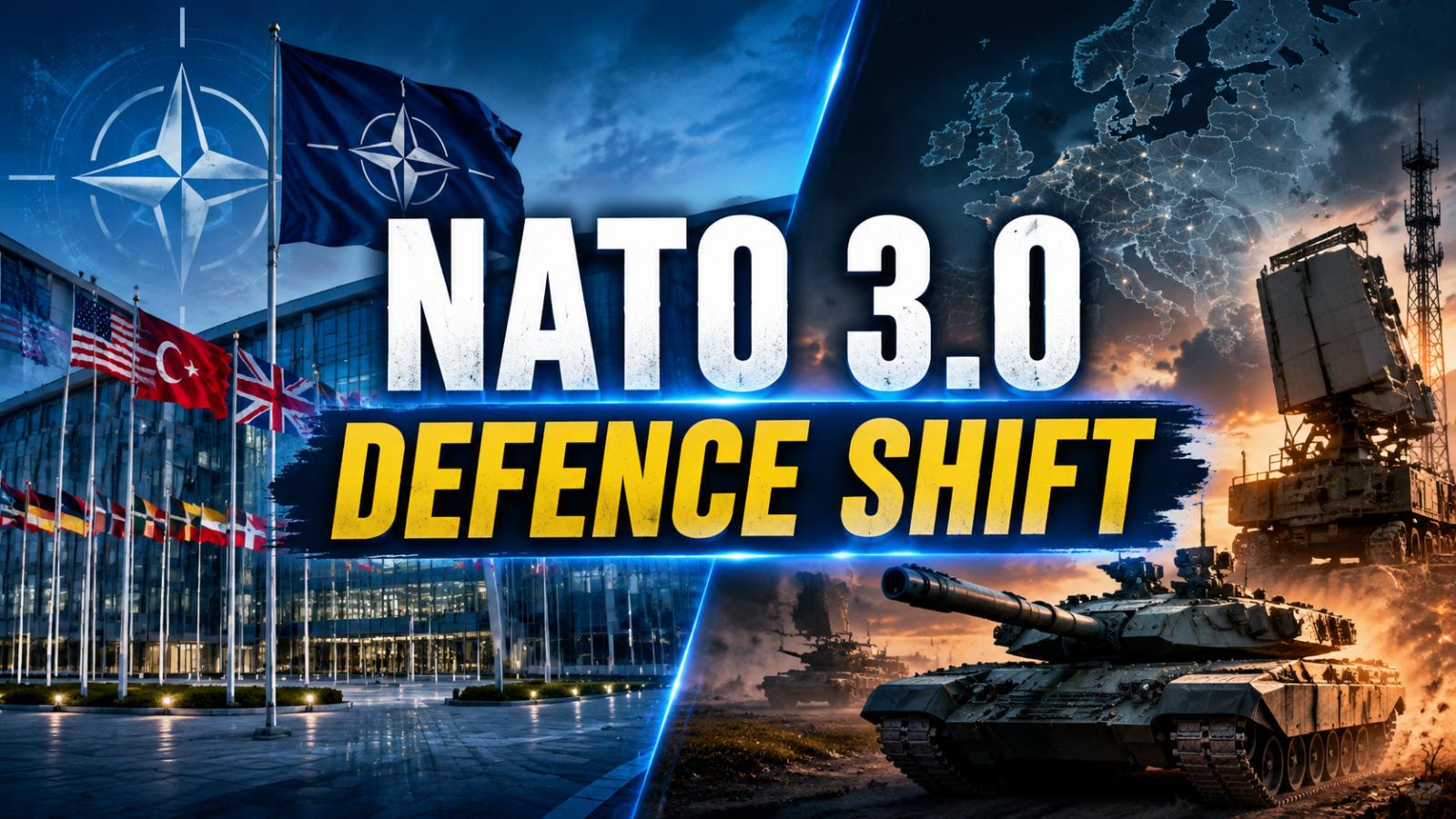
The debate around NATO’s future direction has intensified after renewed US pressure on allies to strengthen their military commitments. The discussion, often referred to as a “NATO 3.0” shift, centers on moving the alliance toward a more force-driven structure focused on deterrence and rapid response rather than political coordination alone. The push reflects growing concerns in Washington over uneven defence contributions across member states.
US signals tougher stance on alliance burden sharing
During recent discussions in Brussels, US defence leadership emphasized that long-standing gaps in military spending among European allies can no longer be ignored. The message highlighted frustration over countries that continue to fall short of agreed defence targets, raising questions about long-term credibility and operational readiness. The US position suggests a more direct approach going forward, where defence imbalances will be addressed publicly rather than behind closed doors.
NATO 3.0 concept reshapes strategic expectations
The proposed “NATO 3.0” framework points to a restructuring of priorities within the alliance. Instead of relying heavily on external reinforcement, the model pushes for stronger internal capability across European members. This includes faster mobilisation systems, higher readiness levels, and increased investment in conventional military strength. The underlying idea is to ensure NATO can respond to regional threats with reduced delay and greater independence.
Europe under growing pressure to expand military capacity
European members are increasingly being urged to take greater responsibility for their own defence infrastructure. The argument is not only financial but also operational, focusing on whether Europe can maintain credible deterrence capabilities without disproportionate reliance on US support. This shift is driving renewed debate within several capitals over defence budgets and long-term security planning.
Alliance future shaped by shifting global risks
As geopolitical risks continue to evolve, NATO’s internal debate reflects a broader reassessment of its purpose and structure. The emphasis is gradually shifting toward readiness, force strength, and coordinated military capability rather than consensus-driven diplomacy alone. While the alliance remains intact, its strategic direction is being recalibrated to match a more uncertain security environment.