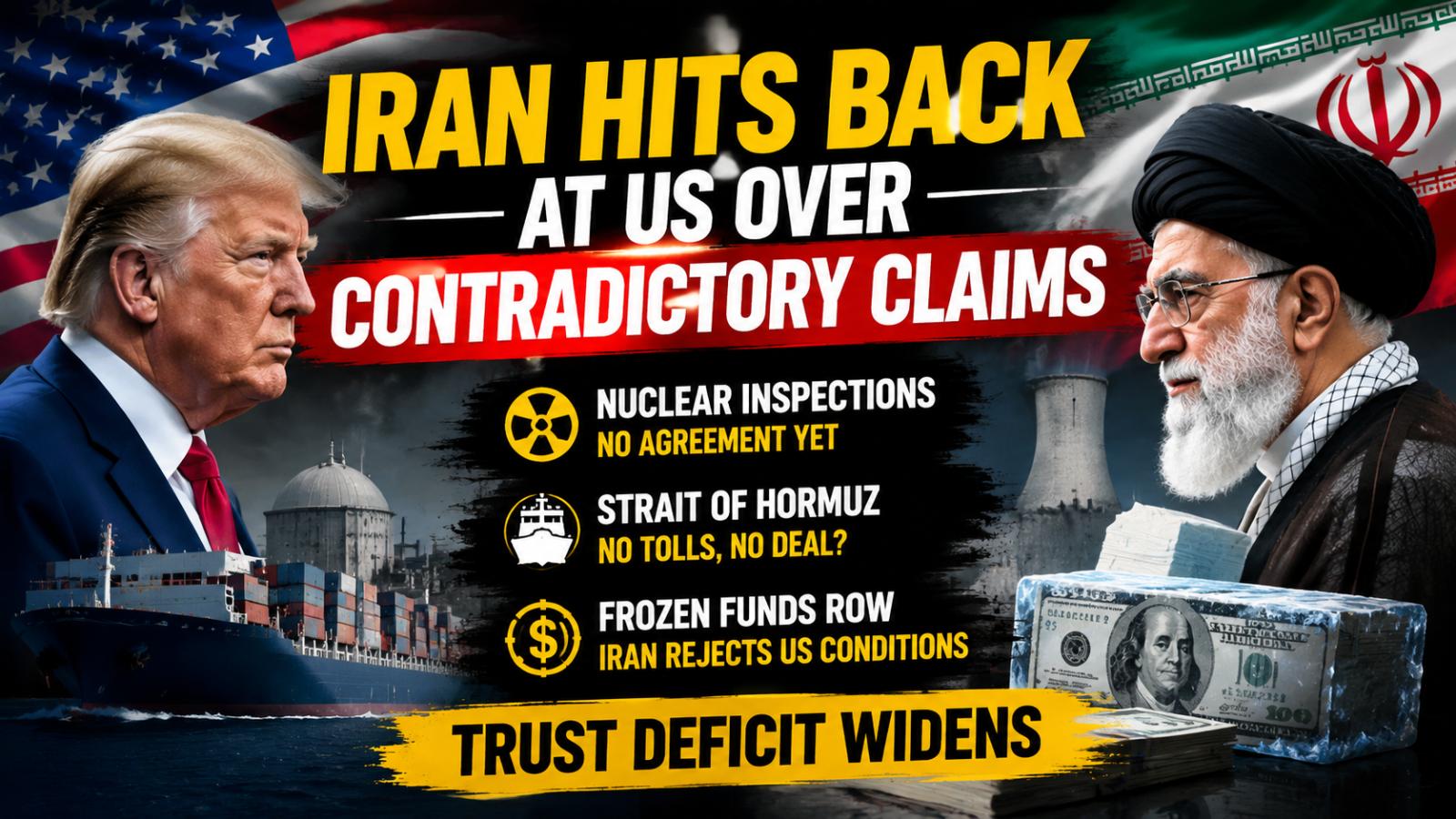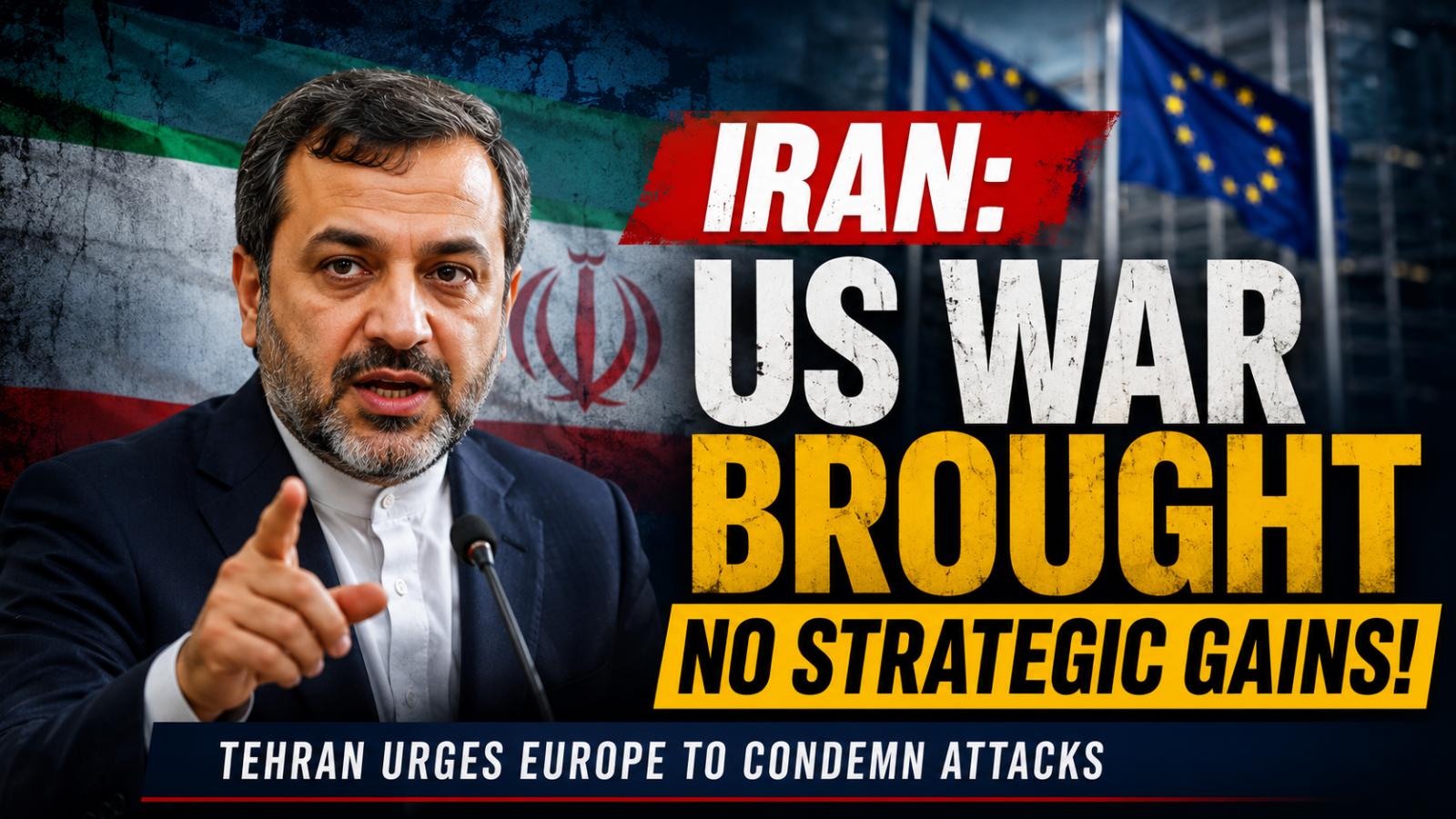
Iran says the US military campaign delivered no strategic gains, as Deputy Foreign Minister Kazem Gharibabadi urges Europe to defend international law and warns that states supporting attacks could deepen regional instability.
Iran says US war brought no gains
Iran’s Deputy Foreign Minister Kazem Gharibabadi said the United States had secured no strategic gains from its military campaign against Iran. He made the claim after meeting 25 European diplomats in Tehran on Wednesday, July 22.
In a statement posted on X, Gharibabadi said he explained Tehran’s position and repeated Iran’s pledge to defend its territory and national interests. He described the earlier 40-day confrontation as a defeat for the countries that attacked Iran and said Tehran would respond firmly during the latest military action.
His comments reflect Iran’s official position and have not been independently verified. Washington has framed its campaign as an effort to reduce Iranian military threats, while Tehran calls the strikes unlawful aggression.
Iran meets European diplomats in Tehran
The meeting gave Iran a direct channel to present its case. Gharibabadi argued that repeated military confrontations had failed to produce a meaningful result for Washington and instead increased risks to regional and global security.
He urged European governments to uphold the United Nations Charter, international law and diplomacy aimed at limiting the conflict. Iran’s Foreign Ministry identifies Gharibabadi as deputy foreign minister for legal and international affairs, a post he has held since September 2024.
The diplomatic gathering also allowed Iran to pressure European representatives directly rather than relying only on public statements. Tehran appears to be seeking both political condemnation of the US campaign and clearer limits on European military assistance.
Europe urged to condemn Iran attacks
Gharibabadi praised Spain and some other European countries for taking what he called principled positions. He contrasted them with governments that supported US operations by allowing access to territory or military bases.
He said Europe should drive diplomacy rather than follow military pressure. He also warned that countries enabling attacks from their territory could be regarded by Tehran as parties to the aggression. His remarks came through an official X post after the diplomatic meeting.
The warning places European governments in a difficult position. Several states depend on close defense cooperation with Washington but also support international efforts to prevent the conflict from spreading. Decisions involving airspace, bases and logistical support could therefore carry greater diplomatic consequences.
US-Iran tensions raise wider risks
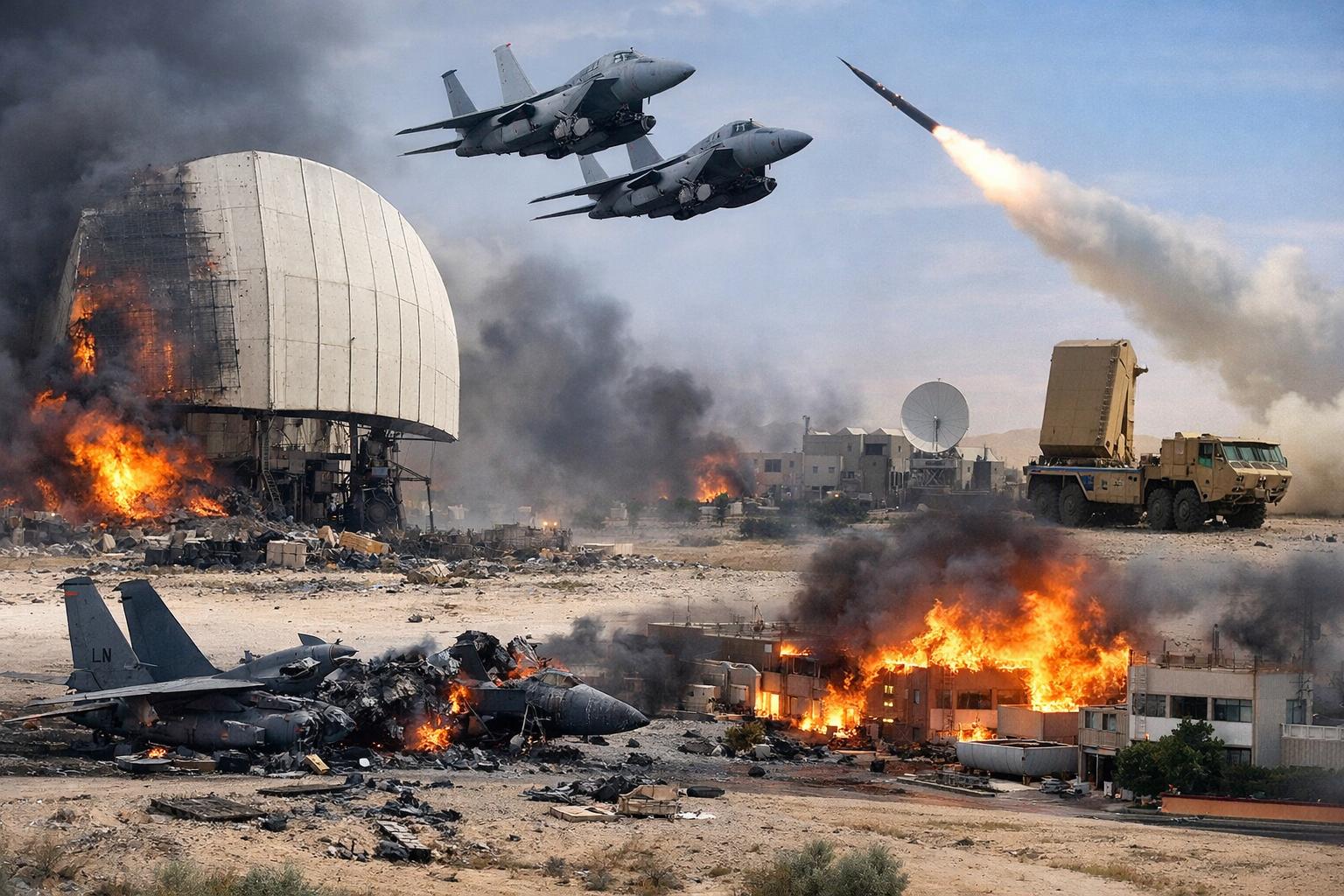
The conflict is expanding beyond military exchanges into pressure on European capitals. Iran wants stronger public condemnation of US actions, while governments supporting Washington may face scrutiny over base access, airspace and logistical assistance.
The impact of Gharibabadi’s appeal remains uncertain. European states may support negotiations while maintaining security ties with the United States, creating a difficult balance as tensions continue. His statement also offered no evidence supporting the claim that the US achieved no strategic gains, making it a political assessment rather than an independently established conclusion.
Relevant internal links include the Global News and Defense and Security categories, the previous article on the 12th consecutive US strikes on Iranian targets, and coverage of European military-base access. Unrelated city pages or business listings would weaken topical relevance.