Iran claims US used ceasefire to strengthen its military capabilities while continuing diplomatic talks, according to senior adviser Mohsen Rezaei. The allegations include rebuilding forces, revising the Islamabad MoU and imposing conditions on the release of frozen Iranian assets.
Iran Claims US Used Ceasefire to Rebuild Military Strength
US military buildup during ceasefire
A senior adviser to Iran's supreme leader has accused the United States of using the recent ceasefire with Iran to reinforce its military presence while simultaneously pursuing diplomatic engagement. The claims were made on Friday, July 17, by Mohsen Rezaei, a military adviser to Iran's supreme leader and a senior official of the Islamic Revolutionary Guard Corps (IRGC).
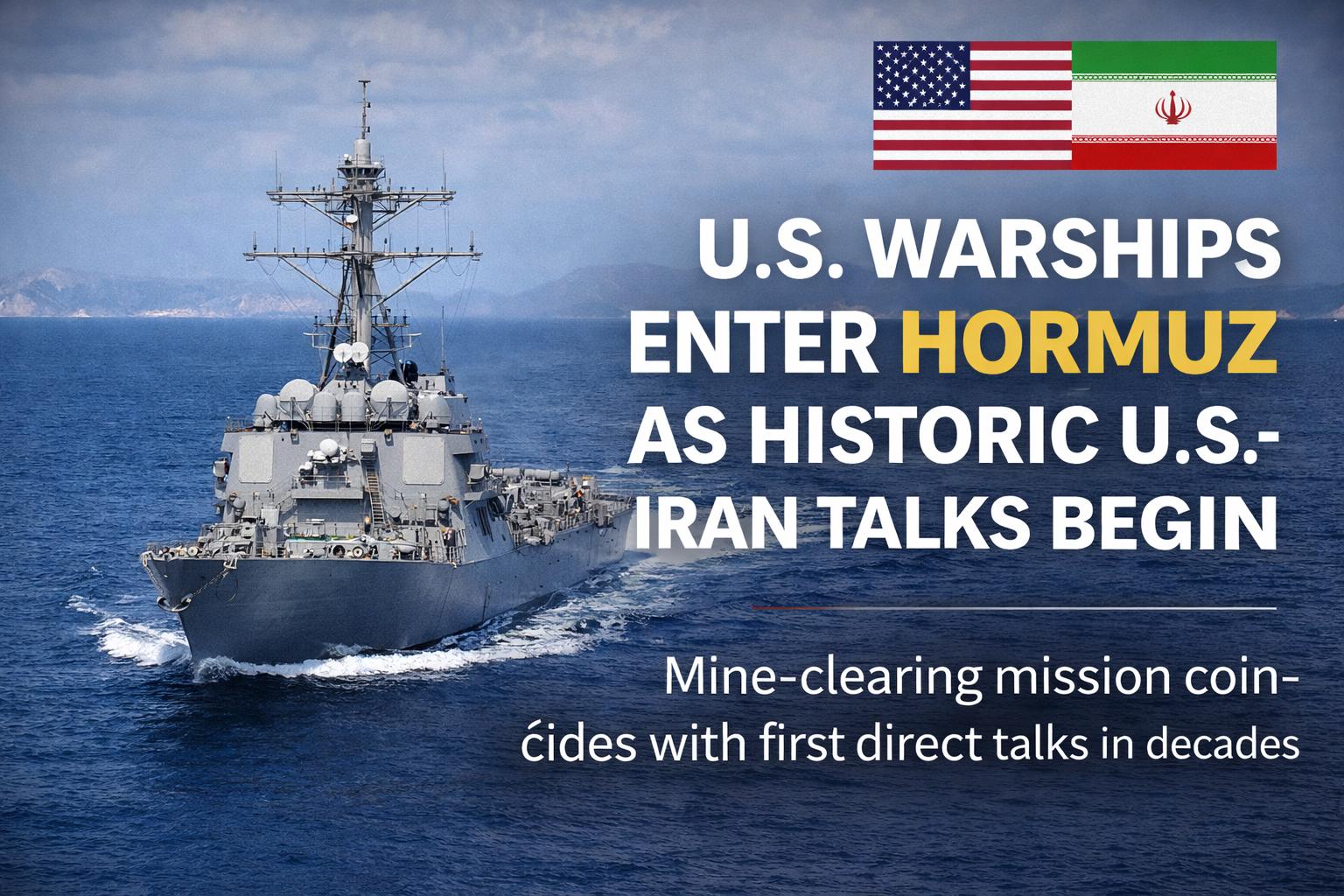
Speaking on Iranian state television, Rezaei alleged that Washington used the pause in hostilities to replenish weapons, expand the deployment of warships and strengthen the presence of aerial refuelling aircraft in the region. According to him, the United States continued negotiations with Tehran while increasing its military readiness, suggesting that the ceasefire served strategic rather than purely diplomatic objectives.
The United States has not publicly responded to these allegations, and Rezaei's statements have not been independently verified.
Mohsen Rezaei ceasefire claims
Rezaei argued that renewed negotiations between Washington and Tehran would likely involve attempts by the United States to replace the existing Islamabad Memorandum of Understanding (MoU) with a revised agreement. He claimed the proposed changes would no longer reflect the conditions under which the original understanding was reached.
According to the Iranian adviser, Tehran would reject any effort to rewrite the existing framework. He said regional developments and recent military events had significantly changed the strategic environment, making any revised agreement unacceptable from Iran's perspective.
Iranian officials have repeatedly maintained that future diplomatic discussions must respect previously agreed principles while addressing the new realities created by recent military confrontations.
Related: US Airstrikes on Iran Continue for Seventh Night
The latest allegations emerged as US Central Command announced another round of strikes against targets inside Iran, extending the American military campaign into a seventh consecutive night.
Read more about the latest US airstrikes on Iran.
Read more on Iran Orders Media to Limit Civilian Damage Reporting
Iran US diplomatic talks remain uncertain
Despite continued diplomatic contacts, relations between Washington and Tehran remain highly strained. The latest comments from Rezaei highlight the deep mistrust that continues to shape discussions between the two governments.
Iranian officials believe the United States has combined military pressure with diplomatic engagement in an effort to gain leverage. Washington, however, has consistently maintained that its military actions are intended to address security concerns while leaving the door open for diplomatic solutions.
No official US statement has addressed Rezaei's latest remarks regarding military deployments or negotiations.
Islamabad MoU dispute and frozen assets
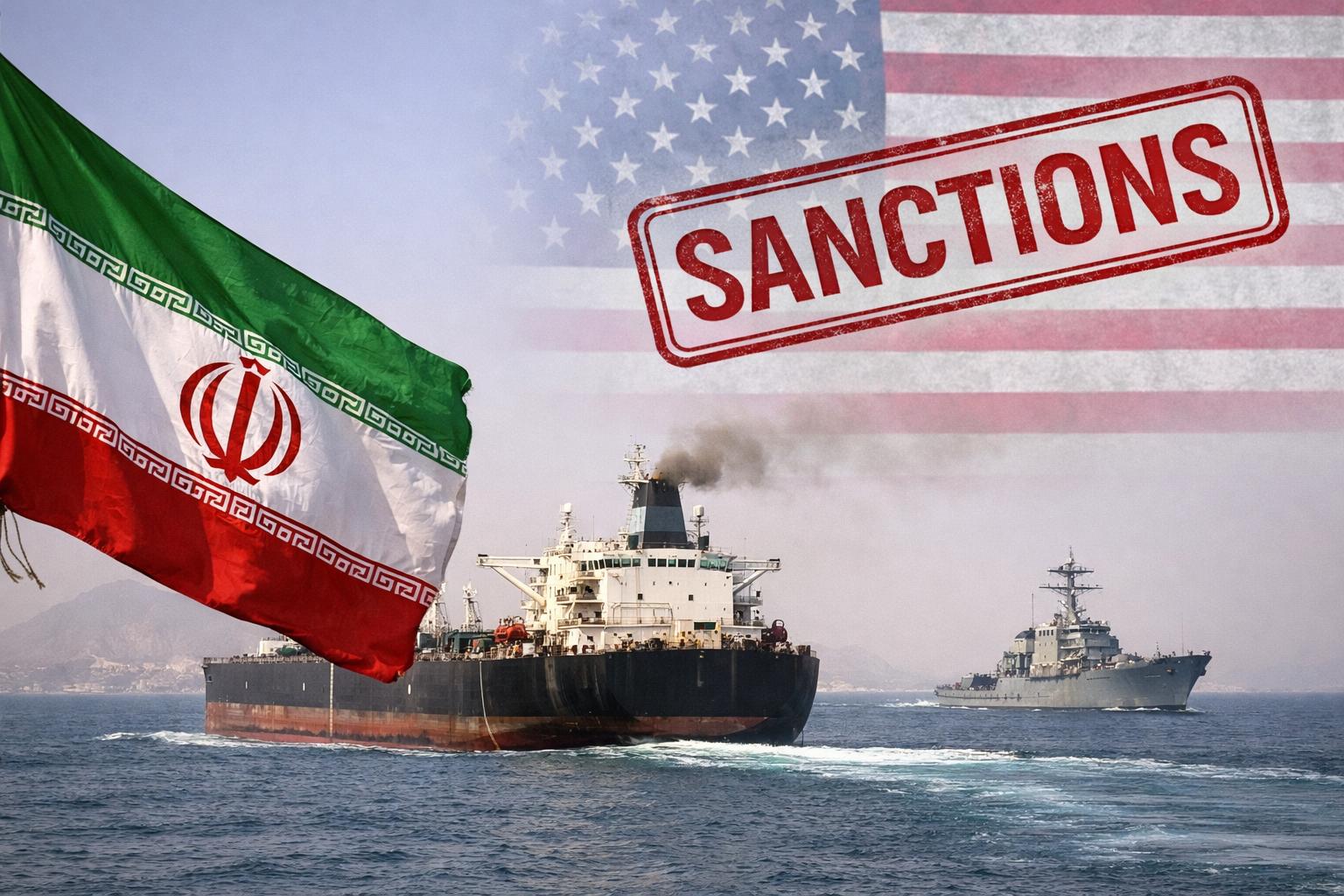
Rezaei also claimed that the United States linked the release of approximately $12 billion in Iranian assets to strict financial conditions. According to his remarks, Washington wanted the funds to be released as loans rather than direct transfers and required the money to be spent exclusively on purchasing goods and food from American companies.
The adviser presented the alleged proposal as another example of US pressure during ongoing diplomatic efforts. However, no official US agency has confirmed the existence of such conditions, and the claims remain unverified.
The latest allegations come as military tensions continue across the Middle East following several days of US airstrikes on Iranian targets. While diplomatic communication has not completely stopped, the exchange of accusations reflects the fragile nature of the current ceasefire.
The information in this report is based on statements made by Mohsen Rezaei during an interview broadcast on Iranian state television. At the time of publication, the United States had not publicly responded to the allegations, and the claims could not be independently verified.