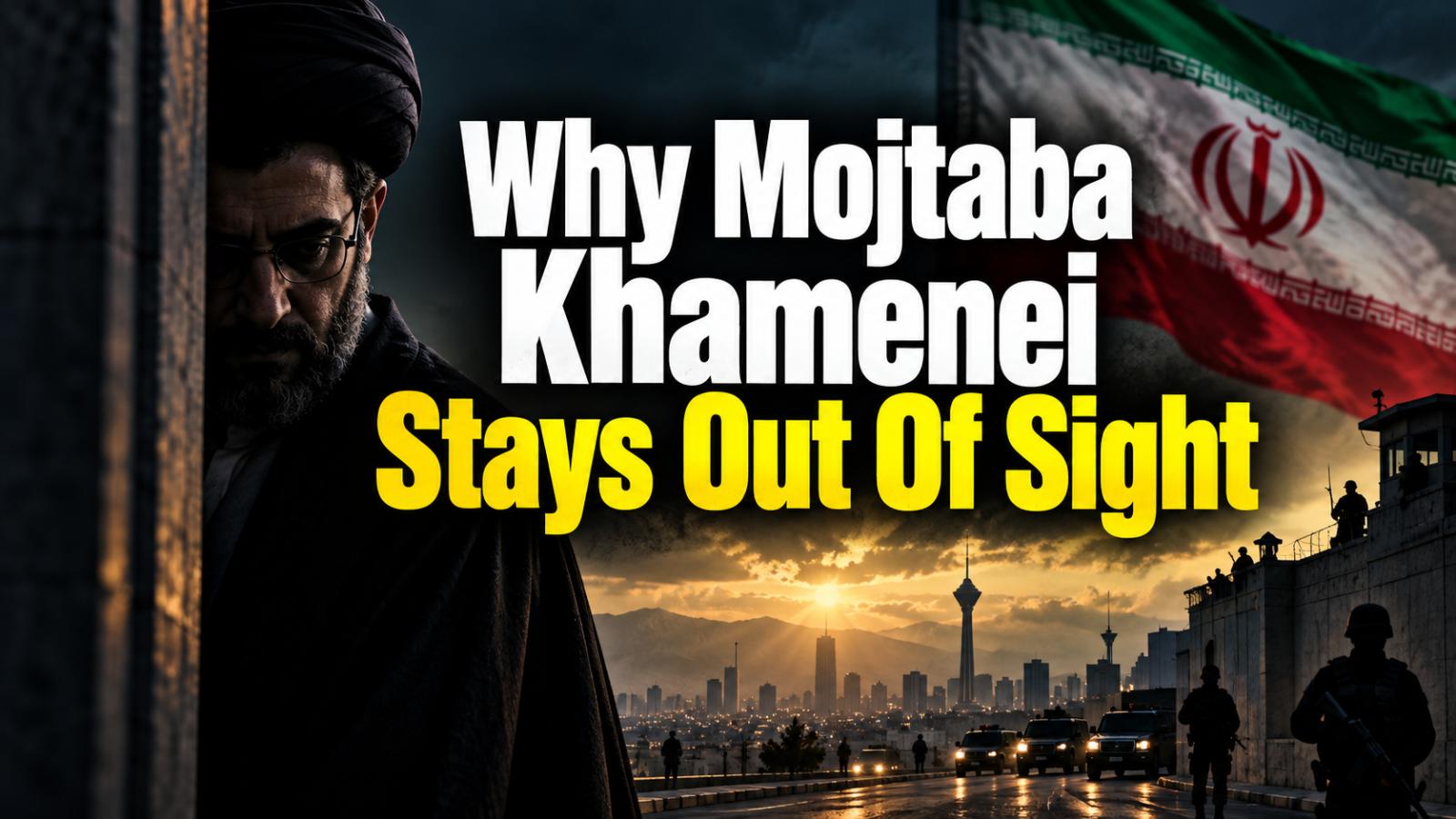
Iranian officials say security concerns explain the Mojtaba Khamenei absence that has continued since he became Iran's Supreme Leader in March. Foreign Minister Abbas Araghchi says Khamenei remains involved in Iran leadership decisions despite making no confirmed public appearance since his appointment.
Security concerns
Araghchi has attributed Khamenei's limited public visibility to security risks created by the continuing confrontation with the United States and Israel. He made the same explanation publicly in June, saying Iranian security agencies had advised against increasing the Supreme Leader's public appearances.
The foreign minister has maintained that officials remain in communication with Khamenei and receive his instructions. Araghchi has also rejected suggestions that the Supreme Leader has lost control of decision-making, saying he continues to exercise authority over state affairs.
Iran leadership
Mojtaba Khamenei was chosen by Iran's Assembly of Experts on March 8 after his father, Ayatollah Ali Khamenei, was killed during the opening wave of US-Israeli strikes on February 28. The younger Khamenei, 56, has longstanding ties to the Islamic Revolutionary Guard Corps and inherited the extensive constitutional powers attached to the office.
Iranian state media has since published written messages and directives attributed to him. However, the absence of photographs or video appearances has generated continuing questions about his health and physical condition. Reuters reported in March that Iranian state television had described him as a wounded veteran of the conflict.
US threat
Araghchi has argued that additional precautions are reasonable because Iran's previous Supreme Leader was killed in a coordinated US-Israeli strike. Iranian officials have repeatedly accused Washington and Israel of continuing to threaten the country's senior leadership.
The United States has offered a different account of Mojtaba Khamenei's condition. US officials have said he was injured during the opening attacks, while Iranian authorities have provided limited details about the extent of those injuries. These competing accounts have not been independently resolved.
Public absence
Khamenei has remained largely out of sight even during significant political and religious events. His brothers and other senior Iranian officials appeared publicly during ceremonies for their father, while Mojtaba did not attend in public, according to reporting from Tehran.
Despite the absence, Iranian state institutions continue to attribute policy decisions and official messages to him. State media reported throughout March and April that he had issued statements on Iran's military policy and relations with regional partners.
Hospital strike
A separate claim has added to questions about Khamenei's health. Mohsen Heydari, a member of Iran's Assembly of Experts, said Khamenei had been wounded during the February attacks and later rescued from rubble after a Tehran hospital where he was receiving treatment was struck.
The account has not been independently verified. It should therefore be treated as a claim by an Iranian official rather than established fact. What remains confirmed is that Mojtaba Khamenei has held the title of Supreme Leader since March while remaining almost entirely outside public view, with Iranian officials continuing to cite wartime security as the reason.