Netanyahu cites India support after JD Vance criticism
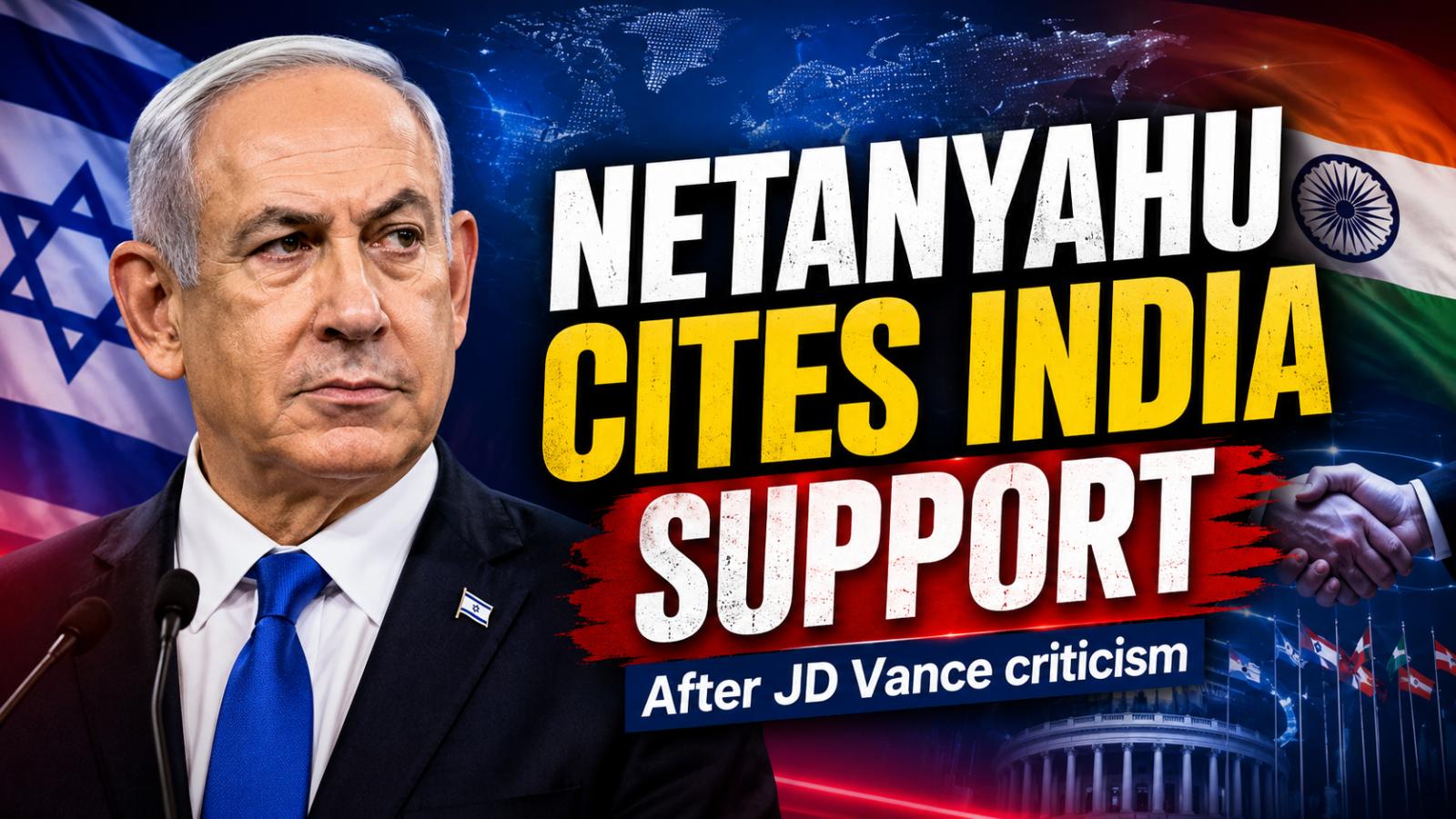
Netanyahu responds to concerns over Israel support Israeli Prime Minister Benjamin Netanyahu pushed back against criticism over declining support for Israel, saying the country’s international backing is not limited to one leader or one nation. Speaking during a televised interview, Netanyahu said Israel has no greater ally than the United States, while also pointing
Netanyahu cites India support after JD Vance criticism
Netanyahu responds to concerns over Israel support Israeli Prime Minister Benjamin Netanyahu pushed back against criticism over declining support for Israel, saying the country’s international backing is not limited to one leader or one nation. Speaking during a televised interview, Netanyahu said Israel has no greater ally than the United States, while also pointing
Iran mourns Khamenei as leaders attend funeral
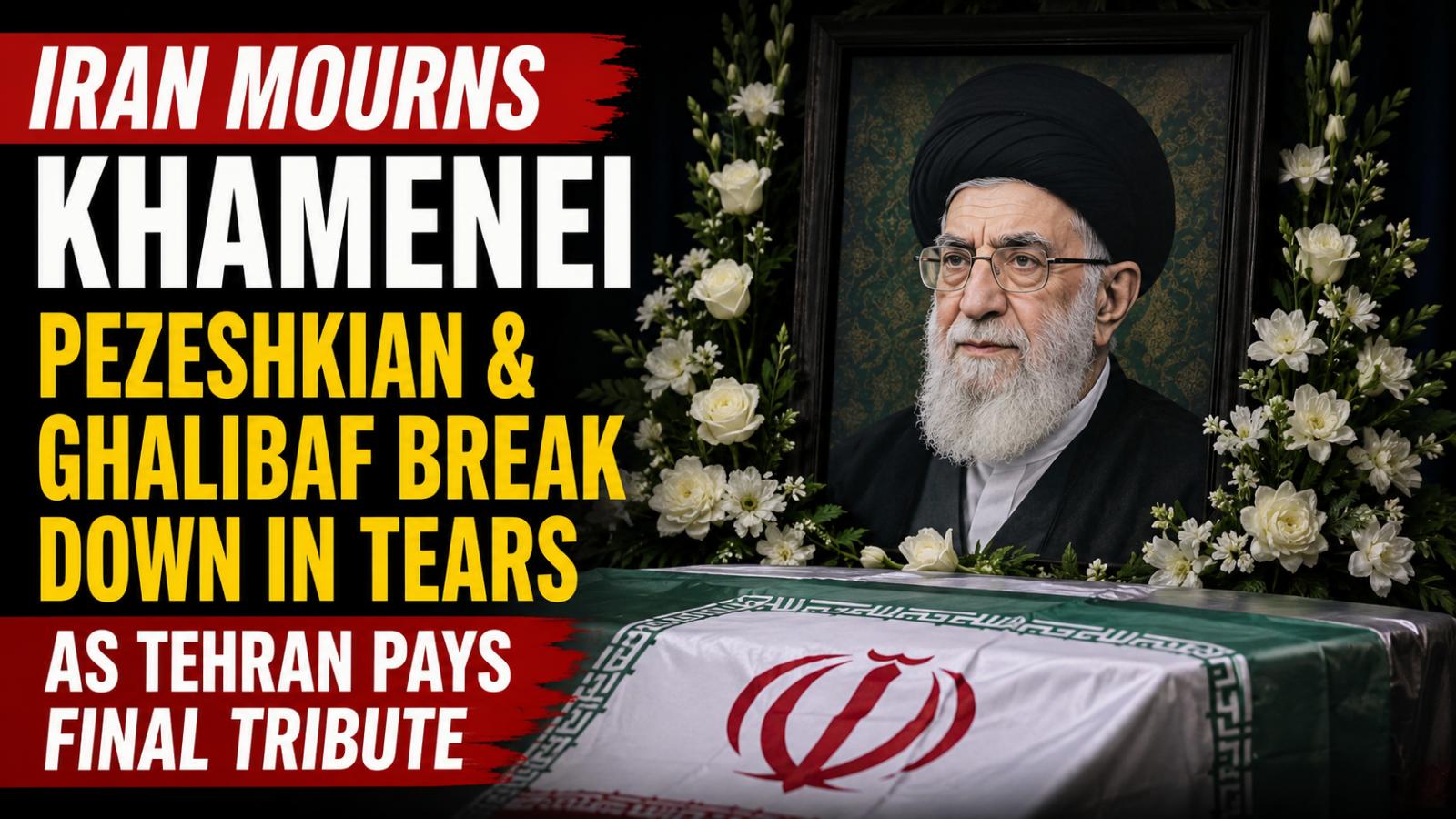
Iran begins formal mourning for Khamenei Iran opened major funeral ceremonies for Supreme Leader Ayatollah Ali Khamenei, nearly four months after he was killed in US-Israeli strikes on February 28. The ceremony in Tehran became a major moment of public mourning and political symbolism, with President Masoud Pezeshkian and Parliament Speaker Mohammad Bagher Ghalibaf seen visibly emotional as senior officials gathered to pay their final respect
Iran mourns Khamenei as leaders attend funeral
Iran begins formal mourning for Khamenei Iran opened major funeral ceremonies for Supreme Leader Ayatollah Ali Khamenei, nearly four months after he was killed in US-Israeli strikes on February 28. The ceremony in Tehran became a major moment of public mourning and political symbolism, with President Masoud Pezeshkian and Parliament Speaker Mohammad Bagher Ghalibaf seen visibly emotional as senior officials gathered to pay their final respect
Israel shifts defence strategy amid US political strain
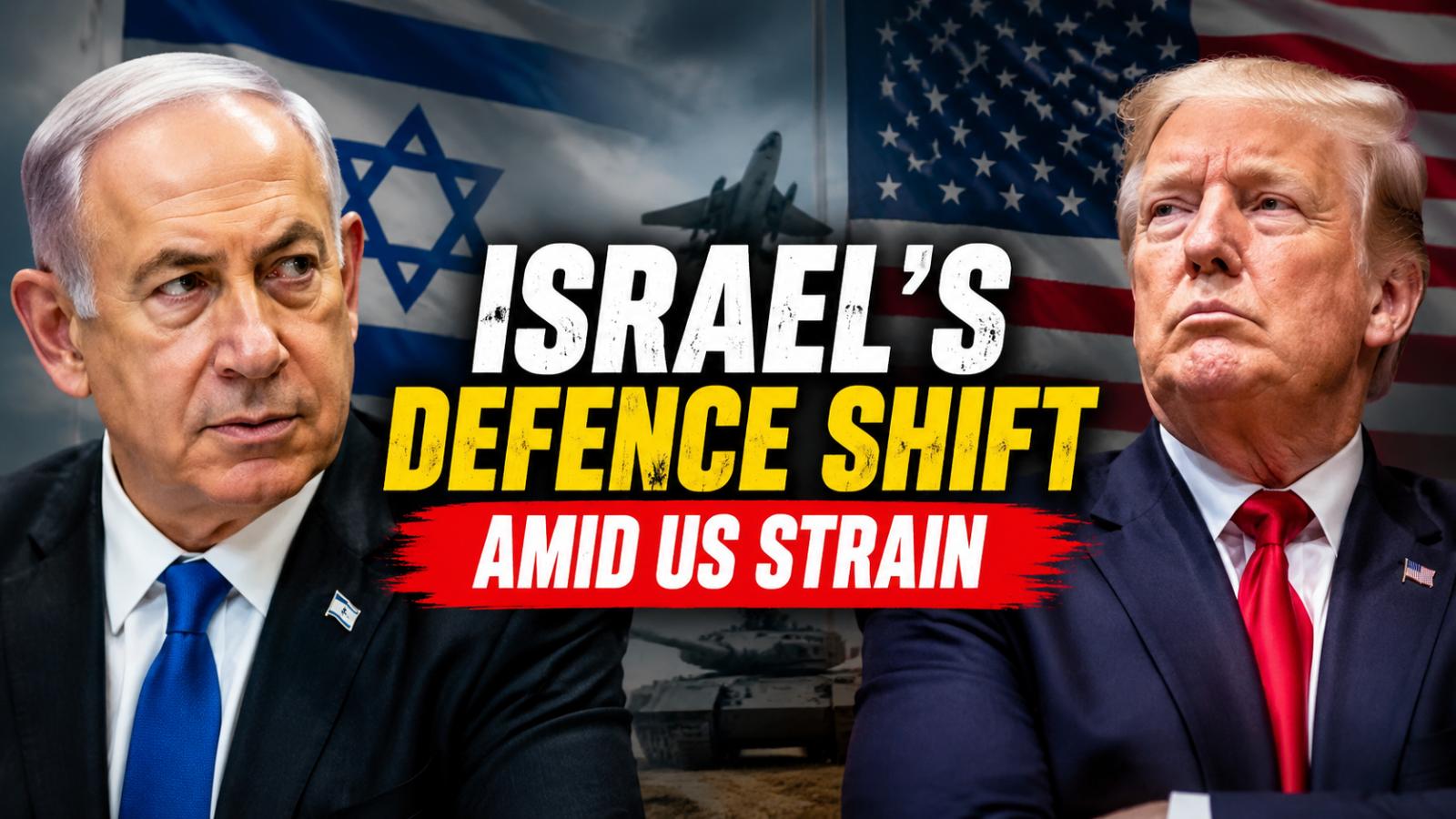
Tensions between Israel and the United States over regional security priorities have added pressure on Prime Minister Benjamin Netanyahu’s government to accelerate its push for greater military independence. The discussion has gained momentum as Israel continues operations linked to Iran-backed groups while simultaneously responding to diplomatic developments involving Washington and Tehran. Netanyahu recently emphasized that Israel cannot depend entirely on external military supply chains for long-term security needs. His remarks were delivered during a meeting with reserve officers in the West Bank, where he highlighted the importance of strengthening domestic defence production and reducing strategic vulnerabilities linked to foreign policy shifts. Domestic defence capacity becomes a strategic priority Israeli leadership is increasingly focused on expanding its local defence manufacturing ecosystem. The plan includes scaling up production of advanced weapon systems, improving technological innovation within the military sector, and reducing delays caused by international procurement dependencies. Officials argue that while US military support remains critical, future conflict scenarios require Israel to maintain uninterrupted access to essential defence capabilities without external constraints. This shift reflects broader concerns about regional instability and the speed at which security threats evolve. Diplomatic friction over regional agreements Recent US-led diplomatic efforts involving Iran have added another layer of complexity to the relationship. Israeli policymakers have expressed concern that regional understandings may not fully address threats posed by groups such as Hezbollah, which continue to operate along Israel’s northern border. From Israel’s perspective, security decisions tied to immediate threats cannot be constrained by broader international agreements. This difference in approach has created periodic friction between Washington and Jerusalem, even as both sides publicly reaffirm their strategic partnership. Political messaging highlights diverging priorities Netanyahu’s statements also reflect internal political messaging aimed at reinforcing a doctrine of strategic independence. While maintaining that the US remains Israel’s most important ally, he has repeatedly stressed that national security decisions must ultimately remain under Israeli control. The debate has also been reflected in wider political discourse, including commentary associated with US political figures and shifting positions on Middle East engagement. Although both governments continue coordination on defence matters, differences in threat assessment and timing of responses remain evident. Strategic autonomy framed as long-term necessity Israeli officials describe the current shift not as a break from alliances but as a recalibration of priorities. The focus is on ensuring that Israel can respond rapidly to evolving threats in a region marked by proxy conflicts, cross-border tensions, and shifting diplomatic alignments. The emerging strategy positions defence self-reliance as a structural requirement rather than a temporary policy adjustment, signaling a longer-term transformation in how Israel plans its security framework.
Israel shifts defence strategy amid US political strain
Tensions between Israel and the United States over regional security priorities have added pressure on Prime Minister Benjamin Netanyahu’s government to accelerate its push for greater military independence. The discussion has gained momentum as Israel continues operations linked to Iran-backed groups while simultaneously responding to diplomatic developments involving Washington and Tehran. Netanyahu recently emphasized that Israel cannot depend entirely on external military supply chains for long-term security needs. His remarks were delivered during a meeting with reserve officers in the West Bank, where he highlighted the importance of strengthening domestic defence production and reducing strategic vulnerabilities linked to foreign policy shifts. Domestic defence capacity becomes a strategic priority Israeli leadership is increasingly focused on expanding its local defence manufacturing ecosystem. The plan includes scaling up production of advanced weapon systems, improving technological innovation within the military sector, and reducing delays caused by international procurement dependencies. Officials argue that while US military support remains critical, future conflict scenarios require Israel to maintain uninterrupted access to essential defence capabilities without external constraints. This shift reflects broader concerns about regional instability and the speed at which security threats evolve. Diplomatic friction over regional agreements Recent US-led diplomatic efforts involving Iran have added another layer of complexity to the relationship. Israeli policymakers have expressed concern that regional understandings may not fully address threats posed by groups such as Hezbollah, which continue to operate along Israel’s northern border. From Israel’s perspective, security decisions tied to immediate threats cannot be constrained by broader international agreements. This difference in approach has created periodic friction between Washington and Jerusalem, even as both sides publicly reaffirm their strategic partnership. Political messaging highlights diverging priorities Netanyahu’s statements also reflect internal political messaging aimed at reinforcing a doctrine of strategic independence. While maintaining that the US remains Israel’s most important ally, he has repeatedly stressed that national security decisions must ultimately remain under Israeli control. The debate has also been reflected in wider political discourse, including commentary associated with US political figures and shifting positions on Middle East engagement. Although both governments continue coordination on defence matters, differences in threat assessment and timing of responses remain evident. Strategic autonomy framed as long-term necessity Israeli officials describe the current shift not as a break from alliances but as a recalibration of priorities. The focus is on ensuring that Israel can respond rapidly to evolving threats in a region marked by proxy conflicts, cross-border tensions, and shifting diplomatic alignments. The emerging strategy positions defence self-reliance as a structural requirement rather than a temporary policy adjustment, signaling a longer-term transformation in how Israel plans its security framework.
Iran warns Gulf nations to stop US and Israel attacks
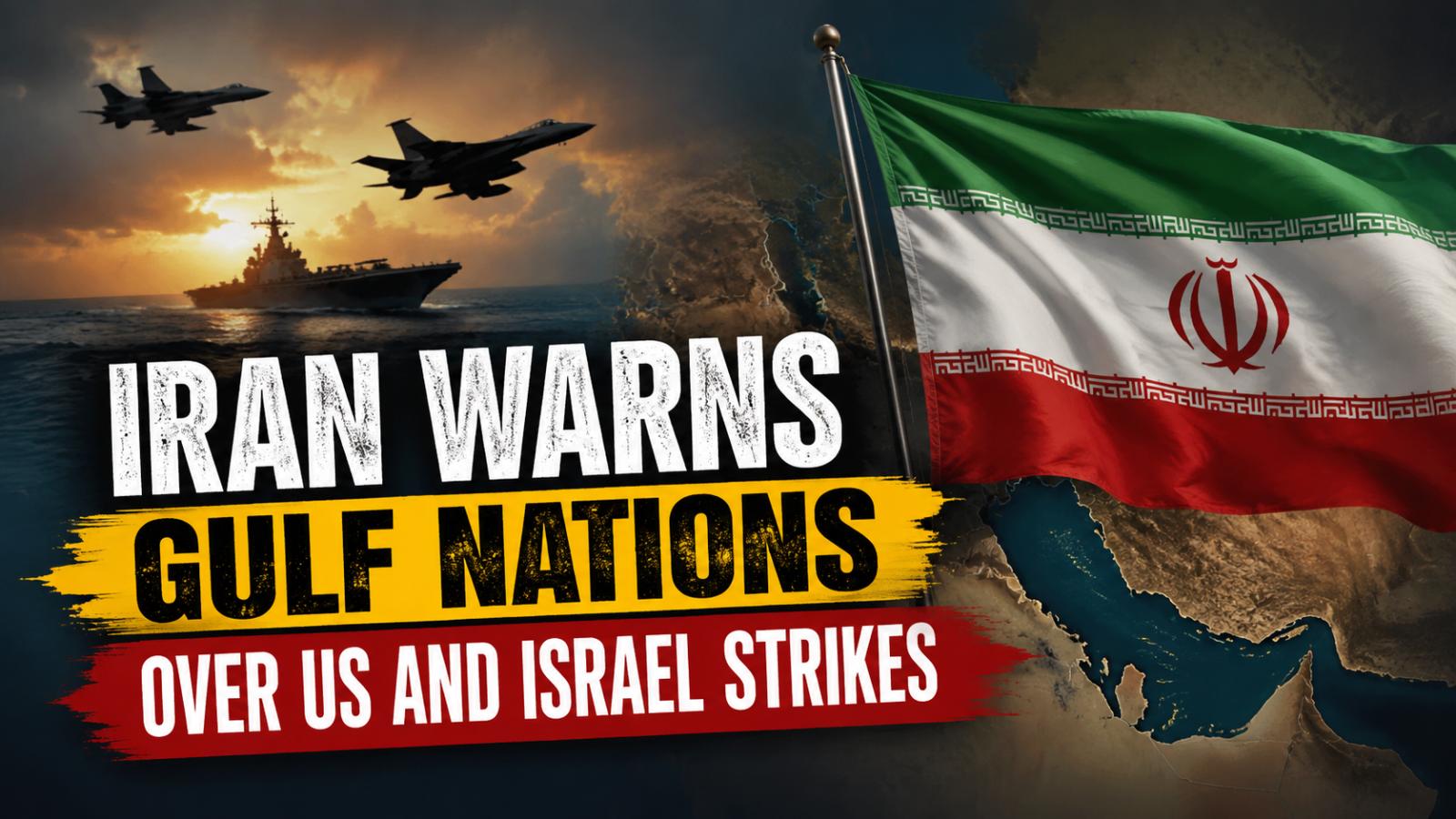
On Wednesday, June 10, Iran’s foreign ministry issued a statement calling on Persian Gulf countries to take active steps to prevent attacks by the United States and Israel from their territories. Tehran emphasized that Gulf states have both legal and moral responsibilities to block foreign military operations and maintain regional stability. Gulf nations’ obligations According to Iran, countr

Iran warns Gulf nations to stop US and Israel attacks
On Wednesday, June 10, Iran’s foreign ministry issued a statement calling on Persian Gulf countries to take active steps to prevent attacks by the United States and Israel from their territories. Tehran emphasized that Gulf states have both legal and moral responsibilities to block foreign military operations and maintain regional stability. Gulf nations’ obligations According to Iran, countr
Trump remarks on Netanyahu's career and election plans
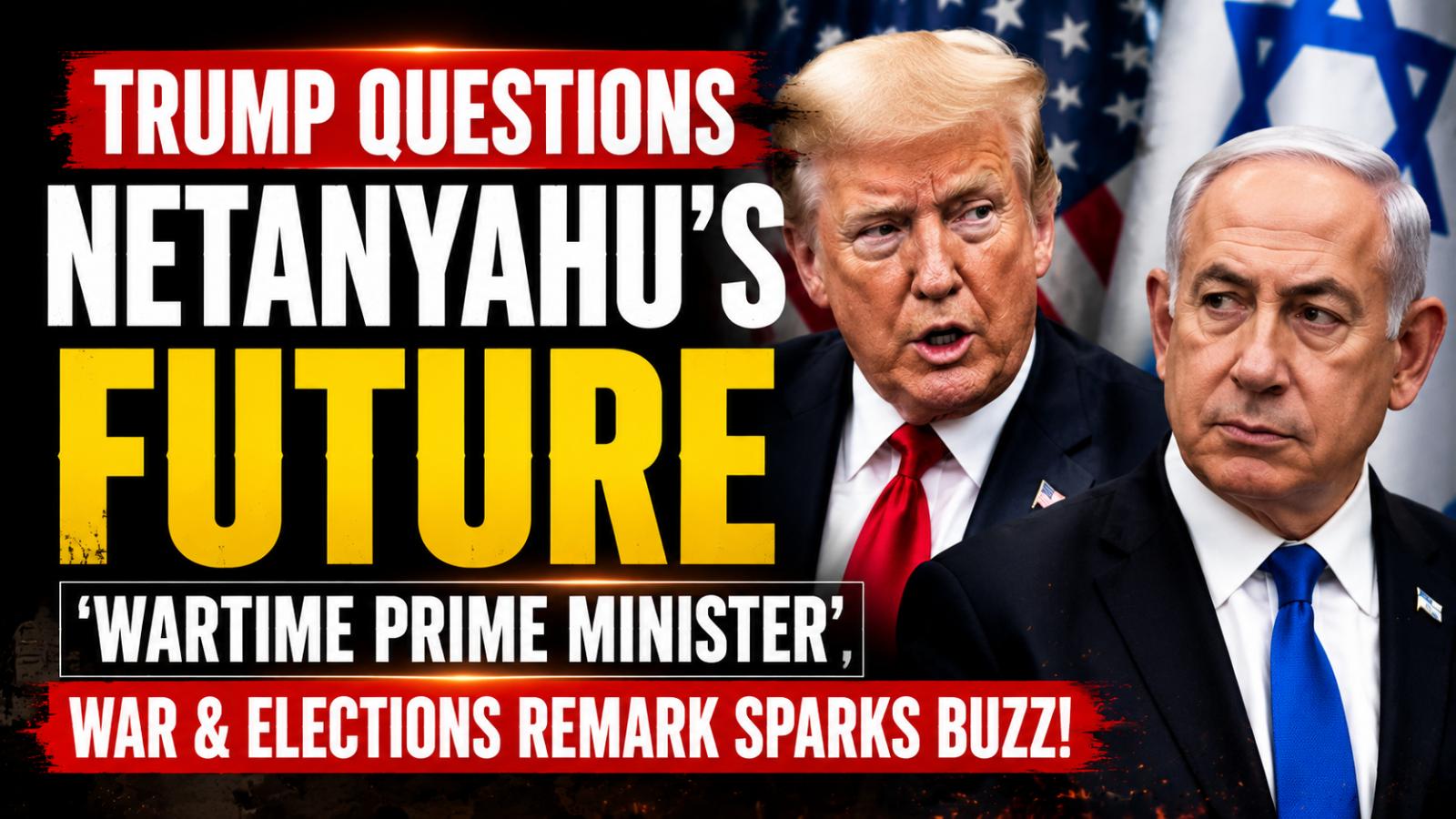
Trump Questions Netanyahu’s Election Plans US President Donald Trump has publicly questioned whether Israeli Prime Minister Benjamin Netanyahu intends to run in the upcoming national elections. In an interview with ABC, Trump referred to Netanyahu as a “wartime prime minister,” highlighting his long career and tenure during conflict periods. Trump suggested that the United States and Israel would soo
Trump remarks on Netanyahu's career and election plans
Trump Questions Netanyahu’s Election Plans US President Donald Trump has publicly questioned whether Israeli Prime Minister Benjamin Netanyahu intends to run in the upcoming national elections. In an interview with ABC, Trump referred to Netanyahu as a “wartime prime minister,” highlighting his long career and tenure during conflict periods. Trump suggested that the United States and Israel would soo
Trump Netanyahu Tensions Over Iran Response Downplayed by Israeli Envoy
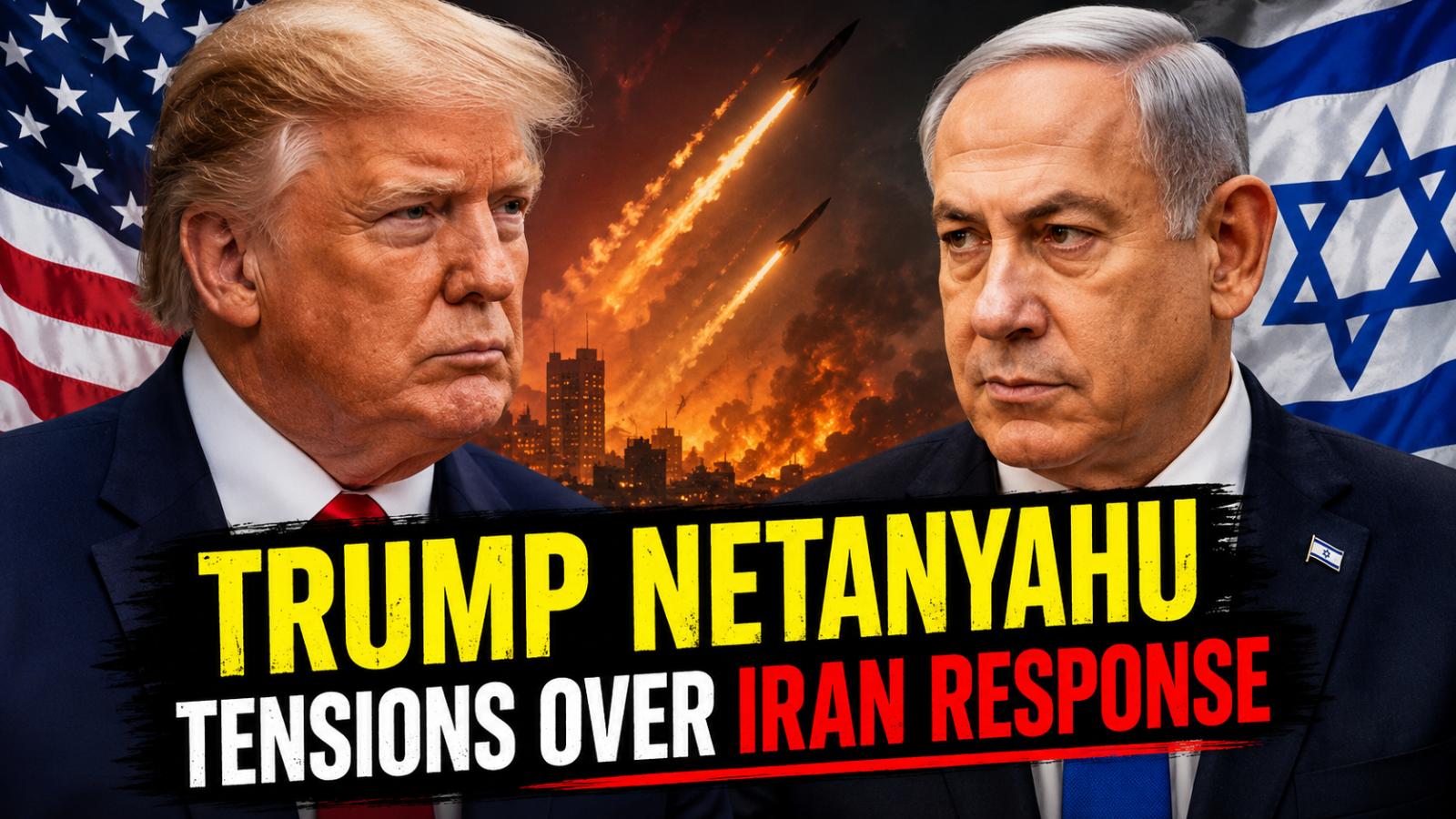
Reports of Trump Netanyahu tensions have become a major talking point as Israel and the United States continue to manage the fallout from Iran’s recent attacks and Israel’s possible military response. Israel’s ambassador to the United States, Yechiel Leiter, has tried to reduce the seriousness of the reports, saying the relationship between US President Donald Trump and Israeli Prime Minister Benjamin Netanyahu remains strong despite sharp discussions over Iran.
Trump Netanyahu Tensions Over Iran Response Downplayed by Israeli Envoy
Reports of Trump Netanyahu tensions have become a major talking point as Israel and the United States continue to manage the fallout from Iran’s recent attacks and Israel’s possible military response. Israel’s ambassador to the United States, Yechiel Leiter, has tried to reduce the seriousness of the reports, saying the relationship between US President Donald Trump and Israeli Prime Minister Benjamin Netanyahu remains strong despite sharp discussions over Iran.
Historic US-China Summit: Trump and Xi Discuss Iran, Trade, and Taiwan in Beijing
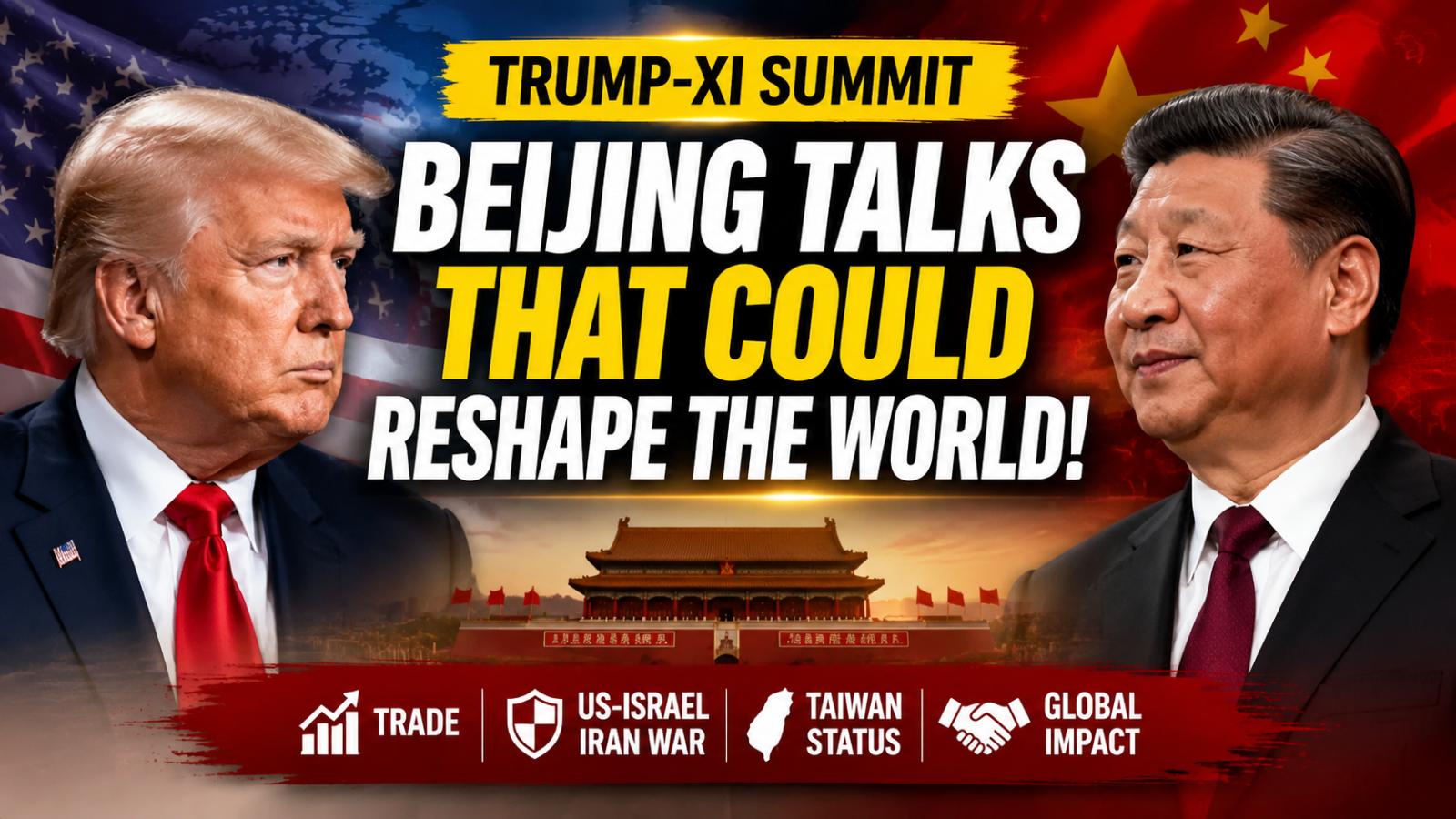
Trump and Xi Jinping Meet in Beijing for Key Summit US President Donald Trump and Chinese President Xi Jinping are set to meet in Beijing for a highly anticipated three-day summit. This is Trump’s first visit to China in nearly a decade, making the meeting particularly significant. The summit is expected to focus on critical global issues, including the ongoing US-Israel war on Iran, trade relations between the two nations, and the status of Taiw
Historic US-China Summit: Trump and Xi Discuss Iran, Trade, and Taiwan in Beijing
Trump and Xi Jinping Meet in Beijing for Key Summit US President Donald Trump and Chinese President Xi Jinping are set to meet in Beijing for a highly anticipated three-day summit. This is Trump’s first visit to China in nearly a decade, making the meeting particularly significant. The summit is expected to focus on critical global issues, including the ongoing US-Israel war on Iran, trade relations between the two nations, and the status of Taiw
Iran Gains Control Over Strait of Hormuz as Iraq and Pakistan Strike Energy Deals
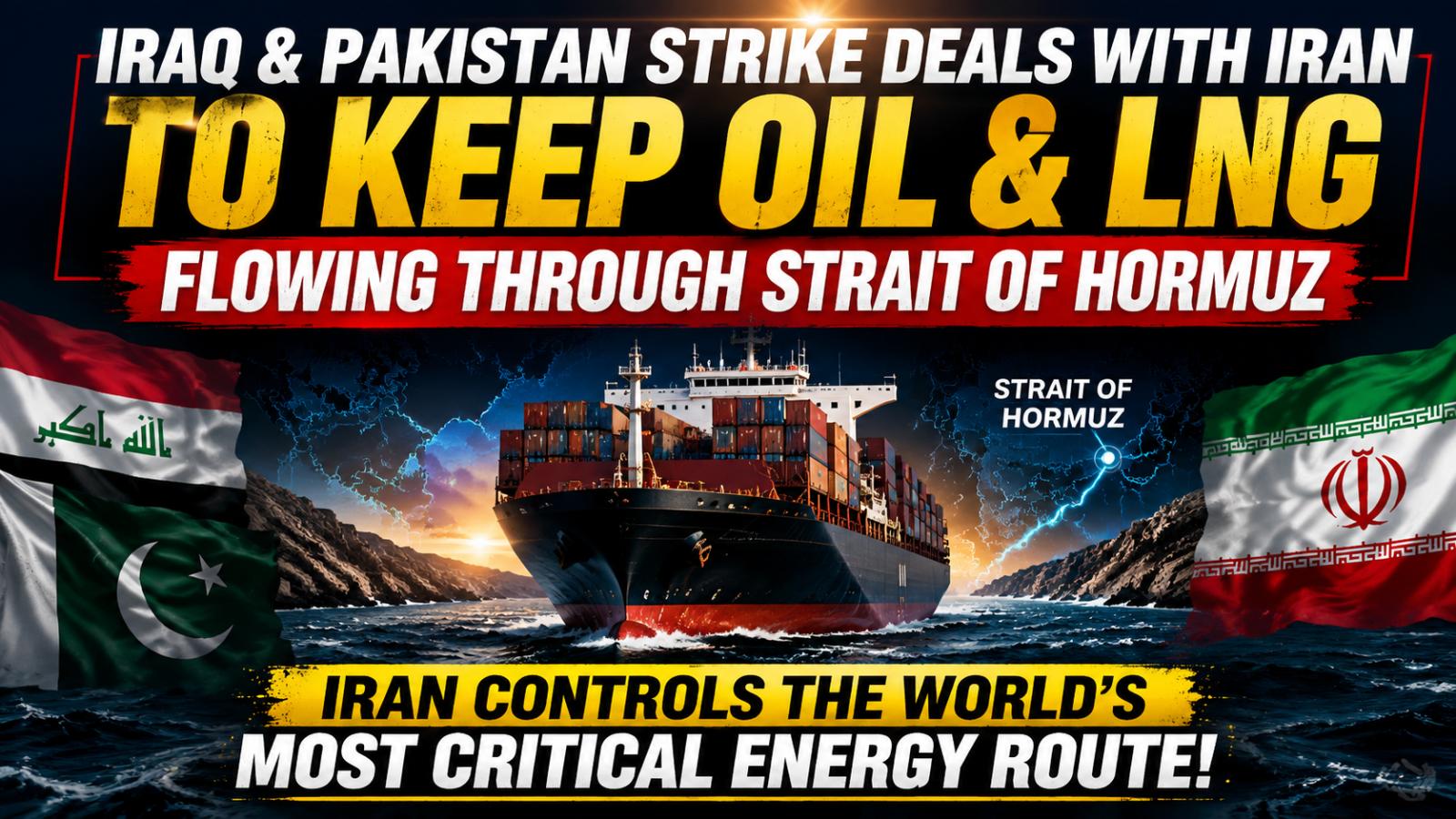
Iraq and Pakistan Secure Oil and Gas Transport Deals Amid the ongoing conflict in the Middle East, Iraq and Pakistan have reached separate agreements with Iran to allow the transport of oil and liquefied natural gas (LNG) through the critical Strait of Hormuz. According to multiple sources, these agreements reflect Iran’s growing control over one of the world’s most important energy corridors, a situation that has intensified due to the ongoing
Iran Gains Control Over Strait of Hormuz as Iraq and Pakistan Strike Energy Deals
Iraq and Pakistan Secure Oil and Gas Transport Deals Amid the ongoing conflict in the Middle East, Iraq and Pakistan have reached separate agreements with Iran to allow the transport of oil and liquefied natural gas (LNG) through the critical Strait of Hormuz. According to multiple sources, these agreements reflect Iran’s growing control over one of the world’s most important energy corridors, a situation that has intensified due to the ongoing
Iran Mural Raises Speculation Over Mojtaba Khamenei Health Condition
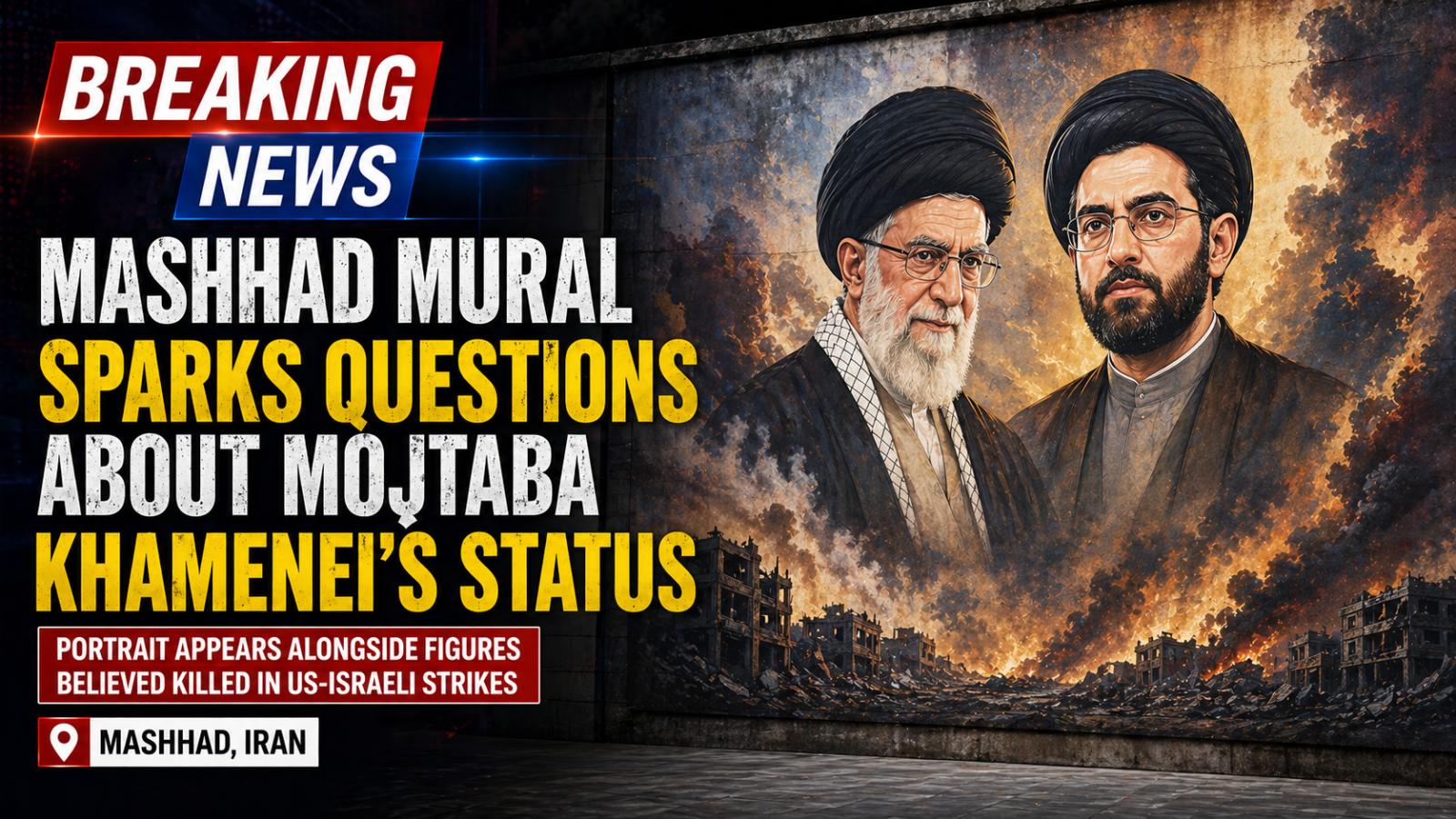
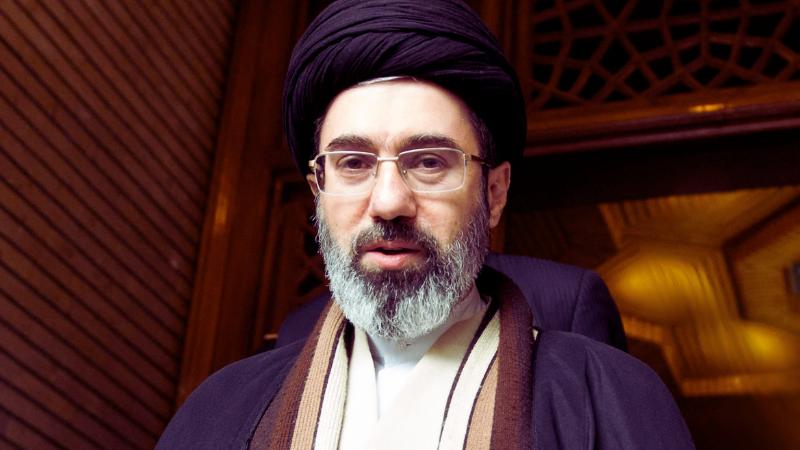
A newly unveiled mural in Mashhad, Iran, has drawn attention and sparked renewed speculation about the status of Mojtaba Khamenei, a key figure in Iran’s leadership. The artwork, revealed during a public ceremony attended by officials, features his portrait alongside several military and political figures believed to have died in recent US-Israeli airstrikes. The inclusion has prompted questions, as such murals in Iran are typically used to honor individuals associated with significan
Iran Mural Raises Speculation Over Mojtaba Khamenei Health Condition
A newly unveiled mural in Mashhad, Iran, has drawn attention and sparked renewed speculation about the status of Mojtaba Khamenei, a key figure in Iran’s leadership. The artwork, revealed during a public ceremony attended by officials, features his portrait alongside several military and political figures believed to have died in recent US-Israeli airstrikes. The inclusion has prompted questions, as such murals in Iran are typically used to honor individuals associated with significan
What damage did Iran war cause? US bases hit hard after airstrikes
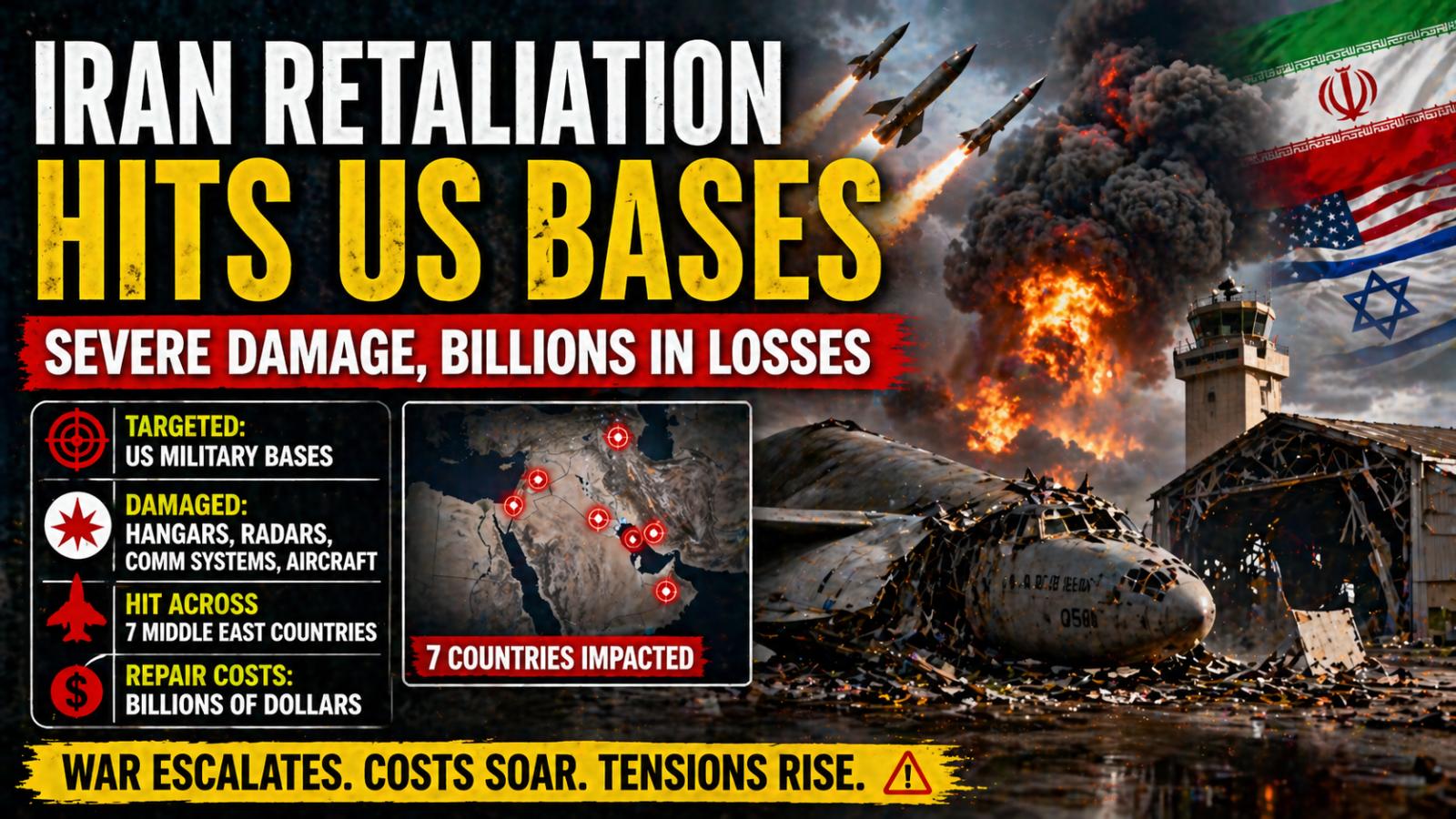
The Iran war, which began on Friday, February 28, 2026, following joint airstrikes by the United States and Israel, has led to widespread infrastructure destruction across Iran while also triggering significant retaliation. New reporting indicates that Iranian counterattacks have caused extensive damage to US military installations across the Middle East, raising concerns about escalating defense costs and regional instability. Escalation after joint US-Israel airstrikes on
What damage did Iran war cause? US bases hit hard after airstrikes
The Iran war, which began on Friday, February 28, 2026, following joint airstrikes by the United States and Israel, has led to widespread infrastructure destruction across Iran while also triggering significant retaliation. New reporting indicates that Iranian counterattacks have caused extensive damage to US military installations across the Middle East, raising concerns about escalating defense costs and regional instability. Escalation after joint US-Israel airstrikes on
US and Israel share identical goals on Iran, Netanyahu says
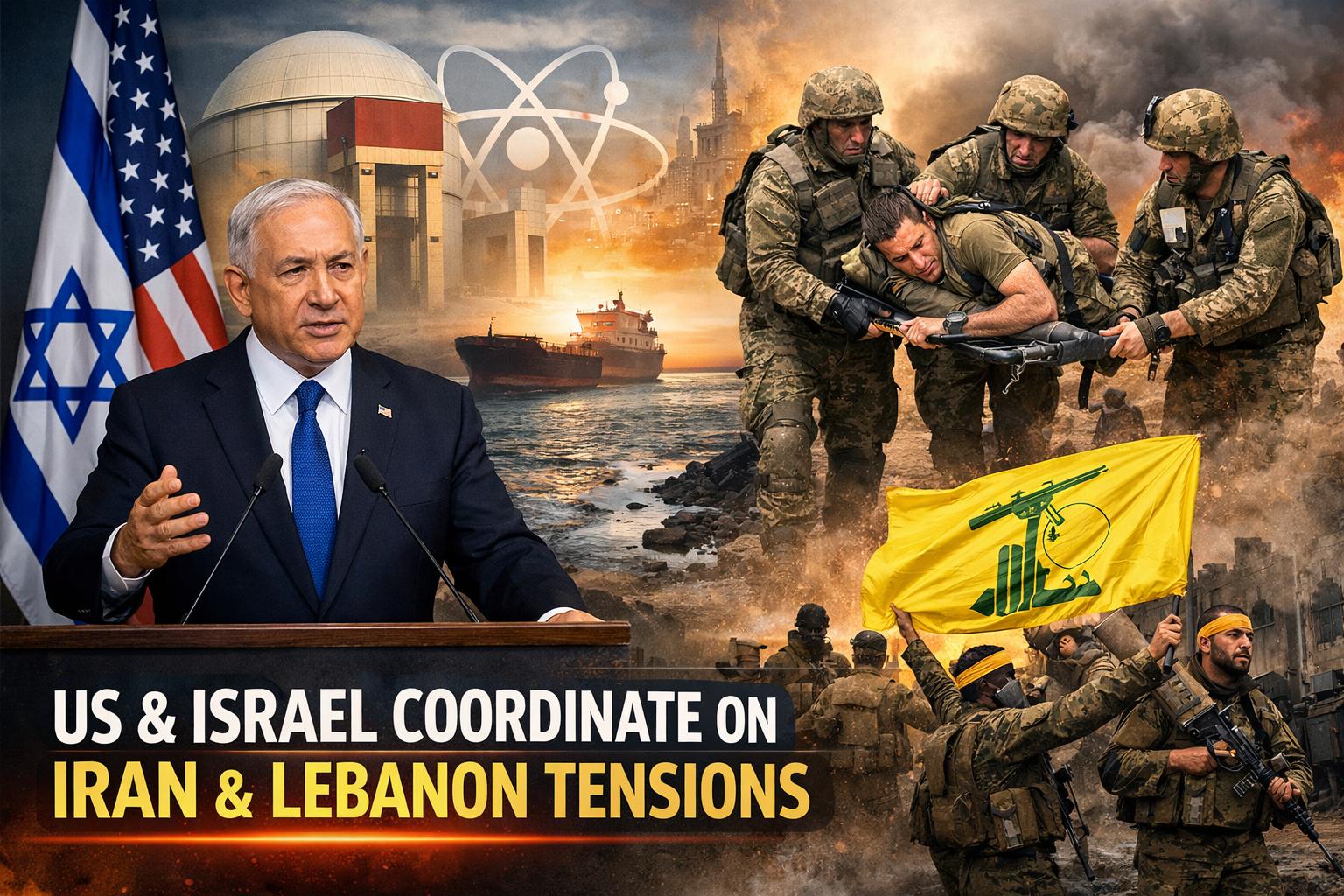
Israeli Prime Minister Benjamin Netanyahu said on Wednesday, April 15, 2026, that Israel and the United States are closely aligned in their approach toward Iran, emphasizing shared strategic objectives and ongoing coordination. In a televised address, Netanyahu stated that U.S. officials continue to keep Israel informed about their diplomatic engagements with Tehran, underscoring the depth of cooperation between the two allies. “Our American friends keep us constantly updated on the
US and Israel share identical goals on Iran, Netanyahu says
Israeli Prime Minister Benjamin Netanyahu said on Wednesday, April 15, 2026, that Israel and the United States are closely aligned in their approach toward Iran, emphasizing shared strategic objectives and ongoing coordination. In a televised address, Netanyahu stated that U.S. officials continue to keep Israel informed about their diplomatic engagements with Tehran, underscoring the depth of cooperation between the two allies. “Our American friends keep us constantly updated on the
Two killed in strike on railway bridge in Iran’s Kashan, officials say
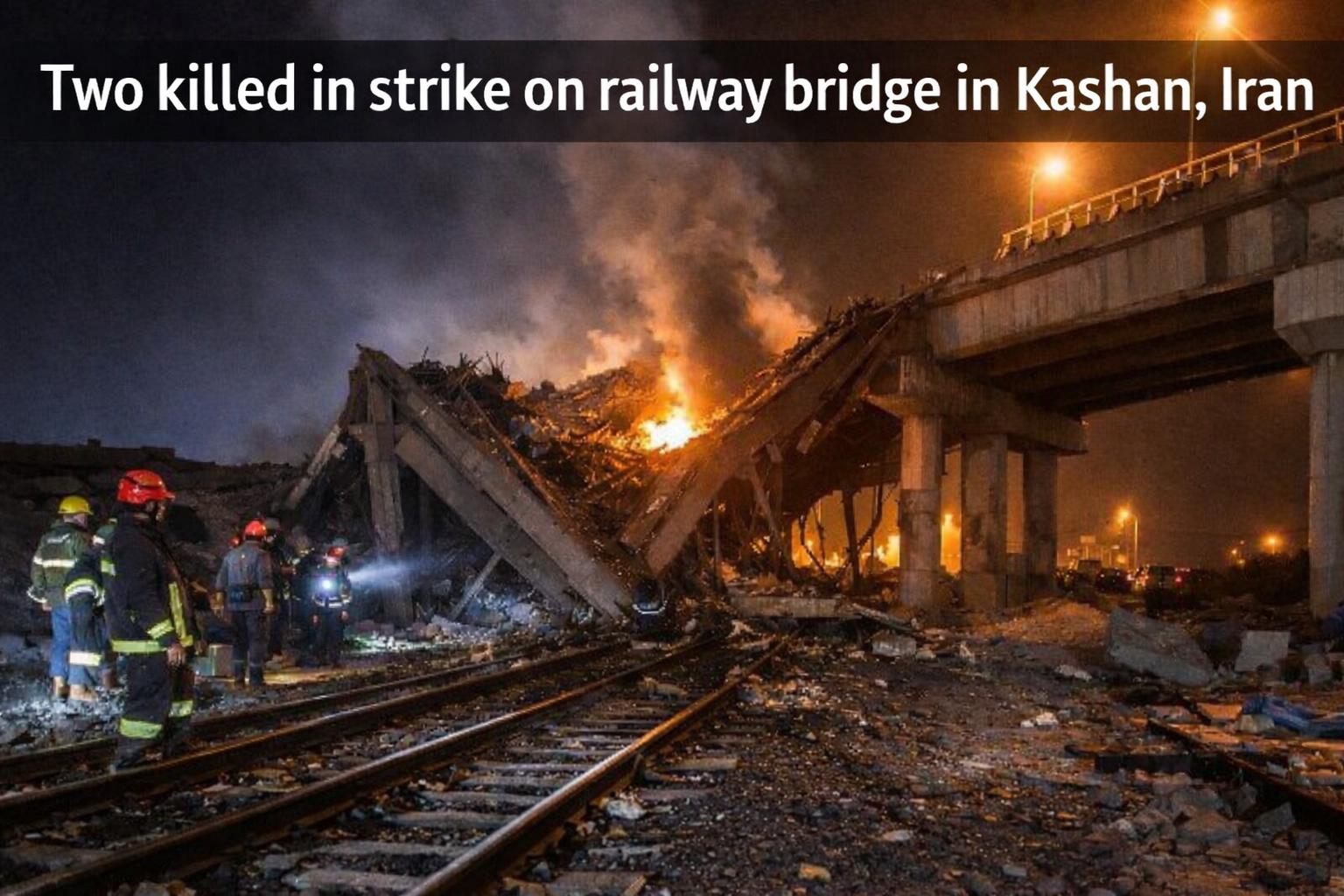
Two people were killed and three others injured in a strike on a railway bridge in the central Iranian city of Kashan, according to regional authorities. The incident occurred at approximately 4:52 PM IST on Tuesday, April 7, 2026 (which was early morning, Tuesday, April 7, 2026, in the United States), based on available live updates. Akbar Salehi, a senior security official in Isfahan province, said the Yahya Abad railway bridge in Kashan was targeted in what he described as an attack involving U.S. and Israeli forces. He stated that the strike resulted in civilian casualties, confirming two fatalities and three injuries. Authorities reported disruptions to transportation infrastructure following the incident. A key highway in northern Iran was closed after the strike, though officials did not immediately provide details on the extent of the damage or how long the closure would remain in effect. No independent confirmation of the attack or its attribution has been released. The situation remains fluid as officials continue to assess the damage and broader security implications in the region.
Two killed in strike on railway bridge in Iran’s Kashan, officials say
Two people were killed and three others injured in a strike on a railway bridge in the central Iranian city of Kashan, according to regional authorities. The incident occurred at approximately 4:52 PM IST on Tuesday, April 7, 2026 (which was early morning, Tuesday, April 7, 2026, in the United States), based on available live updates. Akbar Salehi, a senior security official in Isfahan province, said the Yahya Abad railway bridge in Kashan was targeted in what he described as an attack involving U.S. and Israeli forces. He stated that the strike resulted in civilian casualties, confirming two fatalities and three injuries. Authorities reported disruptions to transportation infrastructure following the incident. A key highway in northern Iran was closed after the strike, though officials did not immediately provide details on the extent of the damage or how long the closure would remain in effect. No independent confirmation of the attack or its attribution has been released. The situation remains fluid as officials continue to assess the damage and broader security implications in the region.
US-Israel strikes hit Iran’s Kharg Island, raising global oil concerns
Missile strikes by United States and Israeli forces have reportedly targeted Iran’s strategically vital Kharg Island, significantly escalating tensions in West Asia. According to Iran’s Mehr News, the strikes were reported on Tuesday, April 7, 2026, marking a critical development in the ongoing military campaign known as Operation Epic Fury. Kharg Island, often described as Tehran’s economic lifeline, handles nearly 90% of Iran’s crude oil exports, making it central to globa
US-Israel strikes hit Iran’s Kharg Island, raising global oil concerns
Missile strikes by United States and Israeli forces have reportedly targeted Iran’s strategically vital Kharg Island, significantly escalating tensions in West Asia. According to Iran’s Mehr News, the strikes were reported on Tuesday, April 7, 2026, marking a critical development in the ongoing military campaign known as Operation Epic Fury. Kharg Island, often described as Tehran’s economic lifeline, handles nearly 90% of Iran’s crude oil exports, making it central to globa
Iran’s Leadership Crisis Deepens as Mojtaba Khamenei Remains Unconscious
Mojtaba Khamenei, the newly-appointed Supreme Leader of Iran, is currently unconscious and receiving medical treatment in Qom, Iran. The report, based on intelligence sources from the US and Israel, revealed that Khamenei sustained severe injuries in the same airstrike that killed his father, Ayatollah Ali Khamenei, on February 28, 2026. Due to his current condition, Mojtaba Khamenei is unable to be involved in the decision-making process of the country, which has raised concerns regardi
Iran’s Leadership Crisis Deepens as Mojtaba Khamenei Remains Unconscious
Mojtaba Khamenei, the newly-appointed Supreme Leader of Iran, is currently unconscious and receiving medical treatment in Qom, Iran. The report, based on intelligence sources from the US and Israel, revealed that Khamenei sustained severe injuries in the same airstrike that killed his father, Ayatollah Ali Khamenei, on February 28, 2026. Due to his current condition, Mojtaba Khamenei is unable to be involved in the decision-making process of the country, which has raised concerns regardi
Israel Targets Iran’s Petrochemical Hub in Latest Escalation of US-Israel-Iran Conflict
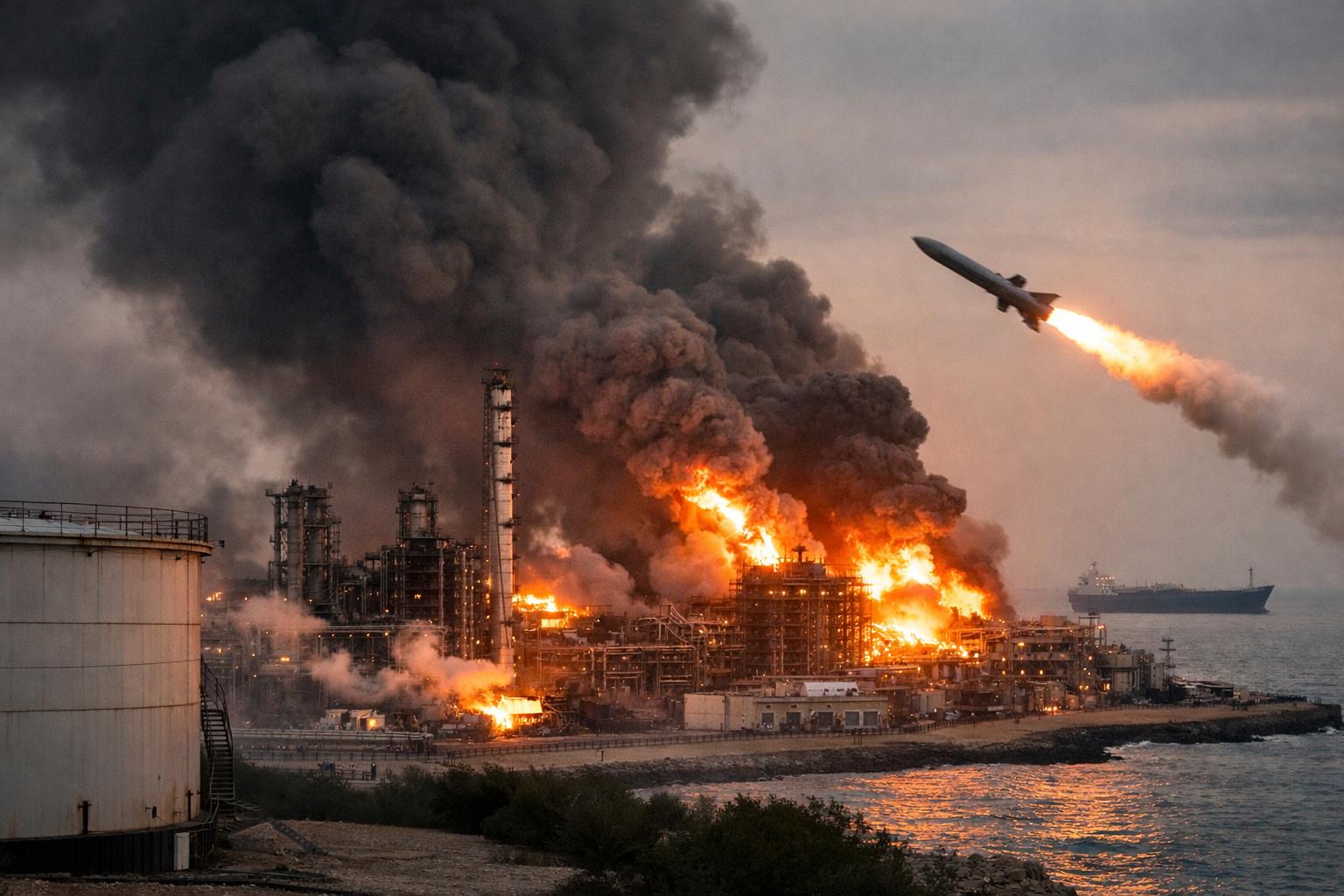
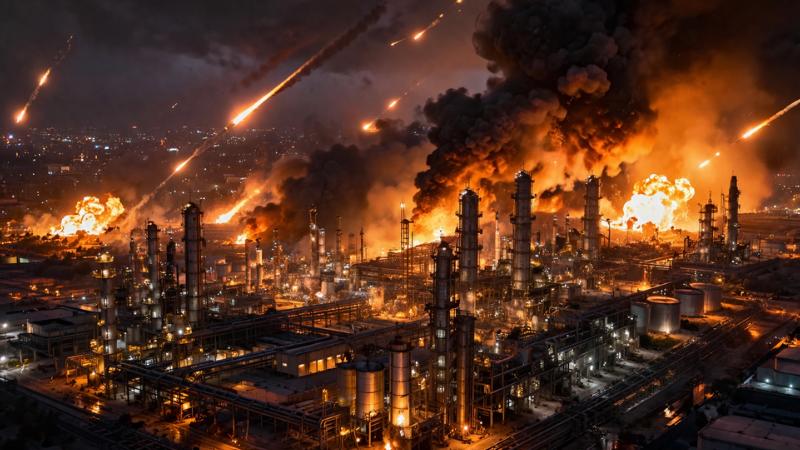
The ongoing conflict between the US, Israel, and Iran continues to escalate as the war in the Middle East enters its second month with no sign of abating. Tensions have been rising ever since US President Donald Trump’s ultimatum for Iran to engage in negotiations was issued, but Tehran remains defiant and continues its aggressive stance. Israel has intensified its military operations in the region, striking Iran’s largest petrochemical complex, which it claims serves as a centr
Israel Targets Iran’s Petrochemical Hub in Latest Escalation of US-Israel-Iran Conflict
The ongoing conflict between the US, Israel, and Iran continues to escalate as the war in the Middle East enters its second month with no sign of abating. Tensions have been rising ever since US President Donald Trump’s ultimatum for Iran to engage in negotiations was issued, but Tehran remains defiant and continues its aggressive stance. Israel has intensified its military operations in the region, striking Iran’s largest petrochemical complex, which it claims serves as a centr
Dozens of Iranian universities hit as US-Israel conflict escalates
Iranian authorities have stated that at least 30 universities across the country have been damaged since the start of ongoing military strikes involving the United States and Israel, highlighting the widening impact of the conflict on civilian infrastructure. Officials in Tehran reported that multiple higher education institutions were affected during a series of attacks that have intensified in recent weeks. The strikes, which Iran attributes to coordinated US-Israel military operati
Dozens of Iranian universities hit as US-Israel conflict escalates
Iranian authorities have stated that at least 30 universities across the country have been damaged since the start of ongoing military strikes involving the United States and Israel, highlighting the widening impact of the conflict on civilian infrastructure. Officials in Tehran reported that multiple higher education institutions were affected during a series of attacks that have intensified in recent weeks. The strikes, which Iran attributes to coordinated US-Israel military operati
US–Israel–Iran War | Iran alleges strike near Bushehr nuclear plant amid rising tensions
Iran’s Atomic Energy Organization on Tuesday reported that a projectile struck within the perimeter of the Bushehr nuclear power plant, alleging that the attack was carried out by the United States and Israel. In an official statement, the agency described the incident as part of continued aggression by what it termed the “American-Zionist enemy.” Authorities said the projectile landed inside the facility’s enclosure but confirmed that initial assessments found no financial losses, techn
US–Israel–Iran War | Iran alleges strike near Bushehr nuclear plant amid rising tensions
Iran’s Atomic Energy Organization on Tuesday reported that a projectile struck within the perimeter of the Bushehr nuclear power plant, alleging that the attack was carried out by the United States and Israel. In an official statement, the agency described the incident as part of continued aggression by what it termed the “American-Zionist enemy.” Authorities said the projectile landed inside the facility’s enclosure but confirmed that initial assessments found no financial losses, techn
US-Israel strike on Iran followed urgent call between Netanyahu and Trump
Less than 48 hours before a joint US-Israeli military operation targeting Iran, Israeli Prime Minister Benjamin Netanyahu made a final appeal to US President Donald Trump, urging swift action as intelligence indicated a narrowing operational window. According to officials, briefings suggested that Iran’s Supreme Leader Ayatollah Ali Khamenei and senior leadership were expected to gather in Tehran, presenting what was described as a rare strategic opportunity. Updated intelligence reportedly showed the meeting had been moved earlier, intensifying the urgency of the decision. Although Trump had already approved military action in principle, the exact timing and scale remained under review. Netanyahu’s call was seen as a decisive moment, reinforcing arguments that delays could result in a missed opportunity. The operation followed months of escalating tensions and unsuccessful diplomatic efforts aimed at addressing Iran’s nuclear programme, which had reached a stalemate. Earlier military actions in June, involving strikes on Iranian nuclear and missile infrastructure, had already heightened hostilities. While US forces later joined Israeli operations in a 12-day campaign, Israeli officials continued to push for a more comprehensive response. Strategic discussions, including high-level meetings, focused on Iran’s advancing missile capabilities and perceived regional threat. Additional geopolitical developments influenced Washington’s approach, including a successful US-backed operation in Venezuela and widespread unrest within Iran, which was met with force by security agencies. US officials had anticipated escalation, warning that any Israeli action could provoke retaliation against American assets and allies in the region. The coordinated strikes began on February 28 after Trump gave final approval. The White House stated that the objective was to weaken Iran’s military infrastructure, curb its missile capabilities, and prevent nuclear weapon development. Trump later announced that Khamenei had been killed during the operation. The aftermath saw immediate retaliation from Iran, disruptions in key shipping routes, and a surge in global oil prices. Reports indicated significant casualties, including Iranian civilians and US personnel. Despite expectations of political change, intelligence assessments had warned that leadership shifts might not moderate Iran’s stance. Khamenei’s son, Mojtaba Khamenei, has since assumed leadership, while security forces continue to maintain control. Both leaders have defended their roles in the decision, with Trump asserting sole responsibility and Netanyahu denying claims of influencing US involvement. However, accounts suggest that the combination of intelligence updates and diplomatic pressure played a critical role in shaping a decision that has significantly altered regional dynamics.
US-Israel strike on Iran followed urgent call between Netanyahu and Trump
Less than 48 hours before a joint US-Israeli military operation targeting Iran, Israeli Prime Minister Benjamin Netanyahu made a final appeal to US President Donald Trump, urging swift action as intelligence indicated a narrowing operational window. According to officials, briefings suggested that Iran’s Supreme Leader Ayatollah Ali Khamenei and senior leadership were expected to gather in Tehran, presenting what was described as a rare strategic opportunity. Updated intelligence reportedly showed the meeting had been moved earlier, intensifying the urgency of the decision. Although Trump had already approved military action in principle, the exact timing and scale remained under review. Netanyahu’s call was seen as a decisive moment, reinforcing arguments that delays could result in a missed opportunity. The operation followed months of escalating tensions and unsuccessful diplomatic efforts aimed at addressing Iran’s nuclear programme, which had reached a stalemate. Earlier military actions in June, involving strikes on Iranian nuclear and missile infrastructure, had already heightened hostilities. While US forces later joined Israeli operations in a 12-day campaign, Israeli officials continued to push for a more comprehensive response. Strategic discussions, including high-level meetings, focused on Iran’s advancing missile capabilities and perceived regional threat. Additional geopolitical developments influenced Washington’s approach, including a successful US-backed operation in Venezuela and widespread unrest within Iran, which was met with force by security agencies. US officials had anticipated escalation, warning that any Israeli action could provoke retaliation against American assets and allies in the region. The coordinated strikes began on February 28 after Trump gave final approval. The White House stated that the objective was to weaken Iran’s military infrastructure, curb its missile capabilities, and prevent nuclear weapon development. Trump later announced that Khamenei had been killed during the operation. The aftermath saw immediate retaliation from Iran, disruptions in key shipping routes, and a surge in global oil prices. Reports indicated significant casualties, including Iranian civilians and US personnel. Despite expectations of political change, intelligence assessments had warned that leadership shifts might not moderate Iran’s stance. Khamenei’s son, Mojtaba Khamenei, has since assumed leadership, while security forces continue to maintain control. Both leaders have defended their roles in the decision, with Trump asserting sole responsibility and Netanyahu denying claims of influencing US involvement. However, accounts suggest that the combination of intelligence updates and diplomatic pressure played a critical role in shaping a decision that has significantly altered regional dynamics.
Trump criticizes NATO allies over Iran conflict support and oil concerns
US President Donald Trump on Friday sharply criticized NATO allies, accusing them of failing to support Washington and Israel during the ongoing conflict with Iran, while also expressing frustration over their stance on rising oil prices. His remarks highlight growing tensions between the United States and its traditional partners amid escalating instability in the Middle East. In a social media post, Trump described NATO as ineffective without US leadership, calling the alliance a “paper
Trump criticizes NATO allies over Iran conflict support and oil concerns
US President Donald Trump on Friday sharply criticized NATO allies, accusing them of failing to support Washington and Israel during the ongoing conflict with Iran, while also expressing frustration over their stance on rising oil prices. His remarks highlight growing tensions between the United States and its traditional partners amid escalating instability in the Middle East. In a social media post, Trump described NATO as ineffective without US leadership, calling the alliance a “paper
US–Israel–Iran War | Strike on Iran gas infrastructure sparks oil surge and regional threats
A major escalation in regional tensions unfolded on Wednesday after Iran’s South Pars gas field was struck, marking the first reported attack on the country’s Gulf energy infrastructure amid the ongoing U.S.-Israel conflict. The incident prompted Tehran to issue a strong warning, stating it would retaliate by targeting oil and gas installations across the Gulf region, raising fears of a broader confrontation affecting global energy security. The strike had an immediate impact on internat
US–Israel–Iran War | Strike on Iran gas infrastructure sparks oil surge and regional threats
A major escalation in regional tensions unfolded on Wednesday after Iran’s South Pars gas field was struck, marking the first reported attack on the country’s Gulf energy infrastructure amid the ongoing U.S.-Israel conflict. The incident prompted Tehran to issue a strong warning, stating it would retaliate by targeting oil and gas installations across the Gulf region, raising fears of a broader confrontation affecting global energy security. The strike had an immediate impact on internat