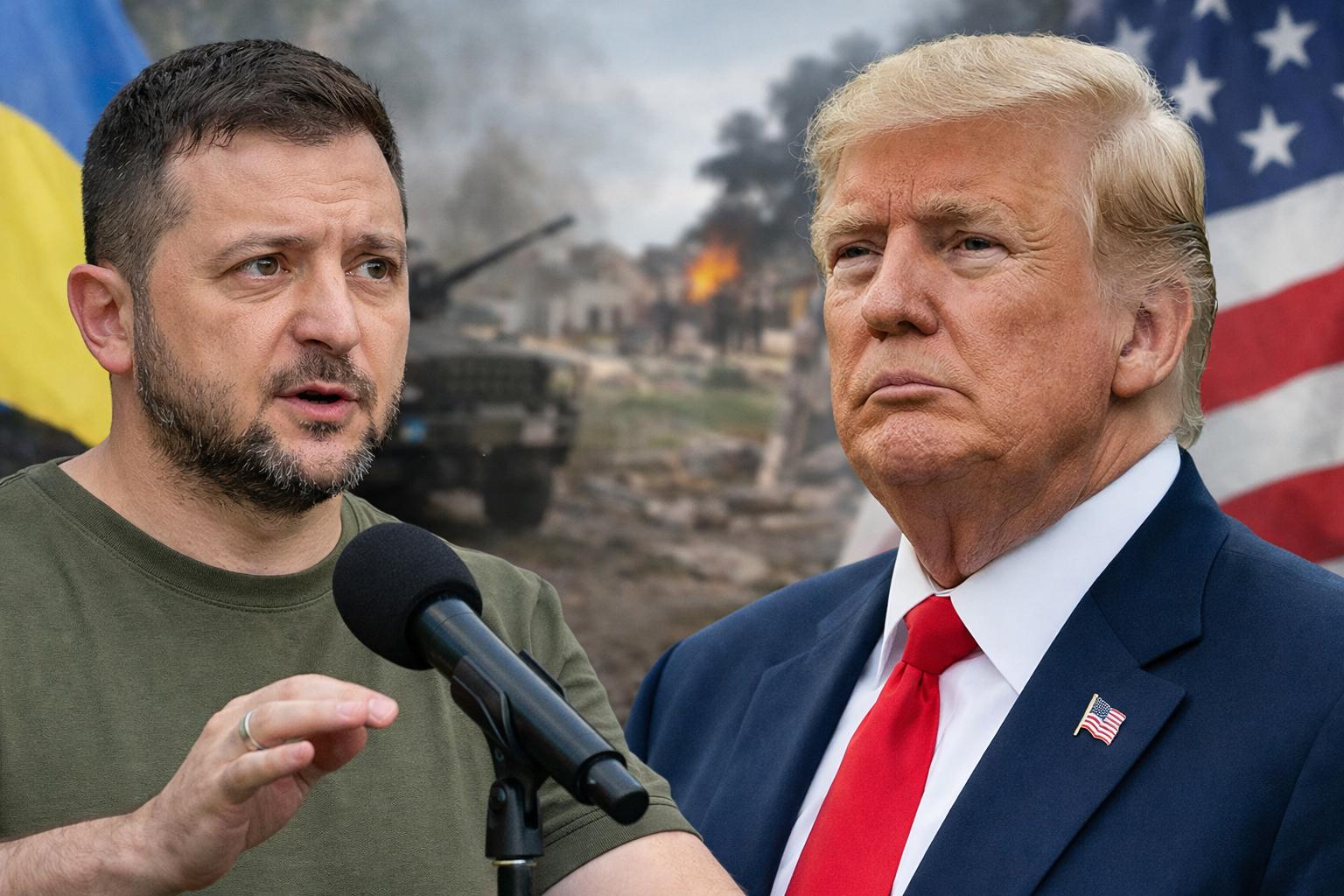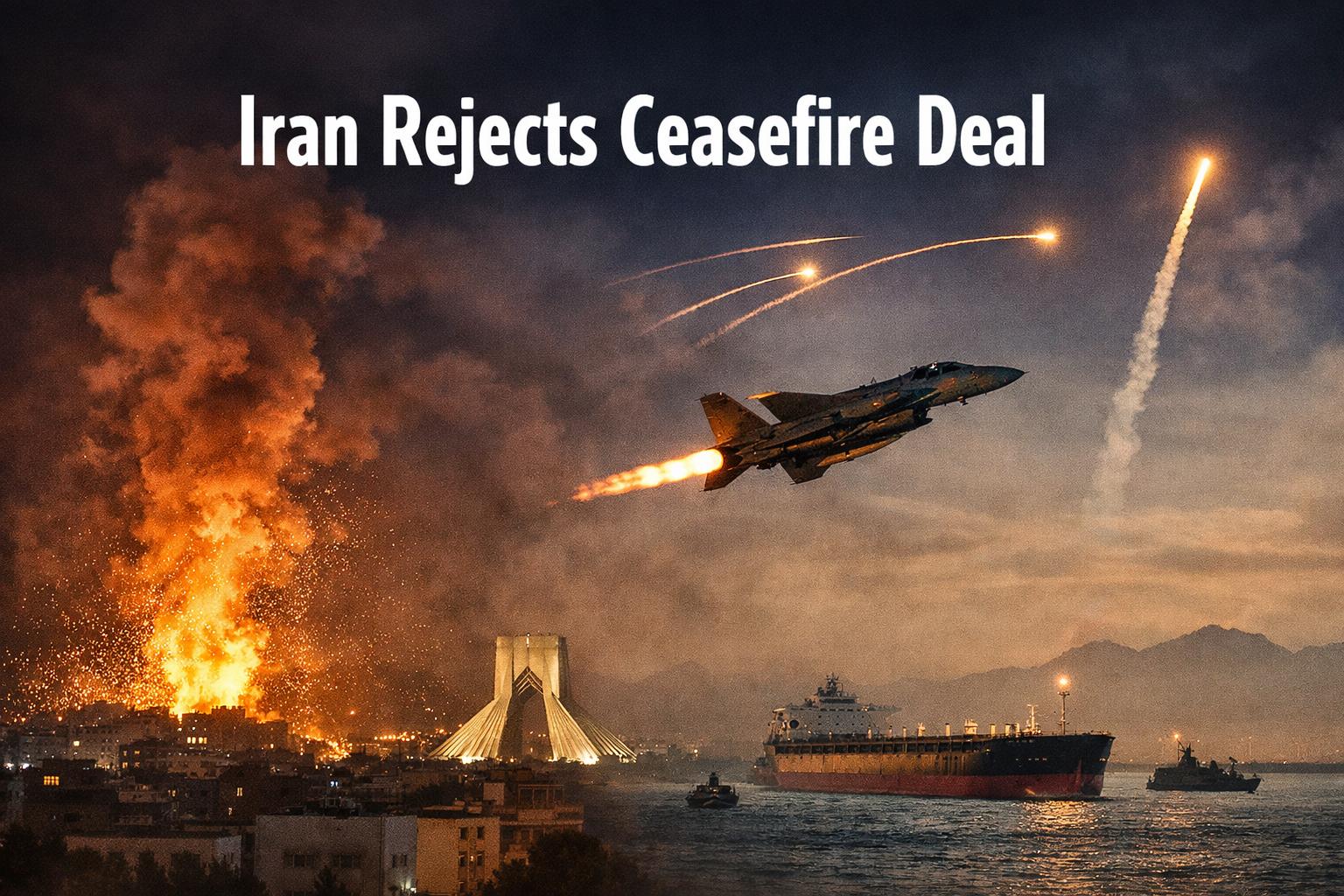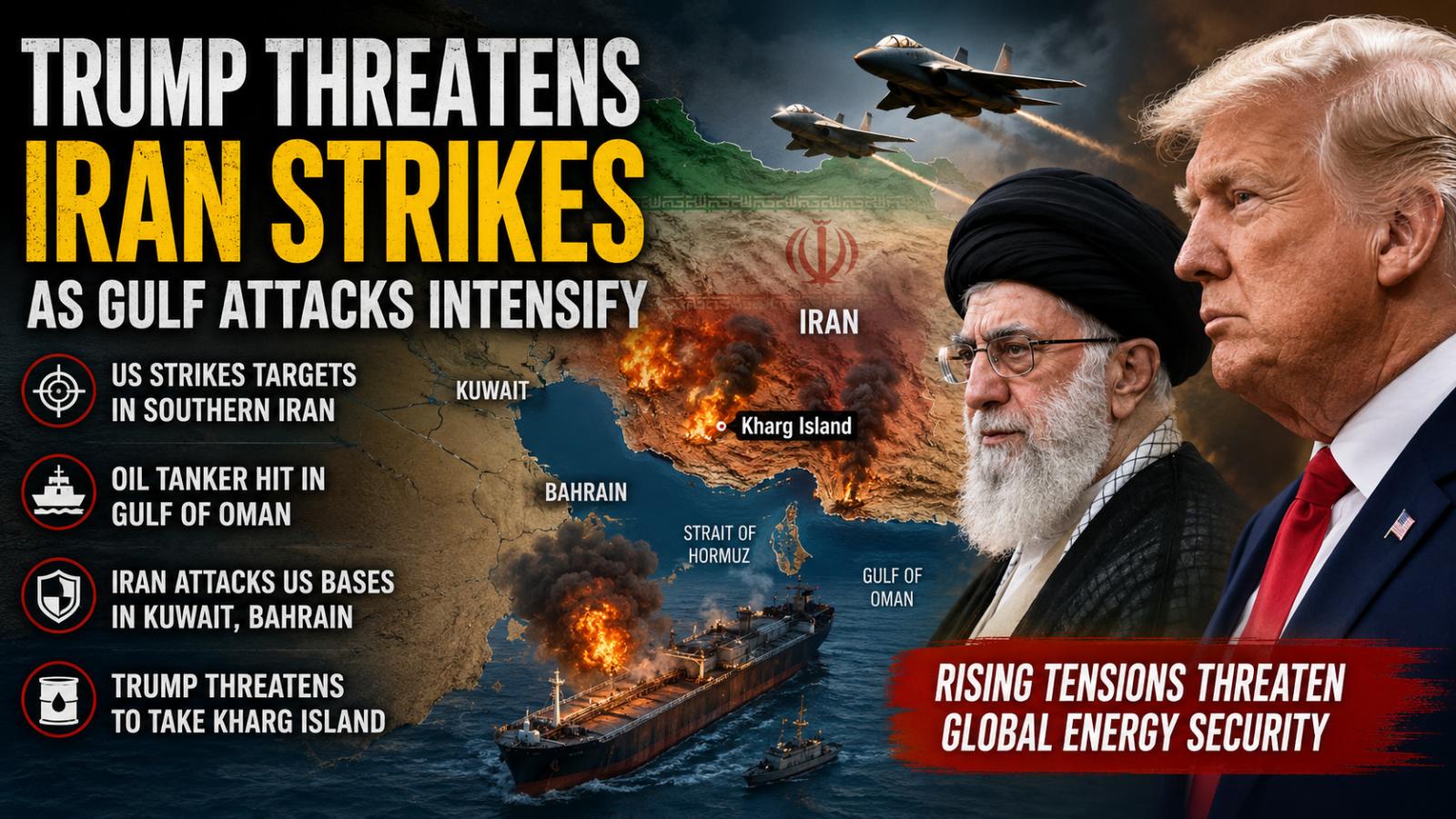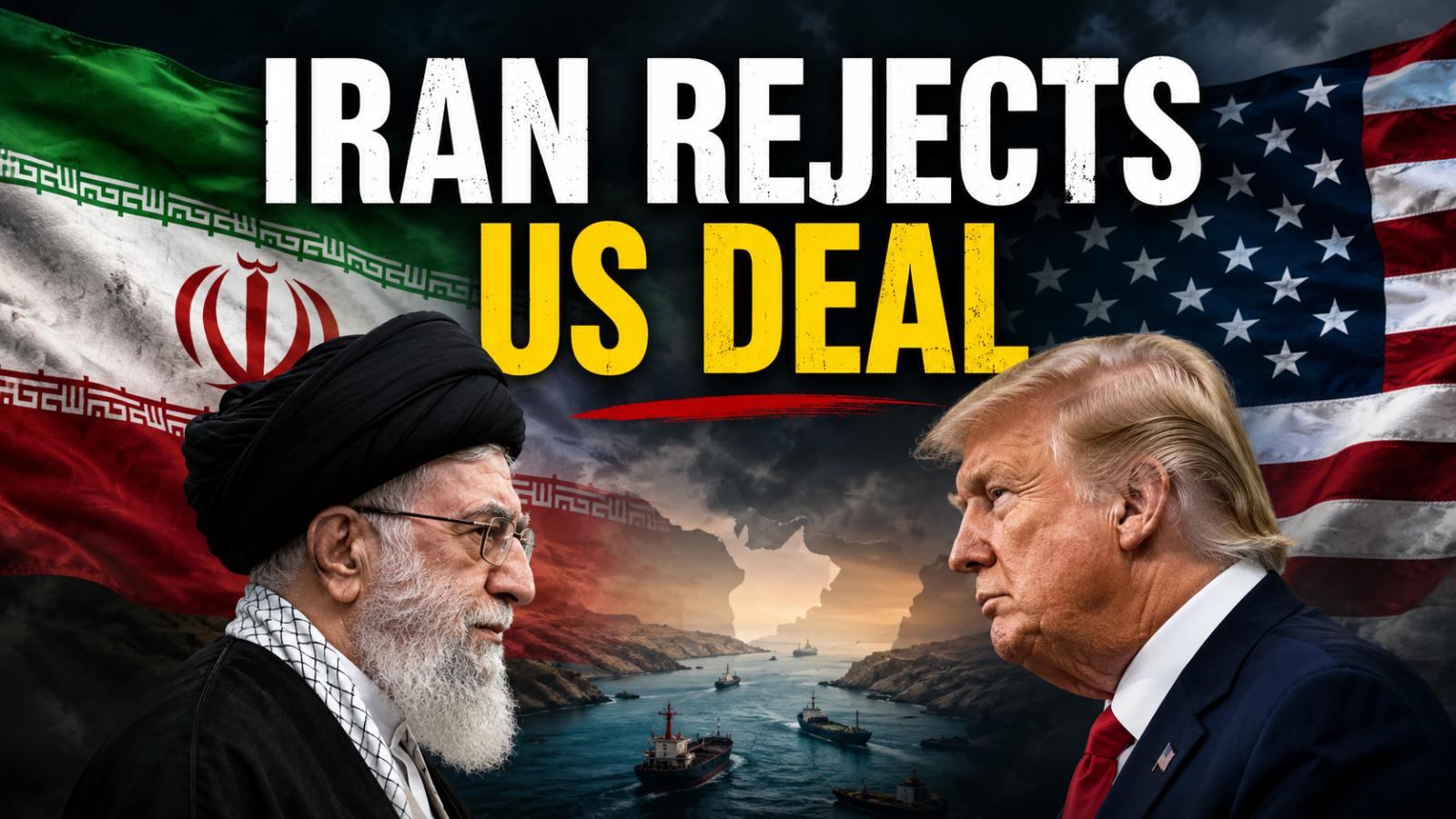
Iran has reportedly rejected a peace proposal from US President Donald Trump that Iraqi officials conveyed during a high-level visit to Tehran. The decision has weakened hopes for an Iran ceasefire as American strikes, Iranian retaliation and disputes over the Strait of Hormuz continue to intensify the US-Iran conflict.
Iraq role in Trump’s peace proposal
Iraqi Prime Minister Ali al-Zaidi reportedly carried the proposal to Tehran after meeting Trump at the White House. During his Iran visit, he held discussions with President Masoud Pezeshkian, Foreign Minister Abbas Araghchi and other senior officials.
Officials familiar with the discussions described the proposal as the main diplomatic option under consideration. However, the complete document has not been released publicly, and neither Washington nor Tehran has officially disclosed all its conditions.
Iraq has tried to use its political, economic and security ties with both countries to prevent further escalation. Its mediation reflects growing regional concern that prolonged fighting could destabilise neighbouring states and disrupt energy supplies and commercial shipping.
Ceasefire rejected over unresolved conditions
Iranian officials reportedly opposed a temporary arrangement that did not address Tehran’s central demands. The future management of the Strait of Hormuz was among the most significant unresolved issues.
The narrow waterway carries a major share of internationally traded oil and gas. Any prolonged disruption could increase shipping costs, affect energy markets and create economic pressure far beyond the Middle East.
Araghchi played down the importance of intermediaries and argued that the central obstacle was Washington’s approach. He said the Iraqi leader had conveyed his views and impressions from the United States but maintained that passing messages alone would not resolve the dispute.
Hormuz remains central to the conflict
Control and safe navigation through Hormuz have remained central to negotiations between Iran and the United States. Washington says its military operations seek to protect American interests and commercial shipping, while Tehran views US military activity near its territory as a direct security threat.
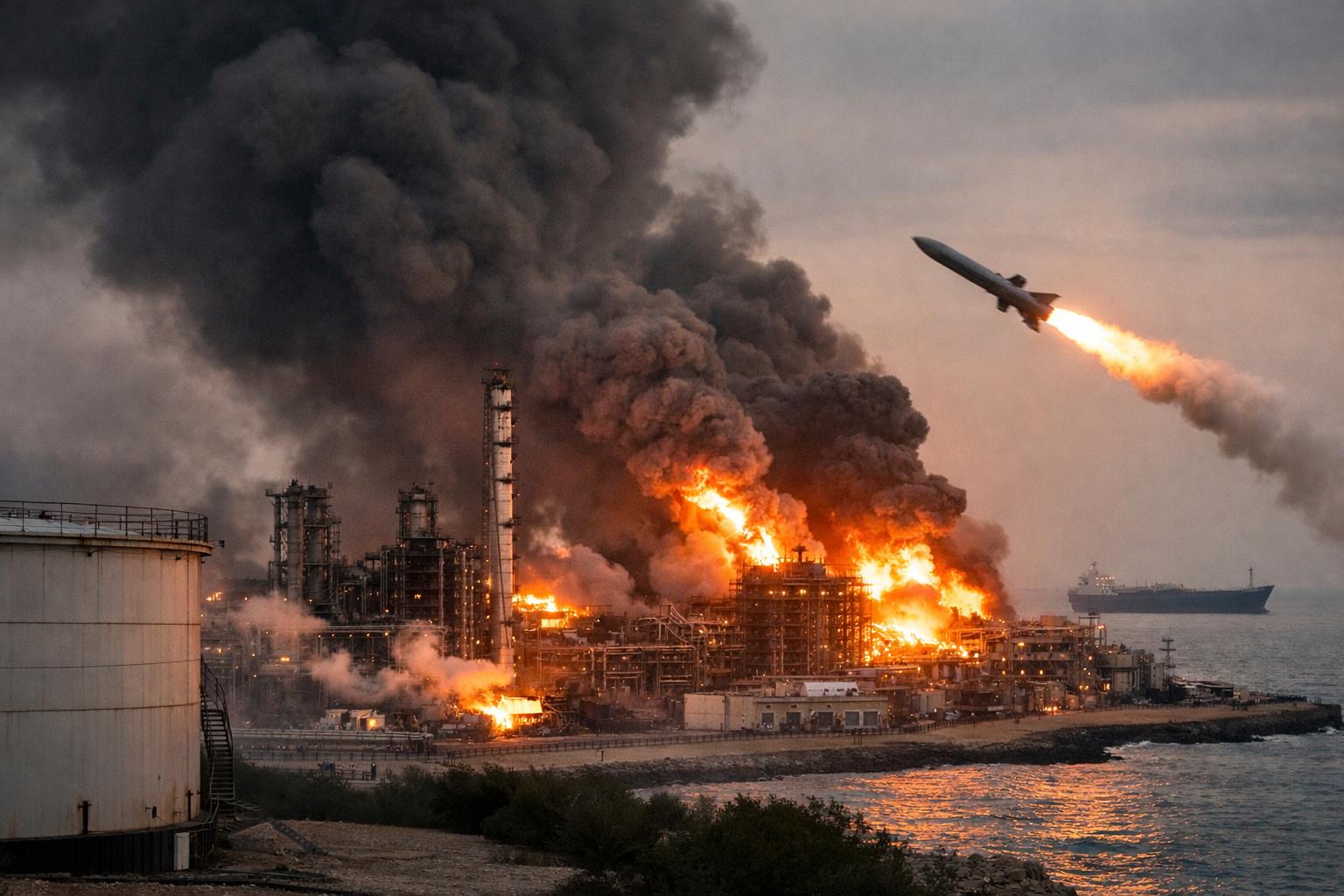
The United States has continued striking Iranian military facilities, surveillance systems and other infrastructure. Iran has responded with ballistic missiles and drones aimed at American military assets across the region.
The exchanges have reduced the space available for diplomacy. A temporary pause may stop immediate attacks, but it would offer little stability unless both sides resolve disputes over shipping routes, sanctions, military deployments and Iran’s regional security demands.
War risks spread beyond Iran
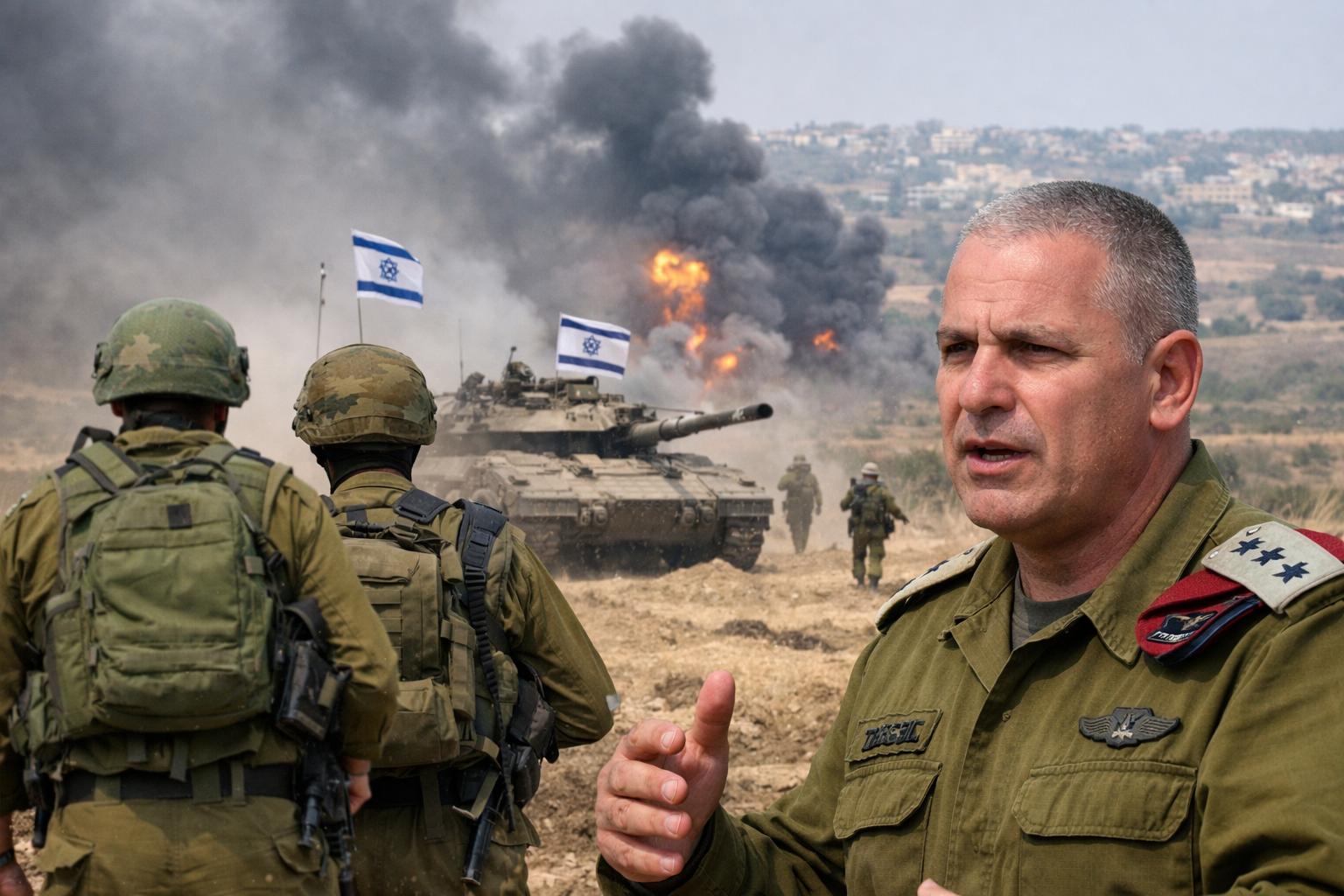
Iran is reportedly preparing for a wider conflict if Trump authorises attacks on Tehran or other critical infrastructure. Iranian officials have warned that retaliation could include strikes against Israeli targets, including Tel Aviv.
The risk also extends to the Red Sea. Iran could seek support from the Houthis in Yemen, who have threatened vessels travelling through the Bab al-Mandab Strait. The route connects the Red Sea with the Gulf of Aden and serves as another critical corridor for international trade.
Any coordinated disruption of Hormuz and Bab al-Mandab would place additional pressure on global supply chains. It could also pull Israel, Gulf countries and other US partners deeper into the conflict.
For now, diplomacy remains stalled because the proposed deal appears to fall short of Iran’s demands. Without publicly agreed terms covering maritime security and military escalation, another ceasefire may remain fragile even if Washington and Tehran return to negotiations.