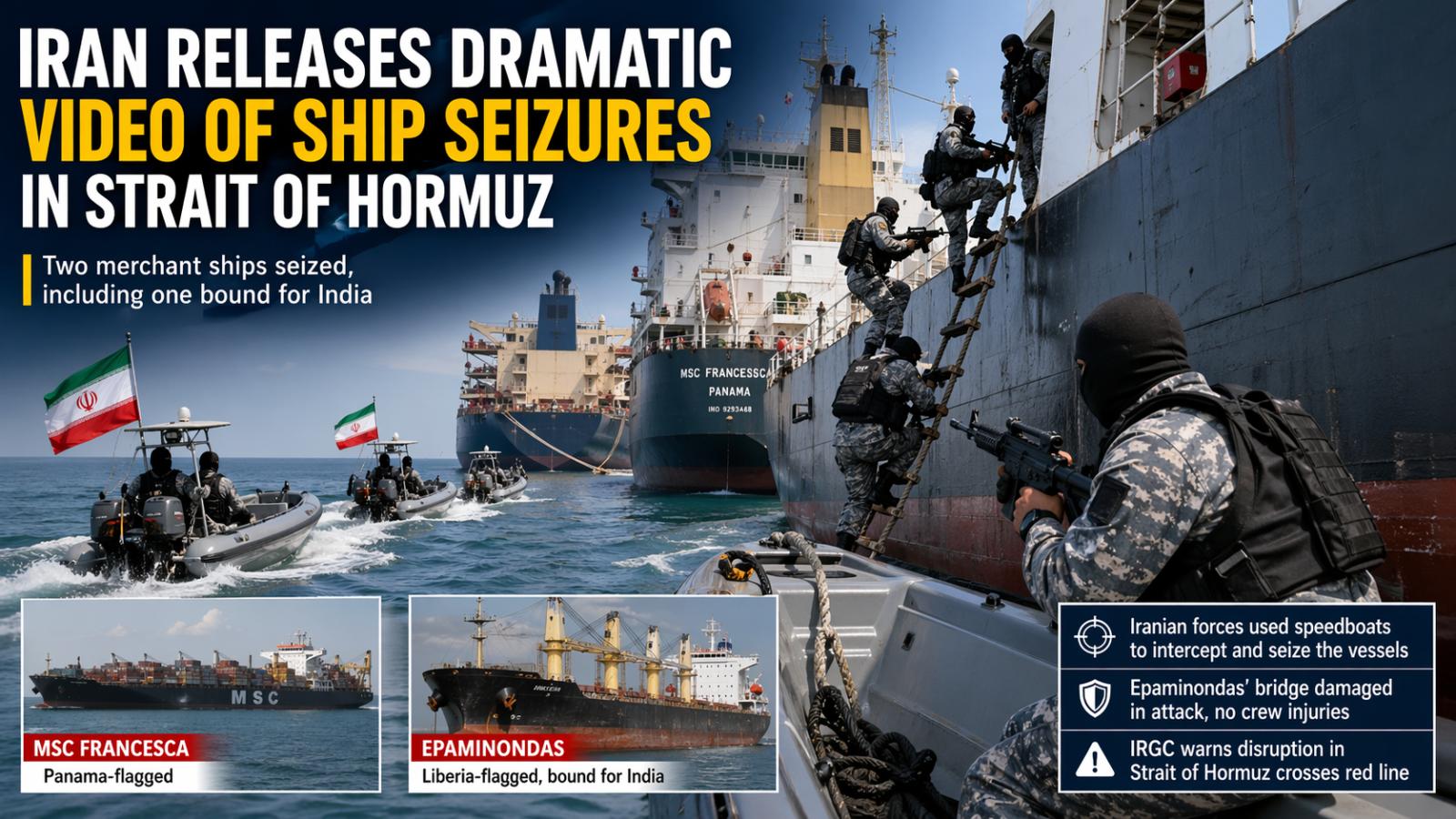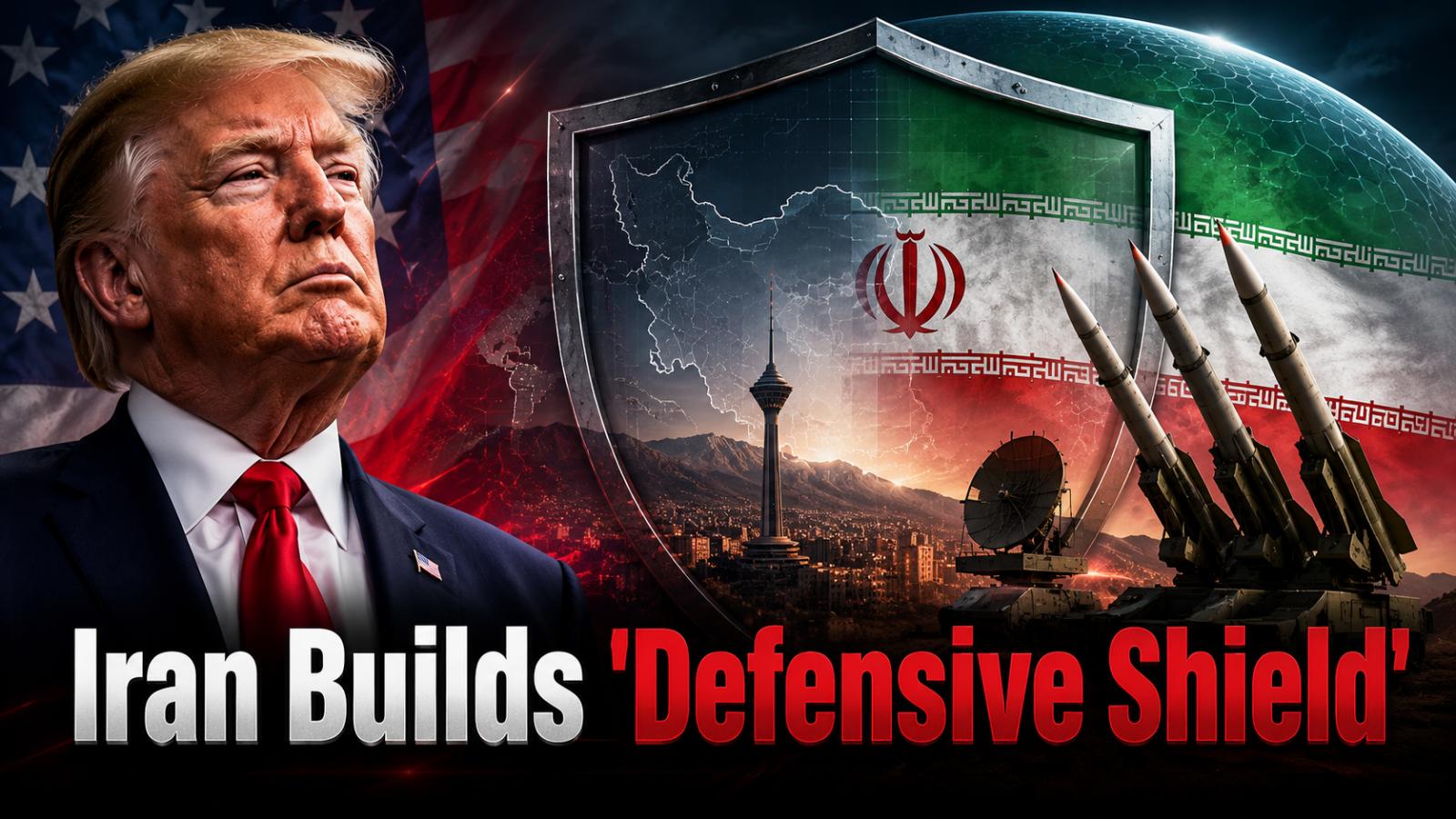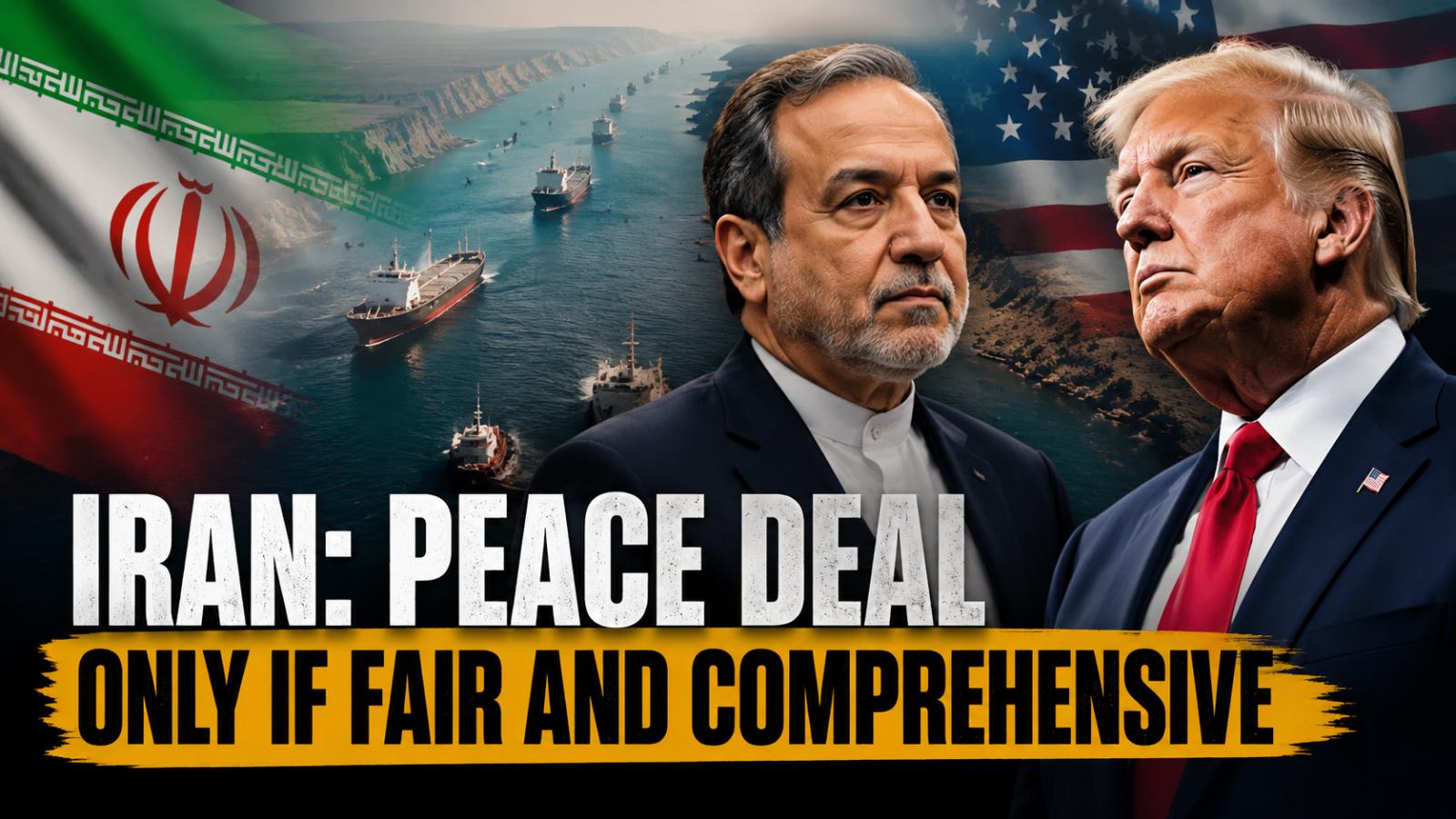
On Wednesday, May 6, Iran made it clear that it would only accept a peace deal with the United States if the agreement is "fair and comprehensive." This statement follows a recent pause in the U.S. naval operation, 'Project Freedom,' which was aimed at reopening the crucial Strait of Hormuz. The operation, which began just days earlier, failed to restore marine traffic through the vital waterway. Iran's response, however, has been one of defiance, with the country carrying out new strikes on vessels in the Strait and targeting various sites in the Gulf nations.
The situation has escalated following the failure of the U.S. mission. The U.S. President, Donald Trump, announced a suspension of the three-day-old operation after it proved ineffective in resuming the flow of marine traffic through the Strait. Despite this setback, Trump has insisted that the naval blockade will remain in place, further deepening tensions in the region.
Iran’s Stance on Peace Talks
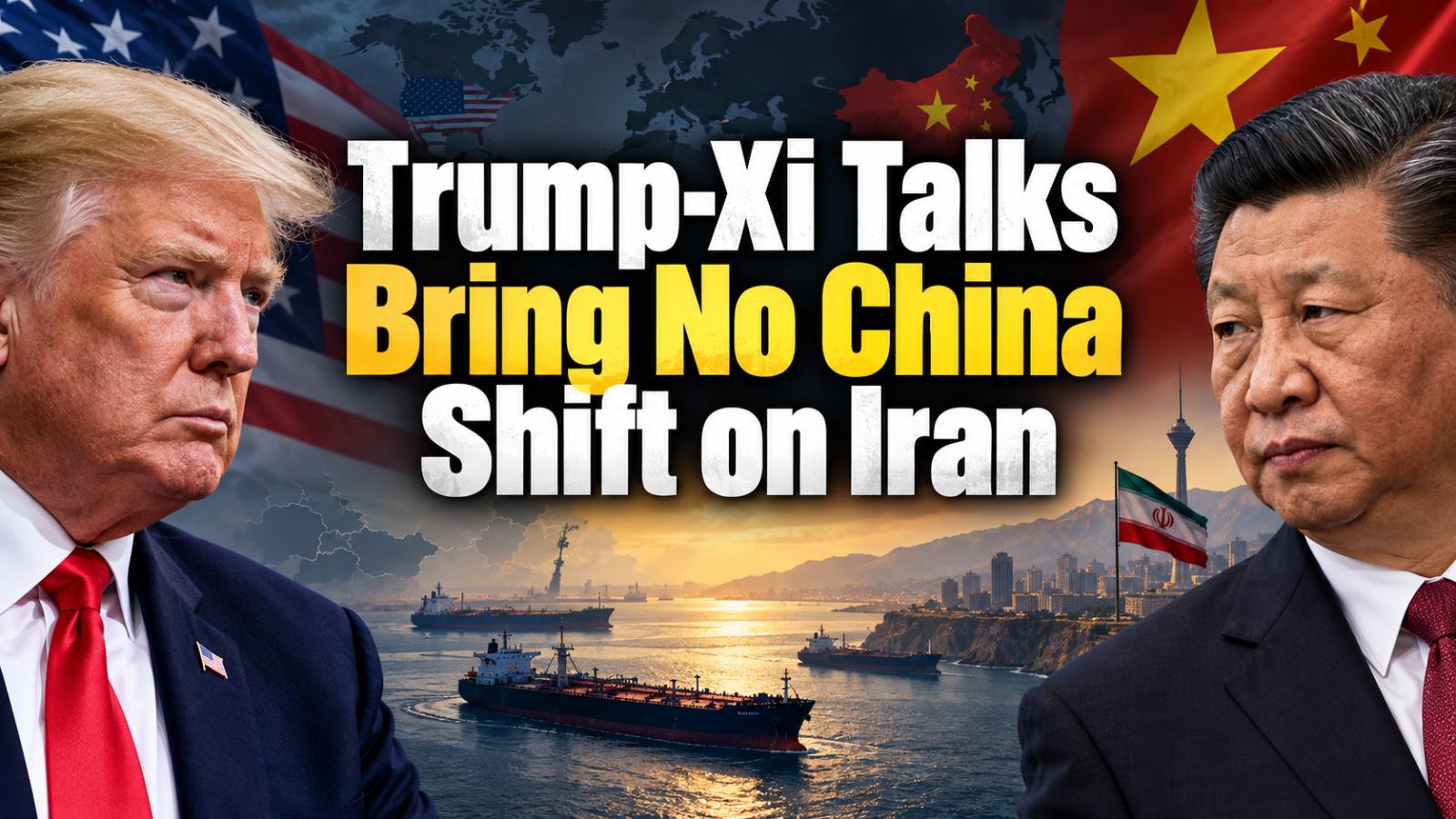
While attending a diplomatic visit in China on Wednesday, Iran’s Foreign Minister, Abbas Araqchi, took the opportunity to address the stalled peace efforts. Araqchi emphasized that Tehran was holding out for a "fair and comprehensive agreement" with the U.S. and other involved parties. He refrained from commenting directly on Trump's latest remarks regarding the pause in the naval operation, instead focusing on Iran's position in the ongoing negotiations.
Iran’s demands are clear: they will not settle for anything less than a deal that addresses their interests and ensures regional stability. The U.S. blockade on the Strait of Hormuz, a major global shipping route, continues to be a point of contention, with both countries accusing each other of destabilizing the region. The ongoing maritime tensions are exacerbated by Iranian military actions in the Gulf, further complicating efforts for peace.
Diplomatic Efforts Continue Amid Tensions
The diplomatic exchange between Iran and the U.S. comes at a time of heightened tensions in the Middle East. Iran’s stance on a comprehensive peace deal is part of the broader geopolitical struggle in the region, where military actions and economic sanctions have strained relations. Both sides are engaged in an intricate balancing act, with each move potentially tipping the scales toward further conflict or the chance for dialogue.
For now, the future of peace in the region remains uncertain, as Iran holds firm on its terms for any agreement. The pause in the U.S. naval mission has given both nations time to reassess their strategies, but the ultimate path forward will require careful diplomatic negotiations to prevent further escalation.
As the situation develops, it is clear that both sides will need to address the underlying issues contributing to the conflict. Whether through a fair and comprehensive agreement or continued military actions, the tension in the Strait of Hormuz remains a critical point of focus for global powers.