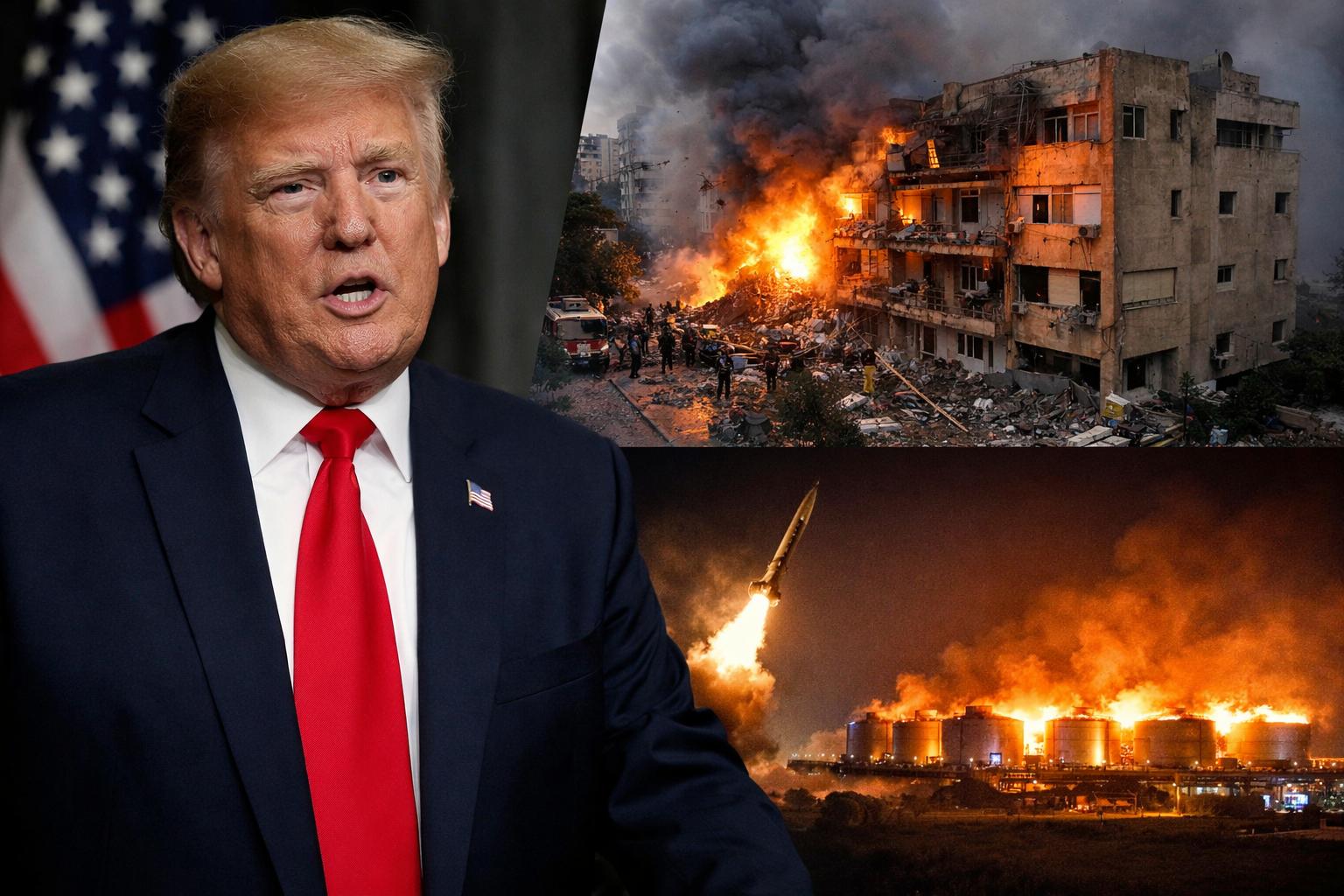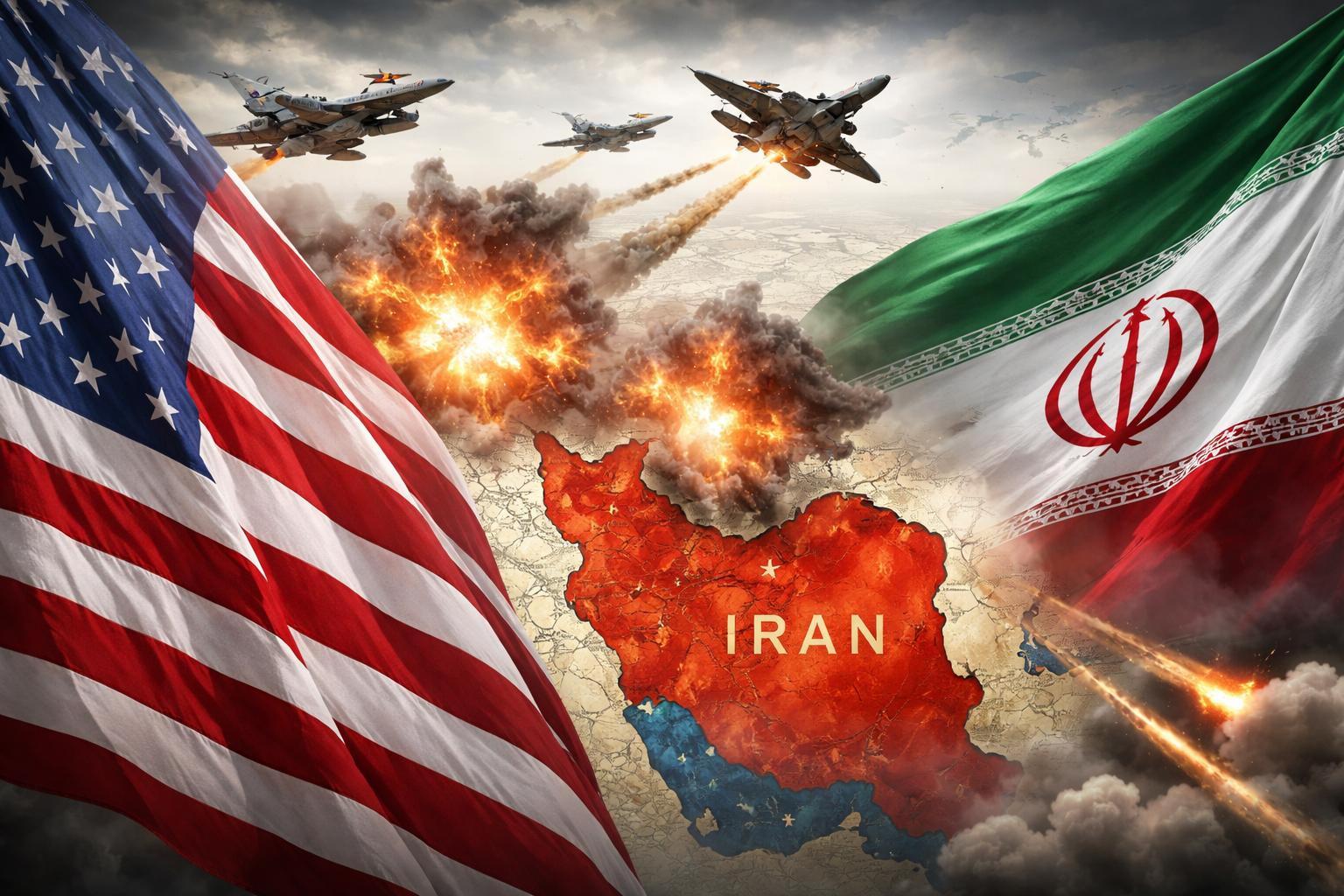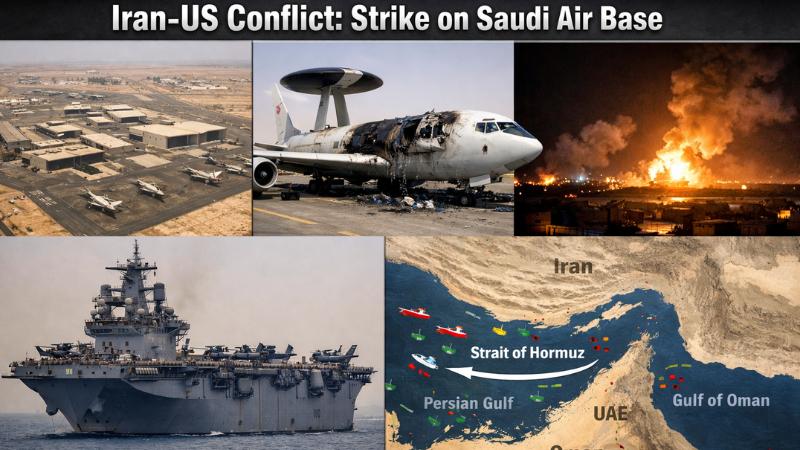
Iran has claimed responsibility for a major missile and drone strike targeting a US-operated military facility in Saudi Arabia, escalating tensions in the already volatile Middle East region. According to reports from Iranian state media, the attack struck the Prince Sultan Air Base, a key installation used by both Saudi and US forces.
Iran alleged that the strike caused significant damage to high-value military equipment, including a Boeing E-3 Sentry airborne warning and control system aircraft. The E-3 Sentry plays a crucial role in surveillance, tracking incoming threats, and coordinating air operations, making it one of the most strategically important assets in the US military fleet. Reports suggest the aircraft, valued at over $700 million, suffered severe damage, though independent confirmation is still pending.
US officials, cited by international agencies, confirmed that multiple ballistic missiles and drones were launched during the attack. At least 15 US personnel were reportedly injured, with several in critical condition. However, official confirmation from US Central Command regarding the extent of damage remains limited, raising questions about the full impact of the strike.
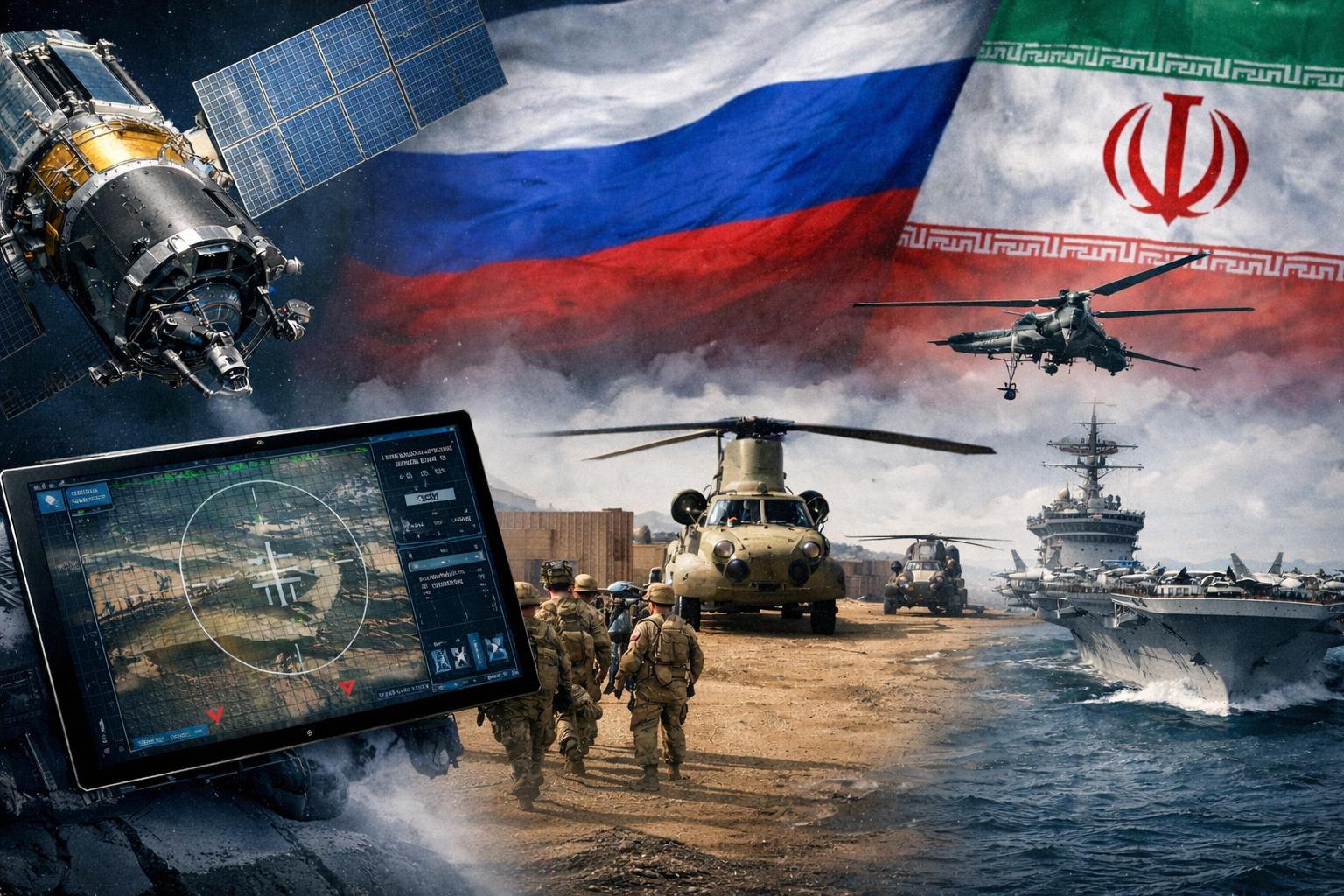
As tensions rise, the United States has begun reinforcing its military presence in the region. The deployment of naval assets such as the USS Tripoli and USS Boxer signals a strategic buildup aimed at deterrence and rapid response. Thousands of Marines and additional aircraft have been moved closer to the conflict zone.
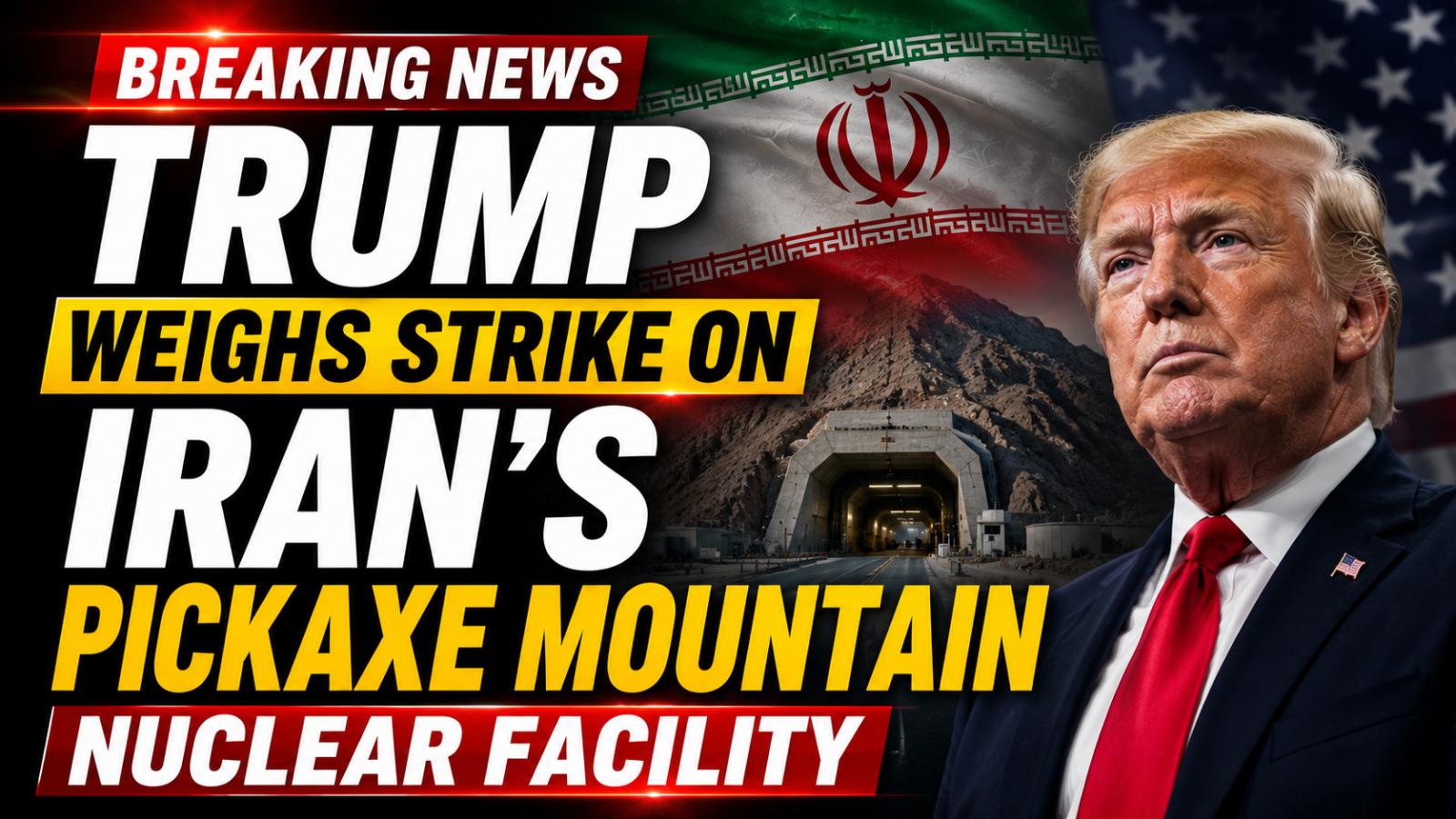
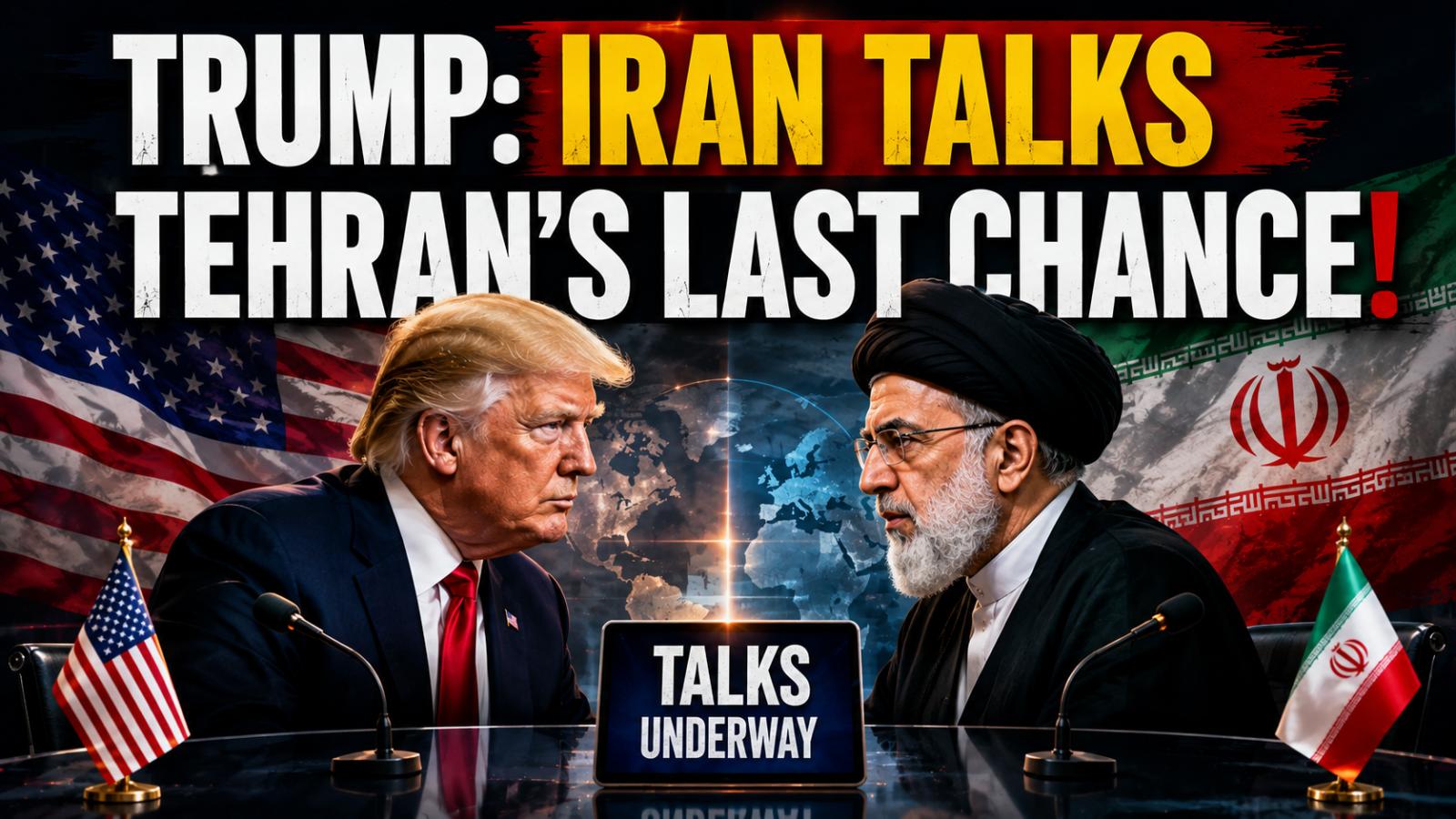
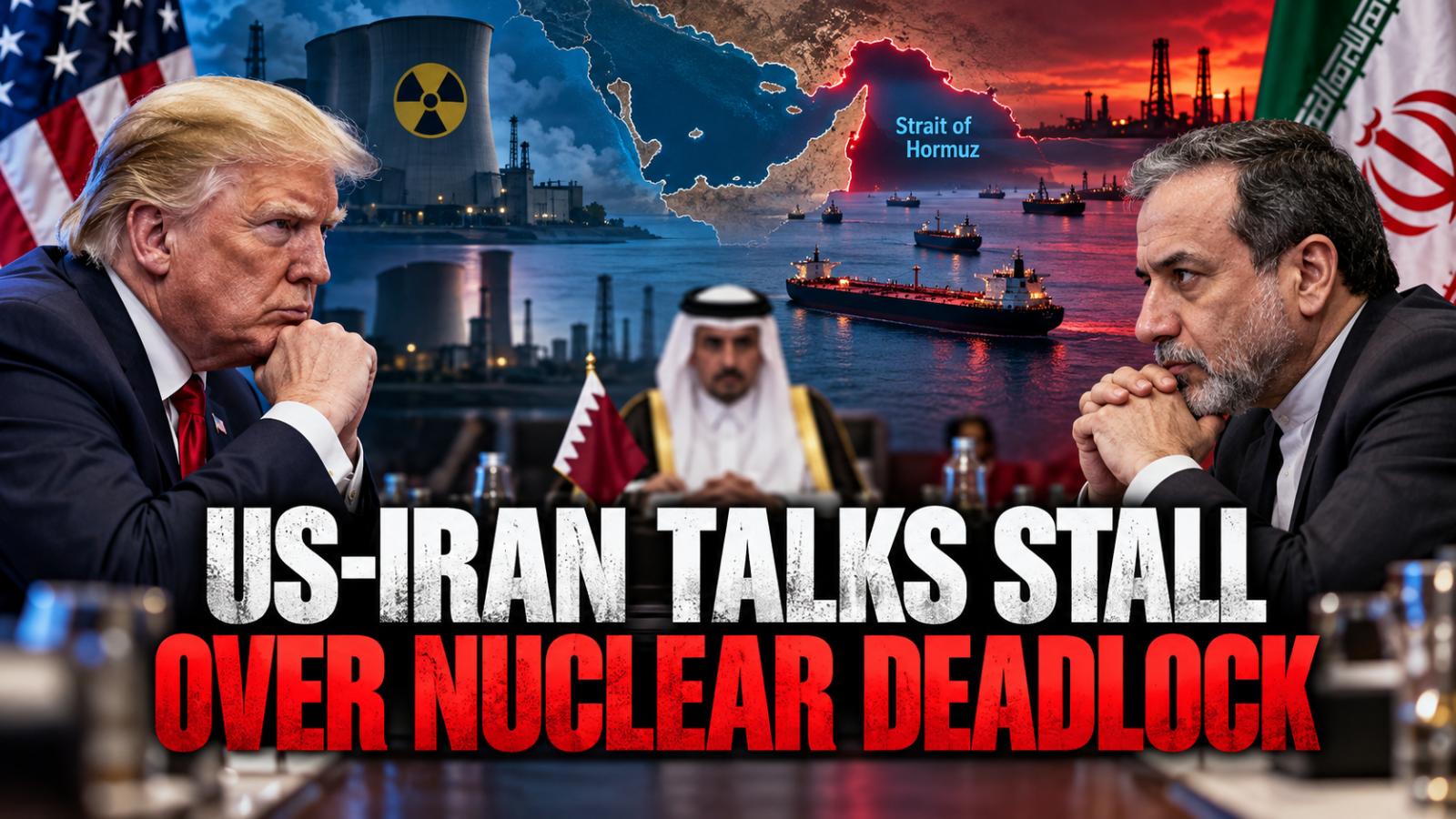
US Secretary of State Marco Rubio stated that while diplomatic solutions are still being explored, military readiness remains essential. Meanwhile, President Donald Trump has set a deadline for Iran to reopen the vital Strait of Hormuz, a critical global oil transit route that has been heavily impacted by the ongoing conflict.
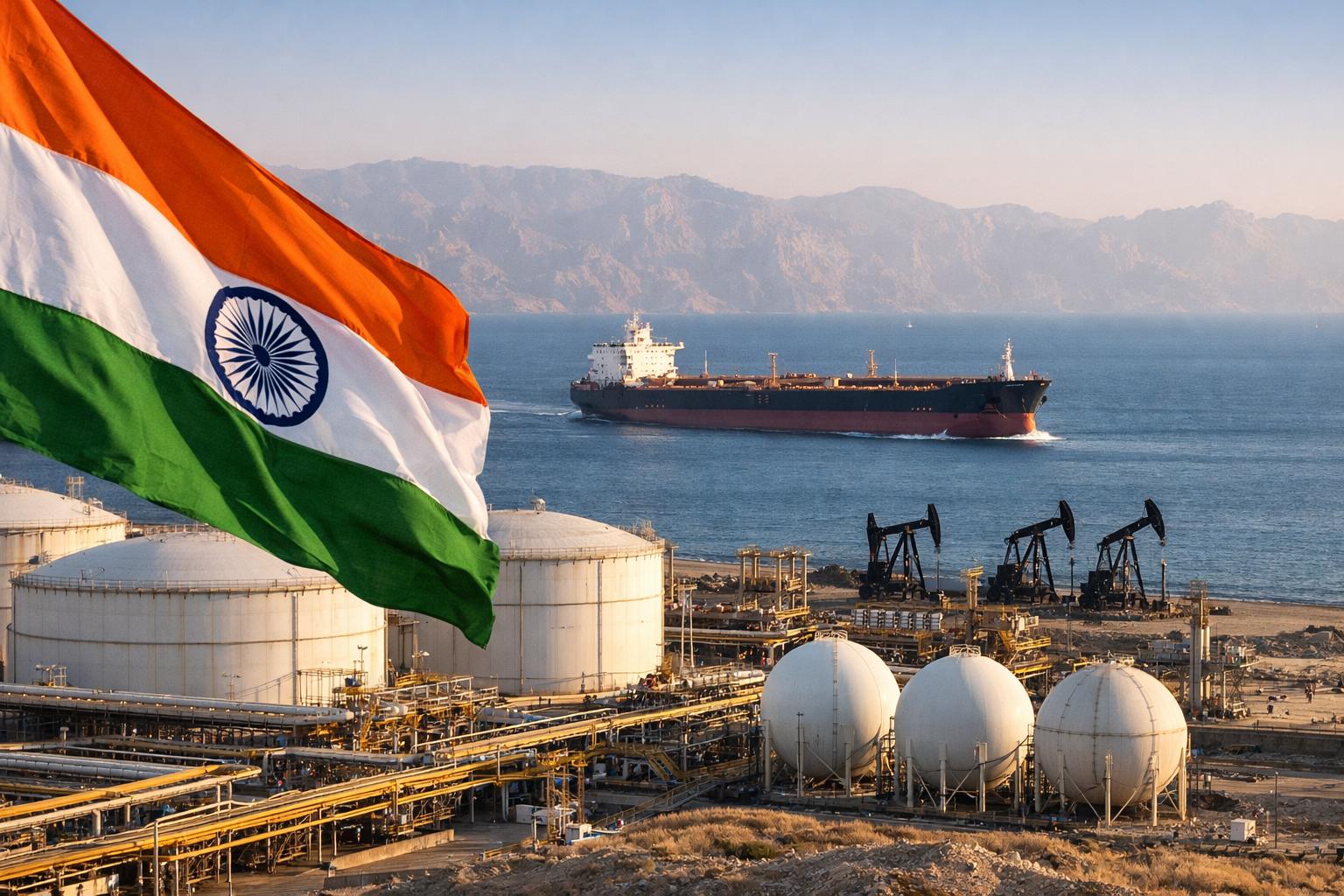
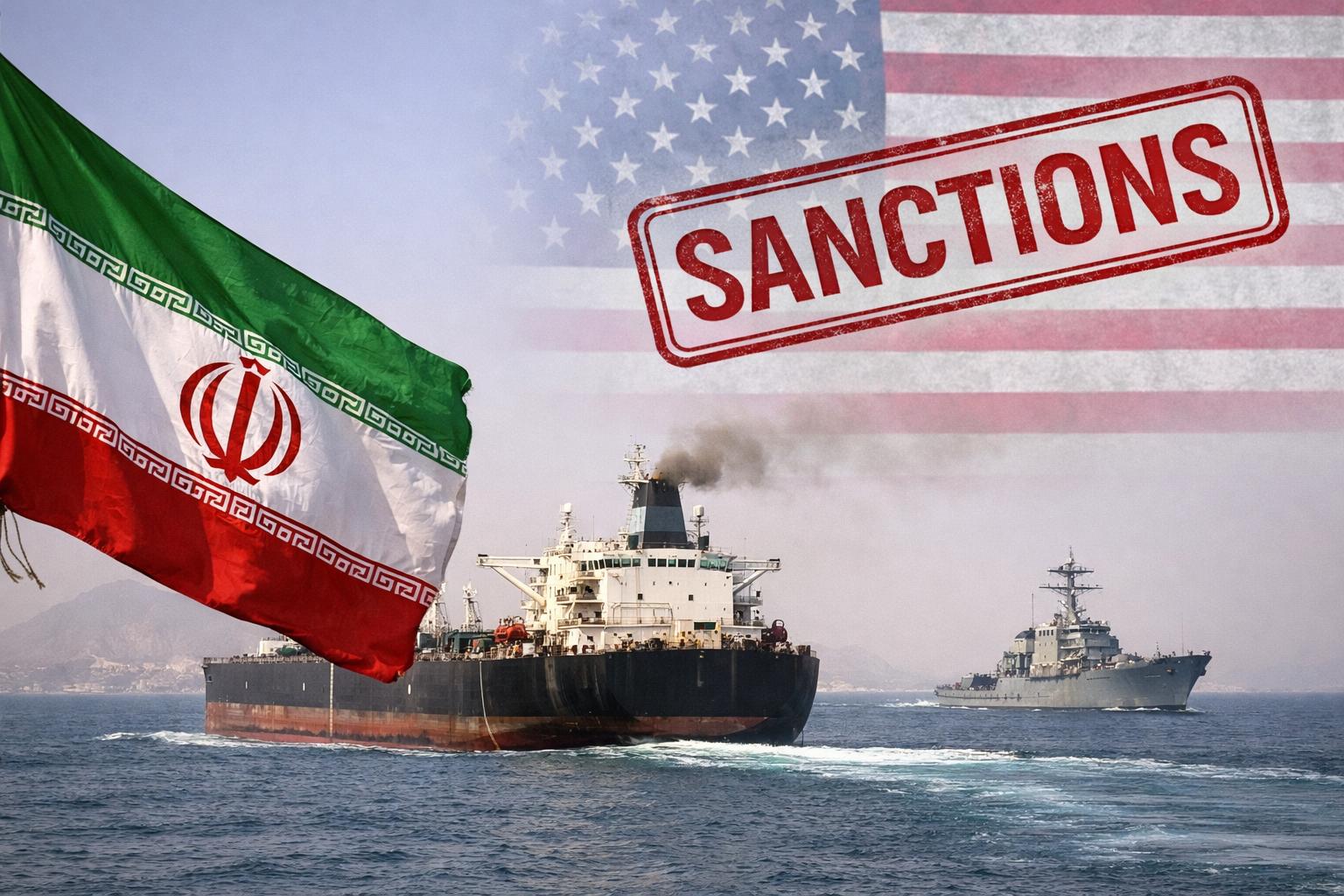
The conflict, now entering its fifth week, is beginning to show wider global consequences. Disruptions in the Strait of Hormuz have already affected oil exports, leading to rising fuel prices and increased economic uncertainty worldwide. Air travel across the Middle East has also been impacted, with several routes altered or suspended due to security concerns.
Iran has denied engaging in any formal negotiations despite US claims of progress in diplomatic talks. The continued exchange of strikes across multiple countries, including Iran and Israel, indicates that the situation remains highly unstable. With both sides increasing military activity and no clear resolution in sight, the risk of a broader regional conflict continues to grow, keeping global markets and governments on high alert.