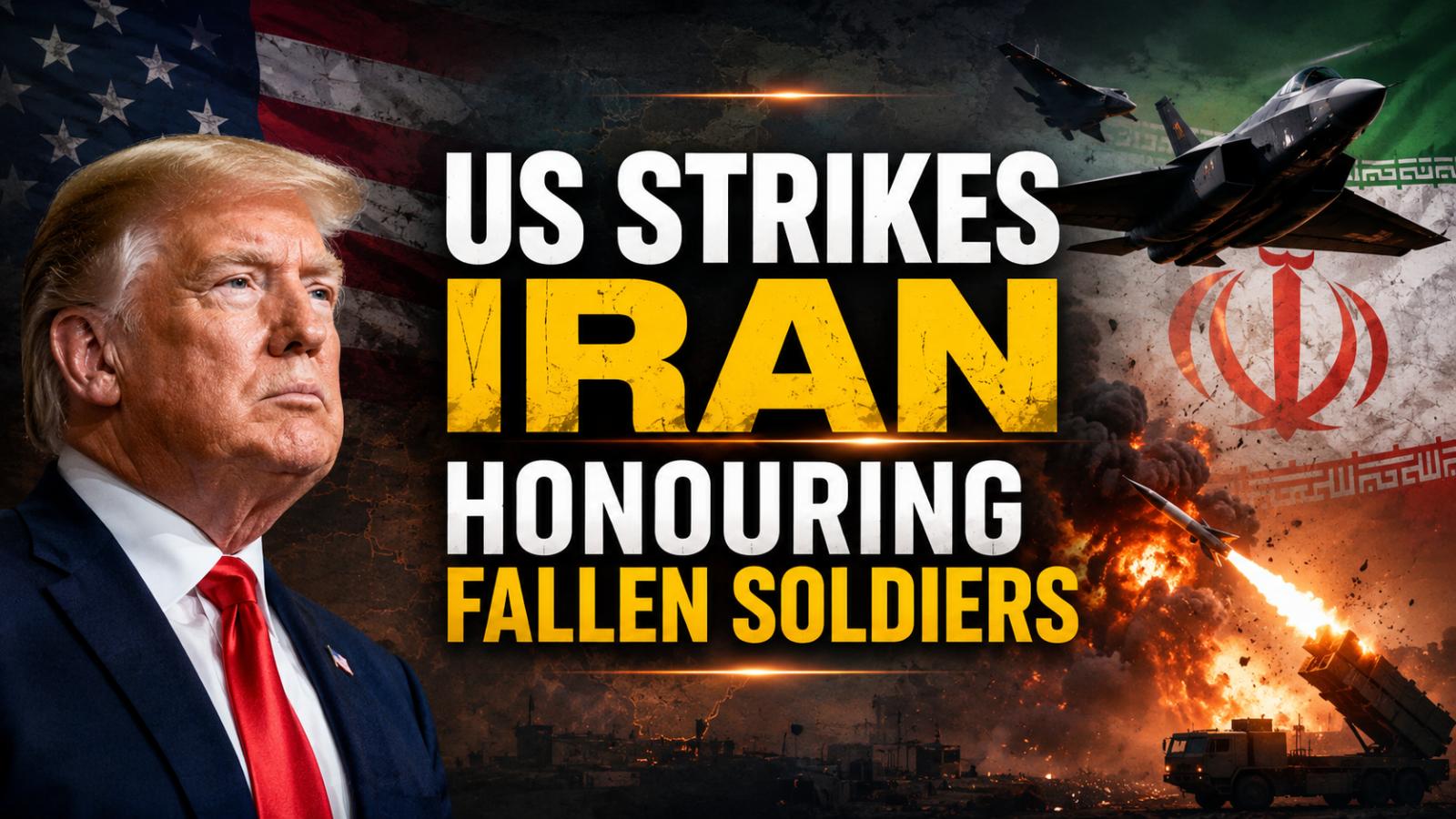
President Donald Trump said the latest US strikes on Iran hit the country “very hard” and were carried out in honour of three American soldiers killed in attacks in Jordan and Iraq. The renewed CENTCOM attacks have intensified the Iran retaliation cycle and raised fresh concerns over the Strait of Hormuz.
Trump Iran strikes honour fallen US soldiers
Trump said the military operation recognised two American soldiers killed during an attack on a US base in Jordan and another service member killed in northern Iraq. One soldier was also reported missing after the Jordan attack, while US officials said unidentified remains had been recovered and were undergoing verification.
The president’s comments came as the United States continued a sustained campaign against Iranian military infrastructure. US Central Command said its weekend operation targeted sites linked to Iran’s armed forces and communications systems. CENTCOM’s official releases confirm that the United States completed an eighth consecutive night of strikes on July 18 and announced another weekend wave on July 19.
CENTCOM attacks Iranian military sites
In the early hours of Monday, explosions were reported in several parts of Iran as US forces launched another round of attacks. The operation reportedly struck military facilities and communications networks intended to support Iranian attacks on commercial vessels.
Iranian state and semi-official reports said locations around Tabriz, Chabahar, Konarak, Bandar Mahshahr and Bandar Imam Khomeini were hit. The full extent of the damage and casualty figures had not been independently confirmed.
CENTCOM said its broader campaign aims to reduce Iran’s ability to threaten American personnel, allied forces and commercial shipping. The command has also been enforcing a naval blockade around Iranian ports and conducting security operations across the Arabian Sea.
Iran retaliation spreads across the region
Iran said it responded with what it described as a surprise operation against American interests in Syria. Iranian forces also claimed that they targeted US aircraft stationed at Jordan’s Aqaba airport. US or Jordanian authorities had not publicly confirmed damage to aircraft at the time of reporting.
Kuwait’s armed forces separately said they intercepted Iranian drones, showing how the confrontation is spreading beyond Iran’s borders. The regional attacks have increased pressure on Gulf countries hosting American military personnel or facilities.
Claims made by each side remain contested. Statements about targets, damage and intercepted weapons should therefore be treated as preliminary until supported by official evidence from the countries involved.
Strait of Hormuz faces renewed threats
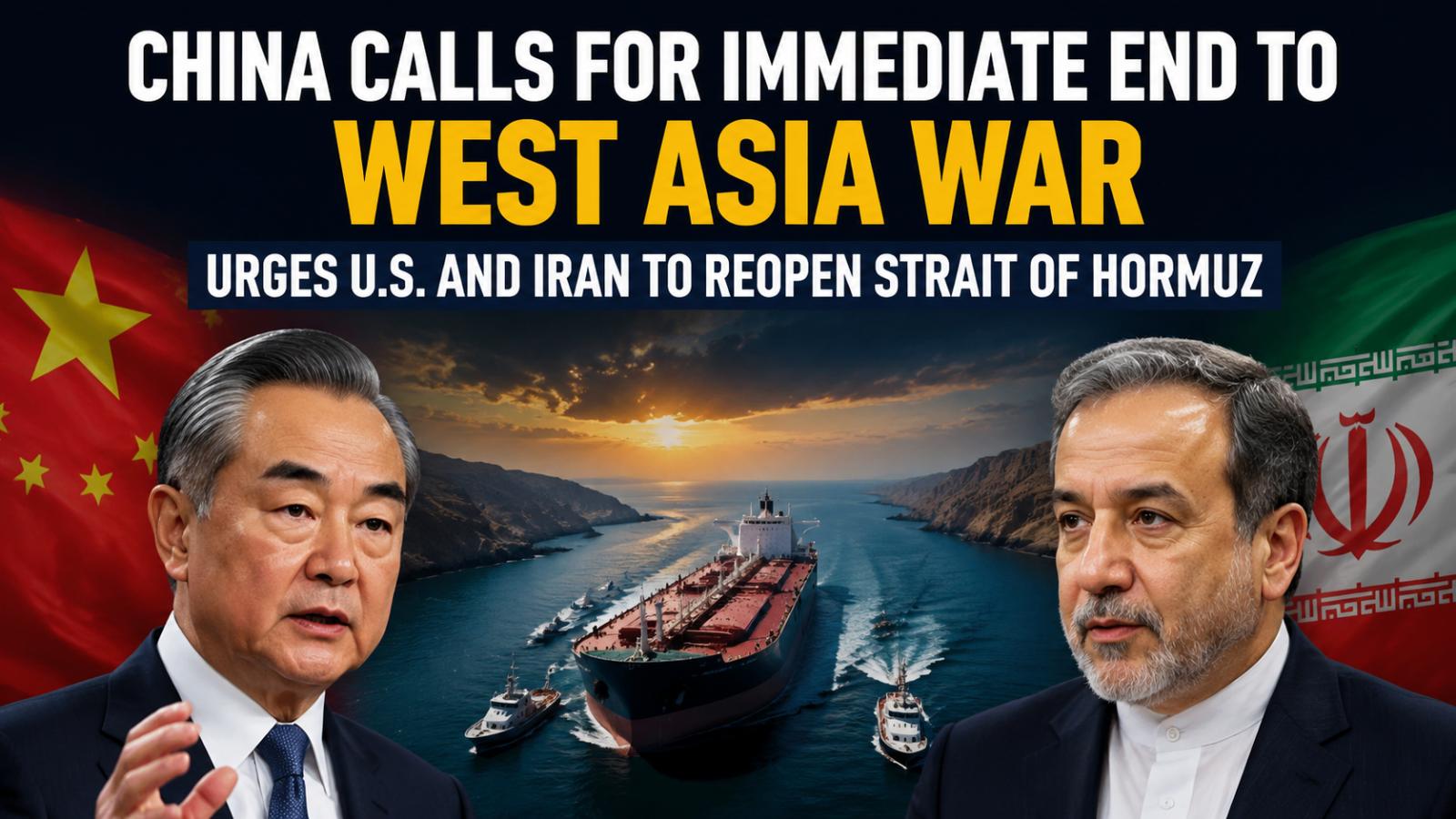
The IRGC said two oil tankers exploded while attempting to cross the Strait of Hormuz through what it called an unsafe southern route. It warned that the waterway would remain dangerous for oil and gas shipments while US attacks continued.
CENTCOM disputed Iran’s account of the tanker incidents. No independent findings had established what caused the explosions or confirmed the precise locations of the vessels.
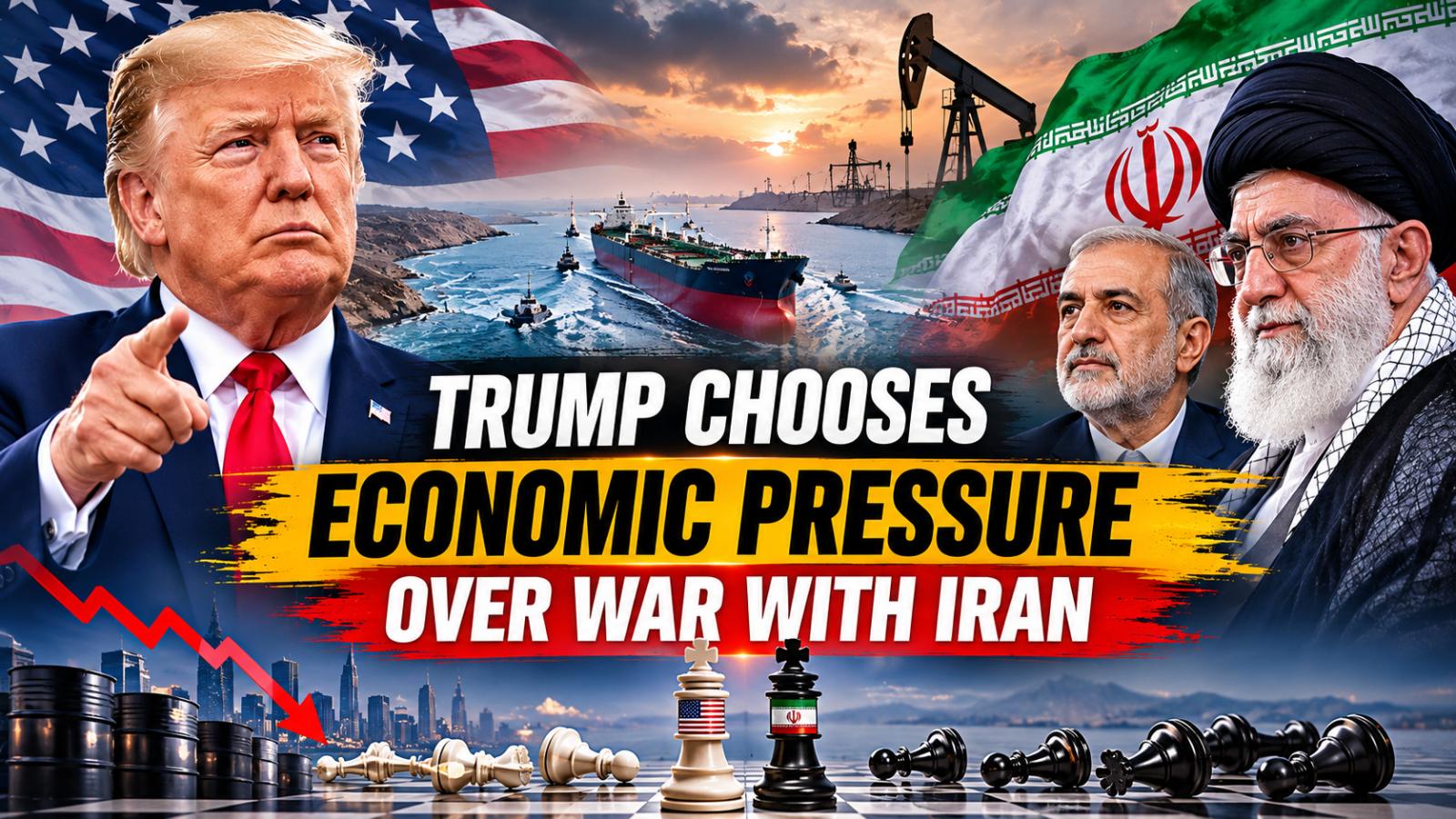
The Strait of Hormuz remains one of the world’s most important energy shipping routes. Any disruption could delay oil and gas deliveries, raise insurance costs and increase pressure on global energy markets.
Rubio keeps diplomatic option open
US Secretary of State Marco Rubio said Washington remained open to a diplomatic solution while arguing that Iran should not be allowed to control or use an international waterway as leverage. State Department statements have repeatedly emphasised secure navigation through the Strait of Hormuz as a US priority.
The latest escalation follows the collapse of a preliminary agreement reached in June. Negotiations toward a permanent settlement made limited progress, and Trump declared the agreement over on July 8.
With US strikes, Iranian retaliation and threats to commercial shipping continuing, the risk of a wider regional confrontation remains high. Any renewed diplomatic effort will depend on whether both sides can halt attacks and restore safe passage through the Strait of Hormuz.