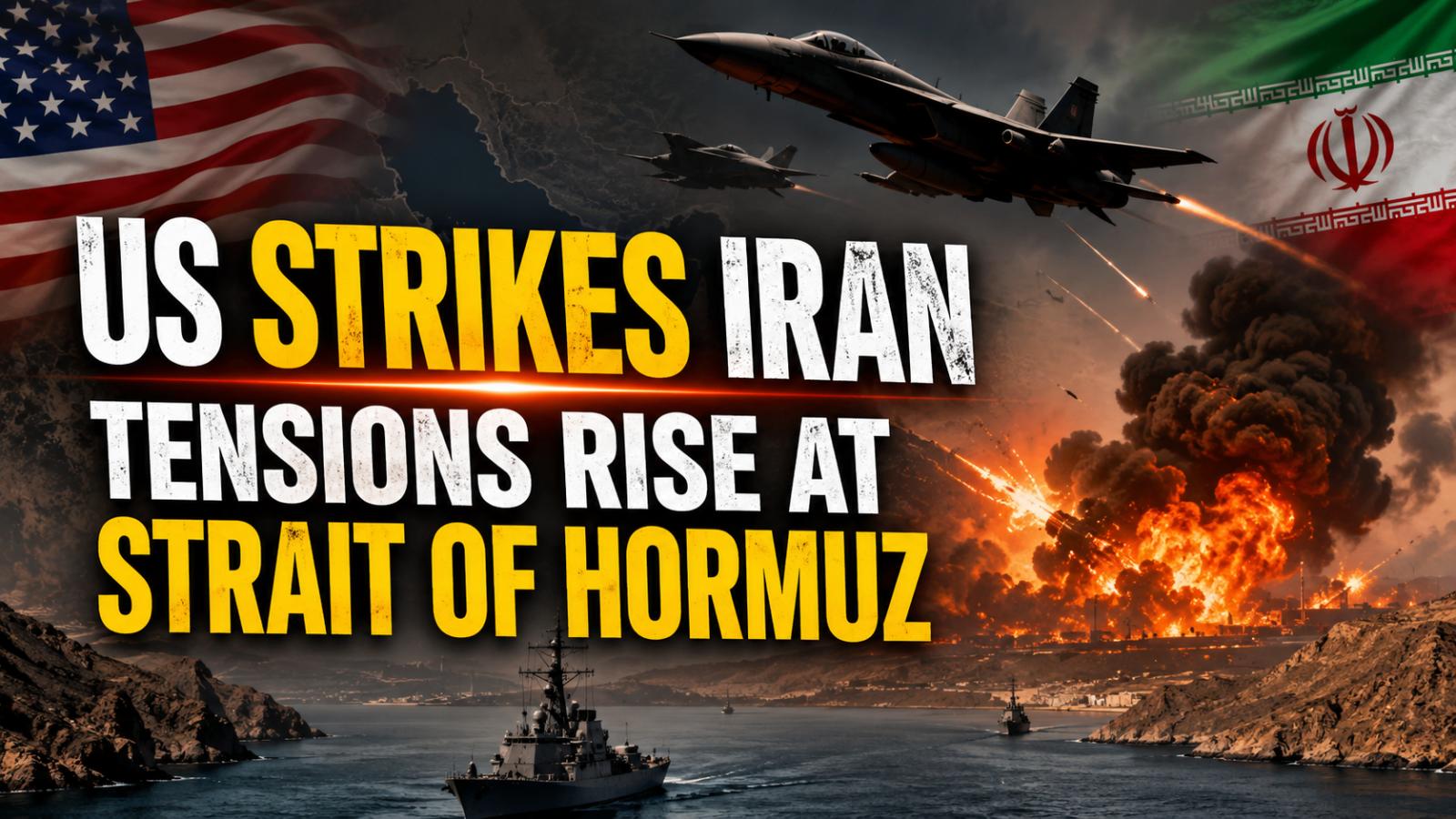
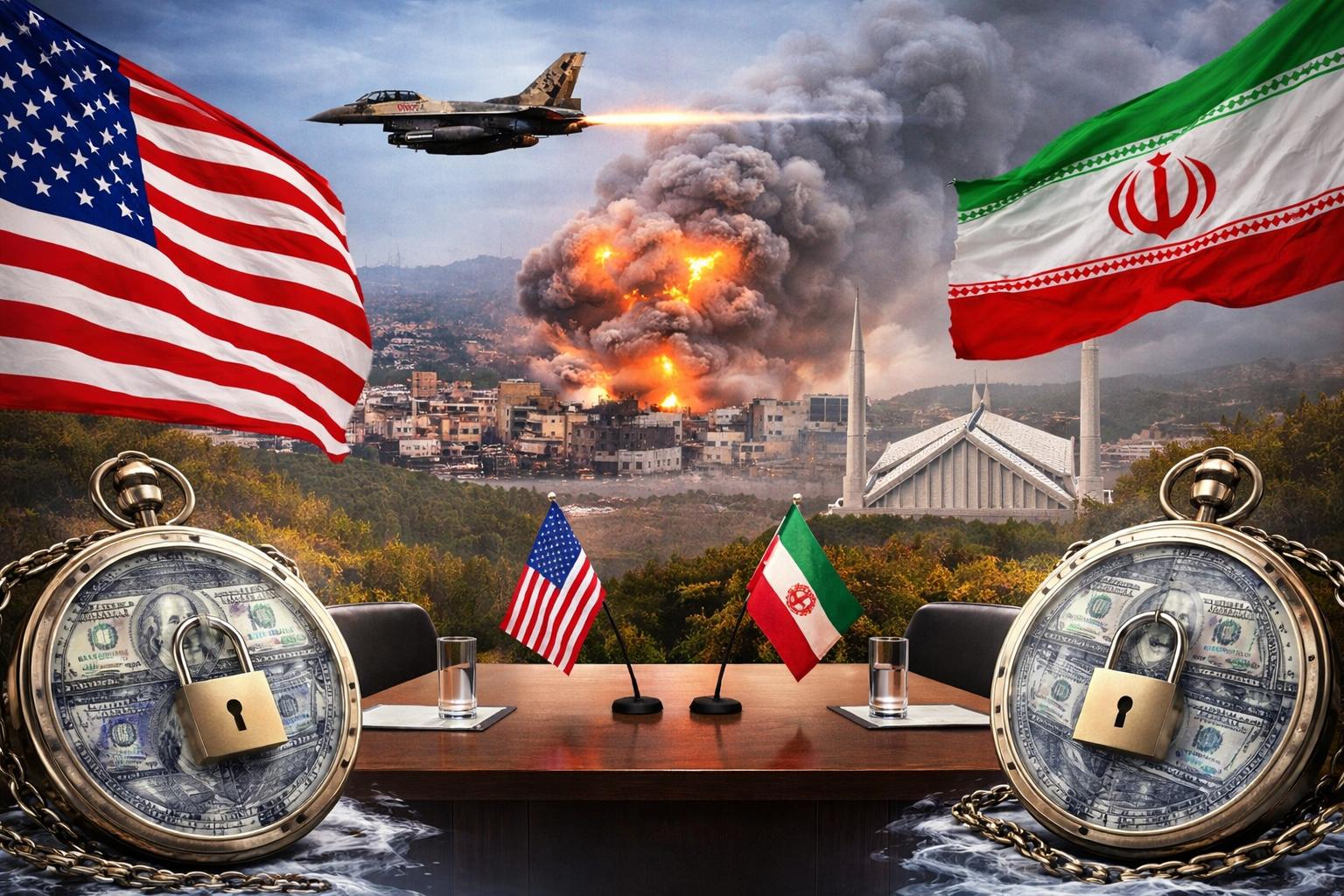
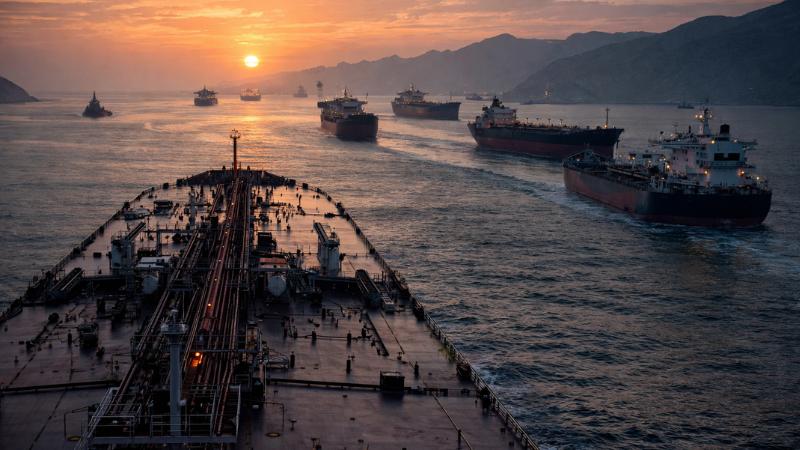
The United States carried out a new round of military strikes against Iranian targets on July 15, saying the operation was intended to protect commercial shipping passing through the Strait of Hormuz. The latest action adds to growing tensions between Washington and Tehran as one of the world's most important energy corridors remains under close international watch. According to US Central Command, the operation focused on military assets that it said posed a threat to vessels using the strategic waterway.
CENTCOM Iran operation targets maritime threats
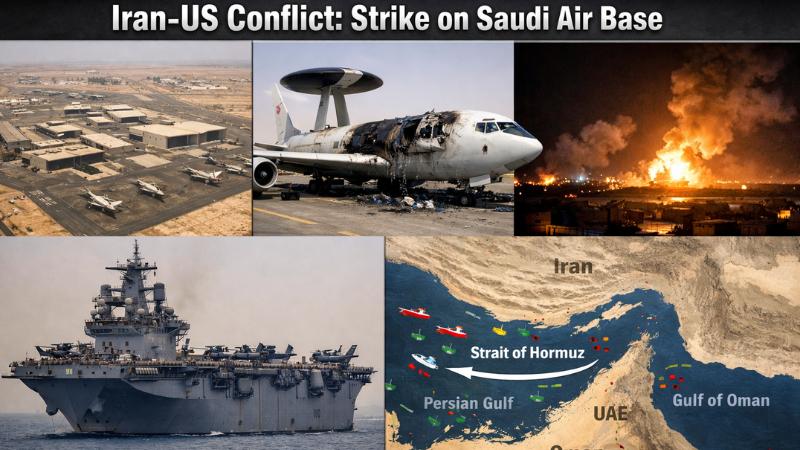
US Central Command said the strikes began at 1900 GMT and were directed at Iranian military capabilities allegedly being used to threaten ships transiting through the Strait of Hormuz. In a statement posted on its official X account, CENTCOM said the objective was to safeguard freedom of navigation in the region. The Strait of Hormuz carries nearly 20 percent of global oil supplies, making security in the area a major concern for governments, shipping companies and energy markets worldwide.
The operation comes after weeks of heightened military activity across the Gulf region. Washington has repeatedly stated that maintaining open sea lanes remains a priority as regional tensions continue to increase.
Strait of Hormuz remains global energy focus
The Strait of Hormuz connects the Persian Gulf with the Arabian Sea and serves as one of the world's busiest maritime routes. Any disruption can quickly affect international oil prices, shipping costs and supply chains. Energy analysts continue to monitor developments closely as uncertainty grows over future military actions in the region.
Global governments have also urged restraint, warning that prolonged conflict could have significant economic consequences beyond the Middle East.
Iran blasts reported in Ahvaz and Chabahar
As the US operation unfolded, Iran's semi-official Mehr News Agency reported explosions in several locations. Blasts were heard in Ahvaz in southwestern Iran, although the exact source was not immediately confirmed. Mehr also reported three explosions in the southeastern port city of Chabahar.
Iranian authorities had not officially confirmed the cause of the explosions or released information regarding casualties at the time of reporting. Independent verification of the incidents also remained unavailable.
Iran Parliament says diplomacy will continue
Iranian Parliament Speaker Mohammad Bagher Ghalibaf said the country would continue diplomatic efforts while maintaining military preparedness. In an official statement, he said Iran had never sought war but must remain ready to defend its national security and strategic interests.
Ghalibaf accused the United States of attempting to weaken the Islamic Republic and described the current situation as an existential challenge. He argued that relying only on diplomacy or only on military action would be a strategic mistake, saying both approaches should remain available as the situation develops.
The latest developments highlight the fragile security environment surrounding the Strait of Hormuz. With military operations continuing and diplomatic channels still open, governments and energy markets are expected to monitor events closely. Information in this report is based on official statements from US Central Command, comments released by Iranian parliamentary leadership and reports published by Iran's Mehr News Agency.
Relevant internal links may include your Global News category, US News, Middle East coverage, Oil & Energy news, Geopolitics section, and previous articles covering the Strait of Hormuz, Iran-US relations, and CENTCOM operations.