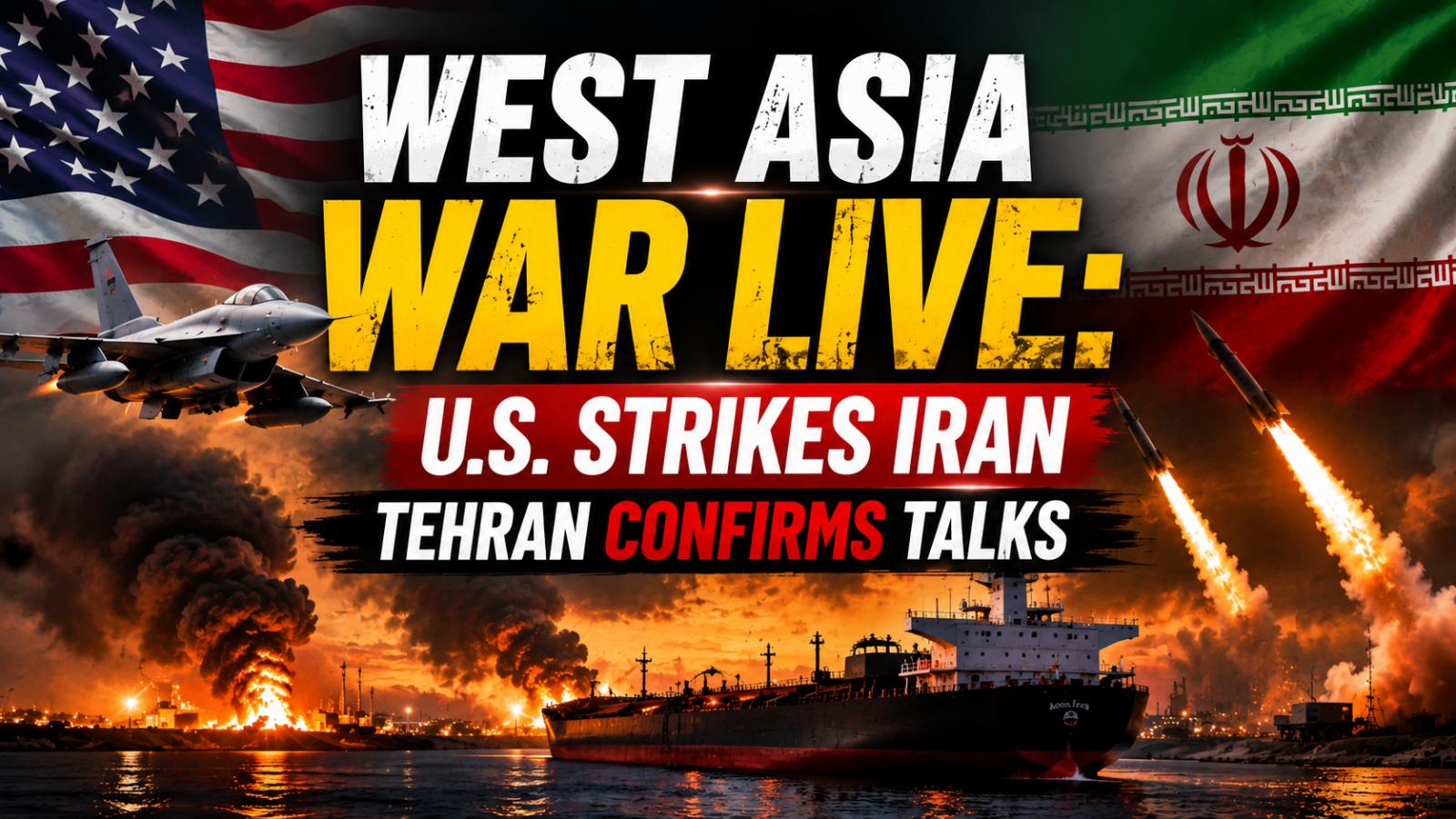
Iran on Tuesday claimed responsibility for a missile strike that it said landed near the office of Israeli Prime Minister Benjamin Netanyahu in Jerusalem, marking a sharp escalation in tensions between the two regional rivals. The claim, reported by state-affiliated media, comes amid heightened hostilities and conflicting narratives surrounding recent military developments between Israel and Iran.
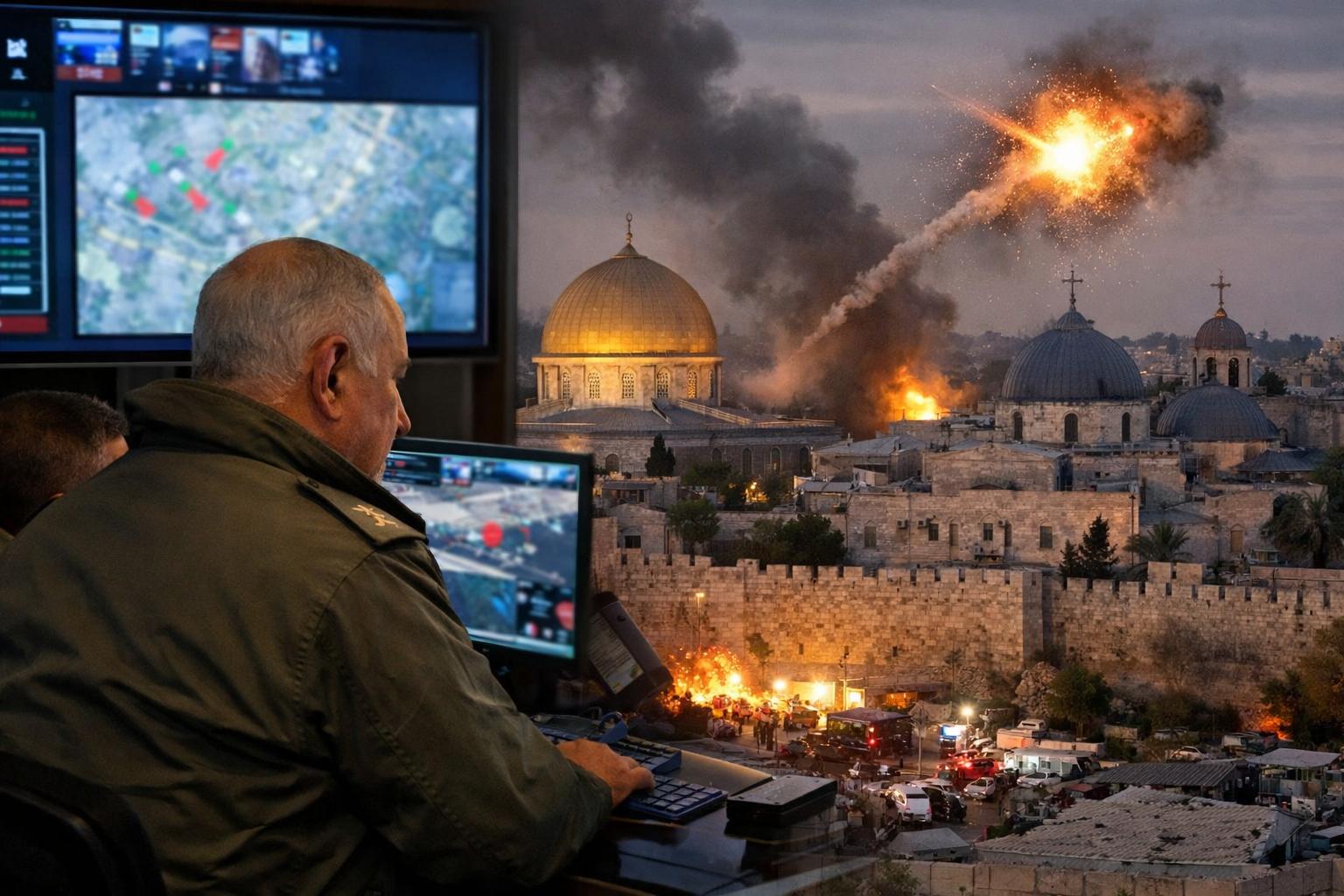
Israeli authorities reported that missile fragments fell across parts of Jerusalem, including areas within the Old City, prompting air raid sirens in the capital and several central regions. While debris was said to have landed near prominent religious landmarks, officials confirmed that the Prime Minister’s office did not sustain any damage. Emergency response teams were deployed to assess the impact and ensure public safety in affected zones.
According to multiple reports, shrapnel from the strike caused minor damage near significant religious sites, including the Church of the Holy Sepulchre and areas close to the Temple Mount. These locations, revered by multiple faiths, heightened concerns over the broader implications of the incident and the risk of further escalation in a sensitive region.
The developments follow Israeli claims that Ali Larijani, described as Iran’s national security chief, was killed in a targeted operation. Tehran has not confirmed his death, adding uncertainty to the situation. In a televised statement, Netanyahu asserted that the operation was part of a broader effort to weaken Iran’s leadership structure and encourage internal change. He stated that sustained pressure could create conditions for citizens to determine their own political future.
Earlier in the day, the Israeli Prime Minister’s Office released images showing Netanyahu inside a military command centre, appearing to oversee ongoing operations. The move was seen as a response to widespread speculation circulating on social media regarding his status, as authorities sought to reinforce confidence and counter misinformation during a period of heightened tension.
The exchange of claims and counterclaims underscores the fragile security environment in the region, with both sides maintaining assertive positions as the situation continues to evolve.