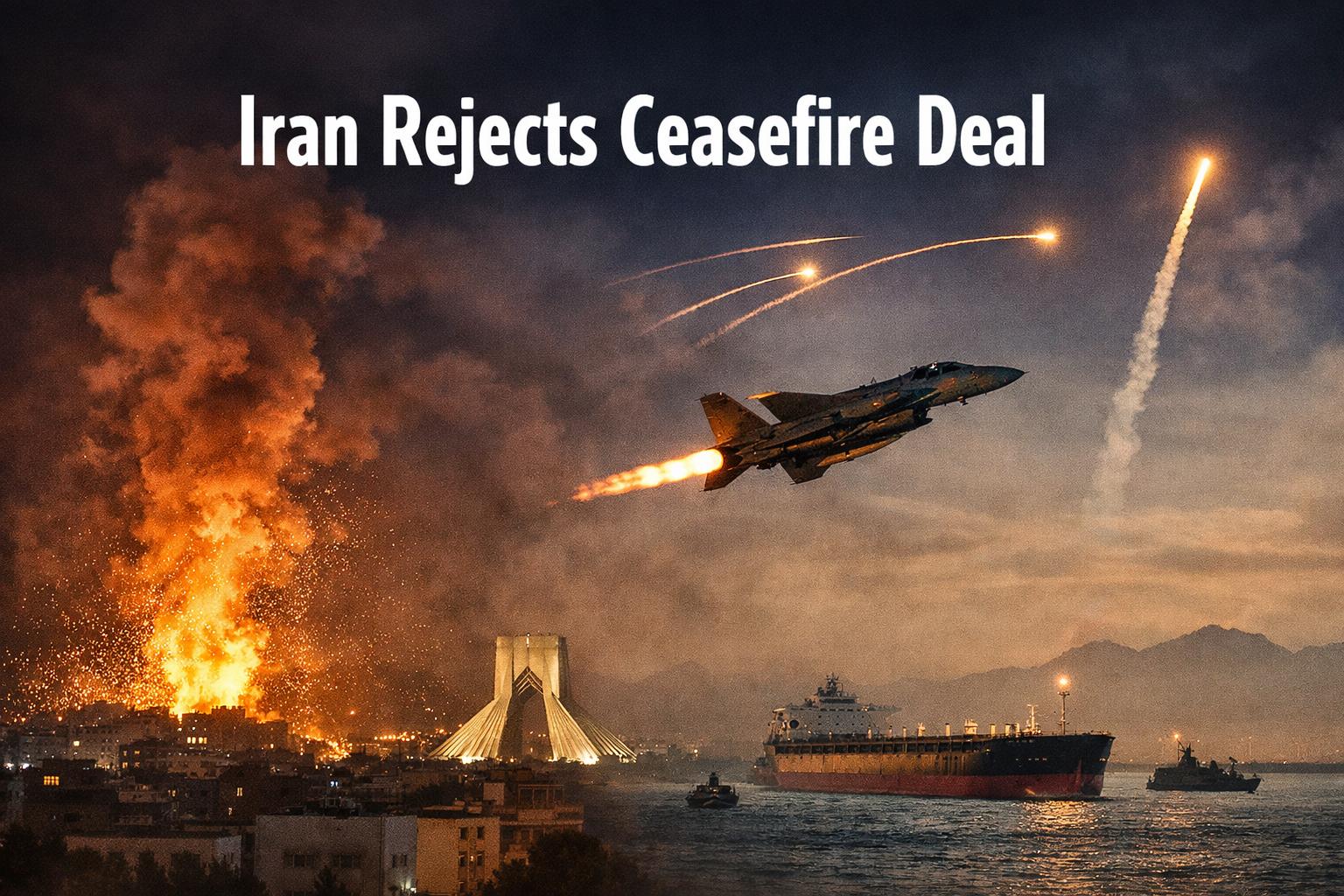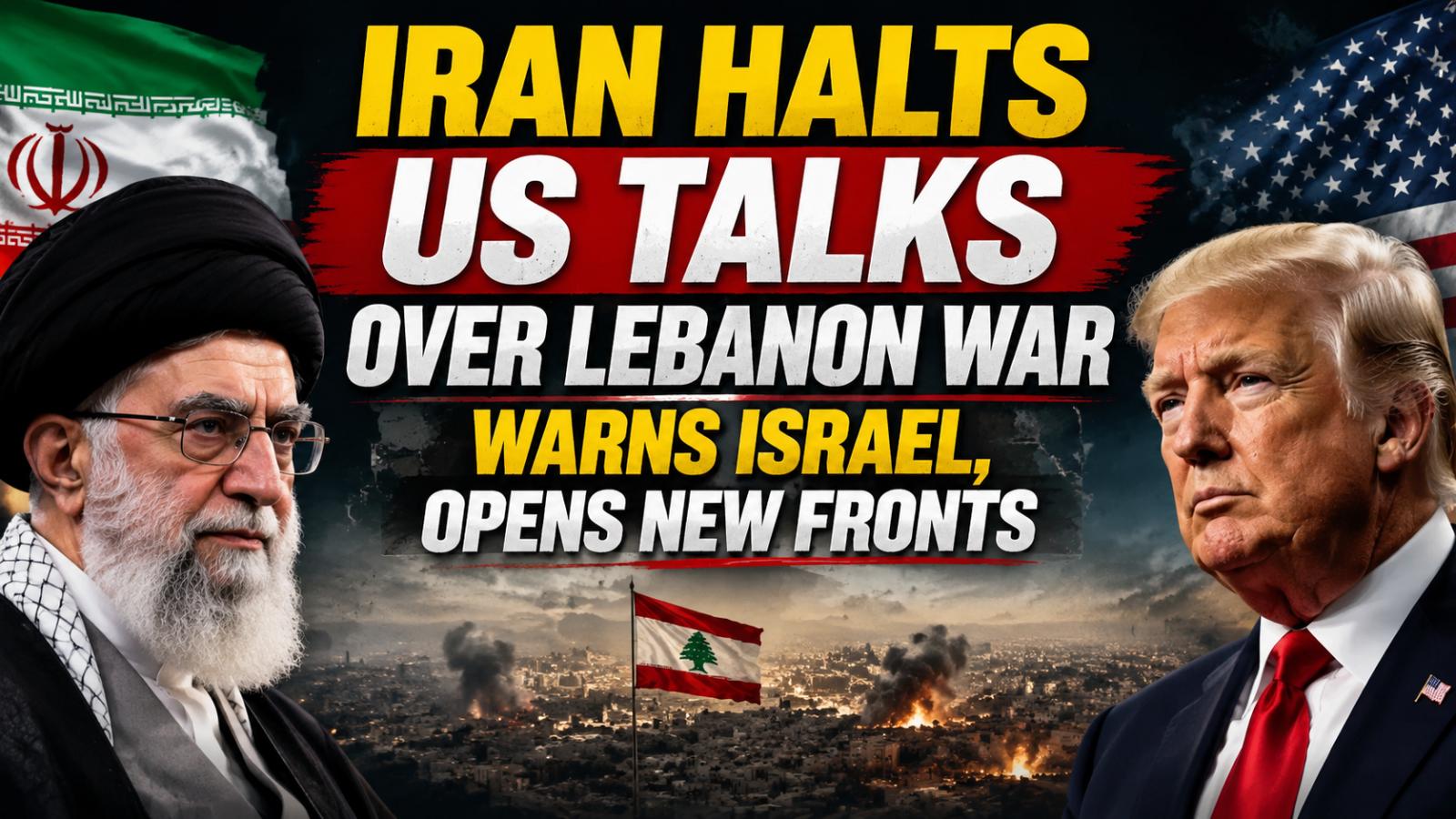
Iran has decided to pause indirect negotiations with the United States in response to ongoing hostilities in Lebanon. Tehran cited repeated breaches of the ceasefire by Israeli forces as a primary reason for halting diplomatic exchanges. Officials emphasized that the suspension is temporary but signals a serious shift in Iran’s diplomatic approach.
Tehran Signals Defensive Measures
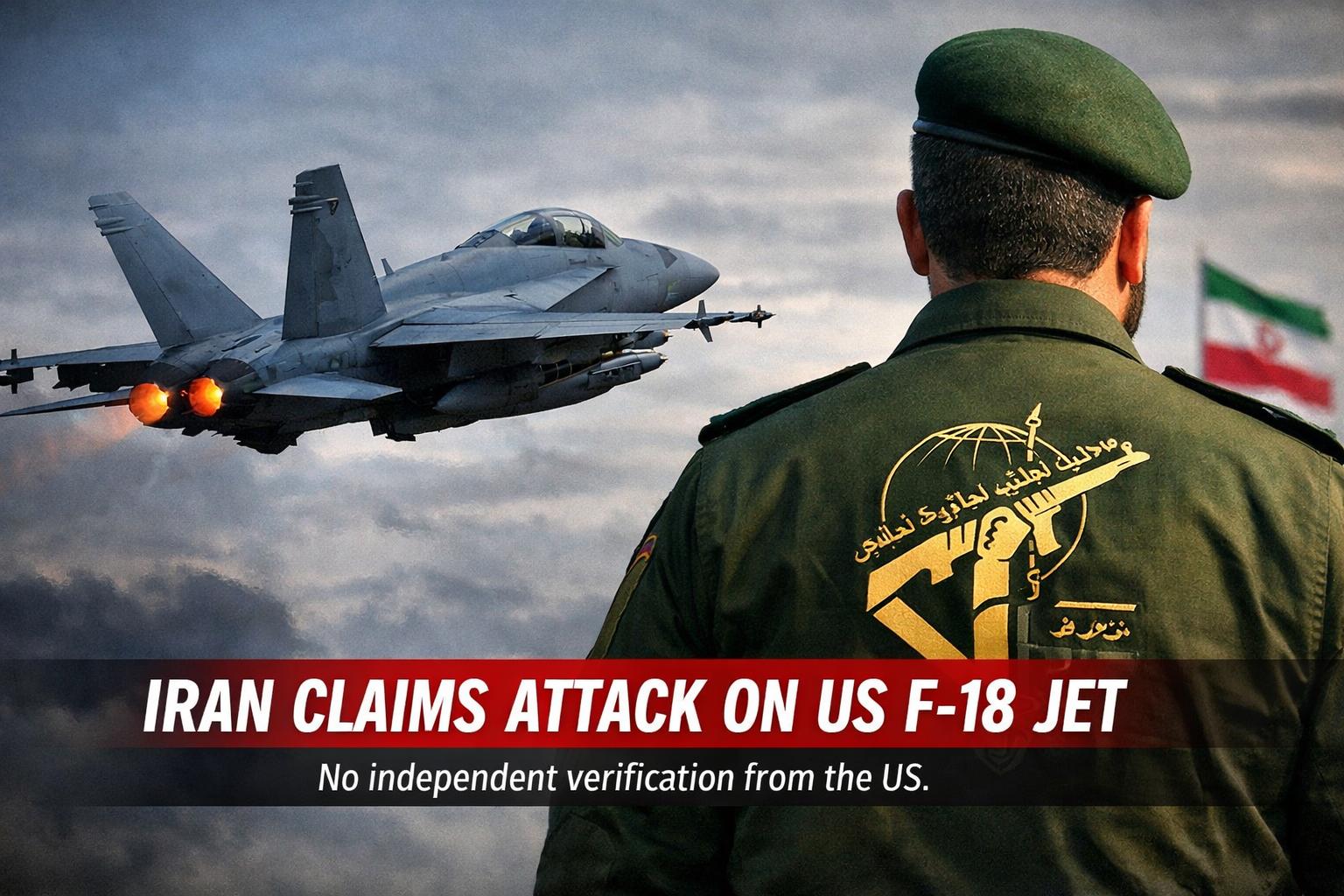
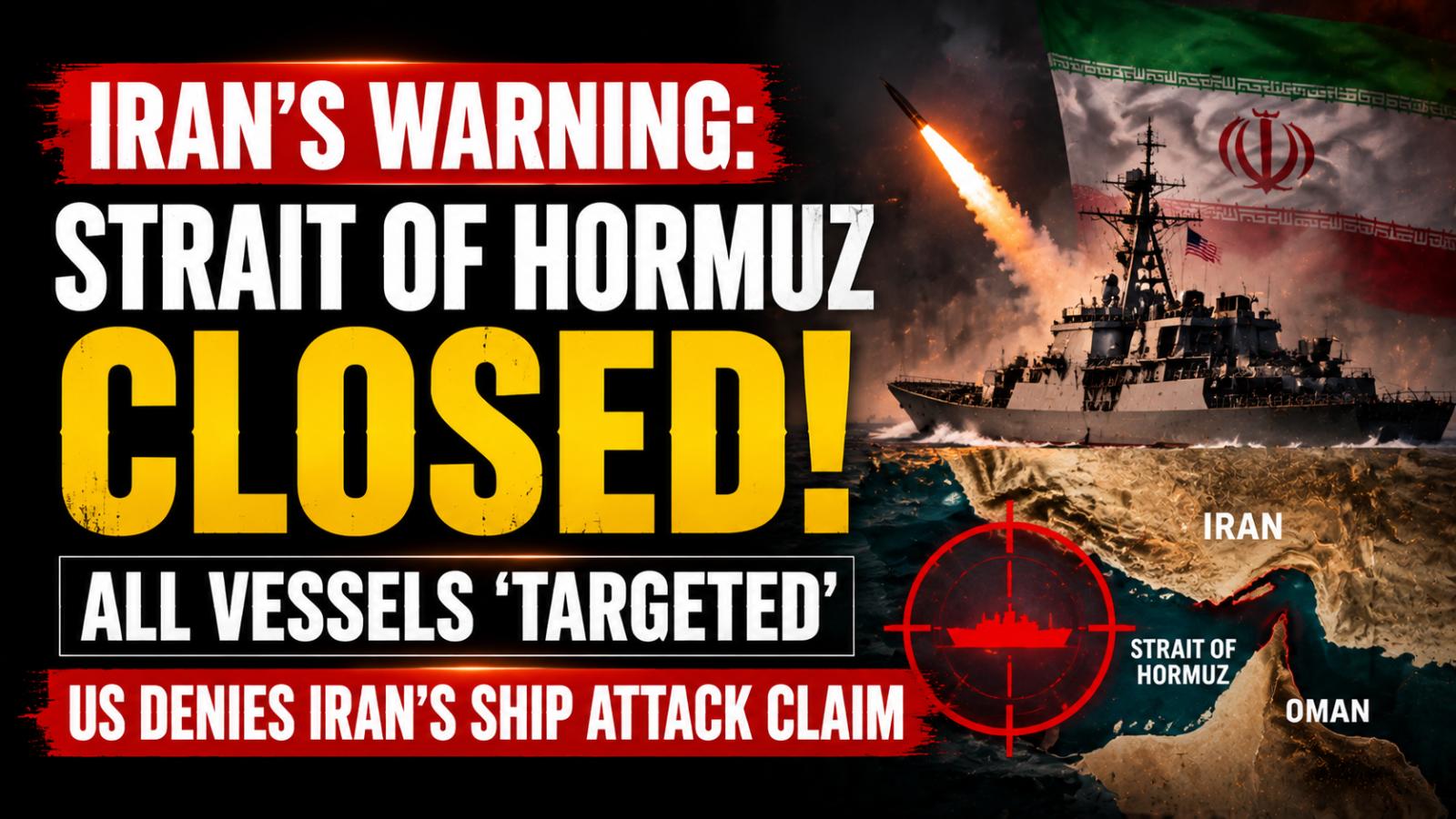
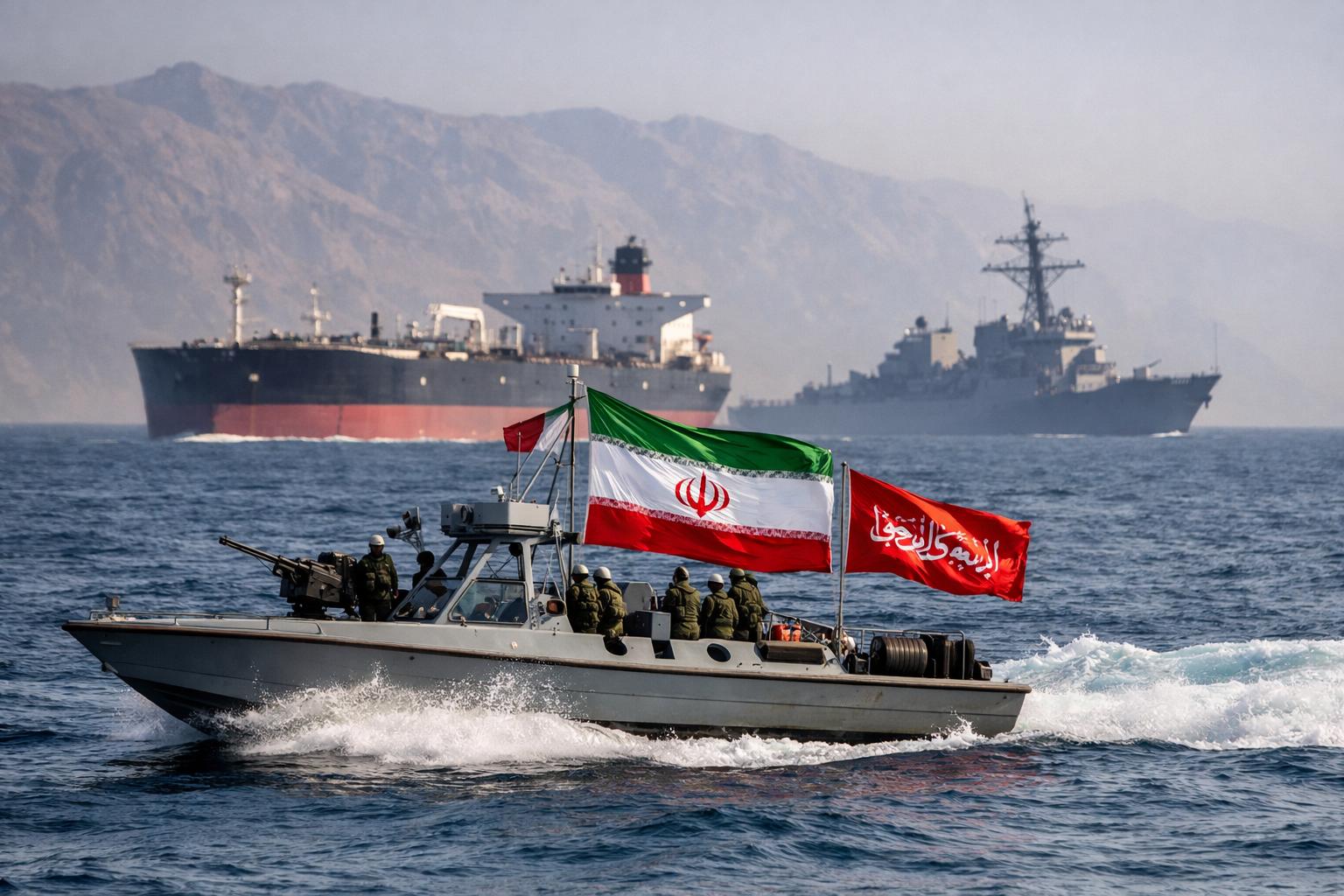
Iran’s leadership has declared plans to take precautionary measures, including opening new fronts and conducting strategic operations. The Iranian Revolutionary Guard indicated that Tehran will defend Lebanon using both conventional and unconventional tactics while maintaining control over critical regions like the Strait of Hormuz. Any violation of the ceasefire will be treated as a multi-front threat, with responsibility attributed to both Israel and the US.
Rising Tensions in Lebanon
The conflict in Lebanon has intensified as Israel continues its military campaign, including territorial advances and key site seizures. Iran has pledged to support local resistance groups and protect Lebanese sovereignty. Despite a ceasefire agreement earlier this year, repeated violations have created a fragile security situation, raising fears of broader regional instability.
Implications for Regional Security
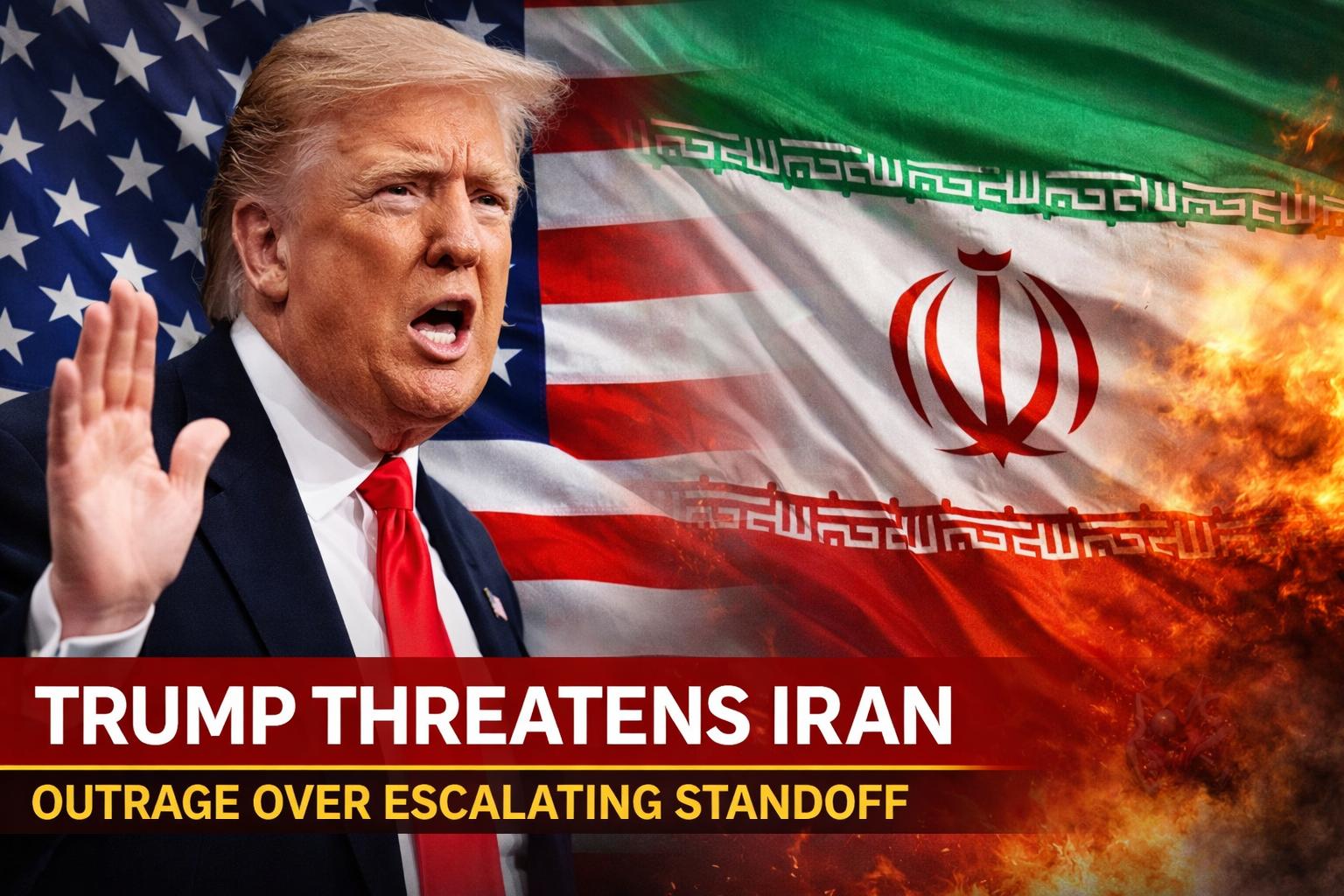
The developments highlight Iran’s strategic posture of combining diplomacy with military readiness. Analysts warn that miscalculations could escalate into a wider conflict, impacting Gulf security and international relations. Close monitoring of Lebanon and surrounding regions is critical to anticipate shifts in the Middle East power dynamics.