









Iran Hormuz Shipping Corridor Deal With Oman Nears Approval
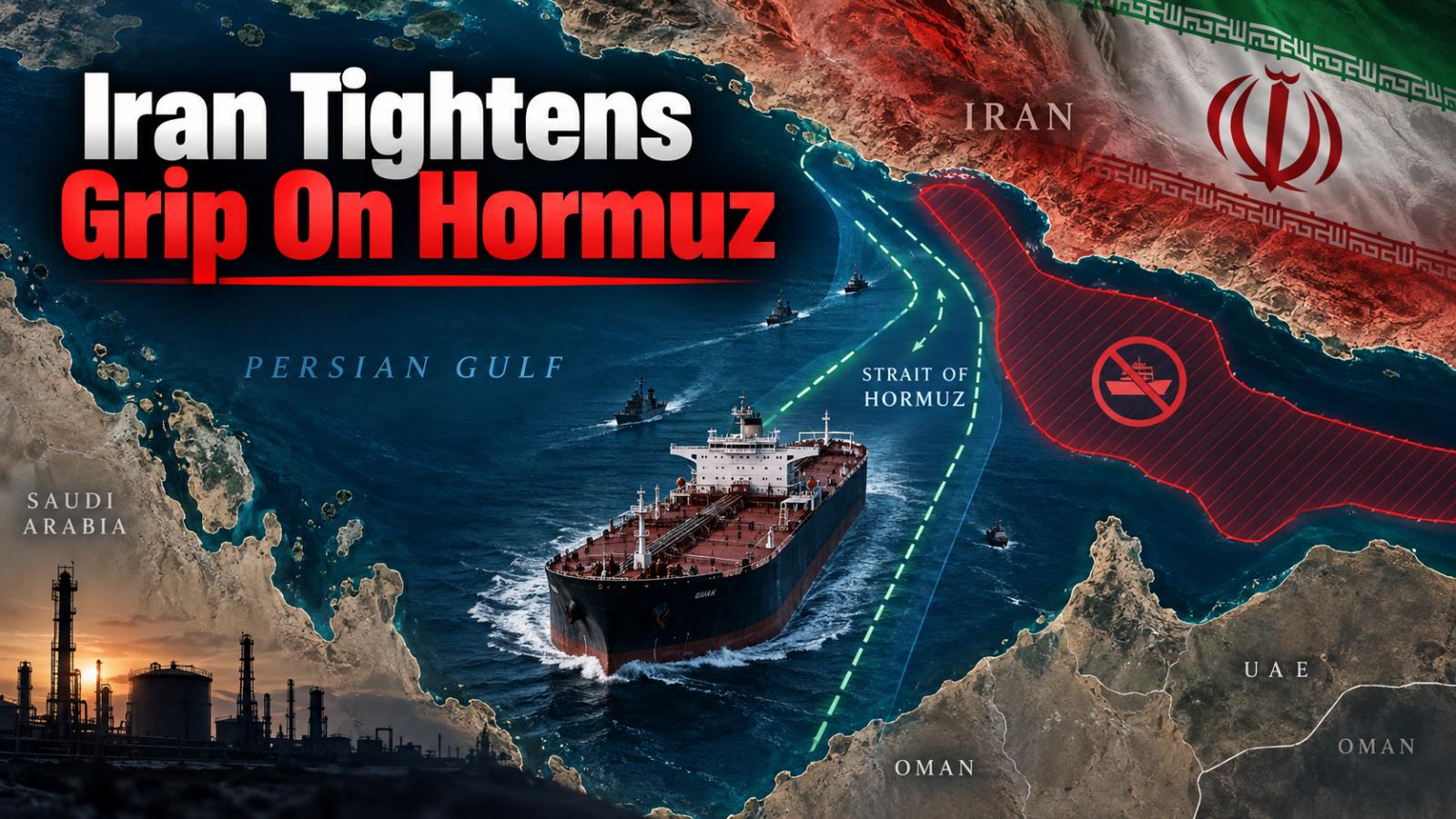
Iran says an Iran-Oman Hormuz shipping corridor could be formalized within days as Tehran prepares a new restricted maritime zone around the strategic waterway. The proposals could reshape Gulf shipping while tensions with the United States continue to disrupt commercial traffic. Iran Oman Hormuz Shipping Corridor Nears Agreement Iranian officials say Tehran and Muscat have agreed on maps for a
Iran Hormuz Shipping Corridor Deal With Oman Nears Approval
Iran says an Iran-Oman Hormuz shipping corridor could be formalized within days as Tehran prepares a new restricted maritime zone around the strategic waterway. The proposals could reshape Gulf shipping while tensions with the United States continue to disrupt commercial traffic. Iran Oman Hormuz Shipping Corridor Nears Agreement Iranian officials say Tehran and Muscat have agreed on maps for a
US Strikes on Iran Target Strait of Hormuz Military Sites
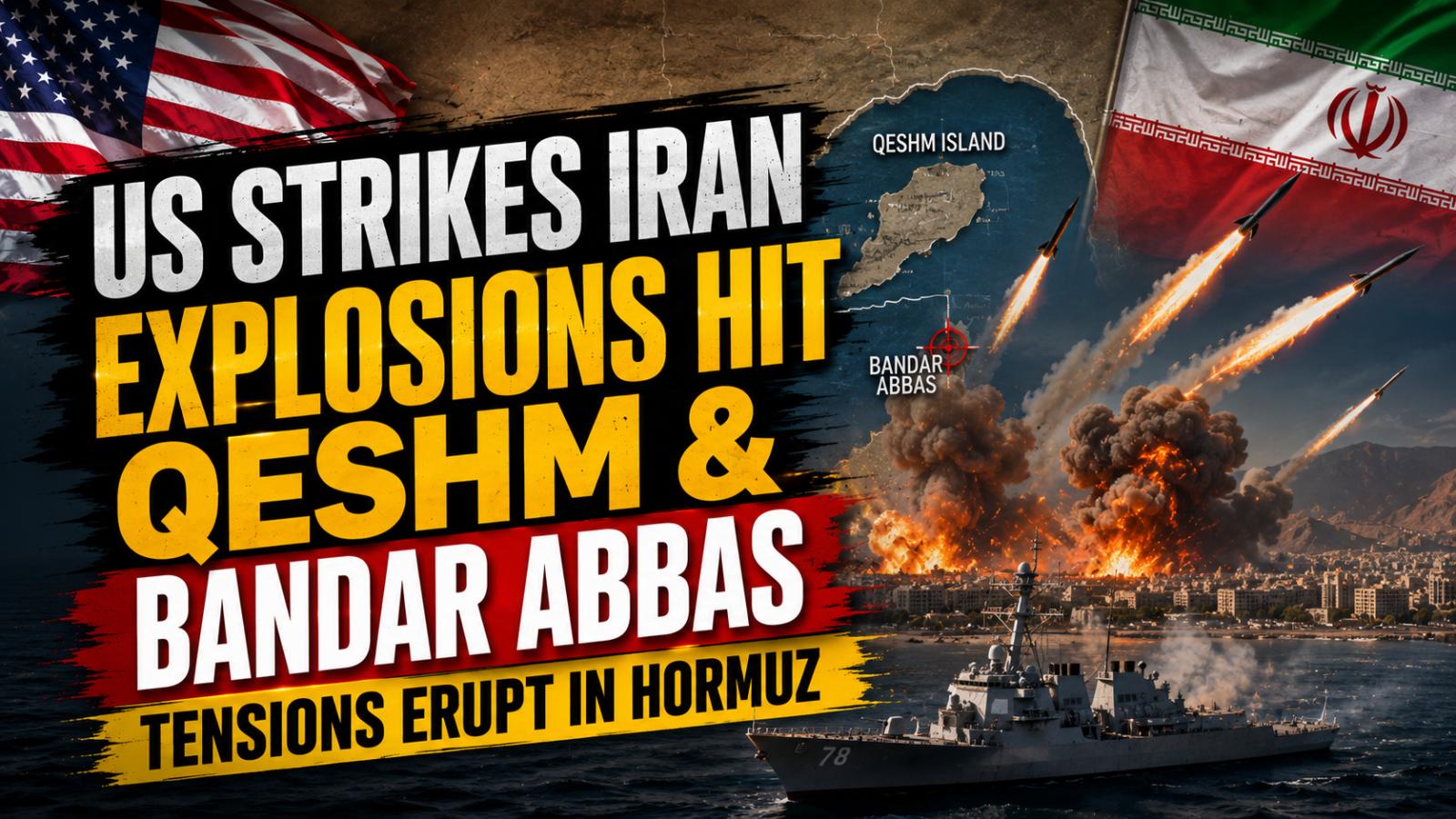
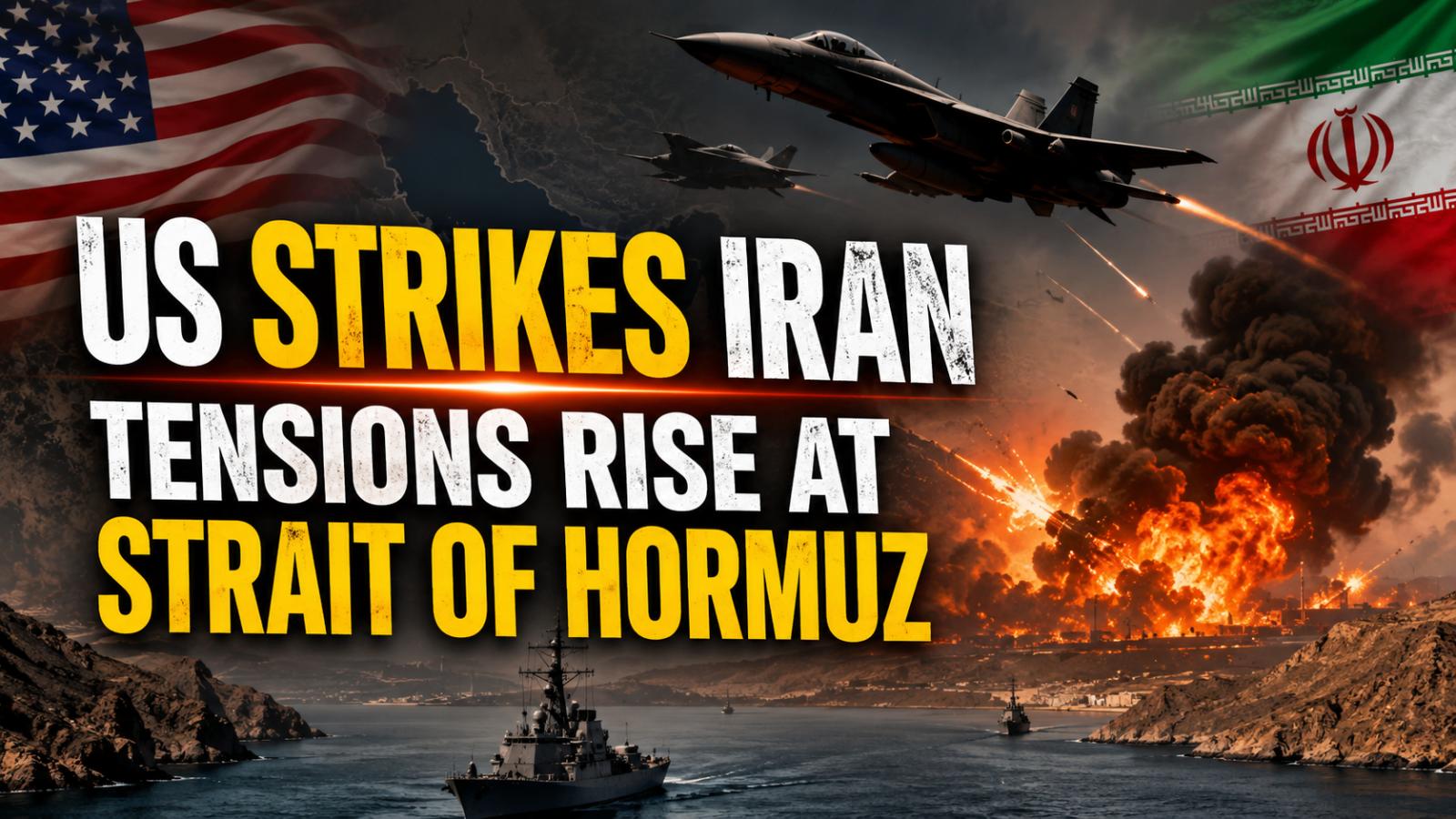
The United States carried out a new round of military strikes against Iranian targets on July 15, saying the operation was intended to protect commercial shipping passing through the Strait of Hormuz. The latest action adds to growing tensions between Washington and Tehran as one of the world's most important energy corridors remains under close international watch. According to US Central Command, the operation focused on military assets that it said posed a threat to vessels using the strategic waterway. CENTCOM Iran operation targets maritime threats US Central Command said the strikes began at 1900 GMT and were directed at Iranian military capabilities allegedly being used to threaten ships transiting through the Strait of Hormuz. In a statement posted on its official X account, CENTCOM said the objective was to safeguard freedom of navigation in the region. The Strait of Hormuz carries nearly 20 percent of global oil supplies, making security in the area a major concern for governments, shipping companies and energy markets worldwide. The operation comes after weeks of heightened military activity across the Gulf region. Washington has repeatedly stated that maintaining open sea lanes remains a priority as regional tensions continue to increase. Strait of Hormuz remains global energy focus The Strait of Hormuz connects the Persian Gulf with the Arabian Sea and serves as one of the world's busiest maritime routes. Any disruption can quickly affect international oil prices, shipping costs and supply chains. Energy analysts continue to monitor developments closely as uncertainty grows over future military actions in the region. Global governments have also urged restraint, warning that prolonged conflict could have significant economic consequences beyond the Middle East. Iran blasts reported in Ahvaz and Chabahar As the US operation unfolded, Iran's semi-official Mehr News Agency reported explosions in several locations. Blasts were heard in Ahvaz in southwestern Iran, although the exact source was not immediately confirmed. Mehr also reported three explosions in the southeastern port city of Chabahar. Iranian authorities had not officially confirmed the cause of the explosions or released information regarding casualties at the time of reporting. Independent verification of the incidents also remained unavailable. Iran Parliament says diplomacy will continue Iranian Parliament Speaker Mohammad Bagher Ghalibaf said the country would continue diplomatic efforts while maintaining military preparedness. In an official statement, he said Iran had never sought war but must remain ready to defend its national security and strategic interests. Ghalibaf accused the United States of attempting to weaken the Islamic Republic and described the current situation as an existential challenge. He argued that relying only on diplomacy or only on military action would be a strategic mistake, saying both approaches should remain available as the situation develops. The latest developments highlight the fragile security environment surrounding the Strait of Hormuz. With military operations continuing and diplomatic channels still open, governments and energy markets are expected to monitor events closely. Information in this report is based on official statements from US Central Command, comments released by Iranian parliamentary leadership and reports published by Iran's Mehr News Agency. Relevant internal links may include your Global News category, US News, Middle East coverage, Oil & Energy news, Geopolitics section, and previous articles covering the Strait of Hormuz, Iran-US relations, and CENTCOM operations.
US Strikes on Iran Target Strait of Hormuz Military Sites
The United States carried out a new round of military strikes against Iranian targets on July 15, saying the operation was intended to protect commercial shipping passing through the Strait of Hormuz. The latest action adds to growing tensions between Washington and Tehran as one of the world's most important energy corridors remains under close international watch. According to US Central Command, the operation focused on military assets that it said posed a threat to vessels using the strategic waterway. CENTCOM Iran operation targets maritime threats US Central Command said the strikes began at 1900 GMT and were directed at Iranian military capabilities allegedly being used to threaten ships transiting through the Strait of Hormuz. In a statement posted on its official X account, CENTCOM said the objective was to safeguard freedom of navigation in the region. The Strait of Hormuz carries nearly 20 percent of global oil supplies, making security in the area a major concern for governments, shipping companies and energy markets worldwide. The operation comes after weeks of heightened military activity across the Gulf region. Washington has repeatedly stated that maintaining open sea lanes remains a priority as regional tensions continue to increase. Strait of Hormuz remains global energy focus The Strait of Hormuz connects the Persian Gulf with the Arabian Sea and serves as one of the world's busiest maritime routes. Any disruption can quickly affect international oil prices, shipping costs and supply chains. Energy analysts continue to monitor developments closely as uncertainty grows over future military actions in the region. Global governments have also urged restraint, warning that prolonged conflict could have significant economic consequences beyond the Middle East. Iran blasts reported in Ahvaz and Chabahar As the US operation unfolded, Iran's semi-official Mehr News Agency reported explosions in several locations. Blasts were heard in Ahvaz in southwestern Iran, although the exact source was not immediately confirmed. Mehr also reported three explosions in the southeastern port city of Chabahar. Iranian authorities had not officially confirmed the cause of the explosions or released information regarding casualties at the time of reporting. Independent verification of the incidents also remained unavailable. Iran Parliament says diplomacy will continue Iranian Parliament Speaker Mohammad Bagher Ghalibaf said the country would continue diplomatic efforts while maintaining military preparedness. In an official statement, he said Iran had never sought war but must remain ready to defend its national security and strategic interests. Ghalibaf accused the United States of attempting to weaken the Islamic Republic and described the current situation as an existential challenge. He argued that relying only on diplomacy or only on military action would be a strategic mistake, saying both approaches should remain available as the situation develops. The latest developments highlight the fragile security environment surrounding the Strait of Hormuz. With military operations continuing and diplomatic channels still open, governments and energy markets are expected to monitor events closely. Information in this report is based on official statements from US Central Command, comments released by Iranian parliamentary leadership and reports published by Iran's Mehr News Agency. Relevant internal links may include your Global News category, US News, Middle East coverage, Oil & Energy news, Geopolitics section, and previous articles covering the Strait of Hormuz, Iran-US relations, and CENTCOM operations.
US Strikes Iran Military Sites as Hormuz Conflict Deepens
The United States has carried out another round of attacks on Iranian military infrastructure as fighting around the Strait of Hormuz threatens commercial shipping and regional stability. CENTCOM said its latest verified operation targeted coastal defence systems, missile facilities, drones and maritime capabilities across several Iranian locations. US strikes Iran military targets across coastal regions US Cen
US Strikes Iran Military Sites as Hormuz Conflict Deepens
The United States has carried out another round of attacks on Iranian military infrastructure as fighting around the Strait of Hormuz threatens commercial shipping and regional stability. CENTCOM said its latest verified operation targeted coastal defence systems, missile facilities, drones and maritime capabilities across several Iranian locations. US strikes Iran military targets across coastal regions US Cen
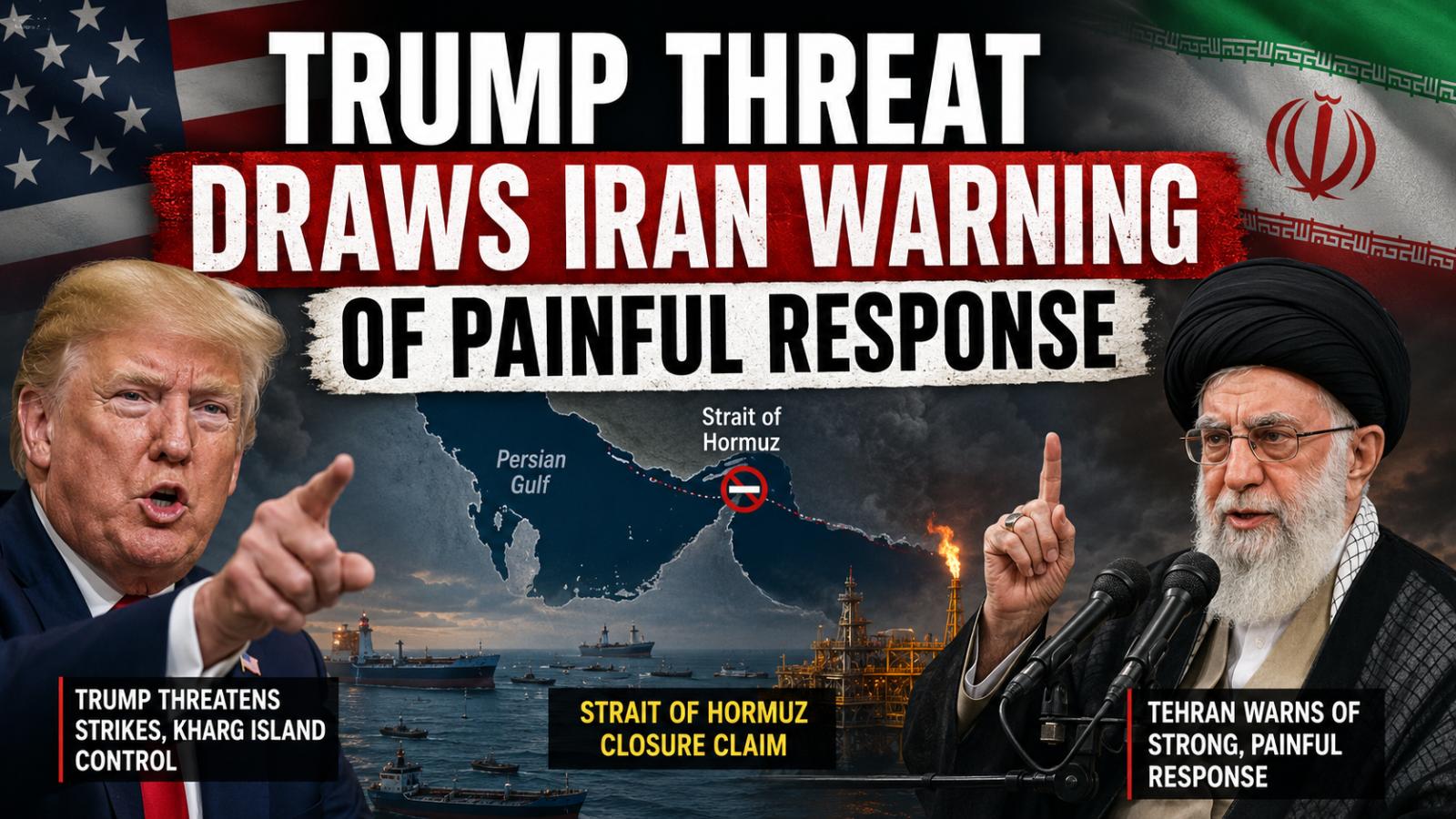
Trump Iran Threat Raises Gulf Tensions as Tehran Warns of Painful Response
Iran warned of a “painful response” after President Donald Trump threatened new U.S. strikes and suggested Washington could move to control key Iranian oil infrastructure. The latest Trump Iran threat added pressure to an already volatile Gulf crisis on Thursday, June 11, 2026, as Tehran also claimed the Strait of Hormuz would be closed until further notice. Trump threatens new strikes on Iran Trump said in a Truth Social post that the Unit
Trump Iran Threat Raises Gulf Tensions as Tehran Warns of Painful Response
Iran warned of a “painful response” after President Donald Trump threatened new U.S. strikes and suggested Washington could move to control key Iranian oil infrastructure. The latest Trump Iran threat added pressure to an already volatile Gulf crisis on Thursday, June 11, 2026, as Tehran also claimed the Strait of Hormuz would be closed until further notice. Trump threatens new strikes on Iran Trump said in a Truth Social post that the Unit
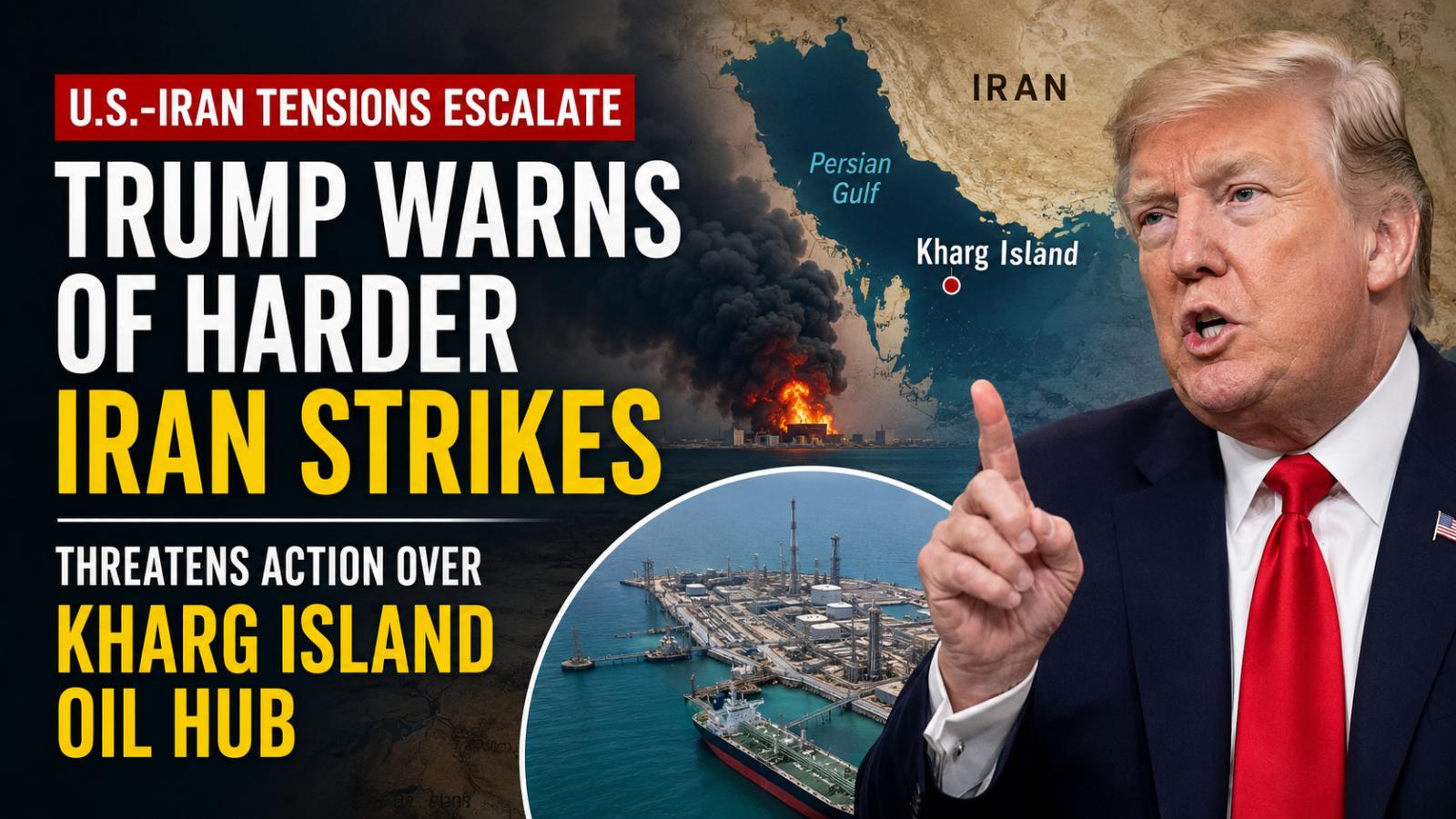
Trump Iran Warning Puts Kharg Island Oil Hub in Focus
U.S. President Donald Trump’s latest warning over the Kharg Island oil hub has added a new layer of risk to the U.S.-Iran conflict and raised fresh concerns about Gulf security and oil markets. Trump said on Thursday, June 11, 2026, that the United States would strike Iran “very hard” later Thursday night. In a Truth Social post, he claimed Iran’s navy, air force, radar, anti-aircraft systems and other defense capabilities had been severely weakened.
Trump Iran Warning Puts Kharg Island Oil Hub in Focus
U.S. President Donald Trump’s latest warning over the Kharg Island oil hub has added a new layer of risk to the U.S.-Iran conflict and raised fresh concerns about Gulf security and oil markets. Trump said on Thursday, June 11, 2026, that the United States would strike Iran “very hard” later Thursday night. In a Truth Social post, he claimed Iran’s navy, air force, radar, anti-aircraft systems and other defense capabilities had been severely weakened.
Iran FM Abbas Araghchi to attend BRICS meeting in New Delhi amid West Asia crisis
Iran’s Foreign Minister Seyed Abbas Araghchi will visit New Delhi this week to attend the BRICS foreign ministers’ meeting, where discussions are expected to focus on the growing West Asia crisis, regional stability, and global energy security. The two-day meeting, scheduled for May 14 and 15 under India’s BRICS chairmanship, comes at a time when tensions involving Iran, the United States, and Israel continue to affect the Strait of Hormuz and international oil markets. India, which dep
Iran FM Abbas Araghchi to attend BRICS meeting in New Delhi amid West Asia crisis
Iran’s Foreign Minister Seyed Abbas Araghchi will visit New Delhi this week to attend the BRICS foreign ministers’ meeting, where discussions are expected to focus on the growing West Asia crisis, regional stability, and global energy security. The two-day meeting, scheduled for May 14 and 15 under India’s BRICS chairmanship, comes at a time when tensions involving Iran, the United States, and Israel continue to affect the Strait of Hormuz and international oil markets. India, which dep
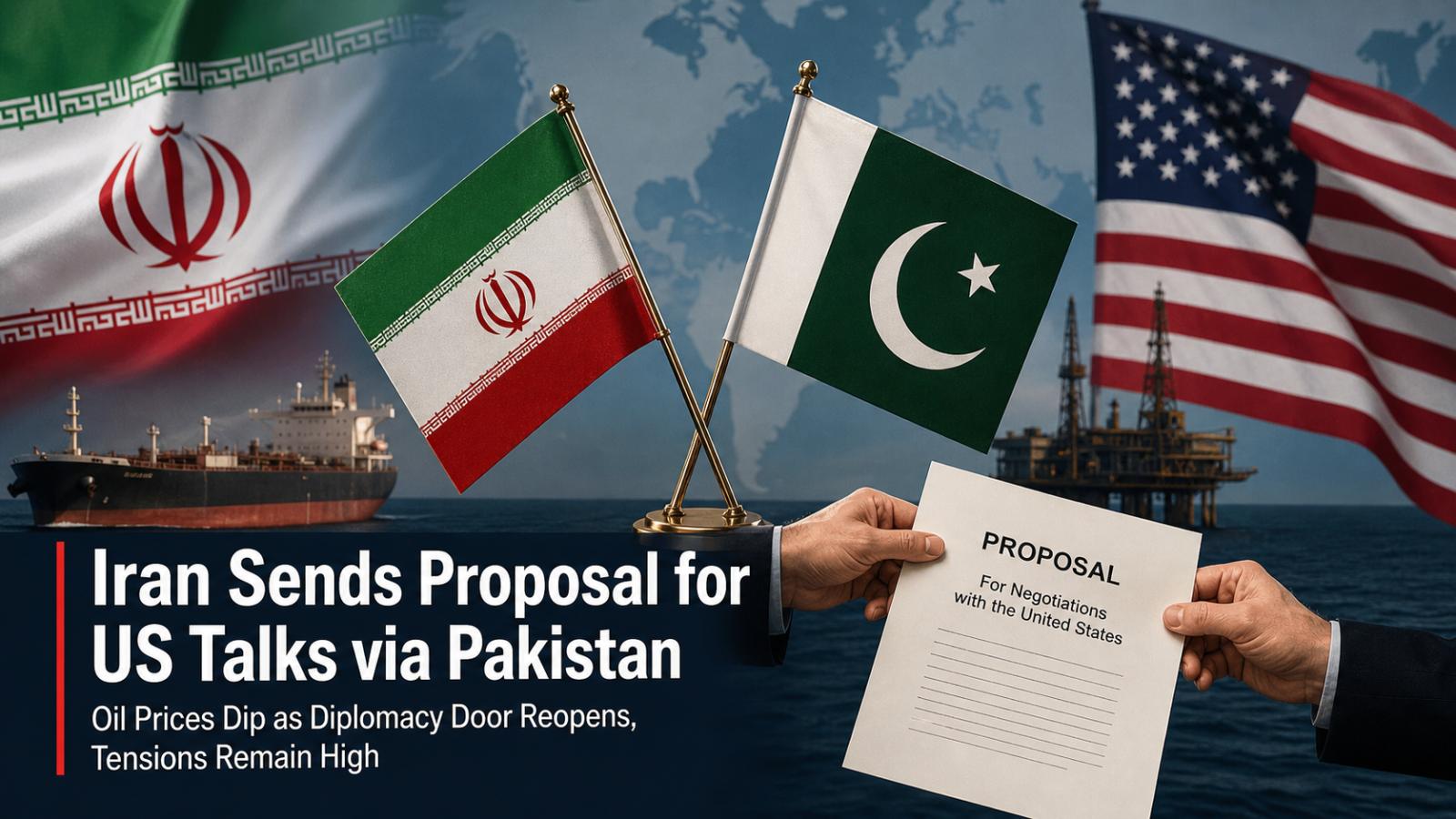
What did Iran propose to the U.S.? New talks plan sent via Pakistan signals diplomacy
Iran has delivered a new proposal for negotiations with the United States through Pakistan, signaling a potential diplomatic opening amid heightened regional tensions. According to IRNA, the proposal was formally
What did Iran propose to the U.S.? New talks plan sent via Pakistan signals diplomacy
Iran has delivered a new proposal for negotiations with the United States through Pakistan, signaling a potential diplomatic opening amid heightened regional tensions. According to IRNA, the proposal was formally
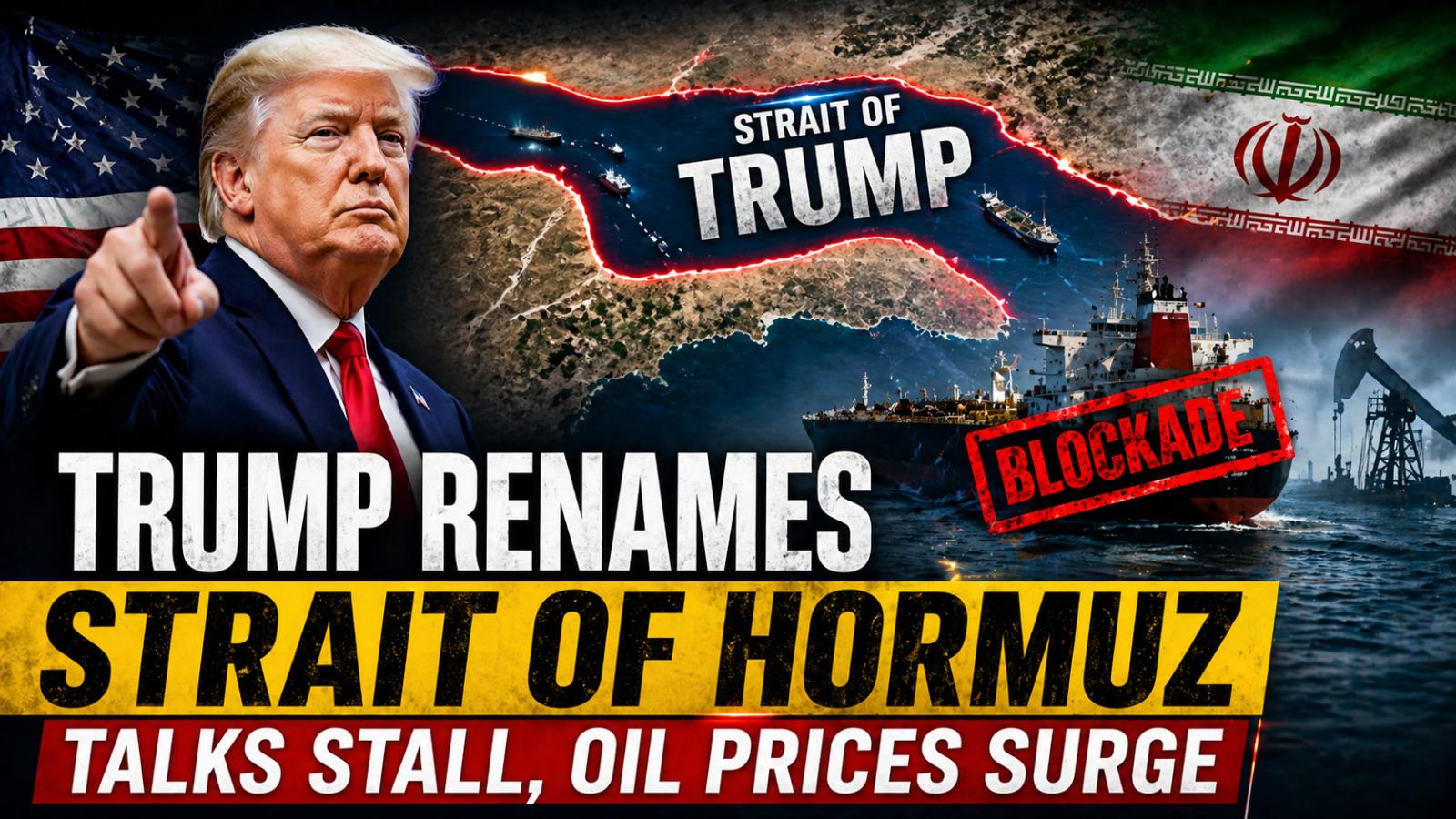
Trump Renames Strait of Hormuz Amid Rising US-Iran Tensions
US President Donald Trump has drawn attention after sharing a modified map referring to the Strait of Hormuz as the “Strait of Trump,” a move that comes amid escalating tensions and stalled negotiations with Iran. The strategic waterway remains a focal point in the ongoing standoff, with both sides maintaining a blockade despite a previously agreed ceasefire. Trump indicated that discussions to end the conflict are continuing remotely, describing them as telephonic due to logistical challenges. At the same time, Iran has attempted to revive dialogue by sending a proposal through Pakistan, facilitated by Foreign Minister Abbas Araghchi. However, indications suggest that the US administration is dissatisfied with the terms and is unlikely to accept the framework presented. The proposal reportedly outlined a three-stage approach, beginning with a complete cessation of hostilities, followed by lifting the naval blockade and restoring maritime traffic through the Strait of Hormuz. The final stage involved renewed negotiations over Iran’s nuclear program. Despite these efforts, talks remain at an impasse, with both sides maintaining firm positions. Trump defended the blockade, describing it as effective and emphasizing its economic impact on Iran. He stated that the pressure strategy would continue until Iran concedes. Meanwhile, energy markets reacted sharply, with Brent crude prices rising significantly, reflecting concerns over supply disruptions linked to the strategic route. The Strait of Hormuz remains critical to global oil flows, and its continued closure by both US and Iranian forces underscores the fragile state of the ceasefire. Diplomatic efforts have yet to regain momentum, leaving the situation uncertain as geopolitical and economic pressures continue to build.
Trump Renames Strait of Hormuz Amid Rising US-Iran Tensions
US President Donald Trump has drawn attention after sharing a modified map referring to the Strait of Hormuz as the “Strait of Trump,” a move that comes amid escalating tensions and stalled negotiations with Iran. The strategic waterway remains a focal point in the ongoing standoff, with both sides maintaining a blockade despite a previously agreed ceasefire. Trump indicated that discussions to end the conflict are continuing remotely, describing them as telephonic due to logistical challenges. At the same time, Iran has attempted to revive dialogue by sending a proposal through Pakistan, facilitated by Foreign Minister Abbas Araghchi. However, indications suggest that the US administration is dissatisfied with the terms and is unlikely to accept the framework presented. The proposal reportedly outlined a three-stage approach, beginning with a complete cessation of hostilities, followed by lifting the naval blockade and restoring maritime traffic through the Strait of Hormuz. The final stage involved renewed negotiations over Iran’s nuclear program. Despite these efforts, talks remain at an impasse, with both sides maintaining firm positions. Trump defended the blockade, describing it as effective and emphasizing its economic impact on Iran. He stated that the pressure strategy would continue until Iran concedes. Meanwhile, energy markets reacted sharply, with Brent crude prices rising significantly, reflecting concerns over supply disruptions linked to the strategic route. The Strait of Hormuz remains critical to global oil flows, and its continued closure by both US and Iranian forces underscores the fragile state of the ceasefire. Diplomatic efforts have yet to regain momentum, leaving the situation uncertain as geopolitical and economic pressures continue to build.
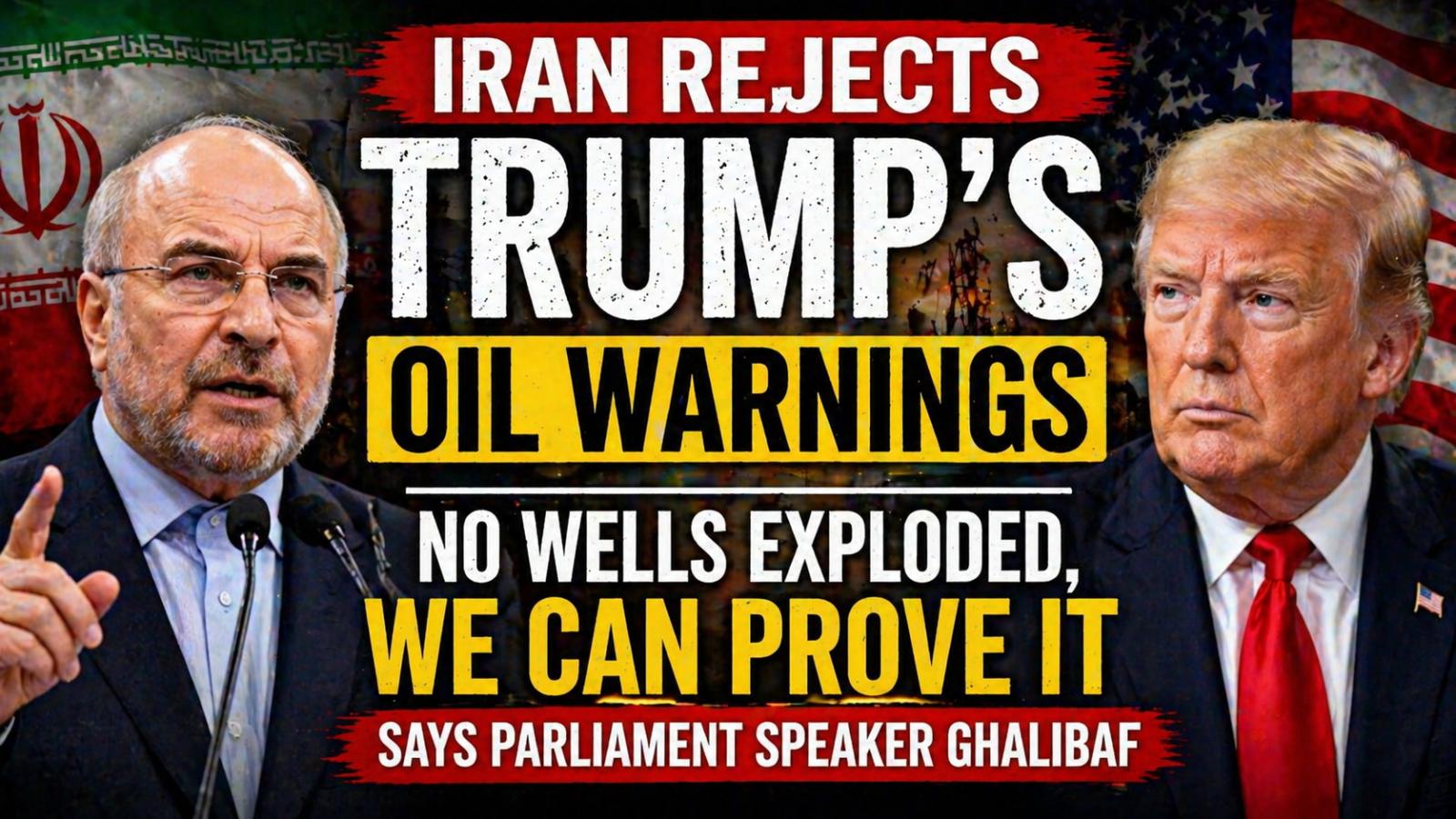
Iran Pushes Back on Trump’s Oil Warnings, Defends Export Capacity
The Speaker of Iran’s Parliament, Mohammad Bagher Ghalibaf, has rejected recent claims made by US President Donald Trump regarding the stability of Iran’s oil infrastructure. Responding to warnings that Iran’s oil facilities were nearing critical failure, Ghalibaf dismissed the remarks as inaccurate and politically motivated, stating that conditions on the ground do not support such assessments. He emphasized that several days have passed without any reported incidents and suggested that extended monitoring could further demonstrate the resilience of Iran’s oil sector. Ghalibaf also criticized the broader economic reasoning behind US policy measures, arguing that sanctions-based strategies have produced unintended consequences. He stated that approaches centered on economic pressure have contributed to rising oil prices rather than stabilizing global markets. According to his remarks, such policies reflect not only flawed strategies but also a deeper issue in decision-making. The exchange follows recent developments in US policy toward Iranian oil exports. Washington moved to temporarily ease restrictions on a significant volume of Iranian crude already stored on tankers, allowing limited transactions involving existing shipments. US officials described the move as a calculated effort to influence oil markets while maintaining restrictions on new production or expanded trade. Earlier, Trump had suggested that storage limitations and sanctions pressure could lead to disruptions in Iran’s oil infrastructure. However, Iranian officials have consistently maintained that both land-based and offshore storage capacities remain sufficient to manage production and exports. They argue that the country’s energy sector continues to operate within manageable limits despite ongoing sanctions. The situation highlights continuing tensions between Tehran and Washington over energy policy and economic measures. As both sides present differing assessments, the broader impact on global oil markets and geopolitical stability remains closely watched.
Iran Pushes Back on Trump’s Oil Warnings, Defends Export Capacity
The Speaker of Iran’s Parliament, Mohammad Bagher Ghalibaf, has rejected recent claims made by US President Donald Trump regarding the stability of Iran’s oil infrastructure. Responding to warnings that Iran’s oil facilities were nearing critical failure, Ghalibaf dismissed the remarks as inaccurate and politically motivated, stating that conditions on the ground do not support such assessments. He emphasized that several days have passed without any reported incidents and suggested that extended monitoring could further demonstrate the resilience of Iran’s oil sector. Ghalibaf also criticized the broader economic reasoning behind US policy measures, arguing that sanctions-based strategies have produced unintended consequences. He stated that approaches centered on economic pressure have contributed to rising oil prices rather than stabilizing global markets. According to his remarks, such policies reflect not only flawed strategies but also a deeper issue in decision-making. The exchange follows recent developments in US policy toward Iranian oil exports. Washington moved to temporarily ease restrictions on a significant volume of Iranian crude already stored on tankers, allowing limited transactions involving existing shipments. US officials described the move as a calculated effort to influence oil markets while maintaining restrictions on new production or expanded trade. Earlier, Trump had suggested that storage limitations and sanctions pressure could lead to disruptions in Iran’s oil infrastructure. However, Iranian officials have consistently maintained that both land-based and offshore storage capacities remain sufficient to manage production and exports. They argue that the country’s energy sector continues to operate within manageable limits despite ongoing sanctions. The situation highlights continuing tensions between Tehran and Washington over energy policy and economic measures. As both sides present differing assessments, the broader impact on global oil markets and geopolitical stability remains closely watched.
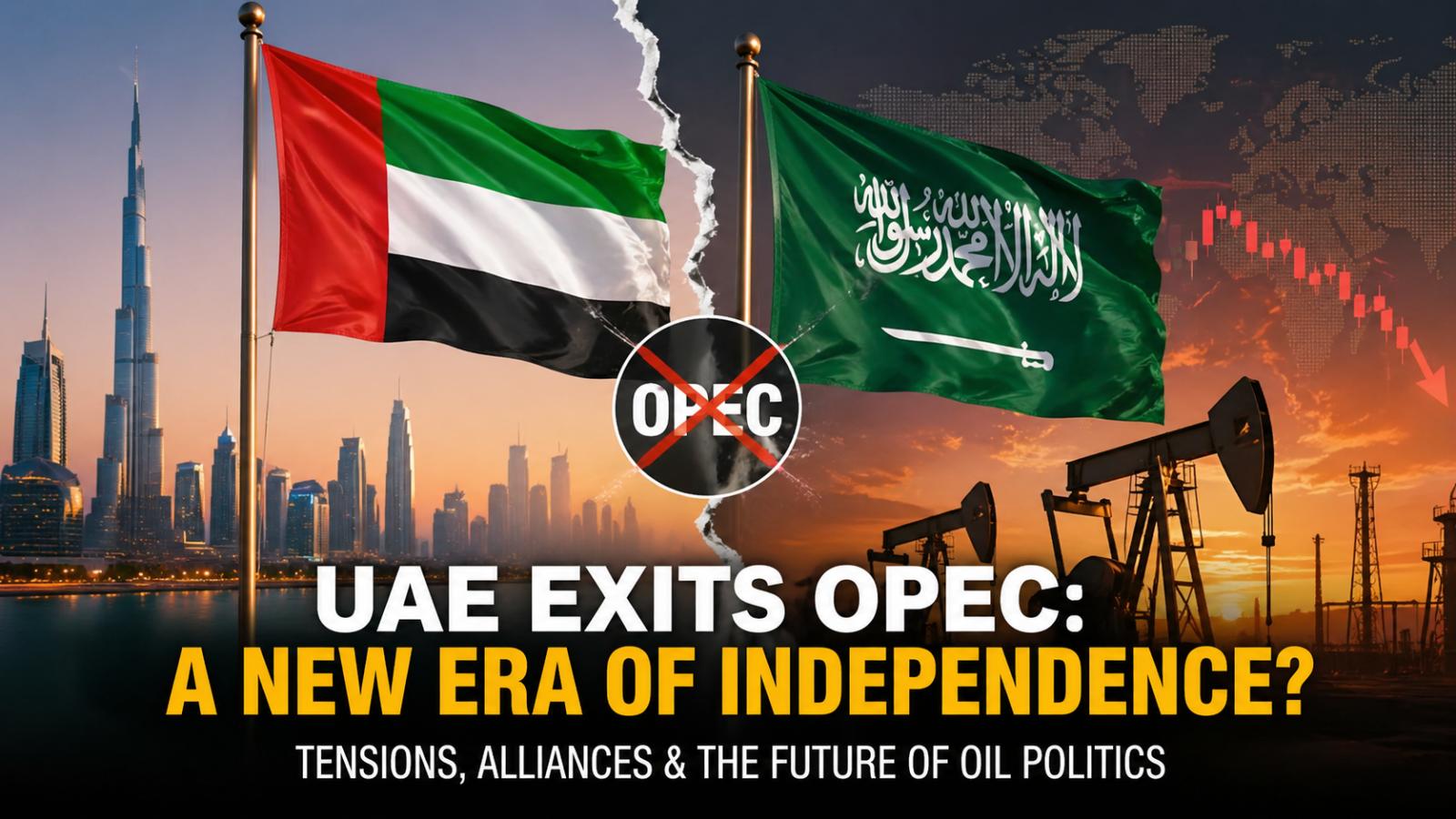
Is UAE leaving OPEC to counter Saudi influence? Yes, it signals strategic independence
Is UAE leaving OPEC to counter Saudi influence? Yes, it signals strategic independence. The United Arab Emirates’ decision to exit the Organization of the Petroleum Exporting Countries marks a pivotal shift in Gulf geopolitics, reflecting rising tensions with Saudi Arabia and broader regional realignments. Escalating tensions following Iran strikes on UAE infrastructure As of Tuesday, April 8, 2026, the UAE reported intercepting 537 ballistic missiles,
Is UAE leaving OPEC to counter Saudi influence? Yes, it signals strategic independence
Is UAE leaving OPEC to counter Saudi influence? Yes, it signals strategic independence. The United Arab Emirates’ decision to exit the Organization of the Petroleum Exporting Countries marks a pivotal shift in Gulf geopolitics, reflecting rising tensions with Saudi Arabia and broader regional realignments. Escalating tensions following Iran strikes on UAE infrastructure As of Tuesday, April 8, 2026, the UAE reported intercepting 537 ballistic missiles,
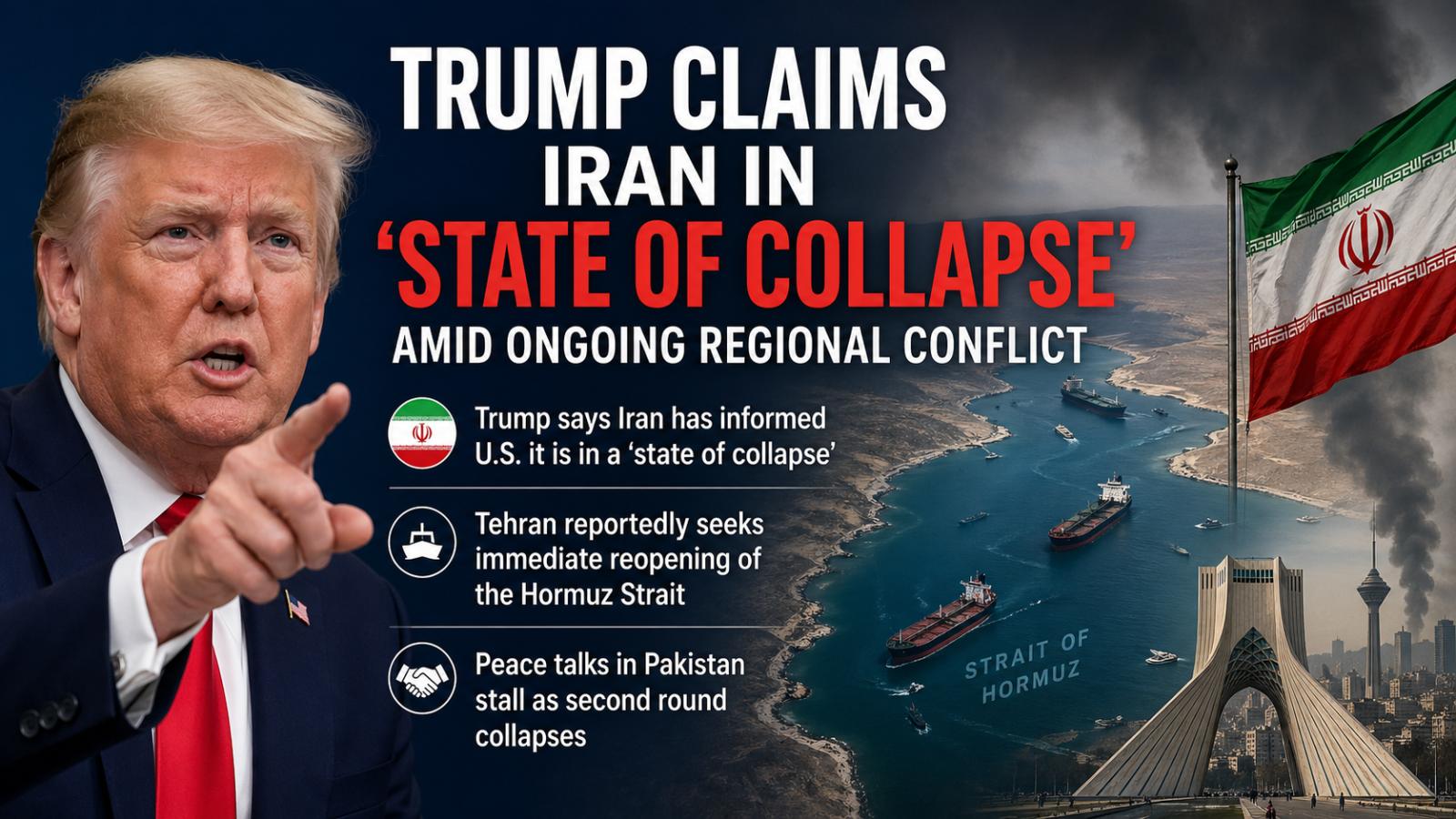
Trump claims Iran in ‘state of collapse’ amid ongoing regional conflict
Trump says Iran is in “collapse” and seeks reopening of the Hormuz Strait as conflict continues. Peace talks in Pakistan stalled, leaving regional tensions unresolved. Trump claims Iran in ‘state of collapse’ amid ongoing regional conflict as former U.S. President Donald Trump said the Iranian government has informed Washington it is facing a severe breakdown in l
Trump claims Iran in ‘state of collapse’ amid ongoing regional conflict
Trump says Iran is in “collapse” and seeks reopening of the Hormuz Strait as conflict continues. Peace talks in Pakistan stalled, leaving regional tensions unresolved. Trump claims Iran in ‘state of collapse’ amid ongoing regional conflict as former U.S. President Donald Trump said the Iranian government has informed Washington it is facing a severe breakdown in l
UAE to exit OPEC, signaling shift in global oil power balance
The UAE will exit OPEC on May 1 after nearly six decades, aiming for greater control over oil production and energy strategy. The move may weaken OPEC’s influence, raise concerns about supply coordination, and reshape global oil market dynamics. UAE to exit OPEC, signaling shift in global oil power balance is set to take effect May 1, marking a major change in the structure of global energy coordination. The decision reflects Abu Dhabi’s broader strategy to gai
UAE to exit OPEC, signaling shift in global oil power balance
The UAE will exit OPEC on May 1 after nearly six decades, aiming for greater control over oil production and energy strategy. The move may weaken OPEC’s influence, raise concerns about supply coordination, and reshape global oil market dynamics. UAE to exit OPEC, signaling shift in global oil power balance is set to take effect May 1, marking a major change in the structure of global energy coordination. The decision reflects Abu Dhabi’s broader strategy to gai
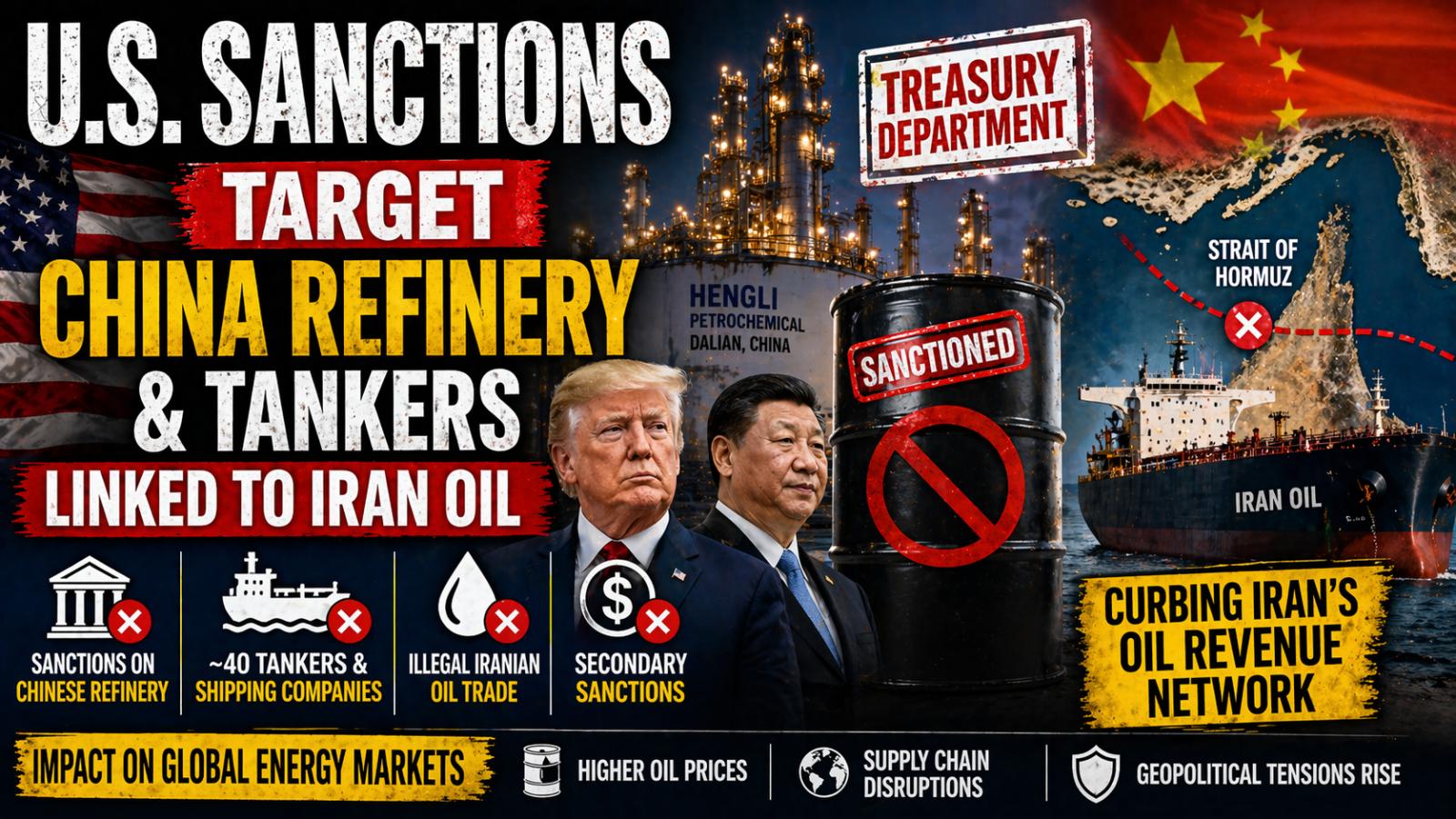
What sanctions did the U.S. impose on China-linked oil trade? The move targets refinery and tankers tied to Iran
The United States has imposed sweeping new sanctions targeting a China-linked oil trade network tied to Iran, focusing on a major refinery and dozens of shipping entities. Announced on Friday, April 25, 2026, the measures aim to disrupt Tehran’s oil revenue streams by penalizing companies involved in transporting and processing Iranian crude, reinforcing Washington’s broader use of secondary sanctions. Targeting key nodes in Iran’s oil supply chain Among those sanctioned is Hengli Petrochemical’s large refinery in Dalian, China, which has the capacity to process about 400,000 barrels of crude oil per day. The U.S. Treasury Department said the facility has accepted Iranian crude shipments since 2023, generating substantial revenue that allegedly supports Iran’s military. Officials indicated the action is part of a wider strategy to dismantle networks of vessels, intermediaries, and buyers enabling Iranian oil exports. Escalating pressure amid geopolitical tensions The sanctions come just weeks before a planned meeting between U.S. President Donald Trump and Chinese President Xi Jinping in China, adding strain to an already complex economic relationship. Earlier in April 2026, U.S. officials issued warnings to financial institutions in China, Hong Kong, the United Arab Emirates, and Oman about potential penalties for facilitating Iranian transactions. Treasury Secretary Scott Bessent said the administration is prepared to apply stringent secondary sanctions to entities involved in such dealings. Impact on global energy flows and shipping routes These developments coincide with broader disruptions in global energy markets. Earlier in April 2026, the U.S. implemented a physical blockade of the Strait of Hormuz, a critical passage for oil shipments from the Persian Gulf. The move has contributed to rising oil prices and heightened uncertainty across energy markets, though U.S. authorities have issued limited waivers to ease immediate supply concerns. China’s response and global compliance concerns China remains the largest importer of Iranian oil and has consistently opposed U.S. sanctions, arguing they undermine international trade rules. Despite this position, many Chinese firms and banks continue to comply due to their reliance on the U.S.-dominated financial system. Chinese officials have previously criticized such sanctions as disruptive to legitimate economic activity, highlighting ongoing tensions over trade enforcement and global energy flows.
What sanctions did the U.S. impose on China-linked oil trade? The move targets refinery and tankers tied to Iran
The United States has imposed sweeping new sanctions targeting a China-linked oil trade network tied to Iran, focusing on a major refinery and dozens of shipping entities. Announced on Friday, April 25, 2026, the measures aim to disrupt Tehran’s oil revenue streams by penalizing companies involved in transporting and processing Iranian crude, reinforcing Washington’s broader use of secondary sanctions. Targeting key nodes in Iran’s oil supply chain Among those sanctioned is Hengli Petrochemical’s large refinery in Dalian, China, which has the capacity to process about 400,000 barrels of crude oil per day. The U.S. Treasury Department said the facility has accepted Iranian crude shipments since 2023, generating substantial revenue that allegedly supports Iran’s military. Officials indicated the action is part of a wider strategy to dismantle networks of vessels, intermediaries, and buyers enabling Iranian oil exports. Escalating pressure amid geopolitical tensions The sanctions come just weeks before a planned meeting between U.S. President Donald Trump and Chinese President Xi Jinping in China, adding strain to an already complex economic relationship. Earlier in April 2026, U.S. officials issued warnings to financial institutions in China, Hong Kong, the United Arab Emirates, and Oman about potential penalties for facilitating Iranian transactions. Treasury Secretary Scott Bessent said the administration is prepared to apply stringent secondary sanctions to entities involved in such dealings. Impact on global energy flows and shipping routes These developments coincide with broader disruptions in global energy markets. Earlier in April 2026, the U.S. implemented a physical blockade of the Strait of Hormuz, a critical passage for oil shipments from the Persian Gulf. The move has contributed to rising oil prices and heightened uncertainty across energy markets, though U.S. authorities have issued limited waivers to ease immediate supply concerns. China’s response and global compliance concerns China remains the largest importer of Iranian oil and has consistently opposed U.S. sanctions, arguing they undermine international trade rules. Despite this position, many Chinese firms and banks continue to comply due to their reliance on the U.S.-dominated financial system. Chinese officials have previously criticized such sanctions as disruptive to legitimate economic activity, highlighting ongoing tensions over trade enforcement and global energy flows.
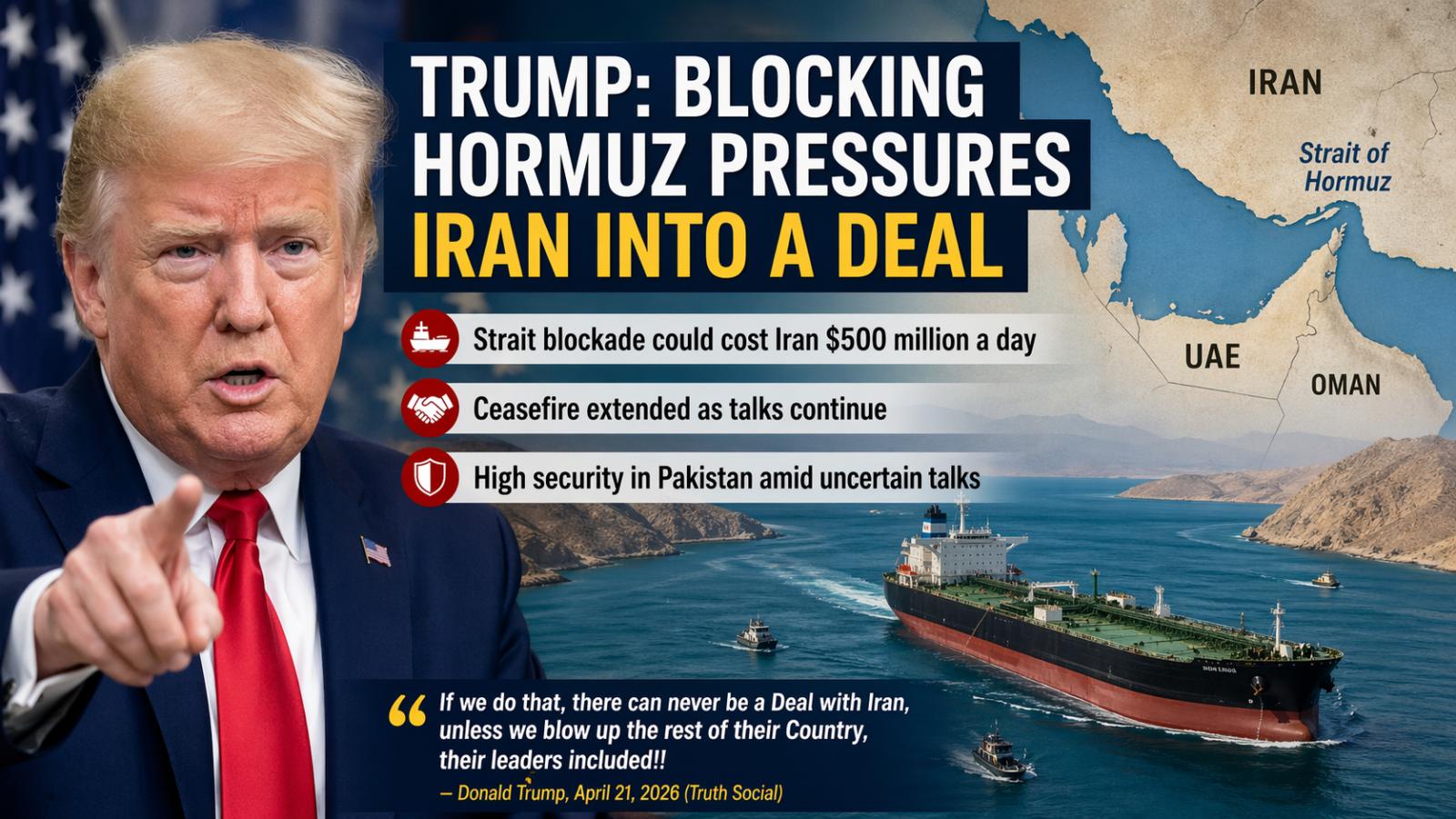
What is happening with Iran-US talks in Pakistan? Uncertainty remains despite security buildup
US President Donald Trump said on Tuesday, April 21, 2026, that Iran is seeking to reopen the Strait of Hormuz but argued that maintaining a blockade is key to forcing Tehran into a negotiated agreement. Writing on Truth Social, Trump claimed Iran could generate up to $500 million per day if the passage were reopened, adding that its closure has significantly constrained the country’s finances. Trump stated that he has “totally blocked” the strait and suggested Iranian officials are publicly calling for closure only to “save face.” He further warned that reopening the waterway prematurely would weaken US leverage in ongoing negotiations, reiterating aggressive rhetoric about potential military escalation if talks fail. He also described Iran as facing severe economic strain, claiming it is “collapsing financially.” Ceasefire extension linked to diplomatic efforts The remarks came as Trump confirmed an extension of a 10-day ceasefire with Iran, originally set to expire on Wednesday, April 22, 2026. He said the extension followed requests from Asim Munir and Shehbaz Sharif, with the goal of allowing more time for diplomatic engagement. While the US has not confirmed Iran’s participation in talks, Tehran’s envoy to the United Nations, Amir Saeid Iravani, indicated that lifting naval restrictions could create conditions for negotiations. However, the White House said Vice President JD Vance and the US delegation would not travel to Pakistan for discussions. Security tightens around Pakistan negotiations In Islamabad and nearby Rawalpindi, authorities deployed more than 20,000 security personnel amid uncertainty surrounding the talks. The heightened security underscores regional tensions as diplomatic channels remain unclear. Trump’s ongoing messaging and additional demands Trump has continued frequent postings on Iran, combining threats with appeals. He called for the release of eight women reportedly facing execution in Iran, framing it as a goodwill step ahead of potential negotiations. At the same time, he accused Iran of violating the ceasefire multiple times without providing details. In separate comments, Trump praised what he described as a prior US military operation targeting Iranian nuclear sites and repeated claims about Iran’s economic and strategic vulnerabilities.
What is happening with Iran-US talks in Pakistan? Uncertainty remains despite security buildup
US President Donald Trump said on Tuesday, April 21, 2026, that Iran is seeking to reopen the Strait of Hormuz but argued that maintaining a blockade is key to forcing Tehran into a negotiated agreement. Writing on Truth Social, Trump claimed Iran could generate up to $500 million per day if the passage were reopened, adding that its closure has significantly constrained the country’s finances. Trump stated that he has “totally blocked” the strait and suggested Iranian officials are publicly calling for closure only to “save face.” He further warned that reopening the waterway prematurely would weaken US leverage in ongoing negotiations, reiterating aggressive rhetoric about potential military escalation if talks fail. He also described Iran as facing severe economic strain, claiming it is “collapsing financially.” Ceasefire extension linked to diplomatic efforts The remarks came as Trump confirmed an extension of a 10-day ceasefire with Iran, originally set to expire on Wednesday, April 22, 2026. He said the extension followed requests from Asim Munir and Shehbaz Sharif, with the goal of allowing more time for diplomatic engagement. While the US has not confirmed Iran’s participation in talks, Tehran’s envoy to the United Nations, Amir Saeid Iravani, indicated that lifting naval restrictions could create conditions for negotiations. However, the White House said Vice President JD Vance and the US delegation would not travel to Pakistan for discussions. Security tightens around Pakistan negotiations In Islamabad and nearby Rawalpindi, authorities deployed more than 20,000 security personnel amid uncertainty surrounding the talks. The heightened security underscores regional tensions as diplomatic channels remain unclear. Trump’s ongoing messaging and additional demands Trump has continued frequent postings on Iran, combining threats with appeals. He called for the release of eight women reportedly facing execution in Iran, framing it as a goodwill step ahead of potential negotiations. At the same time, he accused Iran of violating the ceasefire multiple times without providing details. In separate comments, Trump praised what he described as a prior US military operation targeting Iranian nuclear sites and repeated claims about Iran’s economic and strategic vulnerabilities.

India’s renewable energy growth reduces impact of global oil shocks
As geopolitical tensions in West Asia continue to disrupt global oil and gas markets, India is showing greater structural resilience compared with past crises, driven by a steady shift in how it produces and consumes energy. Data published in the Reserve Bank of India’s March Bulletin indicates that renewable sources accounted for 26.4 percent of India’s total electricity generation as of January 2026, rising from 22.1 percent in January 2025. This increase reflects a broader tran
India’s renewable energy growth reduces impact of global oil shocks
As geopolitical tensions in West Asia continue to disrupt global oil and gas markets, India is showing greater structural resilience compared with past crises, driven by a steady shift in how it produces and consumes energy. Data published in the Reserve Bank of India’s March Bulletin indicates that renewable sources accounted for 26.4 percent of India’s total electricity generation as of January 2026, rising from 22.1 percent in January 2025. This increase reflects a broader tran
US warns Iran of strikes on energy infrastructure ahead of cease-fire deadline
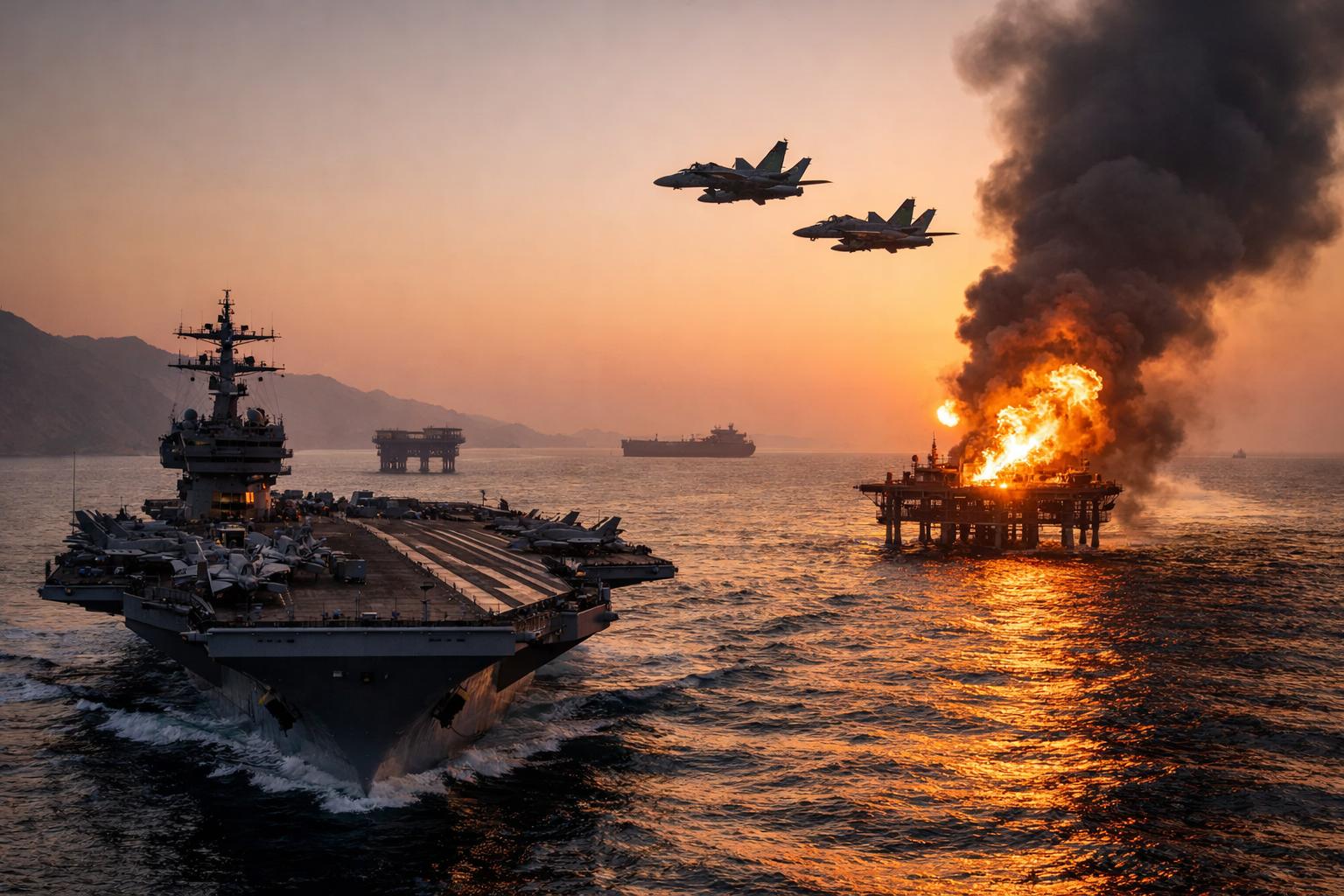
Defense Secretary Pete Hegseth issued a stark warning on Thursday, April 16, 2026, from the Pentagon, stating that the United States could target Iran’s energy infrastructure if its leadership does not agree to a peace deal before a temporary cease-fire expires in the coming days. The remarks underscore escalating tensions as Washington intensifies pressure on
US warns Iran of strikes on energy infrastructure ahead of cease-fire deadline
Defense Secretary Pete Hegseth issued a stark warning on Thursday, April 16, 2026, from the Pentagon, stating that the United States could target Iran’s energy infrastructure if its leadership does not agree to a peace deal before a temporary cease-fire expires in the coming days. The remarks underscore escalating tensions as Washington intensifies pressure on
Iran threatens to halt Gulf trade if US naval blockade continues
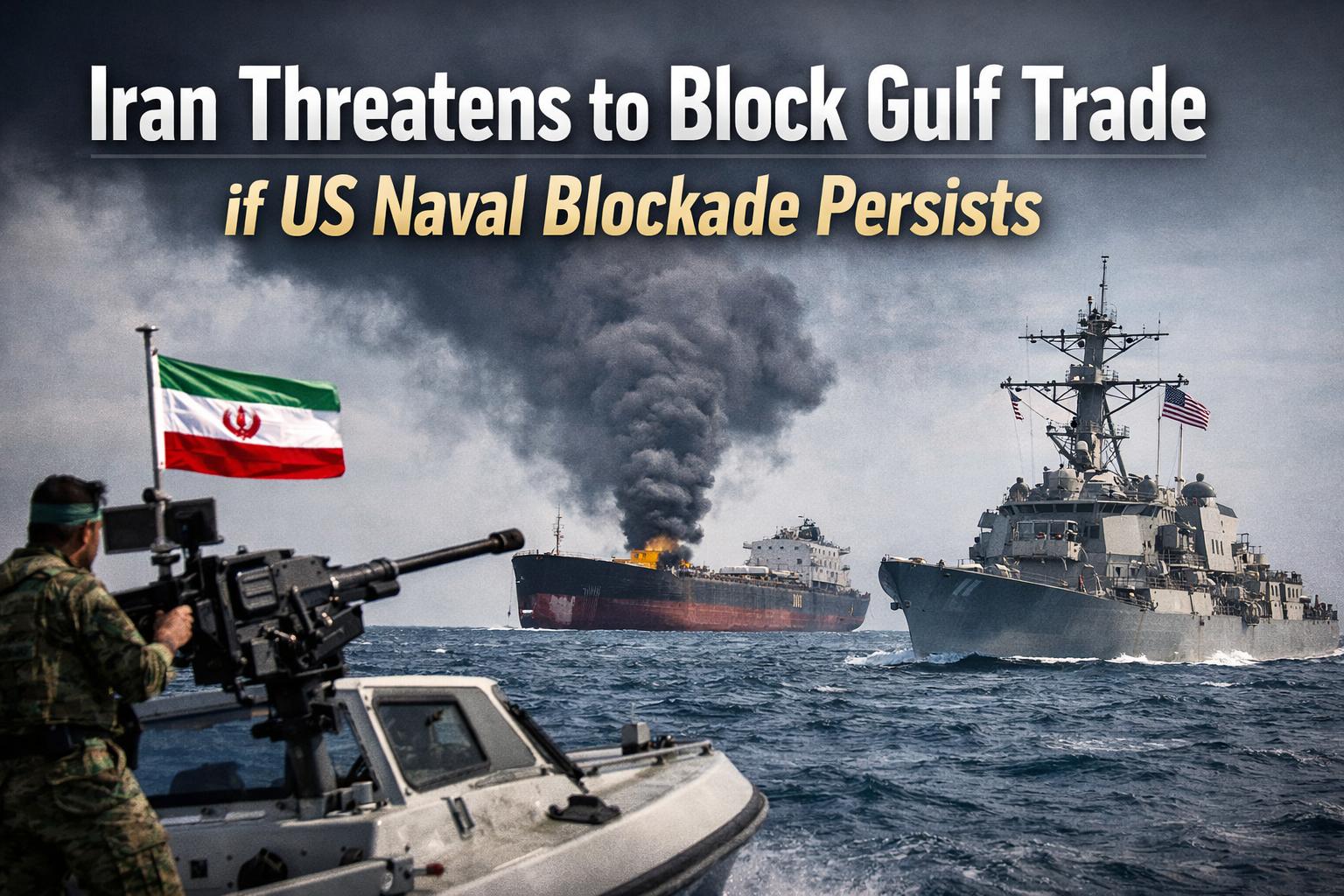
Iran has issued a warning that it may escalate tensions with the United States by blocking major international shipping routes if a US naval blockade targeting its vessels continues. The statement, broadcast on state television, came from Ali Abdollahi, commander of the Khatam al-Anbiya Central Headquarters,
Iran threatens to halt Gulf trade if US naval blockade continues
Iran has issued a warning that it may escalate tensions with the United States by blocking major international shipping routes if a US naval blockade targeting its vessels continues. The statement, broadcast on state television, came from Ali Abdollahi, commander of the Khatam al-Anbiya Central Headquarters,
Israel and Lebanon hold rare talks in Washington amid Hezbollah conflict
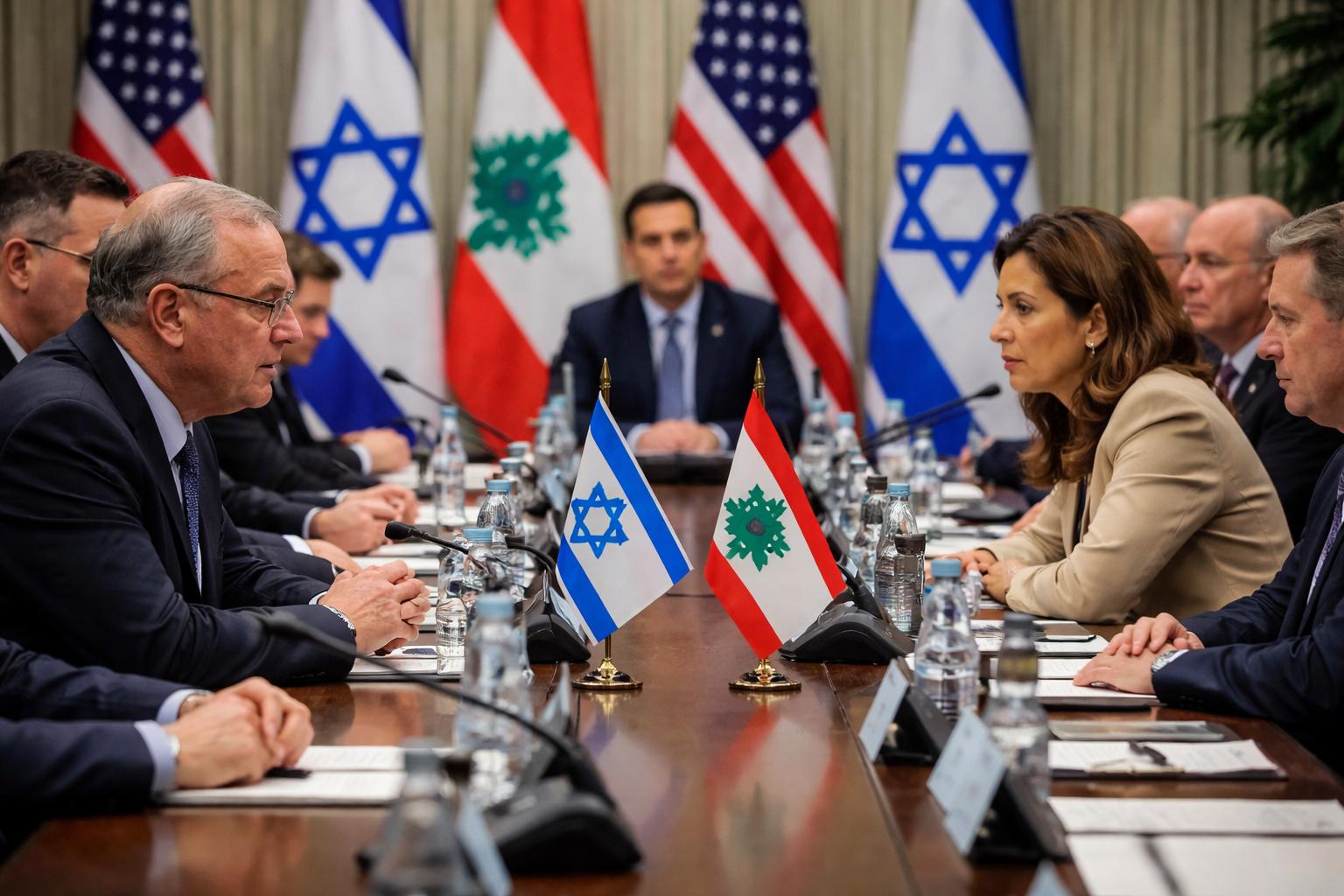
Israeli and Lebanese officials held more than two hours of direct talks in Washington, D.C., on Tuesday, April 14, 2026, marking the first such high-level engagement between the two countries in decades as fighting between Israel and the Iran-backed Hezbollah group continues to escalate. The meeting, hosted by U.S. Secretary of State Marco Rubio, comes amid a fragile regional environment shaped by ongoing hostilities in Lebanon and broader tensions involving Iran. Rubio described the talks as a long-term diplomatic effort rather than an immediate solution, emphasizing that deeply rooted issues between the two sides would take time to resolve. Israeli Ambassador Yechiel Leiter said the discussions reflect a shared objective of reducing Hezbollah’s influence in Lebanon, which Israel views as an extension of Iranian power in the region. Lebanese Ambassador Nada Hamadeh Moawad participated in the talks, though public comments from the Lebanese side remained limited immediately afterward. The talks are notable given that Israel and Lebanon do not maintain formal diplomatic relations and have been technically at war for decades. Despite this, U.S. officials have pushed for dialogue as part of a broader effort to stabilize the region and prevent further escalation tied to the ongoing conflict with Iran and its allies. The diplomatic engagement comes as Israeli military operations continue across southern Lebanon. The conflict intensified after Hezbollah launched rocket attacks on northern Israel on Sunday, March 2, 2026, prompting a large-scale Israeli response that has included airstrikes and ground operations. Hezbollah, which is not part of the negotiations and opposes direct talks with Israel, has continued its military activities during the diplomatic effort. The group’s rejection of the talks highlights internal divisions within Lebanon, where the government has limited control over Hezbollah’s armed wing. Beyond the immediate conflict, the situation has broader global implications. Tensions surrounding Iran, including disputes over its nuclear program and control of the Strait of Hormuz, have raised concerns about disruptions to global energy supplies. Analysts warn that instability in the region could affect oil markets and contribute to economic uncertainty worldwide. While no immediate breakthroughs are expected, officials describe the Washington meeting as a significant first step toward potential de-escalation, even as violence on the ground and political divisions continue to complicate the path forward.
Israel and Lebanon hold rare talks in Washington amid Hezbollah conflict
Israeli and Lebanese officials held more than two hours of direct talks in Washington, D.C., on Tuesday, April 14, 2026, marking the first such high-level engagement between the two countries in decades as fighting between Israel and the Iran-backed Hezbollah group continues to escalate. The meeting, hosted by U.S. Secretary of State Marco Rubio, comes amid a fragile regional environment shaped by ongoing hostilities in Lebanon and broader tensions involving Iran. Rubio described the talks as a long-term diplomatic effort rather than an immediate solution, emphasizing that deeply rooted issues between the two sides would take time to resolve. Israeli Ambassador Yechiel Leiter said the discussions reflect a shared objective of reducing Hezbollah’s influence in Lebanon, which Israel views as an extension of Iranian power in the region. Lebanese Ambassador Nada Hamadeh Moawad participated in the talks, though public comments from the Lebanese side remained limited immediately afterward. The talks are notable given that Israel and Lebanon do not maintain formal diplomatic relations and have been technically at war for decades. Despite this, U.S. officials have pushed for dialogue as part of a broader effort to stabilize the region and prevent further escalation tied to the ongoing conflict with Iran and its allies. The diplomatic engagement comes as Israeli military operations continue across southern Lebanon. The conflict intensified after Hezbollah launched rocket attacks on northern Israel on Sunday, March 2, 2026, prompting a large-scale Israeli response that has included airstrikes and ground operations. Hezbollah, which is not part of the negotiations and opposes direct talks with Israel, has continued its military activities during the diplomatic effort. The group’s rejection of the talks highlights internal divisions within Lebanon, where the government has limited control over Hezbollah’s armed wing. Beyond the immediate conflict, the situation has broader global implications. Tensions surrounding Iran, including disputes over its nuclear program and control of the Strait of Hormuz, have raised concerns about disruptions to global energy supplies. Analysts warn that instability in the region could affect oil markets and contribute to economic uncertainty worldwide. While no immediate breakthroughs are expected, officials describe the Washington meeting as a significant first step toward potential de-escalation, even as violence on the ground and political divisions continue to complicate the path forward.
Mojtaba Khamenei threatens retaliation, calls for regional support
Iran’s leadership signaled a hardening stance on
Mojtaba Khamenei threatens retaliation, calls for regional support
Iran’s leadership signaled a hardening stance on
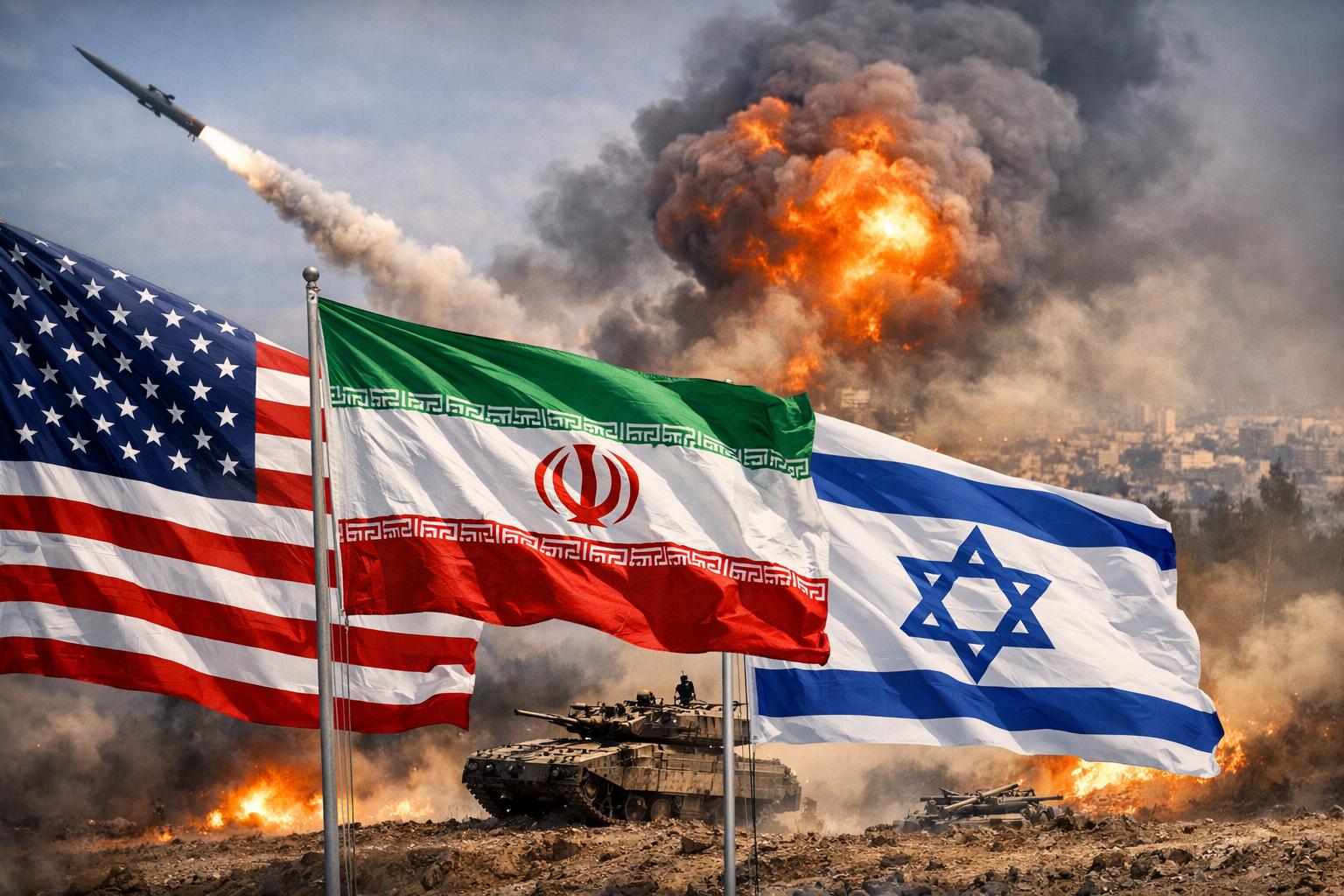
US, Iran, Israel agree to fragile two-week ceasefire amid new strikes
TEHRAN, Iran — Iran, the United States, and Israel agreed to a two-week ceasefire on Wednesday, April 8, 2026 (Iran Standard Time), in a last-minute effort to halt escalating hostilities that had raised fears of a broader regional war. The agreement, described by U.S. Vice President JD Vance as “fragile,” came just hours before the United States was expected to launch a major bombing campaign against Iran. Despite the announcement, reports of renewed missile and drone attacks
US, Iran, Israel agree to fragile two-week ceasefire amid new strikes
TEHRAN, Iran — Iran, the United States, and Israel agreed to a two-week ceasefire on Wednesday, April 8, 2026 (Iran Standard Time), in a last-minute effort to halt escalating hostilities that had raised fears of a broader regional war. The agreement, described by U.S. Vice President JD Vance as “fragile,” came just hours before the United States was expected to launch a major bombing campaign against Iran. Despite the announcement, reports of renewed missile and drone attacks










