
















US-Israel-Iran conflict escalates as strikes intensify and diplomacy falters
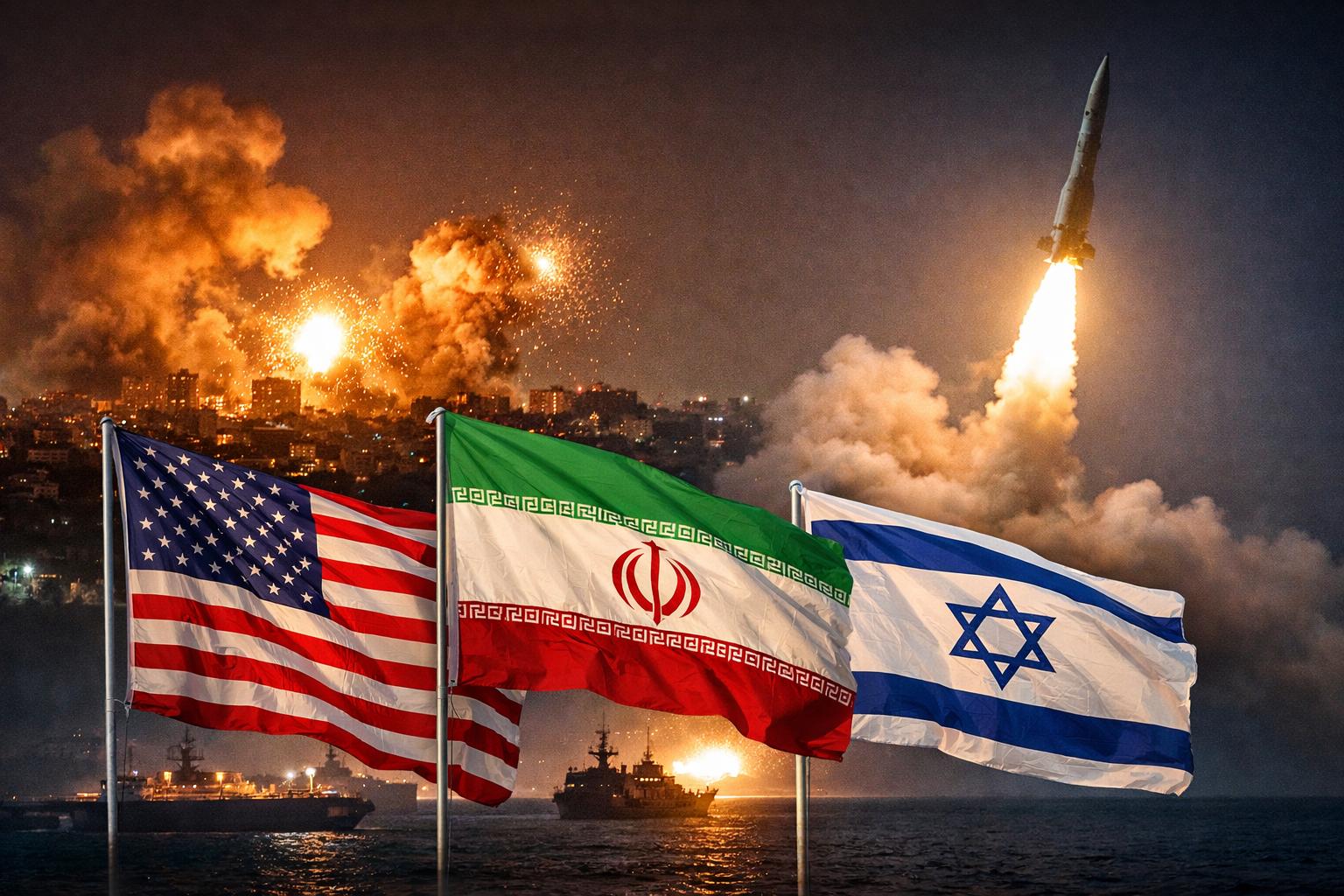
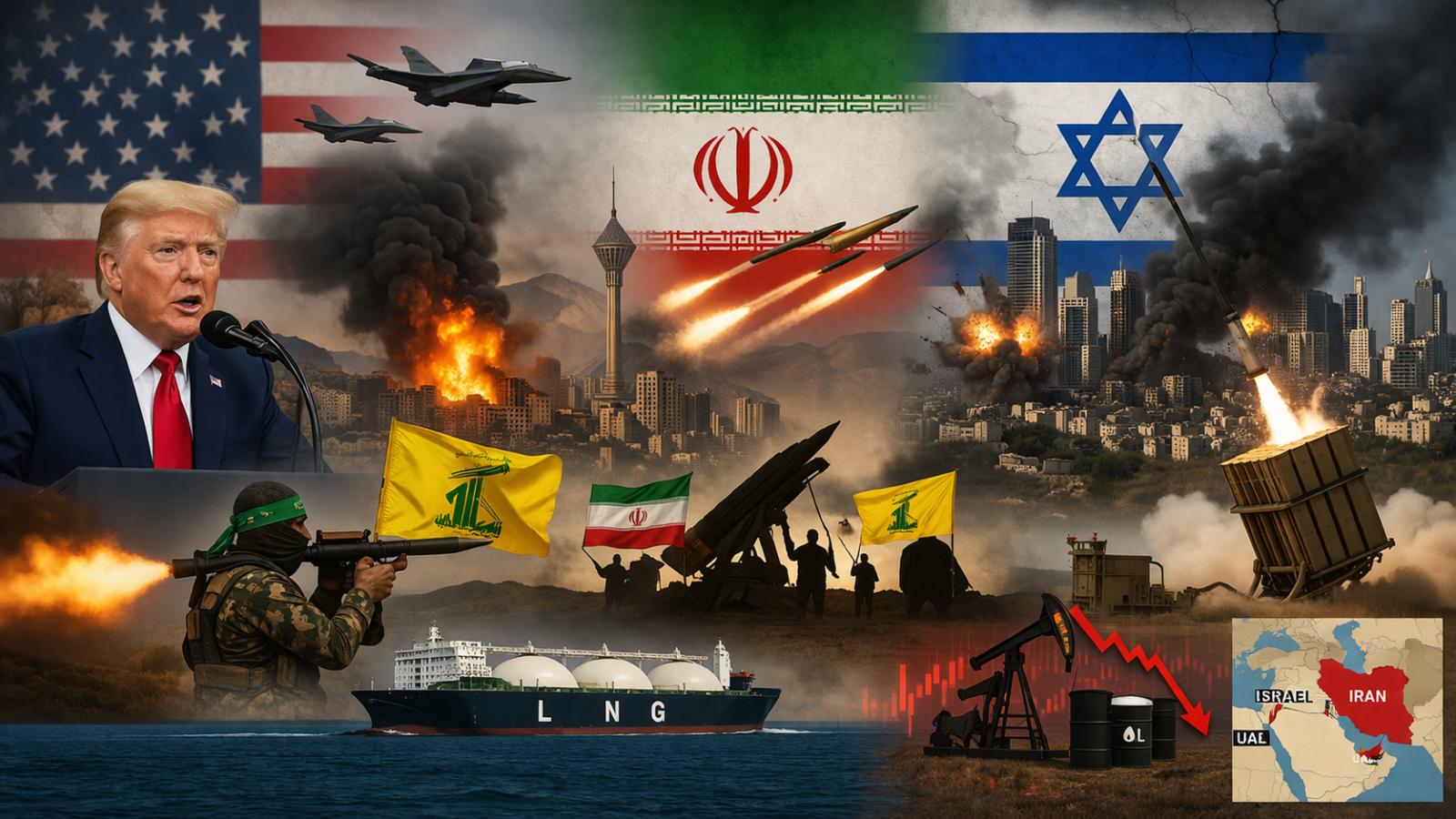
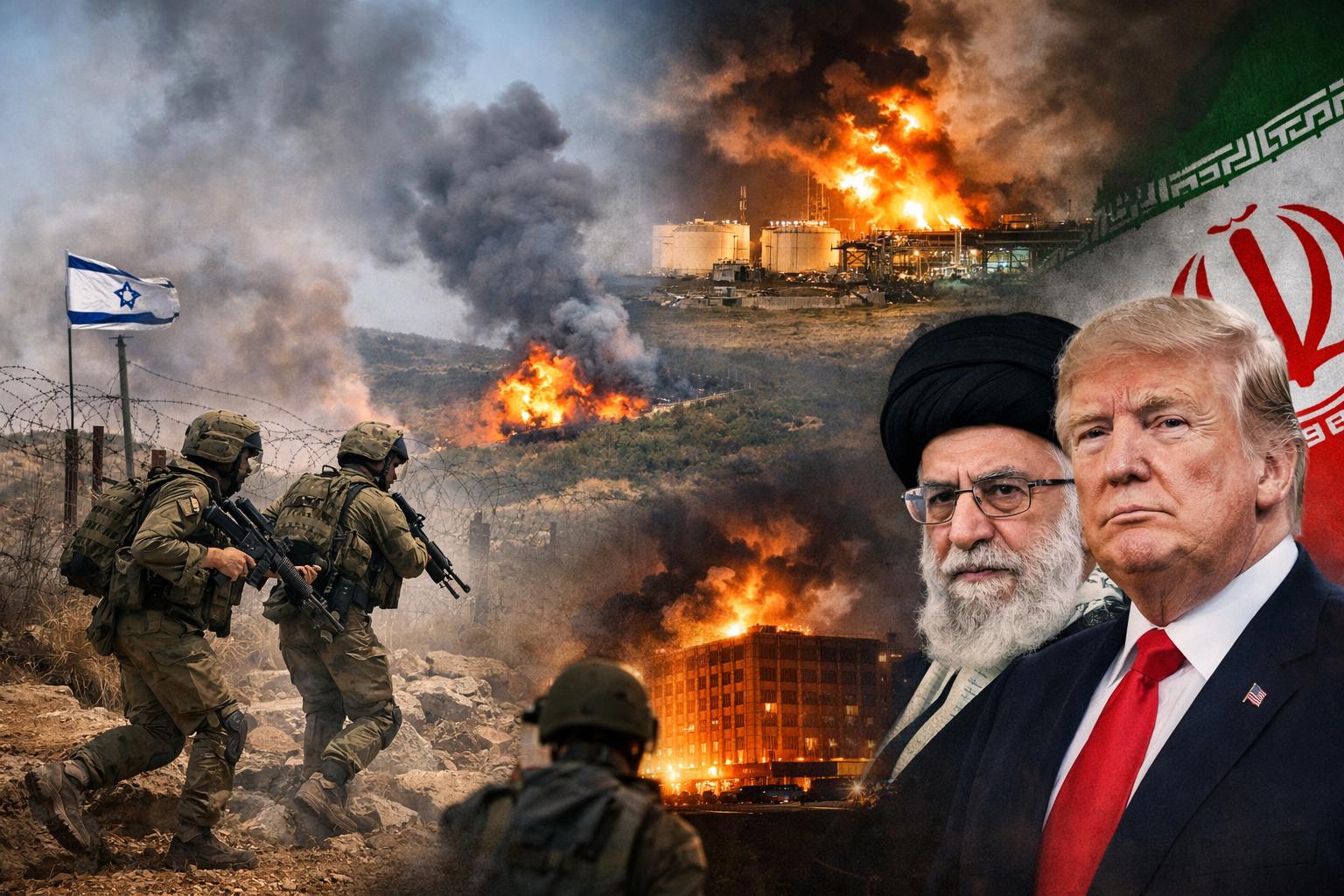
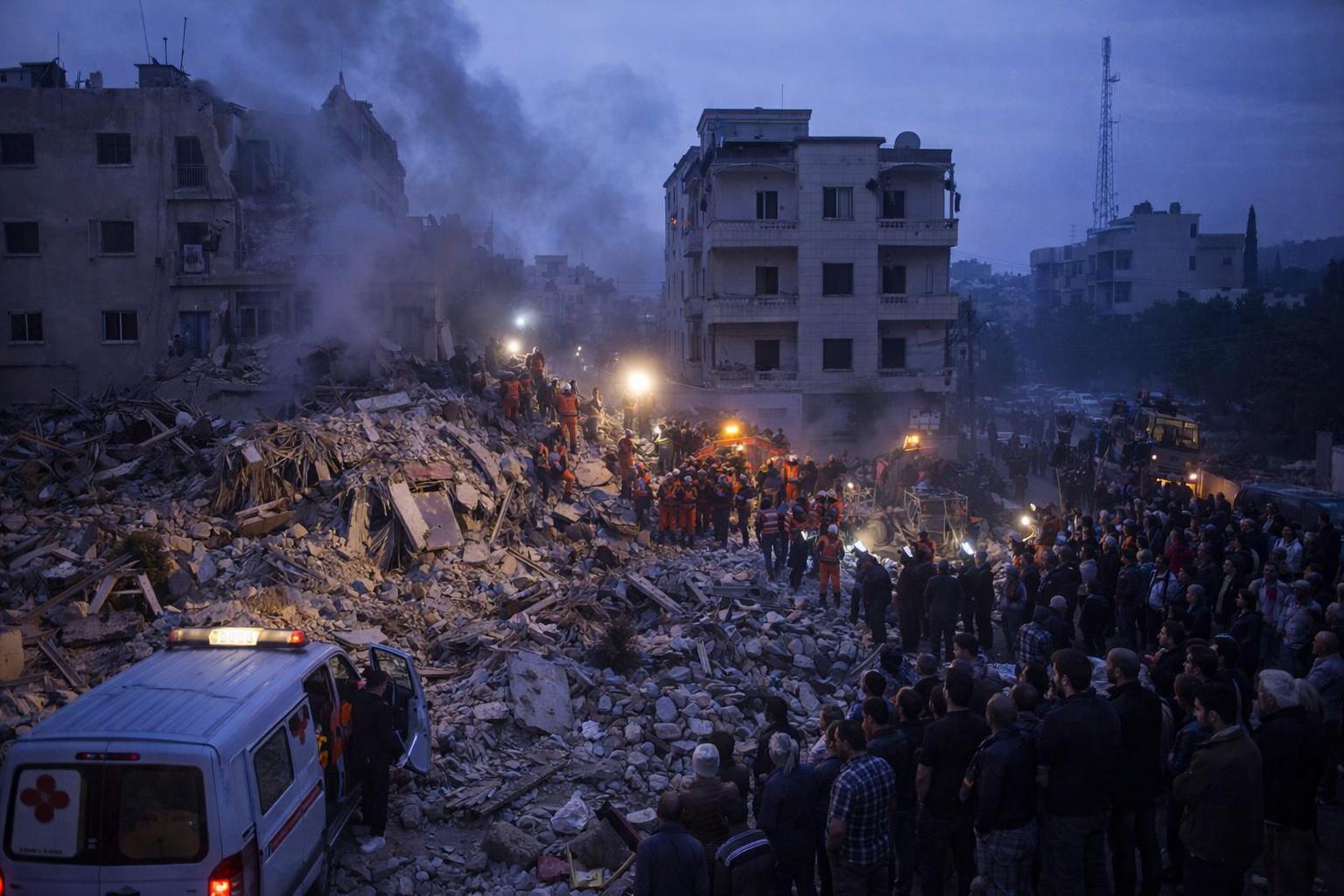
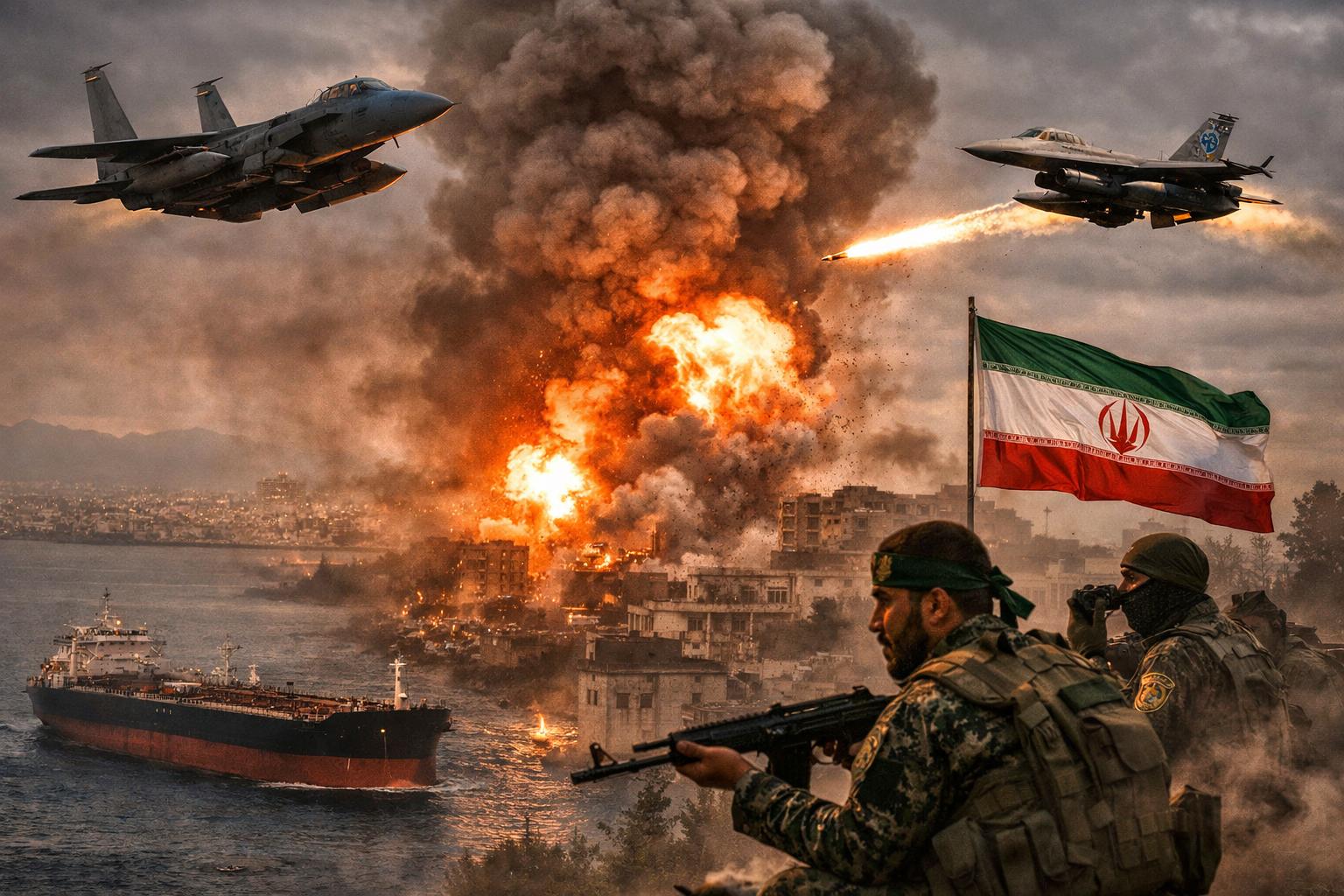
The ongoing conflict involving the United States, Israel, and Iran is nearing the one-month mark, with hostilities continuing to escalate across multiple fronts. Despite renewed claims of diplomatic engagement, military operations remain active, contributing to rising casualties and increasing uncertainty across the region. US President Donald Trump recently stated that discussions with Iran are ongoing, suggesting the possibility of a diplomatic breakthrough. However, Iranian authorities have dismissed such claims, describing reports of negotiations as misleading and intended to influence global oil and financial markets. The conflicting narratives have further complicated the geopolitical landscape, as both sides continue to pursue military strategies alongside public statements on diplomacy. Recent strikes have intensified within Iran, including an attack in southern Tehran that resulted in at least 12 fatalities and left 28 others injured. These developments underscore the continued volatility within Iranian territory, as Israeli and US operations target strategic locations amid the broader confrontation. In response, Iran and its ally Hezbollah have launched a fresh wave of missile attacks targeting Israeli cities, including Tel Aviv and areas in the north. The strikes have caused civilian casualties, with at least one reported death and multiple injuries. Israel has simultaneously expanded its military operations in southern Lebanon, following indications of a plan to establish control up to the Litani River. Reports indicate that at least 33 people have been killed in recent bombardments in the region. The conflict has also extended beyond immediate battle zones, affecting regional stability and international economic interests. The United Arab Emirates confirmed that a Moroccan national working with its armed forces in Bahrain was killed during an Iranian attack, with additional personnel reported injured. Meanwhile, QatarEnergy has declared force majeure on several liquefied natural gas contracts, impacting supply agreements with countries including Italy, Belgium, South Korea, and China. As military actions continue alongside disputed diplomatic signals, the conflict is increasingly influencing global energy markets and geopolitical dynamics, raising concerns about further escalation and broader economic consequences.
US-Israel-Iran conflict escalates as strikes intensify and diplomacy falters
The ongoing conflict involving the United States, Israel, and Iran is nearing the one-month mark, with hostilities continuing to escalate across multiple fronts. Despite renewed claims of diplomatic engagement, military operations remain active, contributing to rising casualties and increasing uncertainty across the region. US President Donald Trump recently stated that discussions with Iran are ongoing, suggesting the possibility of a diplomatic breakthrough. However, Iranian authorities have dismissed such claims, describing reports of negotiations as misleading and intended to influence global oil and financial markets. The conflicting narratives have further complicated the geopolitical landscape, as both sides continue to pursue military strategies alongside public statements on diplomacy. Recent strikes have intensified within Iran, including an attack in southern Tehran that resulted in at least 12 fatalities and left 28 others injured. These developments underscore the continued volatility within Iranian territory, as Israeli and US operations target strategic locations amid the broader confrontation. In response, Iran and its ally Hezbollah have launched a fresh wave of missile attacks targeting Israeli cities, including Tel Aviv and areas in the north. The strikes have caused civilian casualties, with at least one reported death and multiple injuries. Israel has simultaneously expanded its military operations in southern Lebanon, following indications of a plan to establish control up to the Litani River. Reports indicate that at least 33 people have been killed in recent bombardments in the region. The conflict has also extended beyond immediate battle zones, affecting regional stability and international economic interests. The United Arab Emirates confirmed that a Moroccan national working with its armed forces in Bahrain was killed during an Iranian attack, with additional personnel reported injured. Meanwhile, QatarEnergy has declared force majeure on several liquefied natural gas contracts, impacting supply agreements with countries including Italy, Belgium, South Korea, and China. As military actions continue alongside disputed diplomatic signals, the conflict is increasingly influencing global energy markets and geopolitical dynamics, raising concerns about further escalation and broader economic consequences.
US–Israel–Iran War | West Asia conflict intensifies as Israel expands operations and tensions spread
The conflict in West Asia has entered its third week, with hostilities intensifying across multiple fronts and raising concerns about a broader regional escalation. Israeli President Isaac Herzog called on European nations to support Israel’s ongoing campaign against Hezbollah, as Israeli forces continued ground operations in southern Lebanon. The situation in Lebanon deteriorated further after Hezbollah launched attacks on Israel earlier this month, following the reported killing of Iran’s
US–Israel–Iran War | West Asia conflict intensifies as Israel expands operations and tensions spread
The conflict in West Asia has entered its third week, with hostilities intensifying across multiple fronts and raising concerns about a broader regional escalation. Israeli President Isaac Herzog called on European nations to support Israel’s ongoing campaign against Hezbollah, as Israeli forces continued ground operations in southern Lebanon. The situation in Lebanon deteriorated further after Hezbollah launched attacks on Israel earlier this month, following the reported killing of Iran’s
China announces humanitarian aid to Iran, Lebanon amid escalating West Asia conflict
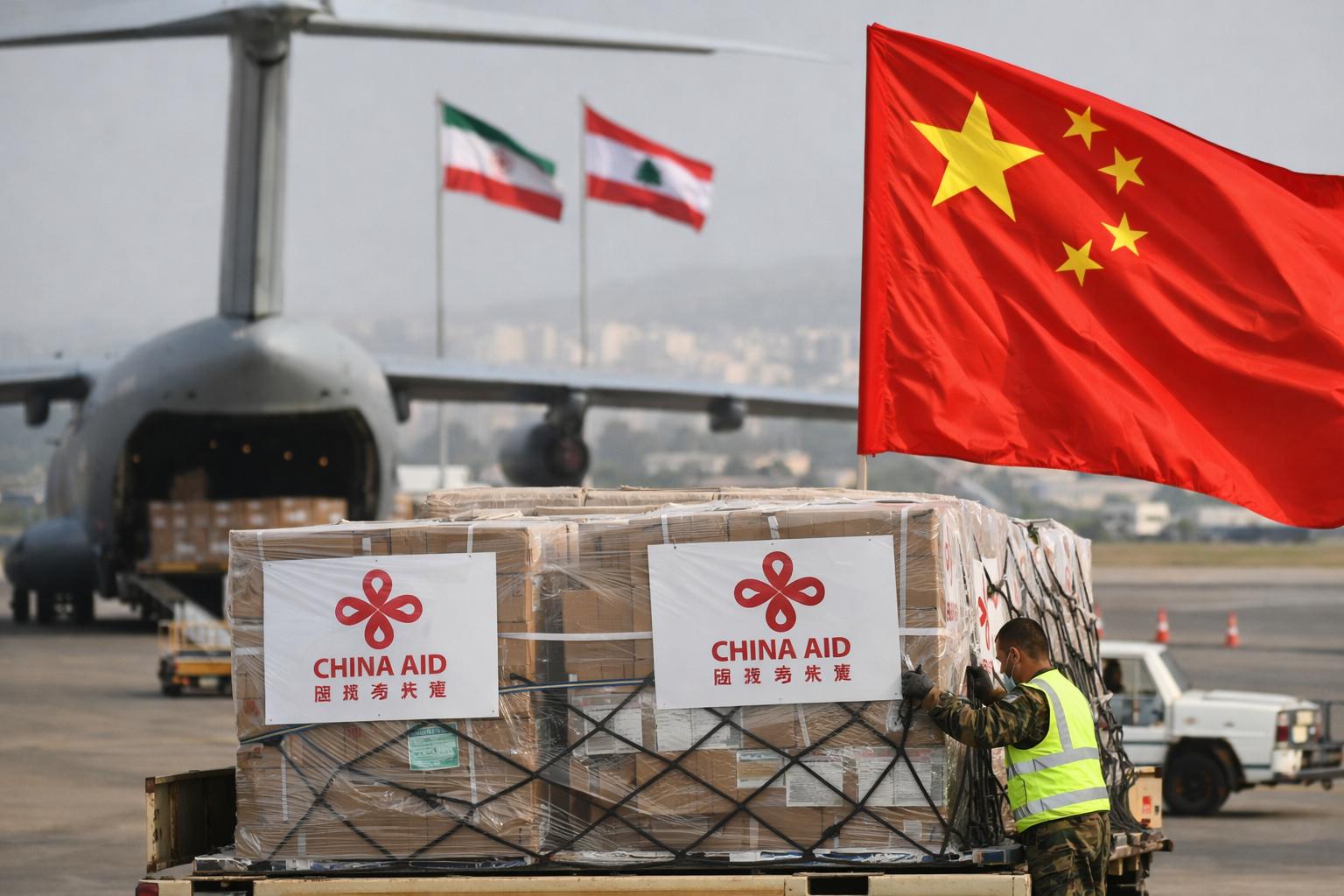
China on Tuesday announced that it will extend humanitarian assistance to several West Asia countries, including Iran and Lebanon, as the ongoing conflict involving the United States and Israel enters its third week and continues to escalate. The move reflects Beijing’s growing concern over the worsening humanitarian situation across the region, where sustained military operations have disrupted civilian life and critical infrastructure. Speaking at a regular press briefing, Chinese Foreig
China announces humanitarian aid to Iran, Lebanon amid escalating West Asia conflict
China on Tuesday announced that it will extend humanitarian assistance to several West Asia countries, including Iran and Lebanon, as the ongoing conflict involving the United States and Israel enters its third week and continues to escalate. The move reflects Beijing’s growing concern over the worsening humanitarian situation across the region, where sustained military operations have disrupted civilian life and critical infrastructure. Speaking at a regular press briefing, Chinese Foreig
US–Israel–Iran War | Hezbollah launches surprise ambush on Israeli troops near Lebanon border
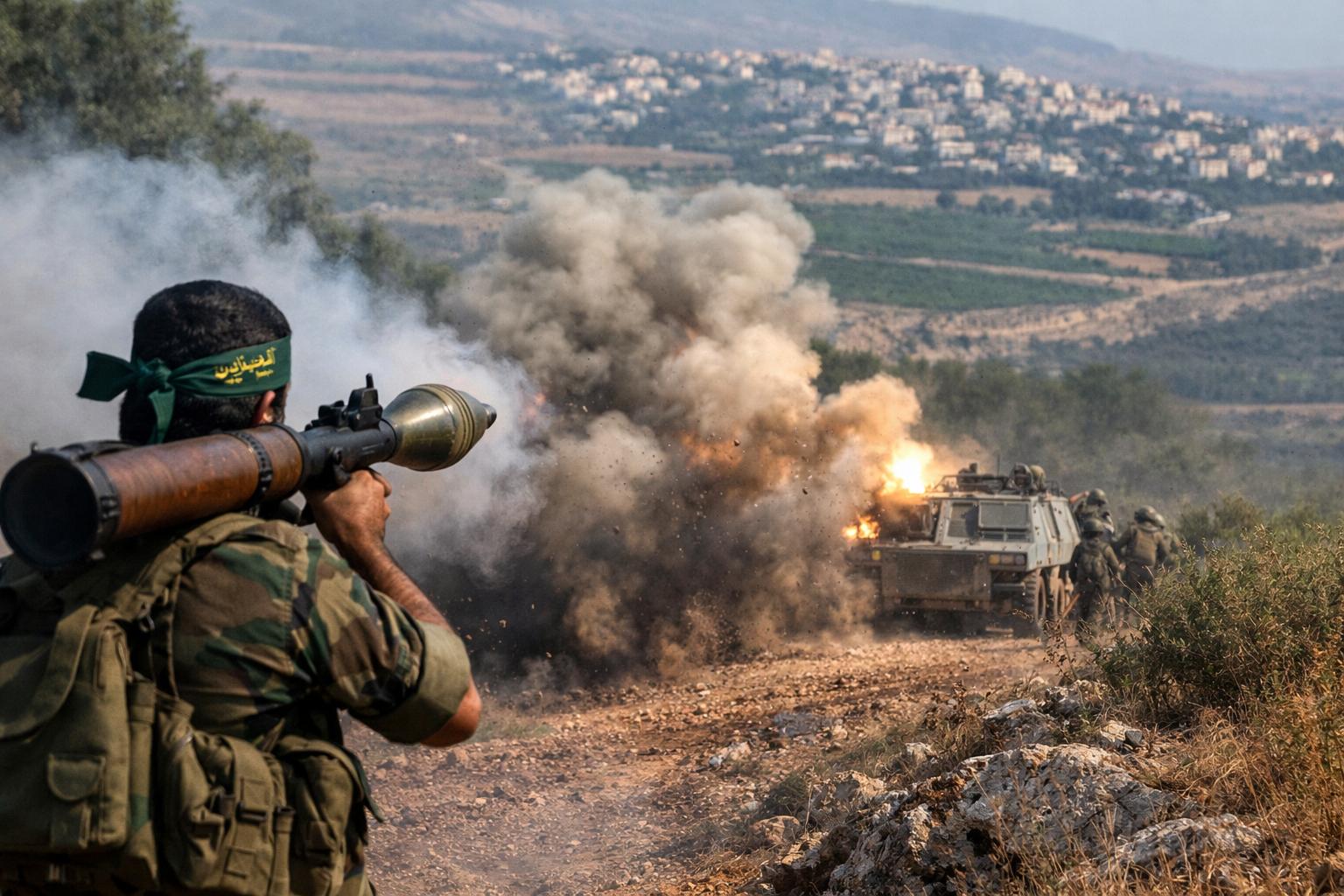
Hezbollah has claimed responsibility for a surprise attack targeting Israeli troops operating near the border town of Khiam in southern Lebanon, marking another escalation in the ongoing tensions along the Israel-Lebanon frontier. According to a statement released by the group through its official Telegram channel, fighters carried out what it described as an ambush against Israeli forces early in the morning on the outskirts of the town. The group said the attack specifically targeted Israeli soldiers who were conducting operations close to the border area. Hezbollah described the strike as a coordinated assault designed to hit troops stationed in the region, though details about the scale of the operation or potential casualties on the Israeli side were not immediately confirmed by the group. The latest confrontation comes amid a broader cycle of hostilities between Israel and Hezbollah in recent days. Israeli forces had reportedly advanced into parts of southern Lebanon after Hezbollah launched a barrage of rockets into northern Israel earlier in the week, heightening fears of a wider conflict along the volatile border. Israeli military sources earlier confirmed that two soldiers from the Givati Brigade were moderately wounded during operations inside southern Lebanon on Friday. The injuries were caused by anti-tank fire during an engagement with Hezbollah fighters in the area. The soldiers were evacuated for medical treatment, and their condition was reported to be stable. The cross-border violence has intensified concerns among regional observers about the potential for further escalation. Southern Lebanon has frequently been the site of clashes between Israeli forces and Hezbollah militants, with both sides accusing each other of initiating attacks. Security analysts note that the ongoing exchanges of rocket fire, ambushes, and military responses could increase instability in the region if the confrontations continue to expand. While the current clashes remain localized near border areas such as Khiam, the repeated incidents highlight the fragile security situation along the Israel-Lebanon frontier.
US–Israel–Iran War | Hezbollah launches surprise ambush on Israeli troops near Lebanon border
Hezbollah has claimed responsibility for a surprise attack targeting Israeli troops operating near the border town of Khiam in southern Lebanon, marking another escalation in the ongoing tensions along the Israel-Lebanon frontier. According to a statement released by the group through its official Telegram channel, fighters carried out what it described as an ambush against Israeli forces early in the morning on the outskirts of the town. The group said the attack specifically targeted Israeli soldiers who were conducting operations close to the border area. Hezbollah described the strike as a coordinated assault designed to hit troops stationed in the region, though details about the scale of the operation or potential casualties on the Israeli side were not immediately confirmed by the group. The latest confrontation comes amid a broader cycle of hostilities between Israel and Hezbollah in recent days. Israeli forces had reportedly advanced into parts of southern Lebanon after Hezbollah launched a barrage of rockets into northern Israel earlier in the week, heightening fears of a wider conflict along the volatile border. Israeli military sources earlier confirmed that two soldiers from the Givati Brigade were moderately wounded during operations inside southern Lebanon on Friday. The injuries were caused by anti-tank fire during an engagement with Hezbollah fighters in the area. The soldiers were evacuated for medical treatment, and their condition was reported to be stable. The cross-border violence has intensified concerns among regional observers about the potential for further escalation. Southern Lebanon has frequently been the site of clashes between Israeli forces and Hezbollah militants, with both sides accusing each other of initiating attacks. Security analysts note that the ongoing exchanges of rocket fire, ambushes, and military responses could increase instability in the region if the confrontations continue to expand. While the current clashes remain localized near border areas such as Khiam, the repeated incidents highlight the fragile security situation along the Israel-Lebanon frontier.
Israeli airstrikes in Lebanon kill six as Qatar briefly raises security threat alert
At least six people were killed after an Israeli airstrike destroyed a residential building in the town of Jibchit in southern Lebanon early Saturday, according to official reports. Among the victims were four members of the same family, highlighting the growing civilian toll as tensions along the Israel-Lebanon border continue to intensify. The attack was part of a series of overnight Israeli military operations targeting areas in southern Lebanon, where cross-border hostilities have incre
Israeli airstrikes in Lebanon kill six as Qatar briefly raises security threat alert
At least six people were killed after an Israeli airstrike destroyed a residential building in the town of Jibchit in southern Lebanon early Saturday, according to official reports. Among the victims were four members of the same family, highlighting the growing civilian toll as tensions along the Israel-Lebanon border continue to intensify. The attack was part of a series of overnight Israeli military operations targeting areas in southern Lebanon, where cross-border hostilities have incre
US–Israel–Iran War | US and Israel intensify strikes on Iran as regional tensions escalate
The United States and Israel have intensified military operations against Iran, with reports indicating that at least 1,045 people have been killed since the escalation began on Saturday. The strikes mark one of the most severe confrontations in the region in recent years, raising fears of a broader Middle East crisis. At the same time, Israeli forces have carried out additional military actions in Lebanon, further expanding the scope of the conflict and increasing concerns about regional sta
US–Israel–Iran War | US and Israel intensify strikes on Iran as regional tensions escalate
The United States and Israel have intensified military operations against Iran, with reports indicating that at least 1,045 people have been killed since the escalation began on Saturday. The strikes mark one of the most severe confrontations in the region in recent years, raising fears of a broader Middle East crisis. At the same time, Israeli forces have carried out additional military actions in Lebanon, further expanding the scope of the conflict and increasing concerns about regional sta
Iran war escalates as Americans urged to leave Middle East
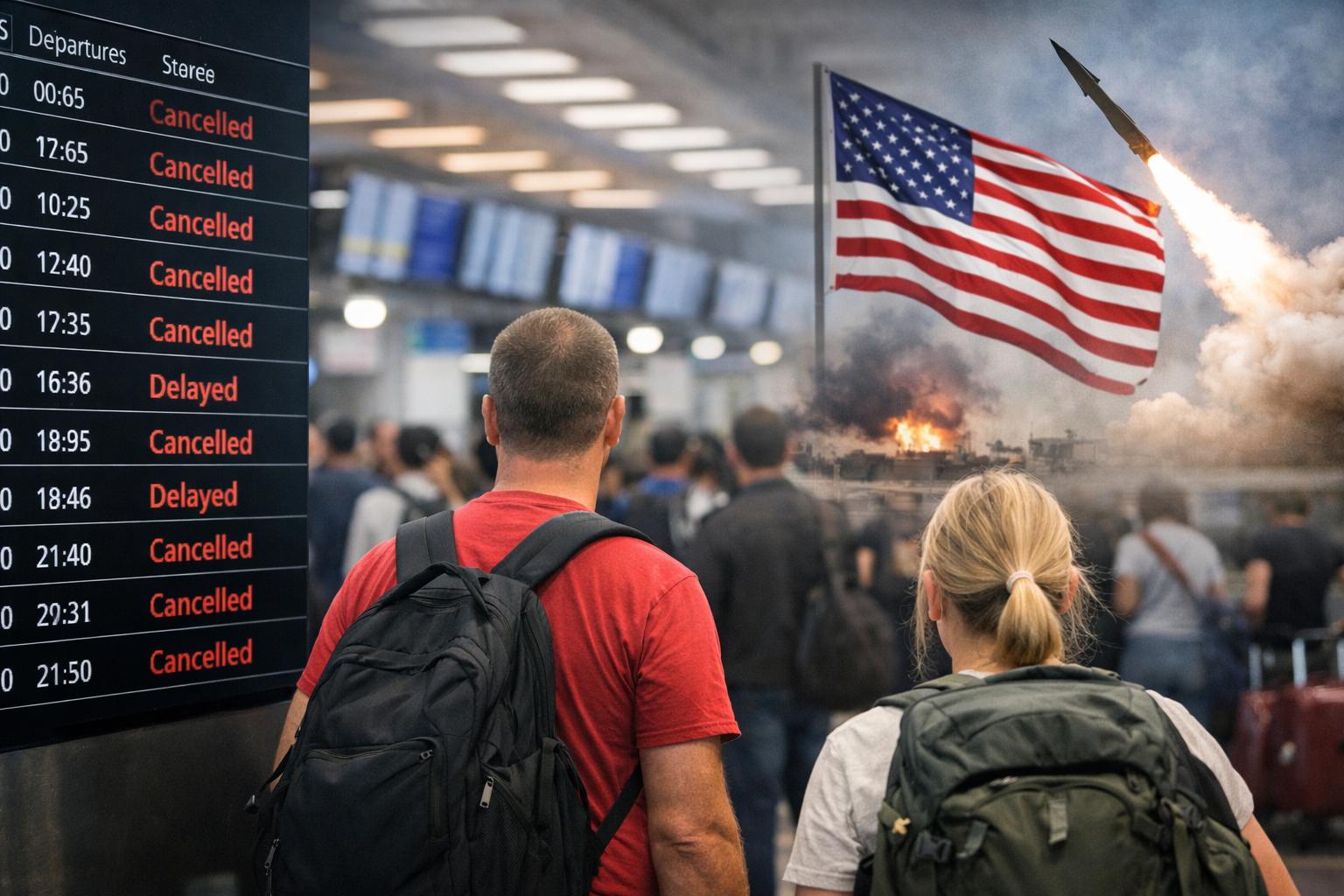
The United States government has urged Americans in parts of the Middle East to leave the region as fighting linked to the escalating Iran war intensifies, complicating travel and raising security concerns. The State Department issued updated guidance advising citizens to depart from 14 countries, including Israel, Lebanon, Egypt and the United Arab Emirates, as regional security conditions deteriorate. Until recently, Americans in several of these countries had been instructed to s
Iran war escalates as Americans urged to leave Middle East
The United States government has urged Americans in parts of the Middle East to leave the region as fighting linked to the escalating Iran war intensifies, complicating travel and raising security concerns. The State Department issued updated guidance advising citizens to depart from 14 countries, including Israel, Lebanon, Egypt and the United Arab Emirates, as regional security conditions deteriorate. Until recently, Americans in several of these countries had been instructed to s
US Increases Evacuation Flights and Warns Americans Abroad Amid Iran Retaliation Fears
The United States government has taken urgent steps to safeguard its citizens and diplomatic personnel in response to rising tensions in the Middle East, particularly following its recent military strikes on Iranian nuclear facilities. In anticipation of potential retaliation from Iran, the State Department has doubled the number of emergency evacuation flights available for American citizens wishing to depart from Israel. This move reflects growing concern over the rapidly deteriorating secu
US Increases Evacuation Flights and Warns Americans Abroad Amid Iran Retaliation Fears
The United States government has taken urgent steps to safeguard its citizens and diplomatic personnel in response to rising tensions in the Middle East, particularly following its recent military strikes on Iranian nuclear facilities. In anticipation of potential retaliation from Iran, the State Department has doubled the number of emergency evacuation flights available for American citizens wishing to depart from Israel. This move reflects growing concern over the rapidly deteriorating secu
Lebanon Elects Army Chief Joseph Aoun as President, Signaling Shift in Power Dynamics
On Thursday, Lebanon’s parliament elected General Joseph Aoun, the country’s army chief, as president, filling the vacant office that had remained unoccupied since October 2022. His election marks a shift in Lebanon’s political landscape and reflects a diminished influence of the Iran-backed Hezbollah group following the impact of the recent war with Israel. Aoun, who enjoys U.S. approval, received crucial backing from Hezbollah’s Shi'ite ally, the Amal Movement, a
Lebanon Elects Army Chief Joseph Aoun as President, Signaling Shift in Power Dynamics
On Thursday, Lebanon’s parliament elected General Joseph Aoun, the country’s army chief, as president, filling the vacant office that had remained unoccupied since October 2022. His election marks a shift in Lebanon’s political landscape and reflects a diminished influence of the Iran-backed Hezbollah group following the impact of the recent war with Israel. Aoun, who enjoys U.S. approval, received crucial backing from Hezbollah’s Shi'ite ally, the Amal Movement, a


