UAE exits OPEC and reshapes global oil and currency dynamics
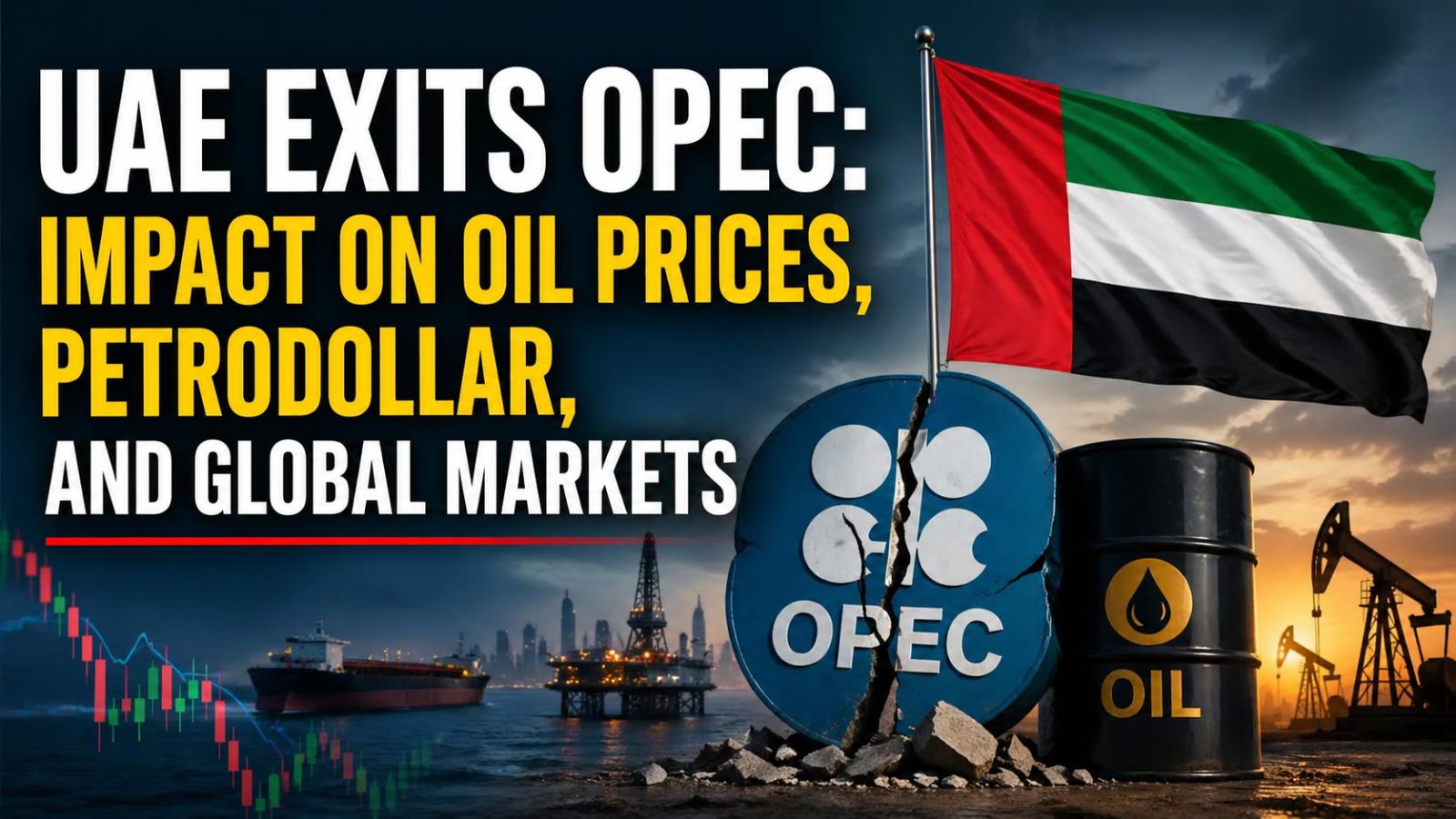
The decision by the United Arab Emirates to exit OPEC and OPEC+ marks a major shift in global energy markets. This move could increase oil price volatility, weaken OPEC’s control, and challenge the dominance of the US dollar in global oil trade. The timing is critical, coming amid rising oil prices, a growing dollar shortage in Gulf countries, and escalating tensions around the Strait of Hormuz.
What does this mean for the UAE?
The UAE is no longer bound by OPEC production limits. This gives the country full control over its oil output and pricing strategy, allowing it to expand production toward its target of five million barrels per day by 2027. The move reflects years of internal disagreements within OPEC, particularly over production quotas imposed by Saudi Arabia. With vast oil reserves exceeding 100 billion barrels, the UAE is positioning itself for long-term economic strength and independence.
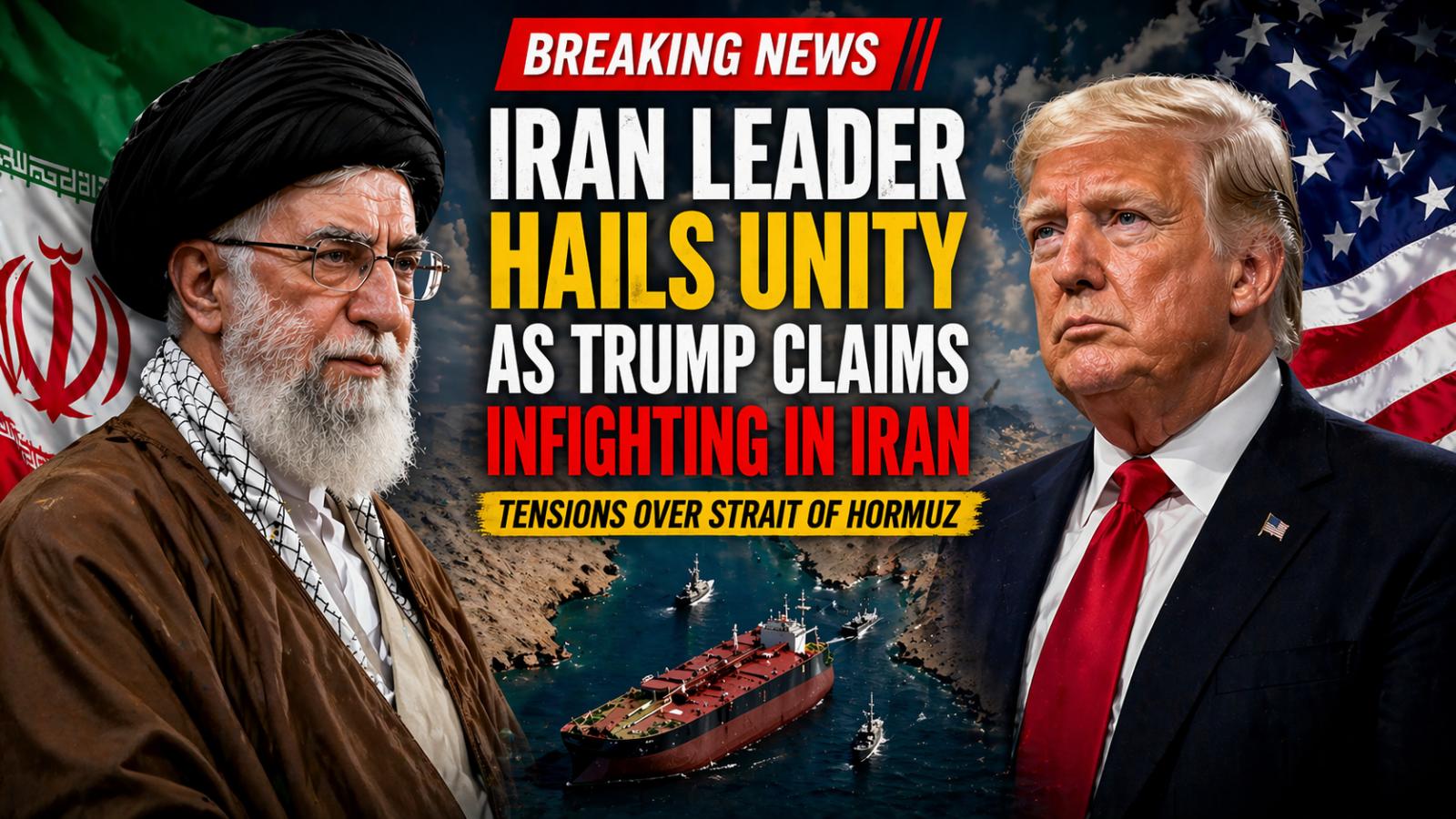
At the same time, regional instability linked to Iran has intensified concerns over oil supply routes. Missile and drone activity in the region has raised fears of disruptions in the Hormuz Strait, a key passage for global oil shipments. The UAE’s exit also signals frustration over the lack of a coordinated Gulf response to these threats.
What does this mean for oil prices and global markets?
The departure of a major producer weakens OPEC’s ability to control supply. This could lead to sharp and unpredictable swings in oil prices, especially as global demand remains high. Rising oil prices have already impacted Asian currencies, including the Indian rupee and Philippine peso, which continue to slide amid market uncertainty.
Additionally, a “dollar revenue gap” has emerged in the Gulf due to limited access to US currency. This shortage is pushing countries to rethink how oil trade is conducted globally.
What does this mean for the petrodollar system?
The UAE’s move raises serious questions about the future of the petrodollar. There is increasing discussion about pricing oil in alternative currencies such as the Chinese yuan. This follows closer economic ties between the UAE and China, signaling a gradual shift away from exclusive reliance on the US dollar.
While the dollar still dominates global trade, its share of foreign exchange reserves has declined significantly over time. Experts warn that closer cooperation between Iran, China, and Russia could accelerate this shift and weaken the dollar’s global influence.
Can the UAE change global financial systems?
The UAE is also investing in new financial technologies such as the mBridge platform, which enables cross-border transactions using digital currencies. This reduces dependence on traditional systems like SWIFT and allows more flexible bilateral trade agreements.
In the bigger picture, the UAE’s exit from OPEC is not just about oil—it signals a broader transformation in global energy, currency systems, and geopolitical alliances. The long-term impact will depend on how quickly the UAE scales production and how global tensions evolve, but the shift is already reshaping the future of international trade and finance.