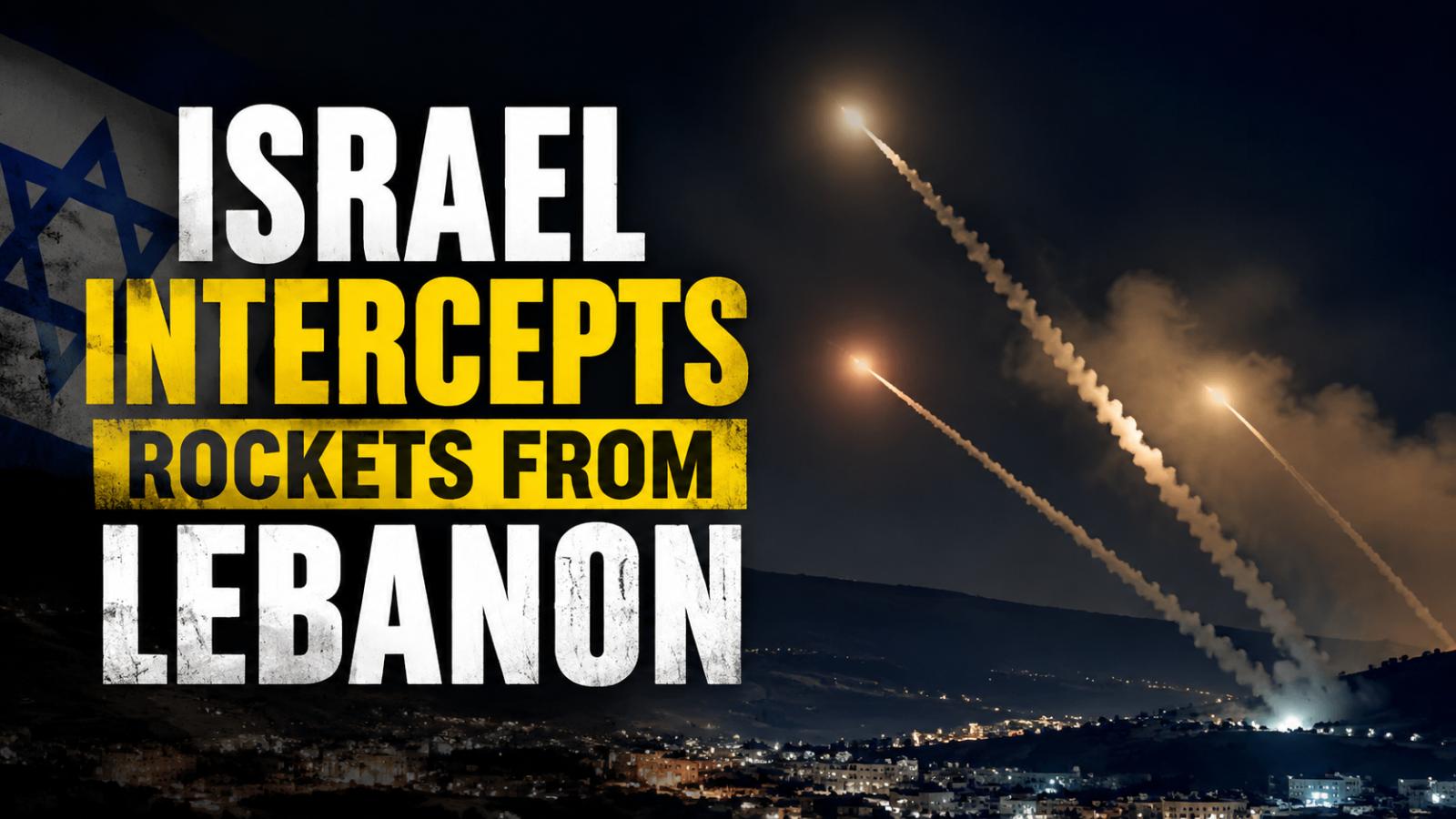
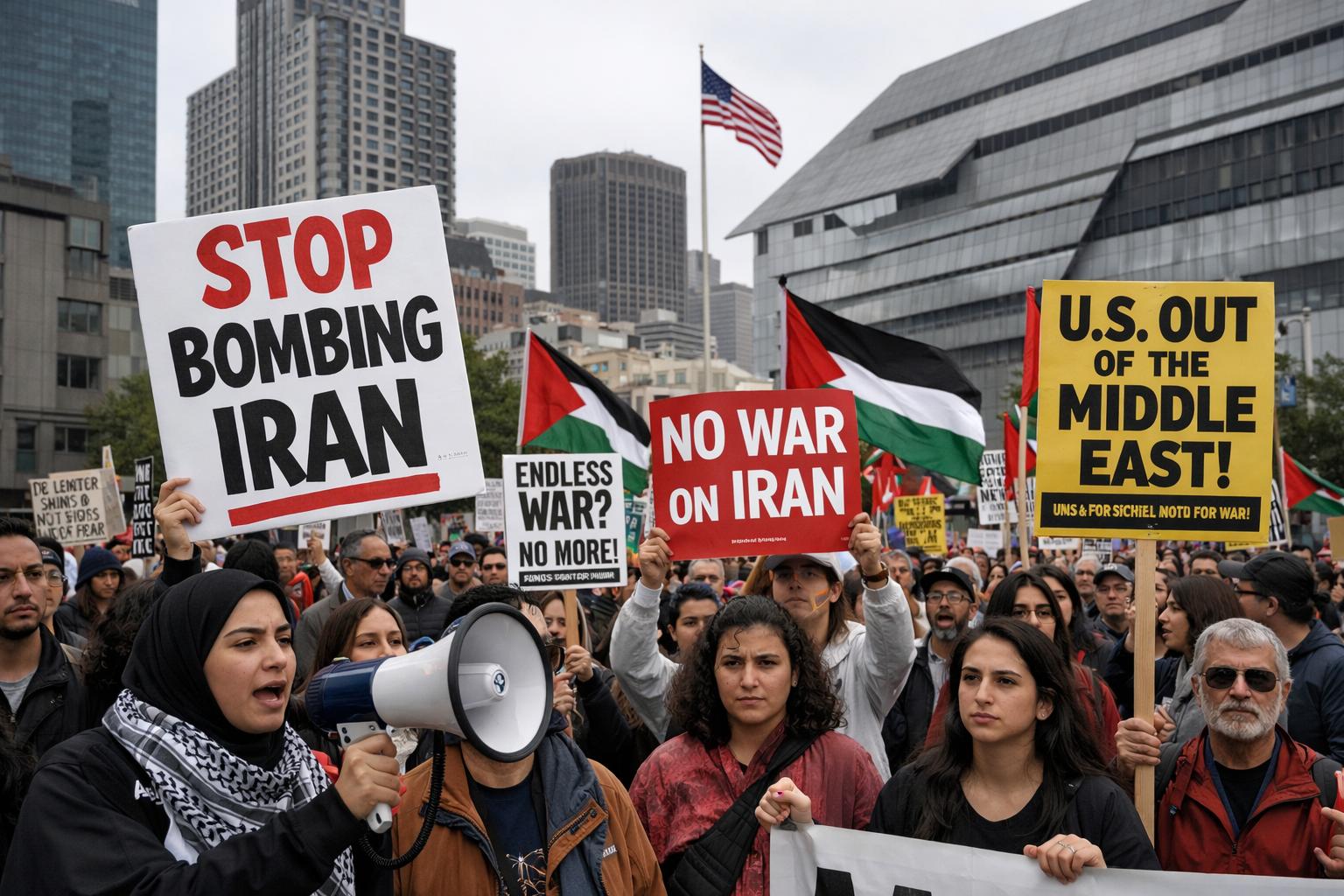
US–Israel–Iran War | West Asia conflict intensifies as Israel expands operations and tensions spread
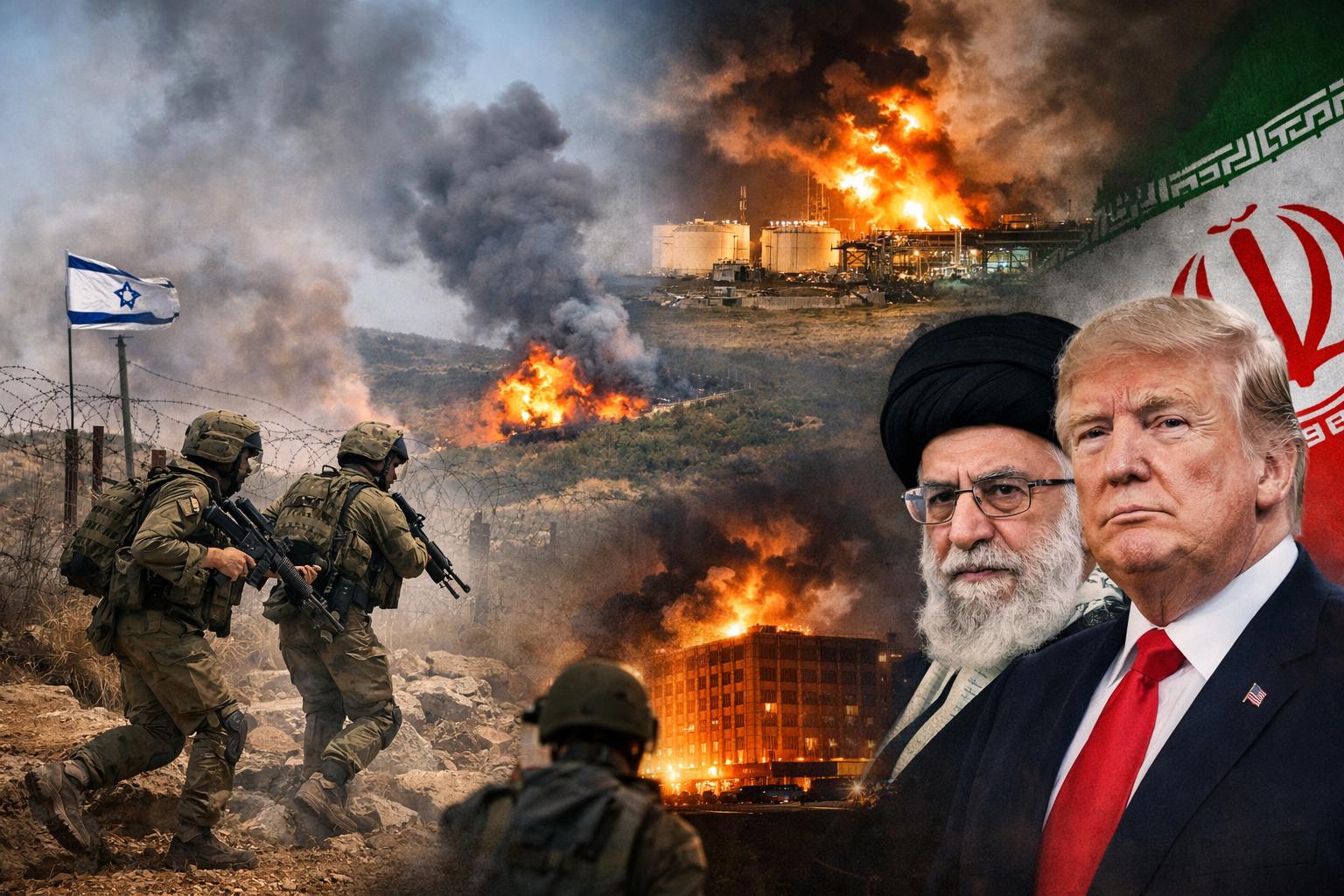
Amid the escalating tensions, Israeli Prime Minister Benjamin Netanyahu extended Nowruz greetings to the people of Iran, expressing hope for a future marked by freedom and renewal. His message came at a time of heightened strain between Iran and Israel, as well as growing instability across the region.
The United States has also stepped up its diplomatic outreach, with President Donald Trump urging European allies to take a more active role in securing maritime routes through the Strait of Hormuz. Iran’s disruption of shipping traffic in the strategic waterway has led to a sharp increase in global energy prices, underlining the economic impact of the ongoing crisis.
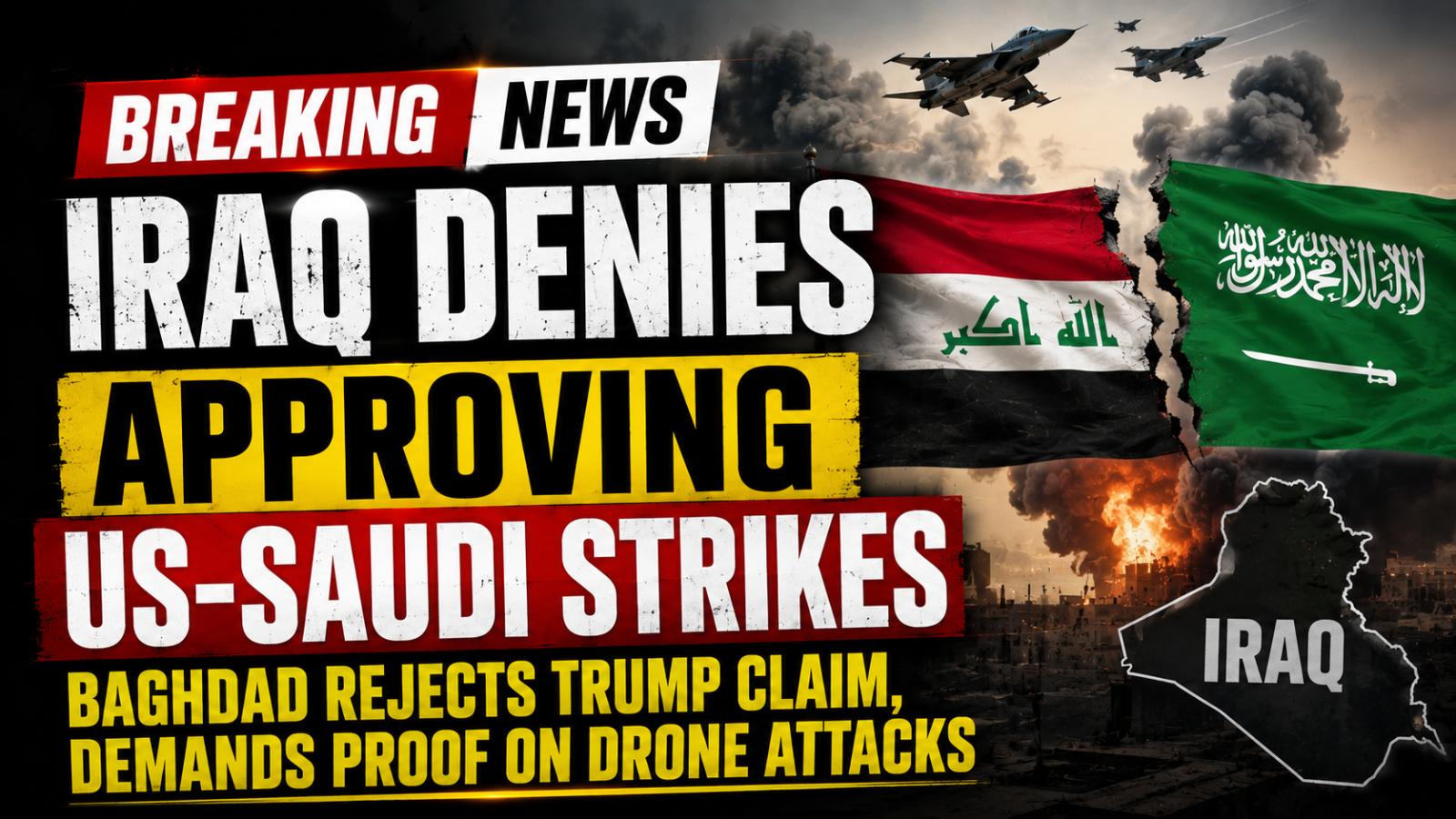
Security concerns have extended beyond the immediate conflict zones. In Iraq, a drone attack triggered a fire at a luxury hotel within Baghdad’s heavily fortified Green Zone, which houses foreign embassies and key government institutions. Shortly after the incident, Iraqi air defence systems intercepted rockets aimed at the US Embassy in the capital, highlighting the persistent threat to diplomatic facilities.
In the Gulf region, authorities in Abu Dhabi reported that a drone strike caused a fire at the Shah oil field in the United Arab Emirates, although no casualties were recorded. Along the Israel-Lebanon border, Hezbollah claimed responsibility for targeting Israeli troops and military vehicles in several locations, as Israeli forces pressed ahead with their operations.
Meanwhile, in Iraq, the Iran-aligned militia Kataeb Hezbollah confirmed the death of its senior security commander, Abu Ali al-Askari. While details surrounding his death remain unclear, he was widely regarded as a key figure within the organisation and a prominent spokesperson.