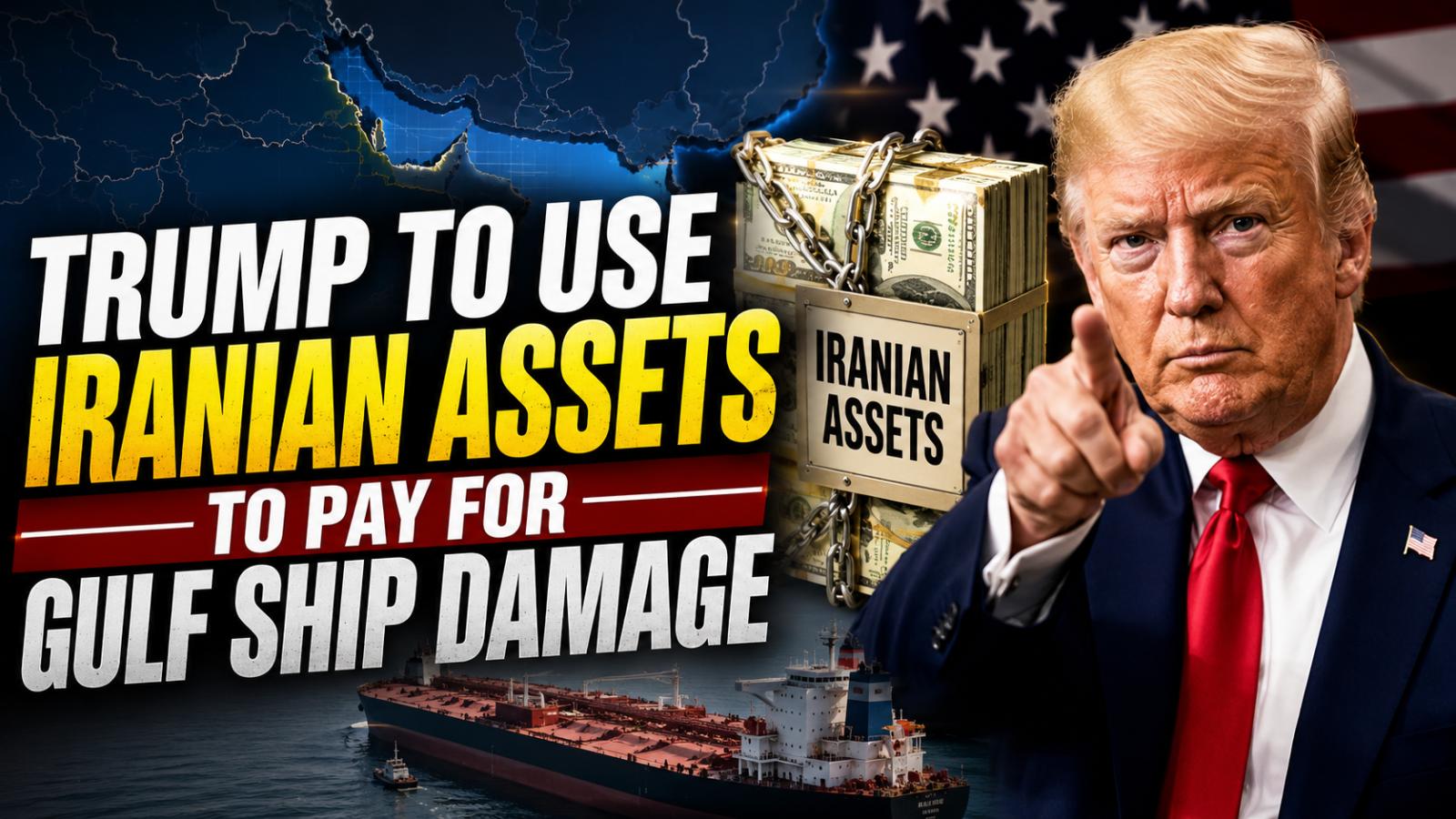
The Trump Iranian assets plan would direct Iranian funds controlled by Washington toward Gulf ship damage and cargo claims. However, the administration has not explained which incidents qualify, how losses will be assessed or whether existing US law permits the proposed payments.
Trump Iranian Assets Plan
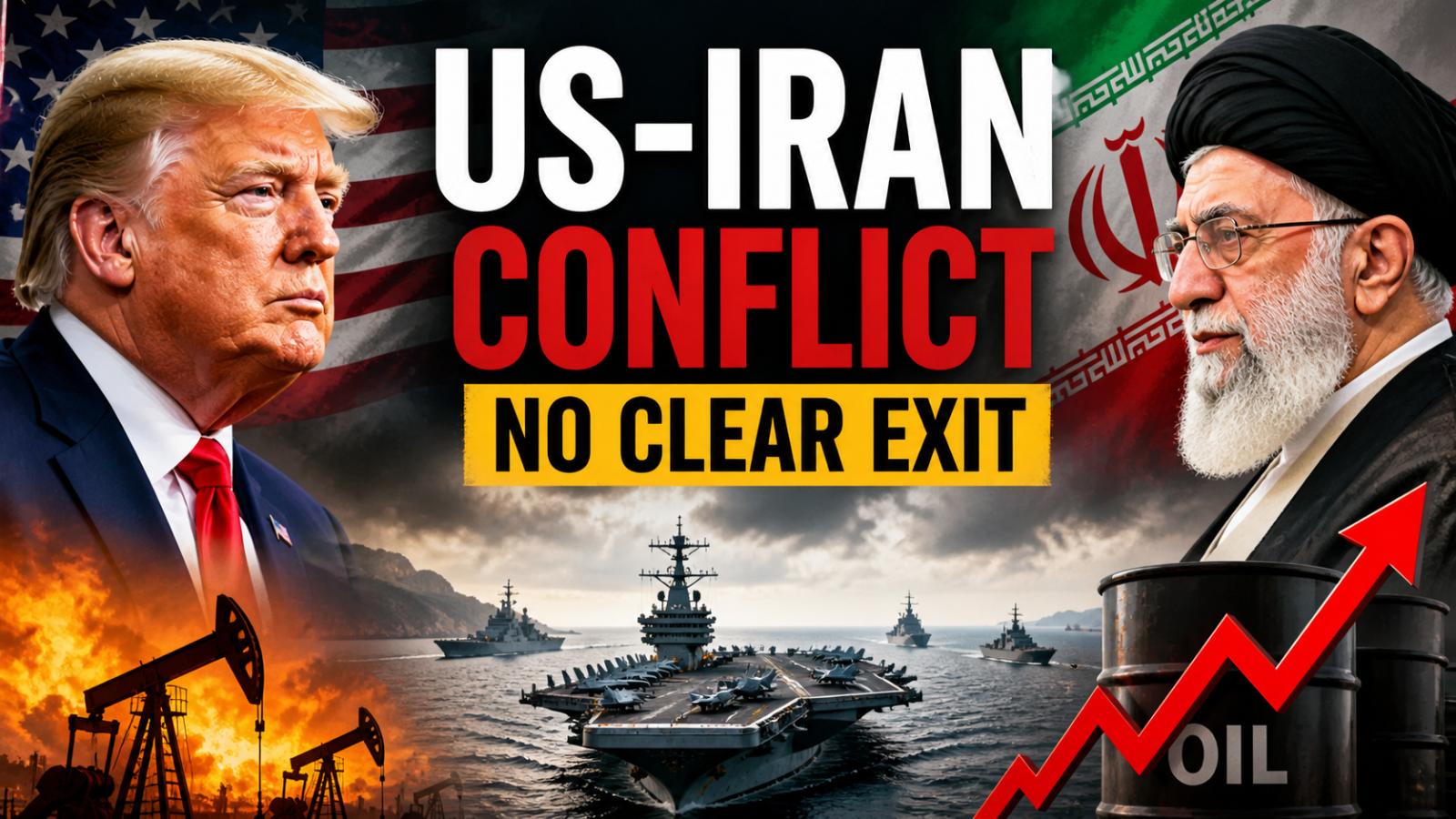
US President Donald Trump said Iranian money held under American control would be used to compensate owners for damage to ships, cargo and related property in and around the Gulf.
In a Truth Social post published on Friday, July 24, Trump said that “until further notice,” damages involving ships or cargo would be paid using Iranian funds possessed and controlled by the US government. He warned that the losses could become substantial and described the approach as fair and equitable.
Trump did not identify the vessels or attacks that would qualify. He also gave no timetable, claims process or method for determining how much compensation an affected shipowner, cargo company or insurer could receive.
The announcement therefore establishes a political position rather than a complete compensation programme. Important operational questions remain unresolved, including which US agency would manage claims and whether payments would cover only Iranian attacks or a wider category of conflict-related losses.
Frozen Iran Funds And Legal Questions
Iranian government property in the United States remains subject to an extensive sanctions framework. The Treasury Department’s Office of Foreign Assets Control says Executive Order 13599 blocks property and interests belonging to Iran’s government, central bank and Iranian financial institutions when they fall under US jurisdiction.
However, blocking an asset does not automatically transfer its ownership to the US government. OFAC rules generally prohibit the transfer, withdrawal or use of blocked property unless the agency authorises the transaction or another legal mechanism applies. This distinction could become central to any effort to redirect frozen Iran funds toward private maritime claims.
The administration has not yet said whether it will seek congressional approval, issue an OFAC licence, rely on existing emergency powers or establish a separate claims mechanism. That legal uncertainty matters because US sanctions on Iran come from a complicated mix of executive orders and legislation passed over several decades.
Gulf Ship Damage Claims
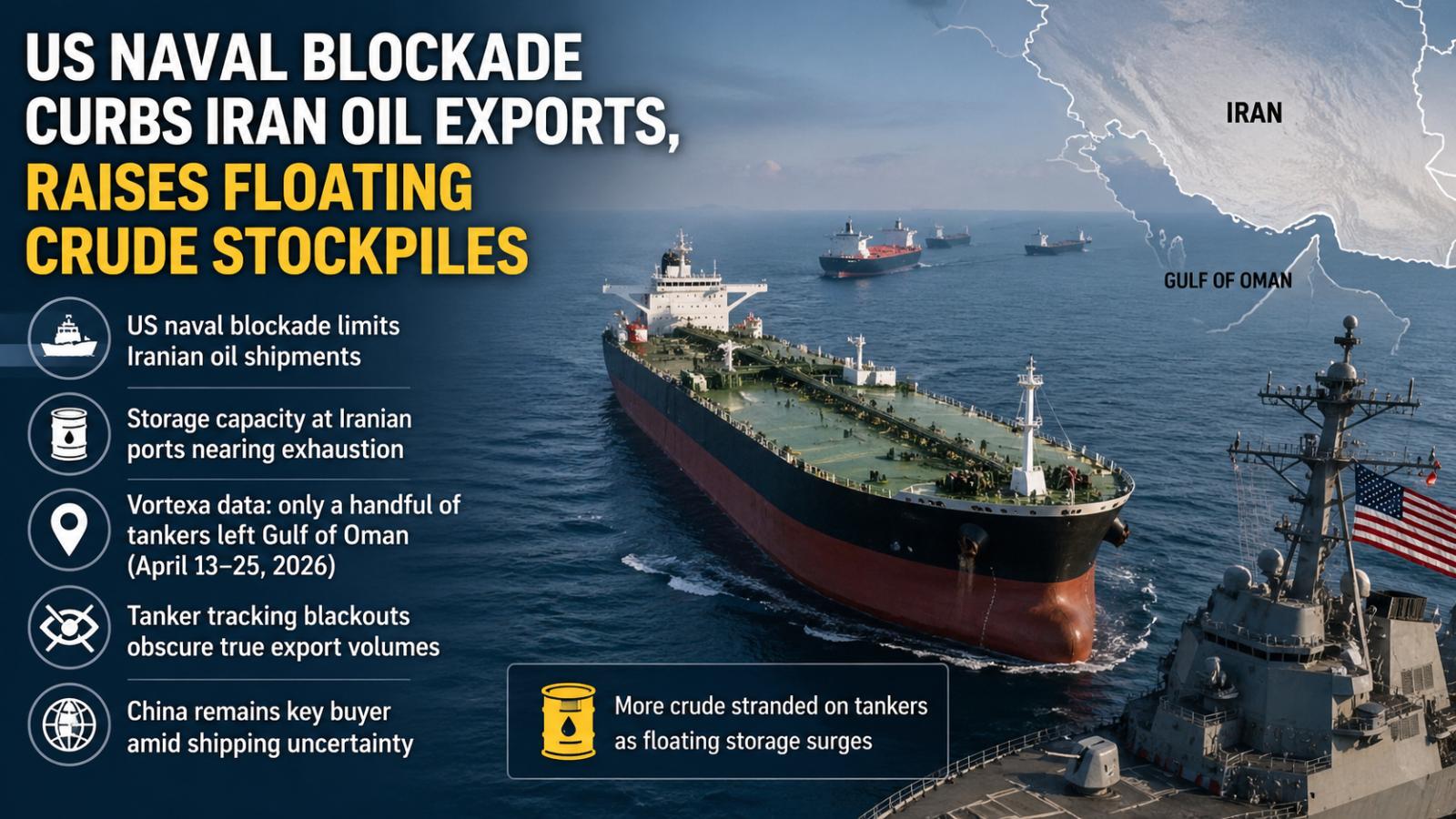
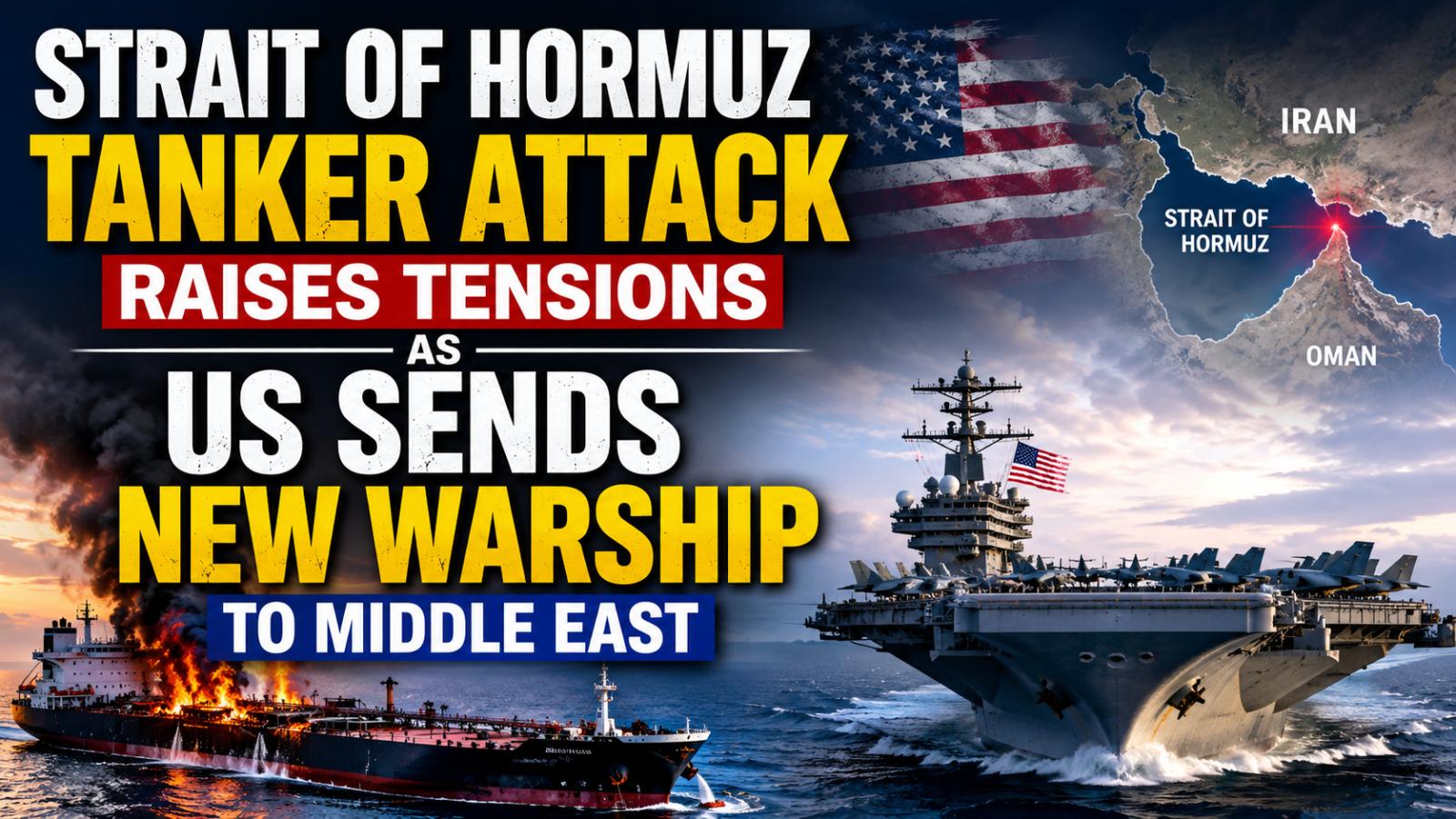
Trump’s statement comes as commercial shipping faces heightened danger around the Gulf and the Strait of Hormuz. Tankers and cargo vessels have faced attacks, interceptions and rising security costs as the US-Iran conflict has intensified.
In June, a commercial vessel near Oman was struck after several drones reportedly targeted ships crossing the Strait of Hormuz. Trump subsequently accused Iran of violating a ceasefire agreement, while maritime authorities reported damage but no injuries in that incident.
Further attacks on regional tankers have increased concern among shipowners, insurers and energy traders. The US Treasury also announced additional Iran-related sanctions in July following attacks on Qatari and Saudi commercial vessels, showing how maritime security and financial pressure have become closely linked in Washington’s strategy.
Any compensation system would need clear standards for proving responsibility, calculating cargo losses and separating direct strike damage from delays, insurance increases and lost business.
US Iran Asset Policy
The proposal marks an escalation in the use of financial pressure against Tehran. Previous US measures largely focused on restricting Iran’s access to international banking, oil revenue and foreign currency. Trump’s statement suggests blocked assets could now serve as a source of compensation for parties harmed during the conflict.
Yet the plan could face legal objections from Iran and disputes from competing claimants. Governments, victims of earlier attacks, judgment creditors, insurers and commercial operators may all argue that they have valid claims against the same pool of assets.
Until the White House or Treasury publishes formal rules, the Trump Iranian assets plan remains an announced policy without a defined legal or administrative structure. Its practical impact will depend on how much Iranian property the United States can lawfully access, which maritime incidents qualify and whether courts or Congress challenge the use of those funds.