Mark Carney trade talks with the United States remain frozen as Canada rejects US trade demands affecting key industries and sovereignty. Ottawa says negotiations can resume if Washington takes a more serious approach while new tariffs deepen the dispute.
Mark Carney trade talks remain stalled
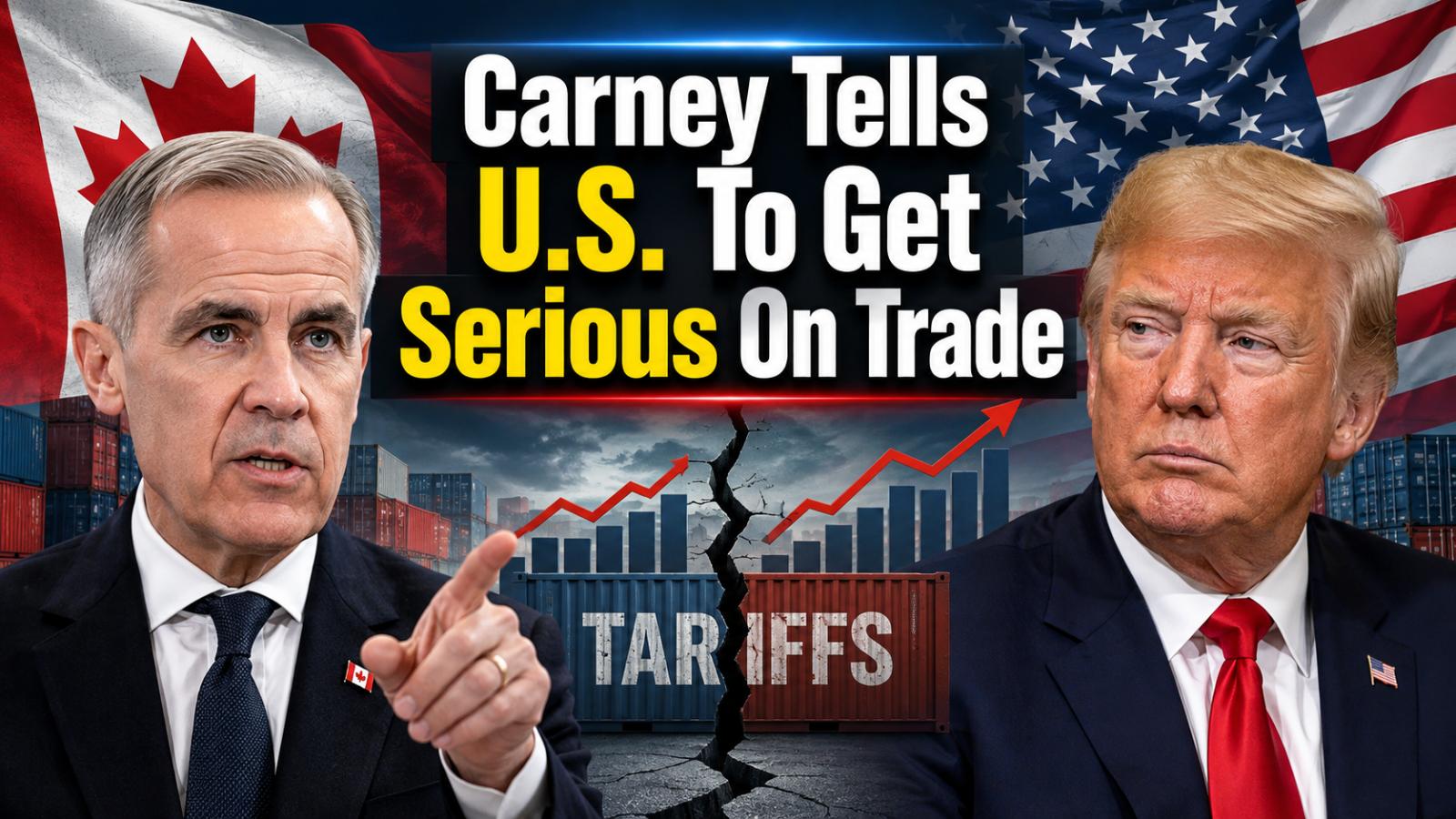
Canadian Prime Minister Mark Carney has called on US President Donald Trump’s administration to take a more serious approach before Canada-US trade negotiations can resume. Speaking in Ottawa on September 1, Carney criticised Washington’s increasingly confrontational rhetoric and said productive discussions require a more constructive tone.
Carney said the United States should stop focusing on memes and political attacks and return to serious negotiations. His remarks came after trade discussions collapsed on August 21, when Canada rejected last-minute US proposals that Ottawa considered unfair and economically damaging.
The Canadian prime minister has nevertheless left the door open to another round of talks. He said a mutually beneficial agreement remains possible if it respects Canadian sovereignty and protects workers and businesses. Canada’s official account of the negotiations says Ottawa suspended the talks after concluding that the revised American terms did not meet those objectives.
Canada rejects US trade demands
Carney said several US trade demands could weaken important Canadian industries and make domestic companies increasingly dependent on American businesses. The auto sector has emerged as one of the most sensitive areas in the dispute.
Canada has also resisted proposals that Ottawa says could interfere with its ability to pursue independent trade relationships and protect Canadian cultural and French-language interests. Carney has stressed that Canada will decide its own international trade policy rather than accept restrictions imposed by another government.
Official Canadian statements say Ottawa entered negotiations seeking stable US market access, lower tariffs on strategic industries and protection for small and medium-sized businesses while preserving Canadian economic independence.
Tariffs deepen Canada-US trade dispute
The breakdown in negotiations has already led to a significant escalation in tariffs. The United States imposed additional 50% duties on about C$27.6 billion worth of Canadian goods effective August 22.
Canada has announced matching countermeasures covering C$27.6 billion in US imports. The retaliatory tariffs will take effect on September 8 and will carry rates of 15%, 25% or 50%, depending on the product. Targeted sectors include steel, dairy, appliances, agricultural equipment, pulp and paper, plastics and electronics.
Ottawa has acknowledged that retaliation could increase costs for Canadian consumers but argues that the measures are necessary to defend businesses and industries affected by US tariffs.
Political rhetoric adds pressure to negotiations
The economic dispute has increasingly spilled into political rhetoric. Carney criticised a social media post by US Defense Secretary Pete Hegseth involving Canadian cadets, calling the message “beneath their office.” A Pentagon spokesperson later said the post spoke for itself.
Carney’s broader message remains that Canada is willing to negotiate but will not accept an agreement simply to end the dispute. With retaliatory tariffs scheduled to begin September 8, both governments now face growing pressure to decide whether confrontation or renewed negotiations will define the next phase of Canada-US trade relations.