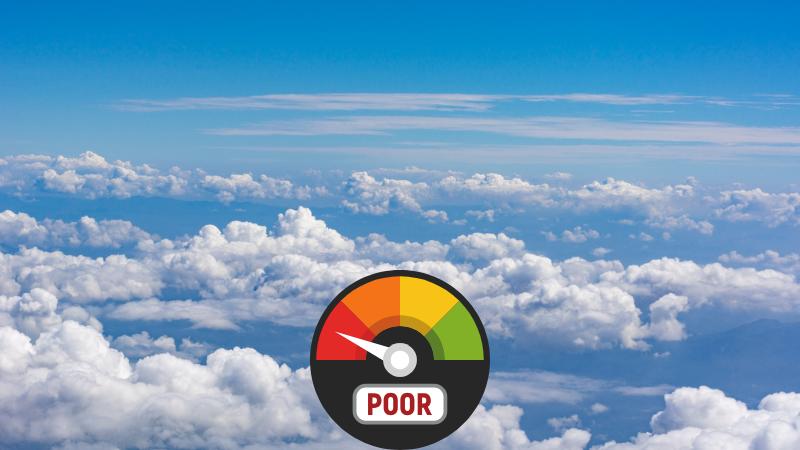
US mortgage rates over 7% are adding fresh strain to household budgets as rising oil prices, higher Treasury yields and persistent inflation make borrowing and energy more expensive. Homebuyers now face a difficult mix of elevated financing costs, still-high property prices and broader economic uncertainty.
Oil surge raises energy concerns
Brent crude moved above $107 a barrel on Thursday as re
US mortgage rates over 7% are adding fresh strain to household budgets as rising oil prices, higher Treasury yields and persistent inflation make borrowing and energy more expensive. Homebuyers now face a difficult mix of elevated financing costs, still-high property prices and broader economic uncertainty.
Oil surge raises energy concerns
Brent crude moved above $107 a barrel on Thursday as re
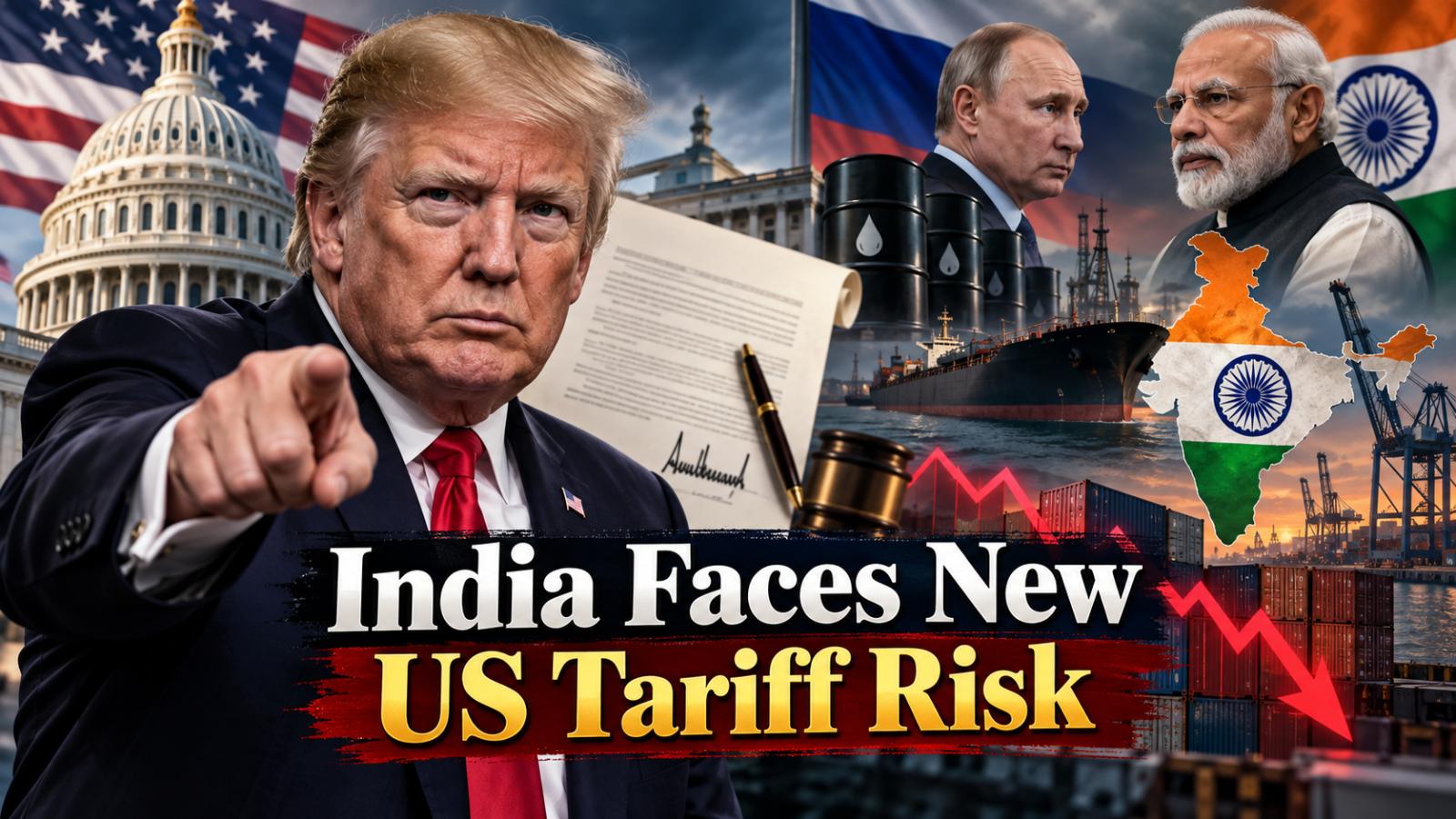
US President Donald Trump has signed a sweeping Russia sanctions law that gives Washington new authority to impose targeted tariffs of up to 100% on major buyers of Russian oil and natural gas, placing India under renewed trade scrutiny.
The White House confirmed that Trump signed H.R. 5334, the Lindsey O. Graham Sanctioning Russia and Iran Act of 2026, on September 18. The administration said the law expands statutory sanctions, tariffs a
US President Donald Trump has signed a sweeping Russia sanctions law that gives Washington new authority to impose targeted tariffs of up to 100% on major buyers of Russian oil and natural gas, placing India under renewed trade scrutiny.
The White House confirmed that Trump signed H.R. 5334, the Lindsey O. Graham Sanctioning Russia and Iran Act of 2026, on September 18. The administration said the law expands statutory sanctions, tariffs a
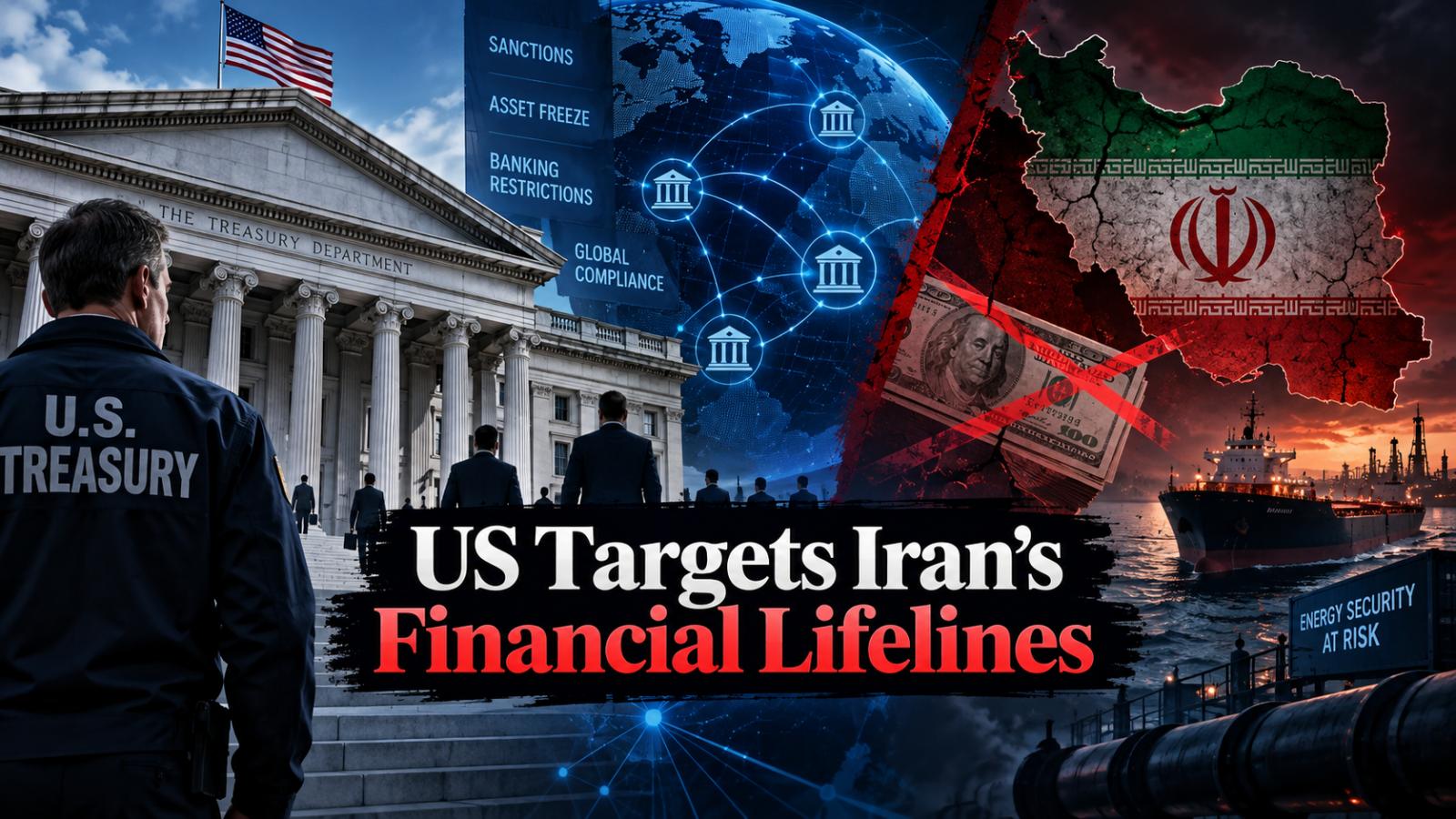
Operation Economic Outcast is expanding as the US Treasury works with global financial institutions to identify and disrupt revenue, banking and procurement networks linked to Iran. The campaign comes as Washington also warns that instability in the region could threaten global energy supplies.
Operation Economic Outcast targets Iran finance
The US Treasury said its Financial Crimes Enforcement Network convened global financial instituti
Operation Economic Outcast is expanding as the US Treasury works with global financial institutions to identify and disrupt revenue, banking and procurement networks linked to Iran. The campaign comes as Washington also warns that instability in the region could threaten global energy supplies.
Operation Economic Outcast targets Iran finance
The US Treasury said its Financial Crimes Enforcement Network convened global financial instituti
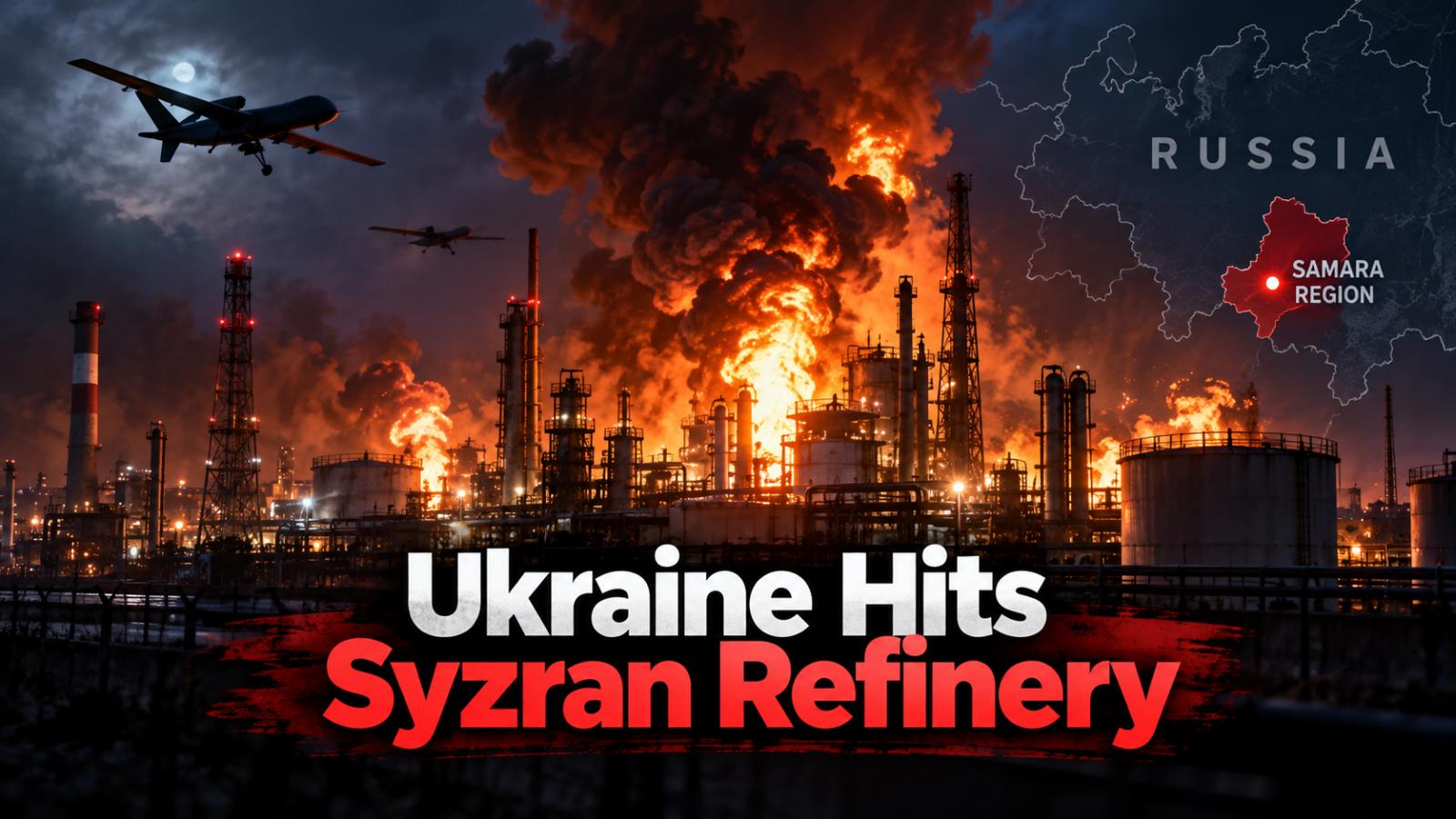
Ukrainian drones reportedly targeted the Syzran Oil Refinery in Russia's Samara region overnight on September 15, extending Kyiv's campaign against Russian energy and industrial infrastructure. Monitoring channels reported fires at several points inside the complex, although the full scale of damage was not immediately independently confirmed.
Ukraine Syzran refinery strike targets Russian energy
Ukrainian drones reportedly targeted the Syzran Oil Refinery in Russia's Samara region overnight on September 15, extending Kyiv's campaign against Russian energy and industrial infrastructure. Monitoring channels reported fires at several points inside the complex, although the full scale of damage was not immediately independently confirmed.
Ukraine Syzran refinery strike targets Russian energy
Russian President Vladimir Putin arrived in New Delhi on Friday ahead of the 18th BRICS Summit, where he is expected to hold bilateral talks with Prime Minister Narendra Modi. The meeting is set to focus on defence ties, energy, nuclear cooperation, technology and the wider India-Russia strategic partnership. India will host the summit on September 12 and 13.
Defence ties
Defence ties are expec
Russian President Vladimir Putin arrived in New Delhi on Friday ahead of the 18th BRICS Summit, where he is expected to hold bilateral talks with Prime Minister Narendra Modi. The meeting is set to focus on defence ties, energy, nuclear cooperation, technology and the wider India-Russia strategic partnership. India will host the summit on September 12 and 13.
Defence ties
Defence ties are expec
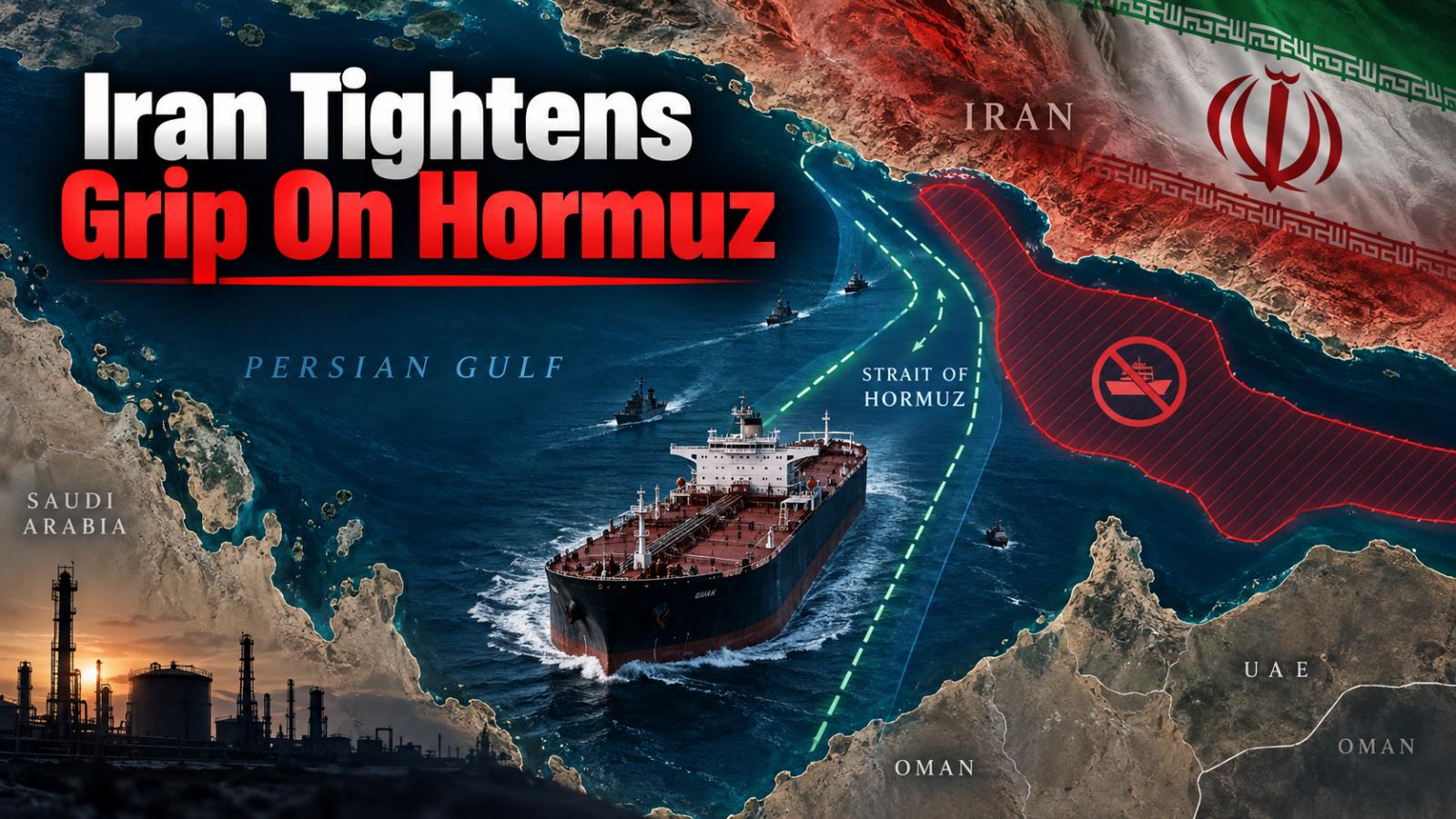
Iran says an Iran-Oman Hormuz shipping corridor could be formalized within days as Tehran prepares a new restricted maritime zone around the strategic waterway. The proposals could reshape Gulf shipping while tensions with the United States continue to disrupt commercial traffic.
Iran Oman Hormuz Shipping Corridor Nears Agreement
Iranian officials say Tehran and Muscat have agreed on maps for a
Iran says an Iran-Oman Hormuz shipping corridor could be formalized within days as Tehran prepares a new restricted maritime zone around the strategic waterway. The proposals could reshape Gulf shipping while tensions with the United States continue to disrupt commercial traffic.
Iran Oman Hormuz Shipping Corridor Nears Agreement
Iranian officials say Tehran and Muscat have agreed on maps for a
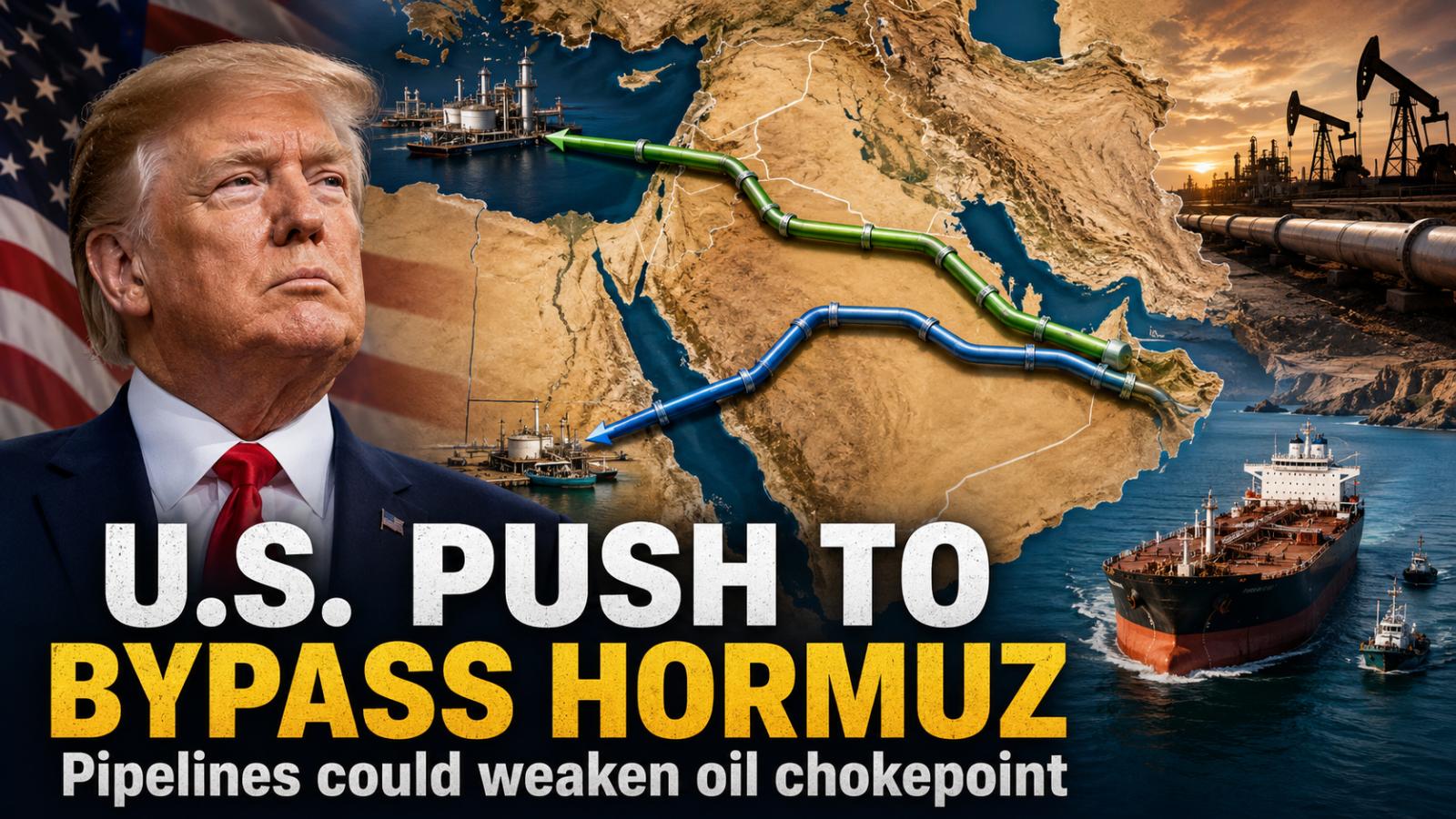
For decades, the Strait of Hormuz has been one of the world’s most important energy chokepoints. Now, Washington and Gulf producers are accelerating plans for pipelines and alternative export routes that could sharply reduce dependence on the narrow waterway. The goal is not necessarily to eliminate Hormuz, but to weaken its ability to disrupt global oil markets.
Strait of Hormuz bypass becomes US strategy
For decades, the Strait of Hormuz has been one of the world’s most important energy chokepoints. Now, Washington and Gulf producers are accelerating plans for pipelines and alternative export routes that could sharply reduce dependence on the narrow waterway. The goal is not necessarily to eliminate Hormuz, but to weaken its ability to disrupt global oil markets.
Strait of Hormuz bypass becomes US strategy
A major US-Venezuela oil deal is reshaping the country’s energy sector, with Chevron, Eni and GE Vernova signing multibillion-dollar agreements in Caracas. The moves follow a separate arrangement that gives Washington extensive economic and governance rights connected to about 65 billion barrels of Venezuelan oil reserves.
US-Venezuela oil deal opens new investment phase
US Energy Secretary C
A major US-Venezuela oil deal is reshaping the country’s energy sector, with Chevron, Eni and GE Vernova signing multibillion-dollar agreements in Caracas. The moves follow a separate arrangement that gives Washington extensive economic and governance rights connected to about 65 billion barrels of Venezuelan oil reserves.
US-Venezuela oil deal opens new investment phase
US Energy Secretary C
Prime Minister Narendra Modi is expected to meet Iranian President Masoud Pezeshkian in Bishkek on August 31 on the sidelines of the Shanghai Cooperation Organisation summit. The Modi Pezeshkian meeting would be their first face-to-face interaction since the latest West Asia conflict erupted, putting India-Iran ties, energy security and regional stability firmly in focus.
India Iran Ties
Modi and Pezeshkian last met in person in October 2024 during the BRICS Summit in Kazan, Russia. At that meeting, the leaders reviewed bilateral relations and highlighted the importance of the Chabahar Port project for trade links with Afghanistan and Central Asia.
Their relationship has remained active despite the deterioration in regional security. The two leaders have spoken by phone several times during 2026, discussing developments in Iran and the wider region.
India has consistently positioned itself as a partner of Iran while maintaining relationships with other major powers in West Asia.
Hormuz Talks
The Strait of Hormuz is expected to be one of the most important strategic issues surrounding the discussions. India depends heavily on secure maritime routes for energy imports, making any disruption in the Gulf a direct economic concern.
During a March conversation with Pezeshkian, Modi stressed the importance of protecting Indian nationals and maintaining unhindered movement of energy and goods. He also reiterated India’s position that disputes should be resolved through dialogue and diplomacy.
In another conversation in June, Modi again called for lasting regional stability and freedom of navigation and commerce.
SCO Bishkek Summit
The bilateral engagement comes as Bishkek hosts the 26th SCO Summit from August 31 to September 1. India’s government has confirmed that Modi will hold meetings with several SCO leaders on the sidelines while highlighting India’s priorities of security, connectivity and opportunity.
The 2026 gathering also marks the SCO’s 25th anniversary. Iran, India, Russia, China and Pakistan are among the organisation’s 10 full members, giving the summit added geopolitical weight as several regional conflicts remain unresolved.
Chinese President Xi Jinping is also attending the Bishkek gathering, while Russian President Vladimir Putin is among the other major leaders expected to participate.
Energy Security
Energy cooperation remains central to India-Iran relations. New Delhi has repeatedly stressed that instability in West Asia can affect fuel supplies, shipping costs and the broader Indian economy.
Connectivity is another major issue. Chabahar Port gives India a strategic route toward Afghanistan and Central Asia that bypasses Pakistan, making the project important for both commerce and regional connectivity.
The two sides are therefore expected to review trade, transport links and wider economic cooperation alongside the security situation.
Dialogue and Diplomacy
India is likely to continue urging de-escalation rather than taking sides in the conflict. Modi has repeatedly told Pezeshkian that New Delhi supports dialogue and diplomacy while calling for the protection of civilians, infrastructure and international shipping routes.
The Bishkek interaction would also carry significance ahead of further BRICS engagement. Pezeshkian has previously supported a larger role for organisations such as BRICS and the SCO in addressing regional challenges.
For India, the meeting provides an opportunity to protect practical interests—energy supplies, maritime security, connectivity and the safety of Indian nationals—while maintaining a diplomatic channel with Tehran during one of the most unstable periods in recent West Asian politics.
Prime Minister Narendra Modi is expected to meet Iranian President Masoud Pezeshkian in Bishkek on August 31 on the sidelines of the Shanghai Cooperation Organisation summit. The Modi Pezeshkian meeting would be their first face-to-face interaction since the latest West Asia conflict erupted, putting India-Iran ties, energy security and regional stability firmly in focus.
India Iran Ties
Modi and Pezeshkian last met in person in October 2024 during the BRICS Summit in Kazan, Russia. At that meeting, the leaders reviewed bilateral relations and highlighted the importance of the Chabahar Port project for trade links with Afghanistan and Central Asia.
Their relationship has remained active despite the deterioration in regional security. The two leaders have spoken by phone several times during 2026, discussing developments in Iran and the wider region.
India has consistently positioned itself as a partner of Iran while maintaining relationships with other major powers in West Asia.
Hormuz Talks
The Strait of Hormuz is expected to be one of the most important strategic issues surrounding the discussions. India depends heavily on secure maritime routes for energy imports, making any disruption in the Gulf a direct economic concern.
During a March conversation with Pezeshkian, Modi stressed the importance of protecting Indian nationals and maintaining unhindered movement of energy and goods. He also reiterated India’s position that disputes should be resolved through dialogue and diplomacy.
In another conversation in June, Modi again called for lasting regional stability and freedom of navigation and commerce.
SCO Bishkek Summit
The bilateral engagement comes as Bishkek hosts the 26th SCO Summit from August 31 to September 1. India’s government has confirmed that Modi will hold meetings with several SCO leaders on the sidelines while highlighting India’s priorities of security, connectivity and opportunity.
The 2026 gathering also marks the SCO’s 25th anniversary. Iran, India, Russia, China and Pakistan are among the organisation’s 10 full members, giving the summit added geopolitical weight as several regional conflicts remain unresolved.
Chinese President Xi Jinping is also attending the Bishkek gathering, while Russian President Vladimir Putin is among the other major leaders expected to participate.
Energy Security
Energy cooperation remains central to India-Iran relations. New Delhi has repeatedly stressed that instability in West Asia can affect fuel supplies, shipping costs and the broader Indian economy.
Connectivity is another major issue. Chabahar Port gives India a strategic route toward Afghanistan and Central Asia that bypasses Pakistan, making the project important for both commerce and regional connectivity.
The two sides are therefore expected to review trade, transport links and wider economic cooperation alongside the security situation.
Dialogue and Diplomacy
India is likely to continue urging de-escalation rather than taking sides in the conflict. Modi has repeatedly told Pezeshkian that New Delhi supports dialogue and diplomacy while calling for the protection of civilians, infrastructure and international shipping routes.
The Bishkek interaction would also carry significance ahead of further BRICS engagement. Pezeshkian has previously supported a larger role for organisations such as BRICS and the SCO in addressing regional challenges.
For India, the meeting provides an opportunity to protect practical interests—energy supplies, maritime security, connectivity and the safety of Indian nationals—while maintaining a diplomatic channel with Tehran during one of the most unstable periods in recent West Asian politics.
Iran has announced a major gas discovery in the southern part of Fars Province, with Oil Minister Mohsen Paknejad estimating the field contains about 7.5 trillion cubic feet of gas. The discovery could strengthen Iran’s gas reserves as the country faces economic pressure and challenges across its energy sector.
Iran gas discovery reaches 7.5 trillion cubic feet
Paknejad announced the discovery on Sunday, saying the newly identified field holds an estimated 7.5 trillion cubic feet, or roughly 212 billion cubic metres, of natural gas.
Of that total, approximately 5.7 trillion cubic feet is considered recoverable, according to figures provided by the oil minister. Recoverable reserves refer to the portion of gas that authorities estimate can realistically be extracted under technical and economic conditions.
Paknejad said the recoverable volume could provide an amount of gas comparable to the production of one phase of the giant South Pars field for about 15 years. The comparison highlights the potential scale of the new resource, although future output will depend on development, infrastructure and production conditions.
Sweet gas could lower development costs
The Iranian oil minister described the resource as “sweet gas,” a term generally used for natural gas containing relatively low levels of hydrogen sulfide and other sulfur compounds.
That characteristic could offer an economic advantage because sweet gas typically requires less processing than sour gas before entering commercial supply systems. Paknejad said this could help reduce both development and operating costs at the field.
The discovery also includes gas condensates, according to the minister. These liquid hydrocarbons can have significant commercial value alongside natural gas production. Paknejad said the condensate resources could potentially generate tens of billions of dollars in additional value.
The actual economic return, however, will depend on factors including investment, production rates, infrastructure, energy prices and Iran’s access to international markets.
New reserves strengthen Iran energy sector
The discovery comes at an important time for Iran’s energy industry. Tehran has been working to maintain and repair energy infrastructure while dealing with sanctions and broader economic pressure.
Iran already possesses some of the world’s largest natural gas reserves, and South Pars remains central to the country’s gas production. Adding another substantial resource could improve long-term supply options, but discovering gas does not automatically translate into immediate production.
A field must undergo appraisal and development before commercial extraction can begin. That process can require drilling additional wells, building processing facilities and connecting production sites to pipelines and other infrastructure.
Iran gas reserves gain new strategic resource
Paknejad said the discovery adds a significant resource to Iran’s national hydrocarbon reserves. If subsequent assessments confirm the announced estimates, the Fars gas field could become an important addition to the country’s long-term energy portfolio.
The timing also gives the announcement wider economic significance as Tehran navigates sanctions and international tensions that can complicate financing, technology access and energy exports.
For Iran, the value of the discovery will ultimately depend not only on the volume underground but also on how quickly and efficiently it can bring the recoverable gas and condensates into production. The government has not yet provided a detailed timetable for development or commercial output from the newly announced field.
Iran has announced a major gas discovery in the southern part of Fars Province, with Oil Minister Mohsen Paknejad estimating the field contains about 7.5 trillion cubic feet of gas. The discovery could strengthen Iran’s gas reserves as the country faces economic pressure and challenges across its energy sector.
Iran gas discovery reaches 7.5 trillion cubic feet
Paknejad announced the discovery on Sunday, saying the newly identified field holds an estimated 7.5 trillion cubic feet, or roughly 212 billion cubic metres, of natural gas.
Of that total, approximately 5.7 trillion cubic feet is considered recoverable, according to figures provided by the oil minister. Recoverable reserves refer to the portion of gas that authorities estimate can realistically be extracted under technical and economic conditions.
Paknejad said the recoverable volume could provide an amount of gas comparable to the production of one phase of the giant South Pars field for about 15 years. The comparison highlights the potential scale of the new resource, although future output will depend on development, infrastructure and production conditions.
Sweet gas could lower development costs
The Iranian oil minister described the resource as “sweet gas,” a term generally used for natural gas containing relatively low levels of hydrogen sulfide and other sulfur compounds.
That characteristic could offer an economic advantage because sweet gas typically requires less processing than sour gas before entering commercial supply systems. Paknejad said this could help reduce both development and operating costs at the field.
The discovery also includes gas condensates, according to the minister. These liquid hydrocarbons can have significant commercial value alongside natural gas production. Paknejad said the condensate resources could potentially generate tens of billions of dollars in additional value.
The actual economic return, however, will depend on factors including investment, production rates, infrastructure, energy prices and Iran’s access to international markets.
New reserves strengthen Iran energy sector
The discovery comes at an important time for Iran’s energy industry. Tehran has been working to maintain and repair energy infrastructure while dealing with sanctions and broader economic pressure.
Iran already possesses some of the world’s largest natural gas reserves, and South Pars remains central to the country’s gas production. Adding another substantial resource could improve long-term supply options, but discovering gas does not automatically translate into immediate production.
A field must undergo appraisal and development before commercial extraction can begin. That process can require drilling additional wells, building processing facilities and connecting production sites to pipelines and other infrastructure.
Iran gas reserves gain new strategic resource
Paknejad said the discovery adds a significant resource to Iran’s national hydrocarbon reserves. If subsequent assessments confirm the announced estimates, the Fars gas field could become an important addition to the country’s long-term energy portfolio.
The timing also gives the announcement wider economic significance as Tehran navigates sanctions and international tensions that can complicate financing, technology access and energy exports.
For Iran, the value of the discovery will ultimately depend not only on the volume underground but also on how quickly and efficiently it can bring the recoverable gas and condensates into production. The government has not yet provided a detailed timetable for development or commercial output from the newly announced field.
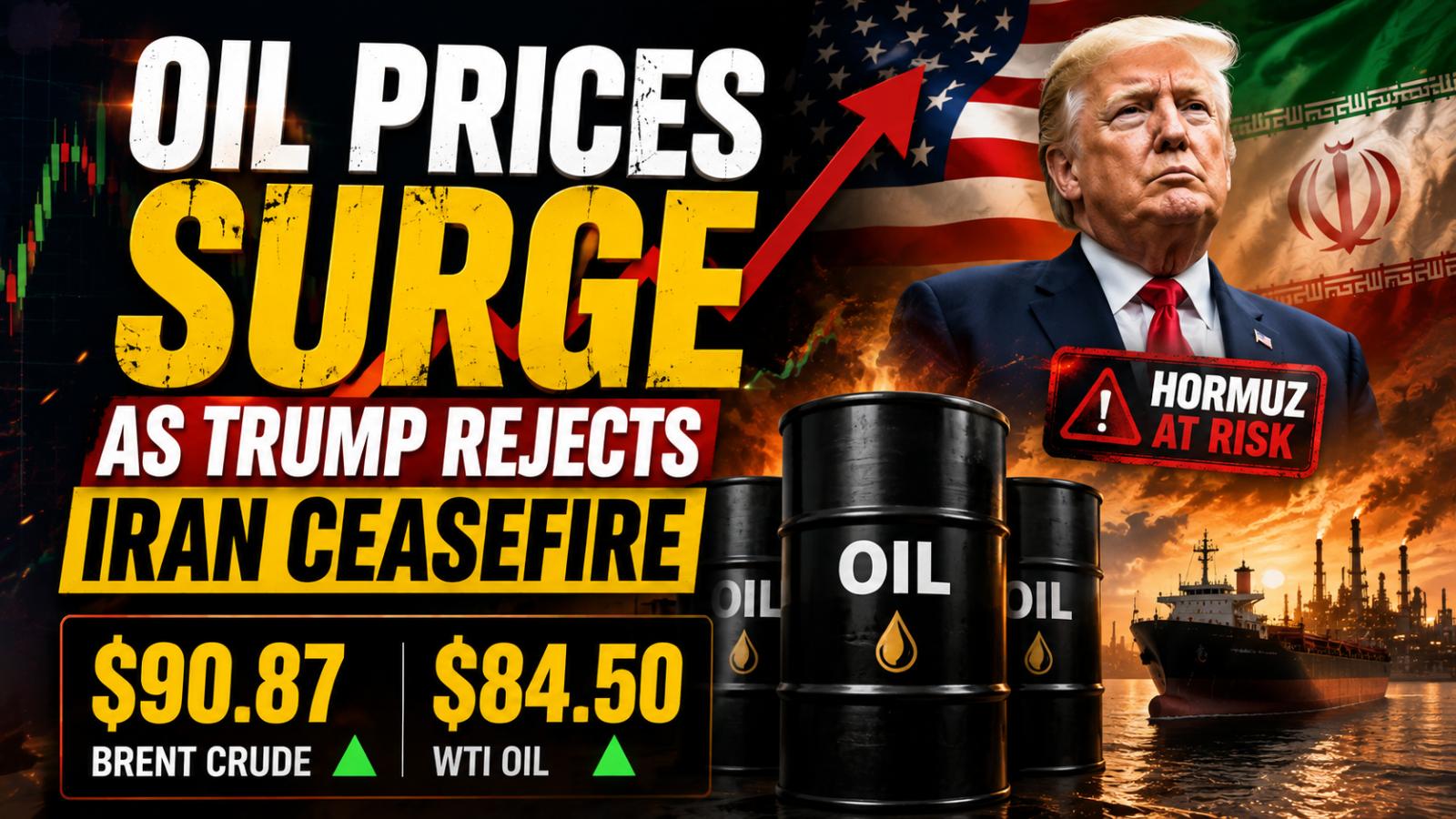
Oil prices surged on Monday as fading hopes for a US-Iran settlement renewed fears of prolonged supply disruptions in the Strait of Hormuz. Brent crude closed above $90 a barrel, while WTI oil also climbed sharply as traders reacted to stalled diplomacy and Iran's warning of possible military escalation.
Brent crude rises as Iran ceasefire hopes fade
Brent crude futures settled $2.22 higher at
Oil prices surged on Monday as fading hopes for a US-Iran settlement renewed fears of prolonged supply disruptions in the Strait of Hormuz. Brent crude closed above $90 a barrel, while WTI oil also climbed sharply as traders reacted to stalled diplomacy and Iran's warning of possible military escalation.
Brent crude rises as Iran ceasefire hopes fade
Brent crude futures settled $2.22 higher at
Iran has called for environmental protection to become part of any future Iran Strait of Hormuz arrangement after reporting oil pollution near Qeshm Island. Tehran says commercial shipping, energy consumers and other parties benefiting from the strategic waterway should share responsibility for environmental damage.
Qeshm oil spill raises environmental concer
Iran has called for environmental protection to become part of any future Iran Strait of Hormuz arrangement after reporting oil pollution near Qeshm Island. Tehran says commercial shipping, energy consumers and other parties benefiting from the strategic waterway should share responsibility for environmental damage.
Qeshm oil spill raises environmental concer
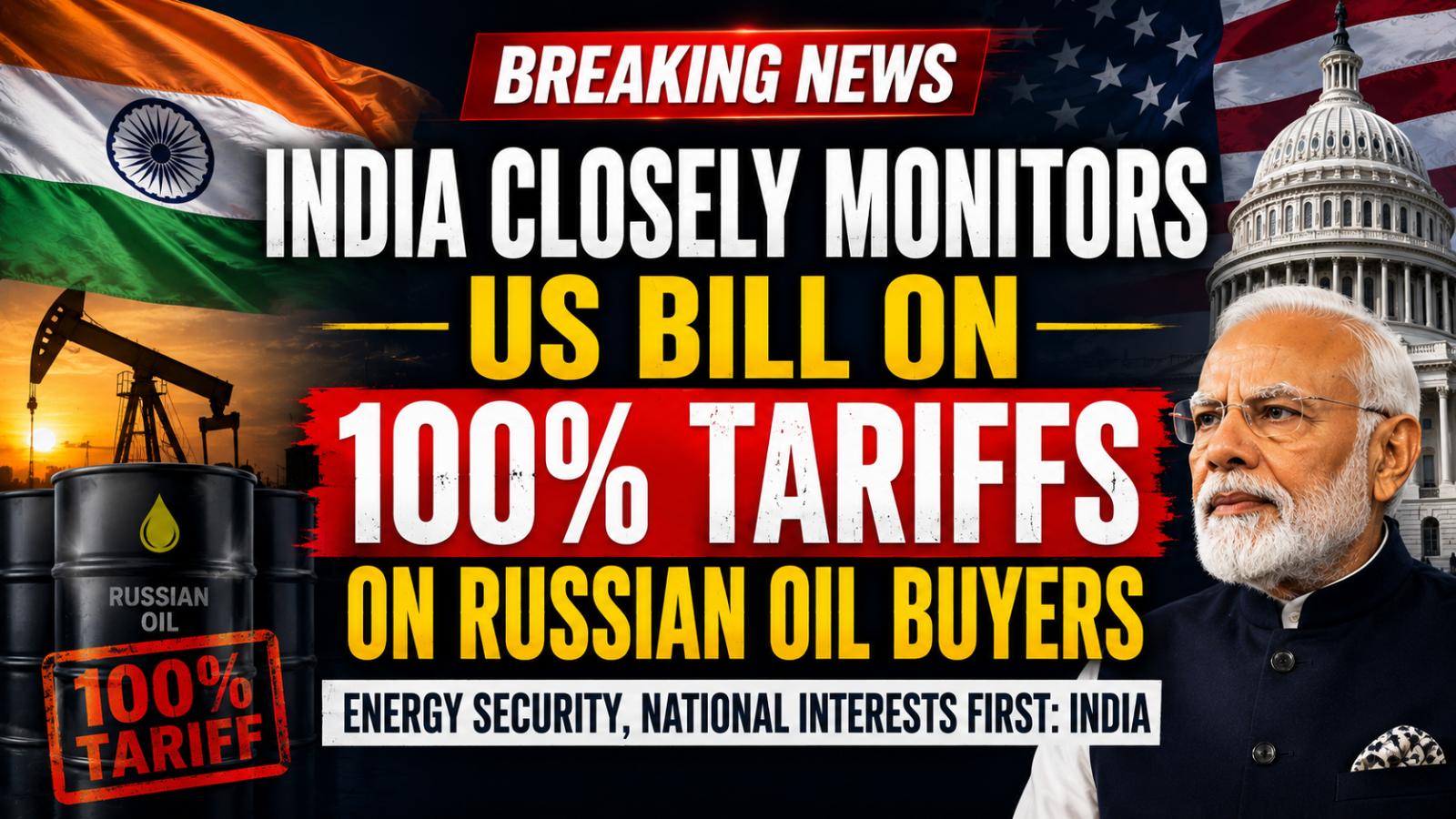
India is closely monitoring a proposed US law that could impose tariffs of up to 100 per cent on countries purchasing significant quantities of Russian oil and gas. The legislation, which has cleared the US Senate, is part of Washington’s broader effort to increase economic pressure on Moscow while discouraging continued purchases of Russian energy.
India Energy Security Remains the Government’s Priority
Speaking during the
India is closely monitoring a proposed US law that could impose tariffs of up to 100 per cent on countries purchasing significant quantities of Russian oil and gas. The legislation, which has cleared the US Senate, is part of Washington’s broader effort to increase economic pressure on Moscow while discouraging continued purchases of Russian energy.
India Energy Security Remains the Government’s Priority
Speaking during the
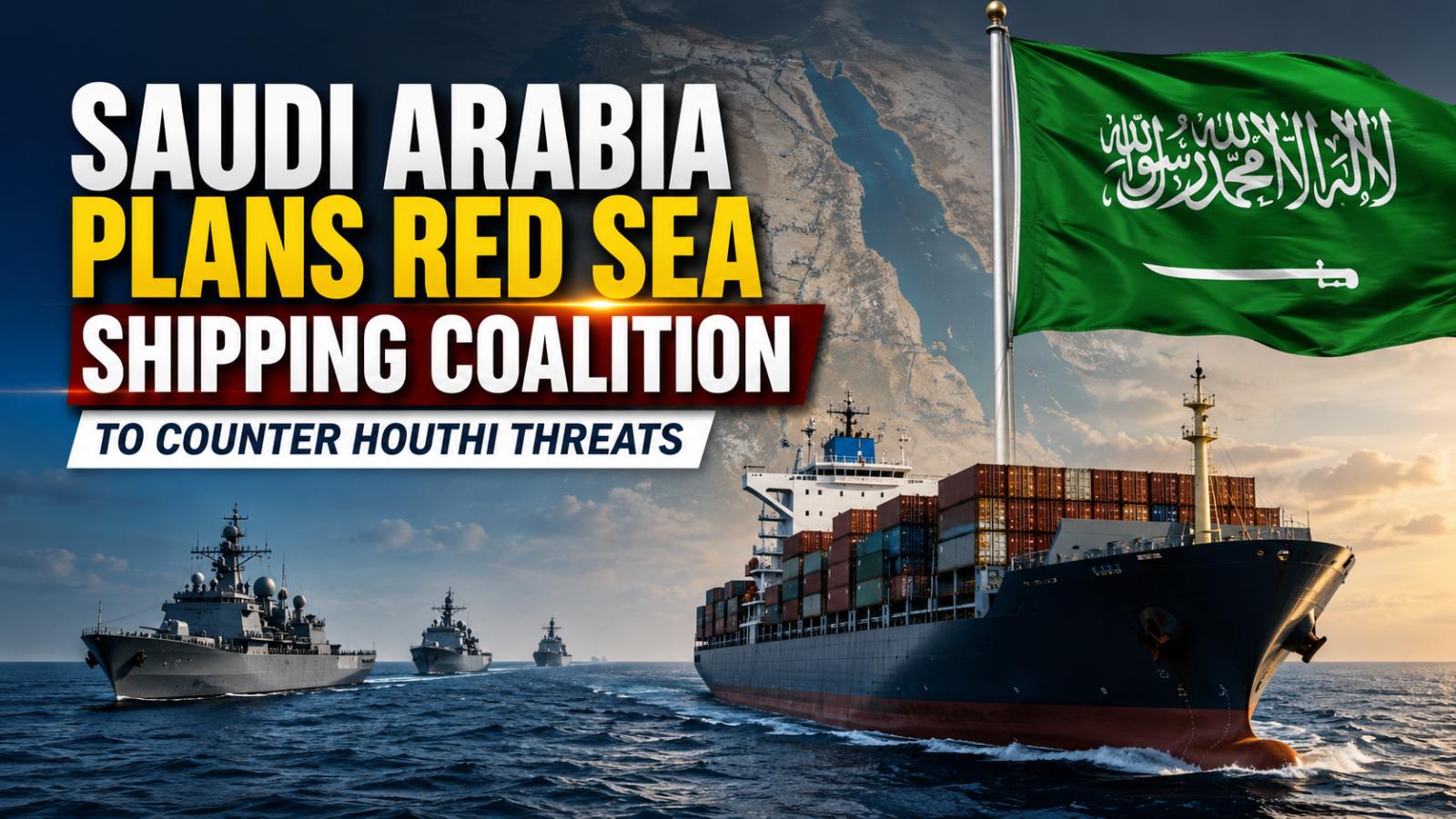
Saudi Arabia is exploring a Saudi Red Sea shipping coalition as Houthi attacks, a maritime embargo and possible vessel fees raise concerns over security, global trade and energy flows through the strategically important Bab al-Mandab Strait.
Security
Saudi Arabia is holding discussions with dozens of countries about forming an international coalition to protect commercial shipping in the Red Se
Saudi Arabia is exploring a Saudi Red Sea shipping coalition as Houthi attacks, a maritime embargo and possible vessel fees raise concerns over security, global trade and energy flows through the strategically important Bab al-Mandab Strait.
Security
Saudi Arabia is holding discussions with dozens of countries about forming an international coalition to protect commercial shipping in the Red Se
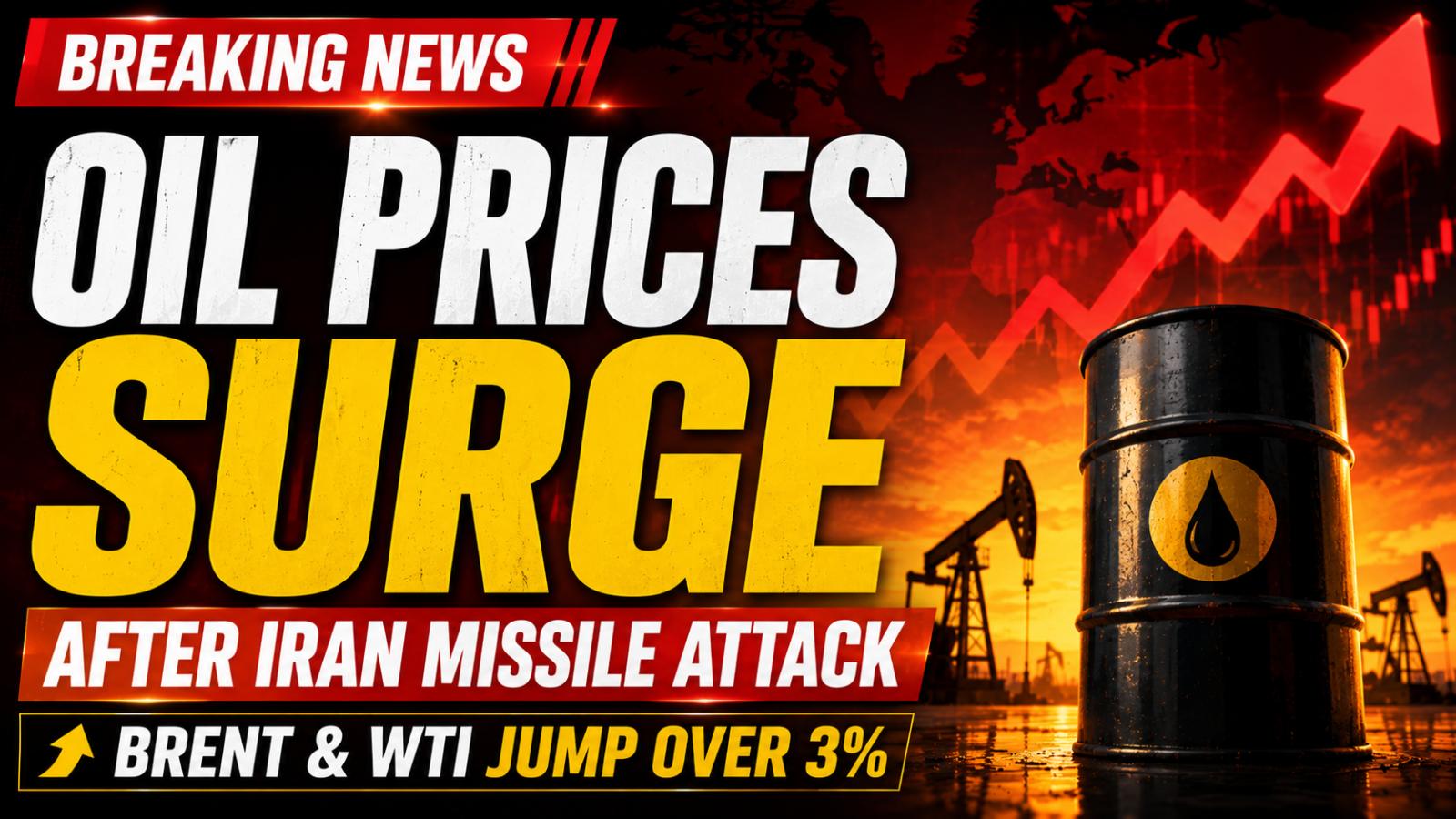
Oil prices surged in early Asian trading on Wednesday after Iran launched multiple ballistic missiles at US forces in the Middle East. The renewed military exchange pushed Brent and WTI crude higher as traders reassessed supply risks linked to the conflict and the Strait of Hormuz.
Oil Prices Surge in Asian Trading
Global oil prices climbed by more than 3 per cent during early trading on July 29 as renewed fighting between Iran and the U
Oil prices surged in early Asian trading on Wednesday after Iran launched multiple ballistic missiles at US forces in the Middle East. The renewed military exchange pushed Brent and WTI crude higher as traders reassessed supply risks linked to the conflict and the Strait of Hormuz.
Oil Prices Surge in Asian Trading
Global oil prices climbed by more than 3 per cent during early trading on July 29 as renewed fighting between Iran and the U
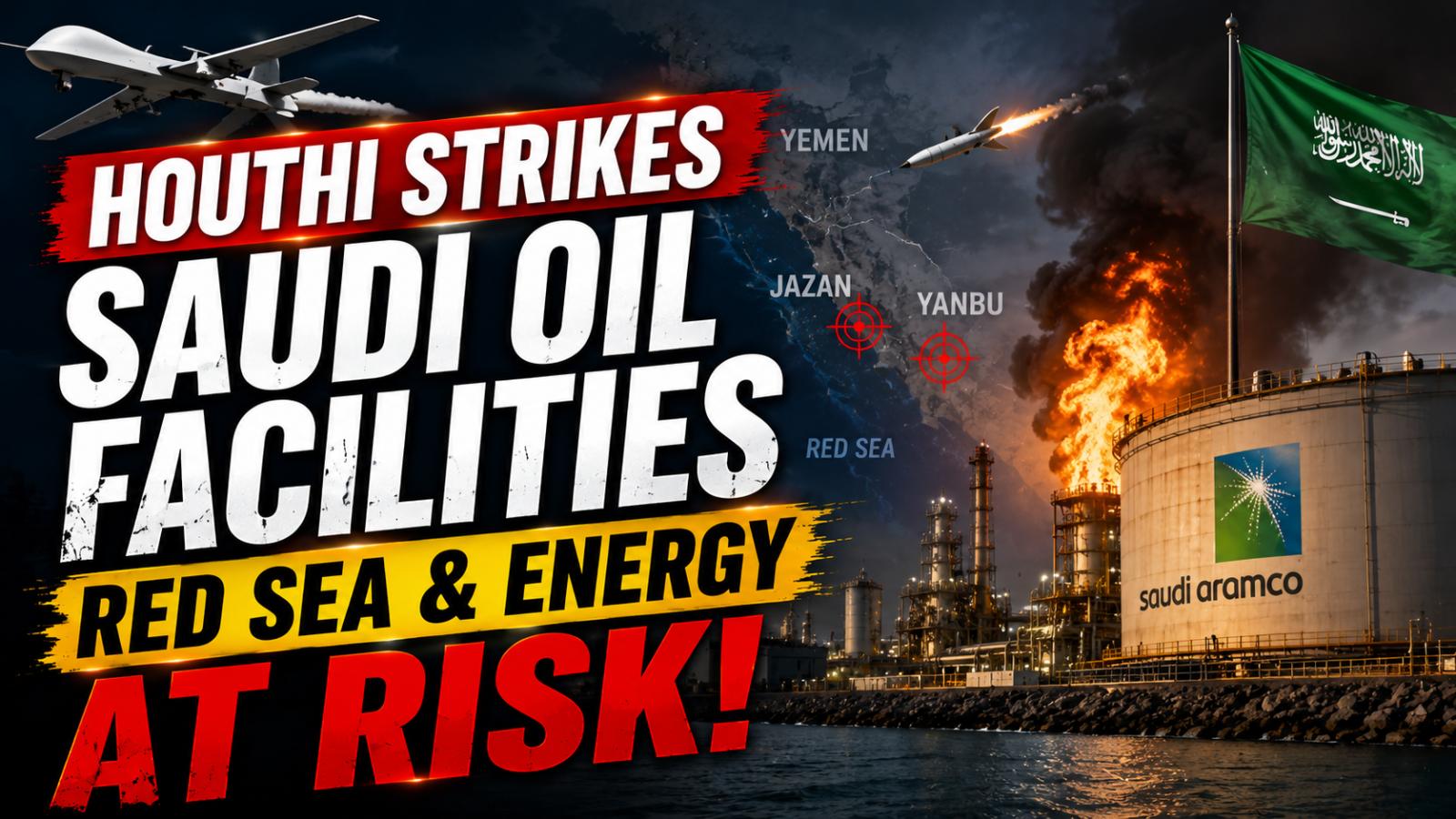
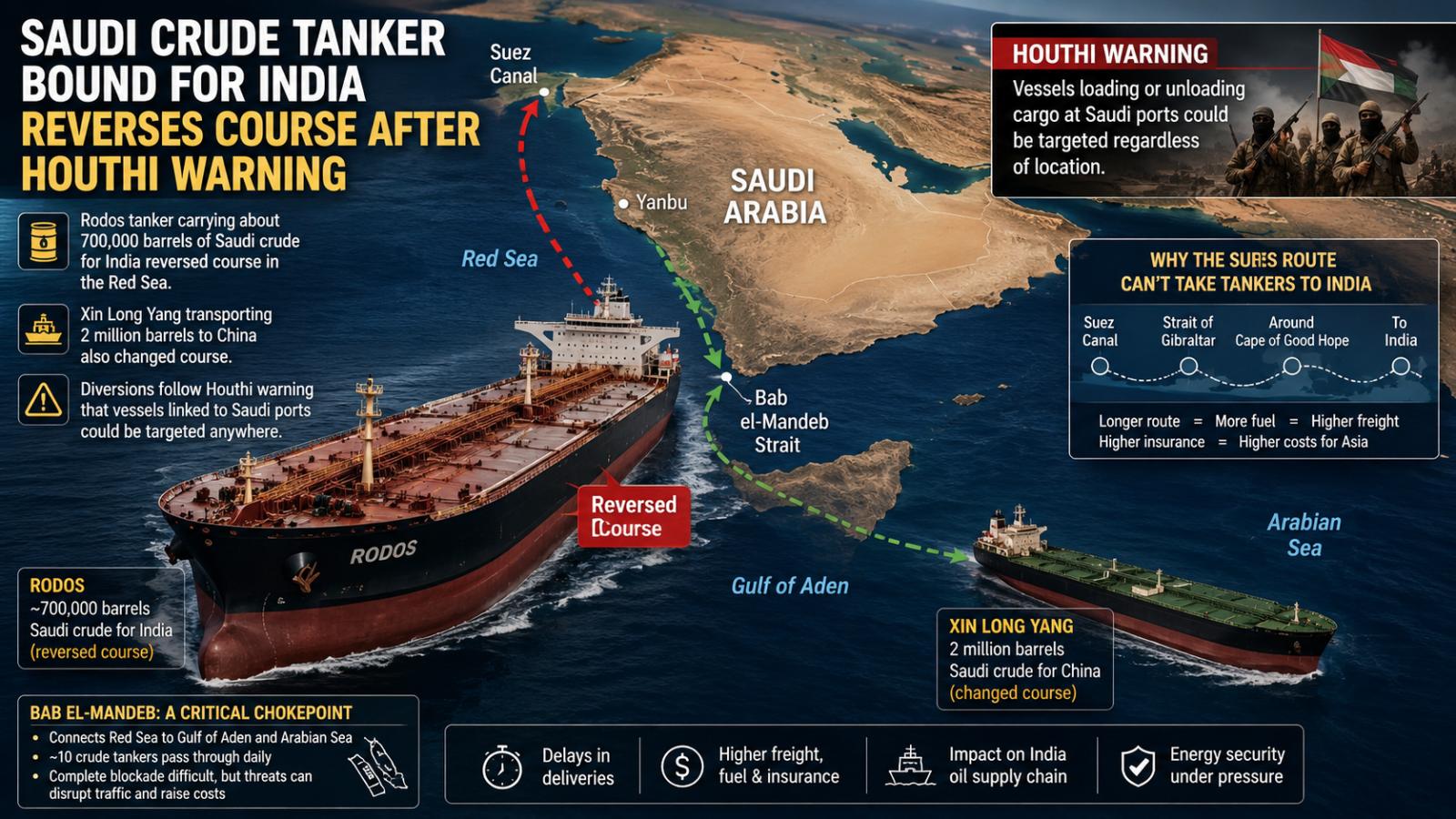
Houthi Saudi Aramco attack claims have intensified concerns over Middle East stability after the Iran-backed group said it targeted key Saudi oil facilities in Jazan and Yanbu. The reported strikes, coupled with claims of downing a Saudi drone and Iran's announcement that it has paused retaliatory operations, have added fresh uncertainty to regional security and global energy markets.
Houthi Saudi Aramco attack claims have intensified concerns over Middle East stability after the Iran-backed group said it targeted key Saudi oil facilities in Jazan and Yanbu. The reported strikes, coupled with claims of downing a Saudi drone and Iran's announcement that it has paused retaliatory operations, have added fresh uncertainty to regional security and global energy markets.
Japanese Prime Minister Sanae Takaichi has unveiled a ¥370 trillion investment strategy targeting artificial intelligence, semiconductors, quantum technology and energy by 2040. The ambitious plan aims to strengthen Japan's economic competitiveness, reduce reliance on China and accelerate long-term industrial growth, but it has also raised concerns about fiscal sustainability and rising government debt.
Japanese Prime Minister Sanae Takaichi has unveiled a ¥370 trillion investment strategy targeting artificial intelligence, semiconductors, quantum technology and energy by 2040. The ambitious plan aims to strengthen Japan's economic competitiveness, reduce reliance on China and accelerate long-term industrial growth, but it has also raised concerns about fiscal sustainability and rising government debt.
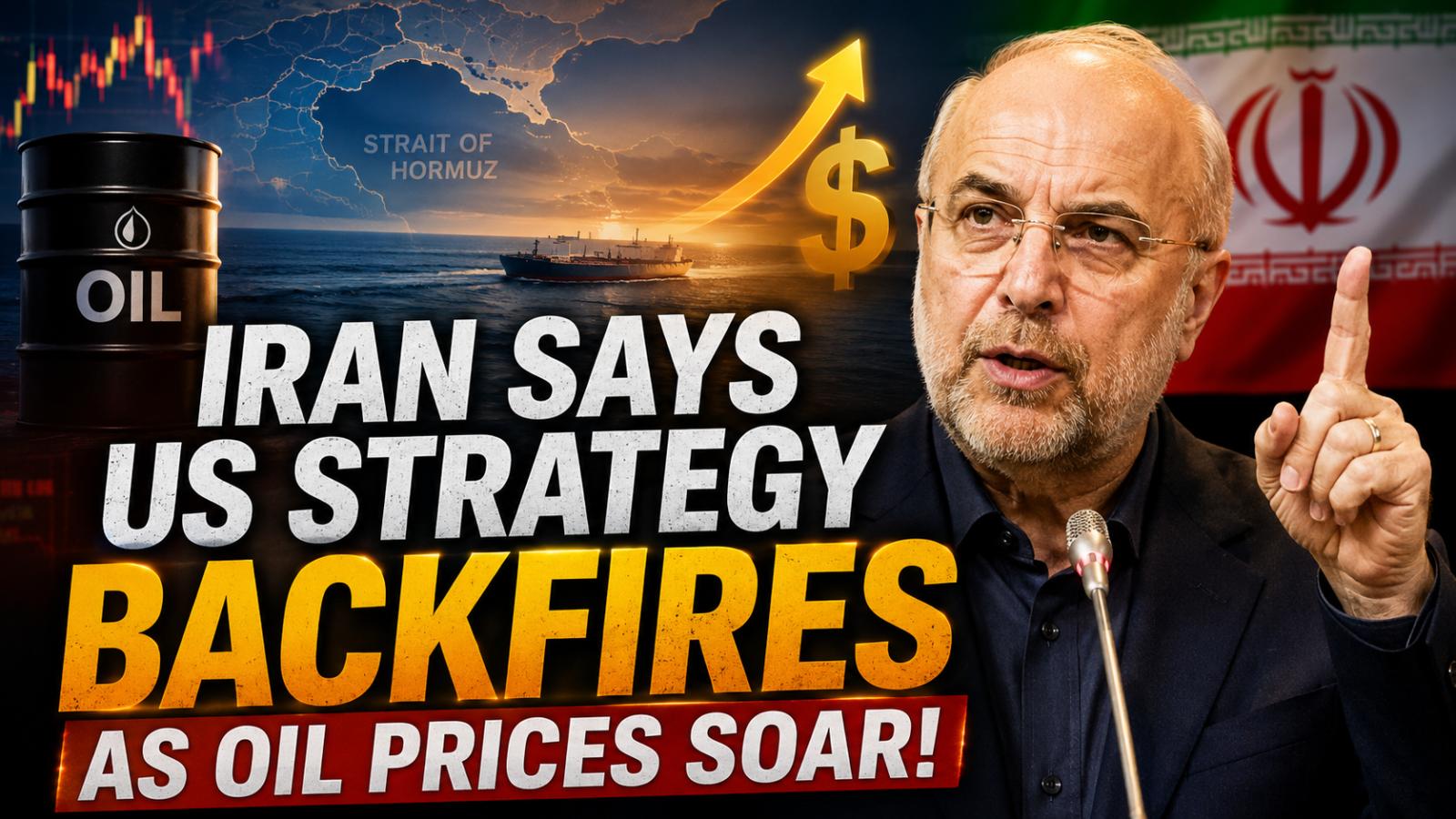
Iran Strait of Hormuz oil price warning has reignited global attention after Parliament Speaker Mohammad Bagher Ghalibaf argued that US pressure on Tehran has instead pushed oil prices higher. As Brent crude briefly crossed $100 a barrel, markets, governments and investors are closely watching developments around one of the world's most critical energy routes.
Iran Strait of Hormuz oil price warning has reignited global attention after Parliament Speaker Mohammad Bagher Ghalibaf argued that US pressure on Tehran has instead pushed oil prices higher. As Brent crude briefly crossed $100 a barrel, markets, governments and investors are closely watching developments around one of the world's most critical energy routes.
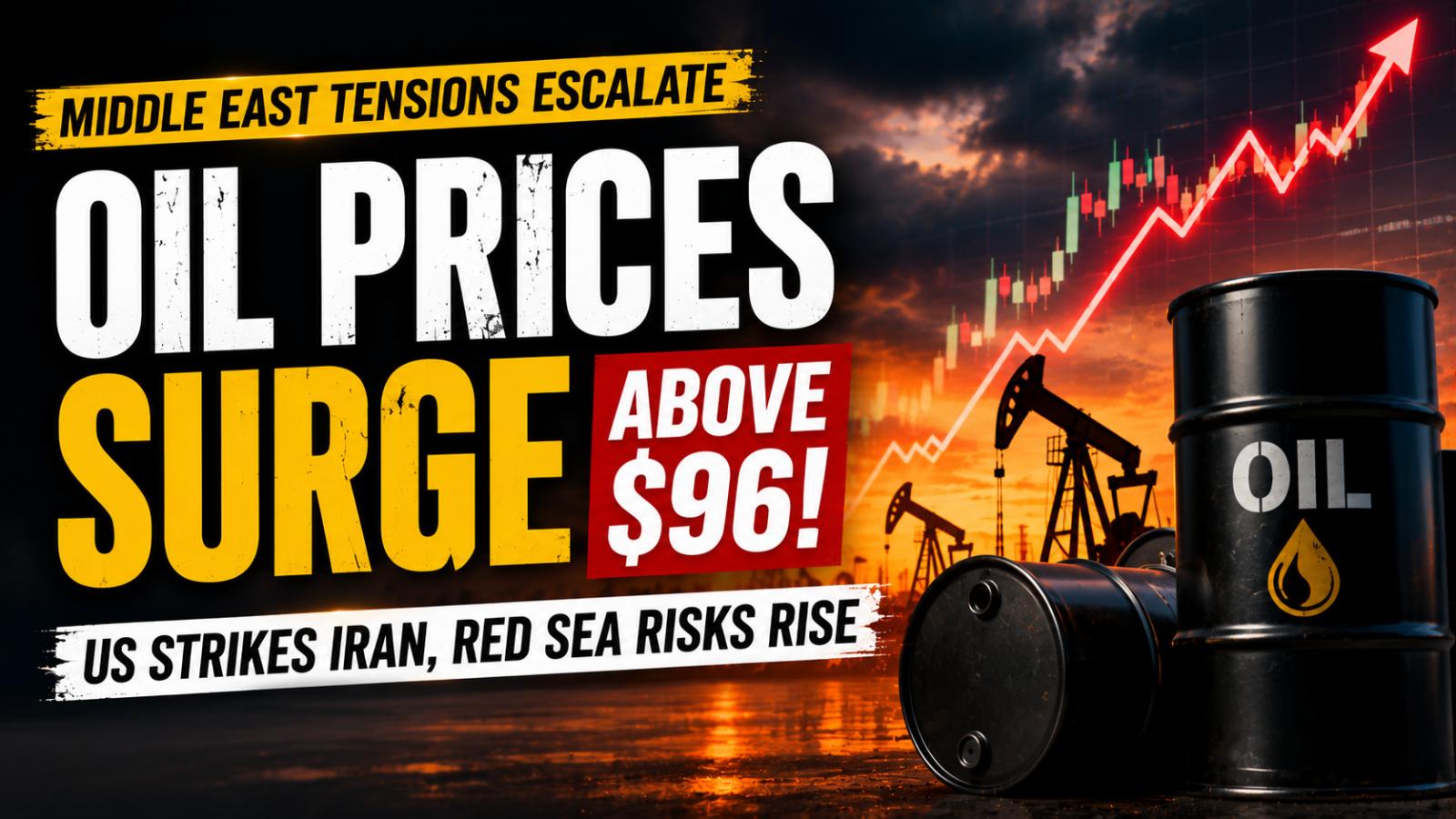
Oil prices rise as US strikes Iran and renewed attacks on Houthi targets heighten concerns over global energy supplies. Brent crude climbed above $96 a barrel while WTI gained sharply as traders reacted to escalating military tensions in the Middle East and potential risks to key shipping routes.
Brent crude climbs above $96
Global oil prices extended their rally on Thursday, July 23, after ren
Oil prices rise as US strikes Iran and renewed attacks on Houthi targets heighten concerns over global energy supplies. Brent crude climbed above $96 a barrel while WTI gained sharply as traders reacted to escalating military tensions in the Middle East and potential risks to key shipping routes.
Brent crude climbs above $96
Global oil prices extended their rally on Thursday, July 23, after ren
Canada’s C$47 million Pakistan aid package combines security funding with support for education, climate resilience and reproductive health. Foreign Minister Anita Anand’s Islamabad visit also advanced talks on trade, investment, renewable energy and agricultural cooperation.
Canada Details C$47 Million Pakistan Aid Package
Canada announced more than C$47.2 million in
Canada’s C$47 million Pakistan aid package combines security funding with support for education, climate resilience and reproductive health. Foreign Minister Anita Anand’s Islamabad visit also advanced talks on trade, investment, renewable energy and agricultural cooperation.
Canada Details C$47 Million Pakistan Aid Package
Canada announced more than C$47.2 million in