Iran says an Iran-Oman Hormuz shipping corridor could be formalized within days as Tehran prepares a new restricted maritime zone around the strategic waterway. The proposals could reshape Gulf shipping while tensions with the United States continue to disrupt commercial traffic.
Iran Oman Hormuz Shipping Corridor Nears Agreement
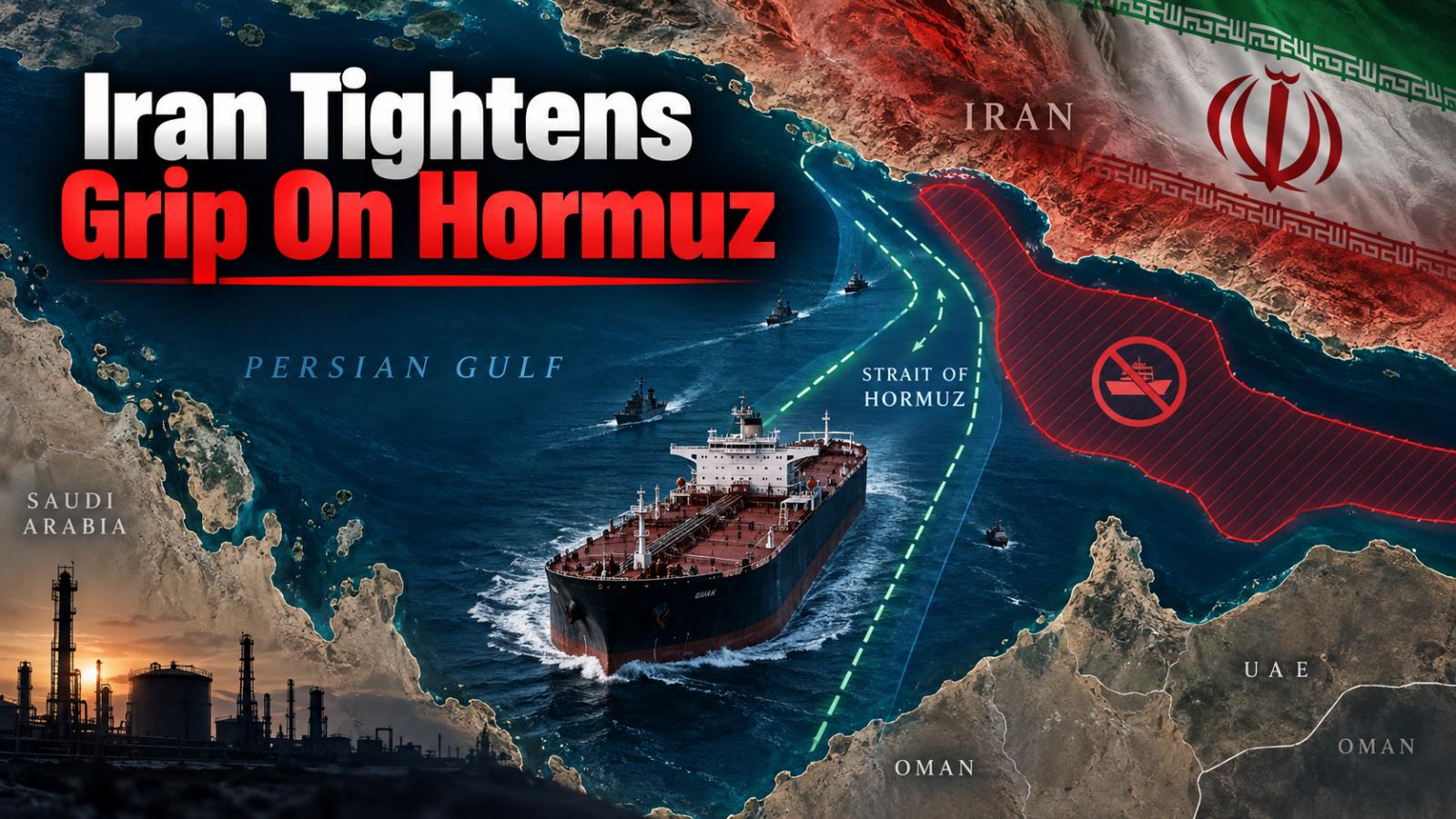
Iranian officials say Tehran and Muscat have agreed on maps for a new shipping corridor through the Strait of Hormuz and expect to finalize an agreement soon. Mohsen Rezaei, secretary of Iran’s Supreme National Security Council, said the proposed system would establish designated entry and exit routes through Iranian and Omani waters.
Iran intends to retain control over access points on its side of the corridor. Rezaei also linked a wider reopening of the strait to an end to US military action against Iranian targets.
Oman had already announced in June that it was working with the International Maritime Organization on a temporary maritime corridor designed to maintain freedom of navigation through the strait. Oman said vessels using that arrangement should coordinate with the IMO.
Iran Plans New Restricted Maritime Zone
Tehran is also preparing to declare a restricted zone extending from what Iranian officials describe as the US naval blockade line into parts of the Persian Gulf.
Rezaei said ships entering the designated area without Iranian authorization could be placed on an Iranian sanctions or blacklist system. The exact legal framework, enforcement mechanism and international recognition of such restrictions remain unclear.
The announcement signals an effort by Iran to strengthen control over maritime movements while maintaining a regulated route for selected commercial vessels.
US-Iran Tensions Disrupt Gulf Shipping
The maritime plans come after another sharp escalation between Washington and Tehran. US Central Command said American forces struck three Iranian crude-oil carriers on September 5 after Iran launched ballistic missiles toward two US Navy warships.
CENTCOM said the American vessels avoided the attacks and no US personnel were injured. Two Iranian tankers were disabled and another unladen vessel was destroyed after its crew was instructed to abandon ship.
Commercial traffic has fallen sharply amid the fighting, blockade measures and uncertainty over safe passage. The Strait of Hormuz historically carries roughly one-fifth of global oil supplies, making even temporary disruptions important for international energy markets.
Why the Strait of Hormuz Corridor Matters
A functioning Hormuz shipping corridor could provide greater predictability for vessels attempting to cross the region, but its effectiveness will depend on security guarantees, cooperation between Iran and Oman and acceptance by international shipping operators.
For energy markets, the larger concern is whether restrictions become more severe or military exchanges continue. Persistent disruption could increase tanker costs, insurance premiums and oil-price volatility far beyond the Gulf.