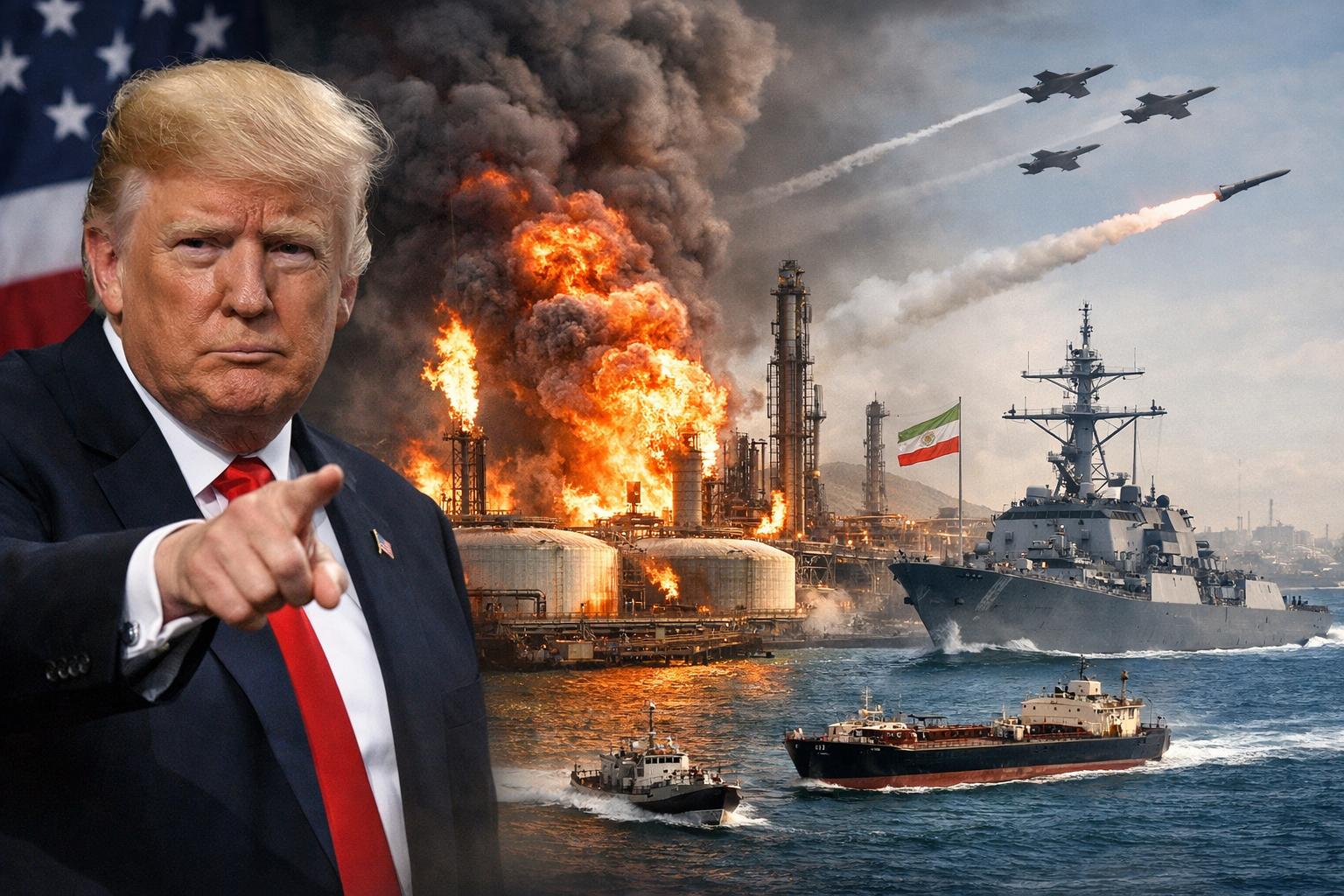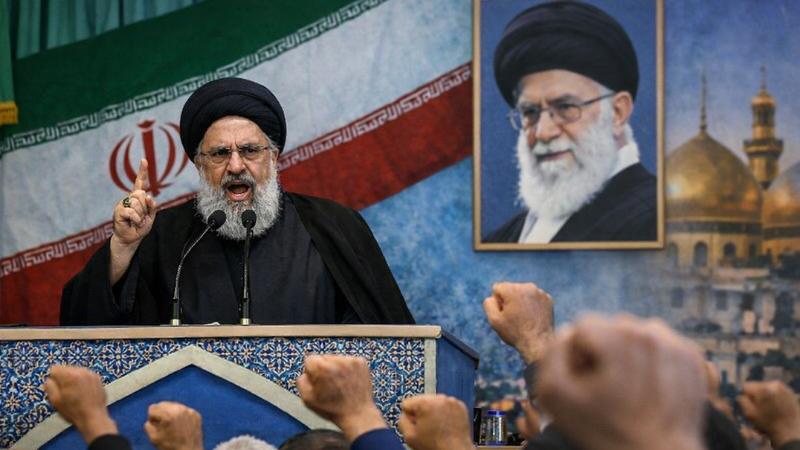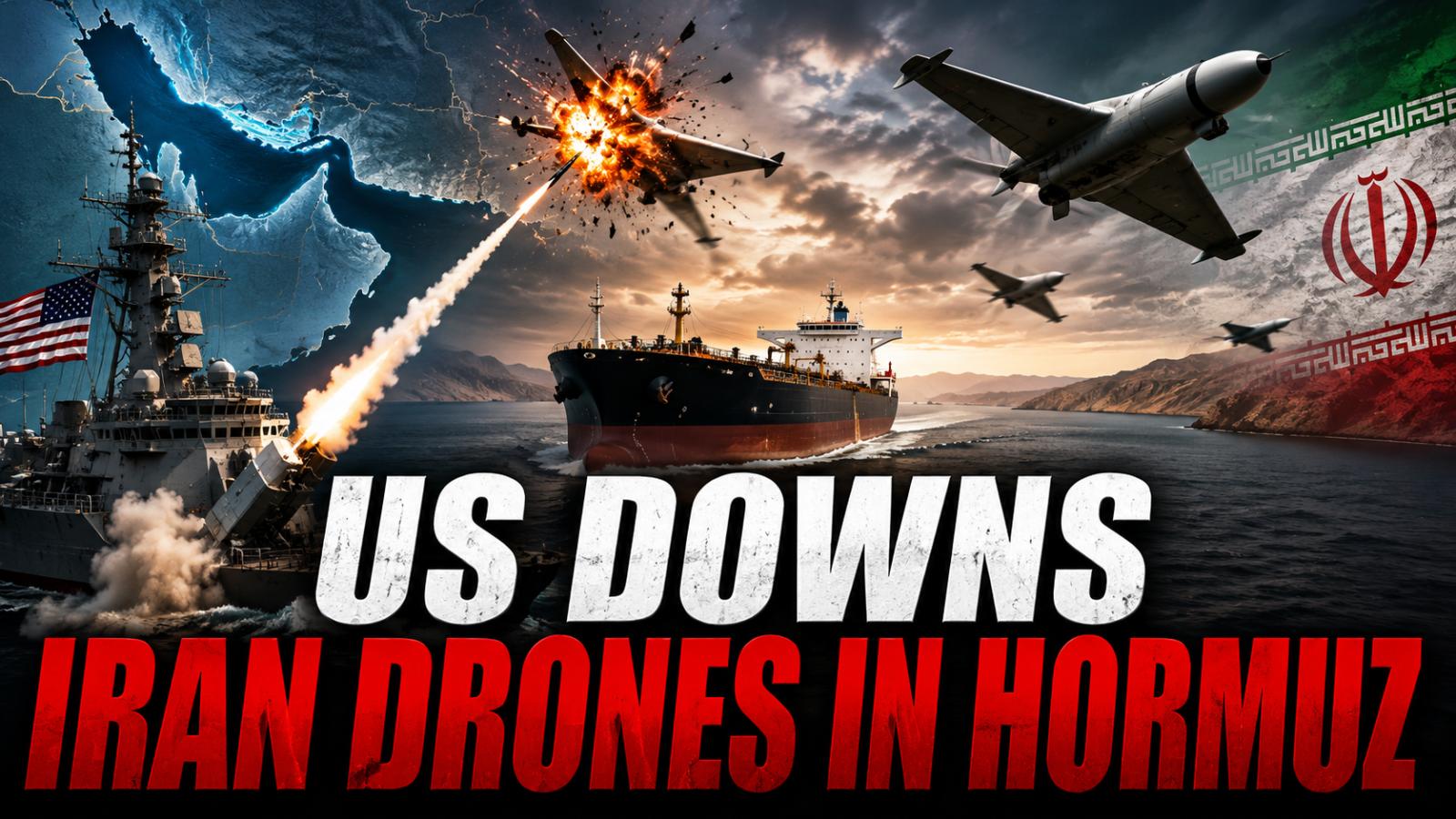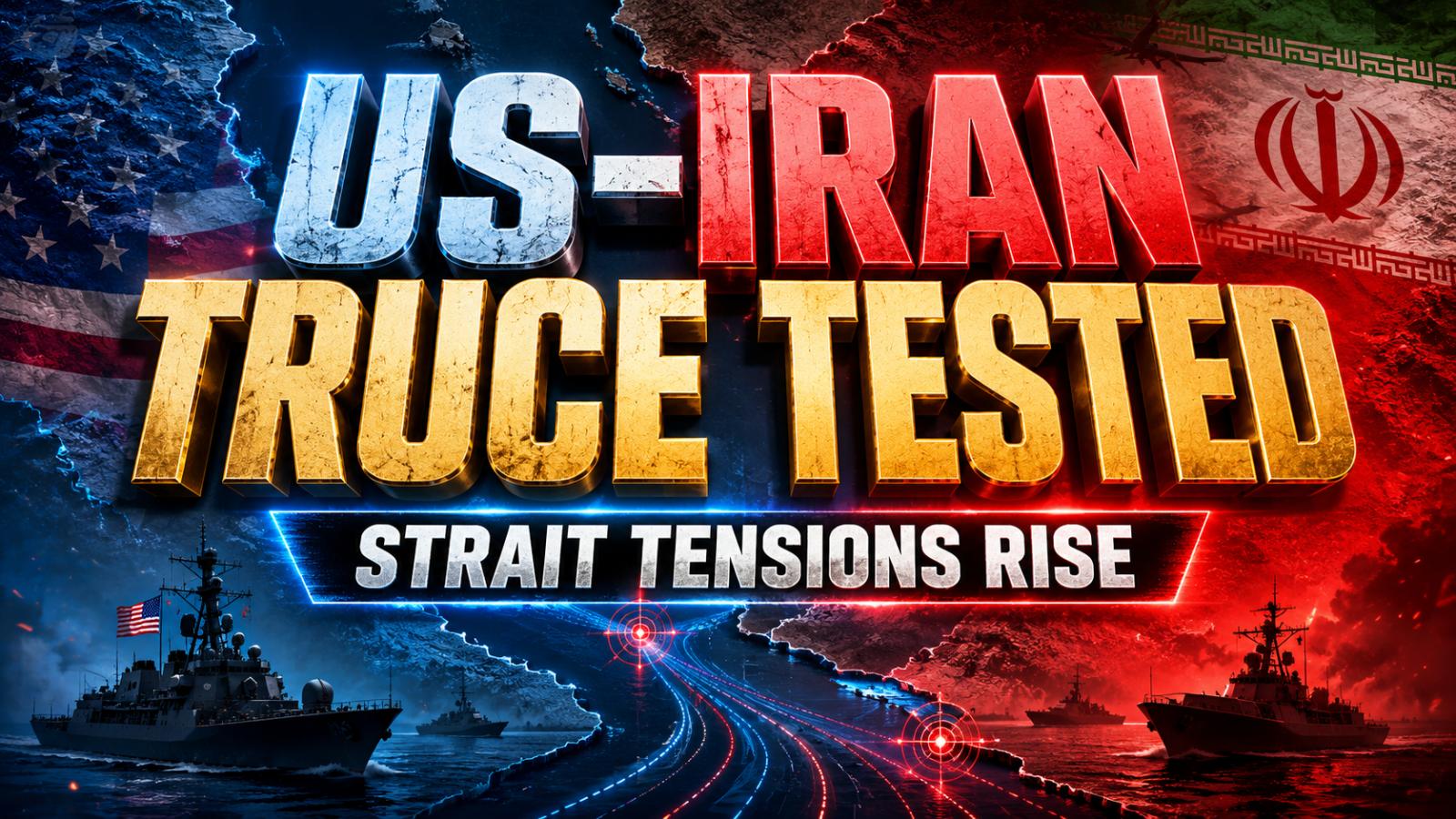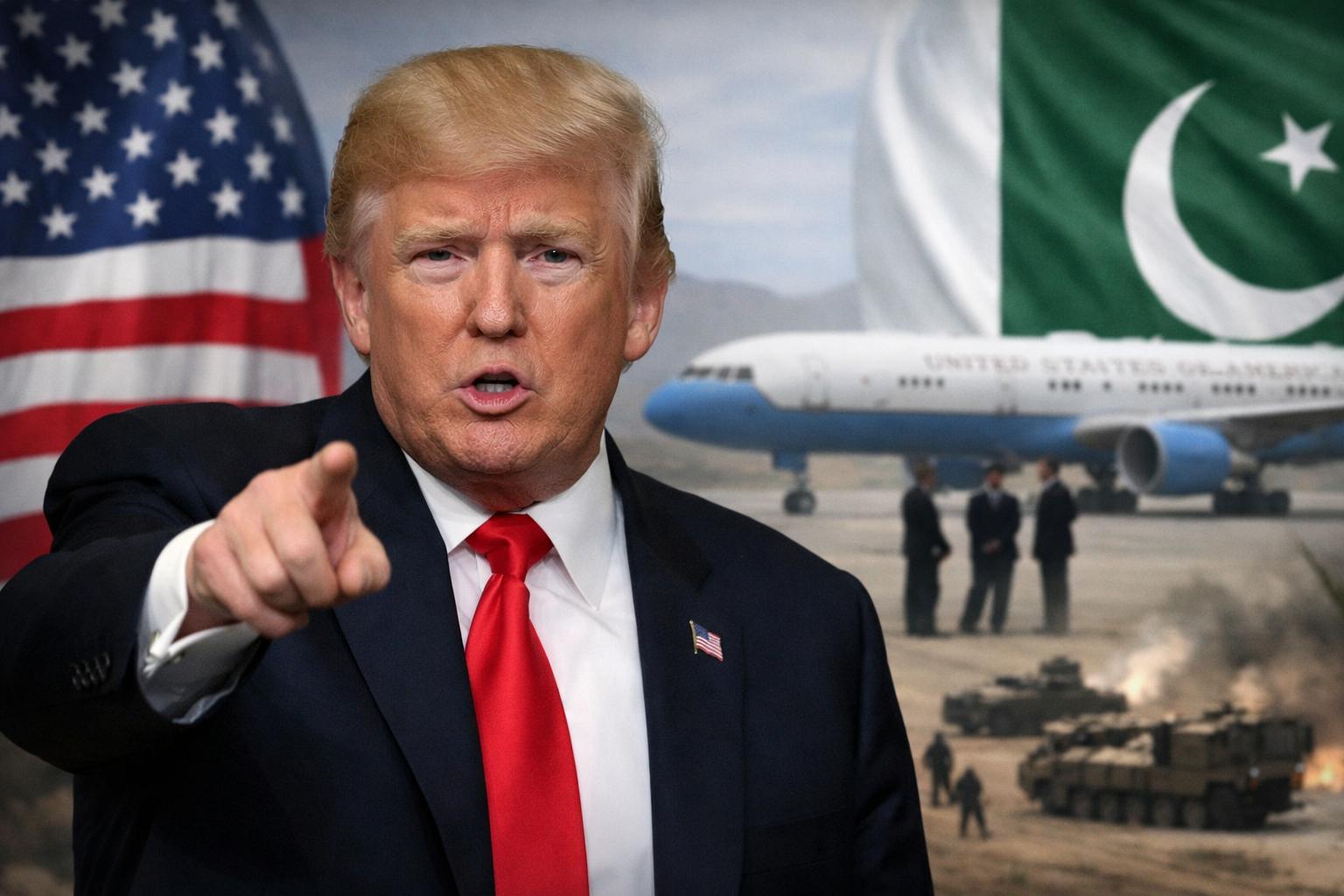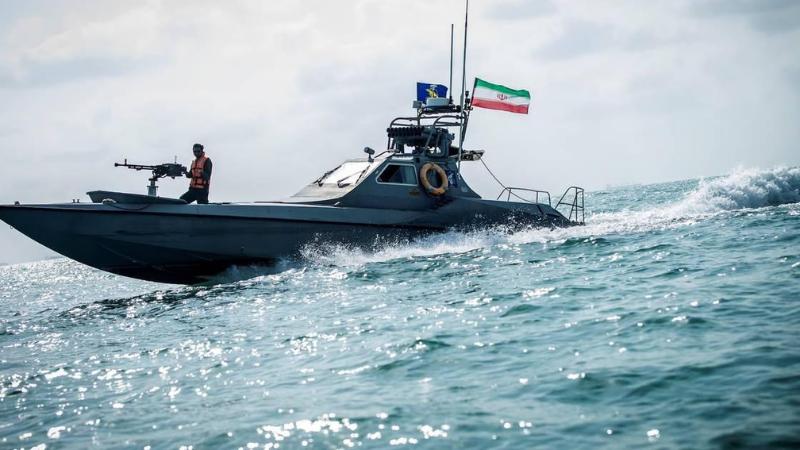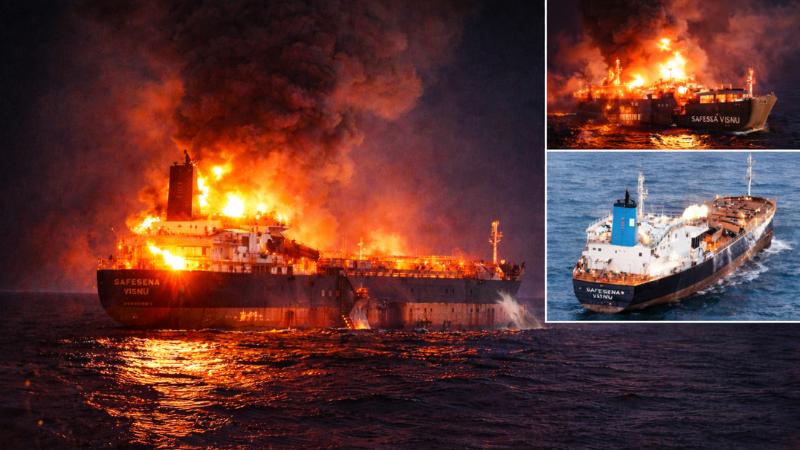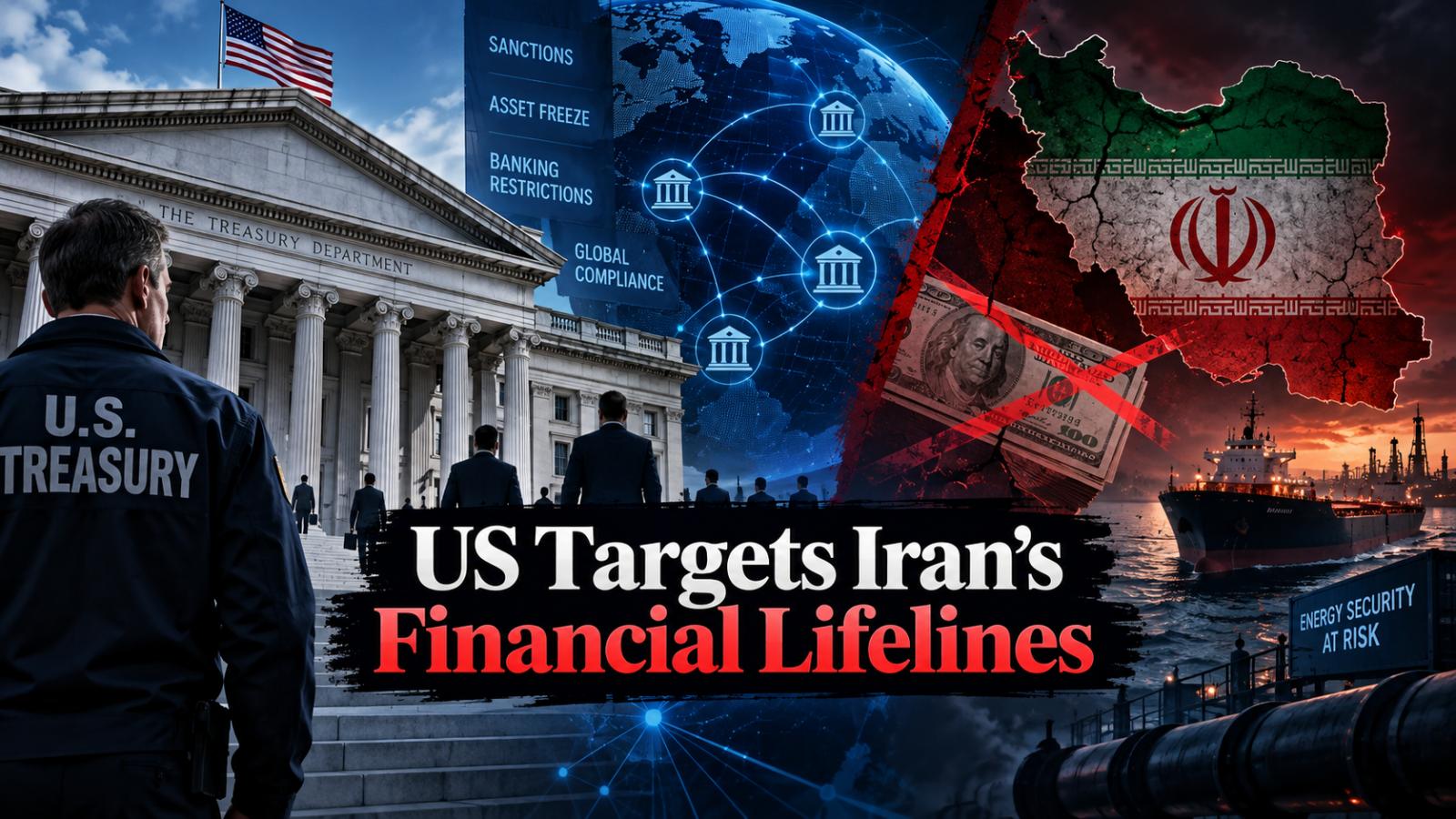
Operation Economic Outcast is expanding as the US Treasury works with global financial institutions to identify and disrupt revenue, banking and procurement networks linked to Iran. The campaign comes as Washington also warns that instability in the region could threaten global energy supplies.
Operation Economic Outcast targets Iran finance
The US Treasury said its Financial Crimes Enforcement Network convened global financial institutions on September 16 as part of Operation Economic Outcast, Washington’s broader effort to increase economic pressure on Tehran.
According to the Treasury, the meeting provided banks and other financial institutions with information intended to help them identify and shut down revenue streams and procurement networks linked to the Iranian government. The initiative is aimed at restricting Tehran’s access to international financial channels and limiting funding for military activity in the Middle East.
Treasury Secretary Scott Bessent said the administration intends to continue cutting what Washington describes as Iran’s remaining economic lifelines. US officials have also stressed the role of private financial institutions in identifying suspicious banking relationships and enforcing existing sanctions.
FinCEN focuses on banking and procurement networks
The latest meeting focused in part on facilitators that allegedly help Iranian entities maintain banking relationships or move money through international financial systems.
FinCEN has increasingly warned financial institutions about networks that may use correspondent banking, front companies, intermediaries and other channels to process Iran-linked transactions. The latest engagement gives banks additional information that could help compliance teams identify transactions connected to sanctioned or high-risk entities.
Operation Economic Outcast has also included sanctions against entities and individuals accused by the United States of supporting Iranian-linked networks, including groups operating elsewhere in the Middle East. Washington says the campaign is designed to make it harder for Tehran and its partners to obtain financing, equipment and access to global markets.
Iran sanctions campaign widens economic pressure
The financial-sector meeting follows a broader expansion of US pressure on Iran. Recent measures have targeted banking relationships, shipping, oil-linked activity, weapons procurement and other commercial channels Washington says provide revenue or resources to the Iranian government.
The US has also increased scrutiny of foreign institutions accused of helping Iran bypass sanctions. The effectiveness and wider economic effects of these measures remain subjects of debate, particularly because Iran maintains commercial relationships outside Western financial systems.
For banks, however, the immediate impact is clearer: institutions with exposure to Iran-linked transactions face increased pressure to strengthen screening, due diligence and sanctions compliance.
JD Vance warns of global energy crisis
Vice President JD Vance separately defended continued US involvement in the Middle East, arguing that a sudden American withdrawal could contribute to a worldwide energy crisis if attacks on commercial shipping continued.
Vance said disruptions to shipping could restrict the movement of oil and natural gas and put greater pressure on global energy markets. His comments reflected the administration’s argument that protecting shipping routes and energy flows remains a major reason for maintaining a US presence in the region.
The economic and security strategies are therefore increasingly connected. Operation Economic Outcast focuses on financial pressure, while US officials are also emphasizing shipping security and energy-market stability as the Iran conflict continues to affect the wider region.
Relevant internal links could point to World News, US News, Middle East, Energy Markets and Iran Sanctions coverage, along with previous reports on oil prices, shipping disruptions and US Treasury actions.