#iranmilitary
Trump Defends Pakistan Amid Iran Mediation Tensions
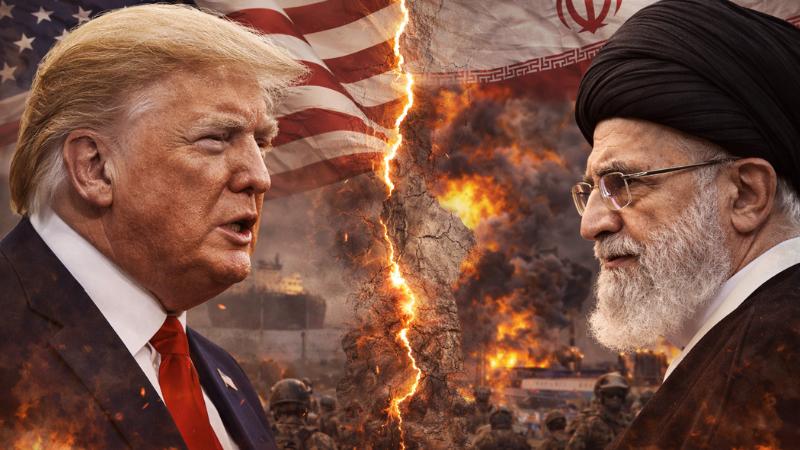
Trump Defends Pakistan's Role in Iran Talks President Donald Trump reaffirmed his trust in Pakistan’s role as a mediator in the ongoing talks with Iran, dismissing concerns raised by Senator Lindsey Graham. Trump praised Prime Minister Shehbaz Sharif and Pakistan's Army Chief, General Asim Munir, calling them “absolutely great” for their efforts in facilitating diplomatic discussions between the United States and Iran. His comments came on Ma
Trump Defends Pakistan Amid Iran Mediation Tensions
Trump Defends Pakistan's Role in Iran Talks President Donald Trump reaffirmed his trust in Pakistan’s role as a mediator in the ongoing talks with Iran, dismissing concerns raised by Senator Lindsey Graham. Trump praised Prime Minister Shehbaz Sharif and Pakistan's Army Chief, General Asim Munir, calling them “absolutely great” for their efforts in facilitating diplomatic discussions between the United States and Iran. His comments came on Ma
US Fighter Jet Strikes Iranian Tankers, Trump Awaits Iran’s Peace Proposal
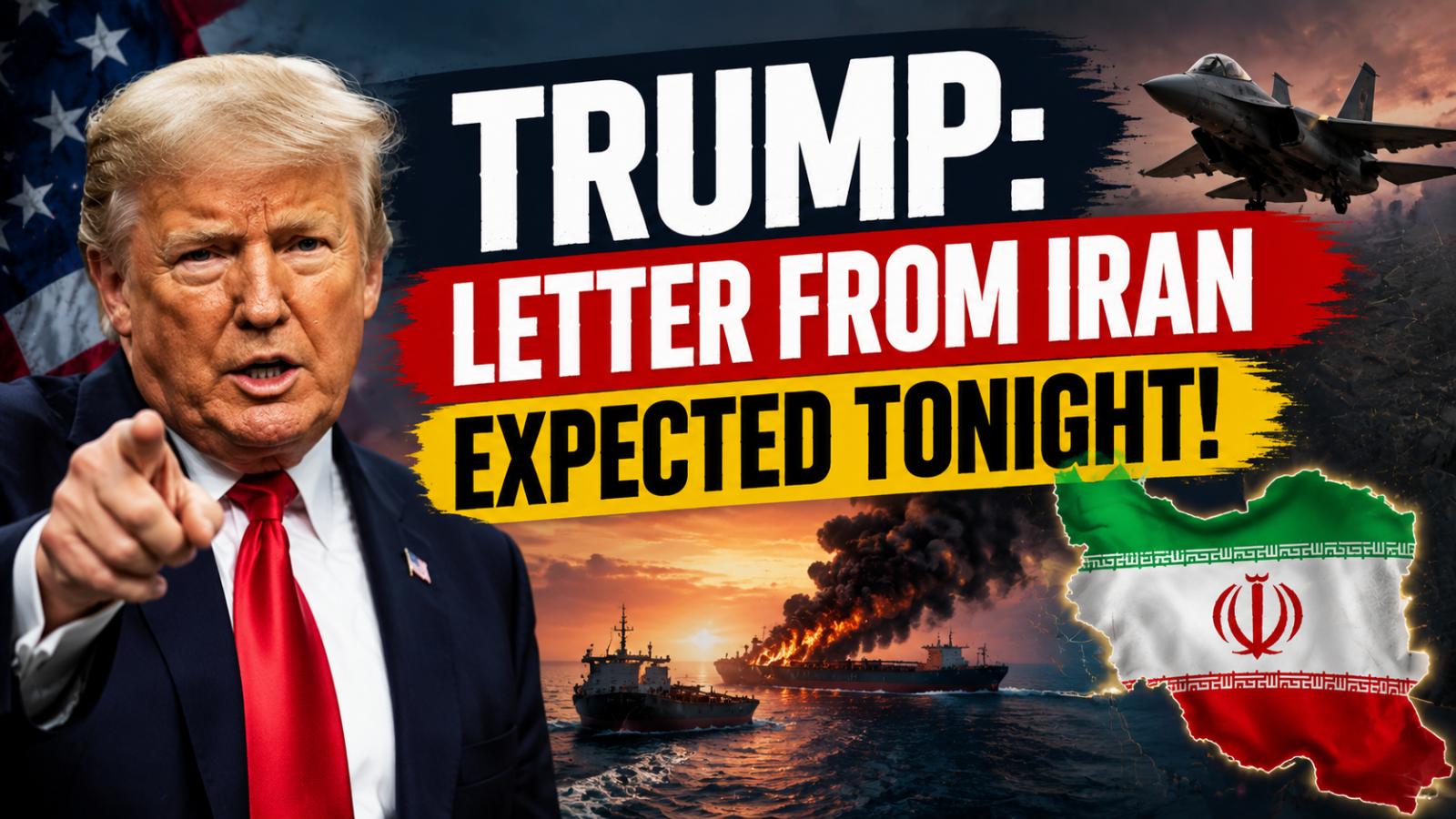
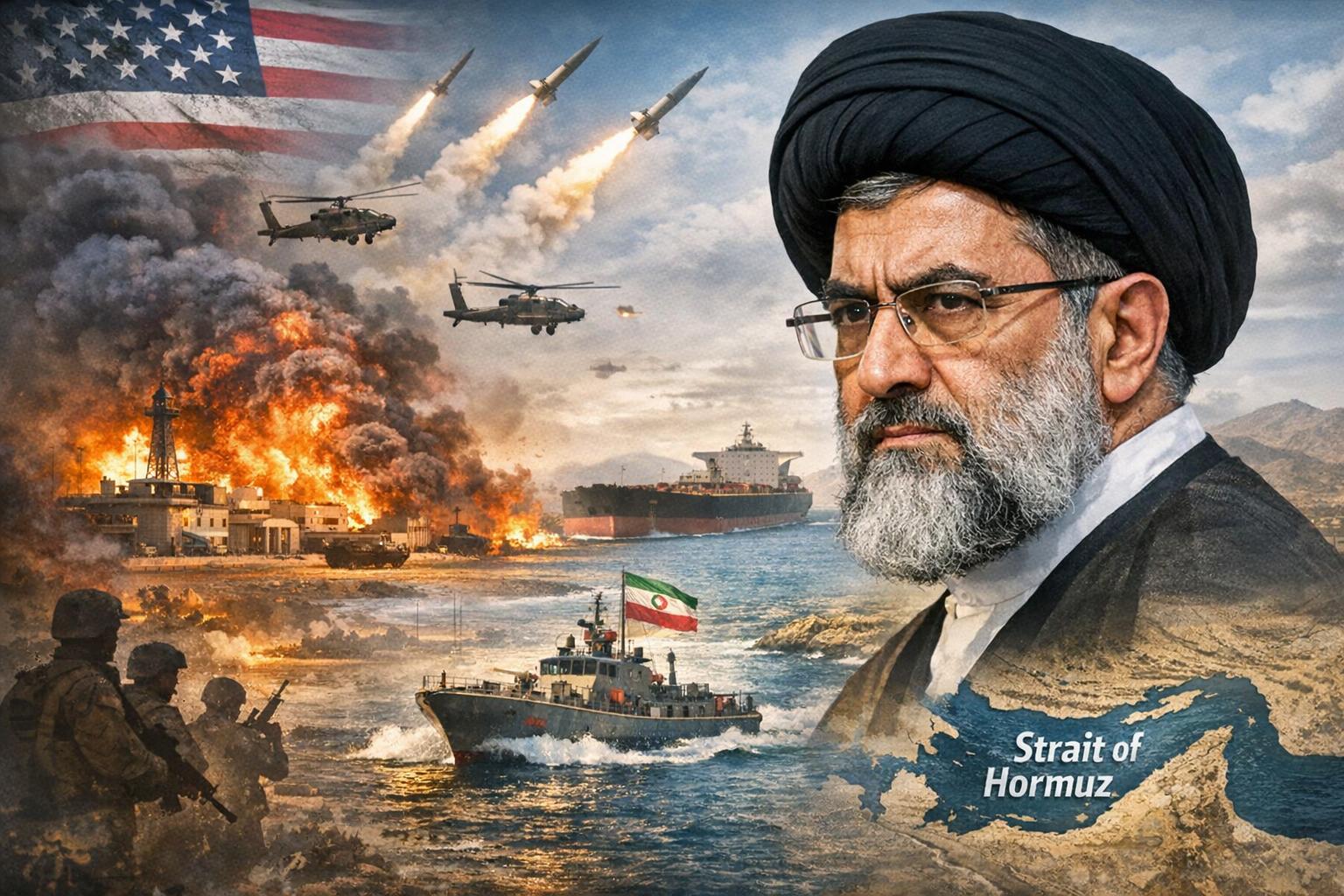
On May 8, U.S. President Donald Trump told reporters that he was expecting a letter from Iran later that night regarding his latest peace proposal. The announcement came amid a tense Friday in the Middle East, where a U.S. fighter jet disabled two Iranian-flagged vessels in the Gulf of Oman. The U.S. Central Command confirmed that the fighter jet, a U.S. Navy F/A-18 Super Hornet, used precision munitions to disable the vessels, preventing them from advancing toward Iran. The Gulf of Oman is a
US Fighter Jet Strikes Iranian Tankers, Trump Awaits Iran’s Peace Proposal
On May 8, U.S. President Donald Trump told reporters that he was expecting a letter from Iran later that night regarding his latest peace proposal. The announcement came amid a tense Friday in the Middle East, where a U.S. fighter jet disabled two Iranian-flagged vessels in the Gulf of Oman. The U.S. Central Command confirmed that the fighter jet, a U.S. Navy F/A-18 Super Hornet, used precision munitions to disable the vessels, preventing them from advancing toward Iran. The Gulf of Oman is a
How Iran’s affordable drones are challenging America’s expensive interceptors
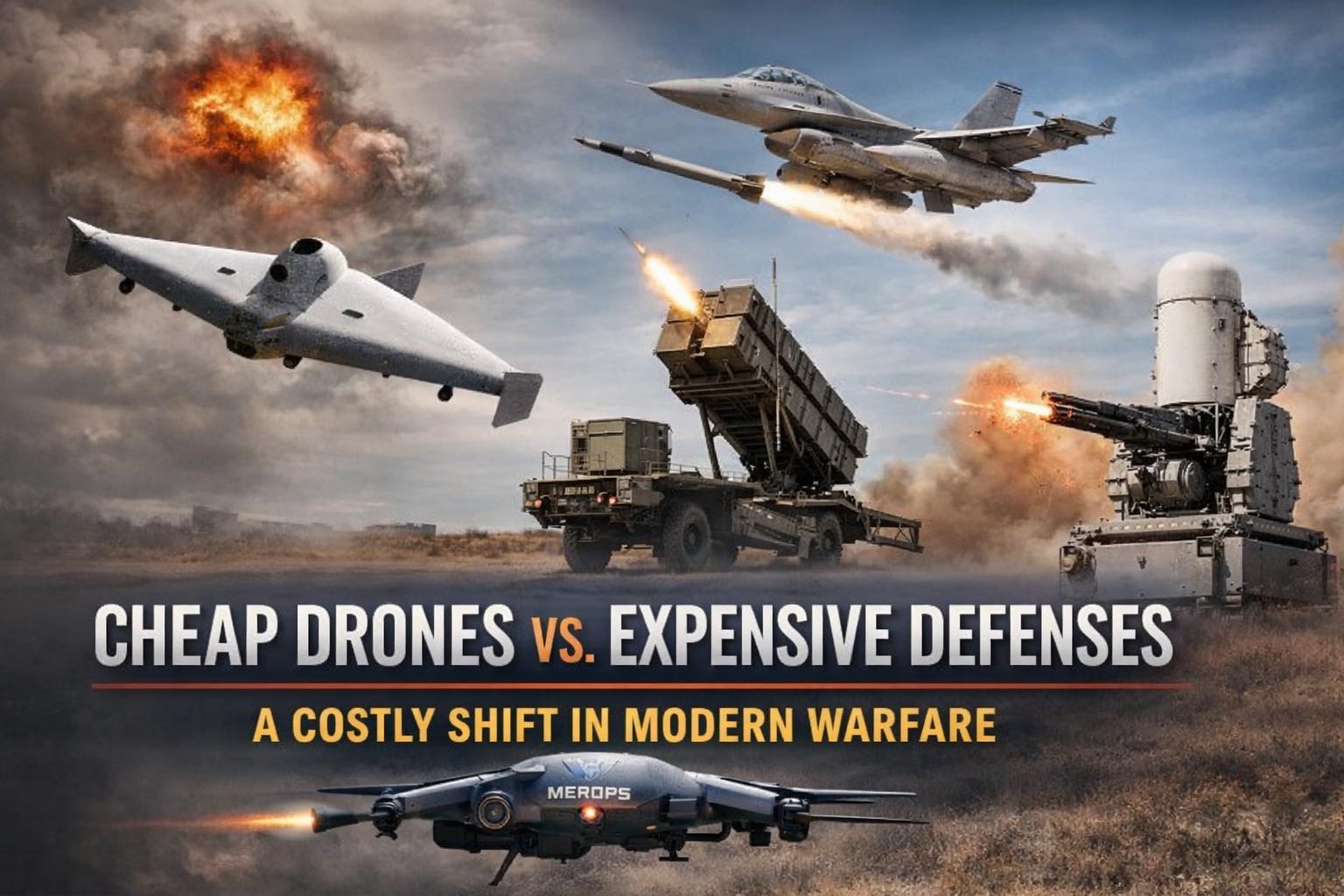
One of the most striking lessons from the war with Iran is how a relatively low-cost adversary has exposed vulnerabilities in U.S. defense strategy. Iran has demonstrated both a willingness to go on the offensive and an ability to leverage inexpensive drone technology at scale. These drones, often built with commercial-grade components, cost roughly $35,000 each—far less than the high-end interceptors used to destroy them. This imbalance has forced the United States and its allies to confront a new reality: modern warfare is no longer dominated solely by precision and sophistication, but also by affordability and volume. Cheap drones had already reshaped the battlefield in Ukraine, and Iran has now applied similar tactics in the Middle East, exploiting a long-standing gap in U.S. defense investments that favored fewer, more expensive systems over scalable solutions. Why are U.S. defenses struggling with cost efficiency? Because interceptors far exceed drone prices The financial mismatch is stark. In just the first six days of the conflict, the U.S. spent $11.3 billion, with estimates later rising to between $25 billion and $35 billion. A significant portion of that cost comes from interceptor missiles used to shoot down relatively inexpensive drones. Despite years of Pentagon focus on counter-drone capabilities, experts like Michael C. Horowitz note that there has been little urgency to scale affordable solutions. The result is a defense strategy where each engagement can cost far more than the threat itself—an unsustainable model in prolonged conflicts. How do air-based defenses work against drones? By using early detection and precision strikes—when available In an ideal scenario, airborne early warning systems detect drones hundreds of miles away. Fighter jets such as the F-16 Fighting Falcon are then deployed to intercept them using relatively cheaper rocket systems like APKWS II. This method is among the most cost-efficient, but it depends heavily on maintaining constant air patrols and intact detection systems. Iran has targeted these early warning assets, limiting their effectiveness and reducing the availability of this optimal defense approach. What role do ground and naval systems play? They offer range and reliability but at a steep price When air defenses are unavailable, the U.S. relies on ground- and sea-based systems. These include: Short-range systems like the Coyote, designed specifically for drones and relatively cost-effective—but in short supply. Naval destroyers using radar and SM-2 interceptors, which are powerful but expensive and designed for larger threats. The Patriot missile system, capable of intercepting drones from long distances using costly PAC-3 missiles. These systems were originally built to counter high-end threats like ballistic missiles, not swarms of cheap drones. As a result, they are often overkill—both technologically and financially—for the task at hand. Still, their use can be justified when defending high-value assets, such as billion-dollar radar installations or critical military infrastructure. What are the emerging solutions to counter drones? AI interceptors and lasers show promise but remain unproven New approaches aim to fix the cost imbalance. AI-powered interceptor drones, such as the Merops system developed by a company founded by Eric Schmidt, represent a potential shift toward cheaper, scalable defenses. These systems have been tested in collaboration with Ukrainian forces experienced in countering Iranian drones. The U.S. has already sent thousands of these units to the Middle East and begun training troops, though it remains unclear whether they have been deployed in combat. Meanwhile, the Pentagon has invested heavily in directed energy weapons—lasers that could cost as little as $3 per shot and reach targets up to 12 miles away. However, these systems have yet to be fielded in real-world combat. Why is ammunition depletion a growing concern? Because stockpiles may run out faster than they can be replaced Beyond cost, a more immediate concern is supply. Experts warn that interceptor stockpiles are being depleted at an alarming rate. As Tom Karako explains, the issue is not just affordability but availability: the U.S. risks running out of munitions before it can replenish them. This highlights a deeper strategic challenge. Modern conflicts—defined by mass-produced, low-cost threats—require not just advanced technology, but also sustainable production and scalable defense systems.
How Iran’s affordable drones are challenging America’s expensive interceptors
One of the most striking lessons from the war with Iran is how a relatively low-cost adversary has exposed vulnerabilities in U.S. defense strategy. Iran has demonstrated both a willingness to go on the offensive and an ability to leverage inexpensive drone technology at scale. These drones, often built with commercial-grade components, cost roughly $35,000 each—far less than the high-end interceptors used to destroy them. This imbalance has forced the United States and its allies to confront a new reality: modern warfare is no longer dominated solely by precision and sophistication, but also by affordability and volume. Cheap drones had already reshaped the battlefield in Ukraine, and Iran has now applied similar tactics in the Middle East, exploiting a long-standing gap in U.S. defense investments that favored fewer, more expensive systems over scalable solutions. Why are U.S. defenses struggling with cost efficiency? Because interceptors far exceed drone prices The financial mismatch is stark. In just the first six days of the conflict, the U.S. spent $11.3 billion, with estimates later rising to between $25 billion and $35 billion. A significant portion of that cost comes from interceptor missiles used to shoot down relatively inexpensive drones. Despite years of Pentagon focus on counter-drone capabilities, experts like Michael C. Horowitz note that there has been little urgency to scale affordable solutions. The result is a defense strategy where each engagement can cost far more than the threat itself—an unsustainable model in prolonged conflicts. How do air-based defenses work against drones? By using early detection and precision strikes—when available In an ideal scenario, airborne early warning systems detect drones hundreds of miles away. Fighter jets such as the F-16 Fighting Falcon are then deployed to intercept them using relatively cheaper rocket systems like APKWS II. This method is among the most cost-efficient, but it depends heavily on maintaining constant air patrols and intact detection systems. Iran has targeted these early warning assets, limiting their effectiveness and reducing the availability of this optimal defense approach. What role do ground and naval systems play? They offer range and reliability but at a steep price When air defenses are unavailable, the U.S. relies on ground- and sea-based systems. These include: Short-range systems like the Coyote, designed specifically for drones and relatively cost-effective—but in short supply. Naval destroyers using radar and SM-2 interceptors, which are powerful but expensive and designed for larger threats. The Patriot missile system, capable of intercepting drones from long distances using costly PAC-3 missiles. These systems were originally built to counter high-end threats like ballistic missiles, not swarms of cheap drones. As a result, they are often overkill—both technologically and financially—for the task at hand. Still, their use can be justified when defending high-value assets, such as billion-dollar radar installations or critical military infrastructure. What are the emerging solutions to counter drones? AI interceptors and lasers show promise but remain unproven New approaches aim to fix the cost imbalance. AI-powered interceptor drones, such as the Merops system developed by a company founded by Eric Schmidt, represent a potential shift toward cheaper, scalable defenses. These systems have been tested in collaboration with Ukrainian forces experienced in countering Iranian drones. The U.S. has already sent thousands of these units to the Middle East and begun training troops, though it remains unclear whether they have been deployed in combat. Meanwhile, the Pentagon has invested heavily in directed energy weapons—lasers that could cost as little as $3 per shot and reach targets up to 12 miles away. However, these systems have yet to be fielded in real-world combat. Why is ammunition depletion a growing concern? Because stockpiles may run out faster than they can be replaced Beyond cost, a more immediate concern is supply. Experts warn that interceptor stockpiles are being depleted at an alarming rate. As Tom Karako explains, the issue is not just affordability but availability: the U.S. risks running out of munitions before it can replenish them. This highlights a deeper strategic challenge. Modern conflicts—defined by mass-produced, low-cost threats—require not just advanced technology, but also sustainable production and scalable defense systems.
US and Iran Agree to Two-Week Ceasefire, Tehran to Reopen Strait of Hormuz
In a dramatic turn of events, US President Donald Trump has agreed to a two-week ceasefire with Iran, pulling back from the brink of escalating military conflict. The decision was made just hours before a self-imposed deadline for Tehran to reopen the vital Strait of Hormuz, a strategic waterway for global oil shipments, or face devastating US military strikes on Iranian civilian infrastructure. The truce, which is aimed at providing a diplomatic window to de-escalate the ongoing 40
US and Iran Agree to Two-Week Ceasefire, Tehran to Reopen Strait of Hormuz
In a dramatic turn of events, US President Donald Trump has agreed to a two-week ceasefire with Iran, pulling back from the brink of escalating military conflict. The decision was made just hours before a self-imposed deadline for Tehran to reopen the vital Strait of Hormuz, a strategic waterway for global oil shipments, or face devastating US military strikes on Iranian civilian infrastructure. The truce, which is aimed at providing a diplomatic window to de-escalate the ongoing 40
US-Iran Ceasefire Efforts on the Brink: Will a 45-Day Truce Hold?
The ongoing conflict between the United States and Iran has reached a critical juncture, with efforts to negotiate a 45-day ceasefire pushing towards a narrow window for a breakthrough. Sources involved in the discussions reveal that while negotiations continue, the chances of a deal within the next 48 hours are slim. This ceasefire is seen as a last-ditch effort to avoid large-scale military strikes on Iranian infrastructure, which could trigger retaliatory attacks on vital energy and water
US-Iran Ceasefire Efforts on the Brink: Will a 45-Day Truce Hold?
The ongoing conflict between the United States and Iran has reached a critical juncture, with efforts to negotiate a 45-day ceasefire pushing towards a narrow window for a breakthrough. Sources involved in the discussions reveal that while negotiations continue, the chances of a deal within the next 48 hours are slim. This ceasefire is seen as a last-ditch effort to avoid large-scale military strikes on Iranian infrastructure, which could trigger retaliatory attacks on vital energy and water
Iran’s Track Record of Capturing US Personnel: From 1979 to the F-15E Incident
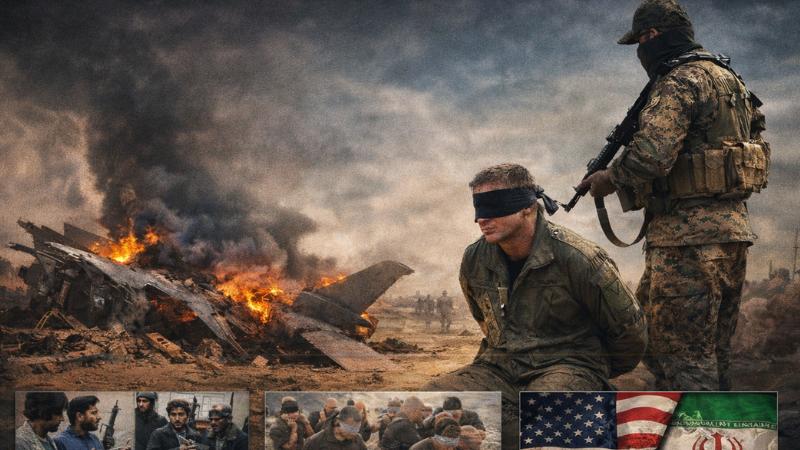
On Saturday, April 4, 2026, a significant event unfolded when Iran shot down a US F-15E fighter jet, marking the first confirmed loss of an American aircraft inside Iranian territory since the war began on February 28, 2026. The downing of the F-15E came as a shocking turn of events in the ongoing tensions between the two nations. The aircraft, which was operated by a two-member crew, resulted in one of the crew members being rescued by US forces, while the other remains missing. The incident
Iran’s Track Record of Capturing US Personnel: From 1979 to the F-15E Incident
On Saturday, April 4, 2026, a significant event unfolded when Iran shot down a US F-15E fighter jet, marking the first confirmed loss of an American aircraft inside Iranian territory since the war began on February 28, 2026. The downing of the F-15E came as a shocking turn of events in the ongoing tensions between the two nations. The aircraft, which was operated by a two-member crew, resulted in one of the crew members being rescued by US forces, while the other remains missing. The incident
US–Israel–Iran War | Mojtaba Khamenei warns of more attacks on US bases after becoming Iran’s Supreme Leader
Iran’s newly appointed Supreme Leader Mojtaba Khamenei delivered a strong and defiant message in his first public statement since assuming the country’s highest leadership position, warning that Iran will continue responding to what it describes as hostile actions by the United States and its allies. In the message broadcast on state television on Thursday, March 12, Khamenei vowed revenge for what he called crimes committed against Iran and signaled that attacks linked to ongoing regional t
US–Israel–Iran War | Mojtaba Khamenei warns of more attacks on US bases after becoming Iran’s Supreme Leader
Iran’s newly appointed Supreme Leader Mojtaba Khamenei delivered a strong and defiant message in his first public statement since assuming the country’s highest leadership position, warning that Iran will continue responding to what it describes as hostile actions by the United States and its allies. In the message broadcast on state television on Thursday, March 12, Khamenei vowed revenge for what he called crimes committed against Iran and signaled that attacks linked to ongoing regional t
US and Israel airstrikes on Iran push death toll past 1,230 amid regional tensions
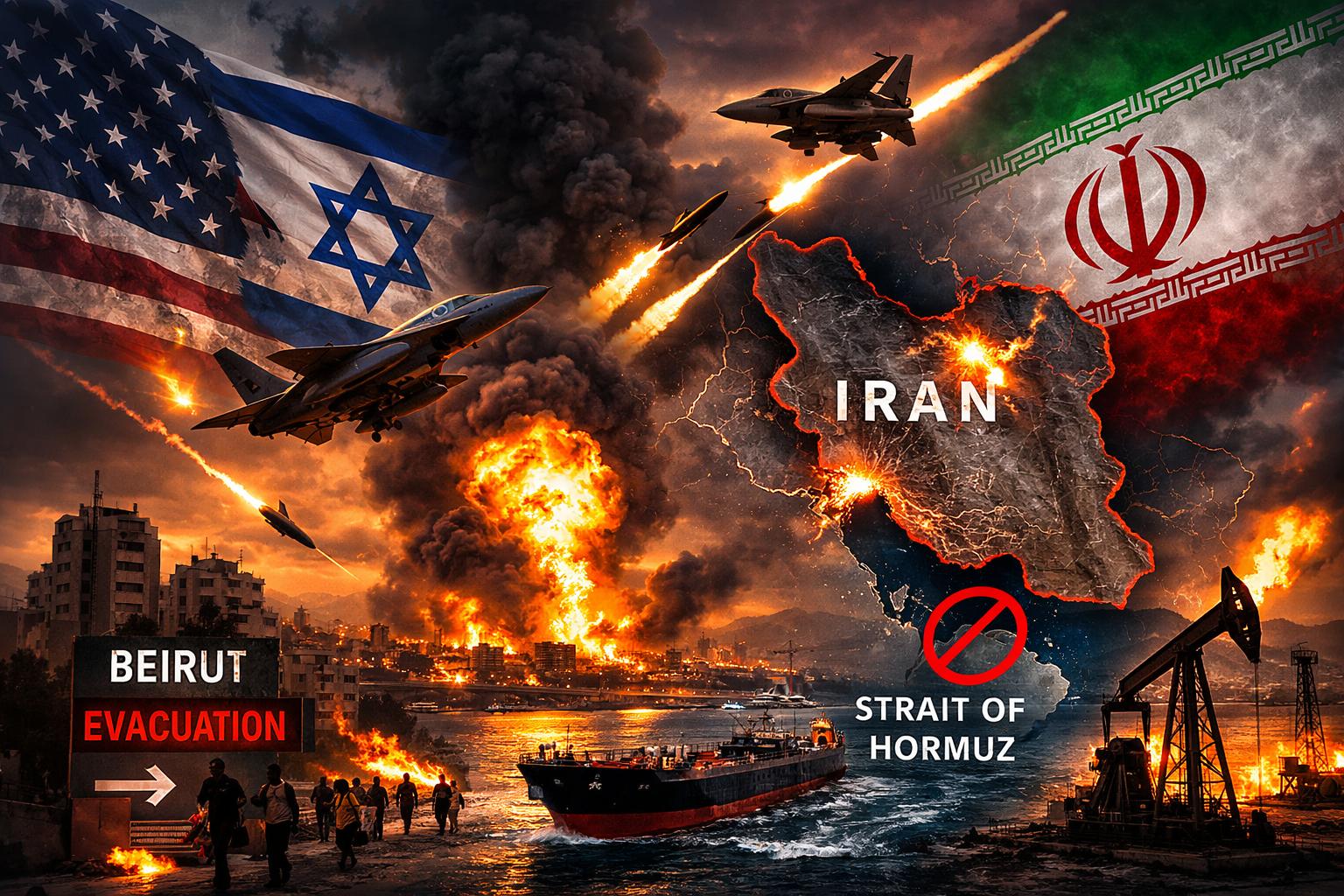
The conflict between Iran, the United States, and Israel has intensified sharply, with the death toll from ongoing airstrikes reaching at least 1,230 since Saturday. The latest developments mark a significant escalation in the Middle East conflict, raising fears of wider regional instability and disruptions to global energy supply routes. In parallel with the strikes targeting Iran, the Israeli military has issued evacuation orders for the southern suburbs of Beirut, a densely popul
US and Israel airstrikes on Iran push death toll past 1,230 amid regional tensions
The conflict between Iran, the United States, and Israel has intensified sharply, with the death toll from ongoing airstrikes reaching at least 1,230 since Saturday. The latest developments mark a significant escalation in the Middle East conflict, raising fears of wider regional instability and disruptions to global energy supply routes. In parallel with the strikes targeting Iran, the Israeli military has issued evacuation orders for the southern suburbs of Beirut, a densely popul
US–Israel–Iran War | Iran warns Israel over Beirut embassy threat amid rising military tensions
Tensions between Israel and Iran intensified on Wednesday after a senior Iranian military spokesperson warned that any attack on Iran’s embassy in Beirut could trigger retaliatory strikes against Israeli diplomatic missions worldwide. The statement reflects growing hostility between the two regional rivals as security concerns continue to rise across West Asia. Brigadier General Abolfazl Shekarchi, spokesperson for Iran’s Armed Forces, said Israel had threatened to target the Iranian emb
US–Israel–Iran War | Iran warns Israel over Beirut embassy threat amid rising military tensions
Tensions between Israel and Iran intensified on Wednesday after a senior Iranian military spokesperson warned that any attack on Iran’s embassy in Beirut could trigger retaliatory strikes against Israeli diplomatic missions worldwide. The statement reflects growing hostility between the two regional rivals as security concerns continue to rise across West Asia. Brigadier General Abolfazl Shekarchi, spokesperson for Iran’s Armed Forces, said Israel had threatened to target the Iranian emb
US and Israel intensify attacks on Iran as Trump vows retaliation after troop deaths
The United States and Israel continued coordinated military strikes inside Iran as tensions escalated following the deaths of three American service members during the latest phase of the conflict. Former US President Donald Trump said the United States would respond forcefully to the losses, warning that additional casualties could occur before the confrontation reaches a conclusion. The deaths mark the first confirmed American fatalities since the latest round of joint operations targeting Ira
US and Israel intensify attacks on Iran as Trump vows retaliation after troop deaths
The United States and Israel continued coordinated military strikes inside Iran as tensions escalated following the deaths of three American service members during the latest phase of the conflict. Former US President Donald Trump said the United States would respond forcefully to the losses, warning that additional casualties could occur before the confrontation reaches a conclusion. The deaths mark the first confirmed American fatalities since the latest round of joint operations targeting Ira
Asia’s largest armies in 2025 as China and India lead global military strength
Asia’s military landscape in 2025 presents a scale that is both staggering and deeply significant for the balance of world power. Stretching from nuclear powers with global ambitions to smaller states entrenched in historical rivalries, the continent fields some of the largest armies on Earth. The presence of such massive forces goes beyond sheer numbers of soldiers. It represents power projection, deterrence, and the tensions that shape Asia’s political and security environment. Acc
Asia’s largest armies in 2025 as China and India lead global military strength
Asia’s military landscape in 2025 presents a scale that is both staggering and deeply significant for the balance of world power. Stretching from nuclear powers with global ambitions to smaller states entrenched in historical rivalries, the continent fields some of the largest armies on Earth. The presence of such massive forces goes beyond sheer numbers of soldiers. It represents power projection, deterrence, and the tensions that shape Asia’s political and security environment. Acc