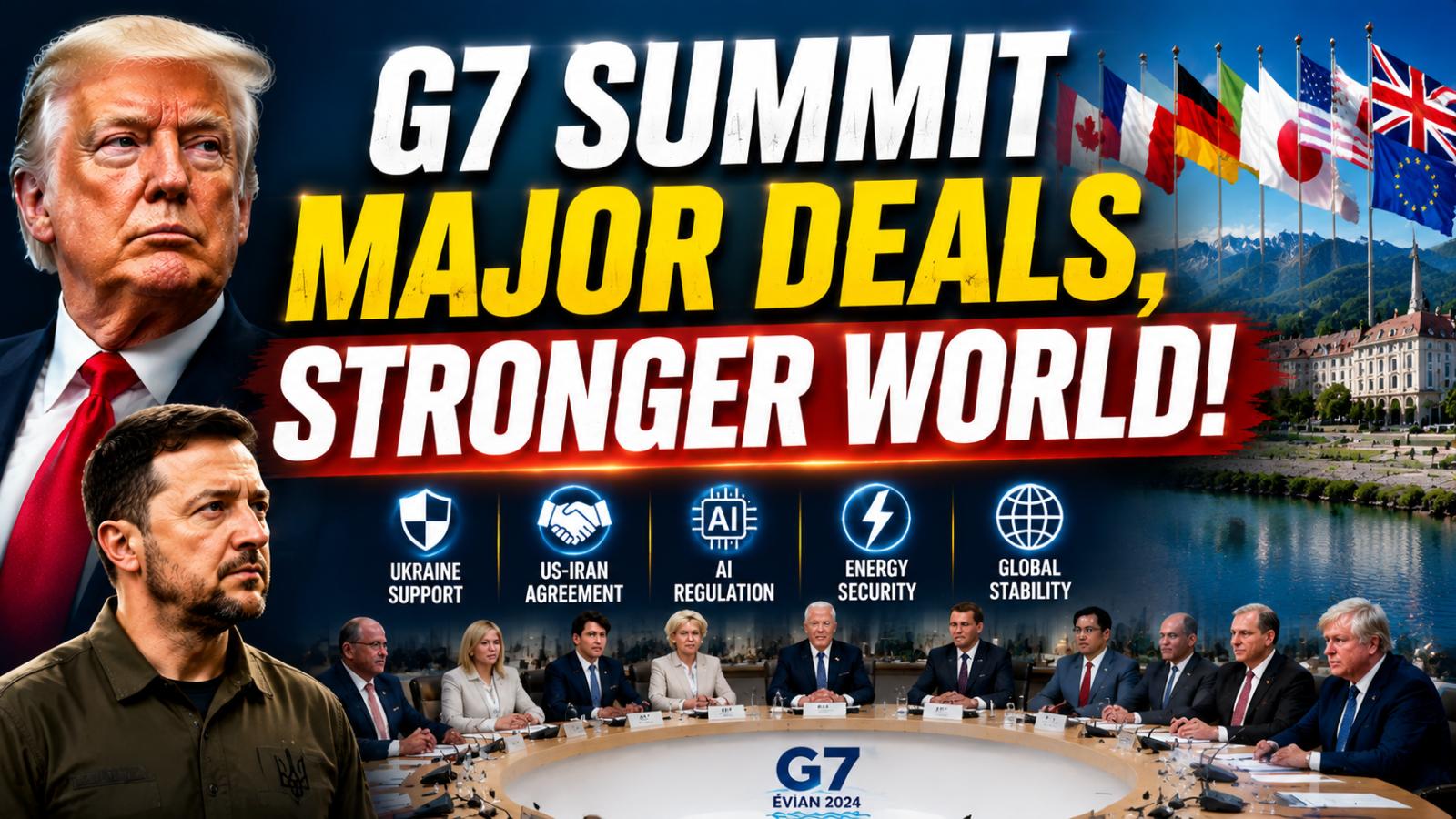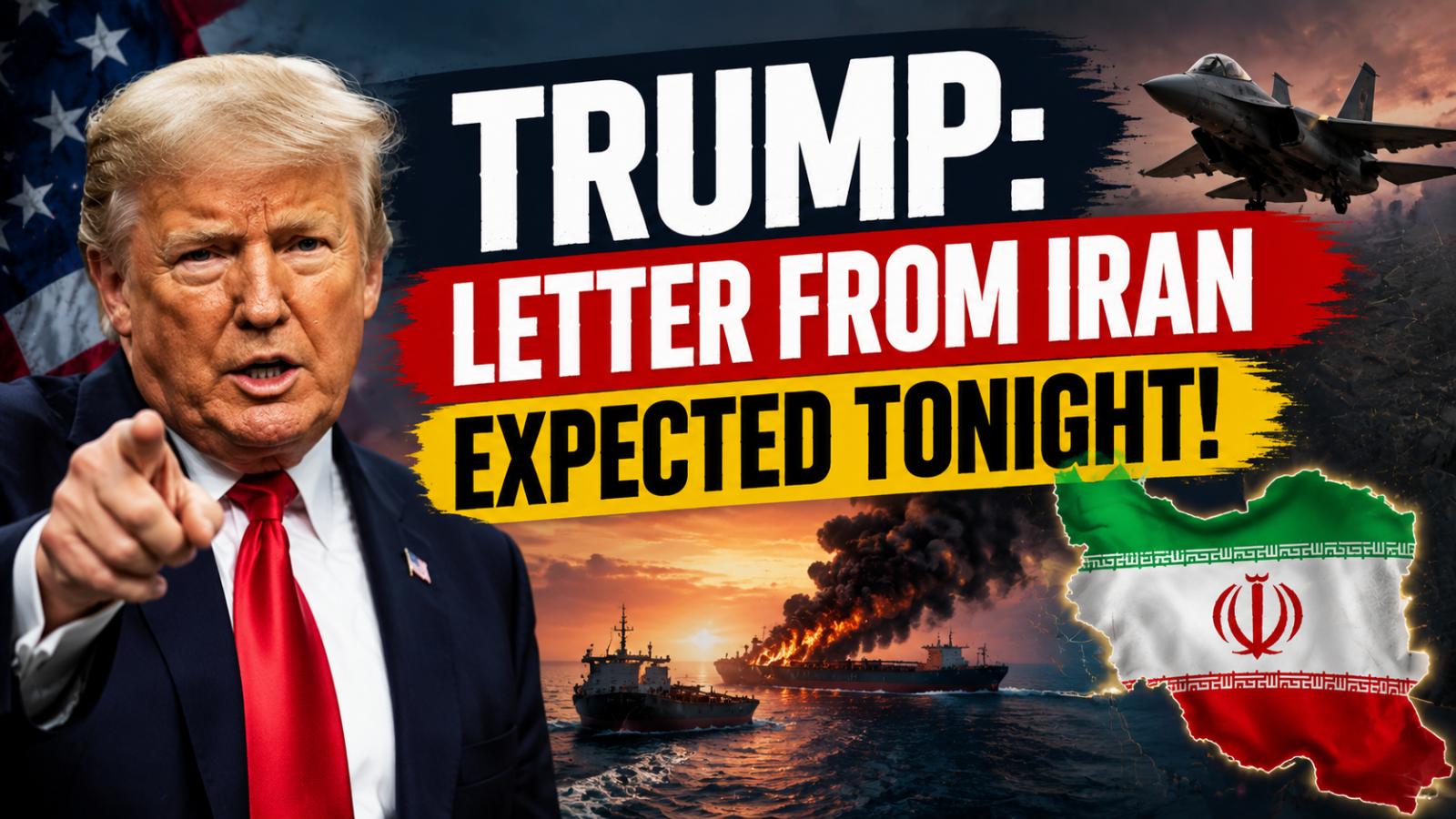
On May 8, U.S. President Donald Trump told reporters that he was expecting a letter from Iran later that night regarding his latest peace proposal. The announcement came amid a tense Friday in the Middle East, where a U.S. fighter jet disabled two Iranian-flagged vessels in the Gulf of Oman. The U.S. Central Command confirmed that the fighter jet, a U.S. Navy F/A-18 Super Hornet, used precision munitions to disable the vessels, preventing them from advancing toward Iran. The Gulf of Oman is a critical route for the global oil trade, connecting to the Strait of Hormuz, which sees a significant portion of the world's oil supply pass through it.
In response to the U.S. action, Iran’s military stated that it had "responded to the violation of the ceasefire and to American terrorism with strikes." Iran's official statement indicated that the clashes had since ceased, but tensions remained high. Iran's UN envoy, Amir Saeed Iravani, accused Washington of violating the ceasefire in a letter sent to the UN Secretary-General and Security Council, raising concerns over the continuing escalation.
Meanwhile, U.S. Secretary of State Marco Rubio, speaking from Rome, expressed hope that Iran’s response to Trump’s peace proposal would be a "serious offer." However, Iran's foreign ministry noted that the U.S. proposal to extend the truce was still "under review."
Diplomatic efforts continued in parallel, with Qatar’s Prime Minister Sheikh Mohammed bin Abdulrahman Al Thani meeting with Vice President JD Vance in Washington to discuss a Pakistani-led initiative aimed at brokering a permanent peace settlement.
In addition to the military actions, satellite imagery revealed an oil slick spreading off the coast of Kharg Island, Iran’s primary oil export terminal. The oil slick covered more than 20 square miles (52 square kilometers), though the cause of the spill was not immediately clear. Global monitoring service Orbital EOS reported the spill, adding another layer of complexity to the ongoing tensions between the U.S. and Iran.
As the U.S. and Iran navigate this volatile period, with Trump expecting a formal response from Tehran, the situation remains fragile. Both countries have shown no signs of backing down, and the international community watches closely as the two sides engage in both military and diplomatic exchanges.