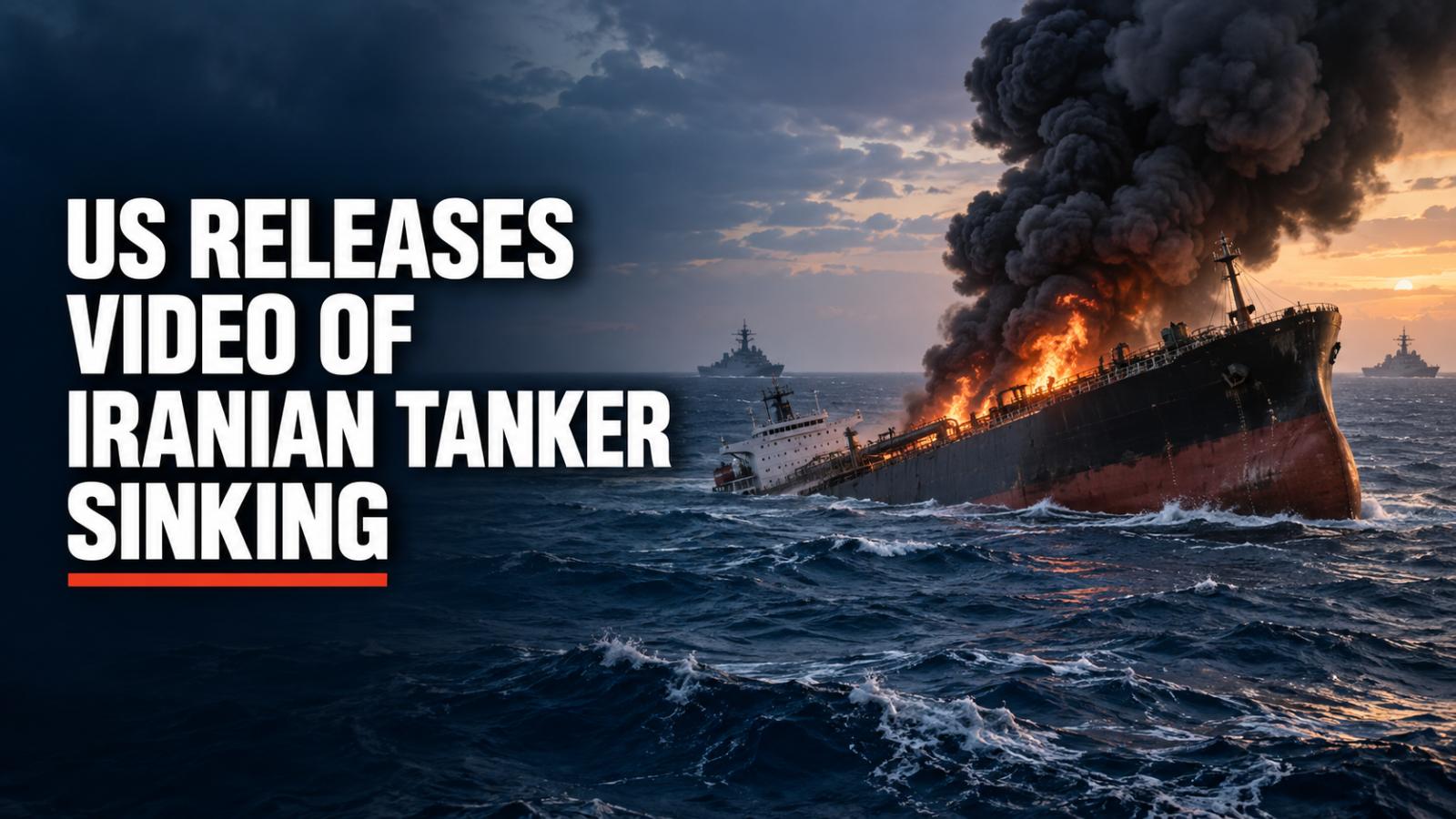
CENTCOM released footage on Sunday, September 6, 2026, showing the M/T Kylo burning and sinking in the Gulf of Oman after a US strike. The incident followed US attacks on three Iranian tankers and intensified fears over regional shipping and oil trade.
United States Central Command has released video showing the M/T Kylo, an Iranian-linked oil tanker also known as the Noxen, burning and sinking in the Gulf of Oman followi
CENTCOM released footage on Sunday, September 6, 2026, showing the M/T Kylo burning and sinking in the Gulf of Oman after a US strike. The incident followed US attacks on three Iranian tankers and intensified fears over regional shipping and oil trade.
United States Central Command has released video showing the M/T Kylo, an Iranian-linked oil tanker also known as the Noxen, burning and sinking in the Gulf of Oman followi
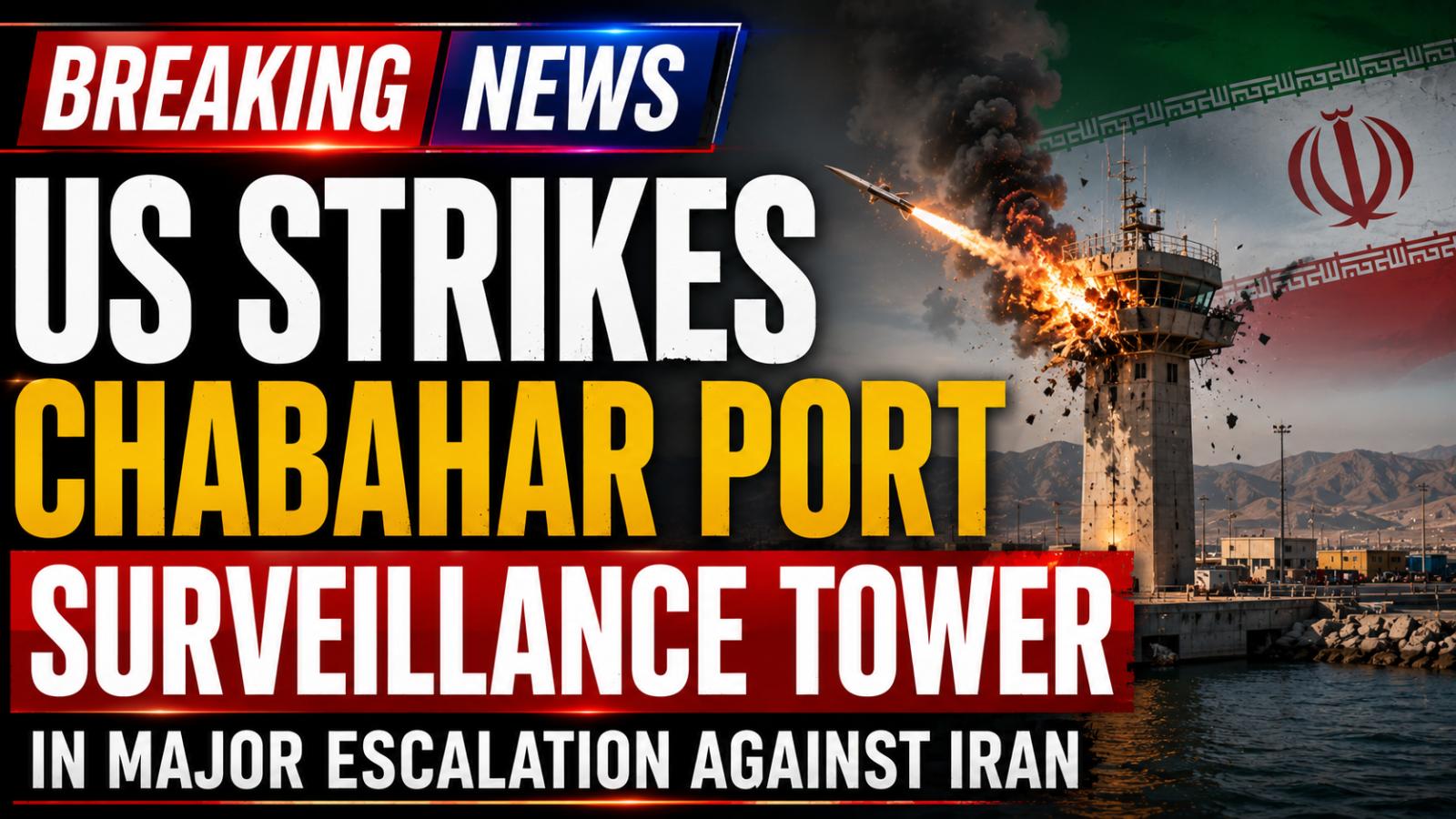
US strikes Chabahar Port surveillance tower in a major expansion of its military campaign against Iran. CENTCOM says the facility helped the IRGC monitor shipping through the Strait of Hormuz, while Tehran insists the strategically important port remains operational despite the attack.
US Strikes Chabahar Port Surveillance Tower in Iran
US strikes Chabahar Port surveillance tower in a major expansion of its military campaign against Iran. CENTCOM says the facility helped the IRGC monitor shipping through the Strait of Hormuz, while Tehran insists the strategically important port remains operational despite the attack.
US Strikes Chabahar Port Surveillance Tower in Iran
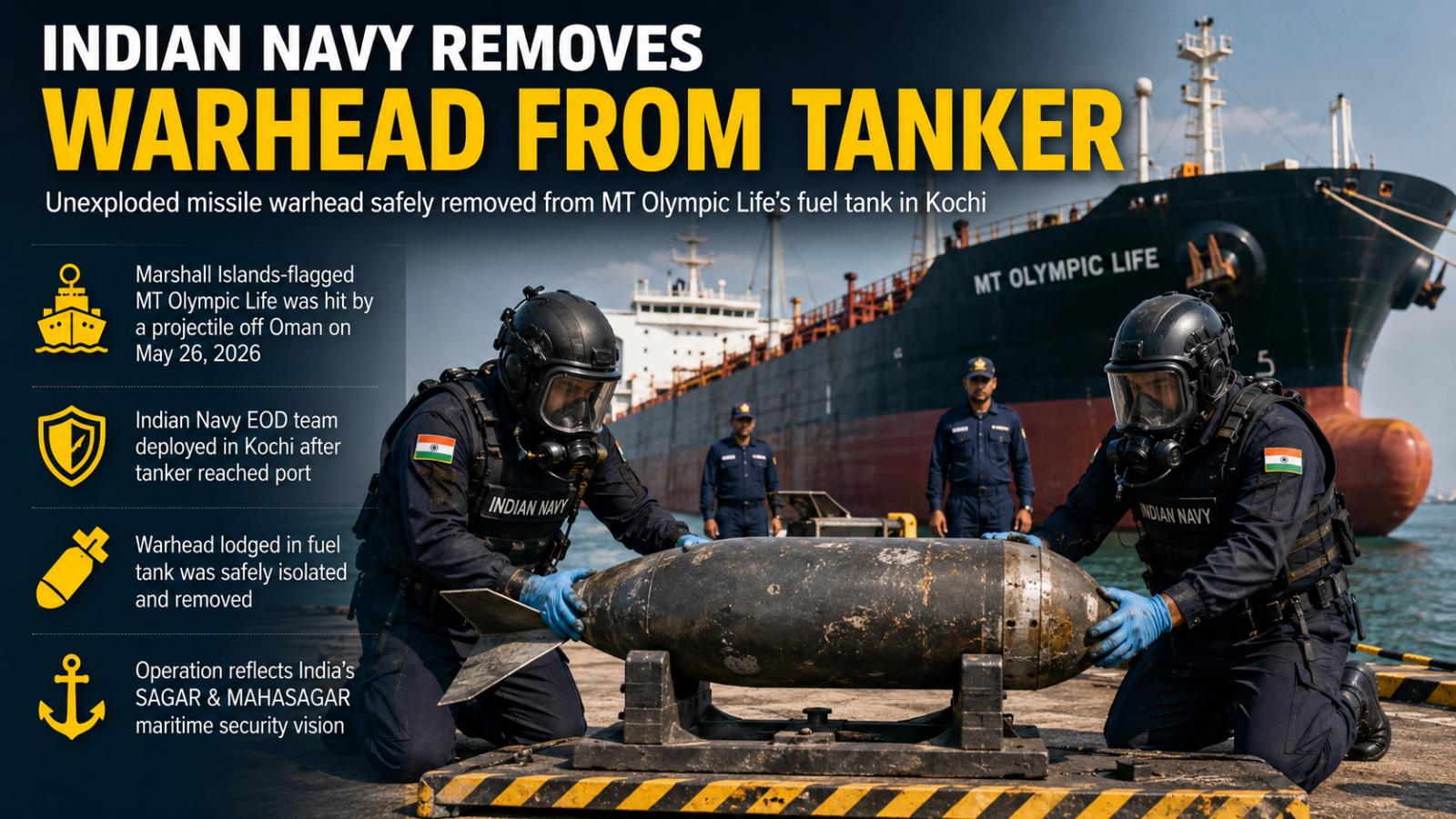
Indian Navy specialists removed an unexploded missile warhead from the fuel tank of MT Olympic Life after the tanker reached Kochi, India, following a nearly 2,000-kilometer voyage from waters off Oman.
The recovery involved an Explosive Ordnance Disposal team from the Southern Naval Command and was described by India’s Ministry of Defence as a meticulously planned, high-risk operation.
Missile Warhead Lodged in MT Olympic Life Fuel Tank
Indian Navy specialists removed an unexploded missile warhead from the fuel tank of MT Olympic Life after the tanker reached Kochi, India, following a nearly 2,000-kilometer voyage from waters off Oman.
The recovery involved an Explosive Ordnance Disposal team from the Southern Naval Command and was described by India’s Ministry of Defence as a meticulously planned, high-risk operation.
Missile Warhead Lodged in MT Olympic Life Fuel Tank
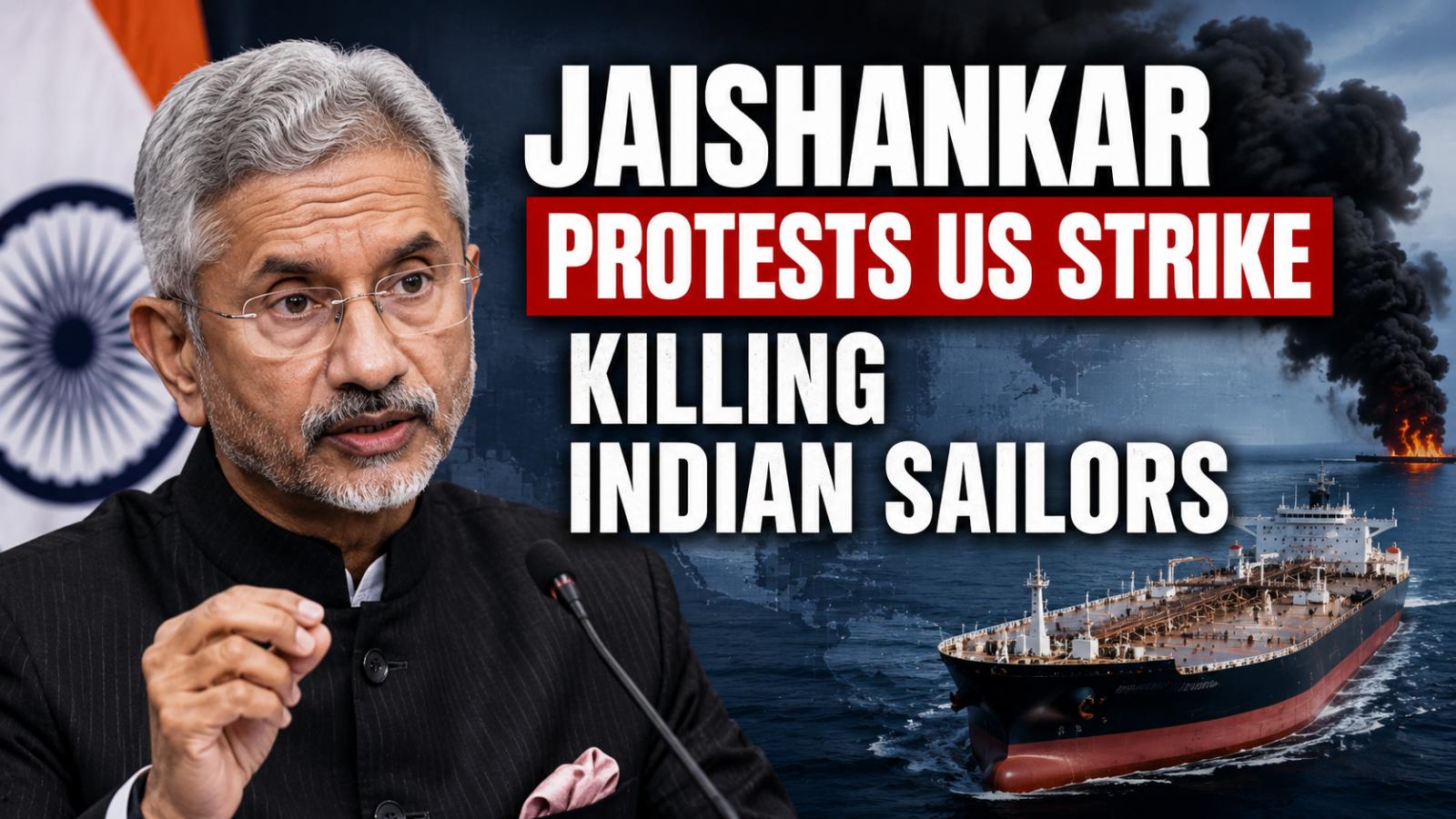
India has lodged a strong protest with the United States after three Indian seafarers were confirmed dead following a US strike on the Palau-flagged tanker MT Settebello near the coast of Oman. External Affairs Minister S Jaishankar said he spoke with US Secretary of State Marco Rubio and conveyed India’s concern over the deaths of Indian mariners in the Gulf region.
Jaishankar said lethal action against commercial shipping was not justi
India has lodged a strong protest with the United States after three Indian seafarers were confirmed dead following a US strike on the Palau-flagged tanker MT Settebello near the coast of Oman. External Affairs Minister S Jaishankar said he spoke with US Secretary of State Marco Rubio and conveyed India’s concern over the deaths of Indian mariners in the Gulf region.
Jaishankar said lethal action against commercial shipping was not justi
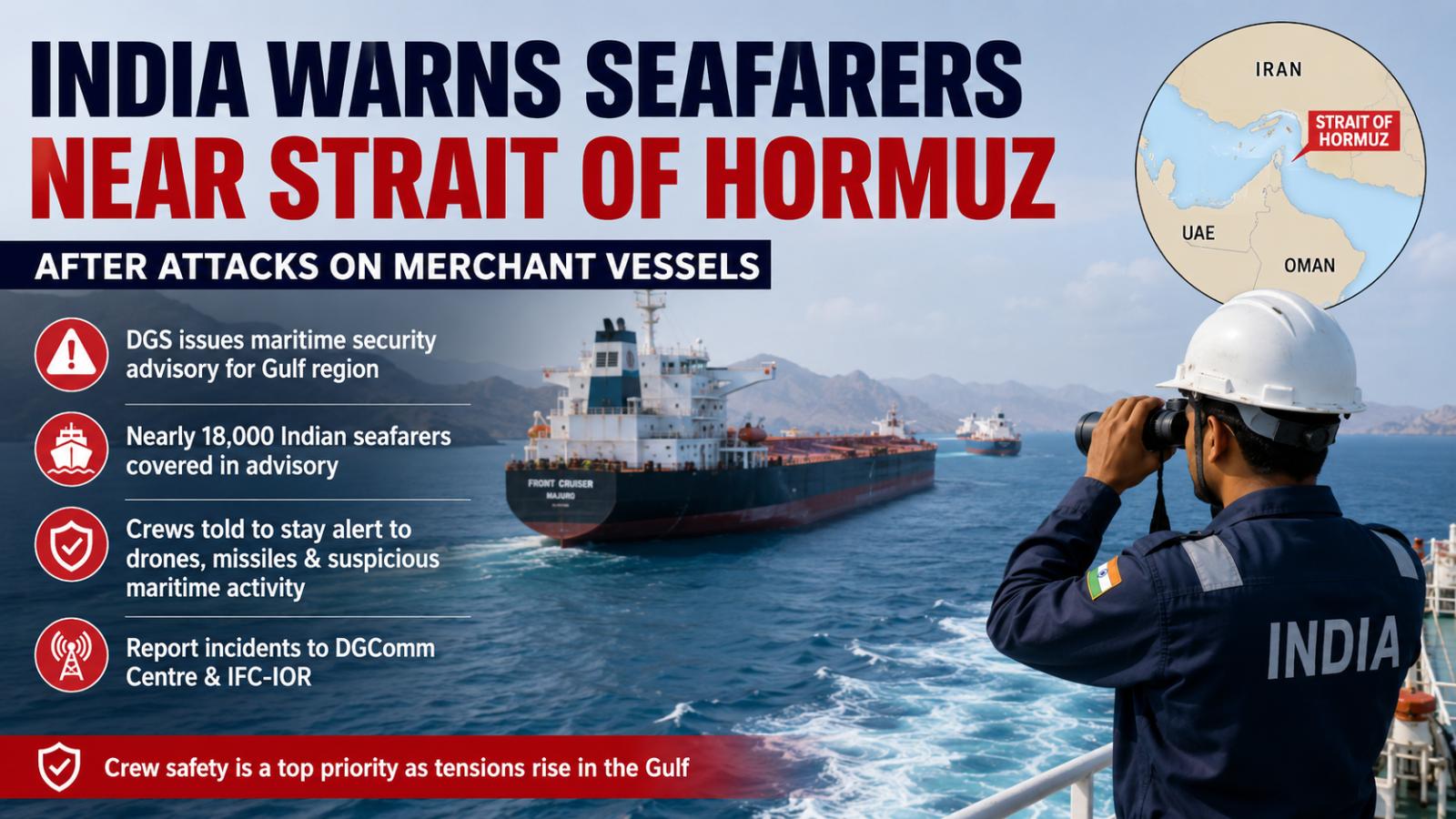
India maritime advisory warnings have been issued for seafarers operating near the Strait of Hormuz and Gulf of Oman after attacks on merchant vessels raised new crew safety concerns.
The Directorate General of Shipping has advised ships and crews in Iranian waters, the Strait of Hormuz and the Persian Gulf to remain on high alert as tensions affect one of the world’s most sensitive shipping corridors.
India Maritime Advisory Covers Crews Near Hormuz
India maritime advisory warnings have been issued for seafarers operating near the Strait of Hormuz and Gulf of Oman after attacks on merchant vessels raised new crew safety concerns.
The Directorate General of Shipping has advised ships and crews in Iranian waters, the Strait of Hormuz and the Persian Gulf to remain on high alert as tensions affect one of the world’s most sensitive shipping corridors.
India Maritime Advisory Covers Crews Near Hormuz
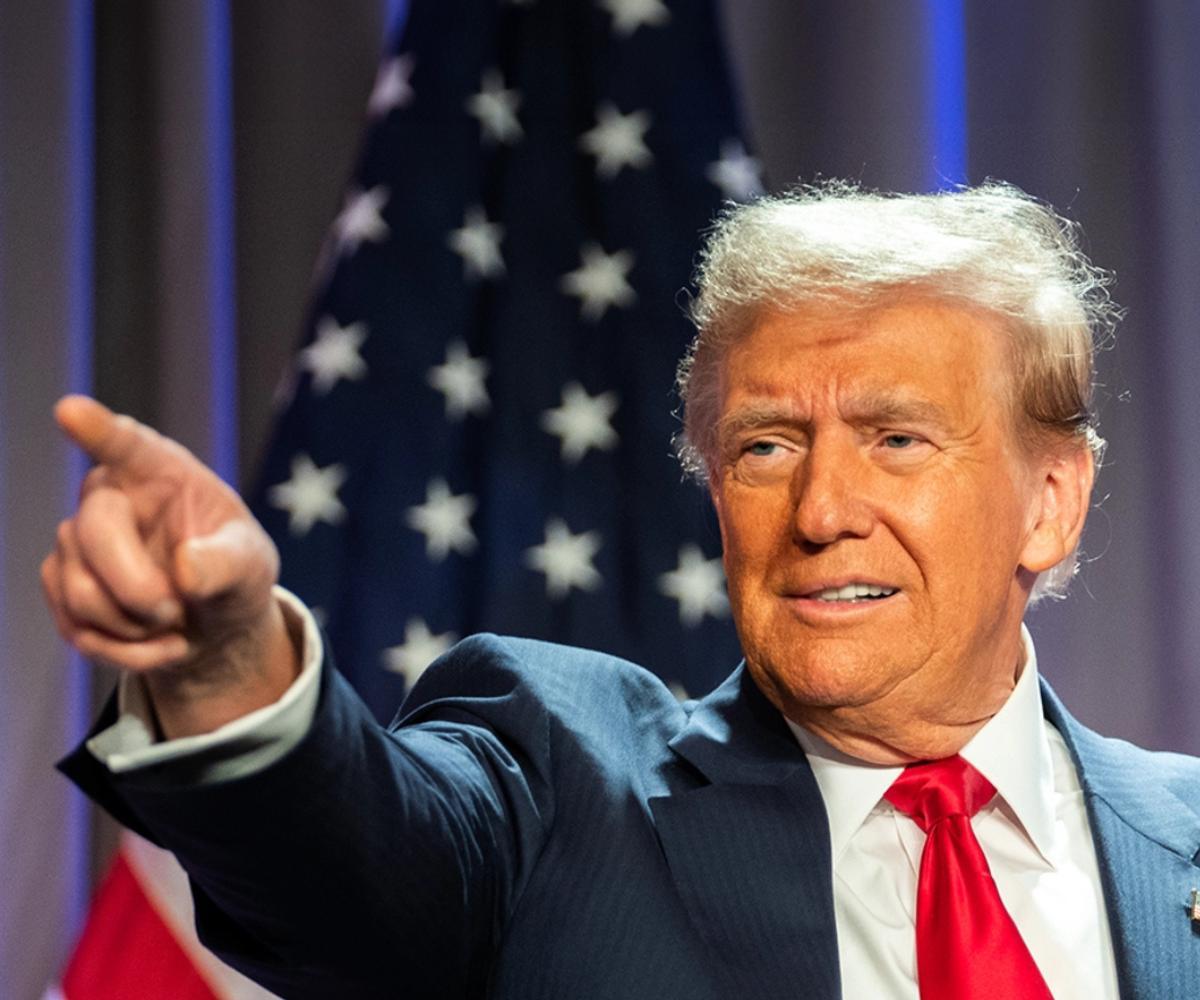
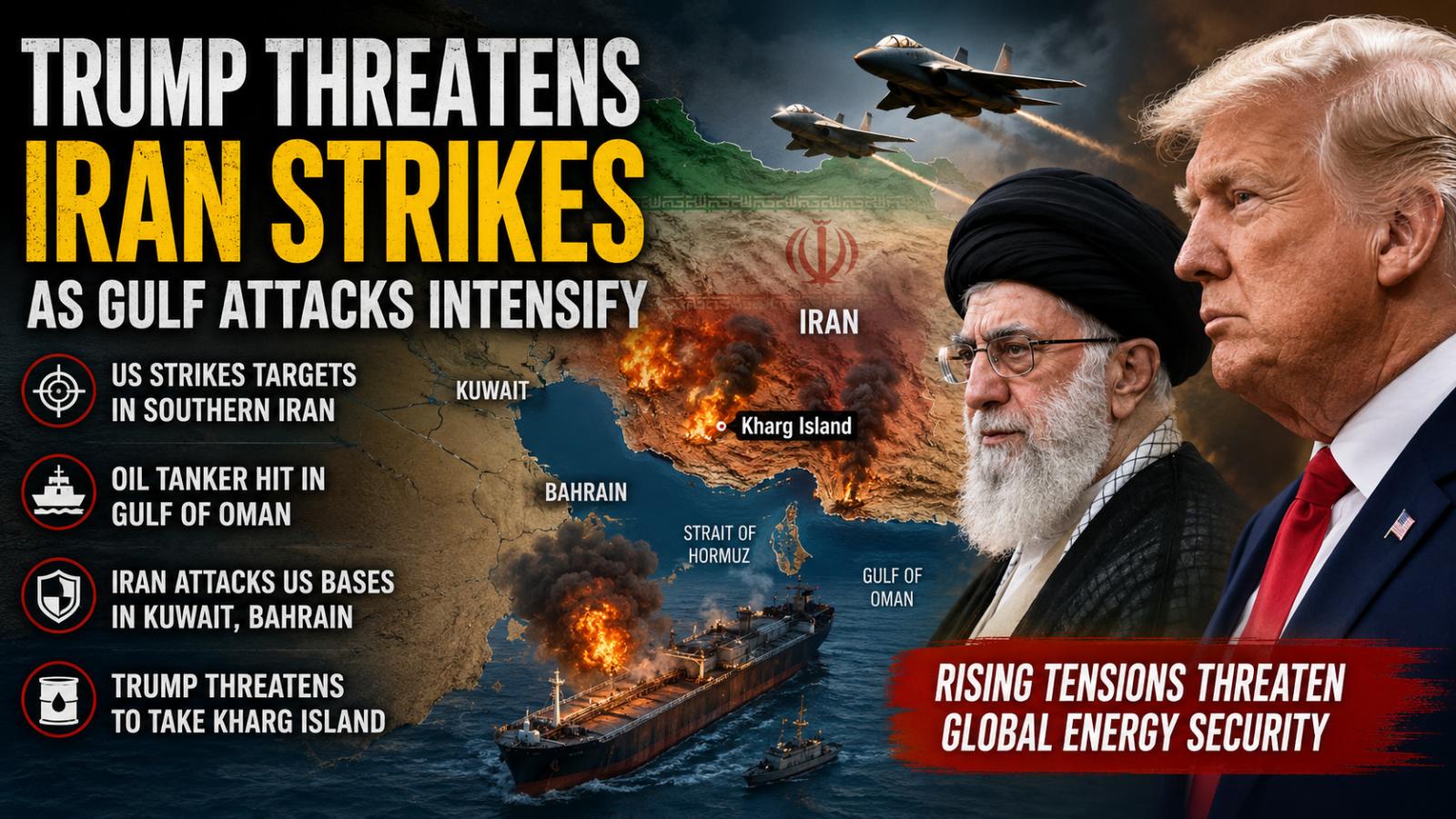
Trump threatened Iran’s Kharg Island as US-Iran Gulf attacks intensified across oil routes, tankers and military targets, raising new risks for regional security and global energy markets.
President Donald Trump said the United States would hit Iran “very hard” and threatened to take Kharg Island, a key hub in Iran’s oil economy, as Washington increased pressure on Tehran to shut down its nuclear program and accept a peace deal.
US-Iran Gu
Trump threatened Iran’s Kharg Island as US-Iran Gulf attacks intensified across oil routes, tankers and military targets, raising new risks for regional security and global energy markets.
President Donald Trump said the United States would hit Iran “very hard” and threatened to take Kharg Island, a key hub in Iran’s oil economy, as Washington increased pressure on Tehran to shut down its nuclear program and accept a peace deal.
US-Iran Gu
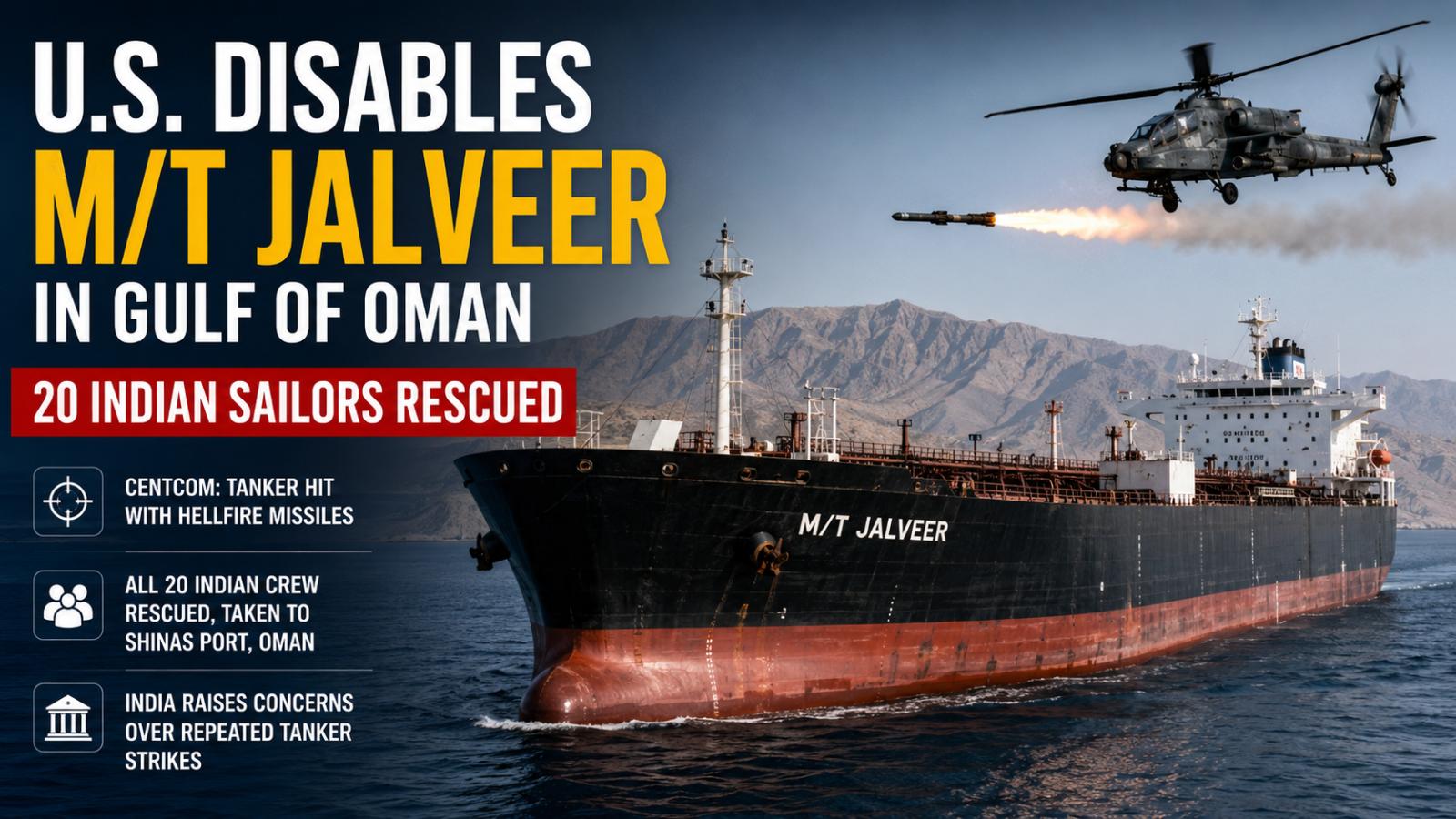
U.S. forces disabled the Guinea-Bissau-flagged M/T Jalveer in the Gulf of Oman at 7:20 AM GST on Thursday, June 11, 2026, according to U.S. Central Command. The strike occurred at 11:20 PM ET on Wednesday, June 10, 2026, in the United States.
CENTCOM said an American aircraft fired two Hellfire missiles into the tanker’s engine room after the crew repeatedly failed to comply with U.S. directions. The command said the vessel was attempting to transport oil from Iran under a blockad
U.S. forces disabled the Guinea-Bissau-flagged M/T Jalveer in the Gulf of Oman at 7:20 AM GST on Thursday, June 11, 2026, according to U.S. Central Command. The strike occurred at 11:20 PM ET on Wednesday, June 10, 2026, in the United States.
CENTCOM said an American aircraft fired two Hellfire missiles into the tanker’s engine room after the crew repeatedly failed to comply with U.S. directions. The command said the vessel was attempting to transport oil from Iran under a blockad
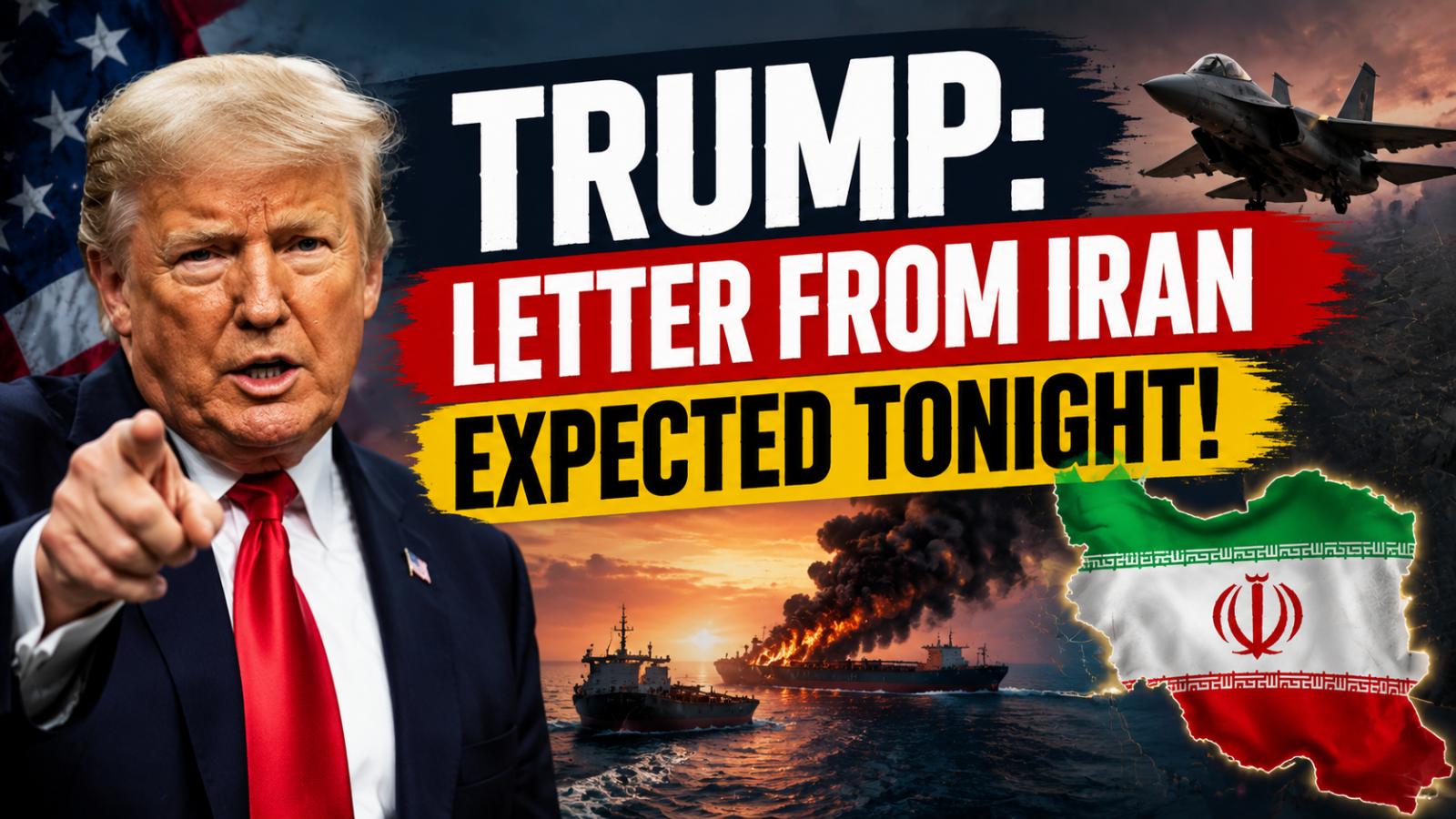
On May 8, U.S. President Donald Trump told reporters that he was expecting a letter from Iran later that night regarding his latest peace proposal. The announcement came amid a tense Friday in the Middle East, where a U.S. fighter jet disabled two Iranian-flagged vessels in the Gulf of Oman. The U.S. Central Command confirmed that the fighter jet, a U.S. Navy F/A-18 Super Hornet, used precision munitions to disable the vessels, preventing them from advancing toward Iran. The Gulf of Oman is a
On May 8, U.S. President Donald Trump told reporters that he was expecting a letter from Iran later that night regarding his latest peace proposal. The announcement came amid a tense Friday in the Middle East, where a U.S. fighter jet disabled two Iranian-flagged vessels in the Gulf of Oman. The U.S. Central Command confirmed that the fighter jet, a U.S. Navy F/A-18 Super Hornet, used precision munitions to disable the vessels, preventing them from advancing toward Iran. The Gulf of Oman is a
US Iran Tanker Strike Raises Gulf Tensions
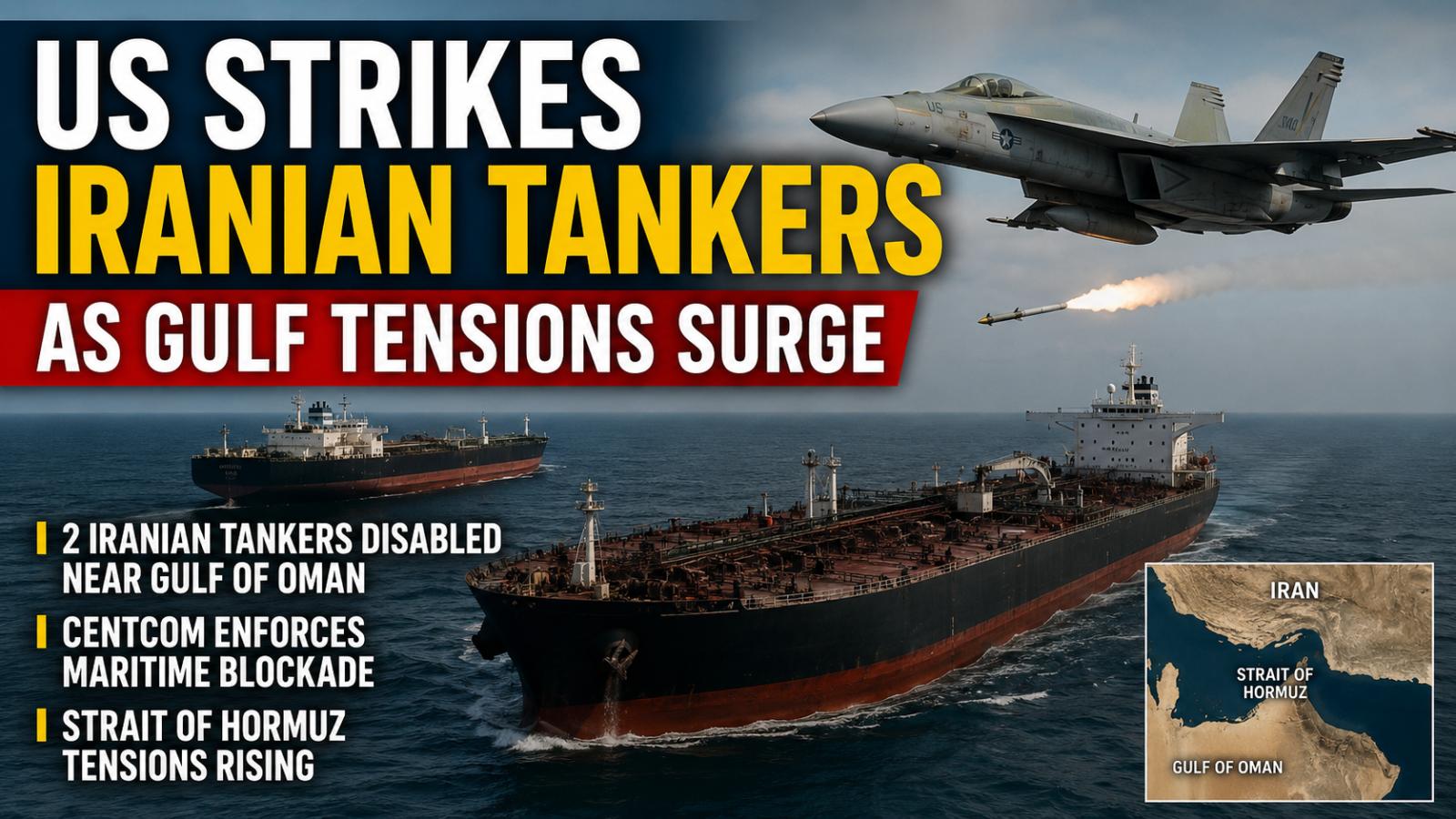
US forces disabled two Iranian-flagged tankers near the Gulf of Oman on Friday, May 8, 2026, after CENTCOM said the vessels violated an ongoing maritime blockade.
The tankers, identified as M/T Sea Star III and M/T Sevda, were stopped before entering an Iranian port. US Central Command said both vessels were empty at the time and were no longer heading toward Iran after the strike.
CENTCOM Says Blockade Enforcement Is Continuing
Officials said the operation was carried out as part of wider US efforts to enforce maritime restrictions around Iranian ports. The action follows a similar incident earlier in the week, when another Iranian-linked vessel was disabled while attempting to reach Iran.
The latest strike comes as US Navy assets remain active across the Gulf region, including carrier-based aircraft supporting blockade enforcement and maritime security operations.
Why the Strait of Hormuz Matters
The Strait of Hormuz is one of the world’s most important energy corridors, making any military escalation there a direct concern for oil markets, shipping companies, and regional governments.
Reports of sporadic clashes and rising naval activity have increased fears of wider disruption. While US officials describe the strikes as limited enforcement action, the incident adds fresh pressure to already fragile diplomatic efforts between Washington and Tehran.
For global markets, the key question is whether the confrontation remains contained—or turns into a longer Gulf shipping crisis.
US Iran Tanker Strike Raises Gulf Tensions
US forces disabled two Iranian-flagged tankers near the Gulf of Oman on Friday, May 8, 2026, after CENTCOM said the vessels violated an ongoing maritime blockade.
The tankers, identified as M/T Sea Star III and M/T Sevda, were stopped before entering an Iranian port. US Central Command said both vessels were empty at the time and were no longer heading toward Iran after the strike.
CENTCOM Says Blockade Enforcement Is Continuing
Officials said the operation was carried out as part of wider US efforts to enforce maritime restrictions around Iranian ports. The action follows a similar incident earlier in the week, when another Iranian-linked vessel was disabled while attempting to reach Iran.
The latest strike comes as US Navy assets remain active across the Gulf region, including carrier-based aircraft supporting blockade enforcement and maritime security operations.
Why the Strait of Hormuz Matters
The Strait of Hormuz is one of the world’s most important energy corridors, making any military escalation there a direct concern for oil markets, shipping companies, and regional governments.
Reports of sporadic clashes and rising naval activity have increased fears of wider disruption. While US officials describe the strikes as limited enforcement action, the incident adds fresh pressure to already fragile diplomatic efforts between Washington and Tehran.
For global markets, the key question is whether the confrontation remains contained—or turns into a longer Gulf shipping crisis.
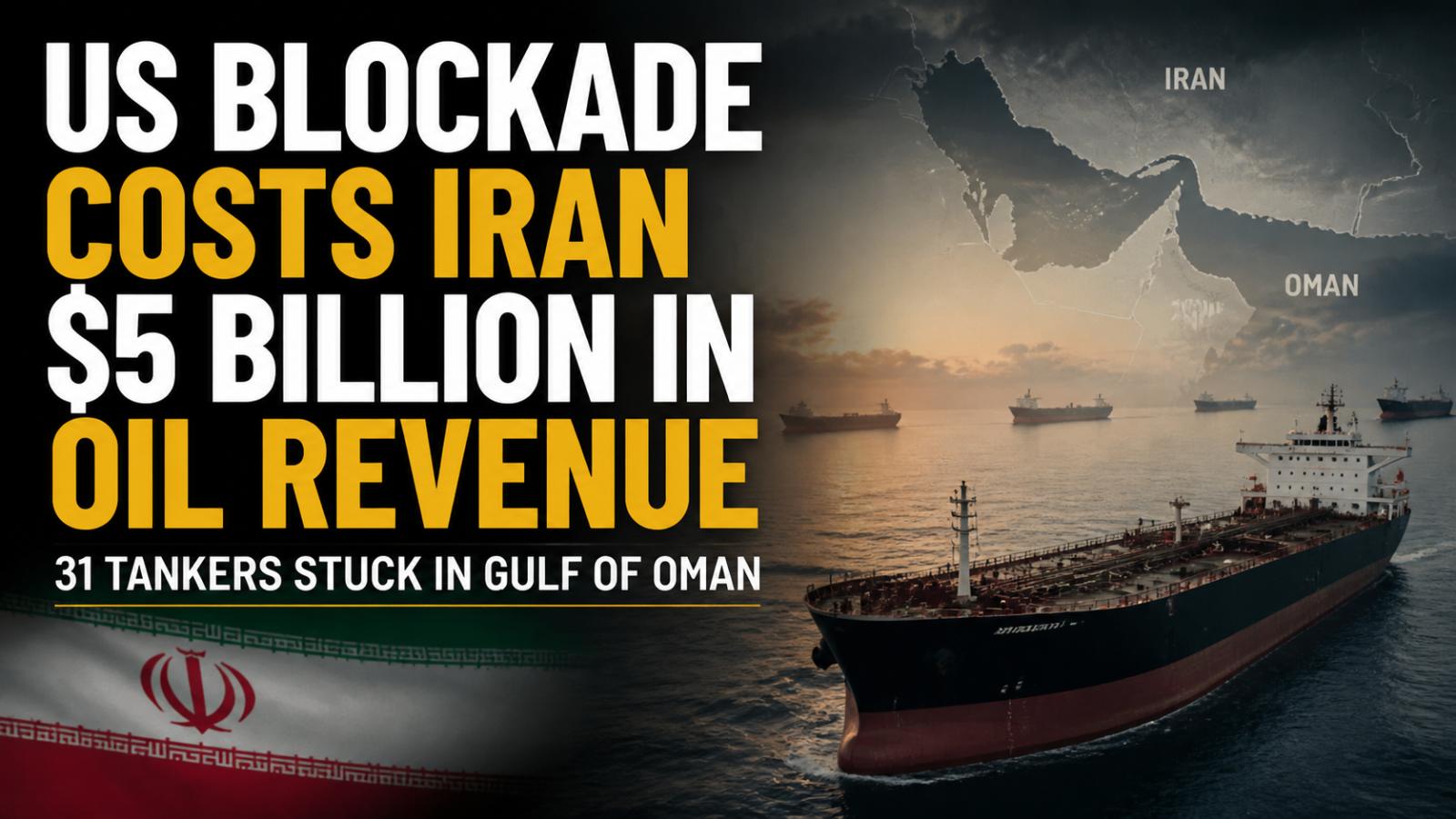
The ongoing US blockade in the Gulf of Oman has forced Iran to face a massive loss, with the US Defense Department estimating that Tehran has lost nearly $5 billion in oil revenue. This economic setback is the result of a blockade imposed by the US military in an effort to increase pressure on Iran’s economy. The blockade, which began on April 13, 2025, has been described as one of President Donald Trump’s most powerful tools to drive Iran into negotiations that aim to resolve the ongoing conflict. However, diplomatic talks have been repeatedly stalling and restarting, leaving both parties in a stalemate.
According to Pentagon officials, more than 40 vessels have been redirected since the operation’s start, as they attempted to smuggle oil and other contraband through the region. In total, 31 tankers carrying approximately 53 million barrels of Iranian crude are now stuck in the Gulf of Oman, and these shipments are valued at around $4.8 billion. Of these, two vessels have already been seized by US forces.
With storage capacity on land reaching its limits, Iran has resorted to using older tankers as floating storage units, as reported by analysts. These tankers, which are no longer fit for regular commercial routes, have become temporary storage sites for Iran’s oil. Some shipments are being rerouted along longer and more expensive paths, primarily to avoid interception by US forces. To achieve this, Iranian ships have been following coastlines near Pakistan and India and using safer maritime corridors towards the Strait of Malacca, a key transit point for oil bound for China.
Tanker tracking analysts such as Samir Madani, co-founder of TankerTrackers.com, have noted a shift in Iranian shipping patterns. He explained how one Iranian tanker, called “HUGE,” cleverly demonstrated how ships are using stealth routes to evade detection. According to Madani, ships are increasingly relying on hidden paths through regional waters to avoid the US military blockade. Madani also predicted that, in the future, Iran might attempt a large-scale breakout of its tankers.
"I think the Iranians will wait for an opportunity to launch an overnight 'Great Escape' once they have built up further storage near the border with Pakistan,” Madani told Axios.
This situation is part of a broader economic struggle between Iran and the United States, with both countries resorting to maritime pressure tactics. Iran has previously restricted access to the Strait of Hormuz, a critical shipping route, in retaliation. Meanwhile, the US has been tightening its control over the Gulf of Oman, an entry point to key waterways.
According to Gregory Brew, an analyst at Eurasia Group, Iran is just weeks away from running out of storage space for its oil, which could collapse its oil production capacity. "They're probably several weeks, or perhaps as much as a month, away from running out of storage," Brew said.
The Pentagon’s spokesperson, Joel Valdez, emphasized the severity of the situation, stating that the blockade is fully active and that the US military is delivering a devastating blow to Iran’s ability to fund terrorism and regional destabilization. “Our armed forces in the region will continue to maintain this unrelenting pressure,” Valdez said. This strategy, although harsh, seems designed to wear down Iran’s ability to sustain itself economically, and possibly force a change in its approach to negotiations.
The ongoing US blockade in the Gulf of Oman has forced Iran to face a massive loss, with the US Defense Department estimating that Tehran has lost nearly $5 billion in oil revenue. This economic setback is the result of a blockade imposed by the US military in an effort to increase pressure on Iran’s economy. The blockade, which began on April 13, 2025, has been described as one of President Donald Trump’s most powerful tools to drive Iran into negotiations that aim to resolve the ongoing conflict. However, diplomatic talks have been repeatedly stalling and restarting, leaving both parties in a stalemate.
According to Pentagon officials, more than 40 vessels have been redirected since the operation’s start, as they attempted to smuggle oil and other contraband through the region. In total, 31 tankers carrying approximately 53 million barrels of Iranian crude are now stuck in the Gulf of Oman, and these shipments are valued at around $4.8 billion. Of these, two vessels have already been seized by US forces.
With storage capacity on land reaching its limits, Iran has resorted to using older tankers as floating storage units, as reported by analysts. These tankers, which are no longer fit for regular commercial routes, have become temporary storage sites for Iran’s oil. Some shipments are being rerouted along longer and more expensive paths, primarily to avoid interception by US forces. To achieve this, Iranian ships have been following coastlines near Pakistan and India and using safer maritime corridors towards the Strait of Malacca, a key transit point for oil bound for China.
Tanker tracking analysts such as Samir Madani, co-founder of TankerTrackers.com, have noted a shift in Iranian shipping patterns. He explained how one Iranian tanker, called “HUGE,” cleverly demonstrated how ships are using stealth routes to evade detection. According to Madani, ships are increasingly relying on hidden paths through regional waters to avoid the US military blockade. Madani also predicted that, in the future, Iran might attempt a large-scale breakout of its tankers.
"I think the Iranians will wait for an opportunity to launch an overnight 'Great Escape' once they have built up further storage near the border with Pakistan,” Madani told Axios.
This situation is part of a broader economic struggle between Iran and the United States, with both countries resorting to maritime pressure tactics. Iran has previously restricted access to the Strait of Hormuz, a critical shipping route, in retaliation. Meanwhile, the US has been tightening its control over the Gulf of Oman, an entry point to key waterways.
According to Gregory Brew, an analyst at Eurasia Group, Iran is just weeks away from running out of storage space for its oil, which could collapse its oil production capacity. "They're probably several weeks, or perhaps as much as a month, away from running out of storage," Brew said.
The Pentagon’s spokesperson, Joel Valdez, emphasized the severity of the situation, stating that the blockade is fully active and that the US military is delivering a devastating blow to Iran’s ability to fund terrorism and regional destabilization. “Our armed forces in the region will continue to maintain this unrelenting pressure,” Valdez said. This strategy, although harsh, seems designed to wear down Iran’s ability to sustain itself economically, and possibly force a change in its approach to negotiations.