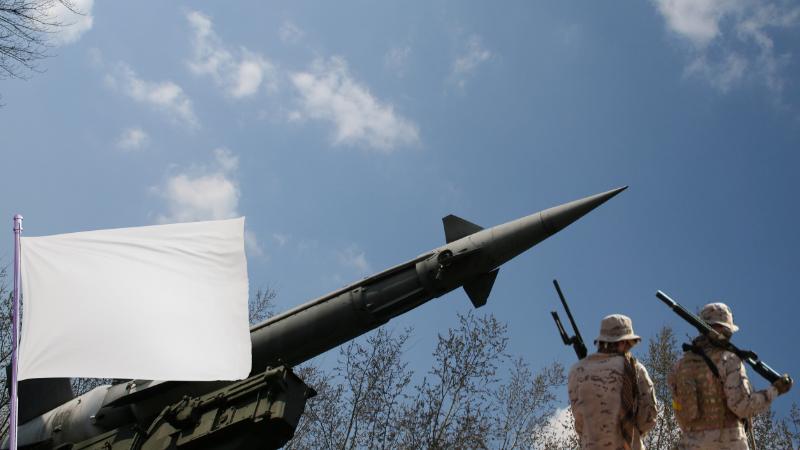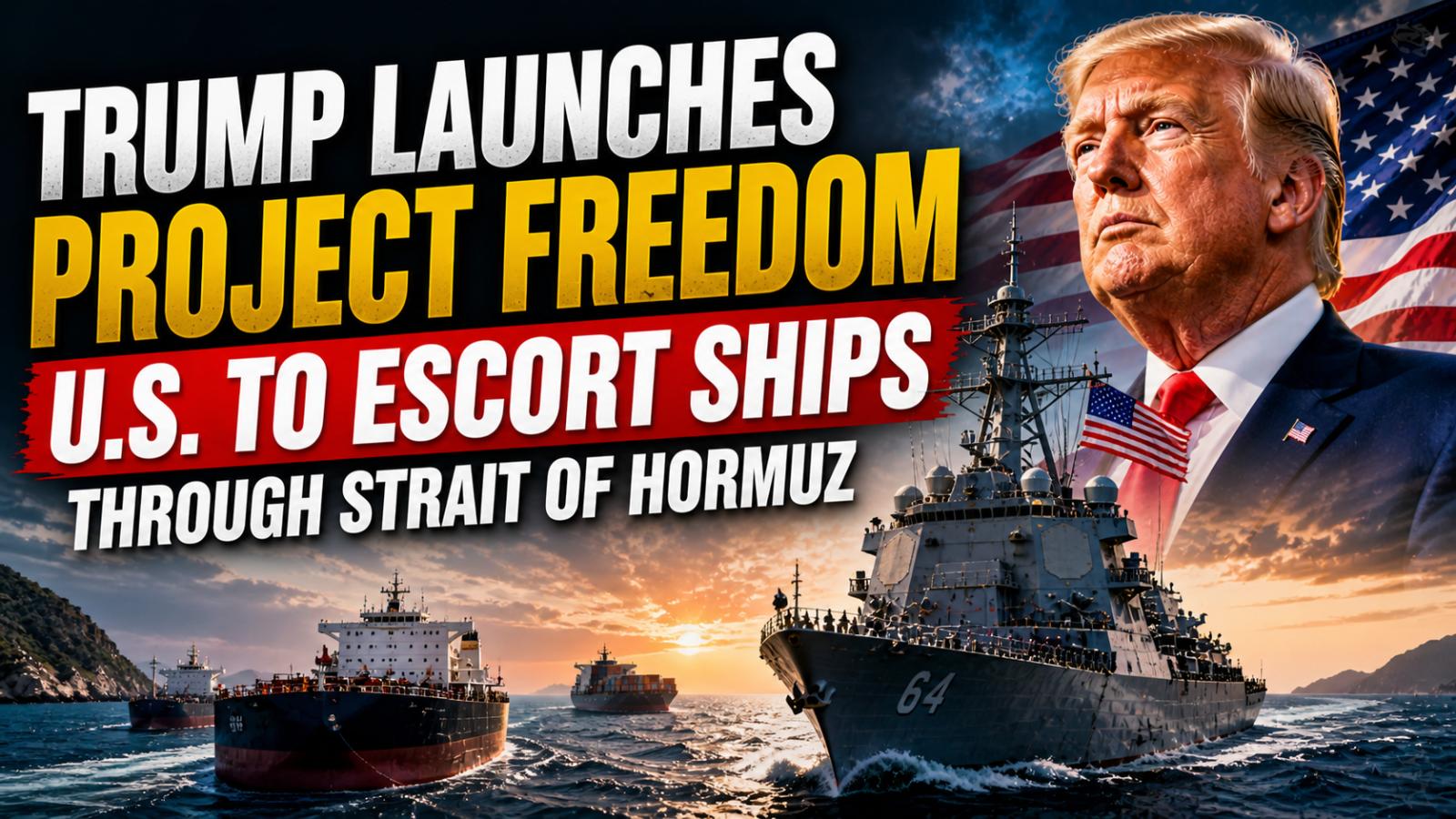
The United States has announced a new maritime initiative aimed at assisting commercial vessels stranded in the Strait of Hormuz, a critical global shipping route impacted by ongoing tensions. The operation, referred to as Project Freedom, is intended to guide ships safely through restricted waters as part of what officials described as a humanitarian effort to stabilize maritime activity in the region.
According to statements from US leadership, the initiative will focus on escorting vessels belonging to neutral and non-involved countries, ensuring they can resume normal trade operations without further disruption. The Strait of Hormuz remains a vital passage for global energy supplies, and any disruption in this corridor has significant implications for international trade and economic stability.
Military officials indicated that the operation would involve a substantial deployment of resources, including naval ships, aircraft, and unmanned systems, along with thousands of personnel. The goal is to establish secure navigation pathways for vessels currently unable to move due to regional security concerns.
At the same time, diplomatic efforts appear to be ongoing. US representatives have indicated that discussions with Iran are continuing, with both sides exploring possible frameworks to reduce tensions. Reports suggest that proposals have been exchanged focusing on de-escalation and restoring safe maritime conditions.
Iran has expressed concerns over the planned escorts, warning that any external intervention in the waterway could be viewed as a violation of existing understandings. Officials have emphasized that the situation remains sensitive and that actions taken by foreign forces could impact ongoing diplomatic discussions.
As both operational and diplomatic efforts unfold, the situation in the Strait of Hormuz remains closely watched. The outcome of these developments could influence not only regional stability but also the broader dynamics of global trade and energy security.