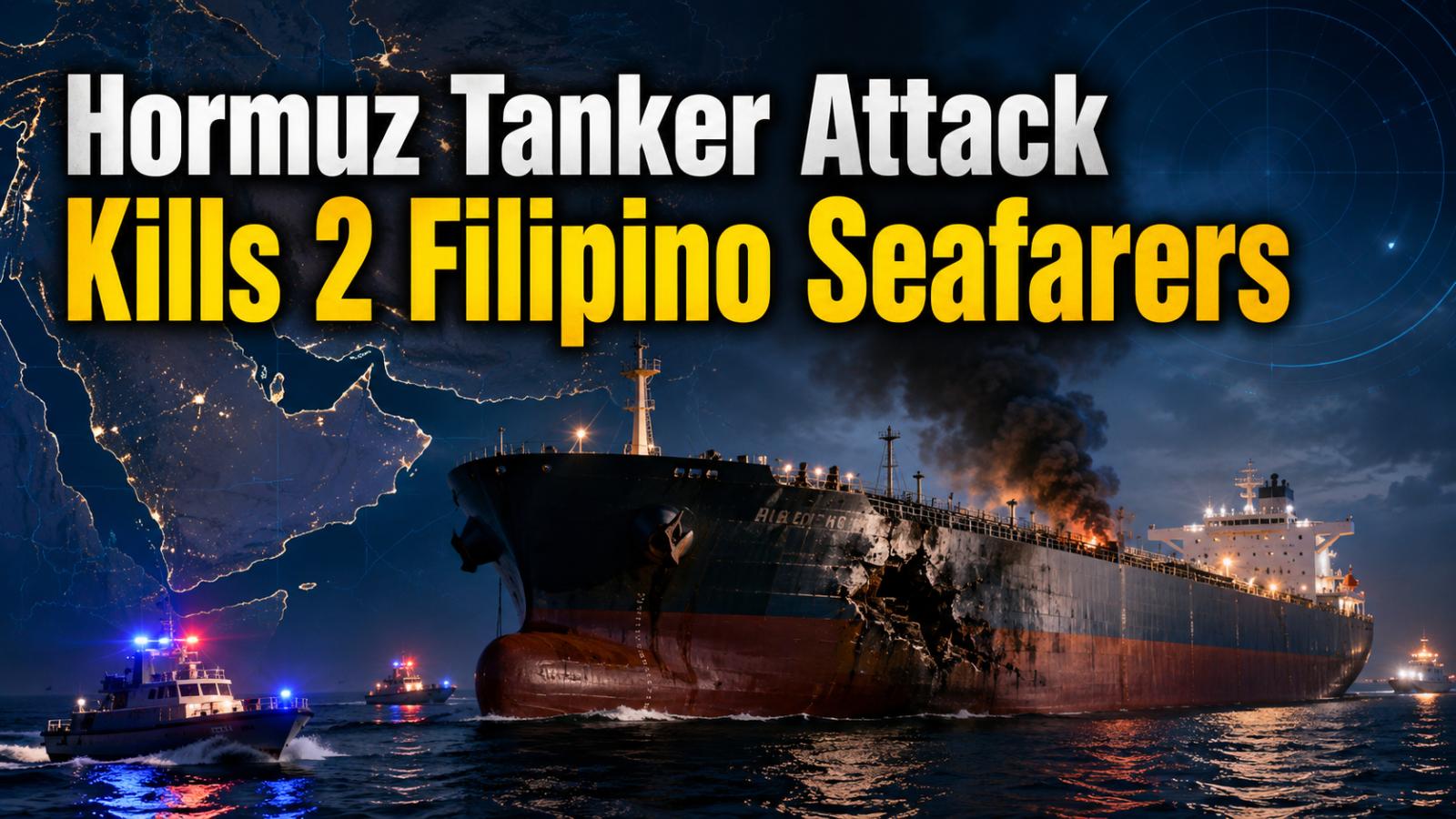
A Strait of Hormuz tanker attack has left two Filipino seafarers dead aboard the Saudi-operated SIDR, intensifying concerns over maritime security in one of the world’s most important oil routes. Bahri confirmed the deaths as US-Iran tensions again escalated across the Gulf.
Strait of Hormuz tanker attack kills two sailors
Saudi Arabia’s national shipping company Bahri confirmed that two Fi
A Strait of Hormuz tanker attack has left two Filipino seafarers dead aboard the Saudi-operated SIDR, intensifying concerns over maritime security in one of the world’s most important oil routes. Bahri confirmed the deaths as US-Iran tensions again escalated across the Gulf.
Strait of Hormuz tanker attack kills two sailors
Saudi Arabia’s national shipping company Bahri confirmed that two Fi
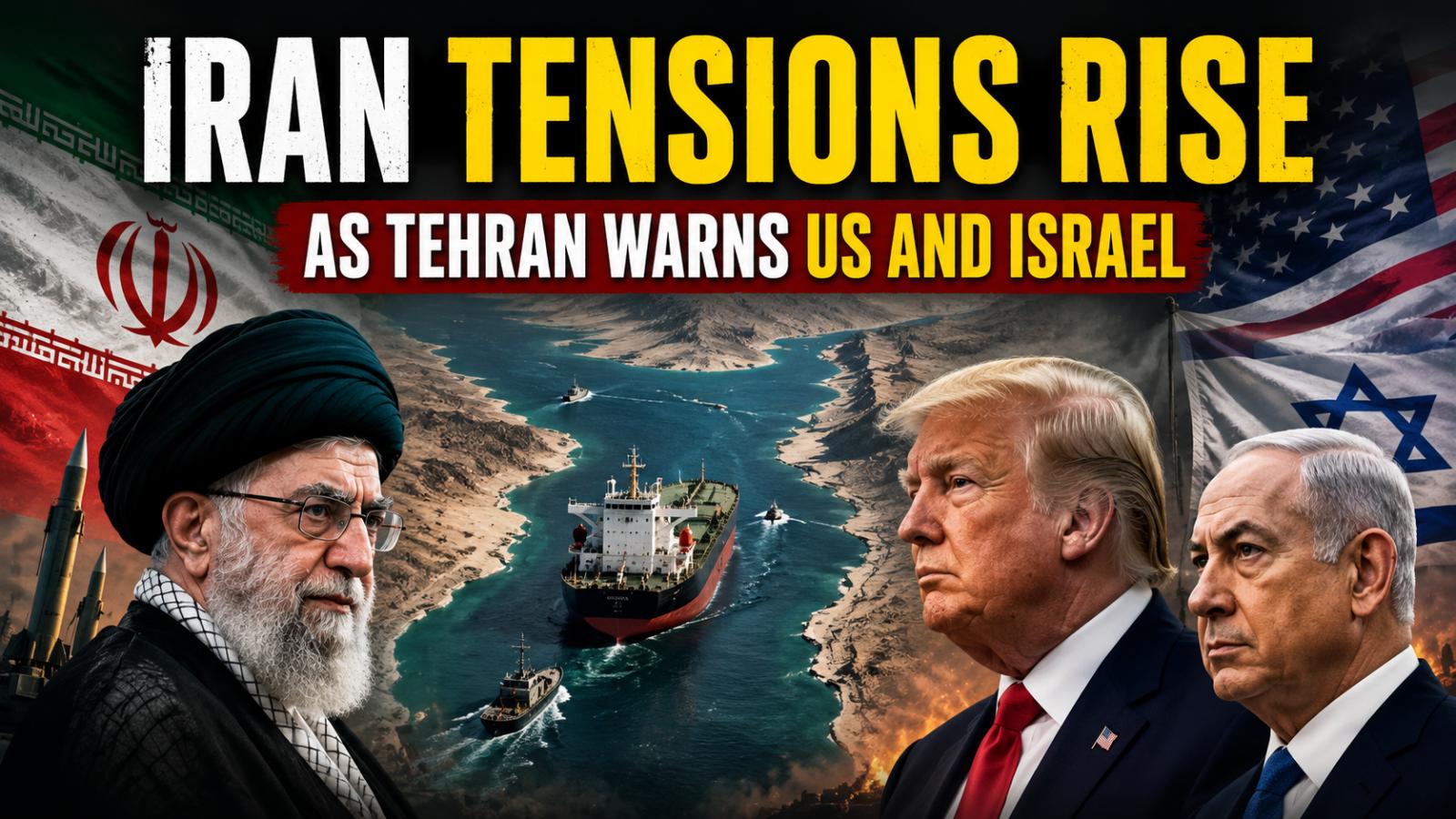
Iran tensions are rising as senior officials warn of retaliation against Israel and the United States while Foreign Minister Abbas Araghchi prepares for Oman talks focused on the Strait of Hormuz. Tehran is pairing military warnings with renewed Gulf diplomacy.
IRGC warning intensifies retaliation message
A day after former Supreme Leader Ali Khamenei was buried, IRGC commander-in-chief Ahmad Vahidi said Iran w
Iran tensions are rising as senior officials warn of retaliation against Israel and the United States while Foreign Minister Abbas Araghchi prepares for Oman talks focused on the Strait of Hormuz. Tehran is pairing military warnings with renewed Gulf diplomacy.
IRGC warning intensifies retaliation message
A day after former Supreme Leader Ali Khamenei was buried, IRGC commander-in-chief Ahmad Vahidi said Iran w
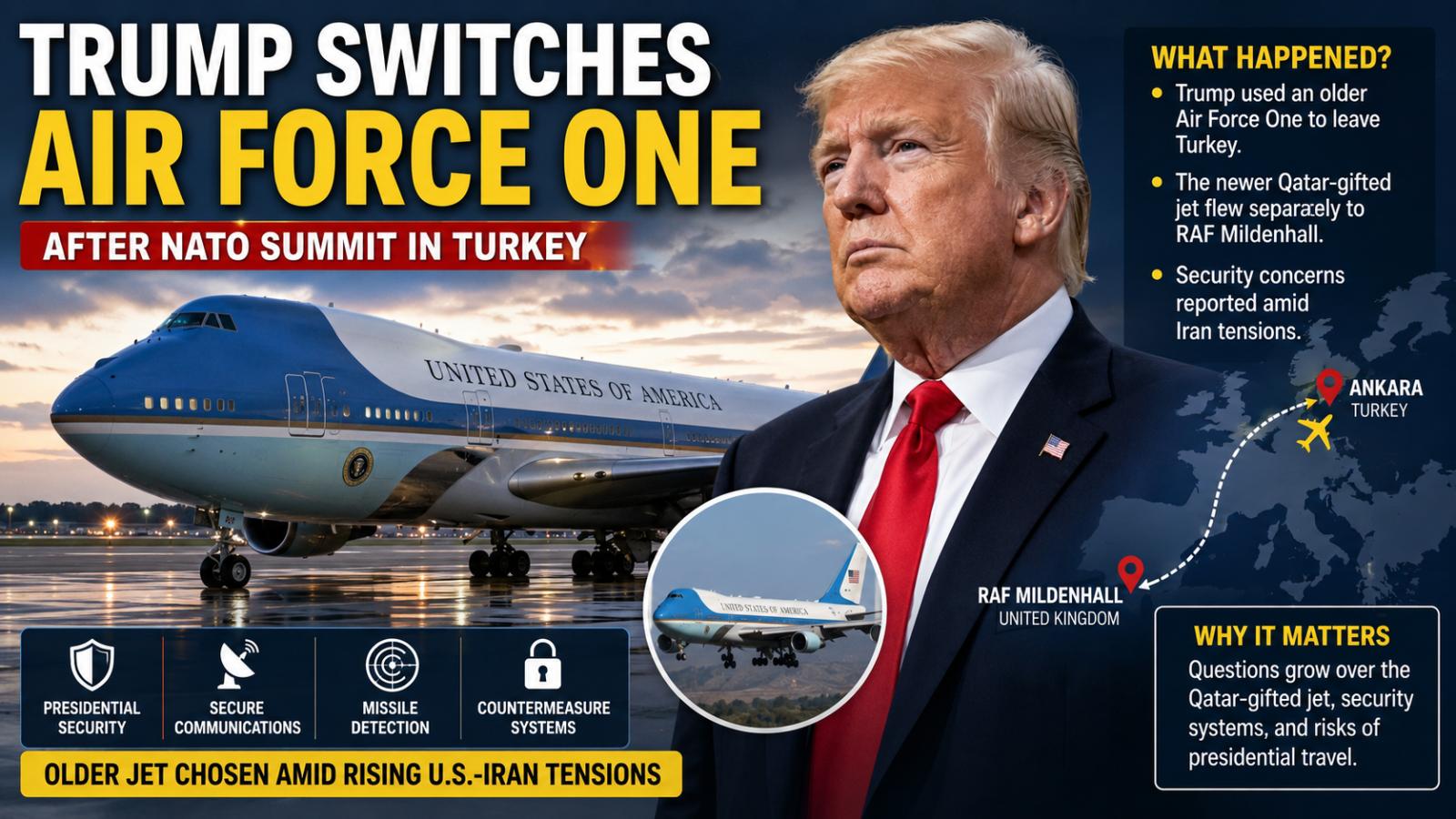
Trump’s Air Force One switch after the NATO summit in Turkey put new focus on the Qatar-gifted jet, presidential aircraft security, Iran-related threats and the stop at RAF Mildenhall, where he later boarded the newer plane for Washington after meeting U.S. service members.
President Donald Trump’s Air Force One switch after the NATO summit in Turkey has drawn new attention to presidential aircraft security a
Trump’s Air Force One switch after the NATO summit in Turkey put new focus on the Qatar-gifted jet, presidential aircraft security, Iran-related threats and the stop at RAF Mildenhall, where he later boarded the newer plane for Washington after meeting U.S. service members.
President Donald Trump’s Air Force One switch after the NATO summit in Turkey has drawn new attention to presidential aircraft security a
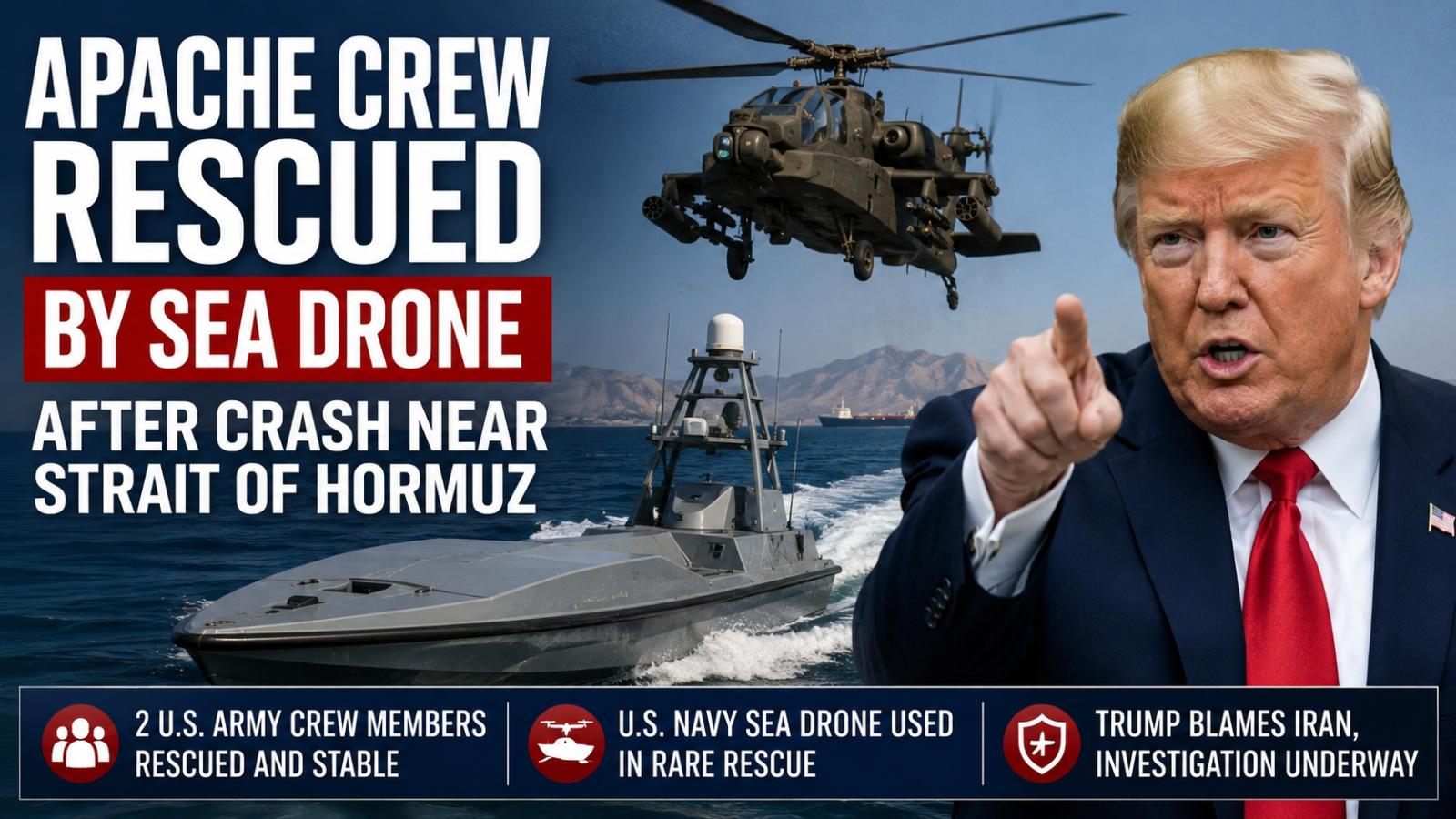
Two U.S. Army Apache crew members were rescued by a Navy sea drone after their helicopter went down near the Strait of Hormuz, a key global shipping route, U.S. officials said.
The incident occurred near the coast of Oman early Tuesday, June 9, 2026, local time, while the AH-64 Apache was operating in regional waters. Both crew members were recovered and were reported to be stable and uninjured.
U.S. Navy Sea Drone Used in Rare Rescue Operation
Two U.S. Army Apache crew members were rescued by a Navy sea drone after their helicopter went down near the Strait of Hormuz, a key global shipping route, U.S. officials said.
The incident occurred near the coast of Oman early Tuesday, June 9, 2026, local time, while the AH-64 Apache was operating in regional waters. Both crew members were recovered and were reported to be stable and uninjured.
U.S. Navy Sea Drone Used in Rare Rescue Operation
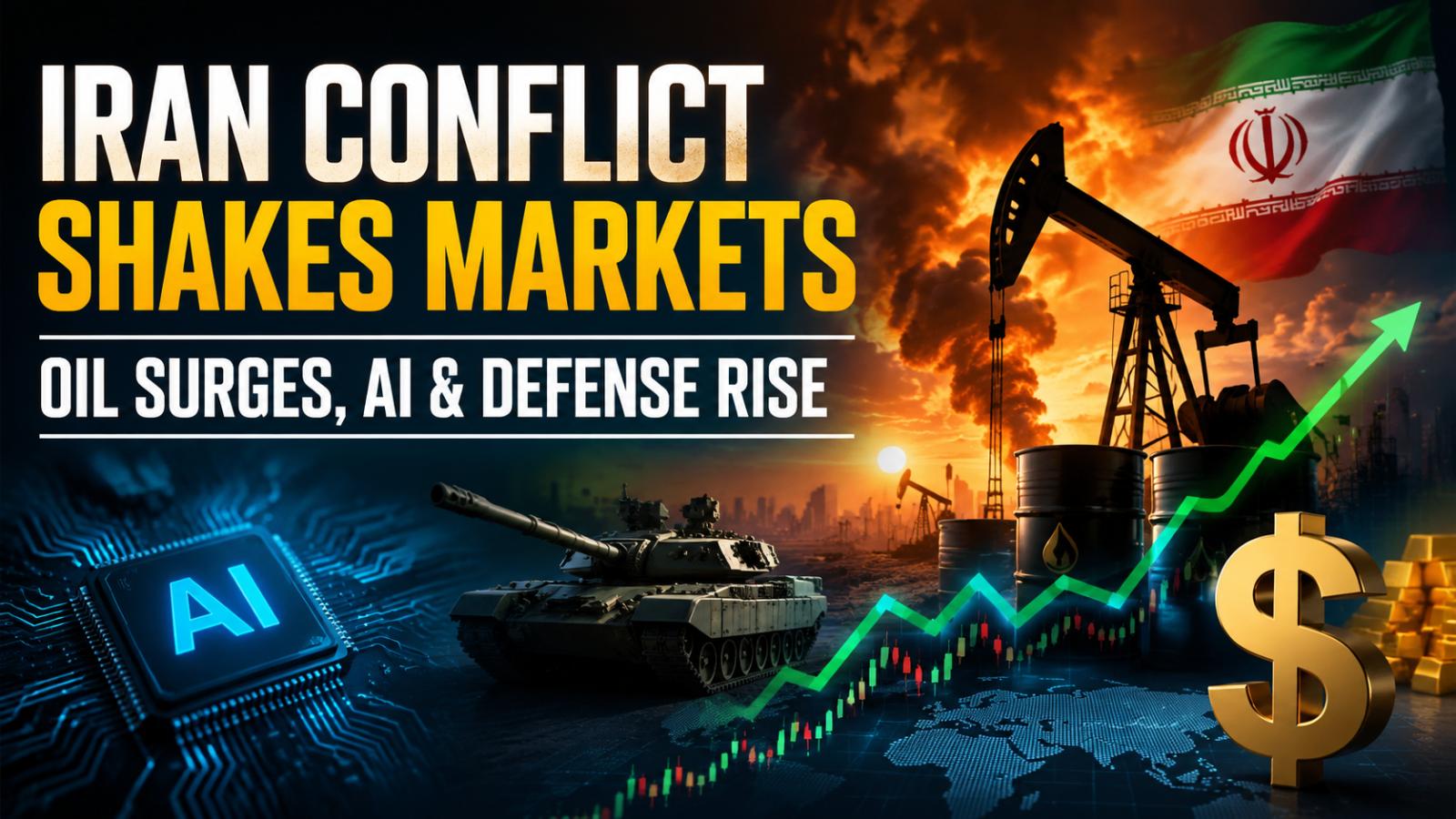
Recent developments in Iran have sent shockwaves through global financial markets. Investors are recalibrating portfolios as oil prices climb, geopolitical uncertainty rises, and economic pressures mount. While energy producers, defense companies, and AI-driven technology firms see gains, sectors like airlines and energy-importing economies face increasing strain. The US dollar and other safe-haven assets are also attracting attention amid market volatility.
Recent developments in Iran have sent shockwaves through global financial markets. Investors are recalibrating portfolios as oil prices climb, geopolitical uncertainty rises, and economic pressures mount. While energy producers, defense companies, and AI-driven technology firms see gains, sectors like airlines and energy-importing economies face increasing strain. The US dollar and other safe-haven assets are also attracting attention amid market volatility.
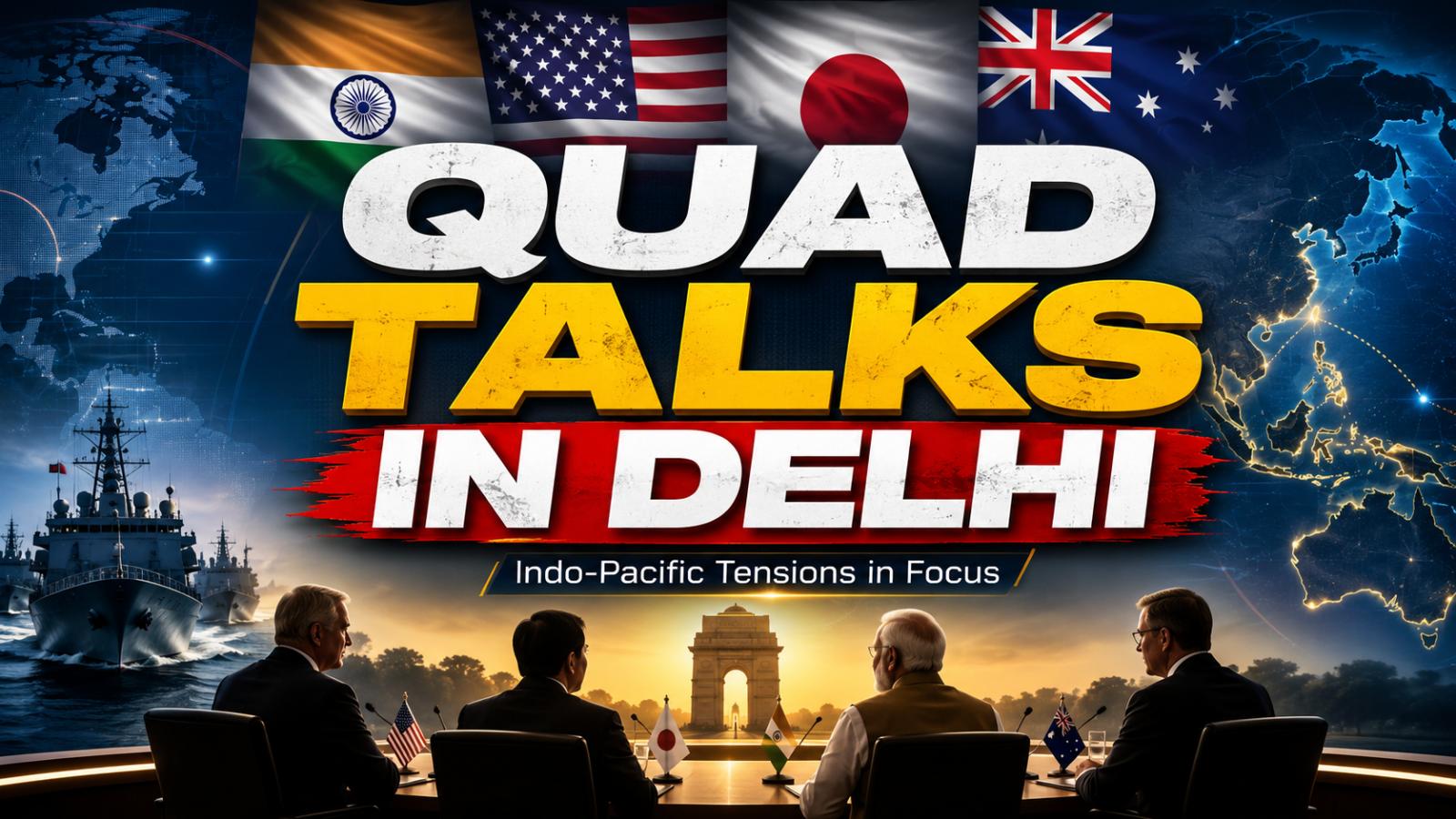
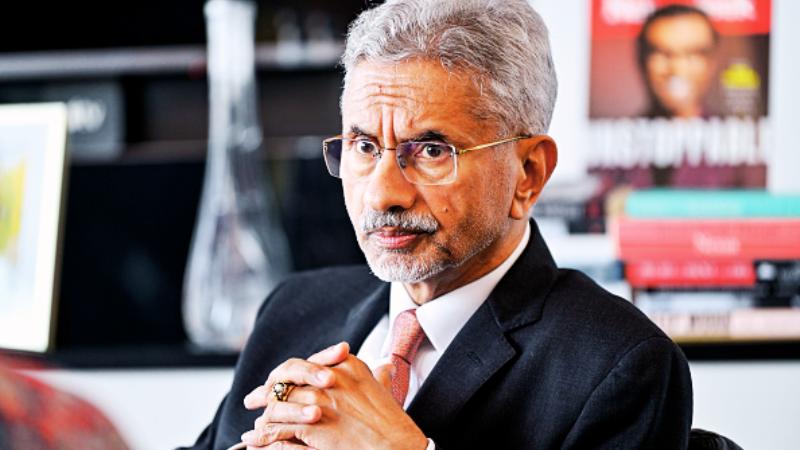
India is hosting the Quad foreign ministers’ meeting in New Delhi on May 26, 2026, bringing together senior leaders from India, the United States, Japan and Australia. External Affairs Minister S. Jaishankar is chairing the meeting, with U.S. Secretary of State Marco Rubio, Australian Foreign Minister Penny Wong and Japanese Foreign Minister Toshimitsu Motegi attending the talks. The participation details are confirmed by India’s Ministry of External Affairs.
The meeting comes a
India is hosting the Quad foreign ministers’ meeting in New Delhi on May 26, 2026, bringing together senior leaders from India, the United States, Japan and Australia. External Affairs Minister S. Jaishankar is chairing the meeting, with U.S. Secretary of State Marco Rubio, Australian Foreign Minister Penny Wong and Japanese Foreign Minister Toshimitsu Motegi attending the talks. The participation details are confirmed by India’s Ministry of External Affairs.
The meeting comes a
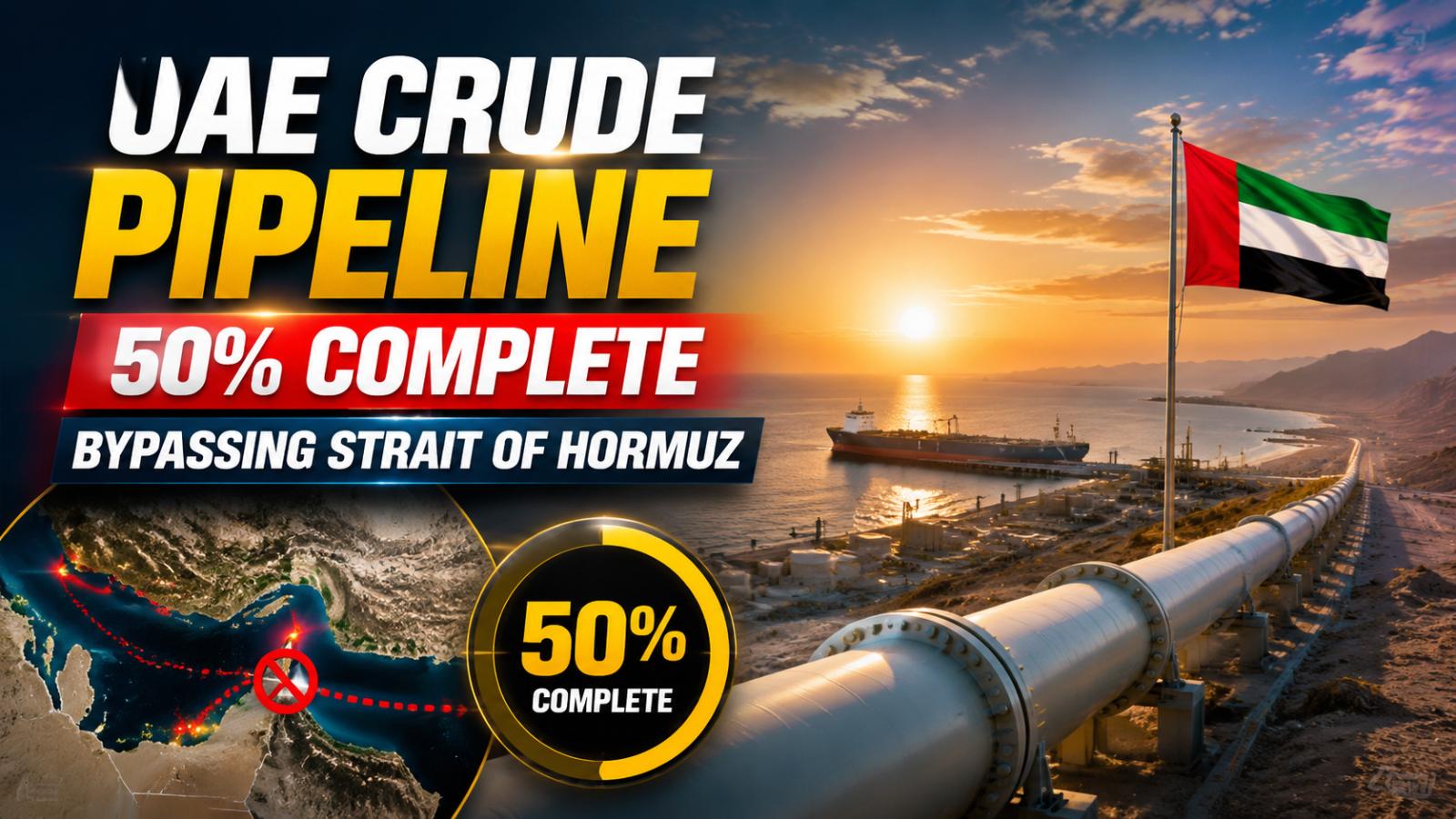
The United Arab Emirates has achieved a major milestone with 50% completion of the West-East Pipeline, a strategic crude oil project designed to bypass the Strait of Hormuz. Managed by ADNOC and accelerated under Crown Prince Sheikh Khaled bin Mohamed bin Zayed, the pipeline aims to increase crude export capacity via the port of Fujairah by 2027.
ADNOC CEO Sultan Al Jaber highlighted that even after the resolution of regional conflicts, global oil flows could take several months to
The United Arab Emirates has achieved a major milestone with 50% completion of the West-East Pipeline, a strategic crude oil project designed to bypass the Strait of Hormuz. Managed by ADNOC and accelerated under Crown Prince Sheikh Khaled bin Mohamed bin Zayed, the pipeline aims to increase crude export capacity via the port of Fujairah by 2027.
ADNOC CEO Sultan Al Jaber highlighted that even after the resolution of regional conflicts, global oil flows could take several months to
The United States has announced a new maritime initiative aimed at assisting commercial vessels stranded in the Strait of Hormuz, a critical global shipping route impacted by ongoing tensions. The operation, referred to as Project Freedom, is intended to guide ships safely through restricted waters as part of what officials described as a humanitarian effort to stabilize maritime activity in the region.
According to statements from US leadership, the initiative will focus on escorti
The United States has announced a new maritime initiative aimed at assisting commercial vessels stranded in the Strait of Hormuz, a critical global shipping route impacted by ongoing tensions. The operation, referred to as Project Freedom, is intended to guide ships safely through restricted waters as part of what officials described as a humanitarian effort to stabilize maritime activity in the region.
According to statements from US leadership, the initiative will focus on escorti
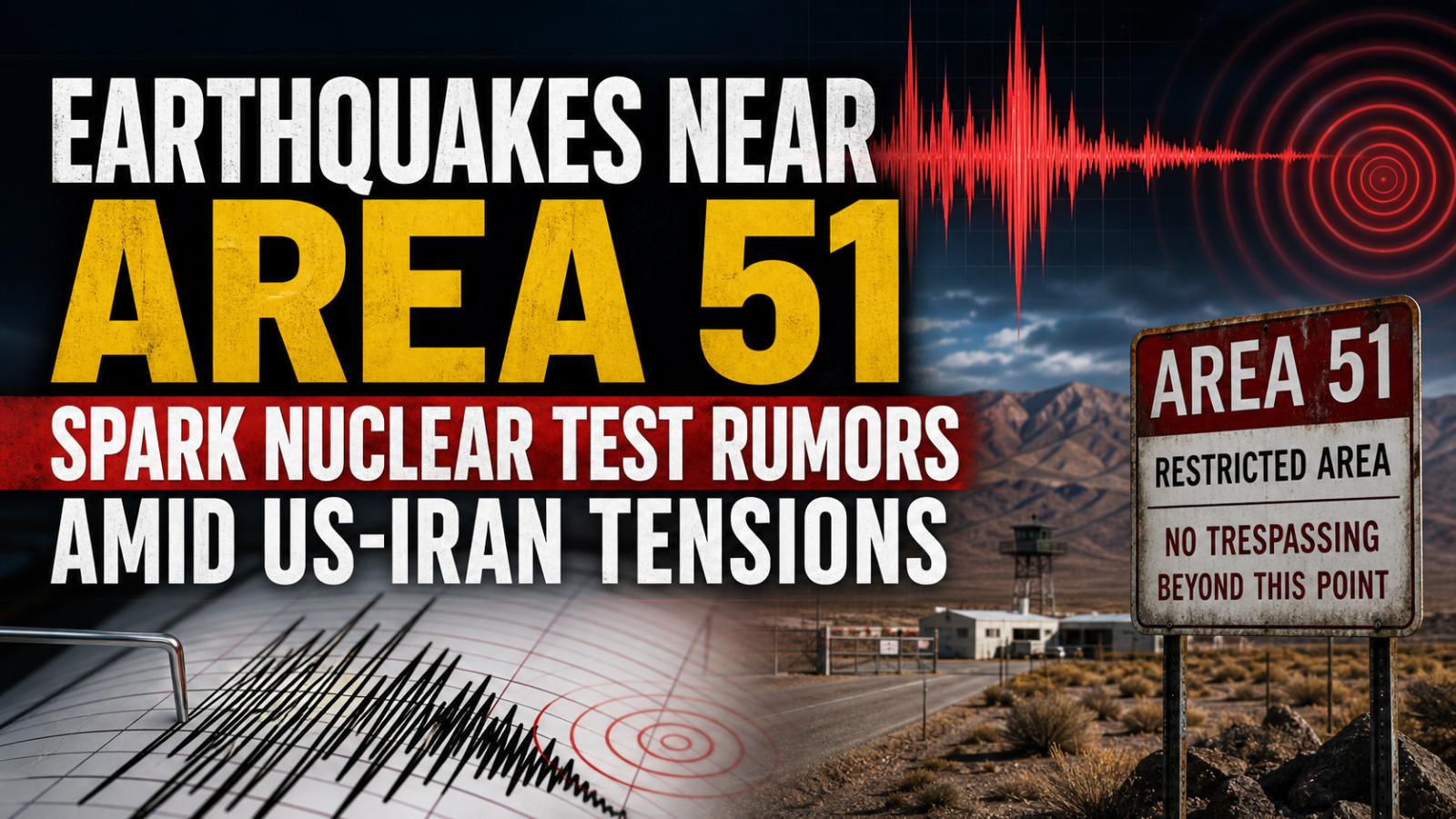
Earthquakes near Area 51 raise questions amid rising tensions
A series of earthquakes near Area 51 in Nevada between April 29 and April 30, 2026, has sparked widespread attention, with at least 17 tremors recorded within a 24 to 48-hour window, most around magnitude 4.4. The seismic activity occurred during this short time frame and has dr
Earthquakes near Area 51 raise questions amid rising tensions
A series of earthquakes near Area 51 in Nevada between April 29 and April 30, 2026, has sparked widespread attention, with at least 17 tremors recorded within a 24 to 48-hour window, most around magnitude 4.4. The seismic activity occurred during this short time frame and has dr
Russian President Vladimir Putin and US President Donald Trump held a phone call on Wednesday, discussing key global issues including the ongoing Ukraine war and rising tensions in the Middle East. The conversation, which lasted approximately 90 minutes, marked their first known direct contact since March and reflected continued diplomatic engagement between the two countries.
According to Kremlin aide Yuri Ushakov, both leaders focused extensively on developments in the Middle East, particularly the situation involving Iran and the broader Persian Gulf region. Ushakov said Putin supported Trump’s decision to extend a ceasefire with Iran, noting that such a move could create space for negotiations and contribute to regional stability. The discussion also included specific proposals from Russia regarding Iran, though details were not publicly disclosed.
The Ukraine conflict was another central topic of the call. Putin reportedly expressed readiness to declare a temporary ceasefire to coincide with Russia’s Victory Day on May 9, an annual commemoration of the Soviet Union’s victory in World War II. The proposal is seen as a symbolic gesture tied to a major national observance, although its broader implications remain unclear.
During the call, Putin also condemned the recent shooting at the White House Correspondents’ Association dinner and conveyed support in response to the incident. Additionally, he extended birthday greetings to Melania Trump and acknowledged her efforts in humanitarian matters, including initiatives aimed at reconnecting families affected by the Russia-Ukraine conflict.
Victory Day, observed annually in Moscow with a military parade, will reportedly be scaled back this year due to security concerns, including potential threats of retaliatory strikes. The call highlights ongoing dialogue between the two leaders amid complex geopolitical challenges.
Russian President Vladimir Putin and US President Donald Trump held a phone call on Wednesday, discussing key global issues including the ongoing Ukraine war and rising tensions in the Middle East. The conversation, which lasted approximately 90 minutes, marked their first known direct contact since March and reflected continued diplomatic engagement between the two countries.
According to Kremlin aide Yuri Ushakov, both leaders focused extensively on developments in the Middle East, particularly the situation involving Iran and the broader Persian Gulf region. Ushakov said Putin supported Trump’s decision to extend a ceasefire with Iran, noting that such a move could create space for negotiations and contribute to regional stability. The discussion also included specific proposals from Russia regarding Iran, though details were not publicly disclosed.
The Ukraine conflict was another central topic of the call. Putin reportedly expressed readiness to declare a temporary ceasefire to coincide with Russia’s Victory Day on May 9, an annual commemoration of the Soviet Union’s victory in World War II. The proposal is seen as a symbolic gesture tied to a major national observance, although its broader implications remain unclear.
During the call, Putin also condemned the recent shooting at the White House Correspondents’ Association dinner and conveyed support in response to the incident. Additionally, he extended birthday greetings to Melania Trump and acknowledged her efforts in humanitarian matters, including initiatives aimed at reconnecting families affected by the Russia-Ukraine conflict.
Victory Day, observed annually in Moscow with a military parade, will reportedly be scaled back this year due to security concerns, including potential threats of retaliatory strikes. The call highlights ongoing dialogue between the two leaders amid complex geopolitical challenges.
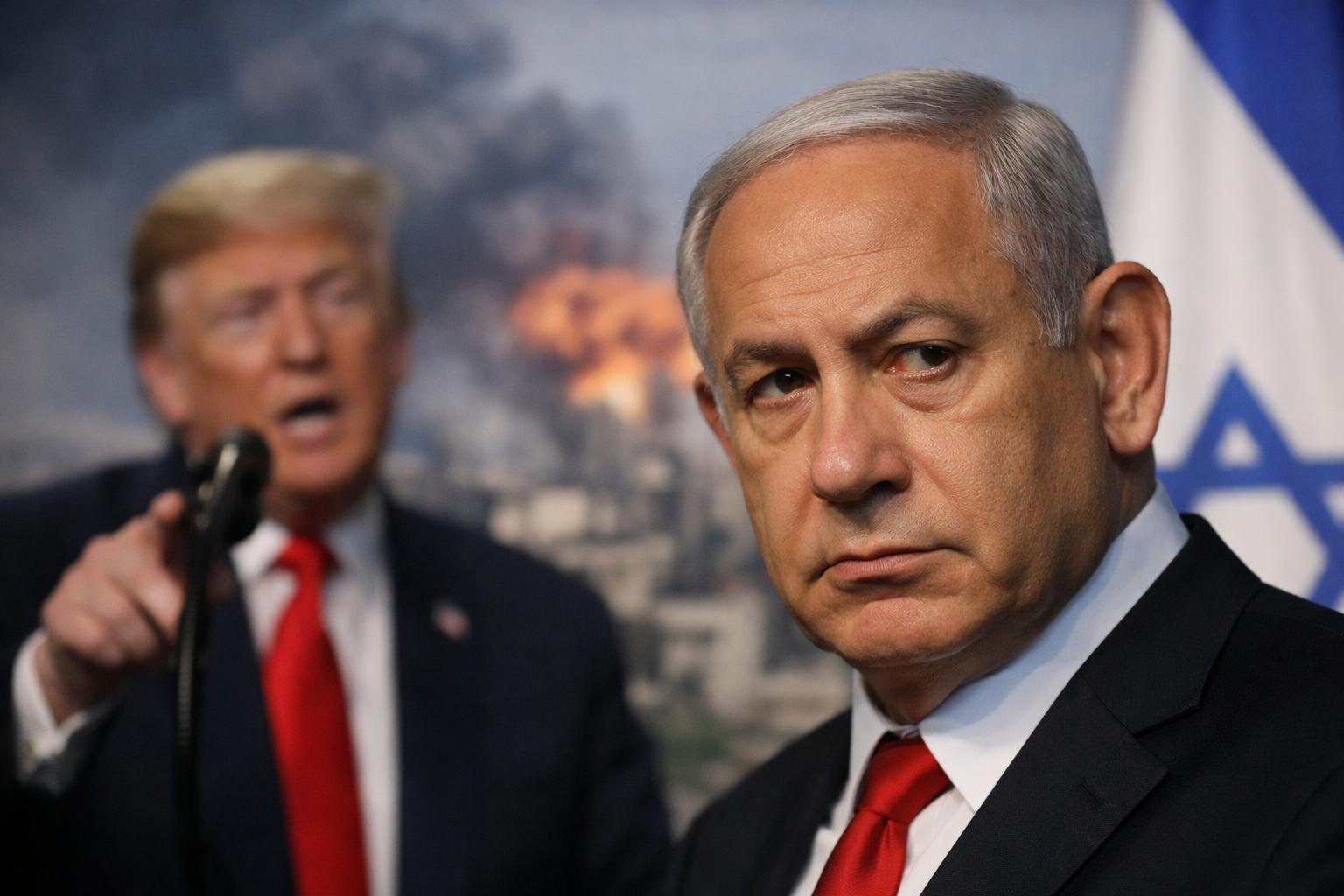
A cease-fire between Israel and Lebanon, pressed forward by Donald Trump, is drawing sharp criticism within Israel, where Prime Minister Benjamin Netanyahu faces mounting political pressure over the decision to halt military operations against
A cease-fire between Israel and Lebanon, pressed forward by Donald Trump, is drawing sharp criticism within Israel, where Prime Minister Benjamin Netanyahu faces mounting political pressure over the decision to halt military operations against
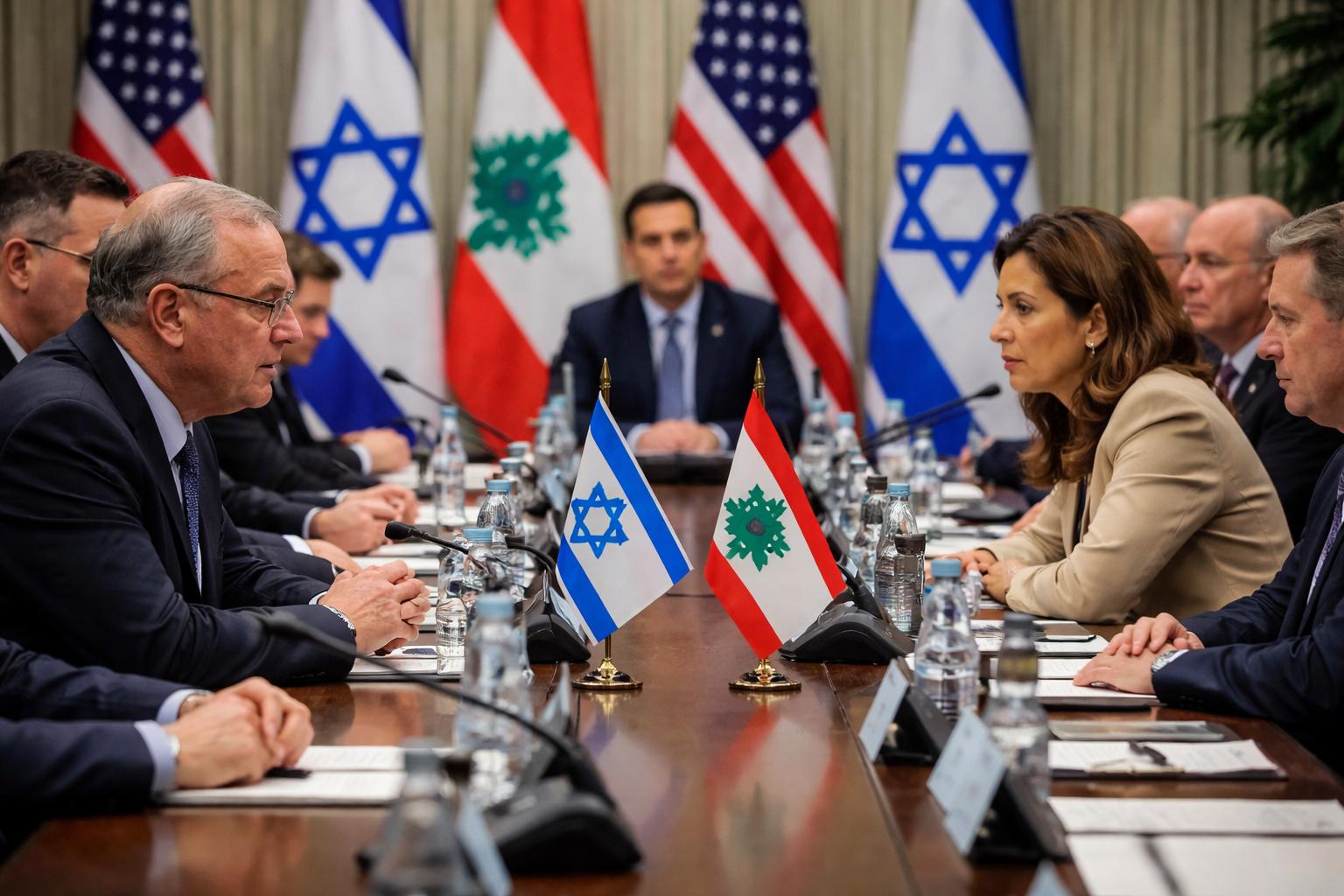
Israeli and Lebanese officials held more than two hours of direct talks in Washington, D.C., on Tuesday, April 14, 2026, marking the first such high-level engagement between the two countries in decades as fighting between Israel and the Iran-backed Hezbollah group continues to escalate.
The meeting, hosted by U.S. Secretary of State Marco Rubio, comes amid a fragile regional environment shaped by ongoing hostilities in Lebanon and broader tensions involving Iran. Rubio described the talks as a long-term diplomatic effort rather than an immediate solution, emphasizing that deeply rooted issues between the two sides would take time to resolve.
Israeli Ambassador Yechiel Leiter said the discussions reflect a shared objective of reducing Hezbollah’s influence in Lebanon, which Israel views as an extension of Iranian power in the region. Lebanese Ambassador Nada Hamadeh Moawad participated in the talks, though public comments from the Lebanese side remained limited immediately afterward.
The talks are notable given that Israel and Lebanon do not maintain formal diplomatic relations and have been technically at war for decades. Despite this, U.S. officials have pushed for dialogue as part of a broader effort to stabilize the region and prevent further escalation tied to the ongoing conflict with Iran and its allies.
The diplomatic engagement comes as Israeli military operations continue across southern Lebanon. The conflict intensified after Hezbollah launched rocket attacks on northern Israel on Sunday, March 2, 2026, prompting a large-scale Israeli response that has included airstrikes and ground operations.
Hezbollah, which is not part of the negotiations and opposes direct talks with Israel, has continued its military activities during the diplomatic effort. The group’s rejection of the talks highlights internal divisions within Lebanon, where the government has limited control over Hezbollah’s armed wing.
Beyond the immediate conflict, the situation has broader global implications. Tensions surrounding Iran, including disputes over its nuclear program and control of the Strait of Hormuz, have raised concerns about disruptions to global energy supplies. Analysts warn that instability in the region could affect oil markets and contribute to economic uncertainty worldwide.
While no immediate breakthroughs are expected, officials describe the Washington meeting as a significant first step toward potential de-escalation, even as violence on the ground and political divisions continue to complicate the path forward.
Israeli and Lebanese officials held more than two hours of direct talks in Washington, D.C., on Tuesday, April 14, 2026, marking the first such high-level engagement between the two countries in decades as fighting between Israel and the Iran-backed Hezbollah group continues to escalate.
The meeting, hosted by U.S. Secretary of State Marco Rubio, comes amid a fragile regional environment shaped by ongoing hostilities in Lebanon and broader tensions involving Iran. Rubio described the talks as a long-term diplomatic effort rather than an immediate solution, emphasizing that deeply rooted issues between the two sides would take time to resolve.
Israeli Ambassador Yechiel Leiter said the discussions reflect a shared objective of reducing Hezbollah’s influence in Lebanon, which Israel views as an extension of Iranian power in the region. Lebanese Ambassador Nada Hamadeh Moawad participated in the talks, though public comments from the Lebanese side remained limited immediately afterward.
The talks are notable given that Israel and Lebanon do not maintain formal diplomatic relations and have been technically at war for decades. Despite this, U.S. officials have pushed for dialogue as part of a broader effort to stabilize the region and prevent further escalation tied to the ongoing conflict with Iran and its allies.
The diplomatic engagement comes as Israeli military operations continue across southern Lebanon. The conflict intensified after Hezbollah launched rocket attacks on northern Israel on Sunday, March 2, 2026, prompting a large-scale Israeli response that has included airstrikes and ground operations.
Hezbollah, which is not part of the negotiations and opposes direct talks with Israel, has continued its military activities during the diplomatic effort. The group’s rejection of the talks highlights internal divisions within Lebanon, where the government has limited control over Hezbollah’s armed wing.
Beyond the immediate conflict, the situation has broader global implications. Tensions surrounding Iran, including disputes over its nuclear program and control of the Strait of Hormuz, have raised concerns about disruptions to global energy supplies. Analysts warn that instability in the region could affect oil markets and contribute to economic uncertainty worldwide.
While no immediate breakthroughs are expected, officials describe the Washington meeting as a significant first step toward potential de-escalation, even as violence on the ground and political divisions continue to complicate the path forward.
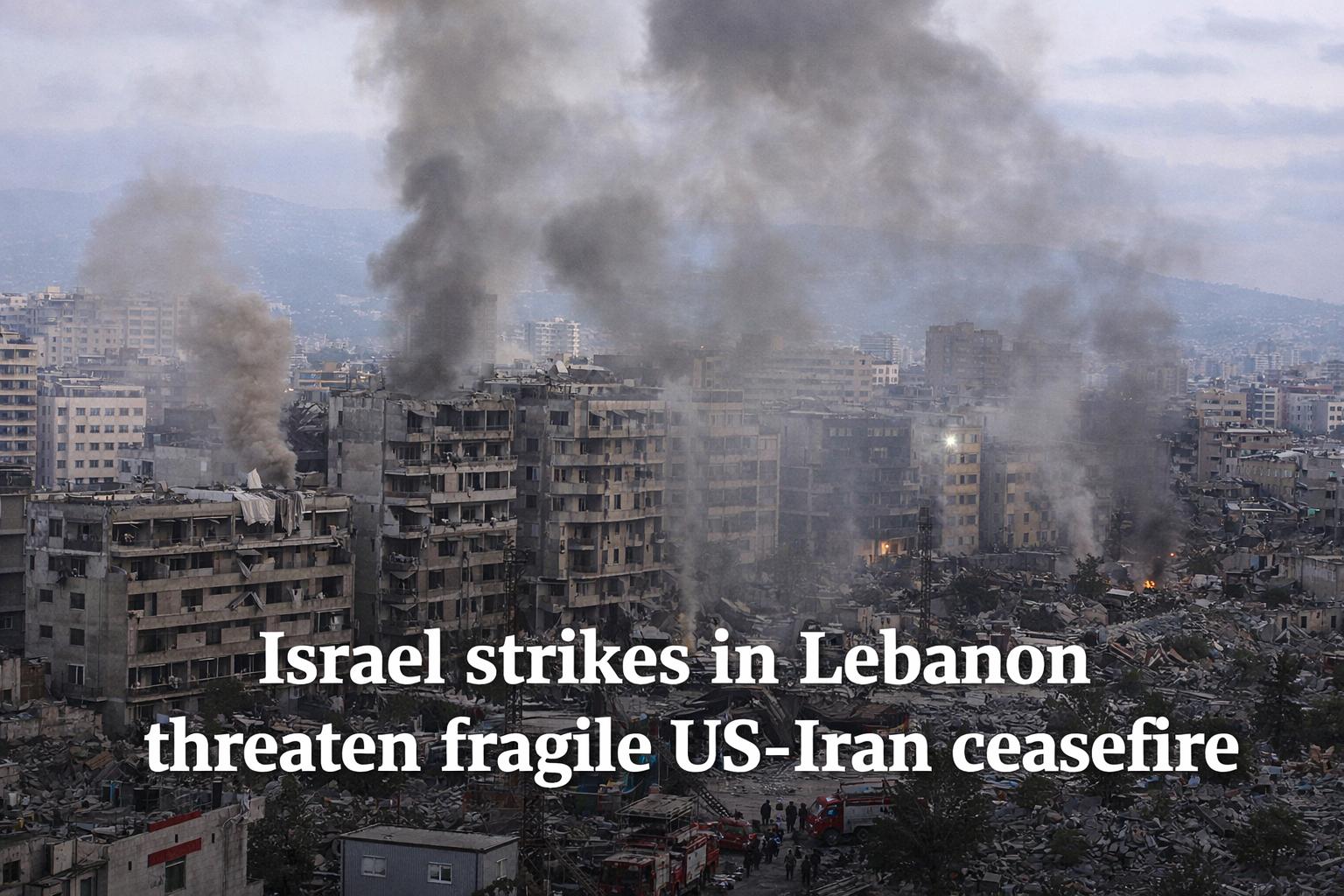
Israel’s intensified military campaign in Lebanon is raising concerns about the stability of a fragile ceasefire between the United States and Iran, with both sides disputing whether Lebanon was included in the agreement. Iranian officials argue that Israeli strikes violate the truce, while U.S. and Israeli authorities maintain the deal does not extend to Lebanon.
The disagreement comes as Israeli airstrikes across Lebanon, including Beirut, caused widespread destruction and signi
Israel’s intensified military campaign in Lebanon is raising concerns about the stability of a fragile ceasefire between the United States and Iran, with both sides disputing whether Lebanon was included in the agreement. Iranian officials argue that Israeli strikes violate the truce, while U.S. and Israeli authorities maintain the deal does not extend to Lebanon.
The disagreement comes as Israeli airstrikes across Lebanon, including Beirut, caused widespread destruction and signi
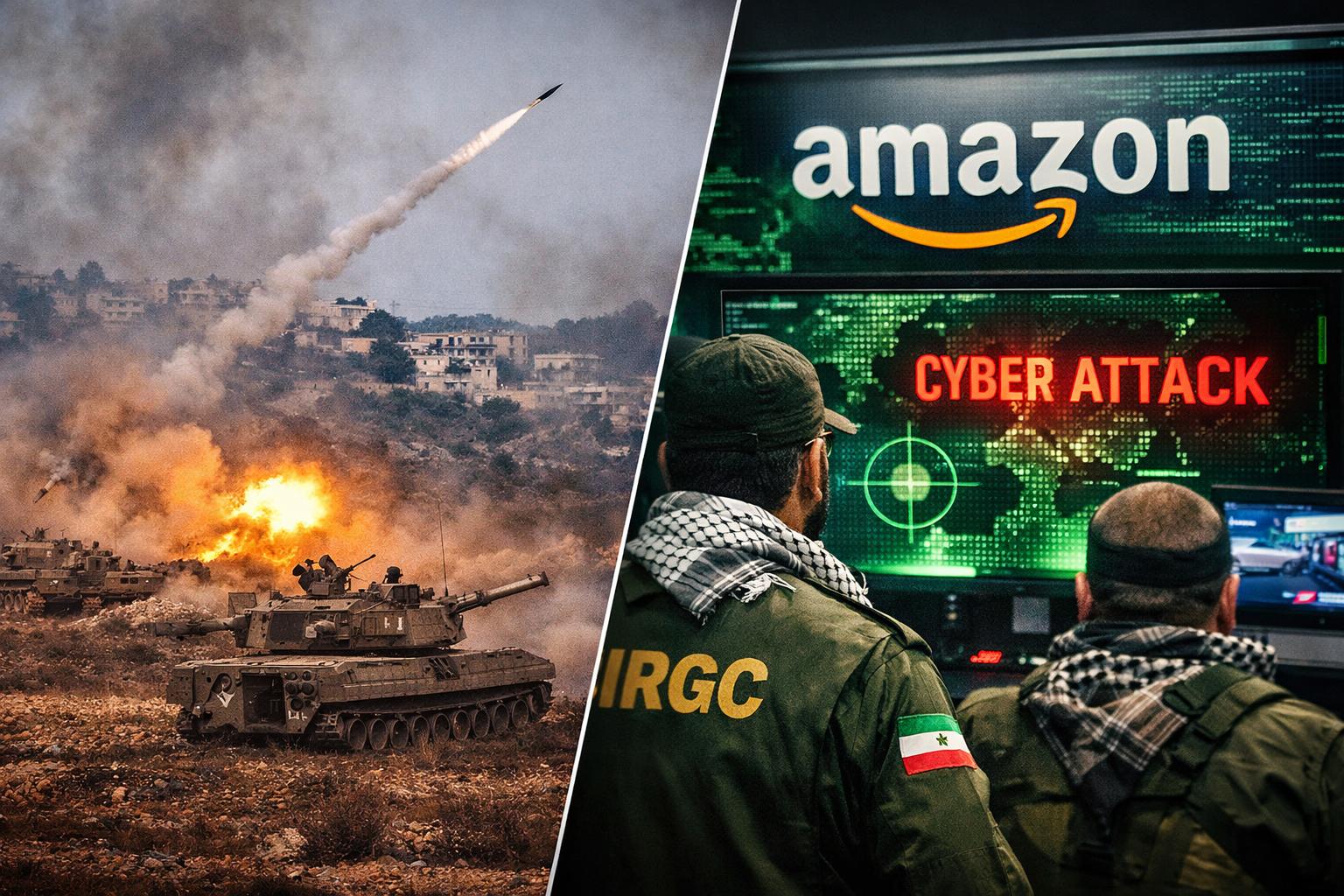
The Israeli military said it has killed approximately 1,000 Hezbollah operatives in Lebanon as hostilities intensify in parallel with escalating tensions involving Iran. The Israel Defense Forces (IDF) stated that the casualties include hundreds of members from Hezbollah’s elite Radwan Force, a key unit within the Iran-backed group.
The announcement was made as cross-border exchanges between Israel and Hezbollah continue to increase in frequency and intensity. According to the IDF, Hezbollah launched around 130 rockets into Israeli territory over the previous 24-hour period. Israeli defense systems intercepted the majority of the projectiles, while others landed in open areas. However, several rockets struck populated areas, causing property damage and leaving multiple individuals with minor injuries.
The developments were reported at 8:59 PM IST on Thursday, April 2, 2026. The situation reflects a broader escalation across the Middle East, with tensions extending beyond Israel and Lebanon.
In a separate development, Iran’s Islamic Revolutionary Guard Corps (IRGC) claimed responsibility for an attack targeting an Amazon cloud computing facility in Bahrain. The claim was reported by Iranian state-affiliated media, which described the operation as part of the third phase of what it called the “90th wave” of Operation True Promise 4.
The reported cyber or infrastructure-related strike comes amid heightened rhetoric from Iran. On Wednesday, April 1, 2026, the IRGC warned that it could target multiple major international companies, including Microsoft, Google, Apple, Intel, IBM, Tesla, and Boeing, citing their regional presence.
These overlapping developments underscore the widening scope of the conflict, raising concerns about regional stability and the potential for broader international implications. While Israel continues military operations against Hezbollah, Iran’s actions and warnings suggest an expanding dimension that could involve both conventional and cyber domains.
The Israeli military said it has killed approximately 1,000 Hezbollah operatives in Lebanon as hostilities intensify in parallel with escalating tensions involving Iran. The Israel Defense Forces (IDF) stated that the casualties include hundreds of members from Hezbollah’s elite Radwan Force, a key unit within the Iran-backed group.
The announcement was made as cross-border exchanges between Israel and Hezbollah continue to increase in frequency and intensity. According to the IDF, Hezbollah launched around 130 rockets into Israeli territory over the previous 24-hour period. Israeli defense systems intercepted the majority of the projectiles, while others landed in open areas. However, several rockets struck populated areas, causing property damage and leaving multiple individuals with minor injuries.
The developments were reported at 8:59 PM IST on Thursday, April 2, 2026. The situation reflects a broader escalation across the Middle East, with tensions extending beyond Israel and Lebanon.
In a separate development, Iran’s Islamic Revolutionary Guard Corps (IRGC) claimed responsibility for an attack targeting an Amazon cloud computing facility in Bahrain. The claim was reported by Iranian state-affiliated media, which described the operation as part of the third phase of what it called the “90th wave” of Operation True Promise 4.
The reported cyber or infrastructure-related strike comes amid heightened rhetoric from Iran. On Wednesday, April 1, 2026, the IRGC warned that it could target multiple major international companies, including Microsoft, Google, Apple, Intel, IBM, Tesla, and Boeing, citing their regional presence.
These overlapping developments underscore the widening scope of the conflict, raising concerns about regional stability and the potential for broader international implications. While Israel continues military operations against Hezbollah, Iran’s actions and warnings suggest an expanding dimension that could involve both conventional and cyber domains.
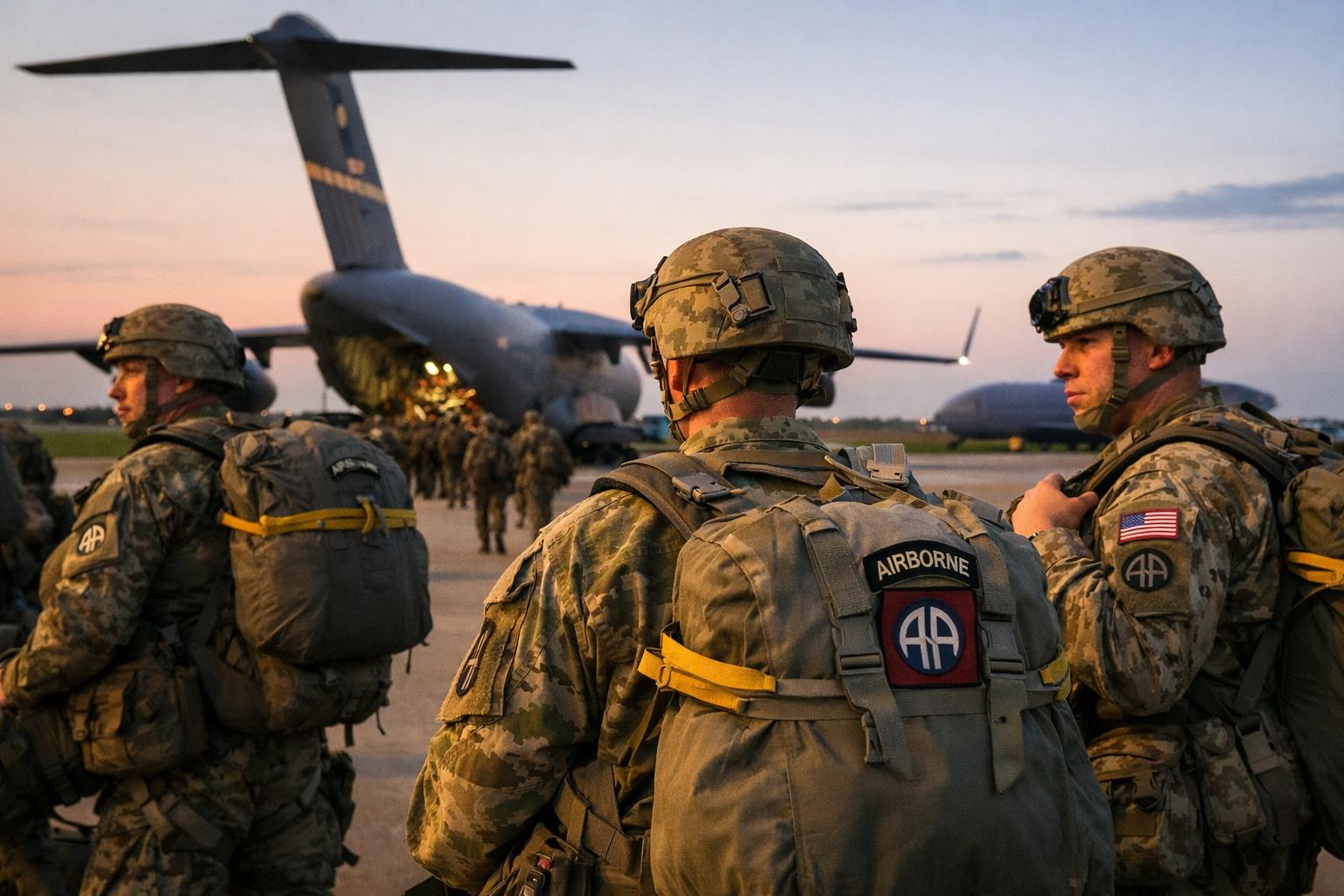
The Pentagon is preparing to deploy approximately 3,000 troops from the 82nd Airborne Division as part of Operation Epic Fury, according to officials familiar with the matter. A formal deployment order is expected to be issued shortly, outlining potential military options without confirming any immediate decision to send ground forces into Iran. The move reflects heightened vigilance within the United States military as tensions in the Middle East continue to evolve.
Officials indicated that the planned deployment would include a combat brigade along with its headquarters unit, both of which are integral to rapid-response operations. The 82nd Airborne Division, based at Fort Bragg, is recognized for its ability to mobilize forces quickly, with a capability to deploy thousands of troops globally within 18 hours. The division has previously demonstrated even faster mobilization timelines, underscoring its strategic importance in crisis situations.
The development follows the recent cancellation of a major training exercise involving the unit, a decision that had already sparked speculation about a possible redeployment to the Middle East. While authorities have emphasized that diplomatic channels with Tehran remain open, the preparation of troops signals growing concern in Washington over the trajectory of regional tensions.
If executed, the deployment would mark a notable shift in US military posture, strengthening both deterrence and operational readiness in the region. The 82nd Airborne Division is trained to handle a wide range of missions, including securing critical infrastructure such as airfields, reinforcing US diplomatic facilities, and supporting emergency evacuations when necessary. Its headquarters unit plays a central role in planning and coordinating these complex operations.
The potential move highlights the balance the administration is attempting to maintain between diplomatic engagement and military preparedness. While no final decision on ground operations has been announced, the readiness of rapid response forces suggests that the United States is positioning itself to respond swiftly to any escalation.
The Pentagon is preparing to deploy approximately 3,000 troops from the 82nd Airborne Division as part of Operation Epic Fury, according to officials familiar with the matter. A formal deployment order is expected to be issued shortly, outlining potential military options without confirming any immediate decision to send ground forces into Iran. The move reflects heightened vigilance within the United States military as tensions in the Middle East continue to evolve.
Officials indicated that the planned deployment would include a combat brigade along with its headquarters unit, both of which are integral to rapid-response operations. The 82nd Airborne Division, based at Fort Bragg, is recognized for its ability to mobilize forces quickly, with a capability to deploy thousands of troops globally within 18 hours. The division has previously demonstrated even faster mobilization timelines, underscoring its strategic importance in crisis situations.
The development follows the recent cancellation of a major training exercise involving the unit, a decision that had already sparked speculation about a possible redeployment to the Middle East. While authorities have emphasized that diplomatic channels with Tehran remain open, the preparation of troops signals growing concern in Washington over the trajectory of regional tensions.
If executed, the deployment would mark a notable shift in US military posture, strengthening both deterrence and operational readiness in the region. The 82nd Airborne Division is trained to handle a wide range of missions, including securing critical infrastructure such as airfields, reinforcing US diplomatic facilities, and supporting emergency evacuations when necessary. Its headquarters unit plays a central role in planning and coordinating these complex operations.
The potential move highlights the balance the administration is attempting to maintain between diplomatic engagement and military preparedness. While no final decision on ground operations has been announced, the readiness of rapid response forces suggests that the United States is positioning itself to respond swiftly to any escalation.
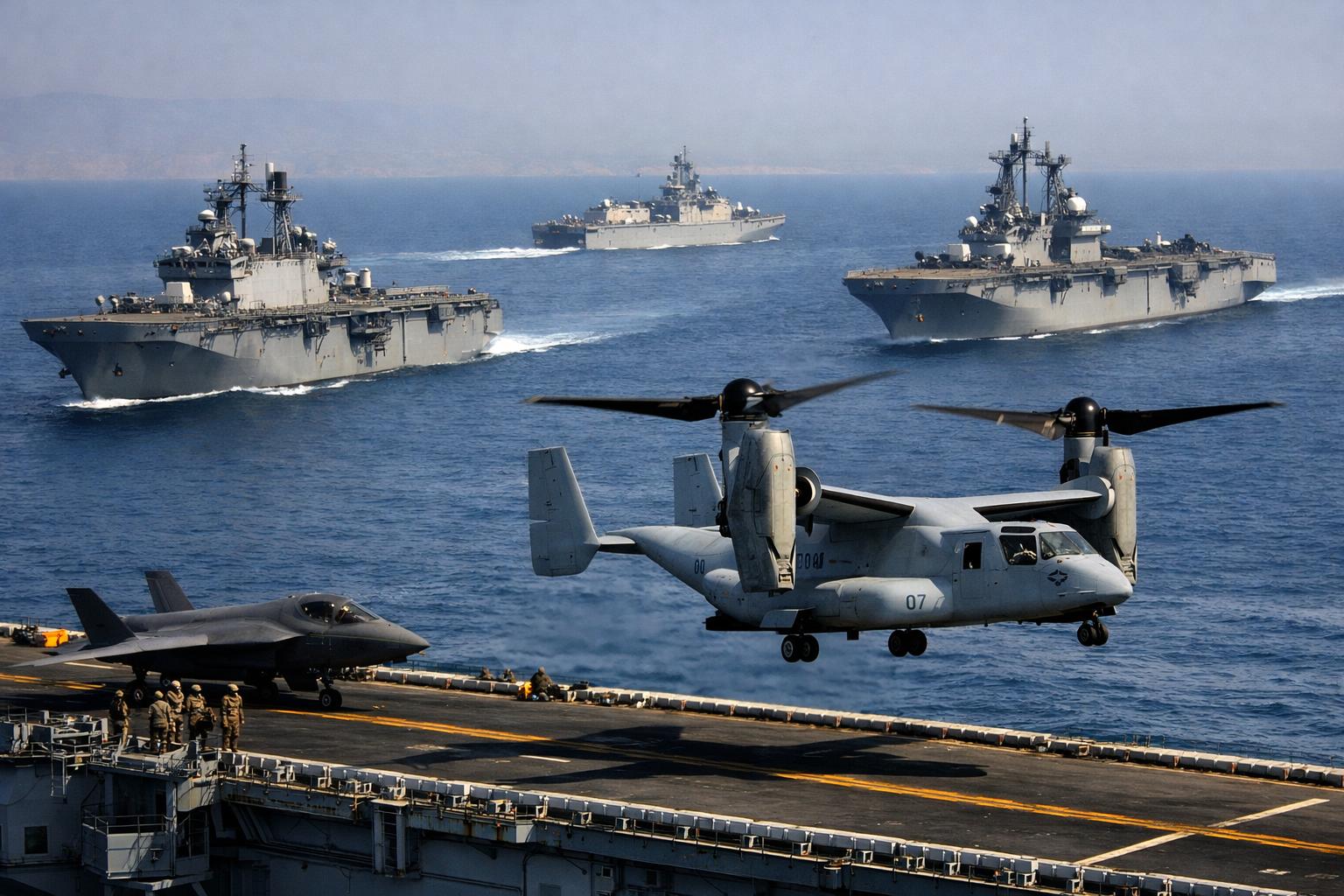
The United States Marine Corps has ordered the deployment of a Marine Expeditionary Unit to the Middle East as tensions in the region continue to escalate. Around 2,200 Marines traveling aboard three US Navy amphibious ships are being redirected toward the area, signaling a reinforcement of American military readiness amid growing concerns over maritime security and regional stability.
The unit involved in the deployment is the 31st Marine Expeditionary Unit, which is normally based in Japan
The United States Marine Corps has ordered the deployment of a Marine Expeditionary Unit to the Middle East as tensions in the region continue to escalate. Around 2,200 Marines traveling aboard three US Navy amphibious ships are being redirected toward the area, signaling a reinforcement of American military readiness amid growing concerns over maritime security and regional stability.
The unit involved in the deployment is the 31st Marine Expeditionary Unit, which is normally based in Japan
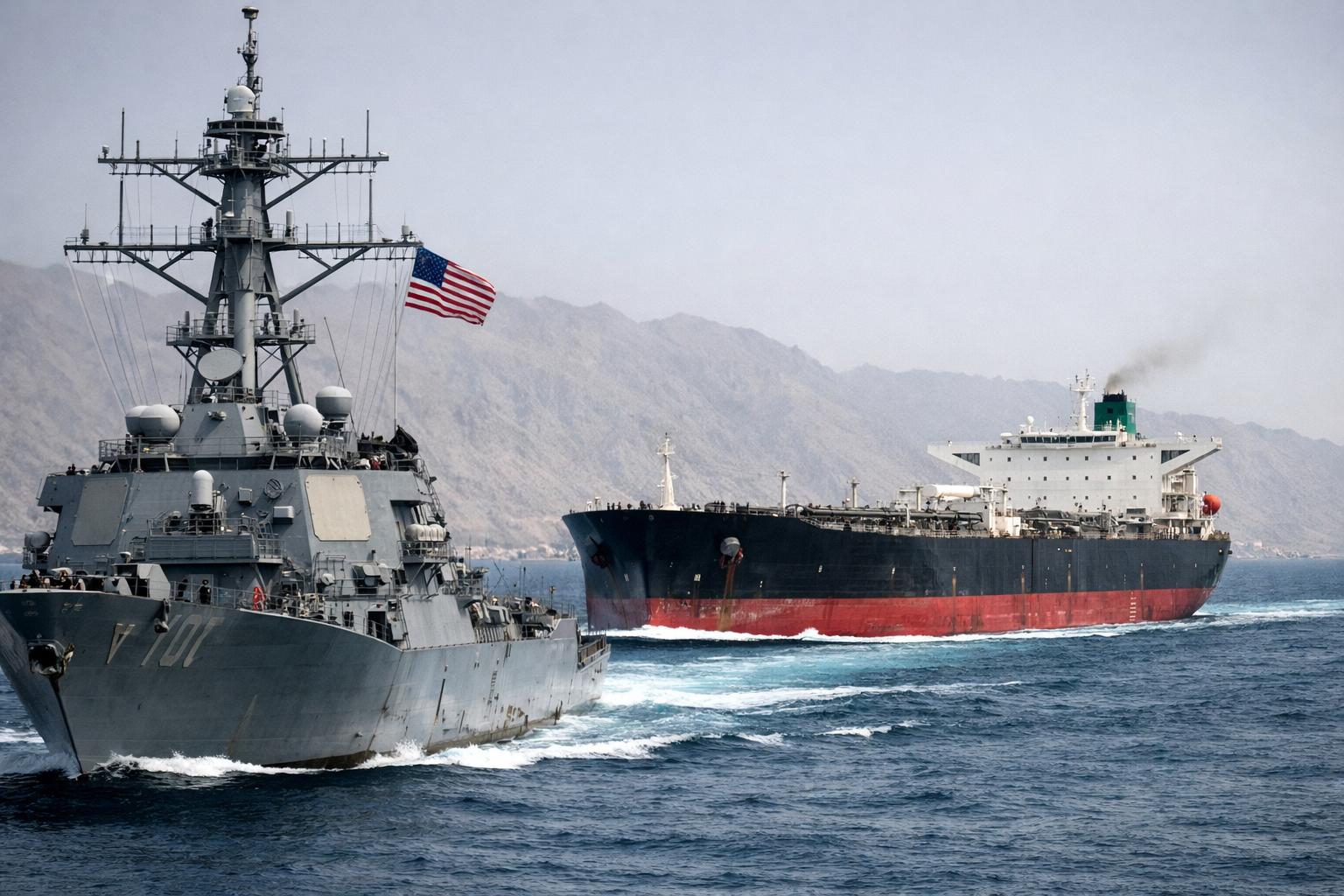
Global oil prices fell sharply on Tuesday after the United States confirmed that a naval escort ensured the safe passage of an oil tanker through the Strait of Hormuz, a critical shipping lane for the world’s energy markets. The announcement helped calm investors who had been reacting to escalating geopolitical tensions and fears of a major oil supply disruption linked to the ongoing Iran conflict.
U.S. crude oil dropped around 15 percent to $79.96 per barrel, while Brent crude, t
Global oil prices fell sharply on Tuesday after the United States confirmed that a naval escort ensured the safe passage of an oil tanker through the Strait of Hormuz, a critical shipping lane for the world’s energy markets. The announcement helped calm investors who had been reacting to escalating geopolitical tensions and fears of a major oil supply disruption linked to the ongoing Iran conflict.
U.S. crude oil dropped around 15 percent to $79.96 per barrel, while Brent crude, t
Gold and silver prices surged sharply on Monday as rising tensions between Iran and the US rattled global markets. As the geopolitical crisis escalated, investors flocked to safe-haven assets, resulting in a significant spike in bullion prices on the Multi Commodity Exchange (MCX). By 11:45 AM, MCX Gold had risen by Rs 5,497, trading at Rs 1,67,601, while MCX Silver climbed by Rs 9,806, reaching Rs 2,92,450. The sudden surge in precious metal prices reflects growing concerns over geopolitical
Gold and silver prices surged sharply on Monday as rising tensions between Iran and the US rattled global markets. As the geopolitical crisis escalated, investors flocked to safe-haven assets, resulting in a significant spike in bullion prices on the Multi Commodity Exchange (MCX). By 11:45 AM, MCX Gold had risen by Rs 5,497, trading at Rs 1,67,601, while MCX Silver climbed by Rs 9,806, reaching Rs 2,92,450. The sudden surge in precious metal prices reflects growing concerns over geopolitical
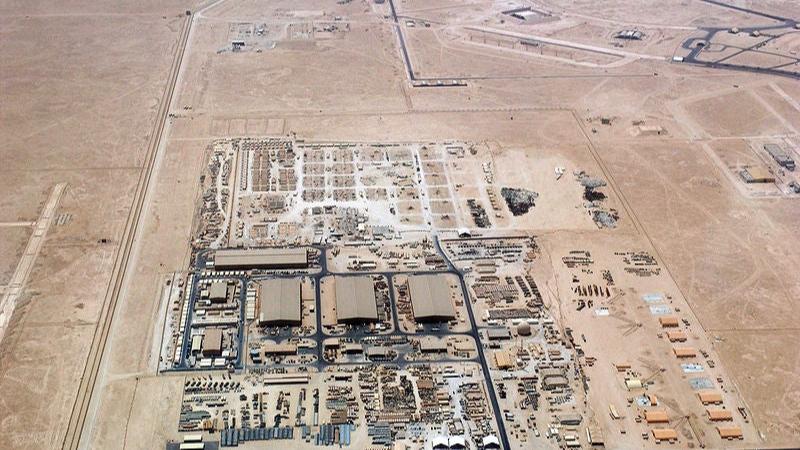
Hundreds of U.S. troops have begun evacuating from a major air base in Qatar as part of a coordinated precautionary effort amid rising tensions with Iran. The move comes as the U.S. administration considers a range of military and diplomatic options in response to Iran’s crackdown on nationwide protests, raising concerns about potential retaliation against American forces stationed across the region.
Service members at Al Udeid Air Base are being relocated to other military installa
Hundreds of U.S. troops have begun evacuating from a major air base in Qatar as part of a coordinated precautionary effort amid rising tensions with Iran. The move comes as the U.S. administration considers a range of military and diplomatic options in response to Iran’s crackdown on nationwide protests, raising concerns about potential retaliation against American forces stationed across the region.
Service members at Al Udeid Air Base are being relocated to other military installa