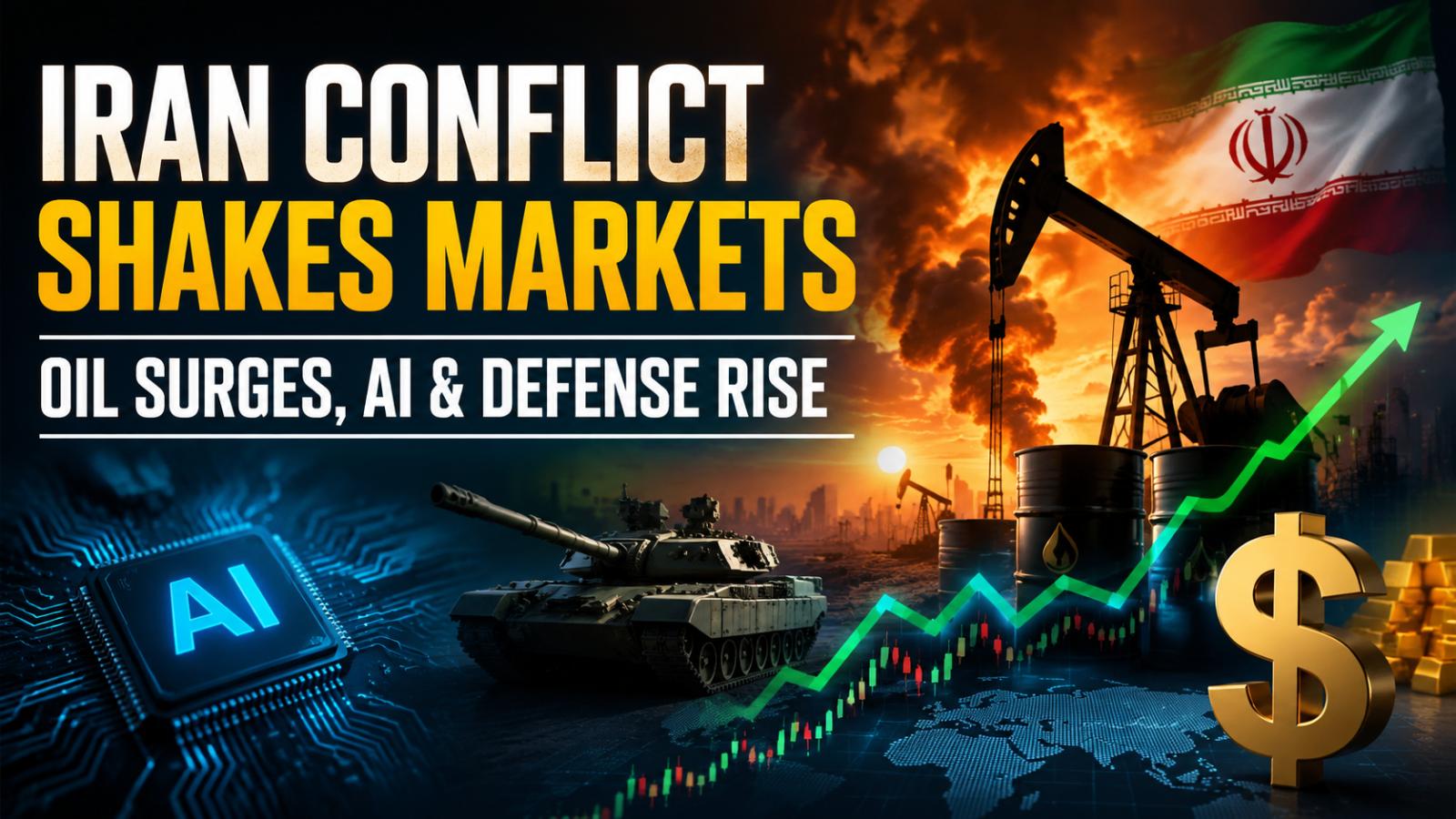
Recent developments in Iran have sent shockwaves through global financial markets. Investors are recalibrating portfolios as oil prices climb, geopolitical uncertainty rises, and economic pressures mount. While energy producers, defense companies, and AI-driven technology firms see gains, sectors like airlines and energy-importing economies face increasing strain. The US dollar and other safe-haven assets are also attracting attention amid market volatility.
Oil Prices Surge, Energy Sector Benefits
Crude oil has surged nearly 40% since tensions escalated, remaining above $100 per barrel. The spike has created opportunities for energy producers and oil-exporting nations but increased costs for industries dependent on fuel. Airlines, logistics companies, and shipping firms are adjusting operations to manage higher expenses. Strategic petroleum reserve releases and alternative supply routes have softened some pressure, but the global energy market remains sensitive to ongoing conflicts.
Aviation Industry Under Pressure
Rising aviation fuel costs are forcing airlines to reconsider routes and pricing. Select international flights have been temporarily suspended, and fuel surcharges are increasing across major carriers. Airlines face logistical challenges with rerouted flights and regional airspace restrictions. The broader impact on consumers and global travel is growing, contributing to inflationary pressures in import-dependent regions.
AI and Defense Stocks Draw Investor Interest
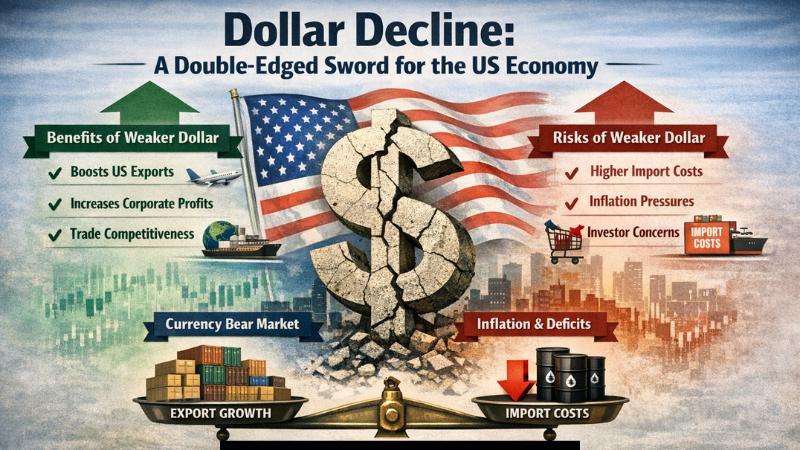
Technology firms focusing on AI are showing resilience amid market uncertainty. Semiconductor companies are seeing significant gains, driven by increased demand for AI hardware and digital infrastructure. Defense and cybersecurity companies are also drawing investment due to heightened security concerns and expectations of increased global military spending. Investors are balancing risk by allocating assets to stable sectors, including the US dollar and gold.
Luxury Market Stabilizes Despite Uncertainty
The global luxury sector continues to show moderate growth, projected at 2–4% this year. While geopolitical and economic instability slows expansion, some high-end brands benefit from shifting consumer behavior and wealth concentration. Analysts note regional and segment variations, emphasizing the polarizing effects of global events on investment and consumption patterns.
Economic Implications for Emerging Markets
Emerging economies, especially those reliant on energy imports, face increased inflation and currency pressures. Capital flows are favoring safe assets, leaving some local currencies under pressure. Companies in fuel-intensive industries must adapt quickly to rising costs, while governments monitor inflationary risks and potential social impacts.