















#iranusrelations
Iran reportedly adjusts US talks strategy with advisory shift
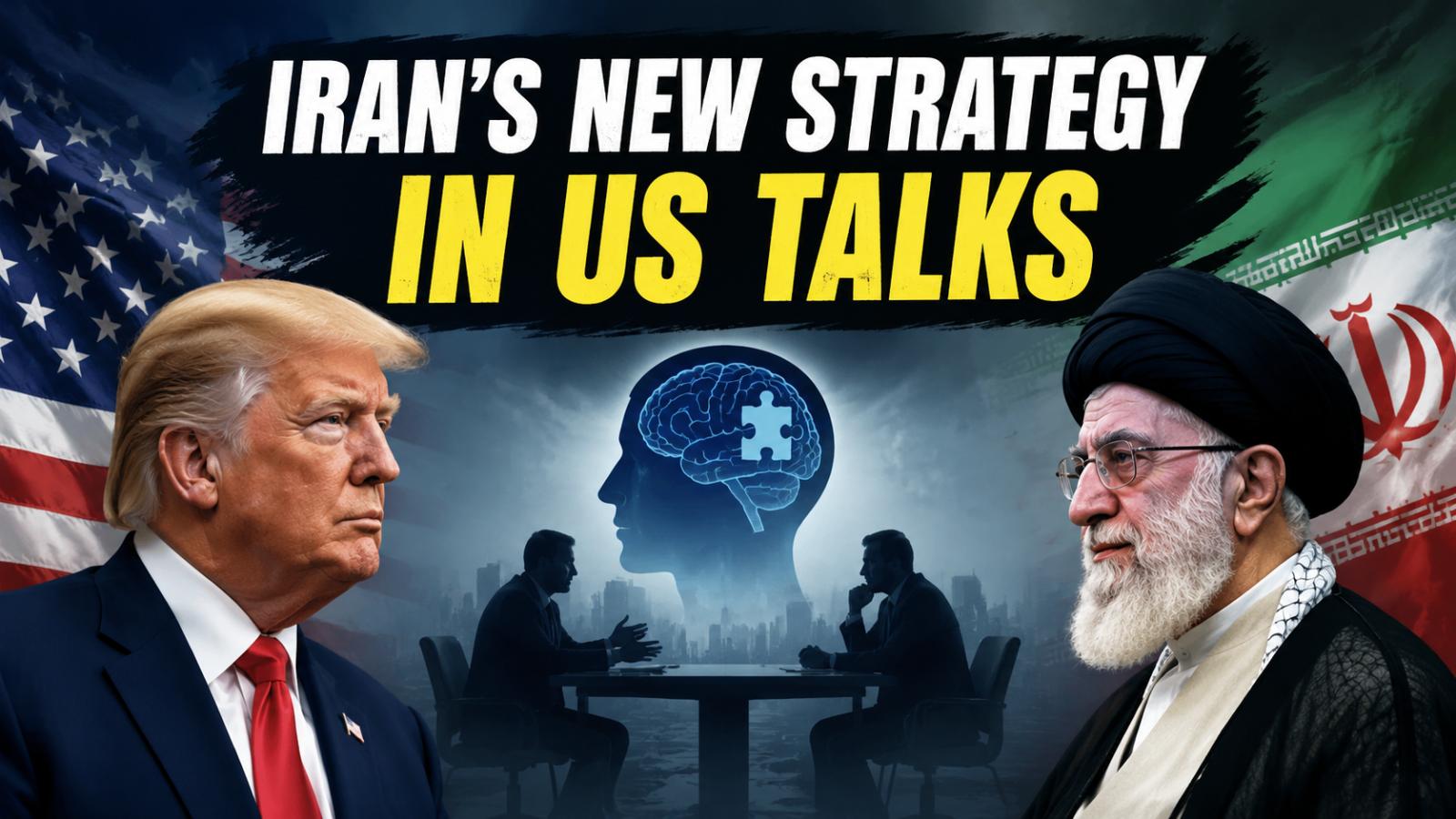
Recent reports indicate a shift in Iran’s diplomatic approach toward negotiations with the United States, with a stronger emphasis on how messages are framed during high-stakes discussions. The change is linked to efforts to improve clarity, control perception, and reduce misinterpretation during sensitive exchanges tied to long-running geopolitical tensions. Inclusion of behavioral expertise in advisory setup
Iran reportedly adjusts US talks strategy with advisory shift
Recent reports indicate a shift in Iran’s diplomatic approach toward negotiations with the United States, with a stronger emphasis on how messages are framed during high-stakes discussions. The change is linked to efforts to improve clarity, control perception, and reduce misinterpretation during sensitive exchanges tied to long-running geopolitical tensions. Inclusion of behavioral expertise in advisory setup
US-Iran Peace Talks Near Breakthrough as Trump Says Deal Is Largely Negotiated
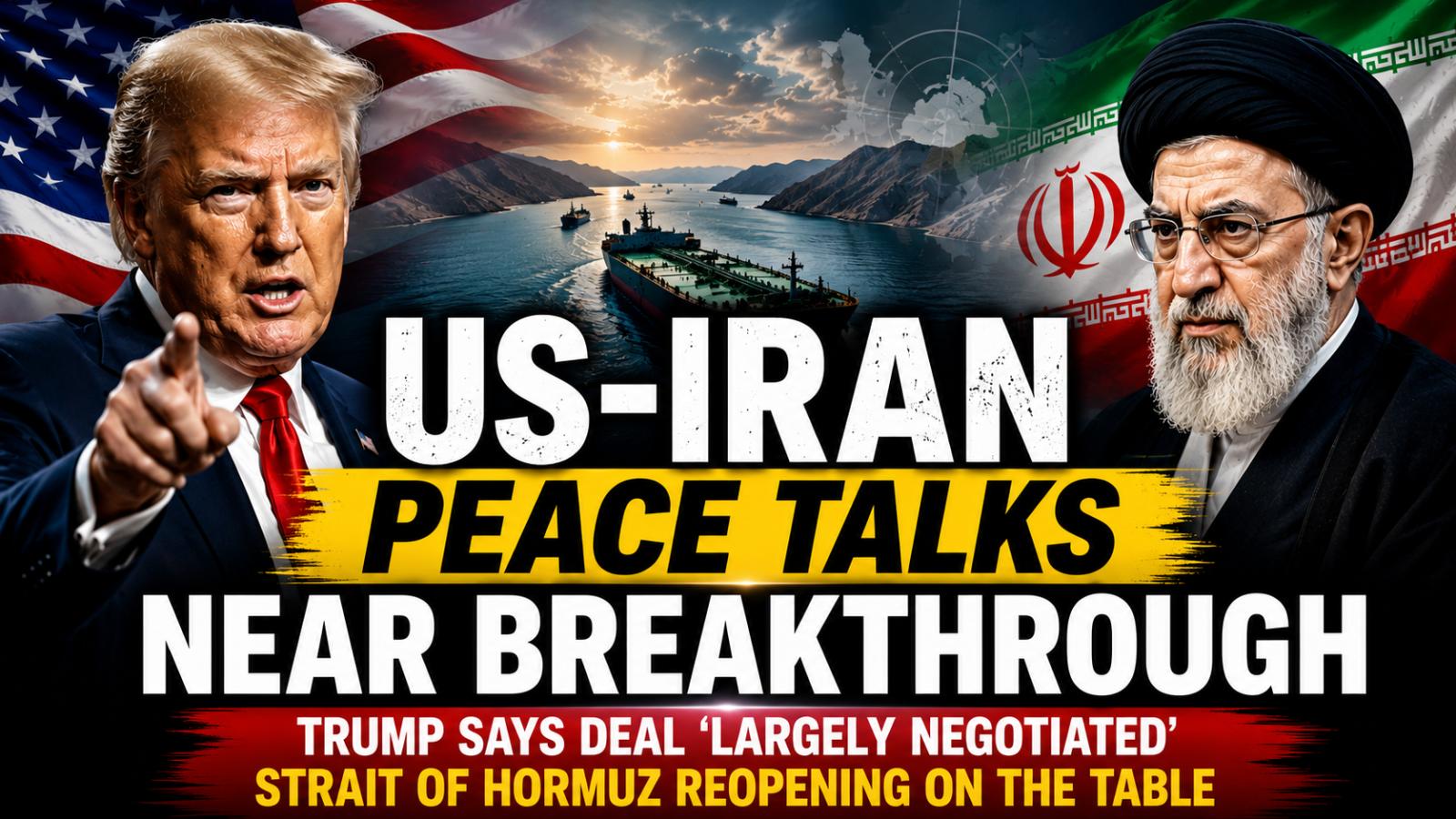
US-Iran peace talks have entered a critical stage after President Donald Trump said a possible agreement with Iran has been “largely negotiated.” The statement, made on Saturday, May 23, 2026, has raised hopes that the three-month-long conflict between the United States and Iran may be moving toward a diplomatic breakthrough. However, the agreement is not final yet, and both sides still appear to have major issues to resolve. According to Trump, the proposed understanding could
US-Iran Peace Talks Near Breakthrough as Trump Says Deal Is Largely Negotiated
US-Iran peace talks have entered a critical stage after President Donald Trump said a possible agreement with Iran has been “largely negotiated.” The statement, made on Saturday, May 23, 2026, has raised hopes that the three-month-long conflict between the United States and Iran may be moving toward a diplomatic breakthrough. However, the agreement is not final yet, and both sides still appear to have major issues to resolve. According to Trump, the proposed understanding could
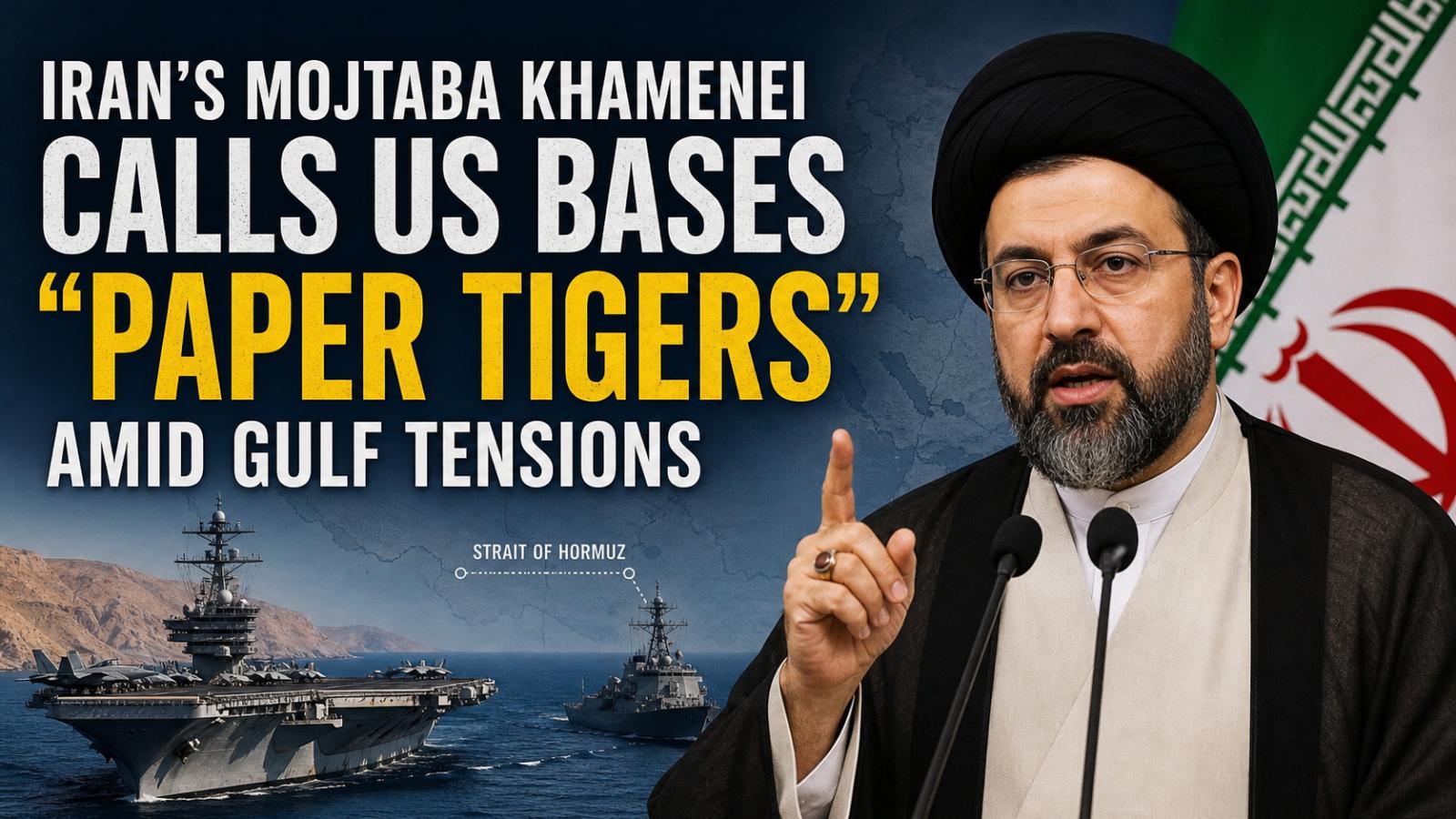
Iran’s Mojtaba Khamenei calls US bases “paper tigers” amid Gulf tensions
Iran’s Mojtaba Khamenei called US bases “paper tigers” on Friday, May 1, 2026, criticizing American presence in the Persian Gulf and linking it to regional insecurity amid rising Strait of Hormuz tensions Iran’s Mojtaba Khamenei calls US bases “paper tigers” amid Gulf tensions as Mojtaba Khamenei sharply criticized the United States’ military presence in the
Iran’s Mojtaba Khamenei calls US bases “paper tigers” amid Gulf tensions
Iran’s Mojtaba Khamenei called US bases “paper tigers” on Friday, May 1, 2026, criticizing American presence in the Persian Gulf and linking it to regional insecurity amid rising Strait of Hormuz tensions Iran’s Mojtaba Khamenei calls US bases “paper tigers” amid Gulf tensions as Mojtaba Khamenei sharply criticized the United States’ military presence in the
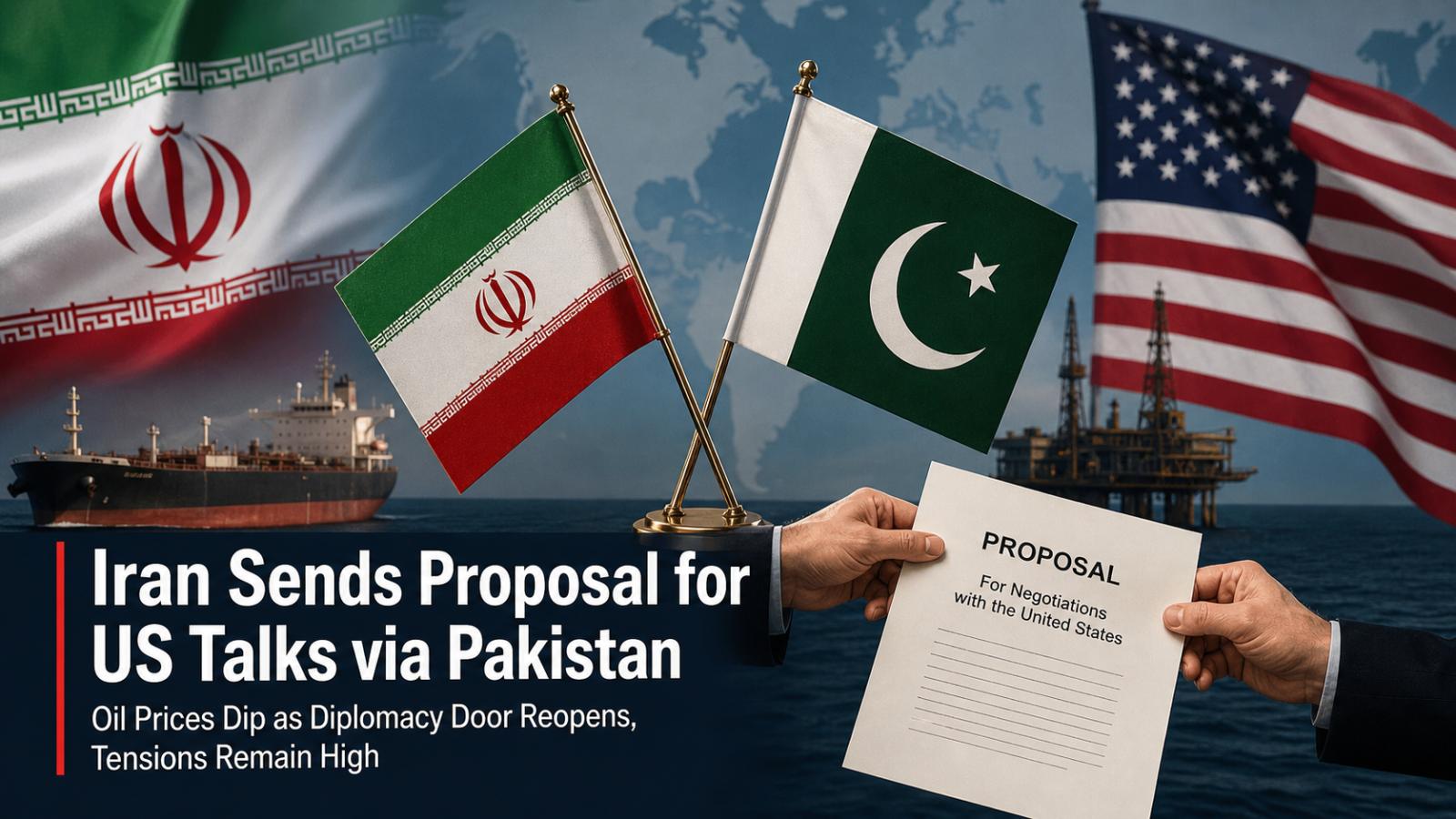
What did Iran propose to the U.S.? New talks plan sent via Pakistan signals diplomacy
Iran has delivered a new proposal for negotiations with the United States through Pakistan, signaling a potential diplomatic opening amid heightened regional tensions. According to IRNA, the proposal was formally
What did Iran propose to the U.S.? New talks plan sent via Pakistan signals diplomacy
Iran has delivered a new proposal for negotiations with the United States through Pakistan, signaling a potential diplomatic opening amid heightened regional tensions. According to IRNA, the proposal was formally
West Asia tensions rise as US envoys head to Pakistan for Iran talks
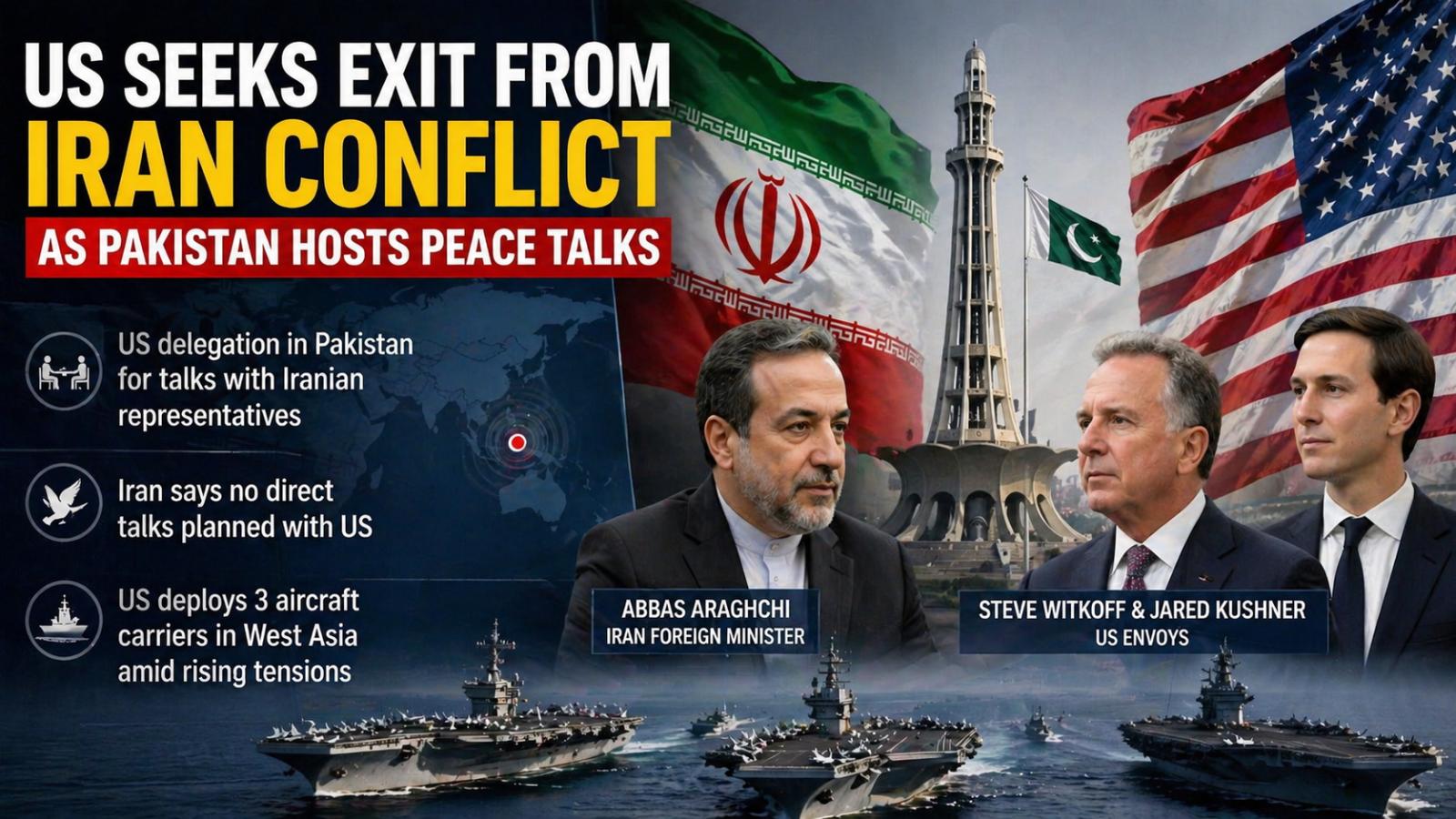
The US Iran conflict has entered a critical phase as Iran’s Defence Ministry claimed that the United States is seeking a “face-saving” way to exit the war, even as Washington sends a delegation to Pakistan for peace talks. The statement highlights growing diplomatic activity alongside rising military tensions in West Asia, with Pakistan emerging as a key mediator in the crisis. According to Iranian media reports, a defence ministry spokesperson said that Iran’s military strength has become dominant in the region, forcing the United States to look for a way out of what it described as a prolonged and difficult conflict. The remarks come at a time when US envoys Steve Witkoff and Jared Kushner are heading to Pakistan for discussions that the White House said would include talks with Iranian representatives. However, Iran has publicly denied plans for direct negotiations with the United States. Iranian Foreign Minister Abbas Araghchi arrived in Islamabad for an official visit and is scheduled to meet senior Pakistani officials. Iranian Foreign Ministry spokesperson Esmaeil Baqaei clarified that the visit is focused on consultations with Pakistan as part of its mediation efforts and not on direct dialogue with the US. He added that Iran’s position would be communicated through Pakistani channels. The diplomatic developments unfold against a backdrop of intensifying West Asia tensions, particularly around the Strait of Hormuz, a vital global oil route. The United States has significantly increased its military presence in the region, deploying three aircraft carrier strike groups, marking the largest such deployment since the Iraq war in 2003. According to US Central Command, the deployment includes more than 200 aircraft and around 15,000 personnel. As both diplomatic and military activities escalate, uncertainty remains over whether meaningful progress toward de-escalation can be achieved. While Pakistan continues its mediation role, the absence of direct Iran-US talks suggests that a resolution may still be distant, keeping the region on edge.
West Asia tensions rise as US envoys head to Pakistan for Iran talks
The US Iran conflict has entered a critical phase as Iran’s Defence Ministry claimed that the United States is seeking a “face-saving” way to exit the war, even as Washington sends a delegation to Pakistan for peace talks. The statement highlights growing diplomatic activity alongside rising military tensions in West Asia, with Pakistan emerging as a key mediator in the crisis. According to Iranian media reports, a defence ministry spokesperson said that Iran’s military strength has become dominant in the region, forcing the United States to look for a way out of what it described as a prolonged and difficult conflict. The remarks come at a time when US envoys Steve Witkoff and Jared Kushner are heading to Pakistan for discussions that the White House said would include talks with Iranian representatives. However, Iran has publicly denied plans for direct negotiations with the United States. Iranian Foreign Minister Abbas Araghchi arrived in Islamabad for an official visit and is scheduled to meet senior Pakistani officials. Iranian Foreign Ministry spokesperson Esmaeil Baqaei clarified that the visit is focused on consultations with Pakistan as part of its mediation efforts and not on direct dialogue with the US. He added that Iran’s position would be communicated through Pakistani channels. The diplomatic developments unfold against a backdrop of intensifying West Asia tensions, particularly around the Strait of Hormuz, a vital global oil route. The United States has significantly increased its military presence in the region, deploying three aircraft carrier strike groups, marking the largest such deployment since the Iraq war in 2003. According to US Central Command, the deployment includes more than 200 aircraft and around 15,000 personnel. As both diplomatic and military activities escalate, uncertainty remains over whether meaningful progress toward de-escalation can be achieved. While Pakistan continues its mediation role, the absence of direct Iran-US talks suggests that a resolution may still be distant, keeping the region on edge.


