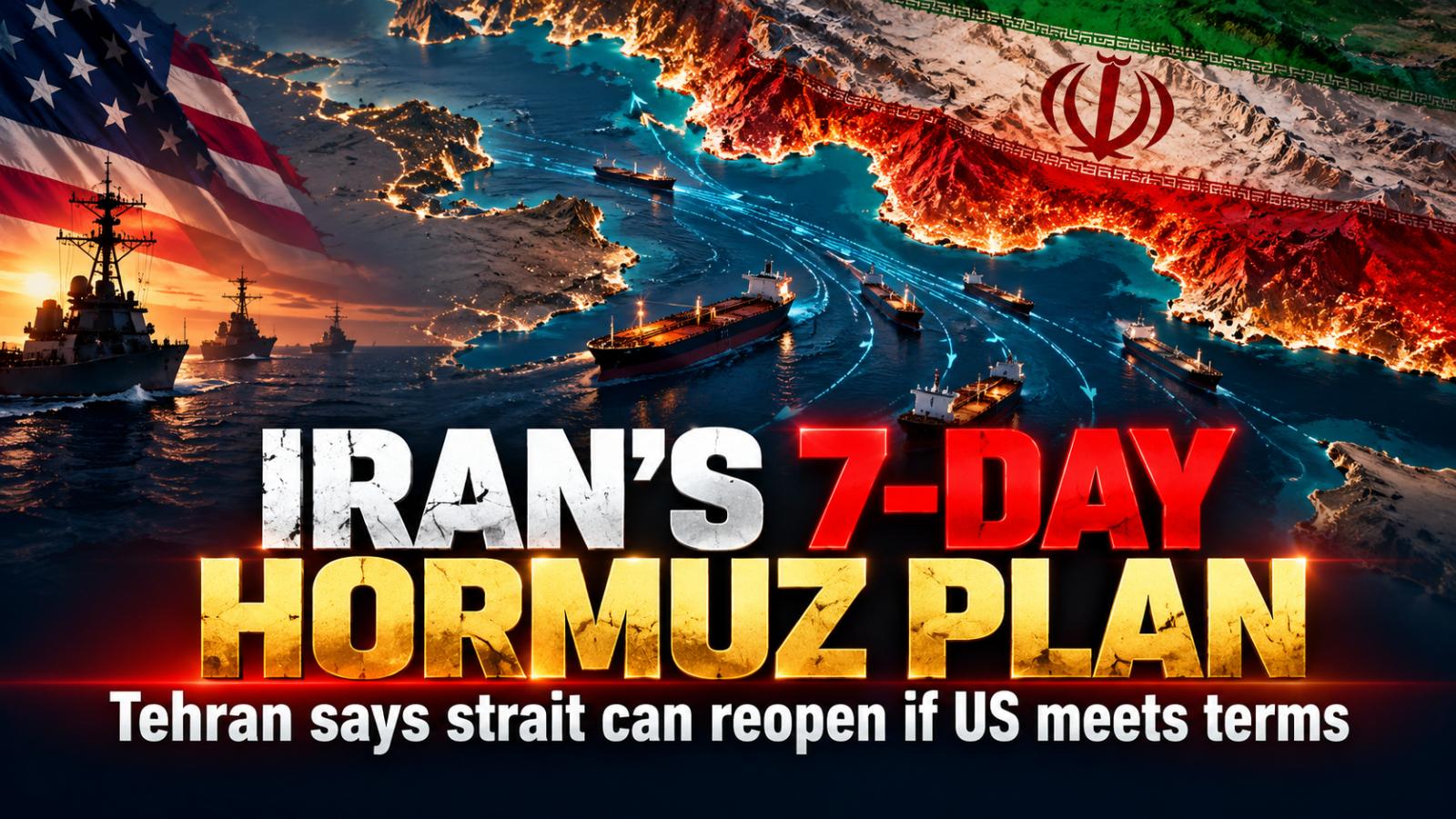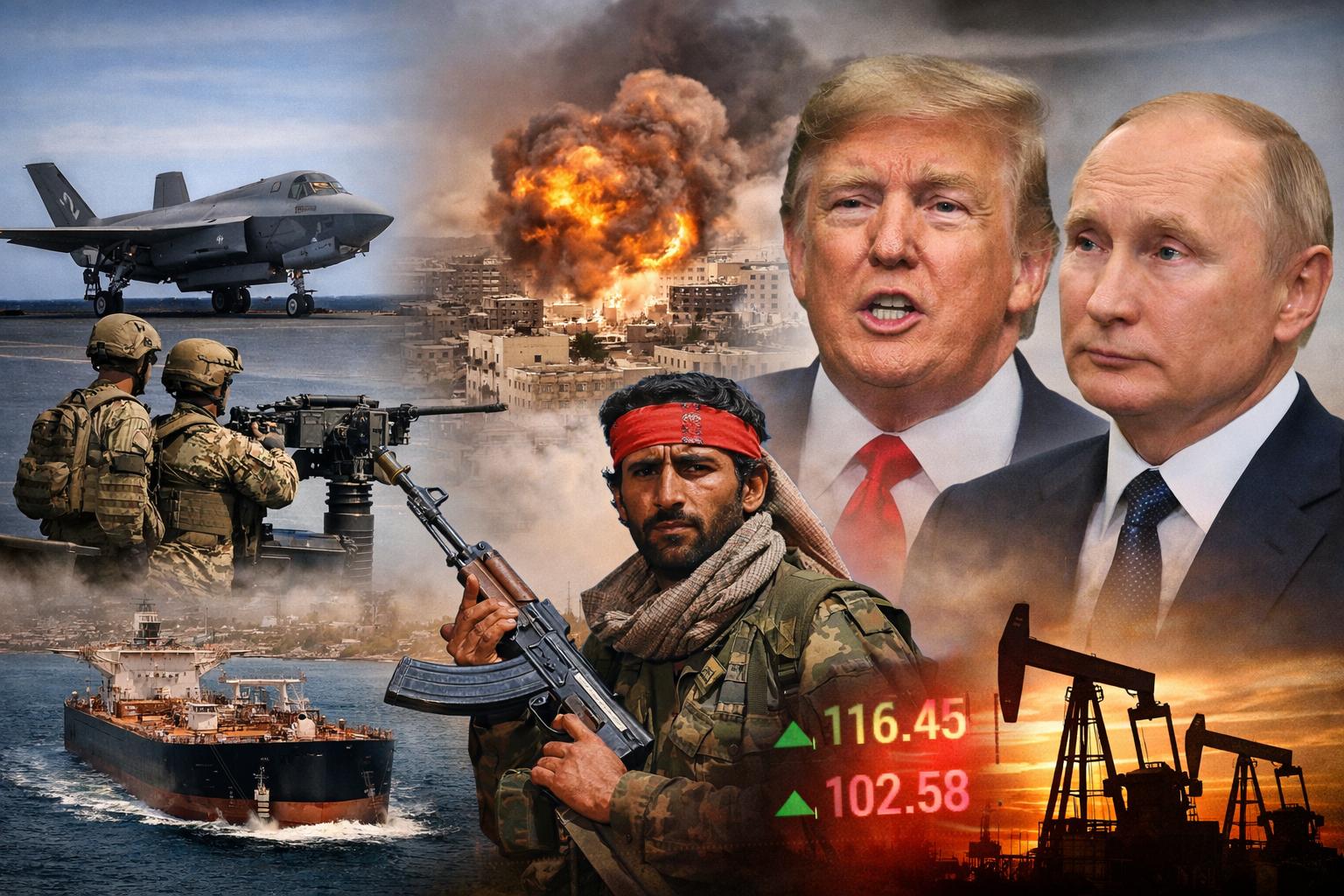
The conflict widened further over the weekend when Yemen’s Houthi rebels entered the fray, adding a new dimension to an already volatile regional crisis. The expansion of hostilities has contributed to a rising death toll and heightened instability in critical shipping routes, particularly around the Strait of Hormuz, a key artery for global oil supplies.
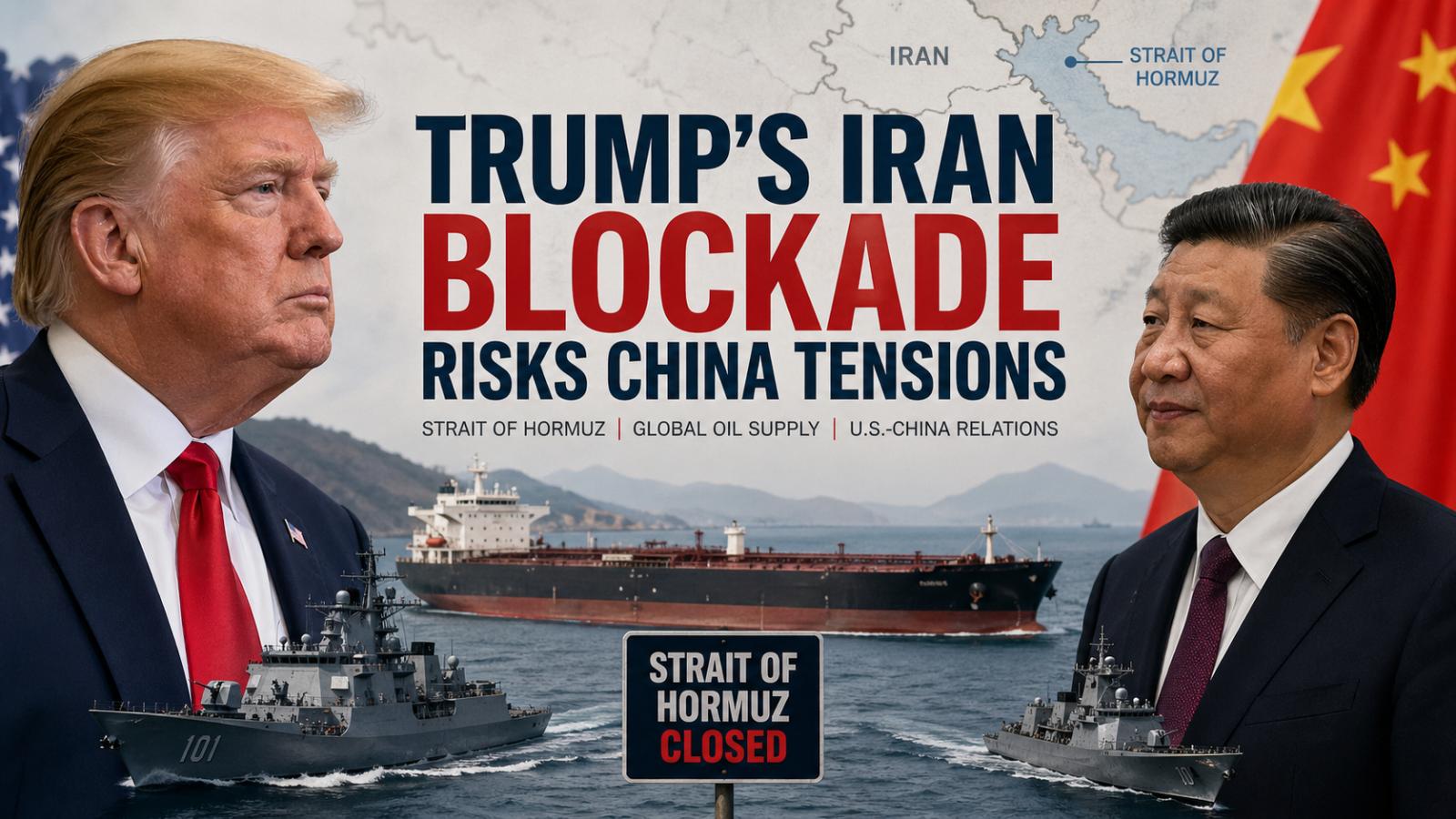
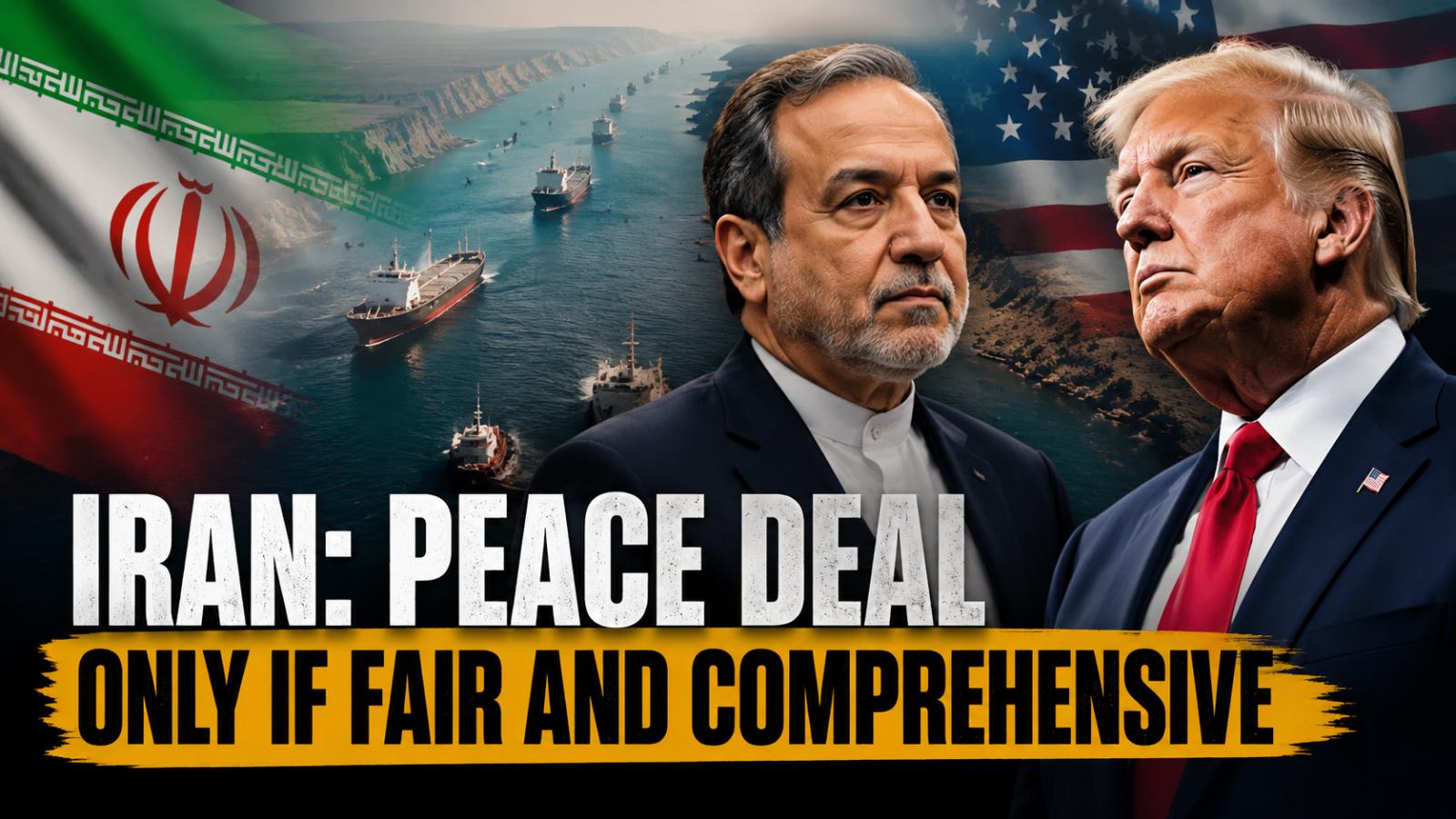
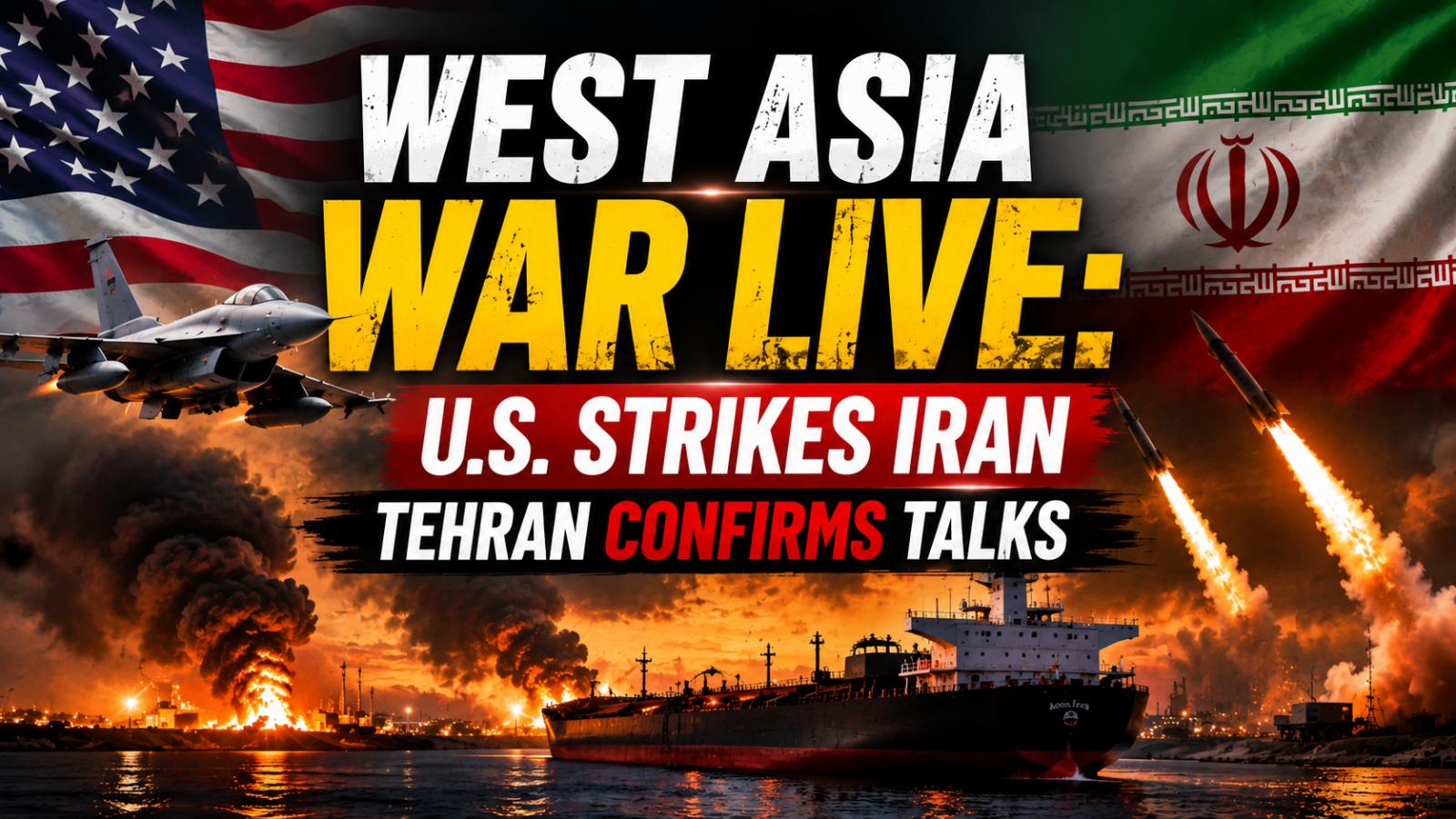
US President Donald Trump has delivered mixed messages regarding Washington’s strategy. While suggesting the possibility of seizing Iran’s major oil export hub at Kharg Island, he also indicated that Tehran had agreed to most elements of a proposed 15-point ceasefire framework. However, Iranian officials have publicly denied engaging in direct negotiations, despite reports pointing to indirect discussions through intermediaries.
Military preparations appear to be accelerating. Reports indicate that the United States is considering deploying an additional 10,000 troops to the region, including Marines and paratroopers. US Central Command has already confirmed the arrival of thousands of personnel aboard the USS Tripoli, underscoring a significant expansion of American military presence.
The conflict has also triggered a sharp increase in oil prices. Brent crude has surged more than 50 percent, reaching approximately $116 per barrel, while West Texas Intermediate climbed past $102, marking its highest level since mid-2022. These price spikes reflect growing concerns over supply disruptions and the broader implications for the global economy.
Meanwhile, diplomatic efforts continue amid mounting pressure. On Tuesday, March 31, 2026, Russian President Vladimir Putin held a phone call with UAE President Mohammed bin Zayed Al Nahyan, during which both leaders expressed serious concern about the worsening military and political situation in the Middle East. According to a Kremlin statement, they emphasized the urgent need to end hostilities and advance political and diplomatic solutions aimed at achieving a peaceful settlement.
Despite these calls for restraint, the situation remains highly fluid, with continued uncertainty surrounding both military developments and diplomatic outcomes.