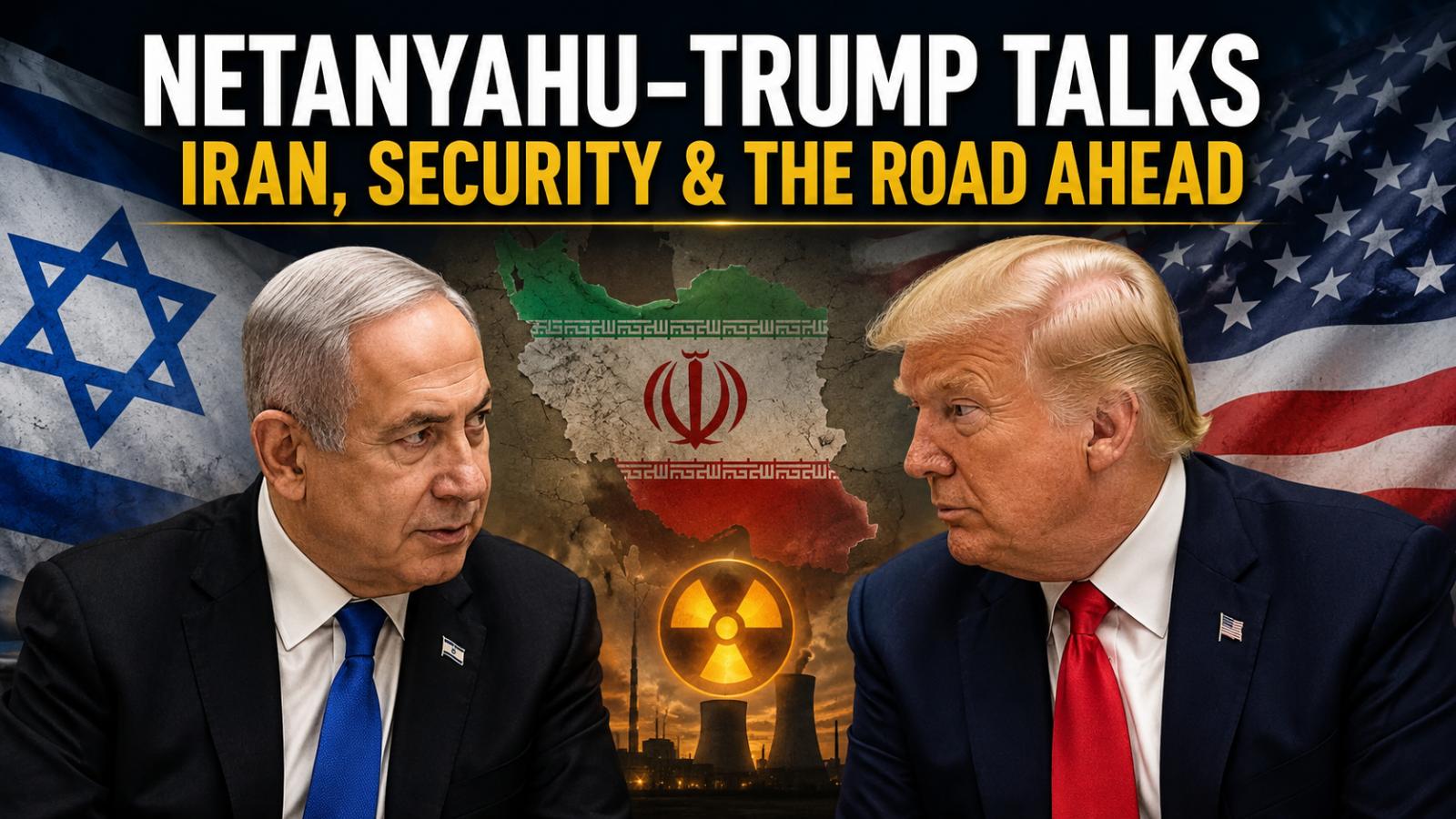
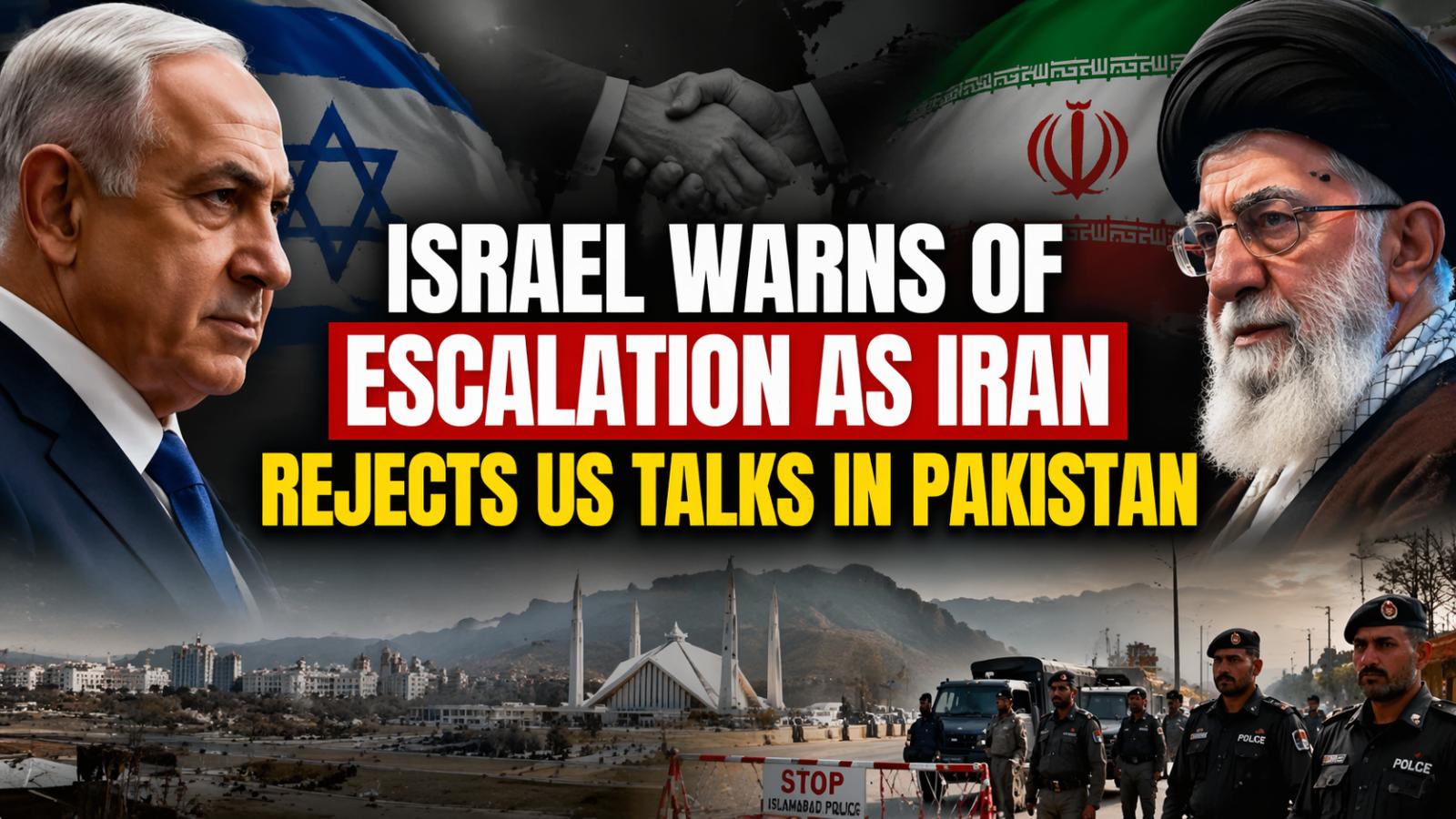
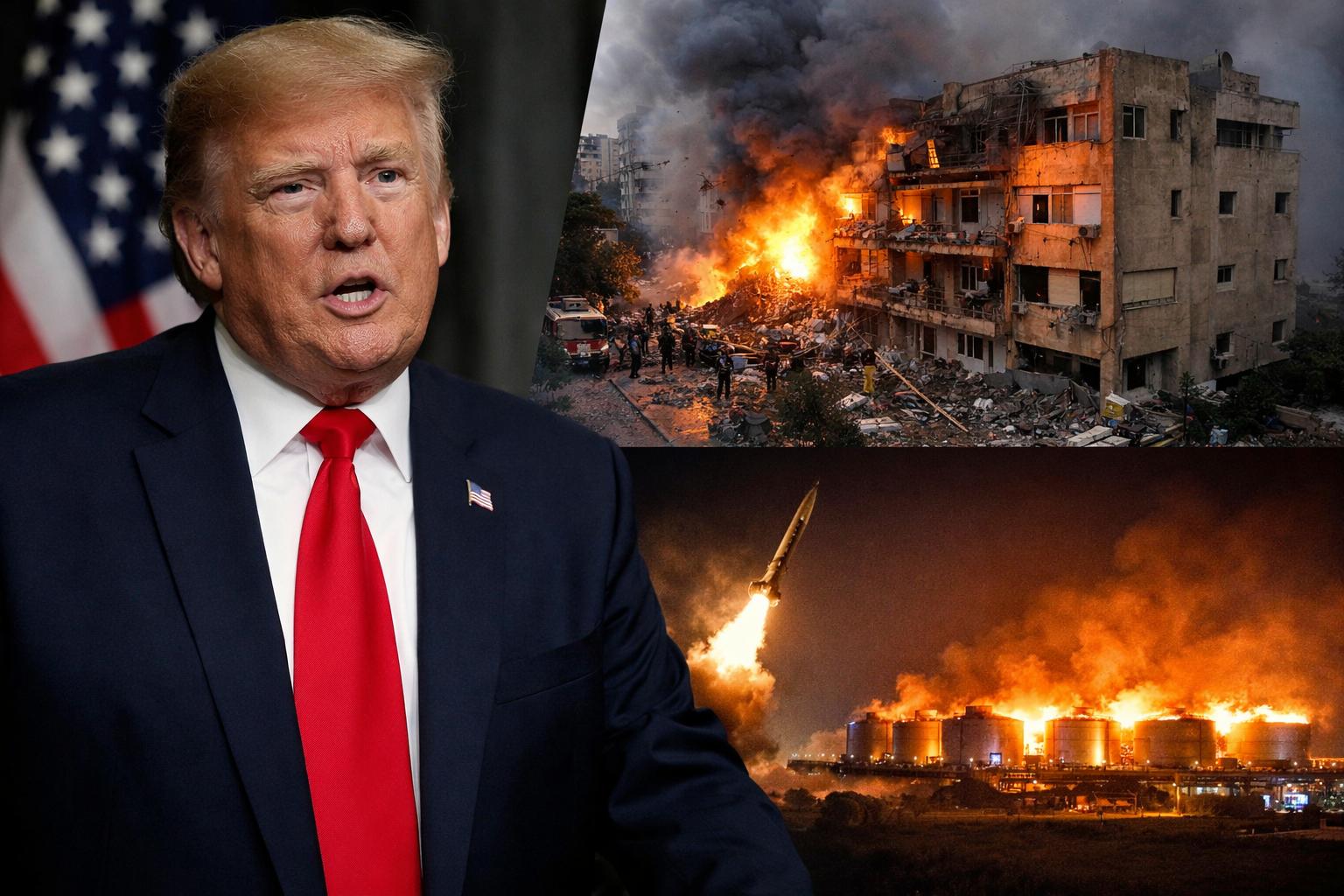
The Netanyahu Trump Iran talks placed Tehran’s nuclear programme at the centre of a wider discussion covering Syria, a proposed Saudi nuclear deal and future US aid to Israel. The 90-minute White House meeting came as both governments assessed diplomatic, economic and military options following the Iran war.
White House Talks Rebuild Strategic Coordination
Israeli Prime Minister Benjamin Neta
The Netanyahu Trump Iran talks placed Tehran’s nuclear programme at the centre of a wider discussion covering Syria, a proposed Saudi nuclear deal and future US aid to Israel. The 90-minute White House meeting came as both governments assessed diplomatic, economic and military options following the Iran war.
White House Talks Rebuild Strategic Coordination
Israeli Prime Minister Benjamin Neta
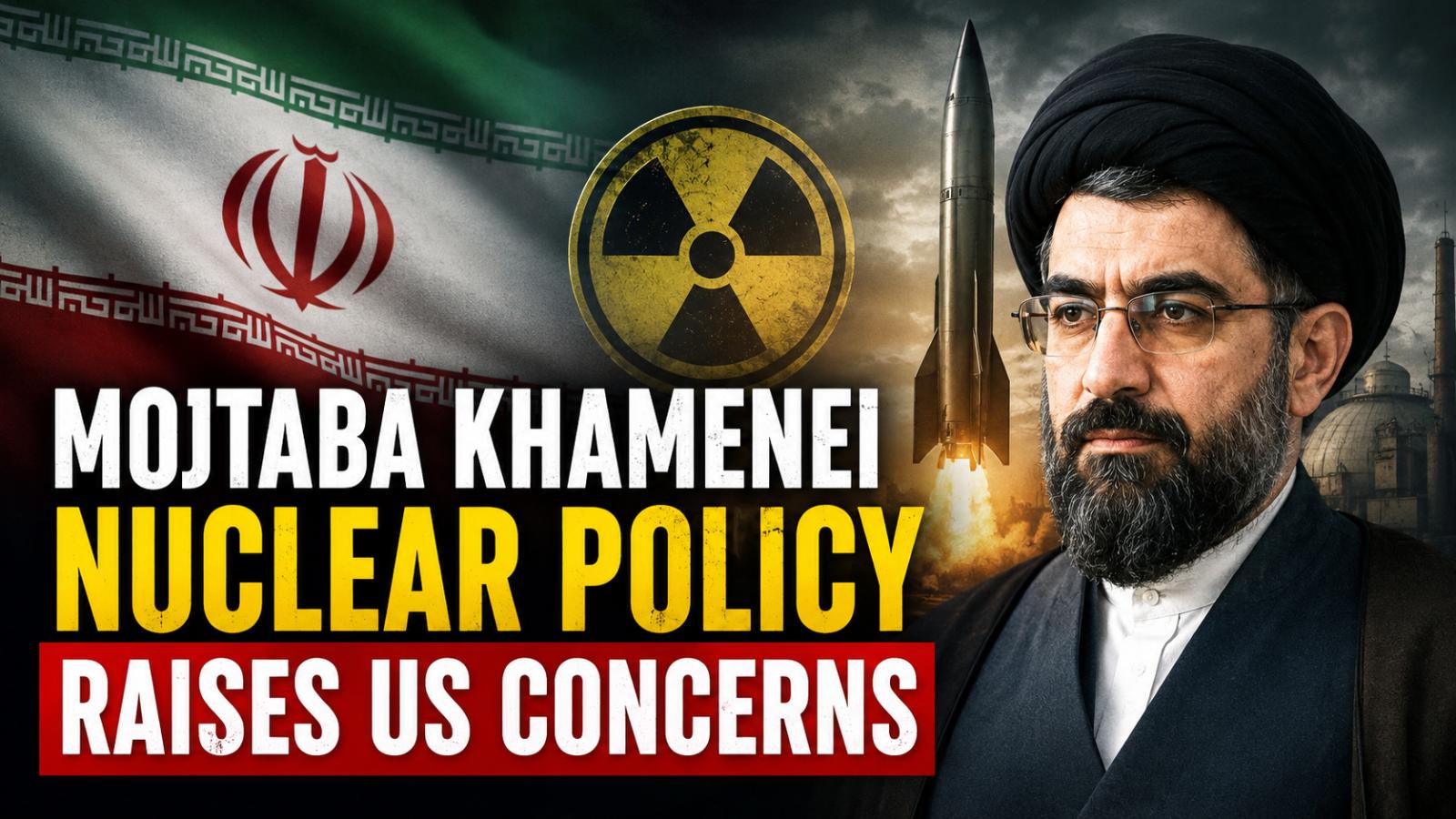
Mojtaba Khamenei nuclear policy has come under renewed scrutiny after a reported US intelligence assessment suggested that Iran’s supreme leader may be more willing than his father to consider developing nuclear weapons. The claim raises fresh questions about Iran’s nuclear doctrine, missile ambitions and regional security.
Iran Nuclear Weapons Assessment
People described as familiar with U
Mojtaba Khamenei nuclear policy has come under renewed scrutiny after a reported US intelligence assessment suggested that Iran’s supreme leader may be more willing than his father to consider developing nuclear weapons. The claim raises fresh questions about Iran’s nuclear doctrine, missile ambitions and regional security.
Iran Nuclear Weapons Assessment
People described as familiar with U
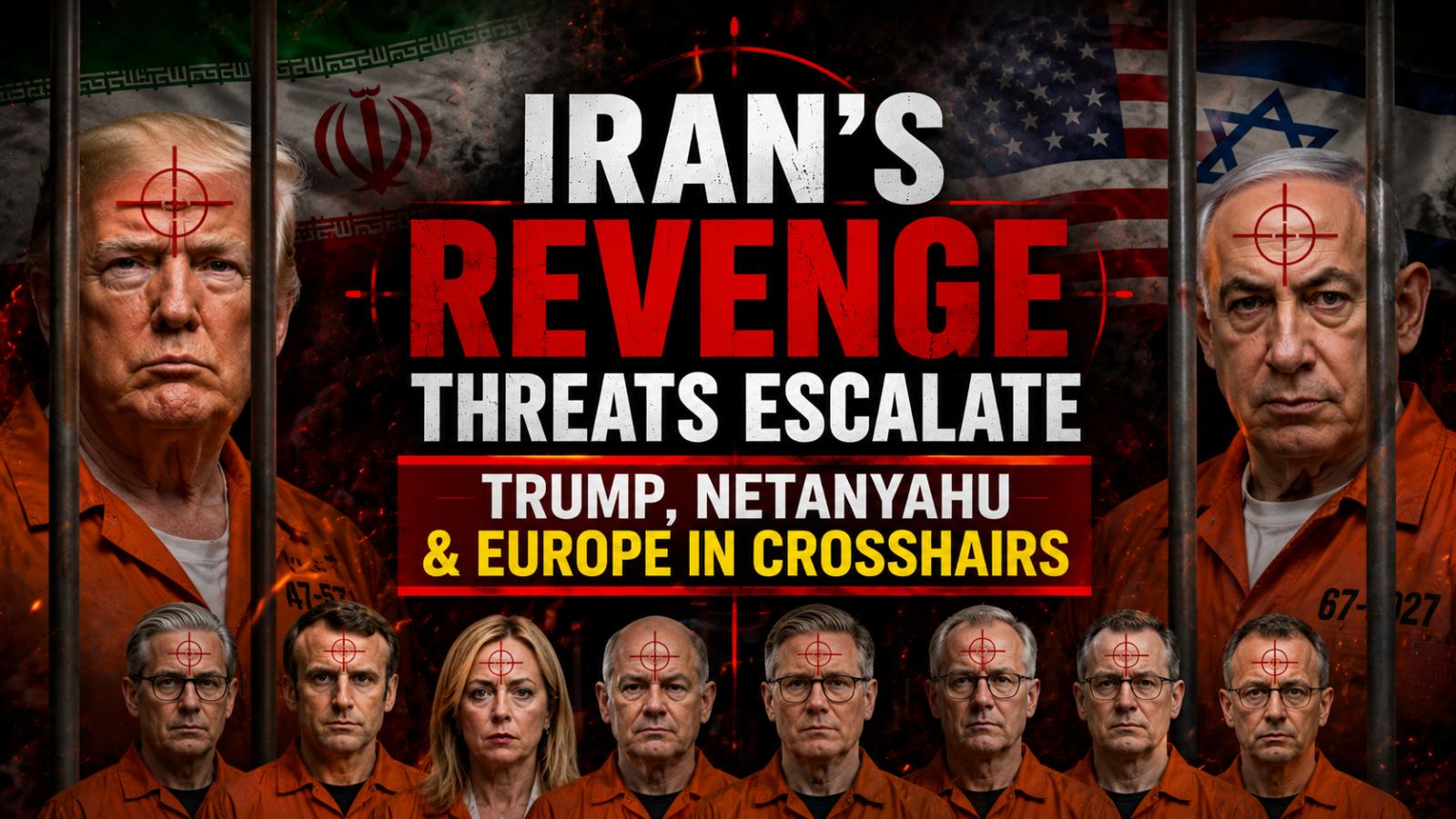
Iran revenge rhetoric has intensified after prominent newspapers published threatening headlines and images targeting US President Donald Trump, Israeli Prime Minister Benjamin Netanyahu and several European leaders. The publications followed a retaliation pledge attributed to Iran’s new supreme leader, Mojtaba Khamenei.
Iran revenge threat appears on newspaper front page
Iran revenge rhetoric has intensified after prominent newspapers published threatening headlines and images targeting US President Donald Trump, Israeli Prime Minister Benjamin Netanyahu and several European leaders. The publications followed a retaliation pledge attributed to Iran’s new supreme leader, Mojtaba Khamenei.
Iran revenge threat appears on newspaper front page
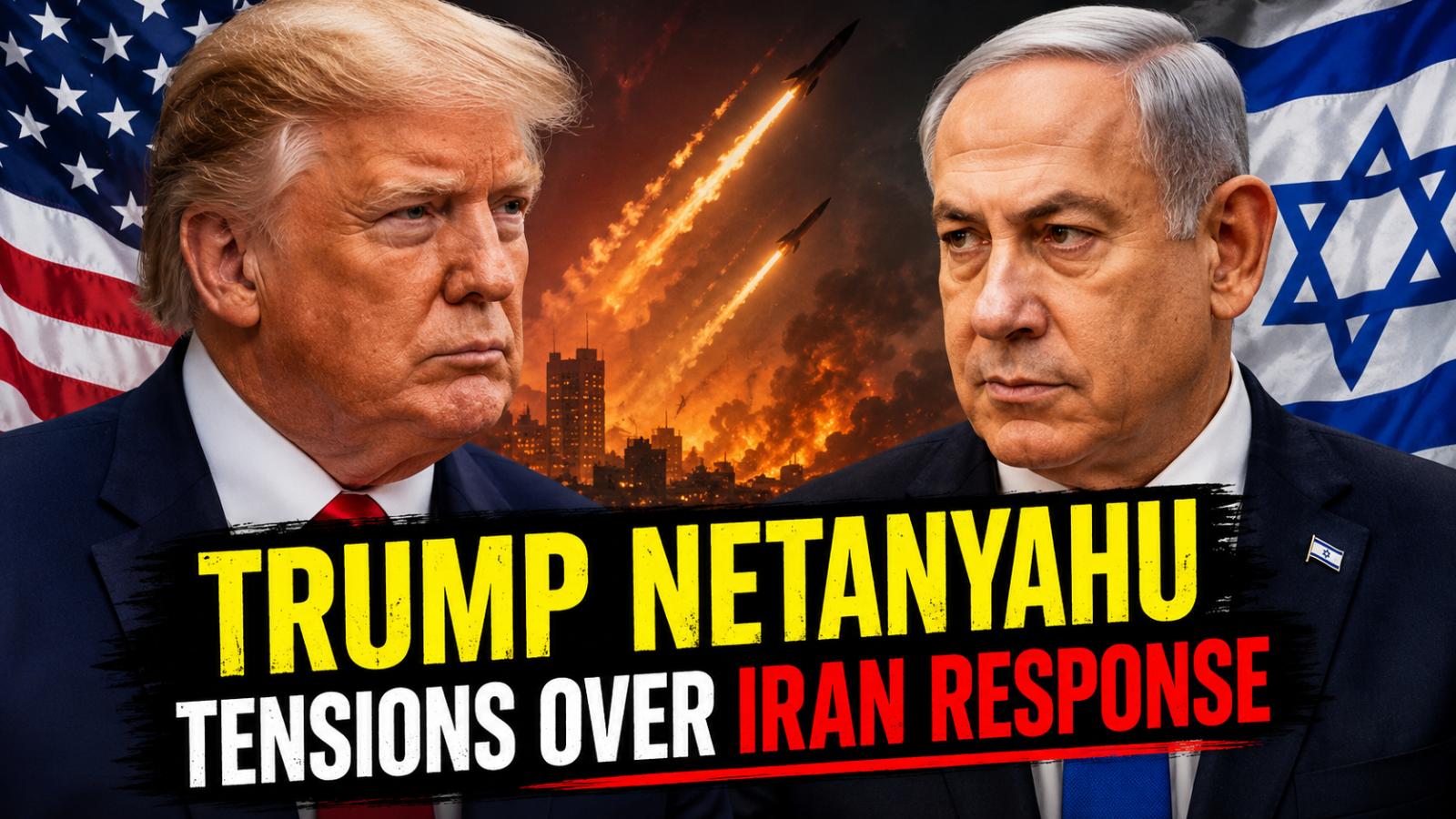
Reports of Trump Netanyahu tensions have become a major talking point as Israel and the United States continue to manage the fallout from Iran’s recent attacks and Israel’s possible military response. Israel’s ambassador to the United States, Yechiel Leiter, has tried to reduce the seriousness of the reports, saying the relationship between US President Donald Trump and Israeli Prime Minister Benjamin Netanyahu remains strong despite sharp discussions over Iran.
Reports of Trump Netanyahu tensions have become a major talking point as Israel and the United States continue to manage the fallout from Iran’s recent attacks and Israel’s possible military response. Israel’s ambassador to the United States, Yechiel Leiter, has tried to reduce the seriousness of the reports, saying the relationship between US President Donald Trump and Israeli Prime Minister Benjamin Netanyahu remains strong despite sharp discussions over Iran.
Israel-Iran War Ceasefire Faces New Pressure
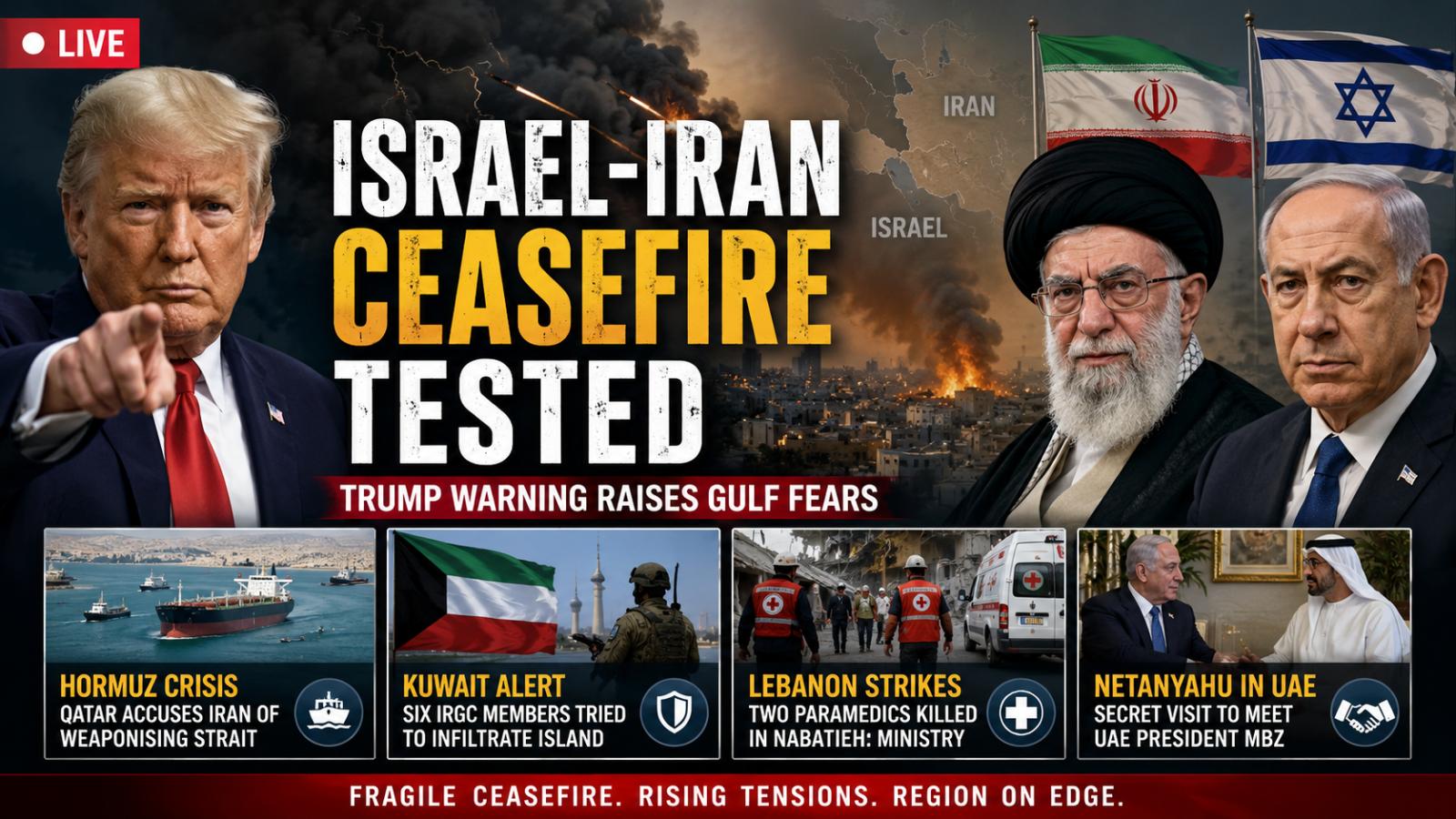
The Israel-Iran war ceasefire is under fresh strain after US President Donald Trump warned Iran that Washington would prevail “peacefully or otherwise,” while Tehran insisted its latest peace plan must be accepted.
The exchange sharpened doubts over whether the truce can hold as Gulf governments warn that the conflict is spilling into shipping, energy security and regional diplomacy.
Hor
Israel-Iran War Ceasefire Faces New Pressure
The Israel-Iran war ceasefire is under fresh strain after US President Donald Trump warned Iran that Washington would prevail “peacefully or otherwise,” while Tehran insisted its latest peace plan must be accepted.
The exchange sharpened doubts over whether the truce can hold as Gulf governments warn that the conflict is spilling into shipping, energy security and regional diplomacy.
Hor
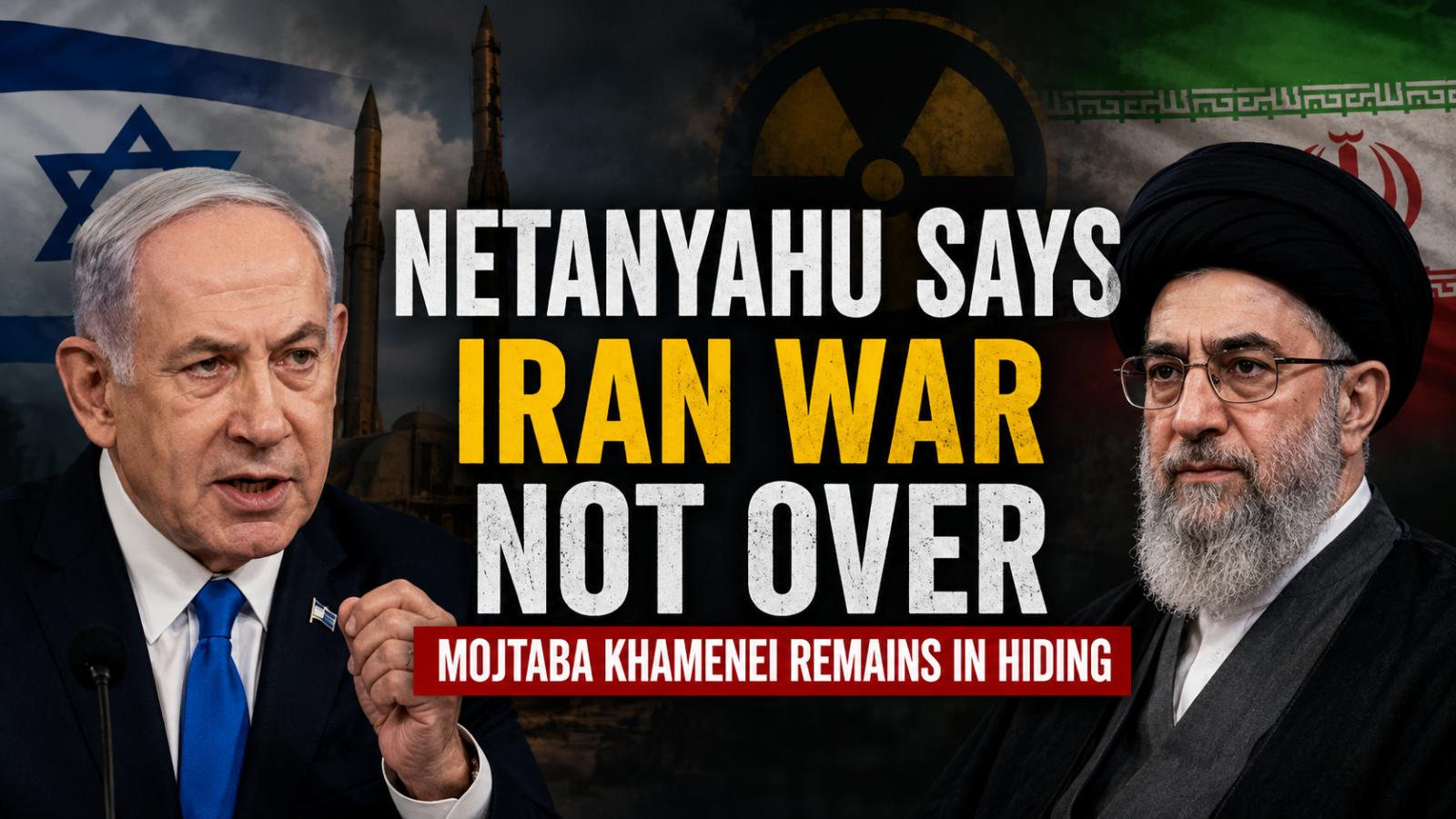
Israeli Prime Minister Benjamin Netanyahu said Iran’s conflict with Israel is still ongoing and warned that Tehran’s nuclear program continues to remain a major concern. Netanyahu also claimed that Iran’s Supreme Leader Mojtaba Khamenei is alive and believed to be hiding in a secret bunker after taking power following the reported death of Ali Khamenei during a US-Israeli airstrike. Netanyahu said Iran still possesses enriched uranium and nuclear facilities that must be dismantled befor
Israeli Prime Minister Benjamin Netanyahu said Iran’s conflict with Israel is still ongoing and warned that Tehran’s nuclear program continues to remain a major concern. Netanyahu also claimed that Iran’s Supreme Leader Mojtaba Khamenei is alive and believed to be hiding in a secret bunker after taking power following the reported death of Ali Khamenei during a US-Israeli airstrike. Netanyahu said Iran still possesses enriched uranium and nuclear facilities that must be dismantled befor
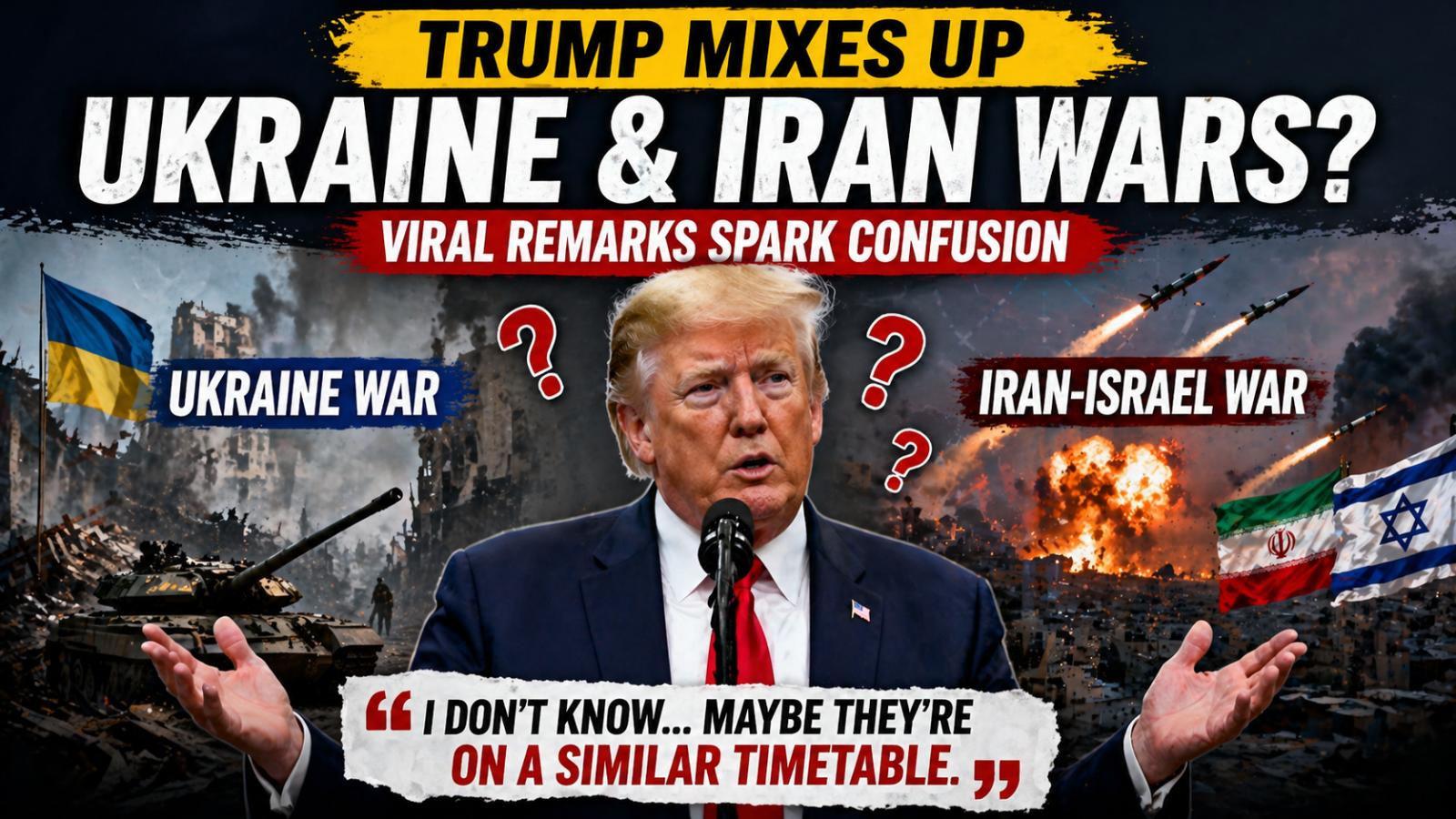
US President Donald Trump drew attention during a recent press interaction after appearing to confuse details while discussing two major international conflicts. The exchange took place as Trump addressed reporters during an event linked to the Artemis II mission crew, where he was asked which conflict might conclude first: the prolonged Russia-Ukraine war or the ongoing tensions involving Iran and Israel.
In response, Trump suggested that both situations could follow a similar timeline, stating that he was uncertain which would end sooner. However, his subsequent remarks raised questions as he began describing military conditions that appeared inconsistent or unclear in context. He claimed that Ukraine was militarily defeated, referencing significant naval and air losses, including statements about ships being destroyed and aircraft being eliminated.
Trump also cited reductions in missile and drone capabilities, though his comments did not clearly distinguish whether he was referring to Ukraine or Iran at various points. This lack of clarity led to widespread attention, with observers noting the difficulty in separating his analysis of the two conflicts.
The Russia-Ukraine war has continued for years with ongoing military engagements, while tensions involving Iran, Israel, and US involvement have added another layer of complexity to global security dynamics. Trump’s remarks came at a time when both conflicts remain active and under close international observation.
The moment quickly gained traction due to the ambiguity in the president’s statements, highlighting the challenges of addressing multiple geopolitical crises simultaneously in public forums.
US President Donald Trump drew attention during a recent press interaction after appearing to confuse details while discussing two major international conflicts. The exchange took place as Trump addressed reporters during an event linked to the Artemis II mission crew, where he was asked which conflict might conclude first: the prolonged Russia-Ukraine war or the ongoing tensions involving Iran and Israel.
In response, Trump suggested that both situations could follow a similar timeline, stating that he was uncertain which would end sooner. However, his subsequent remarks raised questions as he began describing military conditions that appeared inconsistent or unclear in context. He claimed that Ukraine was militarily defeated, referencing significant naval and air losses, including statements about ships being destroyed and aircraft being eliminated.
Trump also cited reductions in missile and drone capabilities, though his comments did not clearly distinguish whether he was referring to Ukraine or Iran at various points. This lack of clarity led to widespread attention, with observers noting the difficulty in separating his analysis of the two conflicts.
The Russia-Ukraine war has continued for years with ongoing military engagements, while tensions involving Iran, Israel, and US involvement have added another layer of complexity to global security dynamics. Trump’s remarks came at a time when both conflicts remain active and under close international observation.
The moment quickly gained traction due to the ambiguity in the president’s statements, highlighting the challenges of addressing multiple geopolitical crises simultaneously in public forums.
Iran says 155 killed in attack
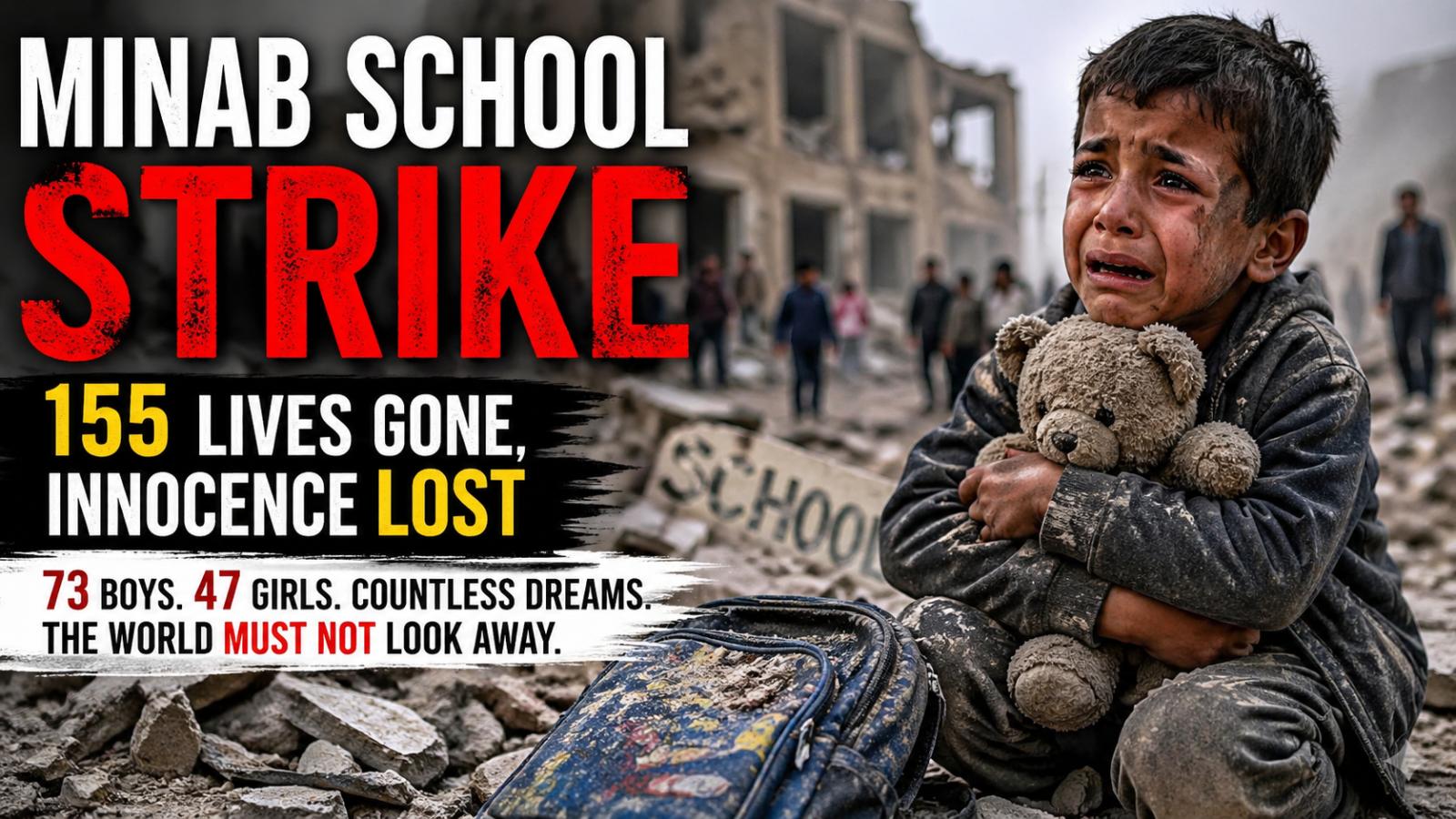
Iran has released a detailed account of casualties from a strike on an elementary school in Minab on Friday, February 28, 2026, marking the first day of the West Asia war. According to state broadcaster IRIB and local media reports, the attack killed 155 people, including 120 children, and has intensified scrutiny over civilian safety in the escalating conflict.
Revised casualty figures highlight scale of civilian d
Iran says 155 killed in attack
Iran has released a detailed account of casualties from a strike on an elementary school in Minab on Friday, February 28, 2026, marking the first day of the West Asia war. According to state broadcaster IRIB and local media reports, the attack killed 155 people, including 120 children, and has intensified scrutiny over civilian safety in the escalating conflict.
Revised casualty figures highlight scale of civilian d
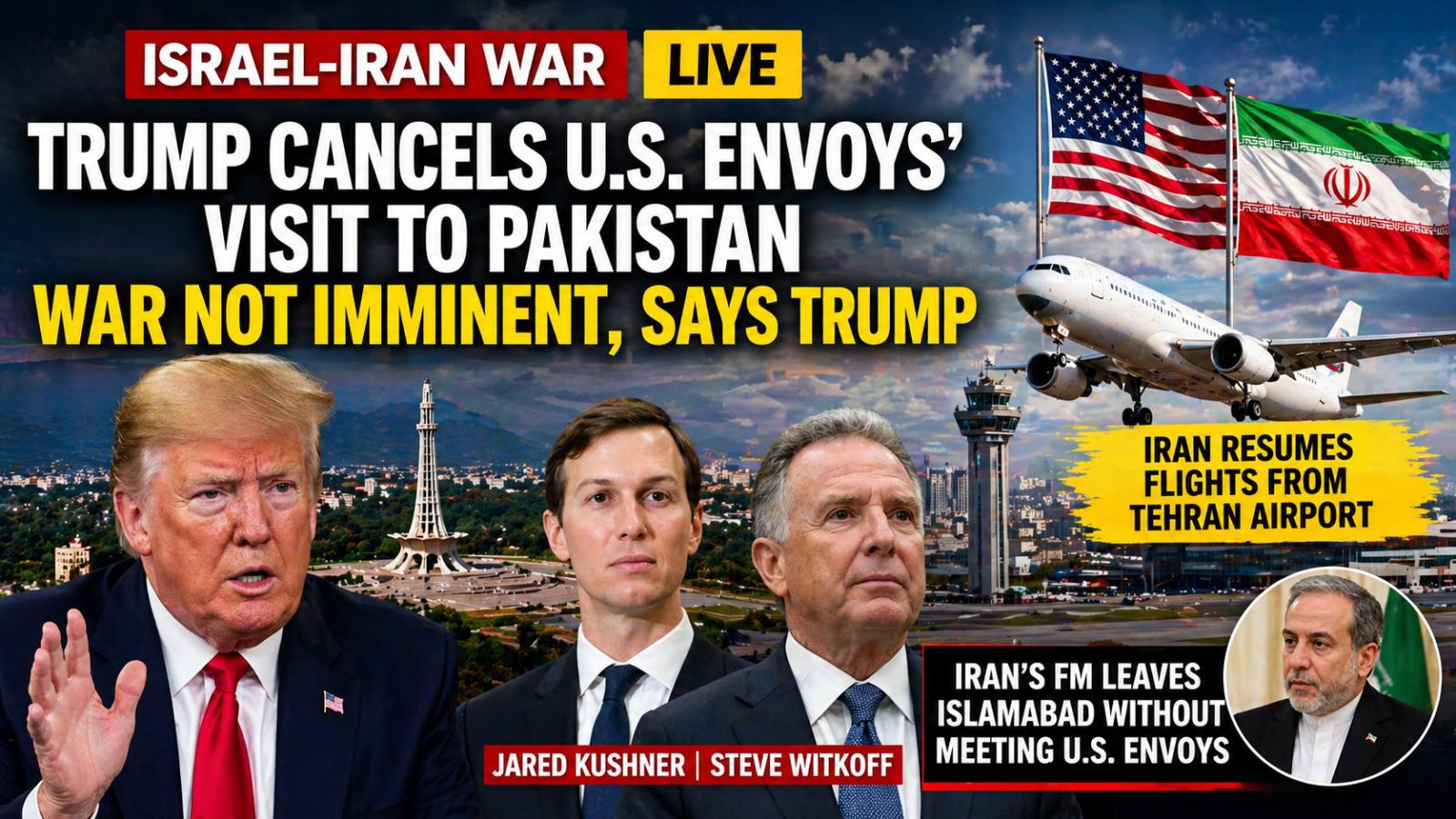
U.S. President Donald Trump has cancelled a planned visit by American envoys to Pakistan for talks with Iran, in a move that raises fresh uncertainty around ongoing diplomatic efforts tied to the Israel-Iran conflict.
According to reports , the cancelled trip would have involved senior envoys
U.S. President Donald Trump has cancelled a planned visit by American envoys to Pakistan for talks with Iran, in a move that raises fresh uncertainty around ongoing diplomatic efforts tied to the Israel-Iran conflict.
According to reports , the cancelled trip would have involved senior envoys
Escalating diplomatic tensions after Tehran strike
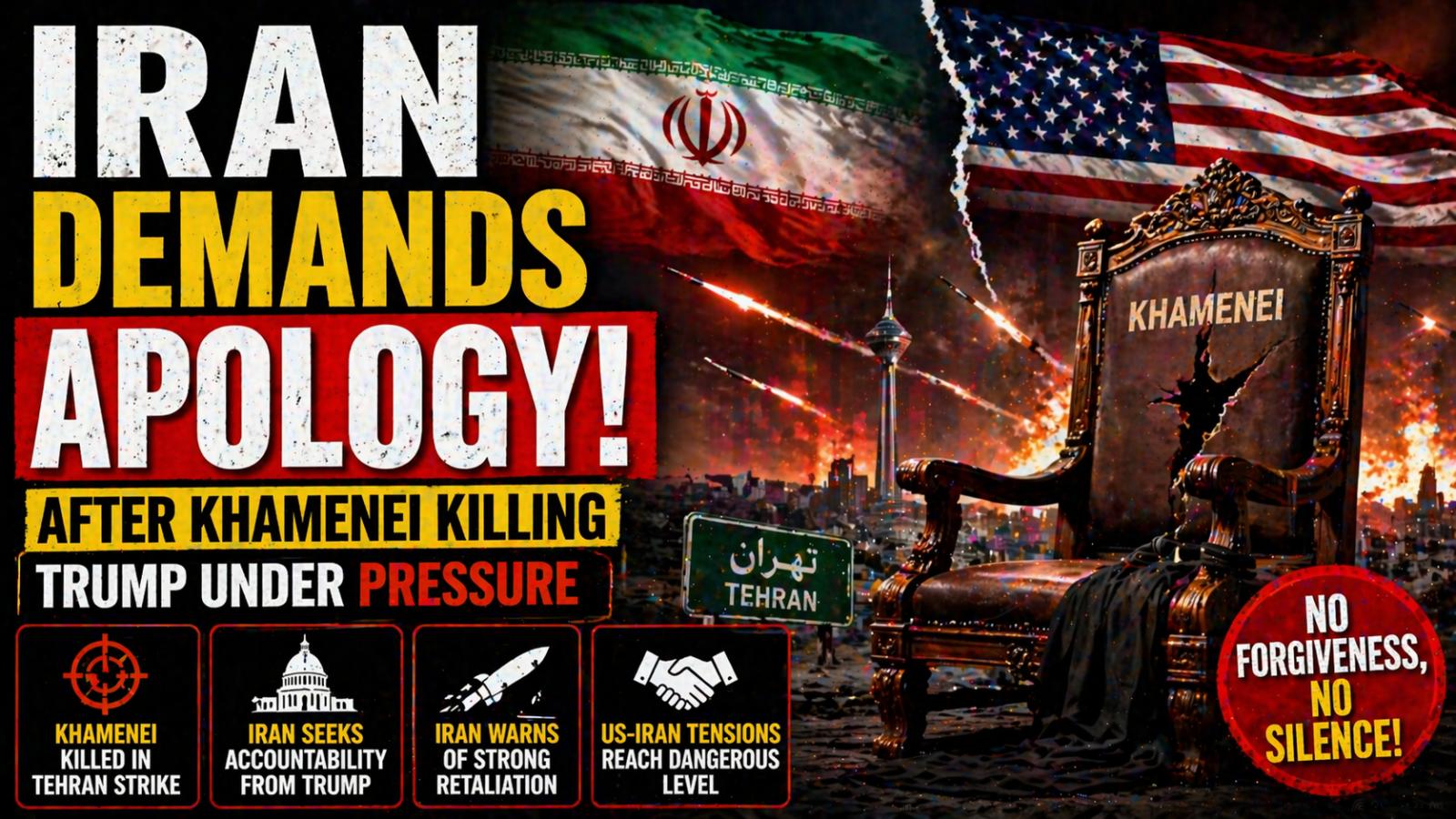
Why did Ali Shirazi demand an apology from Donald Trump? Iran seeks accountability after Khamenei killing, as senior Iranian cleric Ali Shirazi called on U.S. President Donald Trump to publicly acknowledge wrongdoing following t
Escalating diplomatic tensions after Tehran strike
Why did Ali Shirazi demand an apology from Donald Trump? Iran seeks accountability after Khamenei killing, as senior Iranian cleric Ali Shirazi called on U.S. President Donald Trump to publicly acknowledge wrongdoing following t
Israeli Prime Minister Benjamin Netanyahu has warned that tensions with Iran could escalate rapidly, underscoring the fragile state of the ongoing geopolitical situation. Speaking alongside Javier Milei, Netanyahu said the conflict remains unpredictable and developments could unfold at any moment. He empha
Israeli Prime Minister Benjamin Netanyahu has warned that tensions with Iran could escalate rapidly, underscoring the fragile state of the ongoing geopolitical situation. Speaking alongside Javier Milei, Netanyahu said the conflict remains unpredictable and developments could unfold at any moment. He empha
Escalating tensions across the Middle East intensified after US President Donald Trump said Iran’s response to a proposed ceasefire was “substantial” but ultimately “not good enough,” signaling continued diplomatic strain as military exchanges widened across the region.
The remarks came as at least 34 people, including six children, were reported killed in coordinated US-Israeli strikes across Iran. The attacks mark a significant escalation in the ongoing conflict, raisin
Escalating tensions across the Middle East intensified after US President Donald Trump said Iran’s response to a proposed ceasefire was “substantial” but ultimately “not good enough,” signaling continued diplomatic strain as military exchanges widened across the region.
The remarks came as at least 34 people, including six children, were reported killed in coordinated US-Israeli strikes across Iran. The attacks mark a significant escalation in the ongoing conflict, raisin
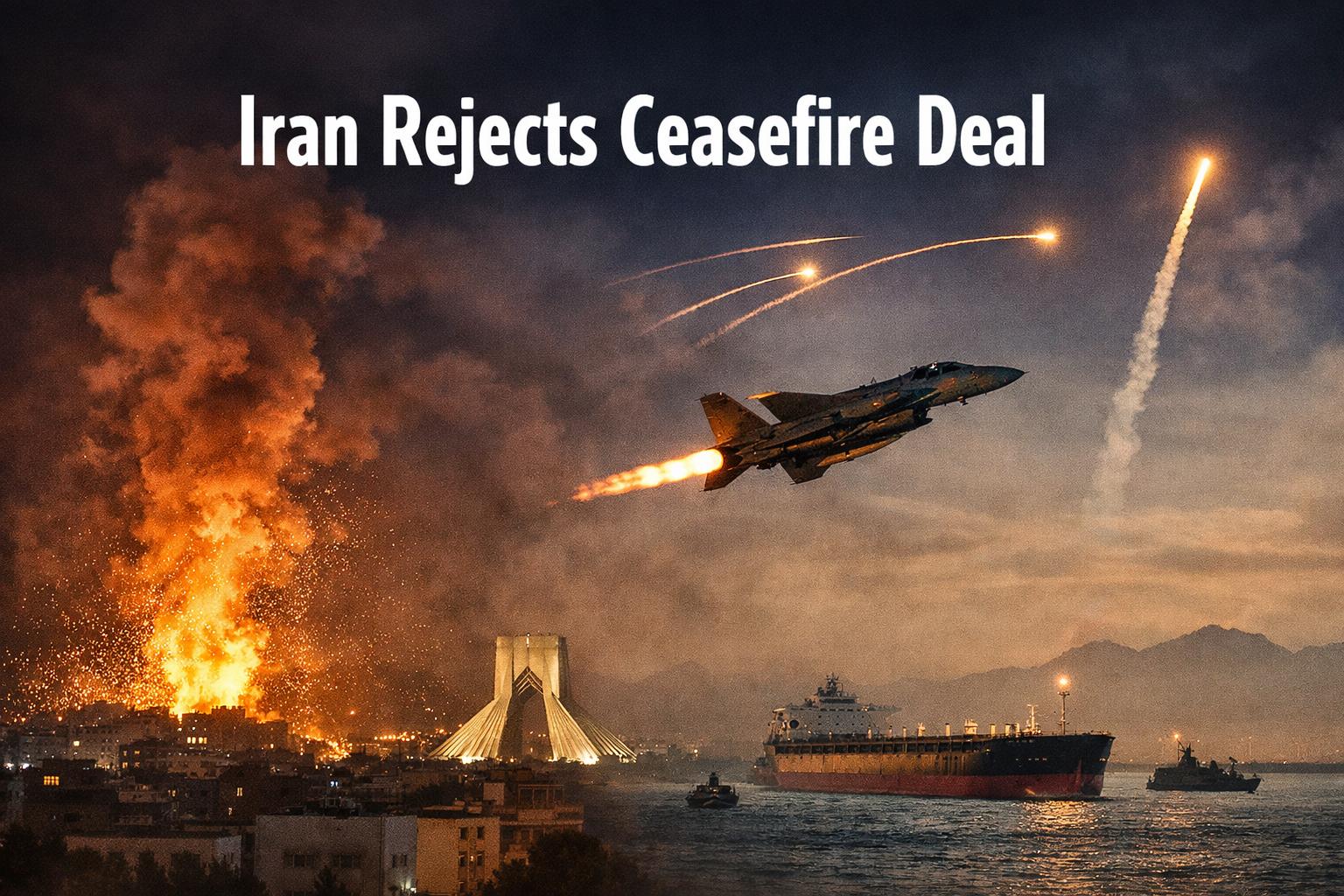
TEHRAN, Iran — Iran has rejected a proposed ceasefire agreement and is instead calling for a permanent end to hostilities, intensifying an already volatile situation in the Middle East. The development was reported on Monday, April 6, 2026, local time in Iran, amid rising pressure from the United States and escalating military actions involving Israel.
Mojtaba Ferdousi Pour, head of Iran’s diplomatic mission in Cairo, stated that Tehran would not agree to a temporary truce without guarantees of long-term security. He emphasized that Iran seeks a definitive end to the conflict with assurances that future attacks would not occur. According to Iranian officials, the country conveyed its position through Pakistan, which has been acting as a key mediator in ongoing diplomatic efforts.
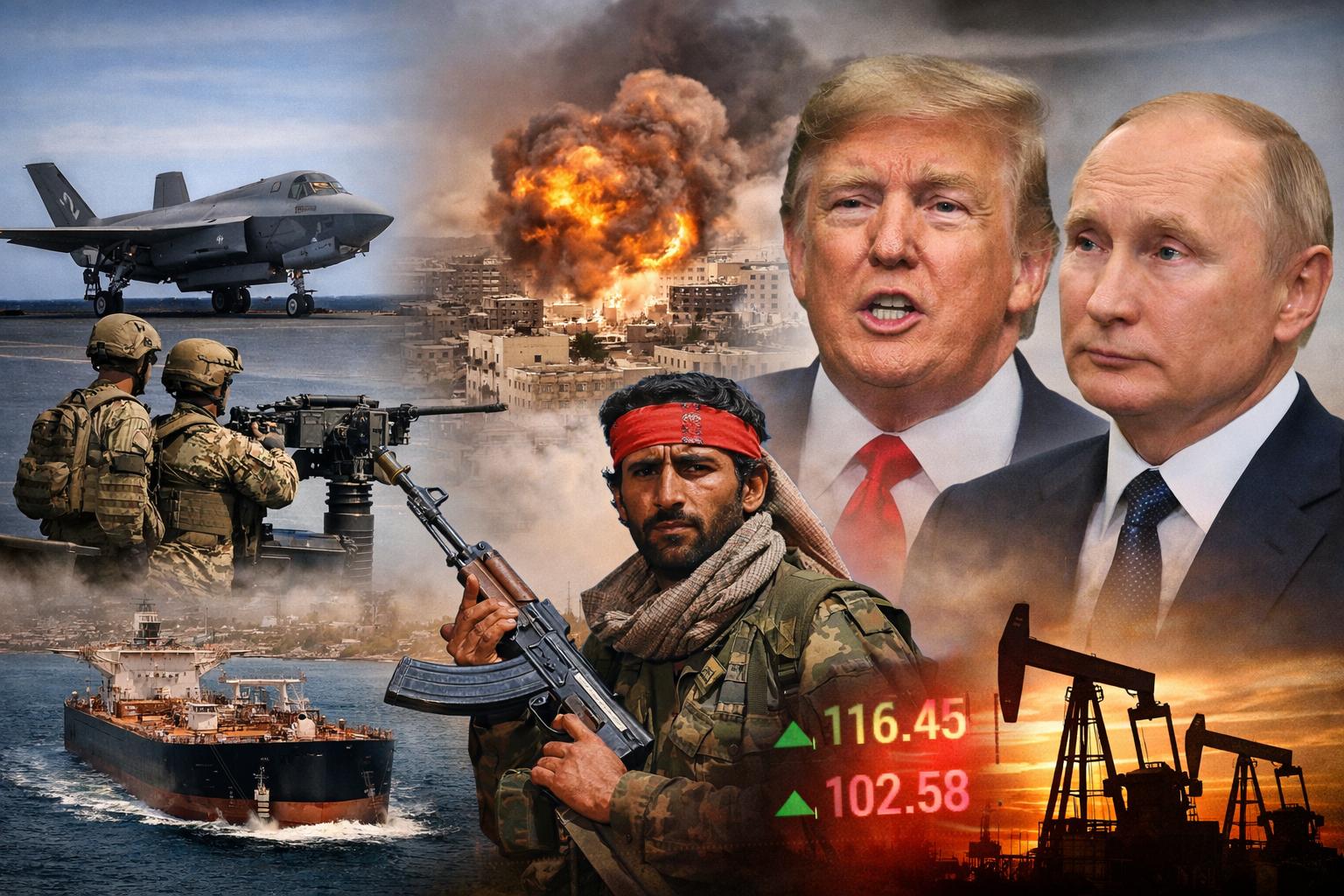
The rejection comes as U.S. President Donald Trump has imposed a deadline tied to the reopening of the Strait of Hormuz, a critical global shipping route through which roughly 20% of the world’s oil supply passes during peacetime. Iranian and Omani officials are reportedly working on a mechanism to manage traffic through the strategic waterway. Disruptions in the strait have already contributed to rising oil prices and heightened concerns about the global economy.
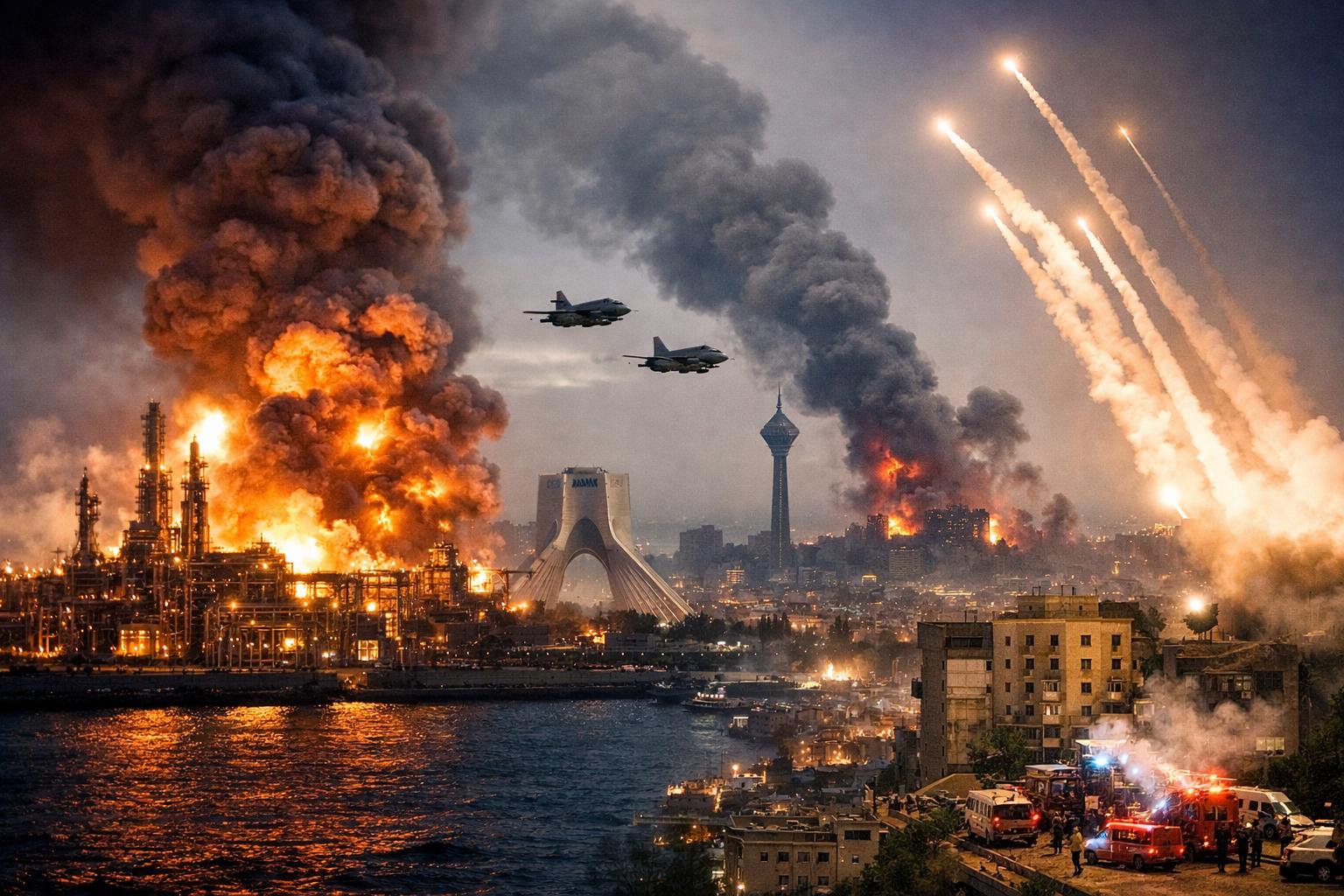
Tensions further escalated following Israeli strikes on Iran’s South Pars natural gas field, a major energy hub shared with Qatar and vital to Iran’s electricity production. The strikes also reportedly killed senior figures within Iran’s Revolutionary Guard, including intelligence chief Maj. Gen. Majid Khademi and a commander linked to the Quds Force. Israeli officials indicated that targeting Iran’s economic and military infrastructure remains a priority.
Simultaneously, explosions were reported across Tehran, with residents describing sustained aerial activity, including drones and low-flying aircraft. Israeli forces also claimed to have struck multiple airports in the Iranian capital, damaging military assets.
Efforts by mediators from Egypt, Pakistan, and Turkey to broker a 45-day ceasefire and reopen the Strait of Hormuz are ongoing, though progress appears uncertain. Iranian officials have reiterated that negotiations cannot proceed under threats or ultimatums.
Regional tensions have also spread to neighboring Gulf countries, with Kuwait, the United Arab Emirates, and Saudi Arabia activating air defenses in response to Iranian missile and drone activity. In Israel, missile strikes reportedly hit residential areas in Haifa, resulting in civilian casualties. The situation continues to evolve, with significant implications for global energy markets and regional stability.
TEHRAN, Iran — Iran has rejected a proposed ceasefire agreement and is instead calling for a permanent end to hostilities, intensifying an already volatile situation in the Middle East. The development was reported on Monday, April 6, 2026, local time in Iran, amid rising pressure from the United States and escalating military actions involving Israel.
Mojtaba Ferdousi Pour, head of Iran’s diplomatic mission in Cairo, stated that Tehran would not agree to a temporary truce without guarantees of long-term security. He emphasized that Iran seeks a definitive end to the conflict with assurances that future attacks would not occur. According to Iranian officials, the country conveyed its position through Pakistan, which has been acting as a key mediator in ongoing diplomatic efforts.
The rejection comes as U.S. President Donald Trump has imposed a deadline tied to the reopening of the Strait of Hormuz, a critical global shipping route through which roughly 20% of the world’s oil supply passes during peacetime. Iranian and Omani officials are reportedly working on a mechanism to manage traffic through the strategic waterway. Disruptions in the strait have already contributed to rising oil prices and heightened concerns about the global economy.
Tensions further escalated following Israeli strikes on Iran’s South Pars natural gas field, a major energy hub shared with Qatar and vital to Iran’s electricity production. The strikes also reportedly killed senior figures within Iran’s Revolutionary Guard, including intelligence chief Maj. Gen. Majid Khademi and a commander linked to the Quds Force. Israeli officials indicated that targeting Iran’s economic and military infrastructure remains a priority.
Simultaneously, explosions were reported across Tehran, with residents describing sustained aerial activity, including drones and low-flying aircraft. Israeli forces also claimed to have struck multiple airports in the Iranian capital, damaging military assets.
Efforts by mediators from Egypt, Pakistan, and Turkey to broker a 45-day ceasefire and reopen the Strait of Hormuz are ongoing, though progress appears uncertain. Iranian officials have reiterated that negotiations cannot proceed under threats or ultimatums.
Regional tensions have also spread to neighboring Gulf countries, with Kuwait, the United Arab Emirates, and Saudi Arabia activating air defenses in response to Iranian missile and drone activity. In Israel, missile strikes reportedly hit residential areas in Haifa, resulting in civilian casualties. The situation continues to evolve, with significant implications for global energy markets and regional stability.
DUBAI, United Arab Emirates — Israel carried out a major strike on Iran’s South Pars natural gas field, targeting a key petrochemical facility that accounts for a significant portion of the country’s production, in an escalation that threatens ongoing efforts to broker a ceasefire between Tehran and Washington. Israeli officials confirmed the operation, describing it as a decisive blow to Iran’s energy infrastructure, while warning that further actions could follow despite diplomatic neg
DUBAI, United Arab Emirates — Israel carried out a major strike on Iran’s South Pars natural gas field, targeting a key petrochemical facility that accounts for a significant portion of the country’s production, in an escalation that threatens ongoing efforts to broker a ceasefire between Tehran and Washington. Israeli officials confirmed the operation, describing it as a decisive blow to Iran’s energy infrastructure, while warning that further actions could follow despite diplomatic neg
The ongoing conflict involving the United States, Israel, and Iran has extended beyond a month, intensifying geopolitical tensions and significantly impacting global energy markets. As of Tuesday, March 31, 2026, the situation shows few signs of de-escalation, with escalating military activity and limited diplomatic progress raising concerns across international observers.
The conflict widened further over the weekend when Yemen’s Houthi rebels entered the fray, adding a new dimension to a
The ongoing conflict involving the United States, Israel, and Iran has extended beyond a month, intensifying geopolitical tensions and significantly impacting global energy markets. As of Tuesday, March 31, 2026, the situation shows few signs of de-escalation, with escalating military activity and limited diplomatic progress raising concerns across international observers.
The conflict widened further over the weekend when Yemen’s Houthi rebels entered the fray, adding a new dimension to a
Tensions between the United States, Israel, and Iran are intensifying, with multiple developments across the Middle East signaling a potentially dangerous escalation in the ongoing conflict. The situation has drawn increased global attention as military activity expands and diplomatic efforts continue behind the scenes.
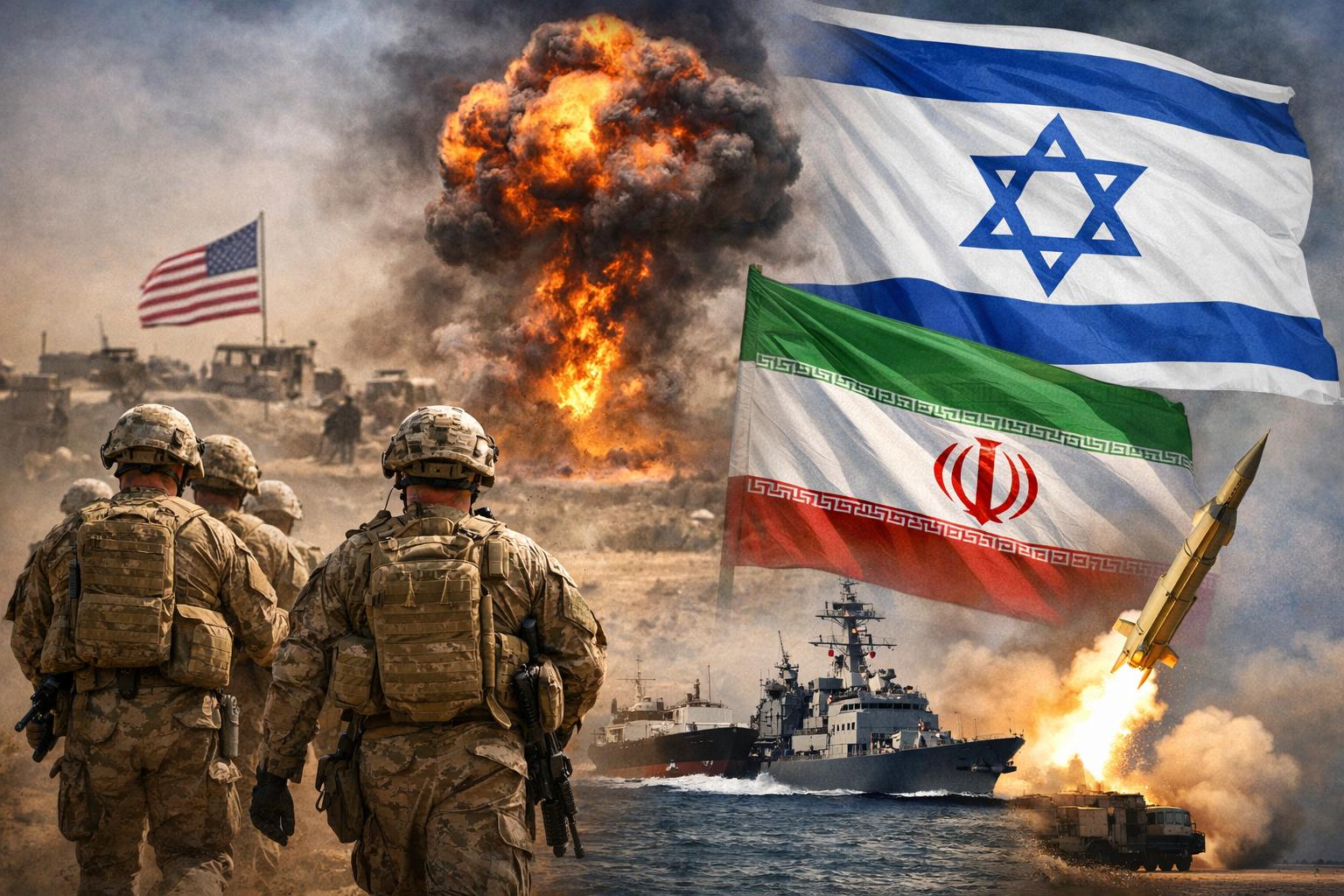
Hundreds of US Special Operations forces have recently been deployed to the region, pushing total American troop levels beyond 50,000. The expanded presence reflects growing concerns in Washington over regional stability and the need to safeguard critical maritime routes, including the strategically vital Strait of Hormuz. US officials are also weighing a range of military and strategic options, including potential actions targeting Iran’s nuclear capabilities and energy infrastructure.
Amid these developments, discussions have reportedly included the possibility of securing or seizing Iranian oil facilities and enriched uranium assets. At the same time, diplomatic channels remain active, with regional intermediaries attempting to ease tensions and prevent further escalation.
Uncertainty surrounding Iran’s leadership has added another layer of complexity. Supreme Leader Mojtaba Khamenei has not appeared publicly in recent days, fueling speculation about his health and control over internal decision-making during a critical period.
The conflict is also beginning to extend beyond traditional battle zones. A recent Iranian strike in Kuwait resulted in the death of an Indian worker, underscoring the growing risks to civilians and foreign nationals in the region. Analysts warn that such incidents highlight the vulnerability of critical infrastructure and the potential for unintended consequences as hostilities widen.
Security experts caution that the situation remains highly volatile, with the possibility of broader regional fallout if tensions continue to rise. As military posturing increases alongside fragile diplomatic efforts, the coming days are expected to be crucial in determining whether the conflict can be contained or escalates further.
Tensions between the United States, Israel, and Iran are intensifying, with multiple developments across the Middle East signaling a potentially dangerous escalation in the ongoing conflict. The situation has drawn increased global attention as military activity expands and diplomatic efforts continue behind the scenes.
Hundreds of US Special Operations forces have recently been deployed to the region, pushing total American troop levels beyond 50,000. The expanded presence reflects growing concerns in Washington over regional stability and the need to safeguard critical maritime routes, including the strategically vital Strait of Hormuz. US officials are also weighing a range of military and strategic options, including potential actions targeting Iran’s nuclear capabilities and energy infrastructure.
Amid these developments, discussions have reportedly included the possibility of securing or seizing Iranian oil facilities and enriched uranium assets. At the same time, diplomatic channels remain active, with regional intermediaries attempting to ease tensions and prevent further escalation.
Uncertainty surrounding Iran’s leadership has added another layer of complexity. Supreme Leader Mojtaba Khamenei has not appeared publicly in recent days, fueling speculation about his health and control over internal decision-making during a critical period.
The conflict is also beginning to extend beyond traditional battle zones. A recent Iranian strike in Kuwait resulted in the death of an Indian worker, underscoring the growing risks to civilians and foreign nationals in the region. Analysts warn that such incidents highlight the vulnerability of critical infrastructure and the potential for unintended consequences as hostilities widen.
Security experts caution that the situation remains highly volatile, with the possibility of broader regional fallout if tensions continue to rise. As military posturing increases alongside fragile diplomatic efforts, the coming days are expected to be crucial in determining whether the conflict can be contained or escalates further.
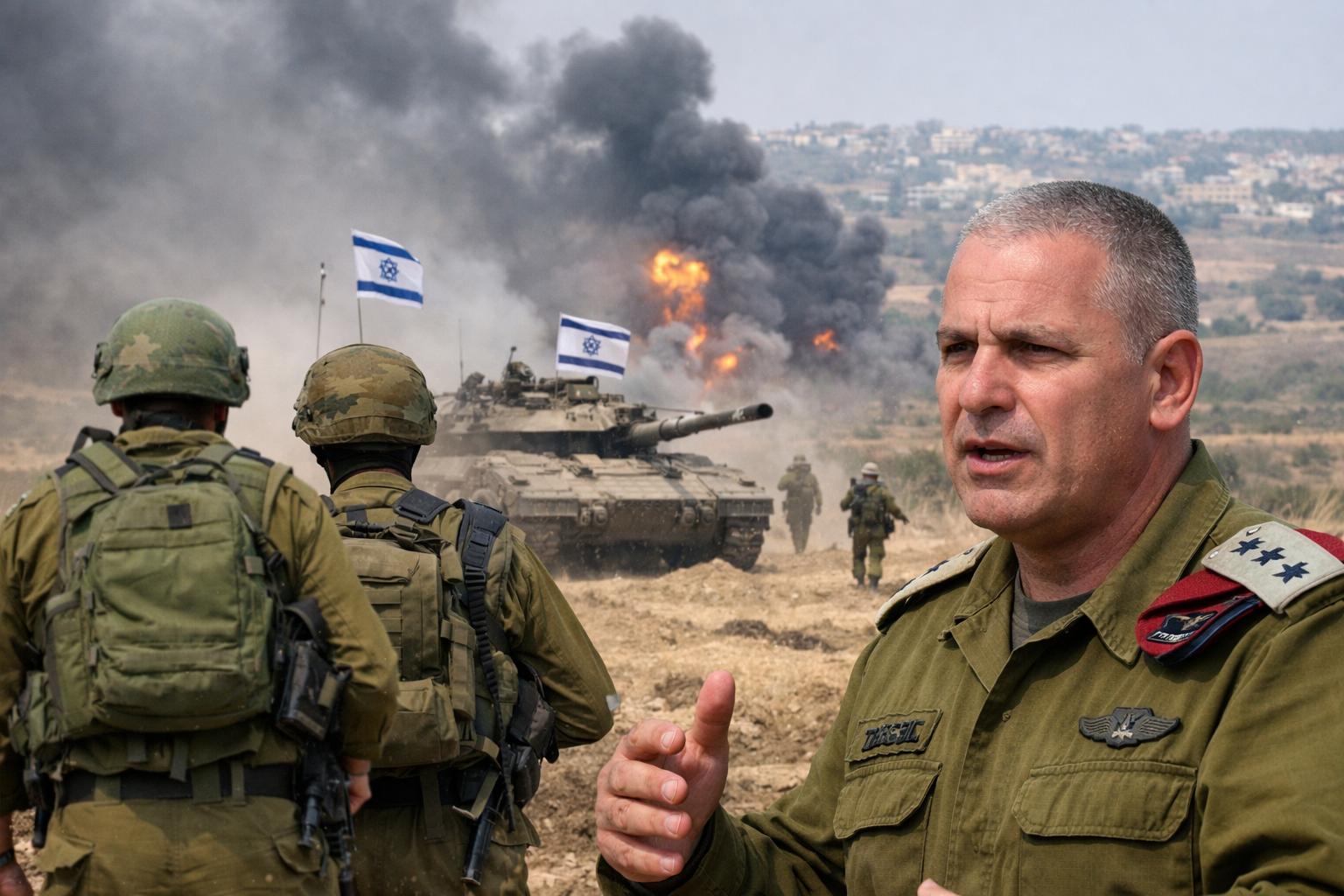
Israel’s top military official has issued a stark warning about the country’s operational readiness, citing severe manpower shortages as conflict across multiple fronts continues to intensify. Eyal Zamir, Chief of the General Staff of the Israel Defense Forces, told senior ministers that the military risks “collapsing on itself” if current staffing gaps are not addressed.
The warning came
Israel’s top military official has issued a stark warning about the country’s operational readiness, citing severe manpower shortages as conflict across multiple fronts continues to intensify. Eyal Zamir, Chief of the General Staff of the Israel Defense Forces, told senior ministers that the military risks “collapsing on itself” if current staffing gaps are not addressed.
The warning came
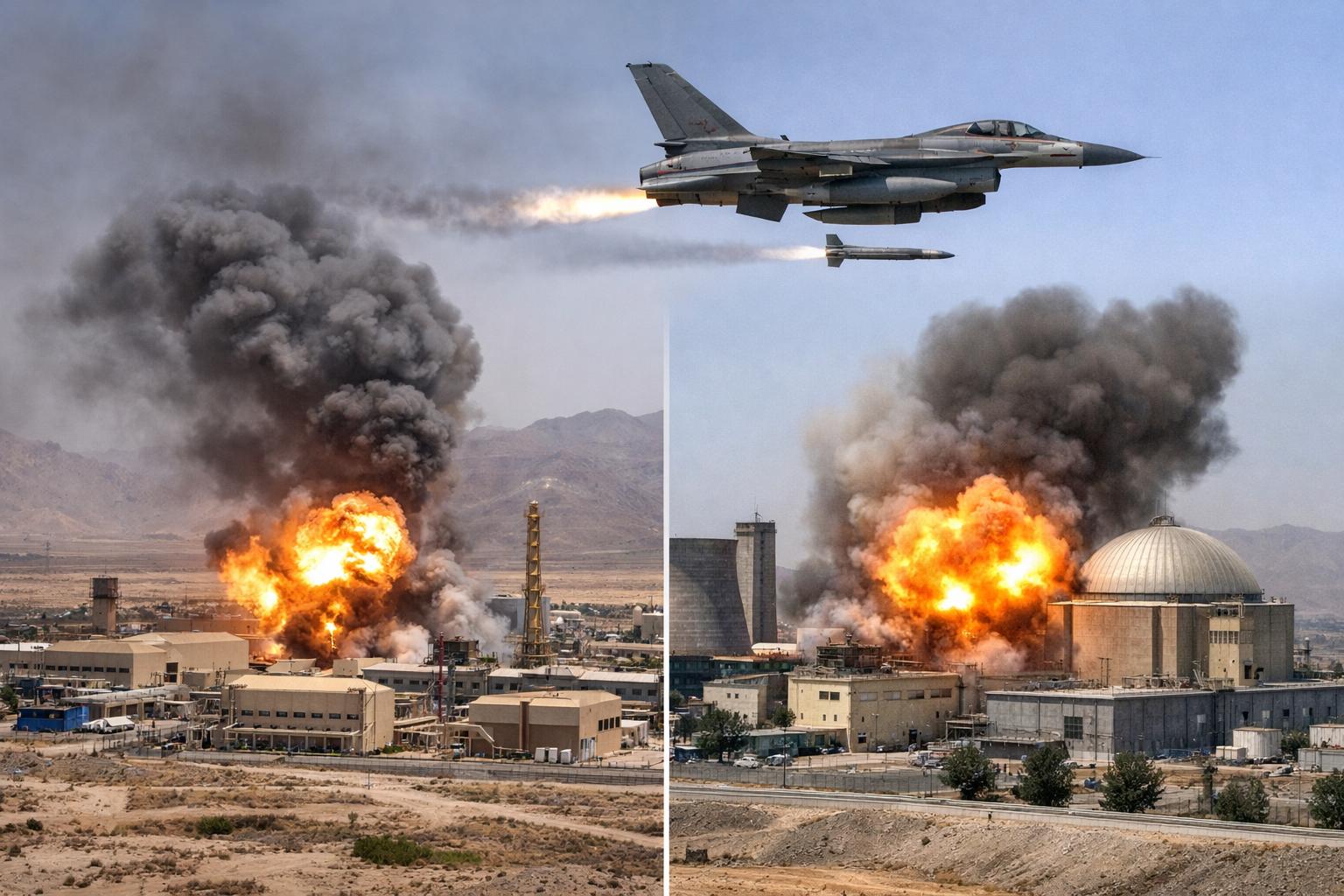
Israel confirmed it carried out coordinated airstrikes on nuclear-related facilities in central Iran on Friday, March 27, 2026, targeting a uranium processing site in Yazd and a heavy water plant in Arak, according to official military statements. The strikes mark a significant escalation in ongoing efforts to disrupt Iran’s nuclear program amid heightened regional tensions.
The Israel Defense Forces (IDF) said the operation in Yazd focused on a uranium extraction facility described as cri
Israel confirmed it carried out coordinated airstrikes on nuclear-related facilities in central Iran on Friday, March 27, 2026, targeting a uranium processing site in Yazd and a heavy water plant in Arak, according to official military statements. The strikes mark a significant escalation in ongoing efforts to disrupt Iran’s nuclear program amid heightened regional tensions.
The Israel Defense Forces (IDF) said the operation in Yazd focused on a uranium extraction facility described as cri
Washington: Tensions across West Asia have escalated sharply, with the United States issuing a strong warning to Iran to accept defeat or face significantly intensified military consequences. US officials indicated that further retaliation from Tehran could trigger a broader response, signaling a potential widening of the conflict. Iran, however, has dismissed the possibility of negotiations, reaffirming its intent to continue retaliatory strikes amid ongoing hostilities.
Military exchang
Washington: Tensions across West Asia have escalated sharply, with the United States issuing a strong warning to Iran to accept defeat or face significantly intensified military consequences. US officials indicated that further retaliation from Tehran could trigger a broader response, signaling a potential widening of the conflict. Iran, however, has dismissed the possibility of negotiations, reaffirming its intent to continue retaliatory strikes amid ongoing hostilities.
Military exchang
The ongoing conflict involving the United States, Israel, and Iran is nearing the one-month mark, with hostilities continuing to escalate across multiple fronts. Despite renewed claims of diplomatic engagement, military operations remain active, contributing to rising casualties and increasing uncertainty across the region.
US President Donald Trump recently stated that discussions with Iran are ongoing, suggesting the possibility of a diplomatic breakthrough. However, Iranian authorities have dismissed such claims, describing reports of negotiations as misleading and intended to influence global oil and financial markets. The conflicting narratives have further complicated the geopolitical landscape, as both sides continue to pursue military strategies alongside public statements on diplomacy.
Recent strikes have intensified within Iran, including an attack in southern Tehran that resulted in at least 12 fatalities and left 28 others injured. These developments underscore the continued volatility within Iranian territory, as Israeli and US operations target strategic locations amid the broader confrontation.
In response, Iran and its ally Hezbollah have launched a fresh wave of missile attacks targeting Israeli cities, including Tel Aviv and areas in the north. The strikes have caused civilian casualties, with at least one reported death and multiple injuries. Israel has simultaneously expanded its military operations in southern Lebanon, following indications of a plan to establish control up to the Litani River. Reports indicate that at least 33 people have been killed in recent bombardments in the region.
The conflict has also extended beyond immediate battle zones, affecting regional stability and international economic interests. The United Arab Emirates confirmed that a Moroccan national working with its armed forces in Bahrain was killed during an Iranian attack, with additional personnel reported injured. Meanwhile, QatarEnergy has declared force majeure on several liquefied natural gas contracts, impacting supply agreements with countries including Italy, Belgium, South Korea, and China.
As military actions continue alongside disputed diplomatic signals, the conflict is increasingly influencing global energy markets and geopolitical dynamics, raising concerns about further escalation and broader economic consequences.
The ongoing conflict involving the United States, Israel, and Iran is nearing the one-month mark, with hostilities continuing to escalate across multiple fronts. Despite renewed claims of diplomatic engagement, military operations remain active, contributing to rising casualties and increasing uncertainty across the region.
US President Donald Trump recently stated that discussions with Iran are ongoing, suggesting the possibility of a diplomatic breakthrough. However, Iranian authorities have dismissed such claims, describing reports of negotiations as misleading and intended to influence global oil and financial markets. The conflicting narratives have further complicated the geopolitical landscape, as both sides continue to pursue military strategies alongside public statements on diplomacy.
Recent strikes have intensified within Iran, including an attack in southern Tehran that resulted in at least 12 fatalities and left 28 others injured. These developments underscore the continued volatility within Iranian territory, as Israeli and US operations target strategic locations amid the broader confrontation.
In response, Iran and its ally Hezbollah have launched a fresh wave of missile attacks targeting Israeli cities, including Tel Aviv and areas in the north. The strikes have caused civilian casualties, with at least one reported death and multiple injuries. Israel has simultaneously expanded its military operations in southern Lebanon, following indications of a plan to establish control up to the Litani River. Reports indicate that at least 33 people have been killed in recent bombardments in the region.
The conflict has also extended beyond immediate battle zones, affecting regional stability and international economic interests. The United Arab Emirates confirmed that a Moroccan national working with its armed forces in Bahrain was killed during an Iranian attack, with additional personnel reported injured. Meanwhile, QatarEnergy has declared force majeure on several liquefied natural gas contracts, impacting supply agreements with countries including Italy, Belgium, South Korea, and China.
As military actions continue alongside disputed diplomatic signals, the conflict is increasingly influencing global energy markets and geopolitical dynamics, raising concerns about further escalation and broader economic consequences.