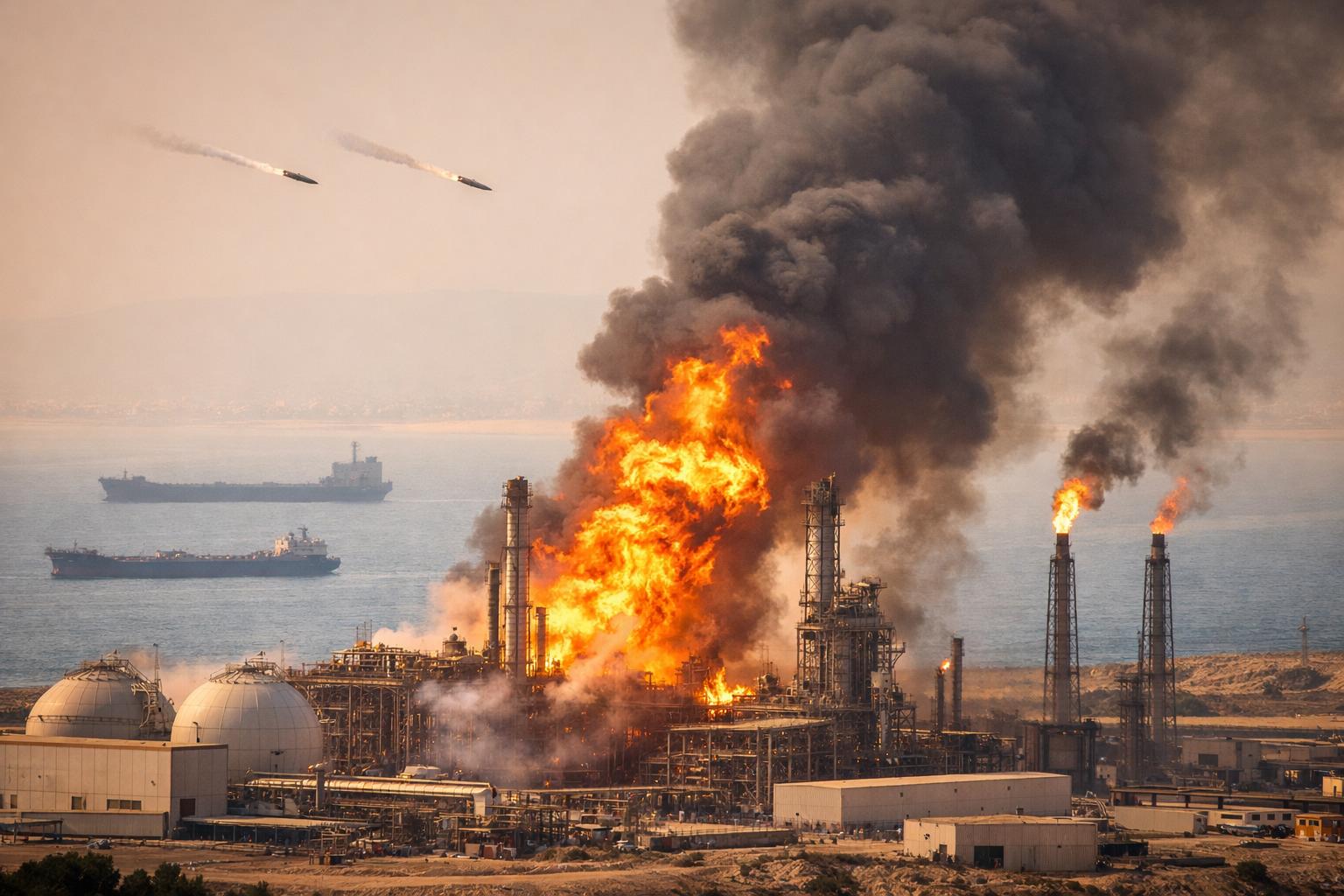
US-Israel Iran strike plans advance after midterms, officials say, with military exercises, force deployments and potential target reviews reportedly underway. Midterm timing shapes the decision as Washington weighs Iran nuclear sites, energy infrastructure and the risk of a wider regional war.
US-Israel military planning
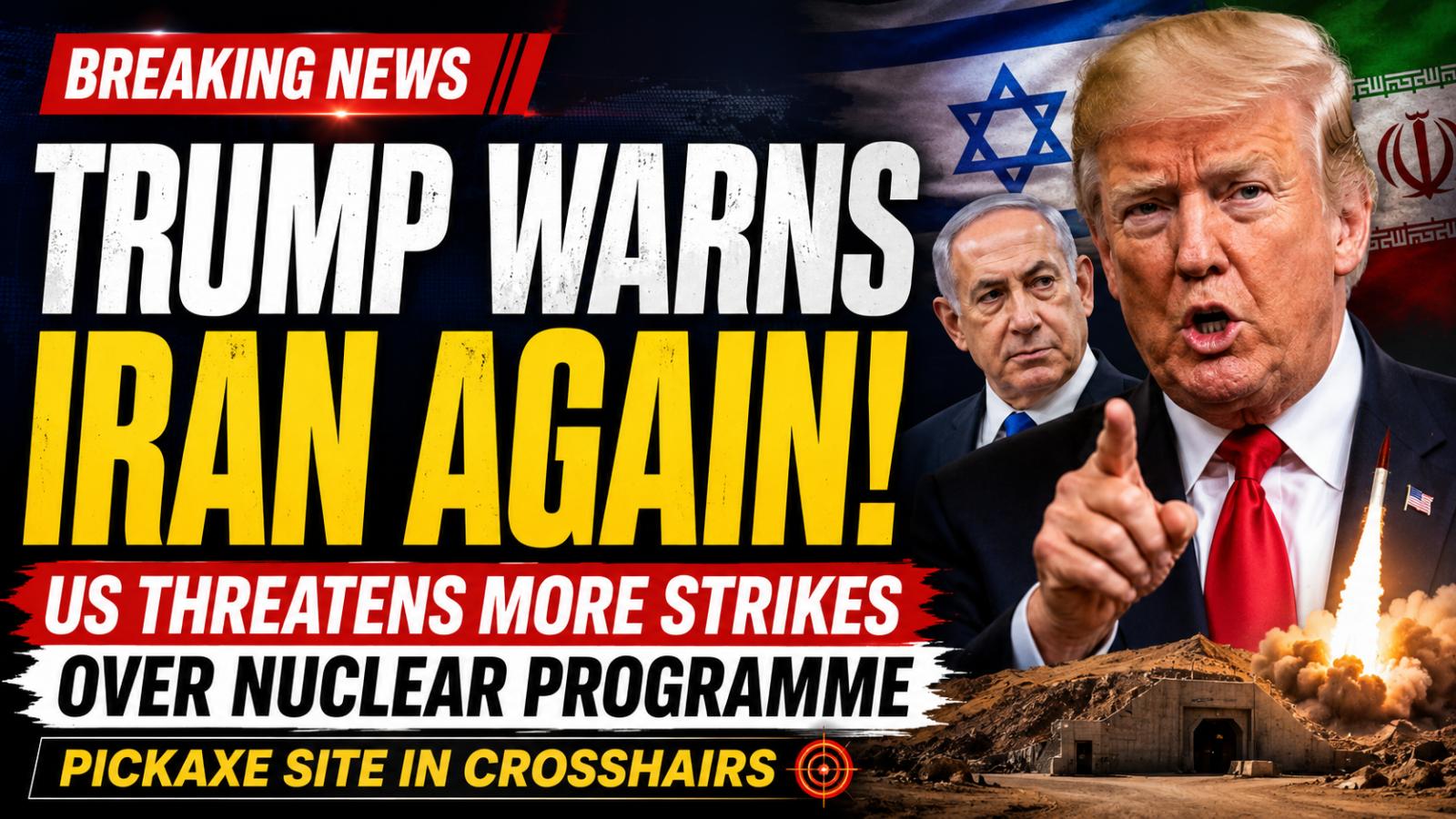
The United States and Israel have developed plans for a possible new round of military action against Iran after the November midterm elections, according to US officials and other people familiar with the discussions.
Military preparations reportedly include joint training and aircraft exercises over Iraq designed to rehearse potential strike missions. US Defense Secretary Pete Hegseth also met Israeli Prime Minister Benjamin Netanyahu this week as both governments considered options for renewed action.
President Donald Trump has not approved a new offensive, and officials stressed that military planning does not mean an attack is certain.
Iran nuclear sites under review
Potential targets under discussion reportedly include Iran’s nuclear facilities, missile and drone stockpiles and parts of its energy infrastructure.
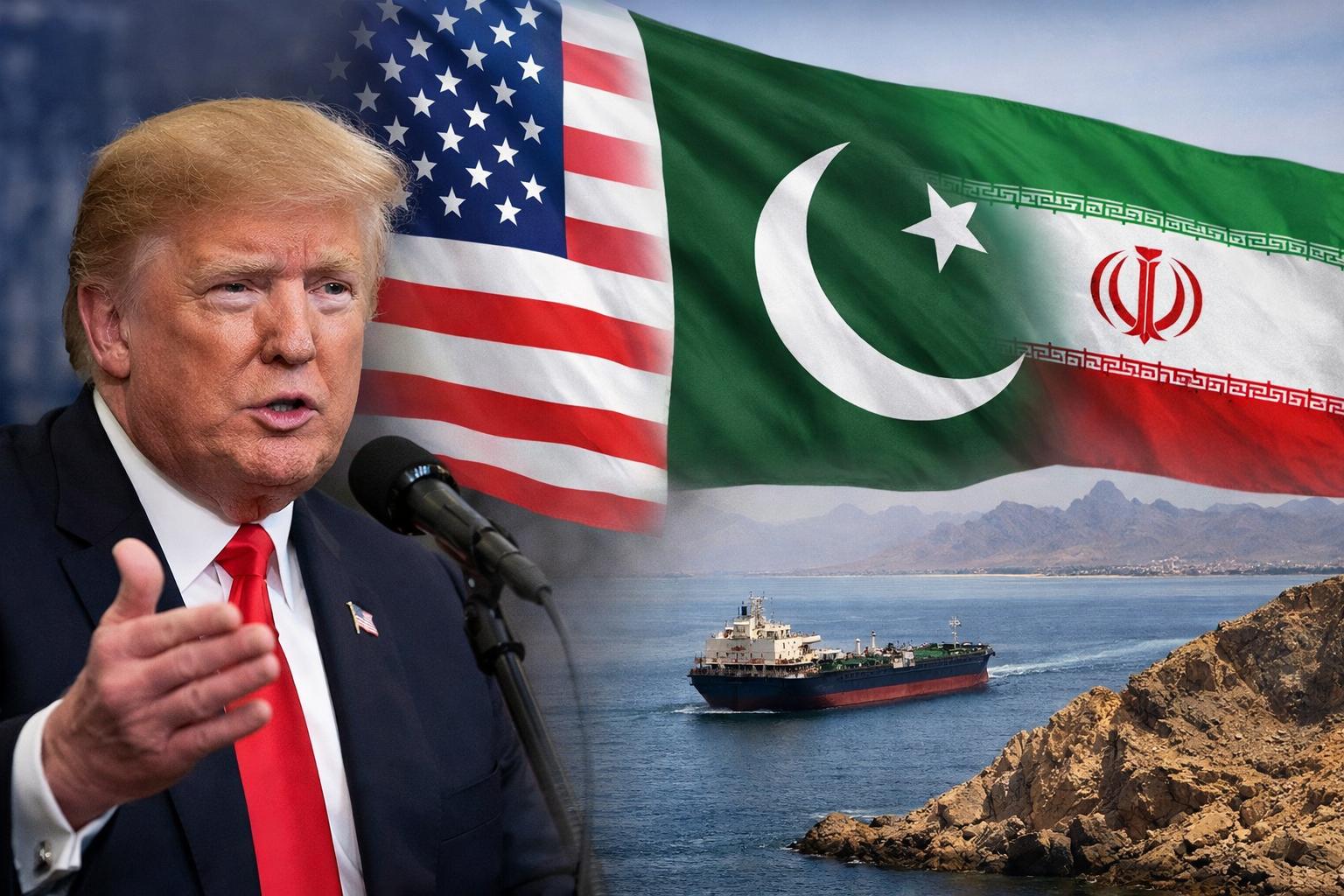
Some US planners believe a short, intensive campaign could inflict enough economic and military damage to pressure Tehran into concessions over its nuclear program and the Strait of Hormuz.
Others remain sceptical. Earlier strikes damaged Iranian capabilities but also contributed to higher energy prices, regional instability and heavy US use of missile interceptors. Questions therefore remain over whether another offensive would produce lasting strategic gains.
A deeply buried nuclear site known as Kooh Kolang has also drawn attention. Any proposed strike on such facilities would involve significant operational and escalation risks.
Midterm timing shapes decision
Political timing could play an important role in Trump’s decision. He has previously indicated that he would avoid launching a major new attack before Americans vote in the midterm elections.
The US military is also continuing a regional buildup expected to be largely complete by early November. Reported deployments include aircraft carriers, fighter jets, Marines and Special Operations forces.
Israel’s October 27 election could further complicate planning. A change in government or a caretaker administration could affect Netanyahu’s ability to commit Israel to another major campaign.
Regional war risks grow
A renewed attack could widen a conflict already affecting energy markets, shipping routes and regional security.
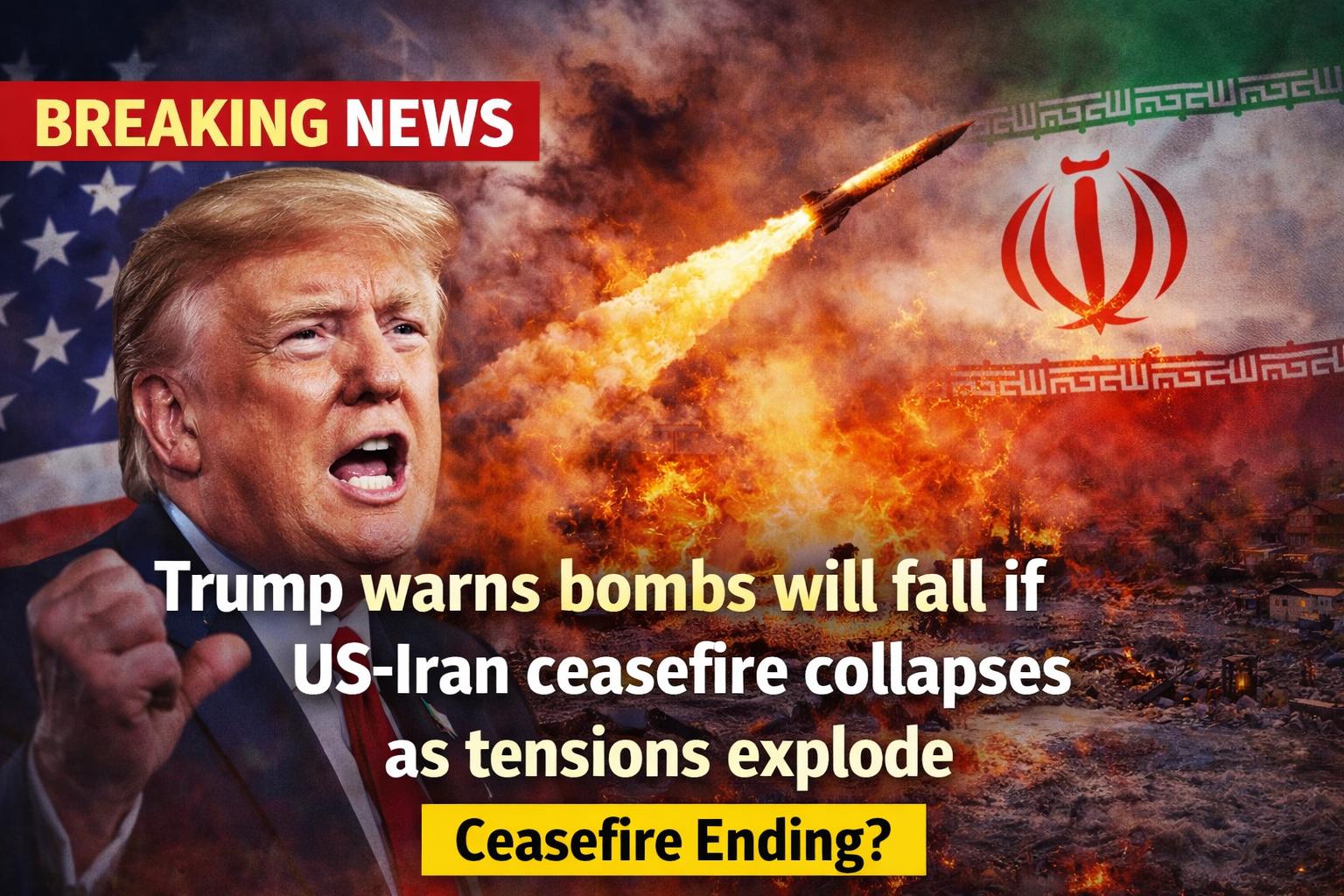
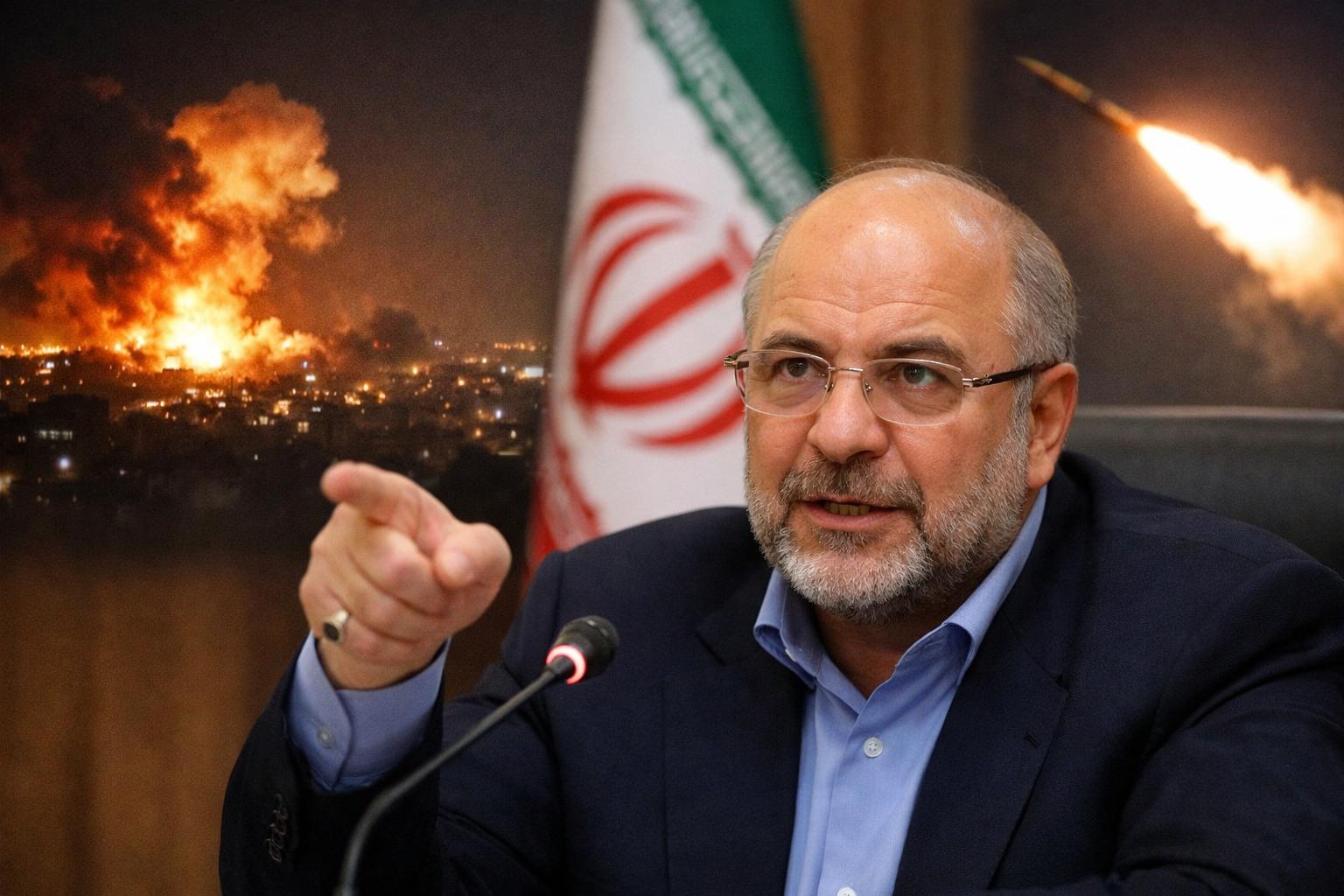
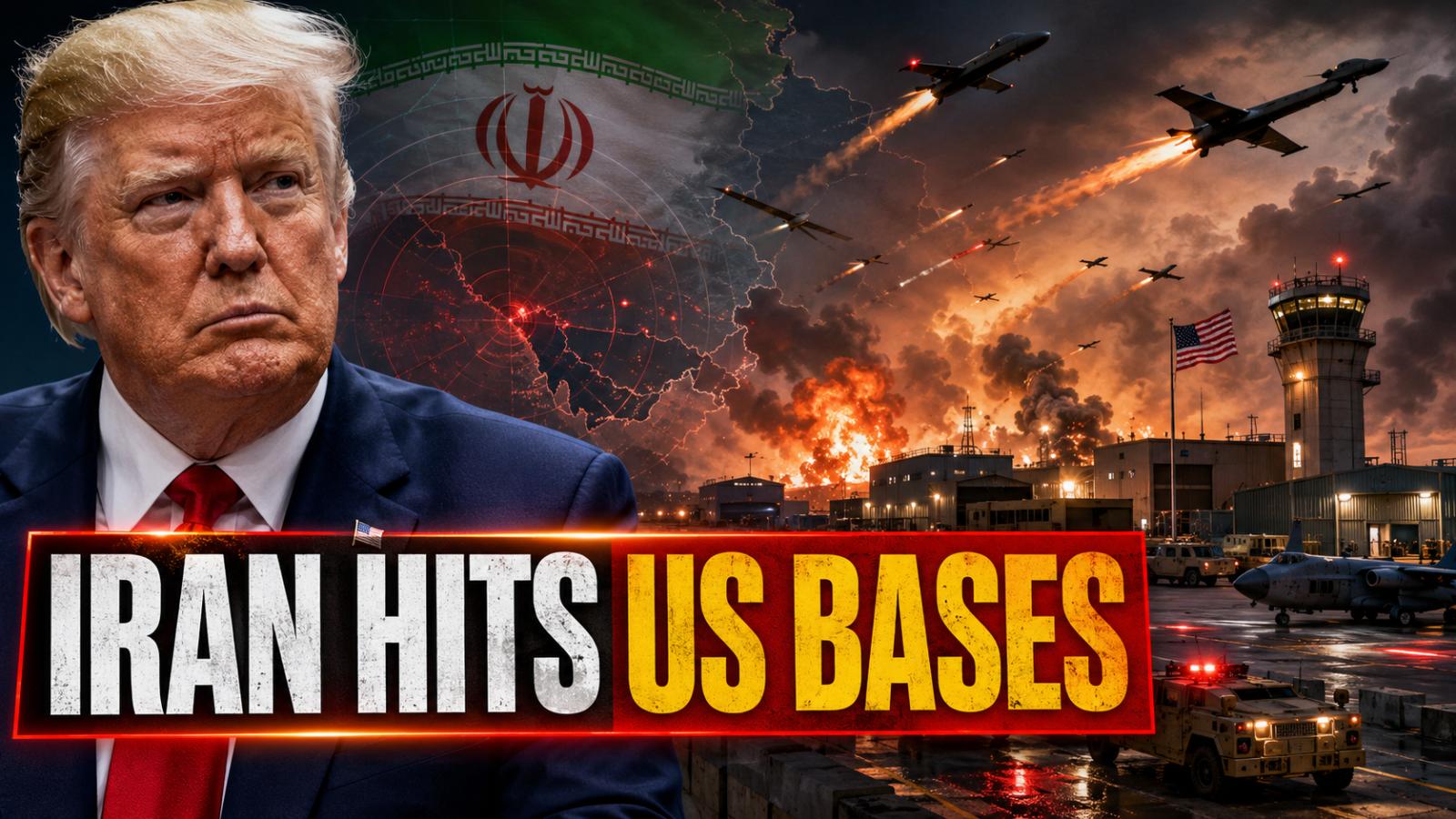
Iranian officials have warned that a new offensive would trigger retaliation beyond commercial shipping and energy infrastructure. Tehran has suggested that future targets could include digital infrastructure and underwater communications cables.
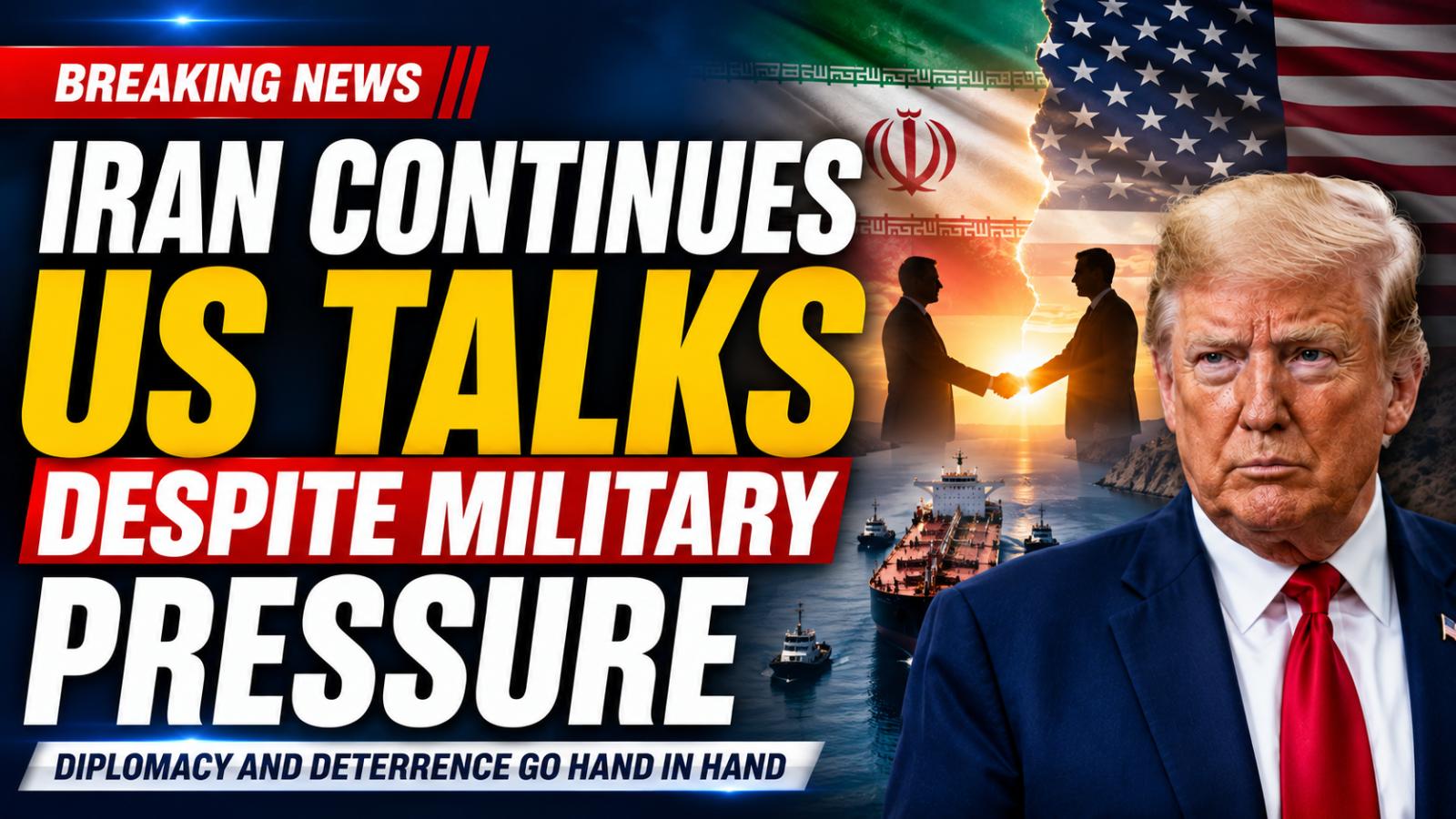
Washington is also balancing military pressure with diplomacy. US negotiators continue pushing Iran for nuclear concessions and guarantees involving the Strait of Hormuz while using the possibility of force as leverage.
Iran vows stronger retaliation
Iran has rejected suggestions that a three-day campaign could force it to surrender or rapidly change its negotiating position.
Officials close to Tehran’s leadership have warned that any new confrontation would be more intense and less predictable than earlier fighting. Iran argues that it, not Washington, would determine when renewed hostilities ended.
For Trump, the decision involves competing pressures: preventing Iran from advancing its nuclear capabilities while avoiding another escalation that could raise fuel prices, deepen regional instability and draw US forces into a longer conflict.
The immediate question is therefore not whether military plans exist, but whether Trump ultimately decides that another strike offers more strategic benefit than diplomatic and economic pressure alone.