Trump Calls Iran Deal Talks Tehran’s Last Chance
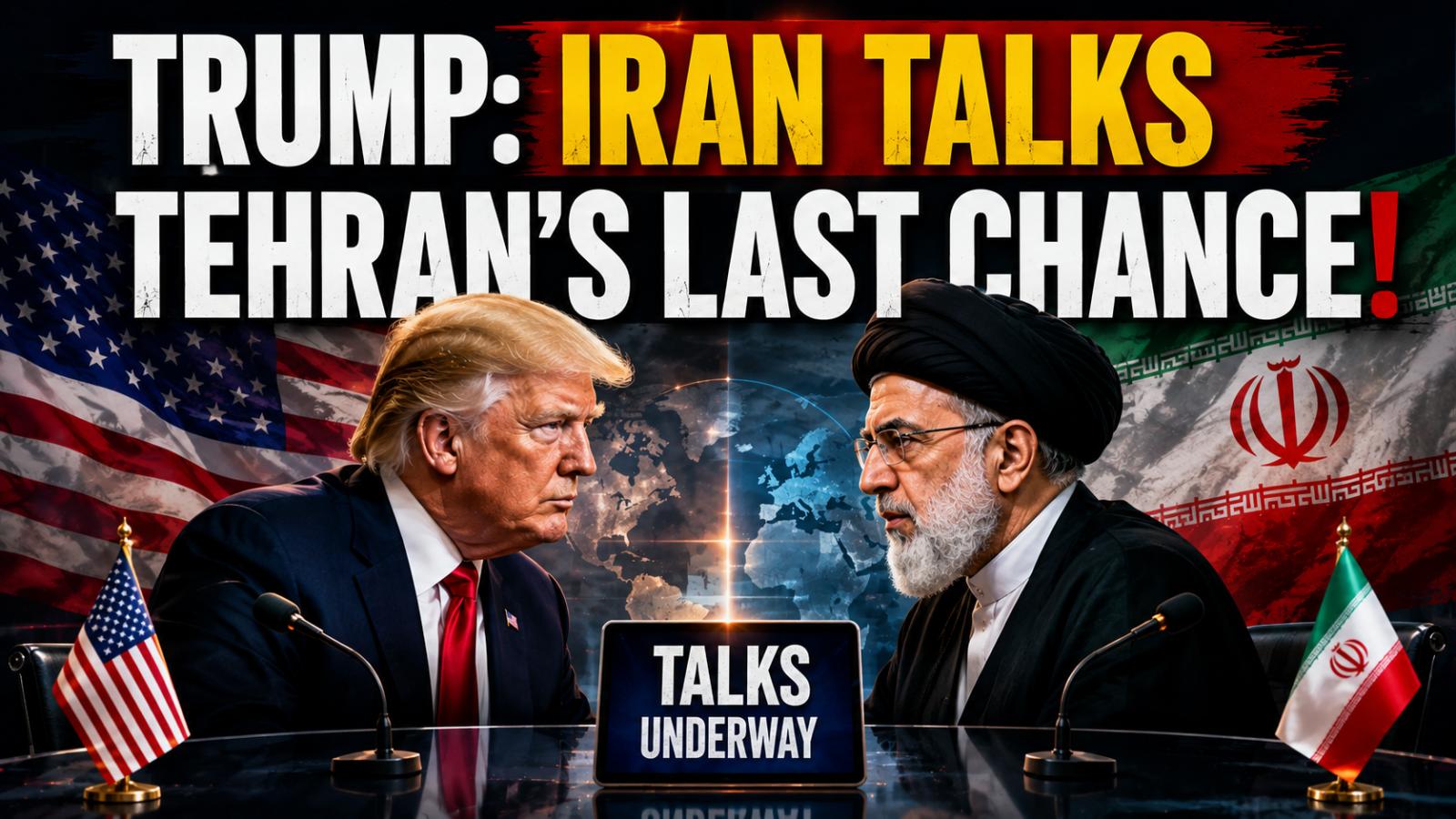
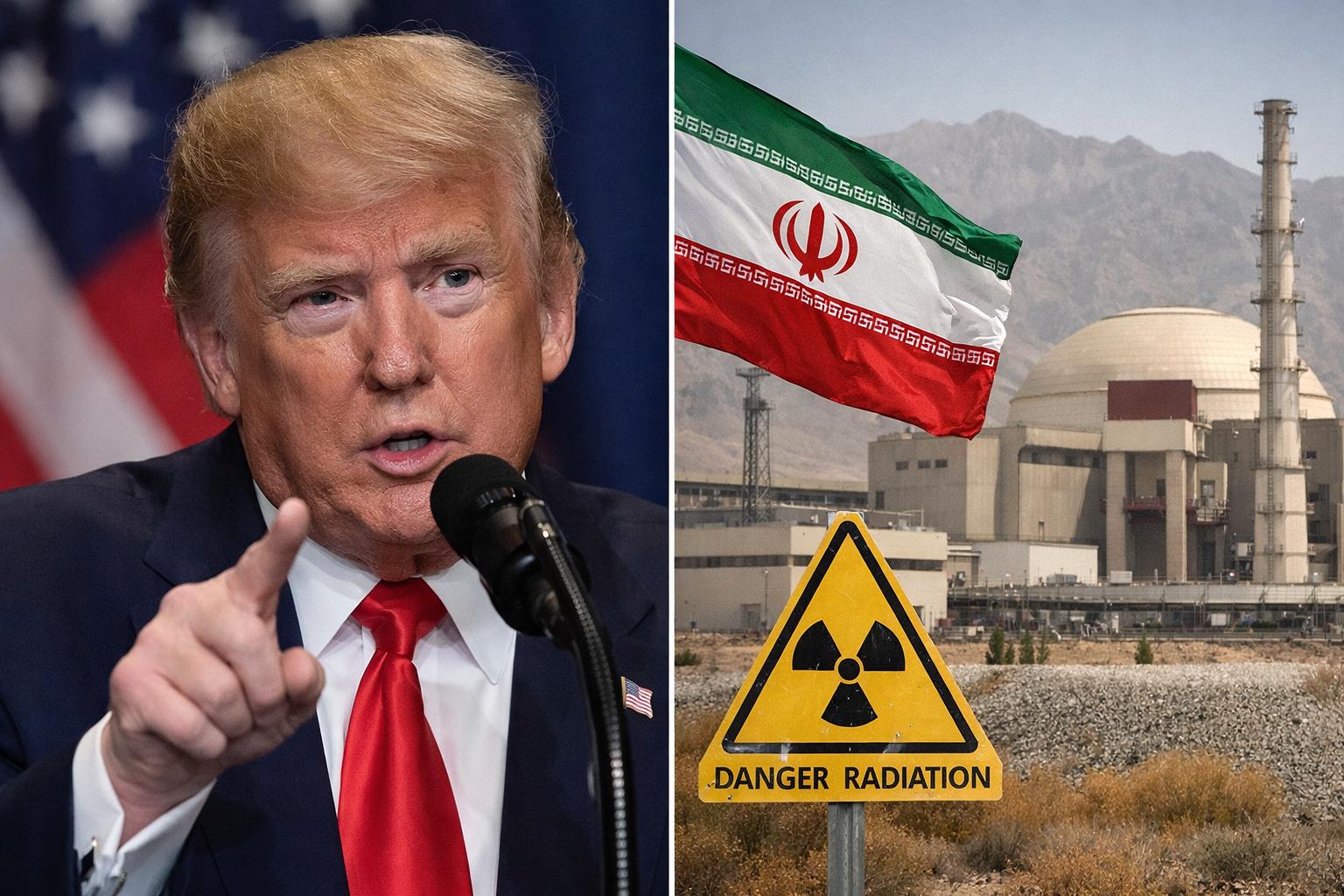
The Trump Iran deal push entered a critical phase after the US president claimed negotiations were underway and called them Tehran’s last chance. Iran denied direct US talks, saying discussions with Oman concerned only the Strait of Hormuz, leaving the diplomatic process unclear.
Trump Says Iran Talks Are Underway
Trump Calls Iran Deal Talks Tehran’s Last Chance
The Trump Iran deal push entered a critical phase after the US president claimed negotiations were underway and called them Tehran’s last chance. Iran denied direct US talks, saying discussions with Oman concerned only the Strait of Hormuz, leaving the diplomatic process unclear.
Trump Says Iran Talks Are Underway
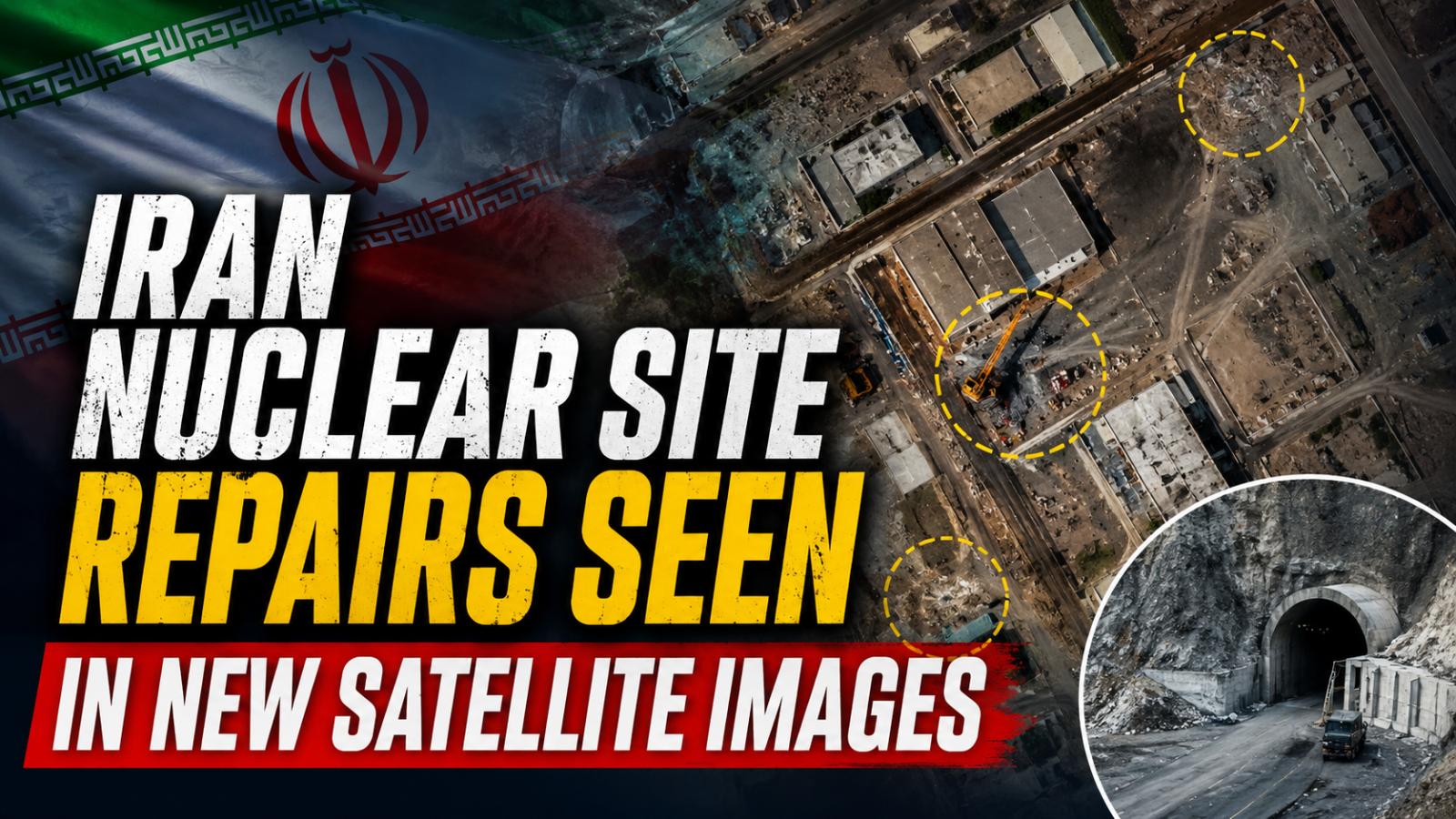
Iran nuclear site repairs appear to be underway at Taleghan 2, Parchin and Pickaxe Mountain after recent US-Israeli strikes. Satellite imagery shows cranes, vehicles and cleared impact areas, but Iran and international inspectors have not confirmed the work’s purpose.
Taleghan 2 repairs visible in satellite imagery
Recent high-resolution satellite images indicate repair and rehabilitation activity at Taleghan
Iran nuclear site repairs appear to be underway at Taleghan 2, Parchin and Pickaxe Mountain after recent US-Israeli strikes. Satellite imagery shows cranes, vehicles and cleared impact areas, but Iran and international inspectors have not confirmed the work’s purpose.
Taleghan 2 repairs visible in satellite imagery
Recent high-resolution satellite images indicate repair and rehabilitation activity at Taleghan
Netanyahu and Trump Reaffirm Iran Nuclear Stance
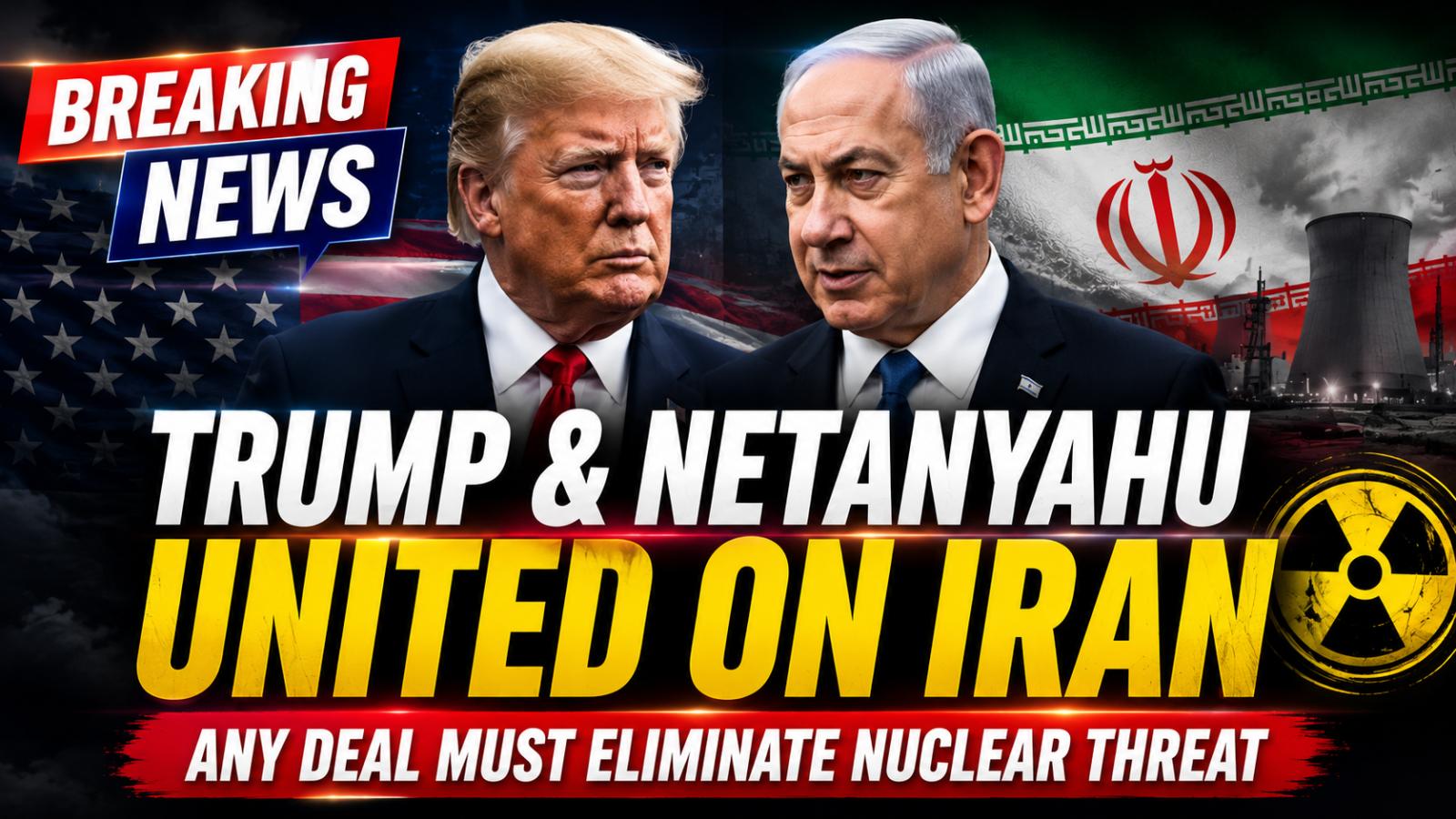
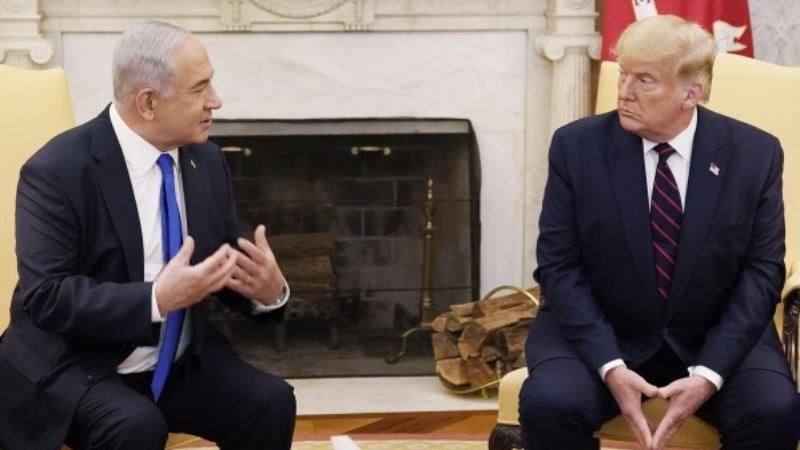
Israeli Prime Minister Benjamin Netanyahu confirmed that he spoke with US President Donald Trump on Sunday, May 23, 2026, to discuss ongoing negotiations with Iran regarding its nuclear programme. Both leaders agreed that any final deal must eliminate the nuclear threat posed by Iran. Netanyahu highlighted that the agreement must ensure dismantling Iran’s nu
Netanyahu and Trump Reaffirm Iran Nuclear Stance
Israeli Prime Minister Benjamin Netanyahu confirmed that he spoke with US President Donald Trump on Sunday, May 23, 2026, to discuss ongoing negotiations with Iran regarding its nuclear programme. Both leaders agreed that any final deal must eliminate the nuclear threat posed by Iran. Netanyahu highlighted that the agreement must ensure dismantling Iran’s nu
US-Iran Peace Agreement Delayed
Reports indicate that a formal peace agreement between the United States and Iran is unlikely to be signed Sunday, May 23, 2026, as critical details are still under negotiation. A senior administration official noted that finalization of the agreement remains pending, and discussions continue on several unresolved points.
US-Iran Peace Agreement Delayed
Reports indicate that a formal peace agreement between the United States and Iran is unlikely to be signed Sunday, May 23, 2026, as critical details are still under negotiation. A senior administration official noted that finalization of the agreement remains pending, and discussions continue on several unresolved points.
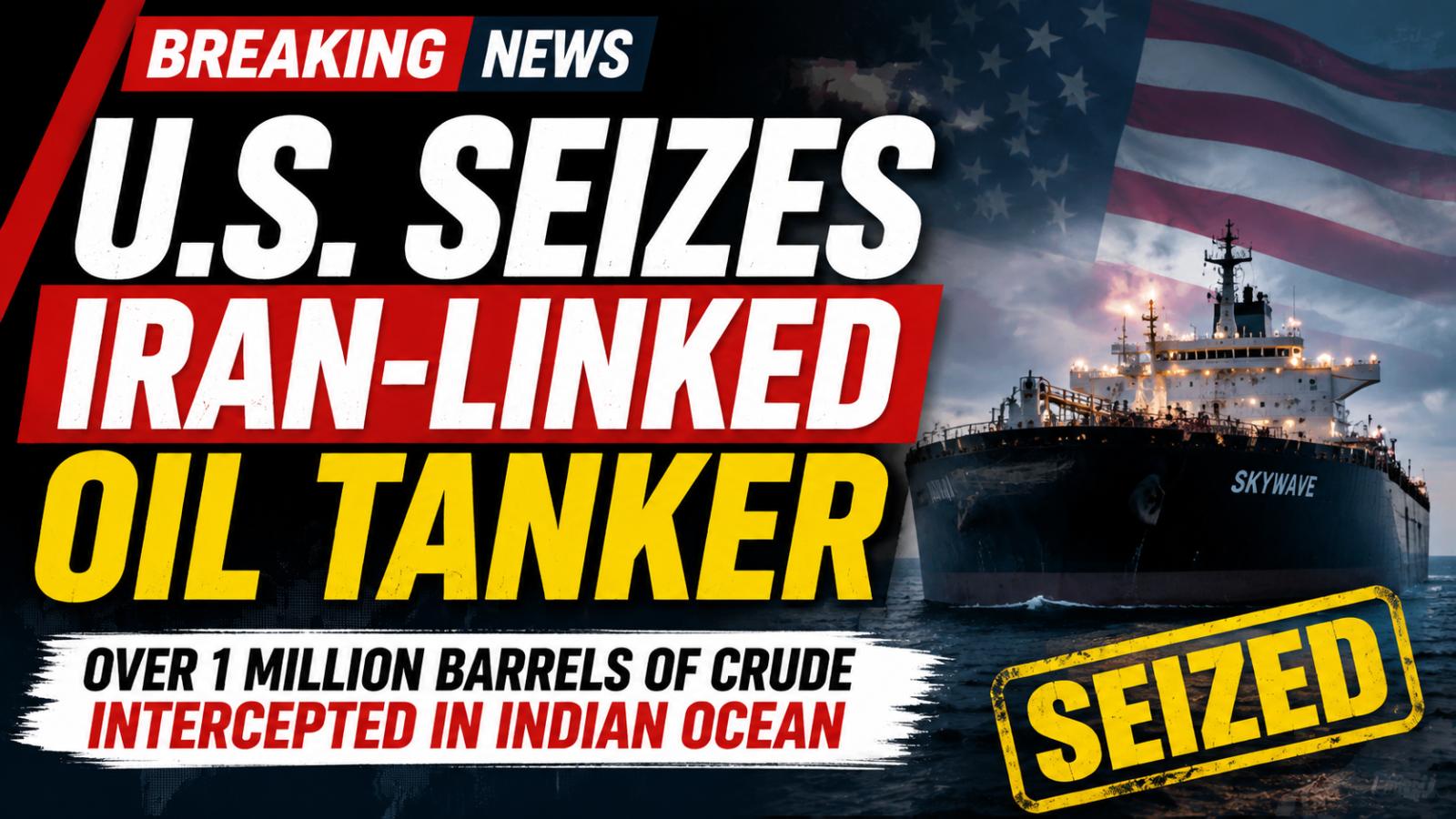
US Seizes Iran-Linked Skywave Tanker In Indian Ocean
The United States has seized the Iran-linked oil tanker Skywave in the Indian Ocean, marking another significant enforcement action under US sanctions against Tehran. Officials said the tanker, sanctioned in March for allegedly transporting Iranian crude oil, was intercepted west of Malaysia on May 19 after passing through the Strait of Malacca. Ship-tra
US Seizes Iran-Linked Skywave Tanker In Indian Ocean
The United States has seized the Iran-linked oil tanker Skywave in the Indian Ocean, marking another significant enforcement action under US sanctions against Tehran. Officials said the tanker, sanctioned in March for allegedly transporting Iranian crude oil, was intercepted west of Malaysia on May 19 after passing through the Strait of Malacca. Ship-tra
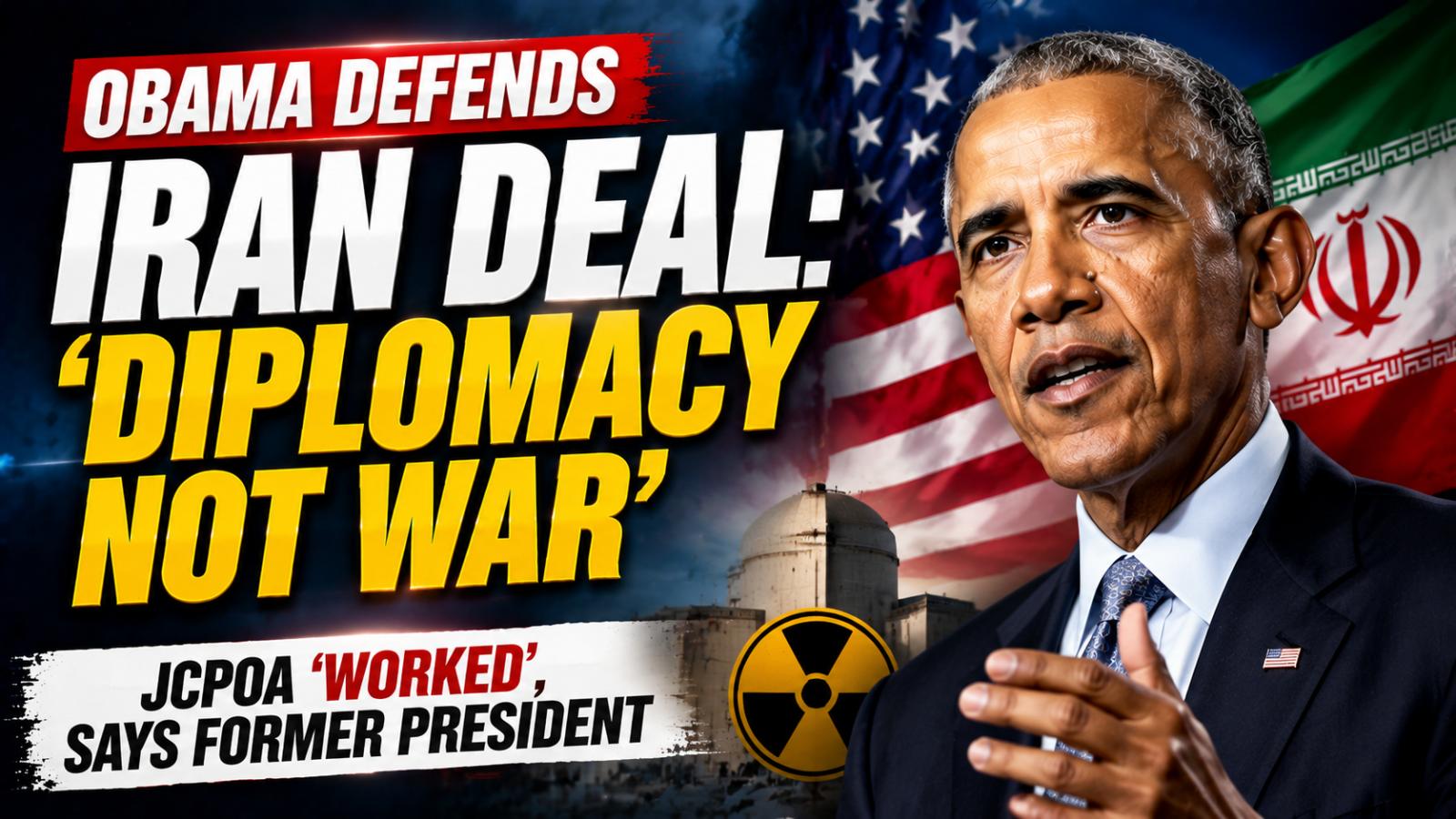
Obama Highlights JCPOA Success
President Barack Obama spoke on The Late Show with Stephen Colbert about his administration’s efforts to curb Iran’s nuclear ambitions through diplomacy. He pointed to the 2015 Joint Comprehensive Plan of Action (JCPOA), asserting that the agreement successfully restricted Iran’s enriched uranium stockpile without resorting to military action. Obama explained that the deal included stric
Obama Highlights JCPOA Success
President Barack Obama spoke on The Late Show with Stephen Colbert about his administration’s efforts to curb Iran’s nuclear ambitions through diplomacy. He pointed to the 2015 Joint Comprehensive Plan of Action (JCPOA), asserting that the agreement successfully restricted Iran’s enriched uranium stockpile without resorting to military action. Obama explained that the deal included stric
US President Donald Trump on May 10th,Sunday sharply rejected Iran’s latest proposal aimed at ending the conflict between the two countries, calling the response “totally unacceptable” and raising concerns about renewed military tensions in the Middle East. Trump made the remarks on his Truth Social platform shortly after Tehran submitted its counterproposal to Washington’s recent peace terms.
Although Trump did not disclose details of Iran’s response, he accused Tehran of
US President Donald Trump on May 10th,Sunday sharply rejected Iran’s latest proposal aimed at ending the conflict between the two countries, calling the response “totally unacceptable” and raising concerns about renewed military tensions in the Middle East. Trump made the remarks on his Truth Social platform shortly after Tehran submitted its counterproposal to Washington’s recent peace terms.
Although Trump did not disclose details of Iran’s response, he accused Tehran of
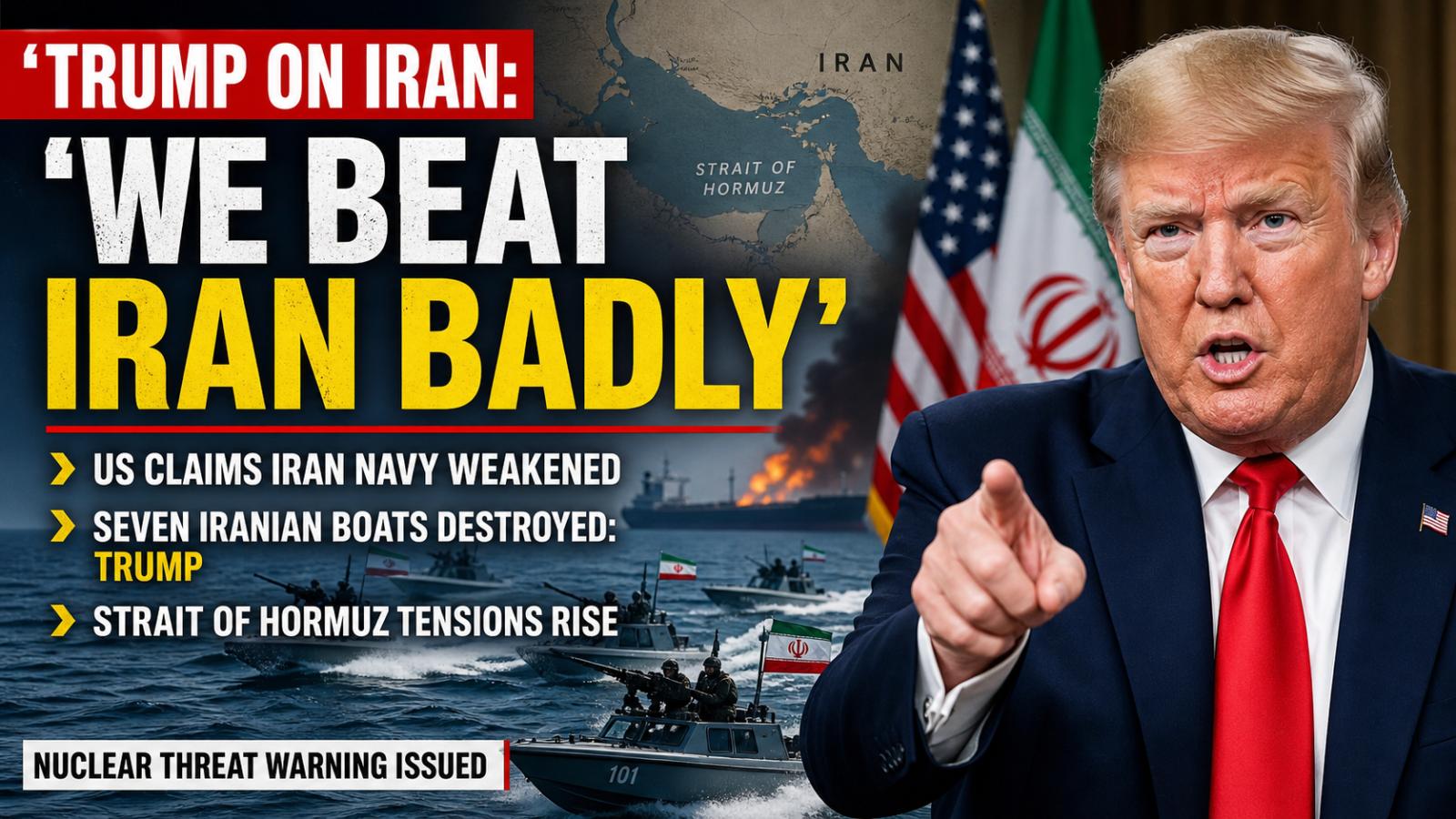
Trump Iran Conflict Deepens After Oval Office Remarks
Donald Trump said the United States has “beaten Iran badly,” claiming U.S. military action weakened Iran’s navy and reduced the risk of Tehran developing a nuclear weapon. Speaking from the Oval Office, Trump described the confrontation as a “skirmish,” but his remarks added fresh urgency to rising U.S.-Iran tensions in the Gulf region.
US Claims Iran Navy Severely Weakened
Trump Iran Conflict Deepens After Oval Office Remarks
Donald Trump said the United States has “beaten Iran badly,” claiming U.S. military action weakened Iran’s navy and reduced the risk of Tehran developing a nuclear weapon. Speaking from the Oval Office, Trump described the confrontation as a “skirmish,” but his remarks added fresh urgency to rising U.S.-Iran tensions in the Gulf region.
US Claims Iran Navy Severely Weakened
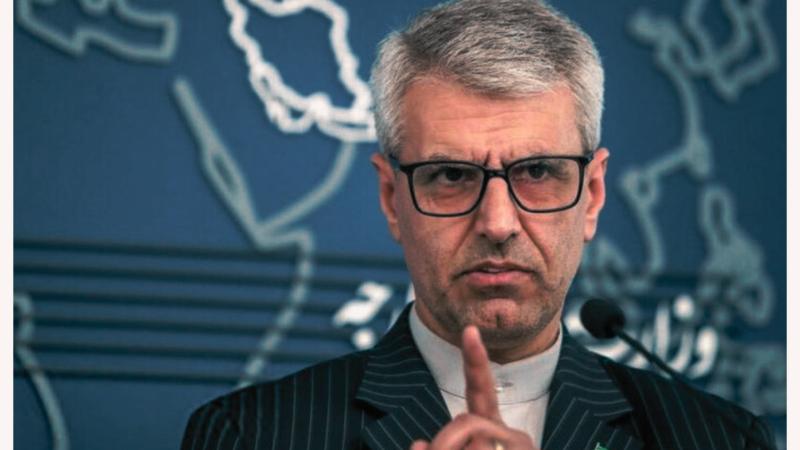
Iran has denied reports suggesting any plans to transfer its enriched uranium, rejecting recent claims attributed to former US President Donald Trump regarding a possible agreement on the issue.
Foreign Ministry spokesperson Ismael B
Iran has denied reports suggesting any plans to transfer its enriched uranium, rejecting recent claims attributed to former US President Donald Trump regarding a possible agreement on the issue.
Foreign Ministry spokesperson Ismael B
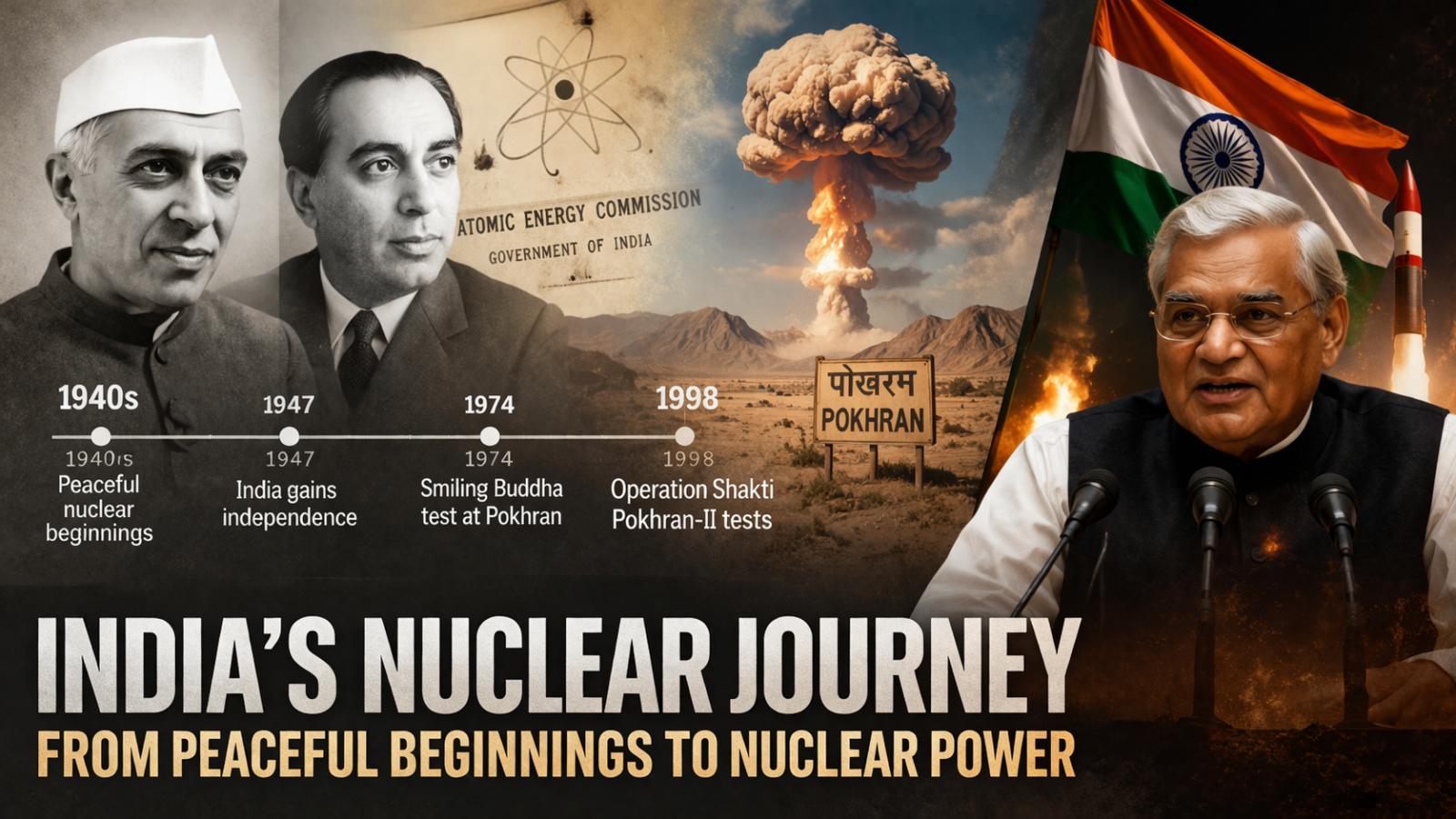
India's journey into nuclear weapons began in the early 1940s under British colonial rule. Following independence in 1947, the country embarked on a peaceful nuclear program primarily focused on energy production. At the helm of the program was Prime Minister Jawaharlal Nehru, who aimed to harness nuclear energy for civilian use, emphasizing the peaceful applications of atomic power. However, the political landscape began shifting in the 1960s as India faced mounting security concerns, partic
India's journey into nuclear weapons began in the early 1940s under British colonial rule. Following independence in 1947, the country embarked on a peaceful nuclear program primarily focused on energy production. At the helm of the program was Prime Minister Jawaharlal Nehru, who aimed to harness nuclear energy for civilian use, emphasizing the peaceful applications of atomic power. However, the political landscape began shifting in the 1960s as India faced mounting security concerns, partic
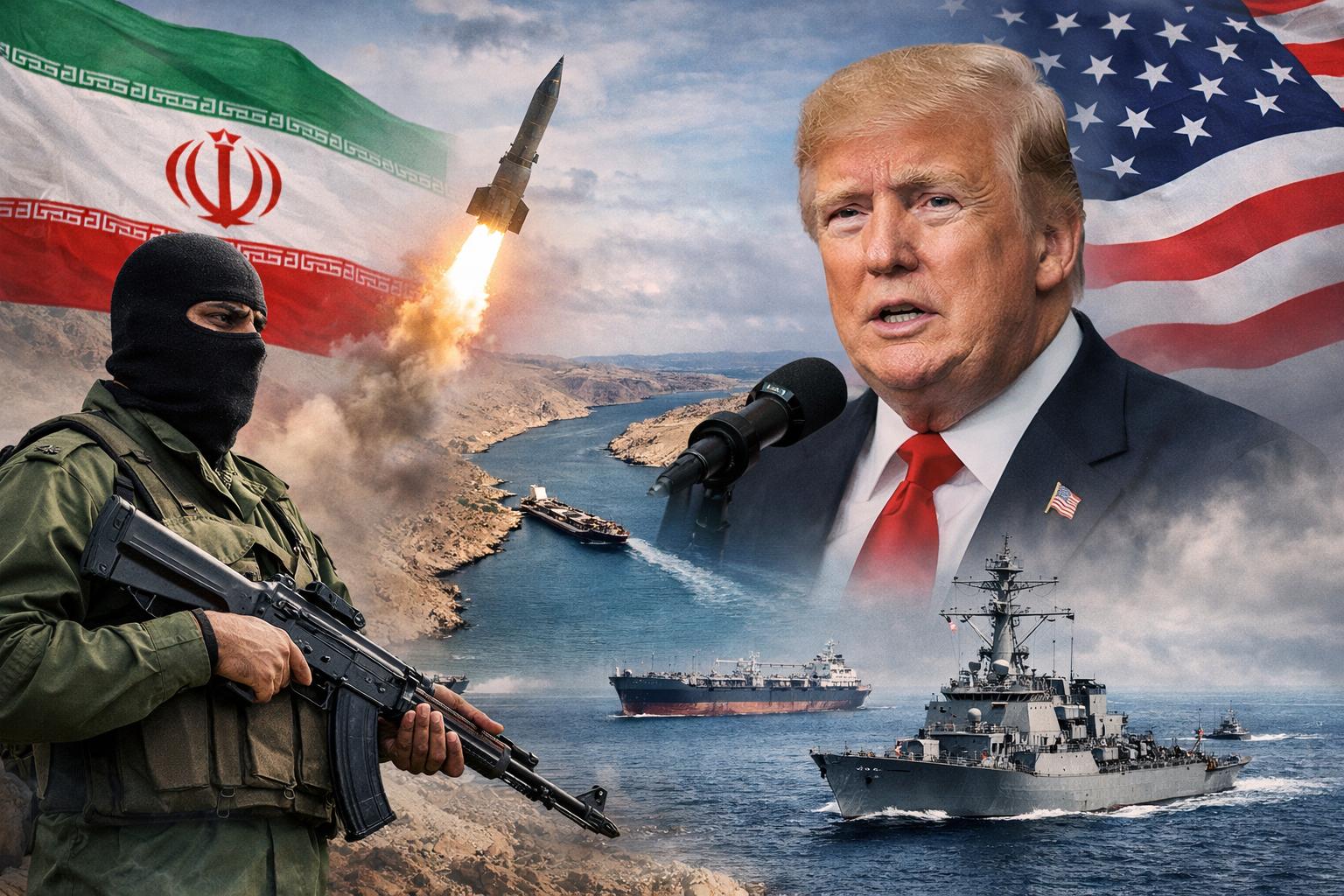
Iran has agreed to a proposed two-week ceasefire amid escalating tensions in the Middle East, following a statement by Donald Trump indicating that the United States would suspend further military action if Tehran fully reopens the strategically critical Strait of Hormuz. The announcement signals a potential pause in hostilities linked to ongoing Iran-Israel tensions, while also highlighting the broader geopolitical stakes tied to global energy security and maritime access.
The Strait of Hormuz, a vital passage for a significant portion of the world’s oil supply, has remained at the center of international concern. US officials have made it clear that maintaining open navigation through the waterway is a key condition for de-escalation. The ceasefire agreement is being viewed as a temporary but important step toward reducing immediate risks in the region, particularly for global oil markets and allied economies.
At the same time, Washington has underscored that any long-term easing of economic sanctions on Iran will depend on a complete halt to its uranium enrichment activities. The proposed framework reflects a broader US foreign policy approach that links economic relief directly to nuclear compliance, requiring Iran to scale back its nuclear program in exchange for reduced tariffs and sanctions. This conditional strategy is expected to shape the next phase of diplomatic negotiations.
The development follows diplomatic outreach from Shehbaz Sharif, who urged an extension of the negotiation timeline and called on Iran to ensure uninterrupted access through the Strait of Hormuz. Pakistan’s involvement underscores the wider regional implications of the crisis and the importance of multilateral engagement.
Meanwhile, Iran’s Islamic Revolutionary Guard Corps has issued a strong warning, stating that any US strikes on civilian infrastructure would provoke a response extending beyond the immediate region. The group cautioned that such actions could disrupt oil and gas supplies to the United States and its allies for an extended period, further raising concerns about global energy stability.
While the ceasefire offers a temporary reprieve, the situation remains fluid, with key issues surrounding nuclear policy, sanctions, and regional security still unresolved.
Iran has agreed to a proposed two-week ceasefire amid escalating tensions in the Middle East, following a statement by Donald Trump indicating that the United States would suspend further military action if Tehran fully reopens the strategically critical Strait of Hormuz. The announcement signals a potential pause in hostilities linked to ongoing Iran-Israel tensions, while also highlighting the broader geopolitical stakes tied to global energy security and maritime access.
The Strait of Hormuz, a vital passage for a significant portion of the world’s oil supply, has remained at the center of international concern. US officials have made it clear that maintaining open navigation through the waterway is a key condition for de-escalation. The ceasefire agreement is being viewed as a temporary but important step toward reducing immediate risks in the region, particularly for global oil markets and allied economies.
At the same time, Washington has underscored that any long-term easing of economic sanctions on Iran will depend on a complete halt to its uranium enrichment activities. The proposed framework reflects a broader US foreign policy approach that links economic relief directly to nuclear compliance, requiring Iran to scale back its nuclear program in exchange for reduced tariffs and sanctions. This conditional strategy is expected to shape the next phase of diplomatic negotiations.
The development follows diplomatic outreach from Shehbaz Sharif, who urged an extension of the negotiation timeline and called on Iran to ensure uninterrupted access through the Strait of Hormuz. Pakistan’s involvement underscores the wider regional implications of the crisis and the importance of multilateral engagement.
Meanwhile, Iran’s Islamic Revolutionary Guard Corps has issued a strong warning, stating that any US strikes on civilian infrastructure would provoke a response extending beyond the immediate region. The group cautioned that such actions could disrupt oil and gas supplies to the United States and its allies for an extended period, further raising concerns about global energy stability.
While the ceasefire offers a temporary reprieve, the situation remains fluid, with key issues surrounding nuclear policy, sanctions, and regional security still unresolved.
TEHRAN, Iran — Iran, the United States, and Israel agreed to a two-week ceasefire on Wednesday, April 8, 2026 (Iran Standard Time), in a last-minute effort to halt escalating hostilities that had raised fears of a broader regional war. The agreement, described by U.S. Vice President JD Vance as “fragile,” came just hours before the United States was expected to launch a major bombing campaign against Iran.
Despite the announcement, reports of renewed missile and drone attacks
TEHRAN, Iran — Iran, the United States, and Israel agreed to a two-week ceasefire on Wednesday, April 8, 2026 (Iran Standard Time), in a last-minute effort to halt escalating hostilities that had raised fears of a broader regional war. The agreement, described by U.S. Vice President JD Vance as “fragile,” came just hours before the United States was expected to launch a major bombing campaign against Iran.
Despite the announcement, reports of renewed missile and drone attacks
U.S. President Donald Trump said on Wednesday, April 8, 2026, that the United States is prepared to work with Iran to recover enriched uranium believed to be buried beneath sites targeted during joint U.S.-Israeli strikes in June 2025. The comments signal a potential shift in U.S.-Iran engagement, though Iranian officials have not confirmed any such cooperation.
In a social media post, Trump stated that “there will be no enrichment of uranium” moving forward and asserted that the
U.S. President Donald Trump said on Wednesday, April 8, 2026, that the United States is prepared to work with Iran to recover enriched uranium believed to be buried beneath sites targeted during joint U.S.-Israeli strikes in June 2025. The comments signal a potential shift in U.S.-Iran engagement, though Iranian officials have not confirmed any such cooperation.
In a social media post, Trump stated that “there will be no enrichment of uranium” moving forward and asserted that the
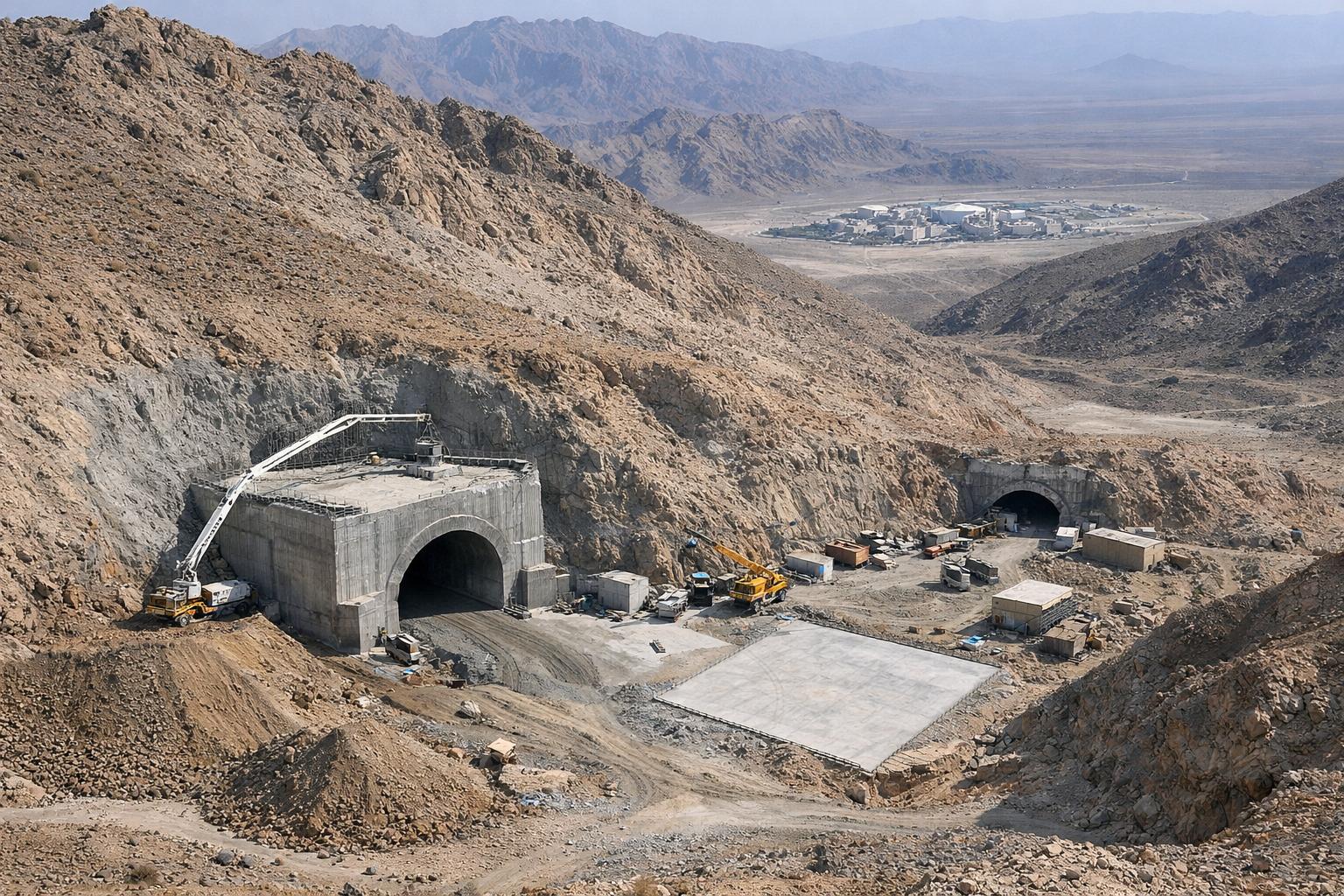
Fresh satellite imagery indicates that Iran is strengthening an underground complex near its main nuclear installation at Natanz, a development that analysts say could complicate diplomatic efforts and heighten regional security concerns. The activity has been observed at a mountainous site known as Pickaxe Mountain, located roughly 1.6 kilometres south of the uranium enrichment facility in central Iran, and appears to involve new concrete structures and expanded tunnel protections.
The construction comes at a time of renewed friction between Tehran and Washington. Former US president Donald Trump has repeatedly warned of possible military action if Iran does not reach an agreement over its nuclear programme, while Iranian officials have vowed to respond to any strike. The exchange of threats has added to fears of escalation across West Asia, where US forces have increased their presence and longstanding rivalries continue to shape the strategic landscape.
Images reviewed by analysts from the Institute for Science and International Security, a Washington-based think tank that tracks nuclear proliferation risks, show what appears to be fresh concrete poured over at least one tunnel entrance. Equipment consistent with a boom pump used for concrete delivery is visible at the site, suggesting active reinforcement work. Nearby, rock and soil appear to have been cleared and levelled, and additional concrete-reinforced structures have been erected close to the entrances.
Researchers who have monitored the area for several years say the scale of excavation and the amount of construction material suggest the site could support more than routine maintenance. The depth of the tunnels, estimated to be between 79 and 100 metres underground, may offer significant protection from aerial attacks and surveillance, potentially making the facility more resilient than other known installations. Such characteristics have drawn scrutiny from non-proliferation experts, who view hardened underground sites as capable of hosting sensitive operations such as centrifuge assembly or uranium enrichment.
Iran has previously said that Pickaxe Mountain could be used for manufacturing and assembling centrifuges, devices required for nuclear fuel production. Tehran maintains that its nuclear activities are intended solely for peaceful purposes, including energy generation and medical research, and has repeatedly denied pursuing a nuclear weapon. However, the limited access granted to international inspectors has raised questions among watchdog groups and foreign governments about transparency and compliance.
The site was not among those reportedly targeted during earlier US strikes on Iranian nuclear infrastructure, which officials described at the time as severely damaging key facilities. Analysts now suggest that any reconstruction of centrifuge capacity in protected locations like Pickaxe Mountain could allow Iran to restore or expand operations more quickly if other sites are disrupted.
International observers emphasize that the situation underscores the importance of oversight by the International Atomic Energy Agency. Experts argue that greater disclosure and inspections are essential to clarify the purpose of the new construction and to reduce the risk of miscalculation. Without verifiable information, they warn, suspicion could deepen and diplomatic efforts may face additional obstacles.
As tensions persist, the developments at Pickaxe Mountain have become another focal point in the broader debate over Iran’s nuclear ambitions, regional stability, and the fragile balance between deterrence and diplomacy.
Fresh satellite imagery indicates that Iran is strengthening an underground complex near its main nuclear installation at Natanz, a development that analysts say could complicate diplomatic efforts and heighten regional security concerns. The activity has been observed at a mountainous site known as Pickaxe Mountain, located roughly 1.6 kilometres south of the uranium enrichment facility in central Iran, and appears to involve new concrete structures and expanded tunnel protections.
The construction comes at a time of renewed friction between Tehran and Washington. Former US president Donald Trump has repeatedly warned of possible military action if Iran does not reach an agreement over its nuclear programme, while Iranian officials have vowed to respond to any strike. The exchange of threats has added to fears of escalation across West Asia, where US forces have increased their presence and longstanding rivalries continue to shape the strategic landscape.
Images reviewed by analysts from the Institute for Science and International Security, a Washington-based think tank that tracks nuclear proliferation risks, show what appears to be fresh concrete poured over at least one tunnel entrance. Equipment consistent with a boom pump used for concrete delivery is visible at the site, suggesting active reinforcement work. Nearby, rock and soil appear to have been cleared and levelled, and additional concrete-reinforced structures have been erected close to the entrances.
Researchers who have monitored the area for several years say the scale of excavation and the amount of construction material suggest the site could support more than routine maintenance. The depth of the tunnels, estimated to be between 79 and 100 metres underground, may offer significant protection from aerial attacks and surveillance, potentially making the facility more resilient than other known installations. Such characteristics have drawn scrutiny from non-proliferation experts, who view hardened underground sites as capable of hosting sensitive operations such as centrifuge assembly or uranium enrichment.
Iran has previously said that Pickaxe Mountain could be used for manufacturing and assembling centrifuges, devices required for nuclear fuel production. Tehran maintains that its nuclear activities are intended solely for peaceful purposes, including energy generation and medical research, and has repeatedly denied pursuing a nuclear weapon. However, the limited access granted to international inspectors has raised questions among watchdog groups and foreign governments about transparency and compliance.
The site was not among those reportedly targeted during earlier US strikes on Iranian nuclear infrastructure, which officials described at the time as severely damaging key facilities. Analysts now suggest that any reconstruction of centrifuge capacity in protected locations like Pickaxe Mountain could allow Iran to restore or expand operations more quickly if other sites are disrupted.
International observers emphasize that the situation underscores the importance of oversight by the International Atomic Energy Agency. Experts argue that greater disclosure and inspections are essential to clarify the purpose of the new construction and to reduce the risk of miscalculation. Without verifiable information, they warn, suspicion could deepen and diplomatic efforts may face additional obstacles.
As tensions persist, the developments at Pickaxe Mountain have become another focal point in the broader debate over Iran’s nuclear ambitions, regional stability, and the fragile balance between deterrence and diplomacy.
Uncertainty continues to surround Washington’s approach toward Tehran as President Donald Trump sends conflicting signals on whether the United States is moving closer to military action or renewed diplomacy with Iran. Speaking ahead of his first Cabinet meeting of 2026, the president indicated he was open to communication with Iranian leaders, even as the US expanded its military presence in West Asia and senior defense officials stressed readiness to act on presidential orders.
Uncertainty continues to surround Washington’s approach toward Tehran as President Donald Trump sends conflicting signals on whether the United States is moving closer to military action or renewed diplomacy with Iran. Speaking ahead of his first Cabinet meeting of 2026, the president indicated he was open to communication with Iranian leaders, even as the US expanded its military presence in West Asia and senior defense officials stressed readiness to act on presidential orders.
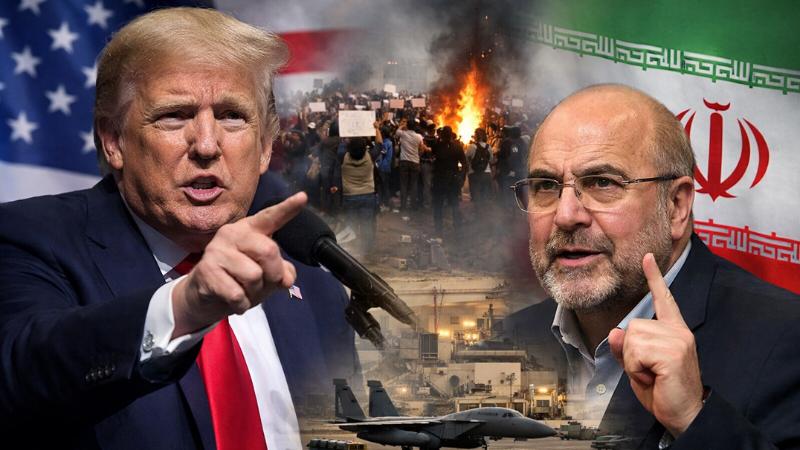
Tensions between Washington and Tehran intensified on Friday after a senior Iranian official warned that U.S. military installations and personnel across the Middle East could be targeted if the United States intervenes in Iran’s internal unrest. The warning came hours after former U.S. President Donald Trump stated that the United States was prepared to protect protesters in Iran if authorities used force against them.
Mohammad Bagher Ghalibaf, the speaker of Iran’s parliament,
Tensions between Washington and Tehran intensified on Friday after a senior Iranian official warned that U.S. military installations and personnel across the Middle East could be targeted if the United States intervenes in Iran’s internal unrest. The warning came hours after former U.S. President Donald Trump stated that the United States was prepared to protect protesters in Iran if authorities used force against them.
Mohammad Bagher Ghalibaf, the speaker of Iran’s parliament,
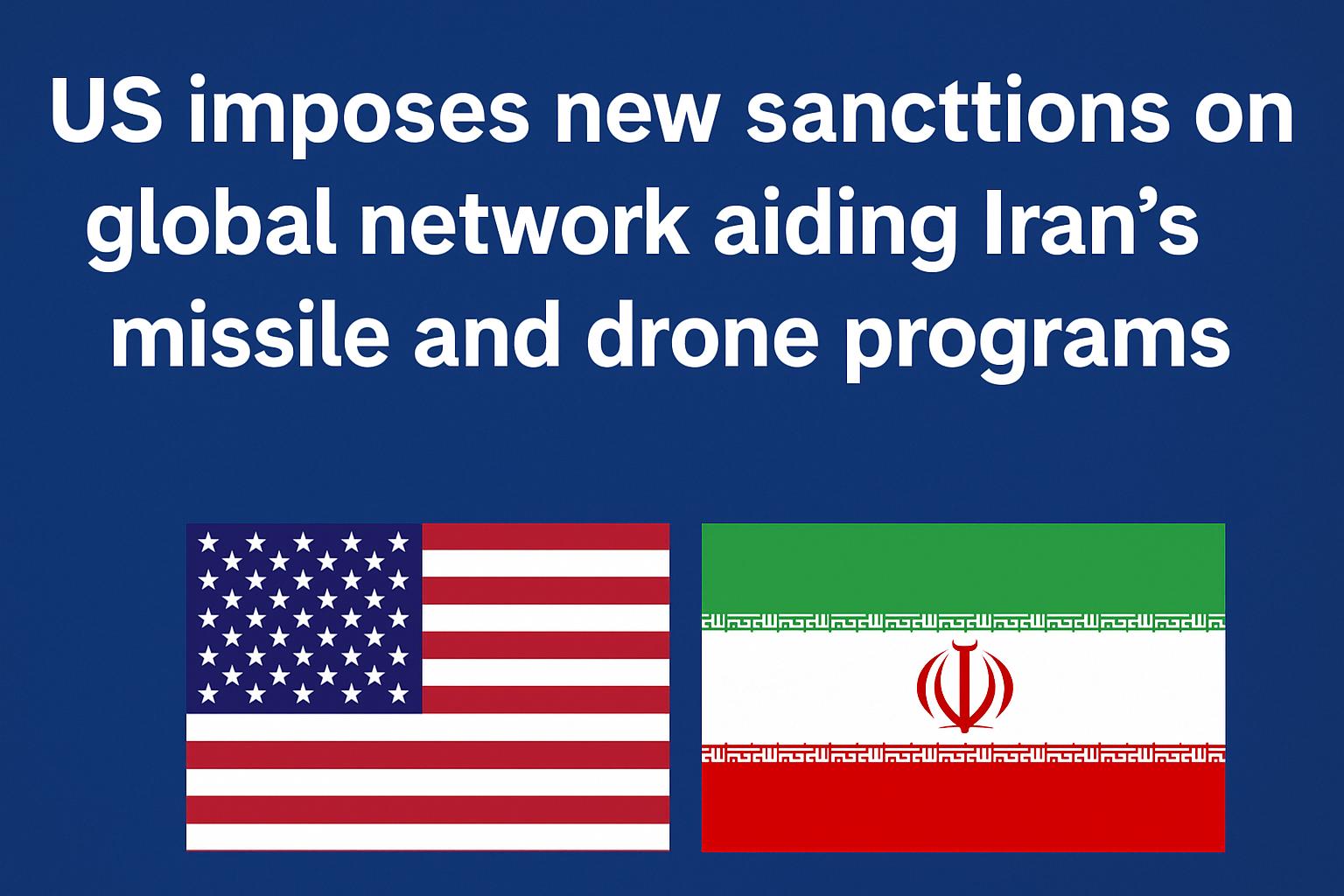
The United States has announced a fresh wave of sanctions targeting individuals and entities accused of supporting Iran’s ballistic missile and drone development programs. The move underscores Washington’s ongoing effort to curtail Tehran’s military capabilities and disrupt its network of global suppliers.
In a detailed statement released on Wednesday, the US Treasury Department confirmed that 32 individuals and companies operating across eight countries—including Iran, the
The United States has announced a fresh wave of sanctions targeting individuals and entities accused of supporting Iran’s ballistic missile and drone development programs. The move underscores Washington’s ongoing effort to curtail Tehran’s military capabilities and disrupt its network of global suppliers.
In a detailed statement released on Wednesday, the US Treasury Department confirmed that 32 individuals and companies operating across eight countries—including Iran, the
United States President Donald Trump warned on Sunday, October 5, that his administration would launch fresh airstrikes against Iran if the country attempts to restart its nuclear program. Speaking at a Navy Day event at Naval Station Norfolk in Virginia, Trump said the United States “won’t wait so long this time” to act. His remarks referred to the June 22 airstrikes that targeted Iranian nuclear sites, an operation he described as “perfectly executed.”
United States President Donald Trump warned on Sunday, October 5, that his administration would launch fresh airstrikes against Iran if the country attempts to restart its nuclear program. Speaking at a Navy Day event at Naval Station Norfolk in Virginia, Trump said the United States “won’t wait so long this time” to act. His remarks referred to the June 22 airstrikes that targeted Iranian nuclear sites, an operation he described as “perfectly executed.”
Israeli Prime Minister Benjamin Netanyahu has publicly declared that Iran’s Islamic regime views US President Donald Trump as “enemy number one” and is actively seeking to assassinate him. Netanyahu made these claims during an interview with Fox News, emphasizing Trump’s decisive leadership in opposing Iran’s nuclear ambitions. According to Netanyahu, Trump’s termination of the Iran nuclear deal and the killing of Irani
Israeli Prime Minister Benjamin Netanyahu has publicly declared that Iran’s Islamic regime views US President Donald Trump as “enemy number one” and is actively seeking to assassinate him. Netanyahu made these claims during an interview with Fox News, emphasizing Trump’s decisive leadership in opposing Iran’s nuclear ambitions. According to Netanyahu, Trump’s termination of the Iran nuclear deal and the killing of Irani