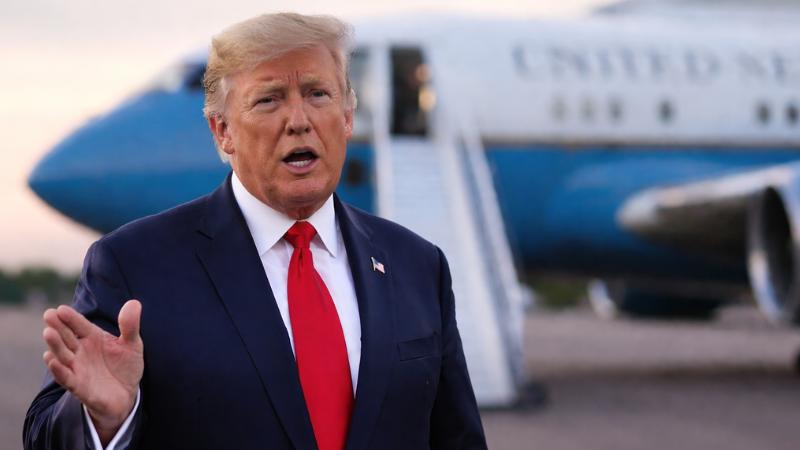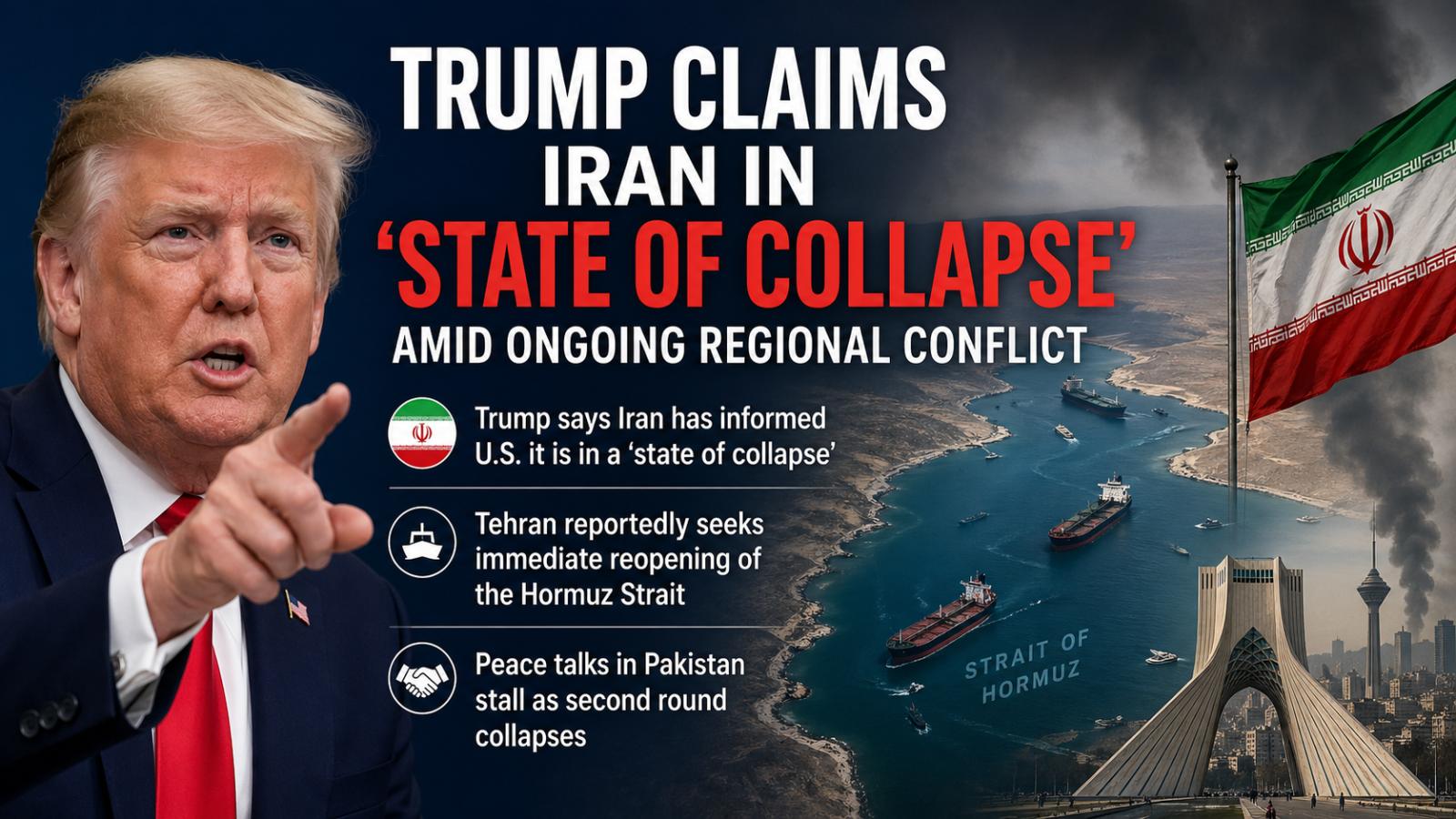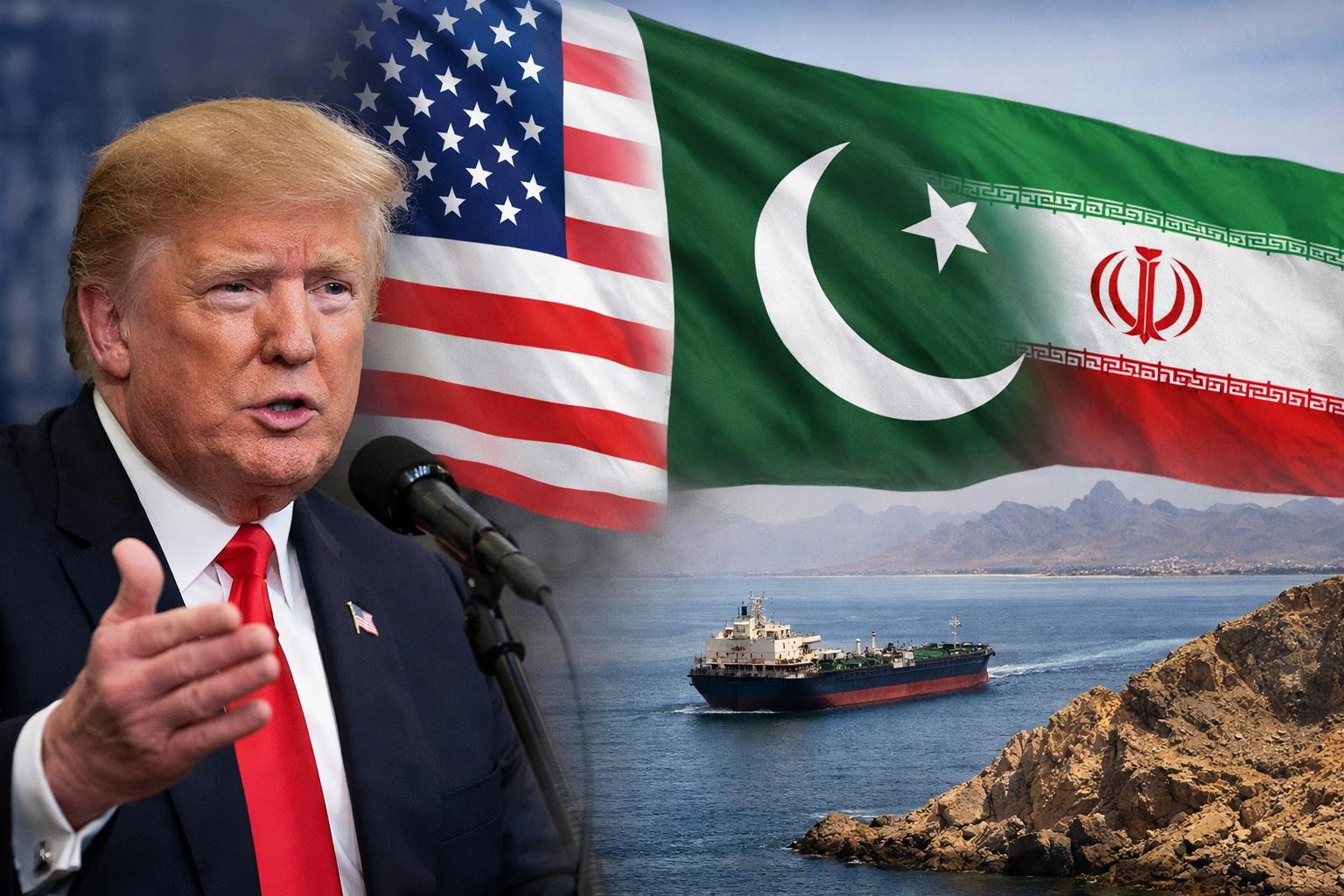
U.S. President Donald Trump indicated that negotiations between the United States and Iran could resume within the next two days following a recent breakdown in talks held in Pakistan. Speaking in an interview published on Tuesday, April 15, 2026, Trump suggested that the discussions are likely to return to the same venue despite earlier statements ruling out future engagement there.
Trump emphasized that holding talks in Pakistan remains practical, questioning the need to shift negotiations to a country with no direct involvement in the matter. His latest remarks mark a notable shift from his prior stance, when he had indicated the United States would not revisit Pakistan for further diplomatic efforts with Tehran.
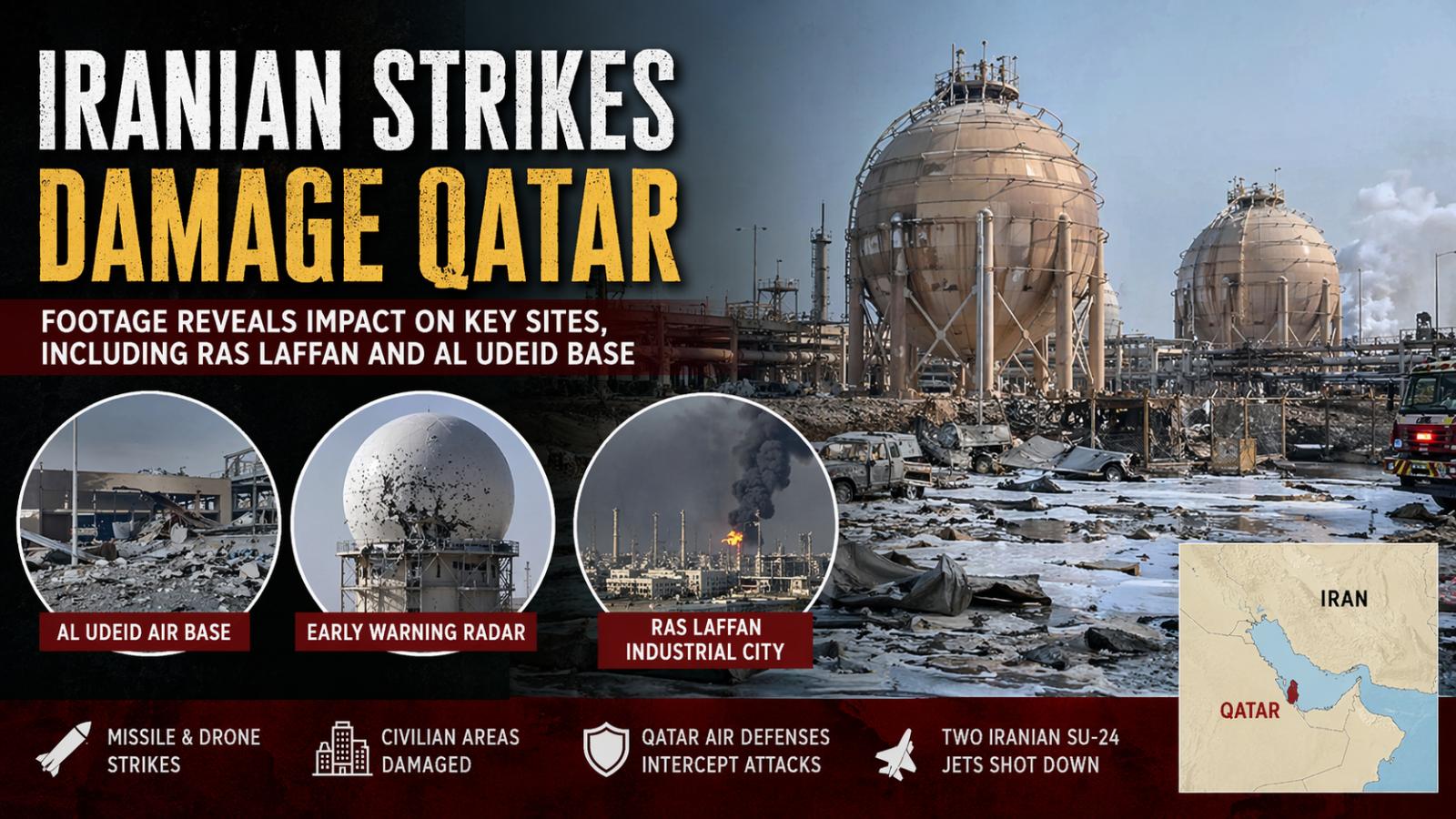
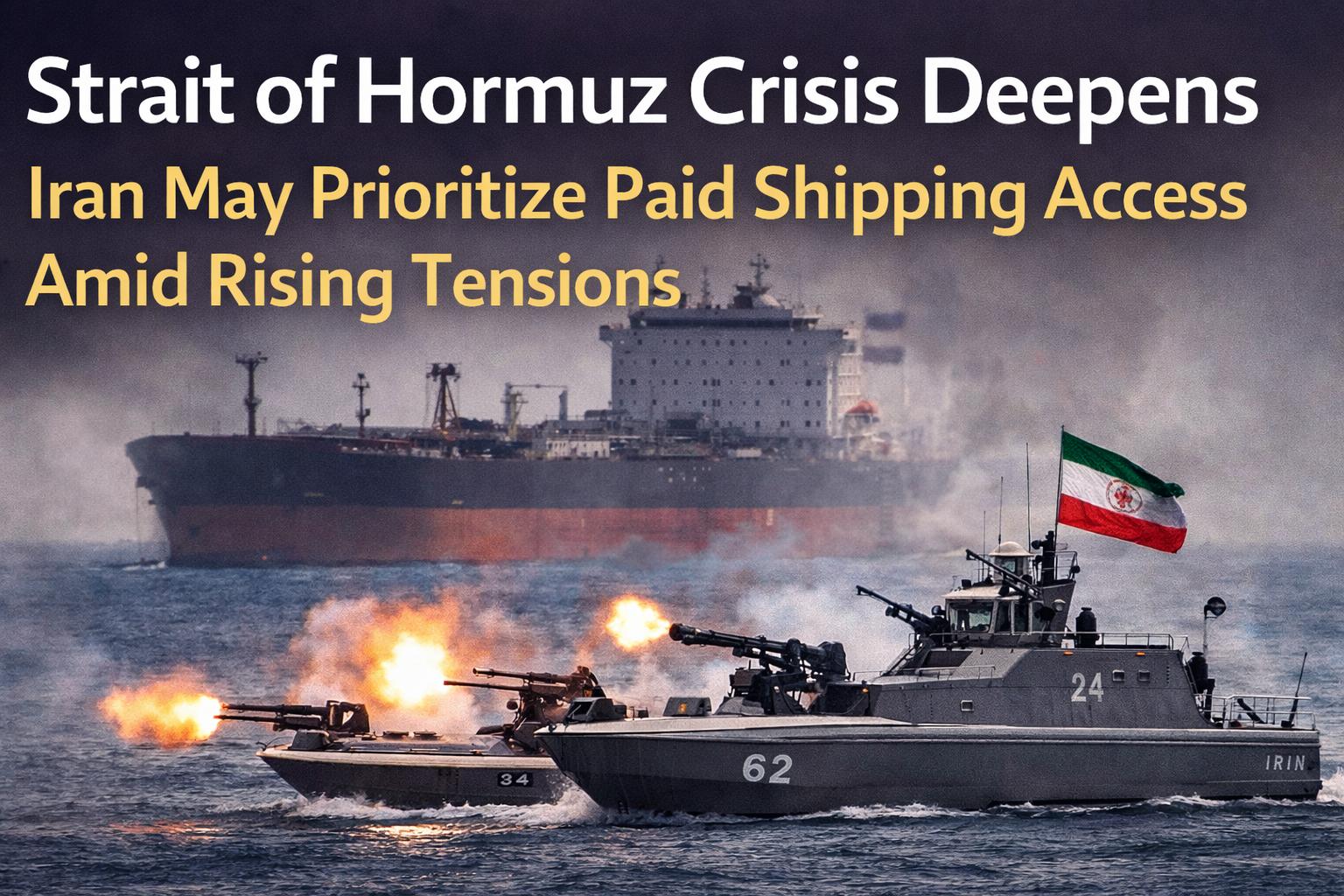
The earlier round of negotiations reportedly included a U.S. proposal offering sanctions relief and the possibility of broader economic cooperation. However, Iranian officials maintained that their strategic position, particularly their influence over the Strait of Hormuz, provided them leverage in the global energy market, strengthening their negotiating stance.
A central obstacle remains disagreements over nuclear policy. Mohammad-Baqer Qalibaf, Speaker of Iran’s Parliament, stated that the U.S. delegation failed to build trust during the latest talks. He cited past incidents in which Iran was attacked during ongoing negotiations over the past year, reinforcing Tehran’s demand for firm assurances that military action would not resume if a new agreement is reached.
Following the talks, Iran’s Foreign Minister Abbas Araghchi said both sides had come close to reaching an understanding but ultimately failed due to what he described as “maximalism” and shifting demands. He also referenced external pressures that contributed to the breakdown.
The potential resumption of talks comes amid heightened geopolitical tensions and continued uncertainty surrounding the future of U.S.-Iran relations, particularly in the context of nuclear agreements and regional stability.
Trump emphasized that holding talks in Pakistan remains practical, questioning the need to shift negotiations to a country with no direct involvement in the matter. His latest remarks mark a notable shift from his prior stance, when he had indicated the United States would not revisit Pakistan for further diplomatic efforts with Tehran.
The earlier round of negotiations reportedly included a U.S. proposal offering sanctions relief and the possibility of broader economic cooperation. However, Iranian officials maintained that their strategic position, particularly their influence over the Strait of Hormuz, provided them leverage in the global energy market, strengthening their negotiating stance.
A central obstacle remains disagreements over nuclear policy. Mohammad-Baqer Qalibaf, Speaker of Iran’s Parliament, stated that the U.S. delegation failed to build trust during the latest talks. He cited past incidents in which Iran was attacked during ongoing negotiations over the past year, reinforcing Tehran’s demand for firm assurances that military action would not resume if a new agreement is reached.
Following the talks, Iran’s Foreign Minister Abbas Araghchi said both sides had come close to reaching an understanding but ultimately failed due to what he described as “maximalism” and shifting demands. He also referenced external pressures that contributed to the breakdown.
The potential resumption of talks comes amid heightened geopolitical tensions and continued uncertainty surrounding the future of U.S.-Iran relations, particularly in the context of nuclear agreements and regional stability.