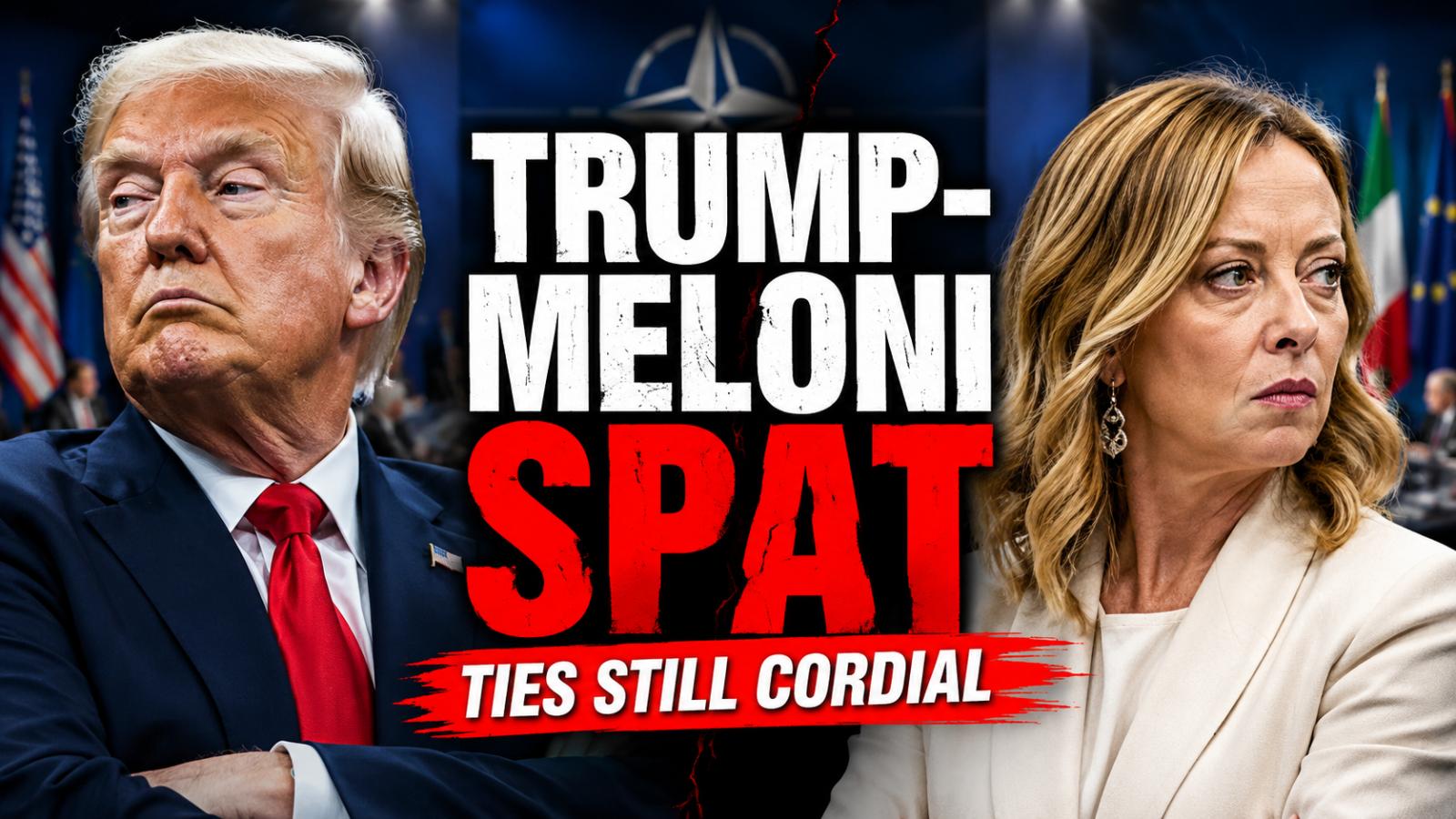
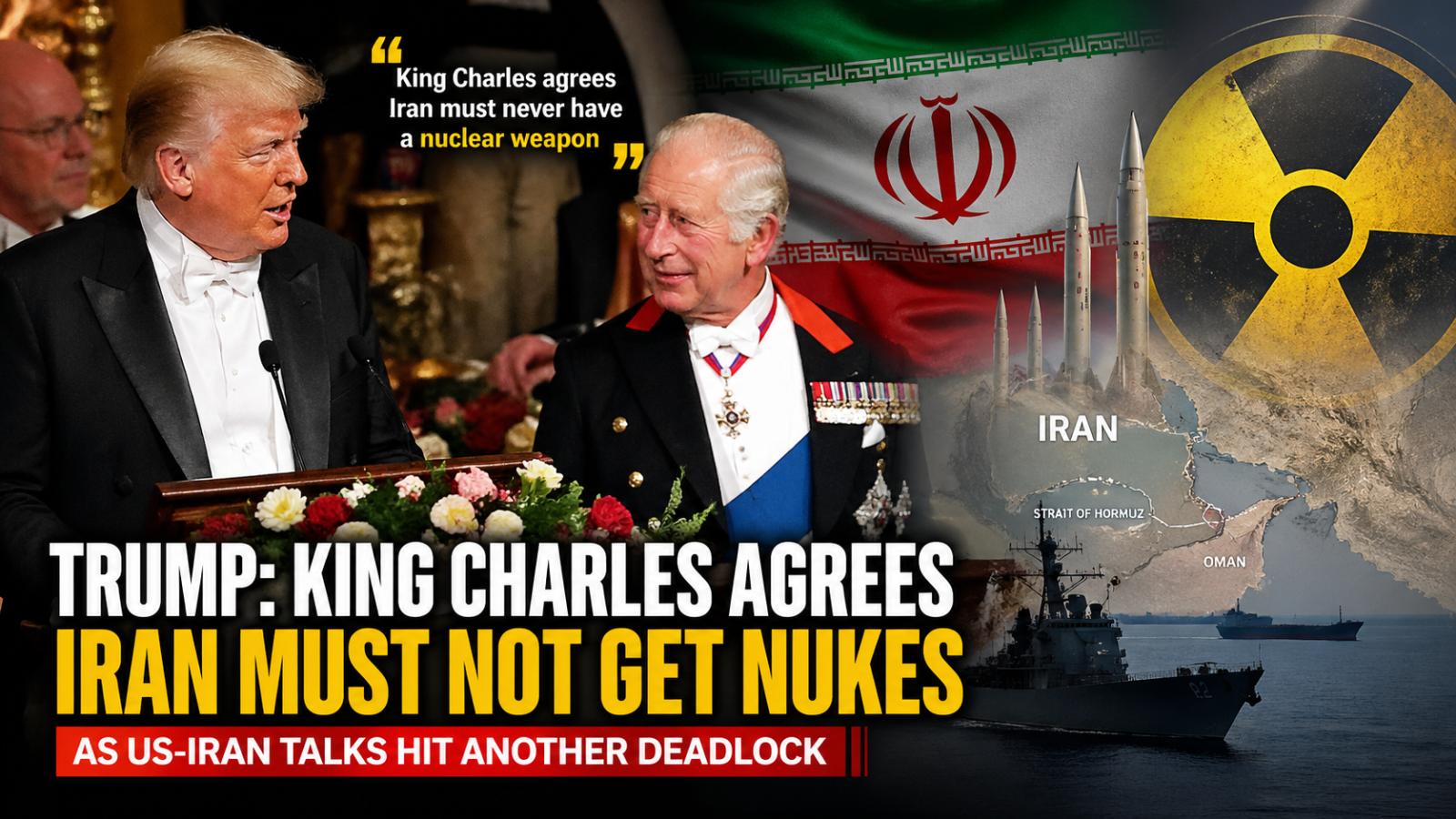
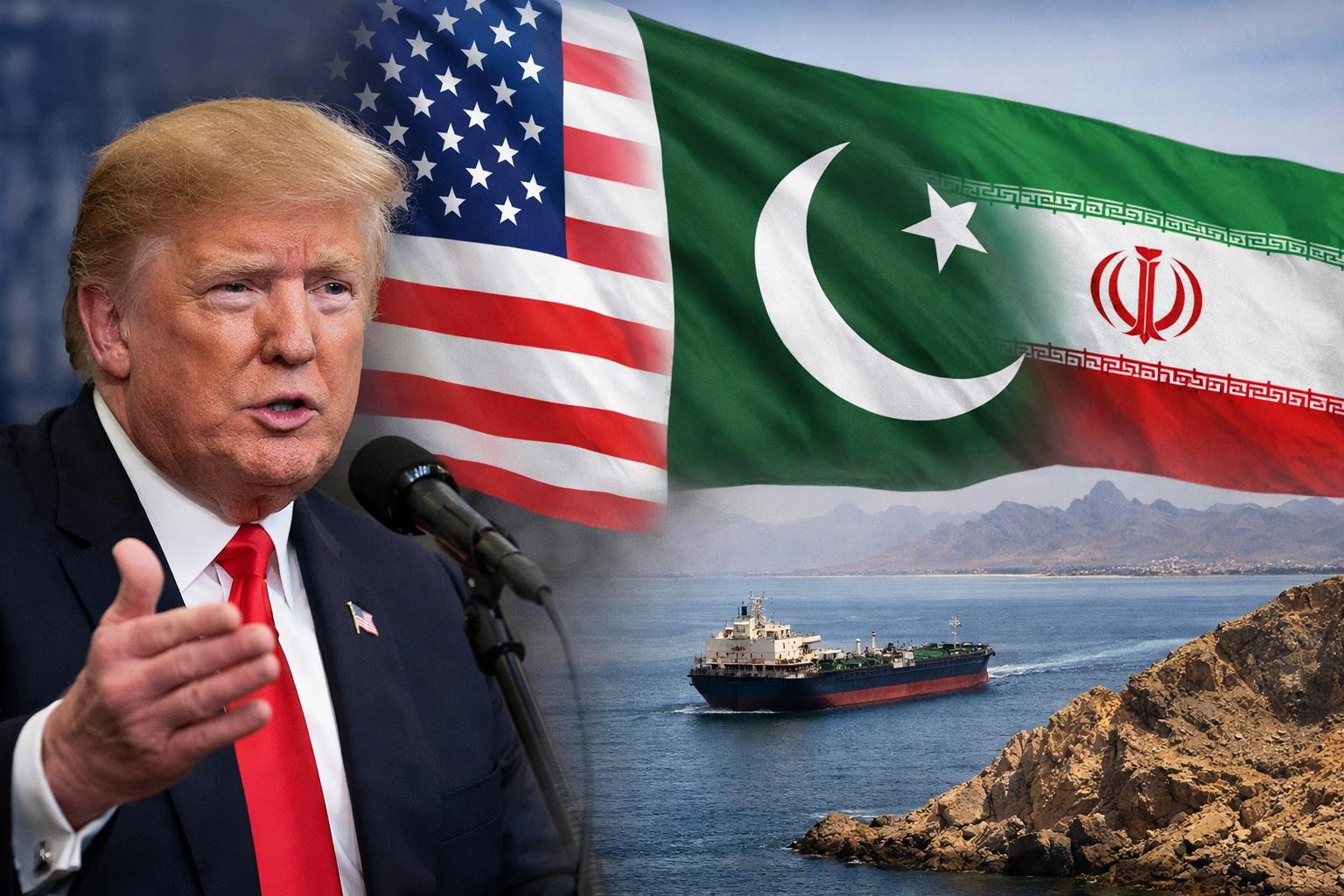
During a state dinner honoring the United Kingdom’s monarch, former U.S. President Donald Trump said King Charles III shares his view that Iran must never obtain nuclear weapons, while emphasizing the strength of U.S.-UK defense ties. Speaking at the formal event, Trump described the alliance between the two nations as rooted in “unconquerable courage,” referencing shared military history across multiple global conflicts.
Trump used the occasion to highlight ongoing U.S. mili
During a state dinner honoring the United Kingdom’s monarch, former U.S. President Donald Trump said King Charles III shares his view that Iran must never obtain nuclear weapons, while emphasizing the strength of U.S.-UK defense ties. Speaking at the formal event, Trump described the alliance between the two nations as rooted in “unconquerable courage,” referencing shared military history across multiple global conflicts.
Trump used the occasion to highlight ongoing U.S. mili
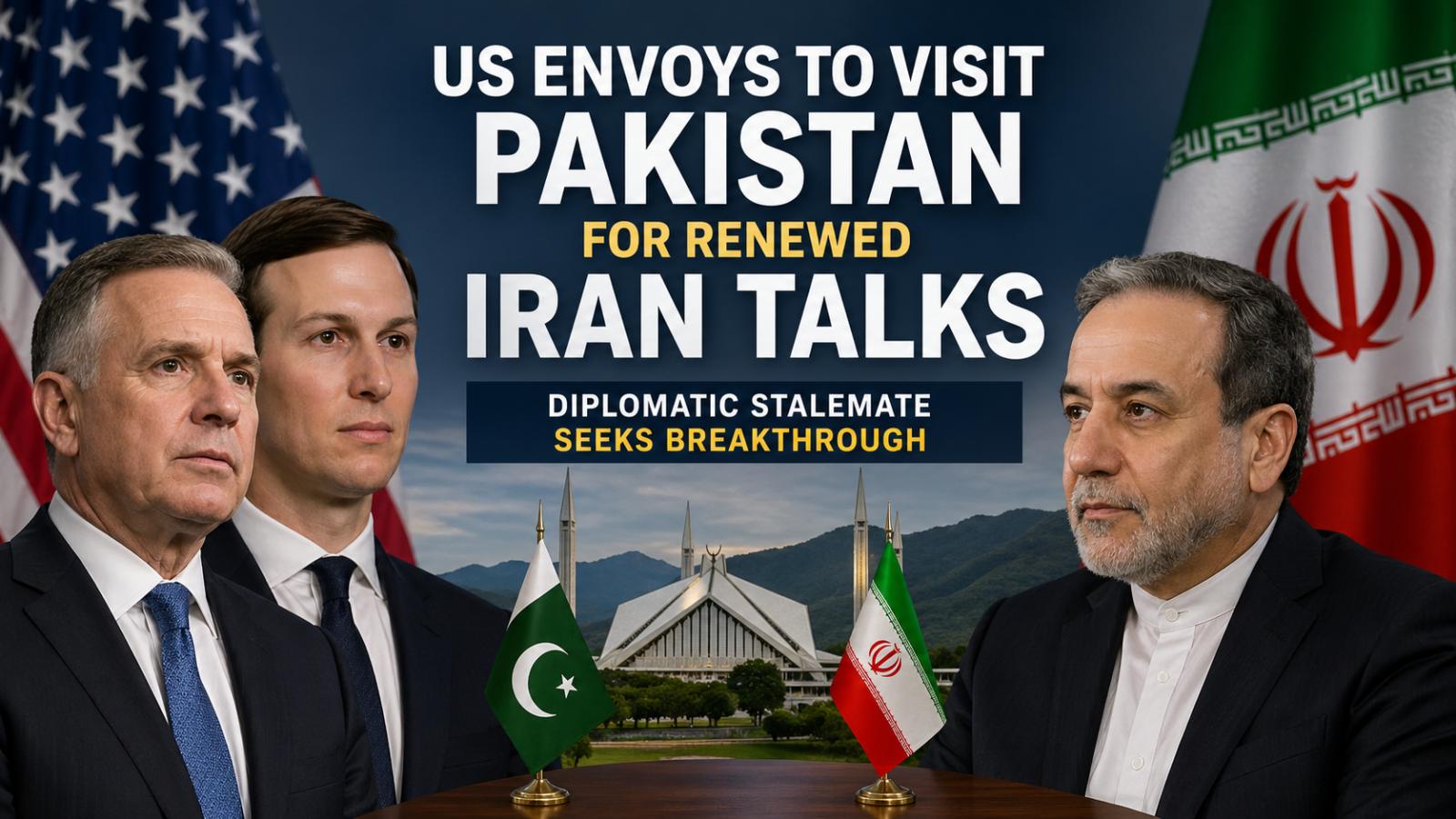
After several days of diplomatic deadlock, the United States has confirmed that senior envoys Steve Witkoff and Jared Kushner will travel to Pakistan for a fresh round of negotiations with Iran, signaling a renewed effort to address escalating tensions between the two nations. The visit is scheduled for Saturday and follows Iran’s request for direct, in-person discussions.
White House Press Secretary Karoline Leavitt stated that the move comes after Iran reached out for dialogue, aligning with earlier calls from US leadership to reopen communication channels. She emphasized that the envoys will assess the situation on the ground and report back to President Donald Trump and Vice President JD Vance, while additional officials remain on standby if required.
The upcoming talks mark the second round of discussions in Pakistan, following initial meetings held earlier this month. However, notable figures such as Vice President Vance and Iranian parliamentary leader Mohammad Bagher Ghalibaf, who were involved previously, will not participate in this phase. Their absence highlights a shift in the structure of the negotiations.
Iran’s Foreign Minister Abbas Araghchi recently announced a regional diplomatic tour that includes Pakistan, Oman, and Russia. His stated objective is to strengthen coordination with key partners on bilateral and regional issues, underlining Iran’s strategic engagement with neighboring countries during a period of heightened geopolitical tension.
What are the main sticking points in the talks?
The primary disagreements revolve around Iran’s nuclear program and control over the Strait of Hormuz. Iran has insisted it will not proceed with negotiations unless the United States lifts its blockade in the strategic waterway. In contrast, the US is demanding verifiable guarantees that Iran will halt its nuclear ambitions and ease its own restrictions in the region.
At a recent Pentagon briefing, US Defense Secretary Pete Hegseth reiterated that the United States is not under pressure to finalize an agreement quickly. He indicated that Washington is prepared for prolonged negotiations, while also stressing that Iran has an opportunity to secure a favorable and pragmatic deal if it chooses to engage constructively.
The renewed diplomatic effort in Pakistan reflects a cautious but significant step toward resolving one of the most critical international disputes, with both sides maintaining firm positions as negotiations resume.
After several days of diplomatic deadlock, the United States has confirmed that senior envoys Steve Witkoff and Jared Kushner will travel to Pakistan for a fresh round of negotiations with Iran, signaling a renewed effort to address escalating tensions between the two nations. The visit is scheduled for Saturday and follows Iran’s request for direct, in-person discussions.
White House Press Secretary Karoline Leavitt stated that the move comes after Iran reached out for dialogue, aligning with earlier calls from US leadership to reopen communication channels. She emphasized that the envoys will assess the situation on the ground and report back to President Donald Trump and Vice President JD Vance, while additional officials remain on standby if required.
The upcoming talks mark the second round of discussions in Pakistan, following initial meetings held earlier this month. However, notable figures such as Vice President Vance and Iranian parliamentary leader Mohammad Bagher Ghalibaf, who were involved previously, will not participate in this phase. Their absence highlights a shift in the structure of the negotiations.
Iran’s Foreign Minister Abbas Araghchi recently announced a regional diplomatic tour that includes Pakistan, Oman, and Russia. His stated objective is to strengthen coordination with key partners on bilateral and regional issues, underlining Iran’s strategic engagement with neighboring countries during a period of heightened geopolitical tension.
What are the main sticking points in the talks?
The primary disagreements revolve around Iran’s nuclear program and control over the Strait of Hormuz. Iran has insisted it will not proceed with negotiations unless the United States lifts its blockade in the strategic waterway. In contrast, the US is demanding verifiable guarantees that Iran will halt its nuclear ambitions and ease its own restrictions in the region.
At a recent Pentagon briefing, US Defense Secretary Pete Hegseth reiterated that the United States is not under pressure to finalize an agreement quickly. He indicated that Washington is prepared for prolonged negotiations, while also stressing that Iran has an opportunity to secure a favorable and pragmatic deal if it chooses to engage constructively.
The renewed diplomatic effort in Pakistan reflects a cautious but significant step toward resolving one of the most critical international disputes, with both sides maintaining firm positions as negotiations resume.
U.S. President Donald Trump indicated that negotiations between the United States and Iran could resume within the next two days following a recent breakdown in talks held in Pakistan. Speaking in an interview publi
U.S. President Donald Trump indicated that negotiations between the United States and Iran could resume within the next two days following a recent breakdown in talks held in Pakistan. Speaking in an interview publi
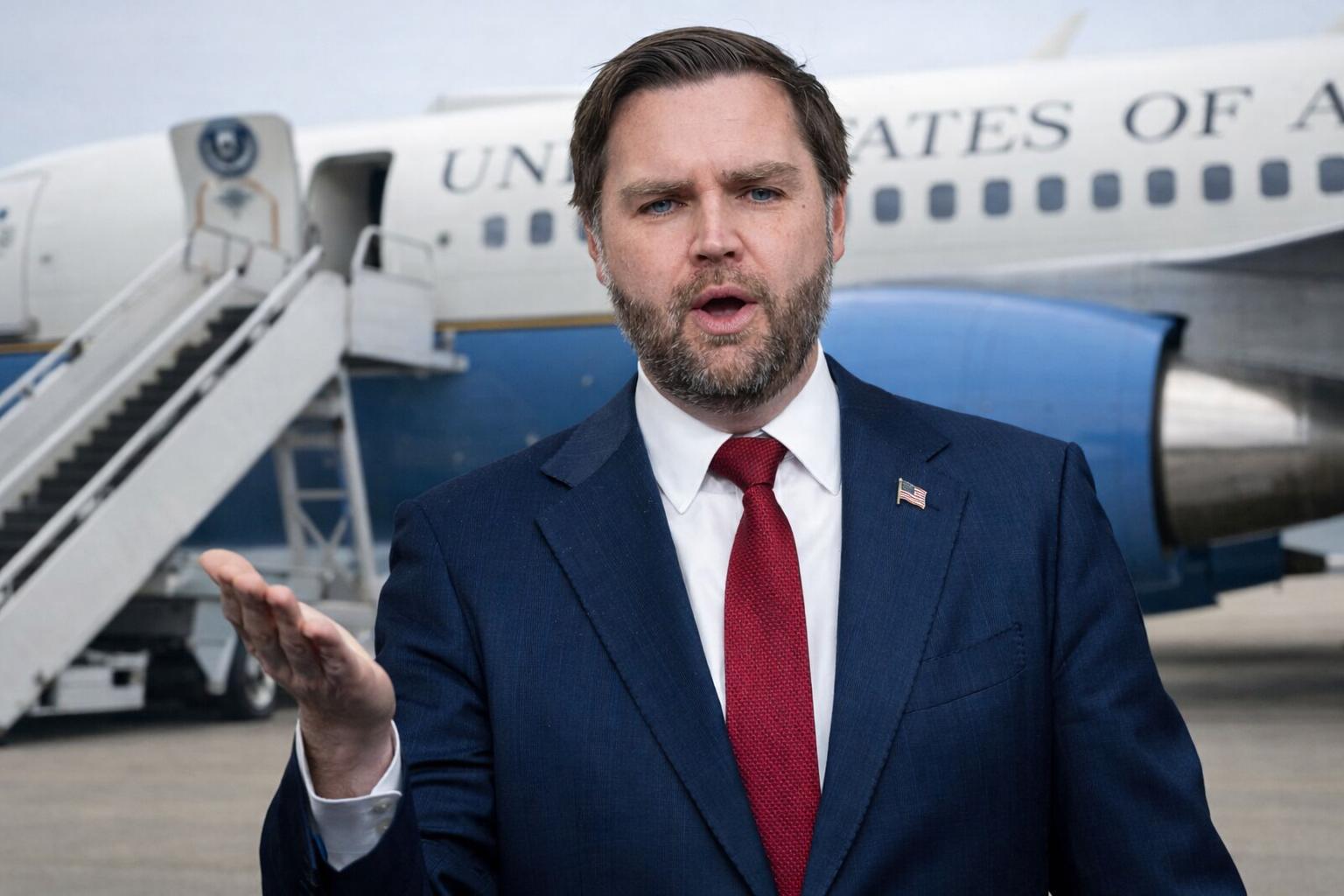
US Vice President JD Vance said Friday he is aiming for a constructive outcome as he departed Washington, D.C., for upcoming peace negotiations with Iran, scheduled to take place in Pakistan. Speaking to reporters before boarding at Joint Base Andrews, Vance emphasized a willingness to engage diplomatically while maintaining a firm stance on accountability.
He stated that the United States is prepared to pursue meaningful dialogue if Iranian representatives approach the talks in good faith. At the same time, he warned that attempts to undermine the process would be met with a less accommodating response from the US negotiating team. The visit comes amid heightened global attention on Middle East tensions, with policymakers closely watching whether diplomatic engagement can reduce friction and advance stability.
US Vice President JD Vance said Friday he is aiming for a constructive outcome as he departed Washington, D.C., for upcoming peace negotiations with Iran, scheduled to take place in Pakistan. Speaking to reporters before boarding at Joint Base Andrews, Vance emphasized a willingness to engage diplomatically while maintaining a firm stance on accountability.
He stated that the United States is prepared to pursue meaningful dialogue if Iranian representatives approach the talks in good faith. At the same time, he warned that attempts to undermine the process would be met with a less accommodating response from the US negotiating team. The visit comes amid heightened global attention on Middle East tensions, with policymakers closely watching whether diplomatic engagement can reduce friction and advance stability.
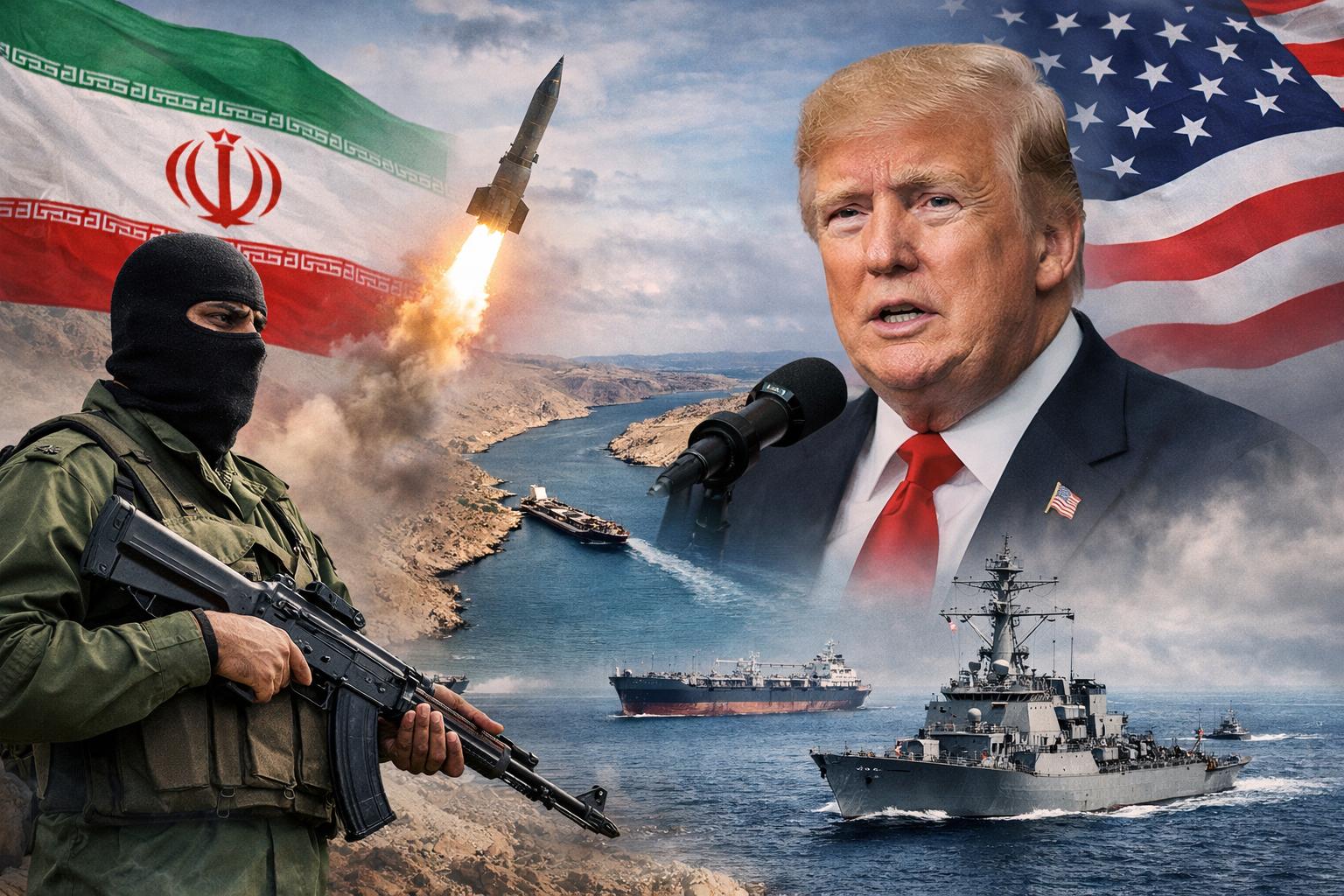
Iran has agreed to a proposed two-week ceasefire amid escalating tensions in the Middle East, following a statement by Donald Trump indicating that the United States would suspend further military action if Tehran fully reopens the strategically critical Strait of Hormuz. The announcement signals a potential pause in hostilities linked to ongoing Iran-Israel tensions, while also highlighting the broader geopolitical stakes tied to global energy security and maritime access.
The Strait of Hormuz, a vital passage for a significant portion of the world’s oil supply, has remained at the center of international concern. US officials have made it clear that maintaining open navigation through the waterway is a key condition for de-escalation. The ceasefire agreement is being viewed as a temporary but important step toward reducing immediate risks in the region, particularly for global oil markets and allied economies.
At the same time, Washington has underscored that any long-term easing of economic sanctions on Iran will depend on a complete halt to its uranium enrichment activities. The proposed framework reflects a broader US foreign policy approach that links economic relief directly to nuclear compliance, requiring Iran to scale back its nuclear program in exchange for reduced tariffs and sanctions. This conditional strategy is expected to shape the next phase of diplomatic negotiations.
The development follows diplomatic outreach from Shehbaz Sharif, who urged an extension of the negotiation timeline and called on Iran to ensure uninterrupted access through the Strait of Hormuz. Pakistan’s involvement underscores the wider regional implications of the crisis and the importance of multilateral engagement.
Meanwhile, Iran’s Islamic Revolutionary Guard Corps has issued a strong warning, stating that any US strikes on civilian infrastructure would provoke a response extending beyond the immediate region. The group cautioned that such actions could disrupt oil and gas supplies to the United States and its allies for an extended period, further raising concerns about global energy stability.
While the ceasefire offers a temporary reprieve, the situation remains fluid, with key issues surrounding nuclear policy, sanctions, and regional security still unresolved.
Iran has agreed to a proposed two-week ceasefire amid escalating tensions in the Middle East, following a statement by Donald Trump indicating that the United States would suspend further military action if Tehran fully reopens the strategically critical Strait of Hormuz. The announcement signals a potential pause in hostilities linked to ongoing Iran-Israel tensions, while also highlighting the broader geopolitical stakes tied to global energy security and maritime access.
The Strait of Hormuz, a vital passage for a significant portion of the world’s oil supply, has remained at the center of international concern. US officials have made it clear that maintaining open navigation through the waterway is a key condition for de-escalation. The ceasefire agreement is being viewed as a temporary but important step toward reducing immediate risks in the region, particularly for global oil markets and allied economies.
At the same time, Washington has underscored that any long-term easing of economic sanctions on Iran will depend on a complete halt to its uranium enrichment activities. The proposed framework reflects a broader US foreign policy approach that links economic relief directly to nuclear compliance, requiring Iran to scale back its nuclear program in exchange for reduced tariffs and sanctions. This conditional strategy is expected to shape the next phase of diplomatic negotiations.
The development follows diplomatic outreach from Shehbaz Sharif, who urged an extension of the negotiation timeline and called on Iran to ensure uninterrupted access through the Strait of Hormuz. Pakistan’s involvement underscores the wider regional implications of the crisis and the importance of multilateral engagement.
Meanwhile, Iran’s Islamic Revolutionary Guard Corps has issued a strong warning, stating that any US strikes on civilian infrastructure would provoke a response extending beyond the immediate region. The group cautioned that such actions could disrupt oil and gas supplies to the United States and its allies for an extended period, further raising concerns about global energy stability.
While the ceasefire offers a temporary reprieve, the situation remains fluid, with key issues surrounding nuclear policy, sanctions, and regional security still unresolved.