What did Trump say about Iran at the state dinner? He claimed King Charles agrees Iran must not have nuclear weapons
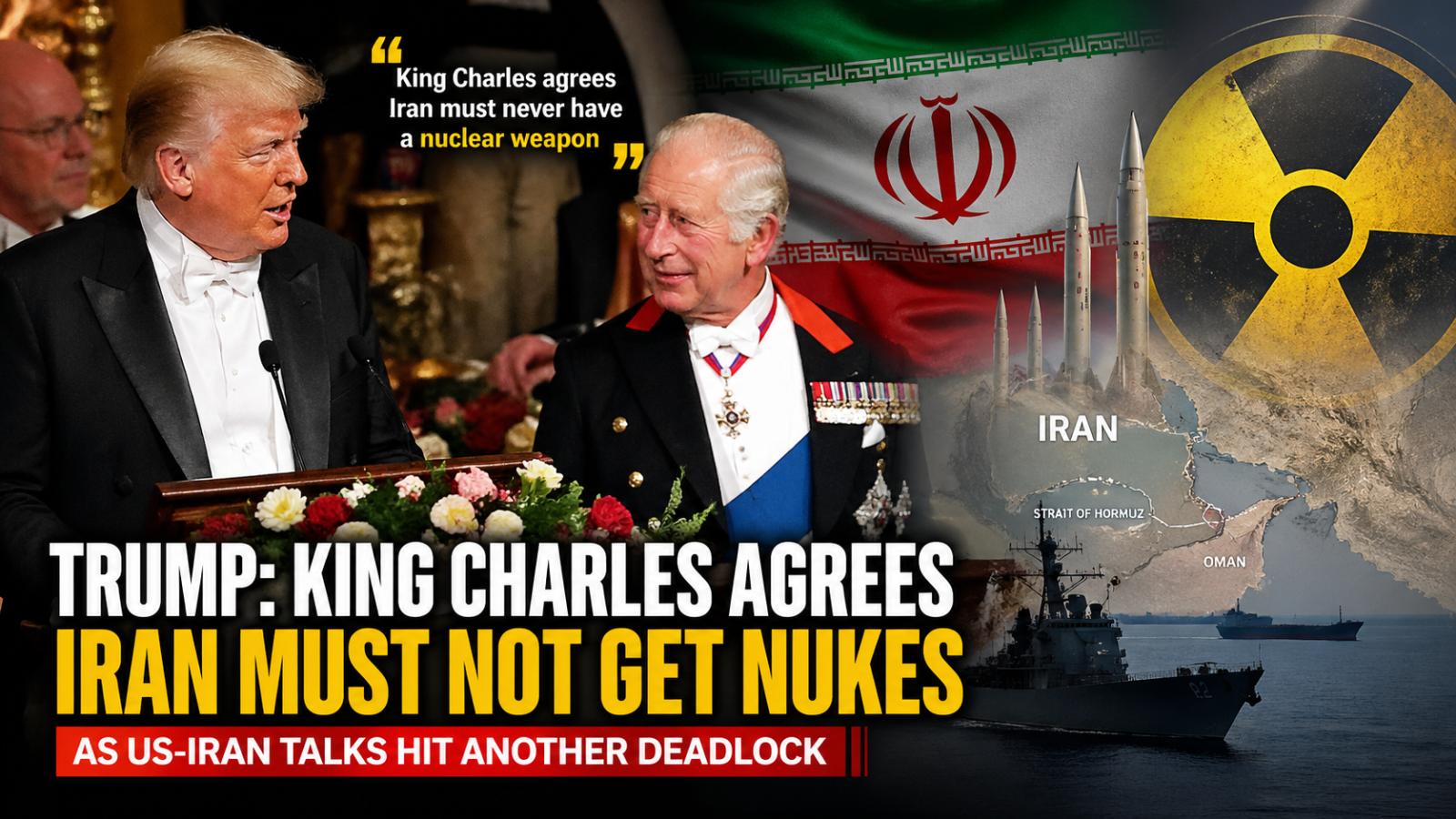
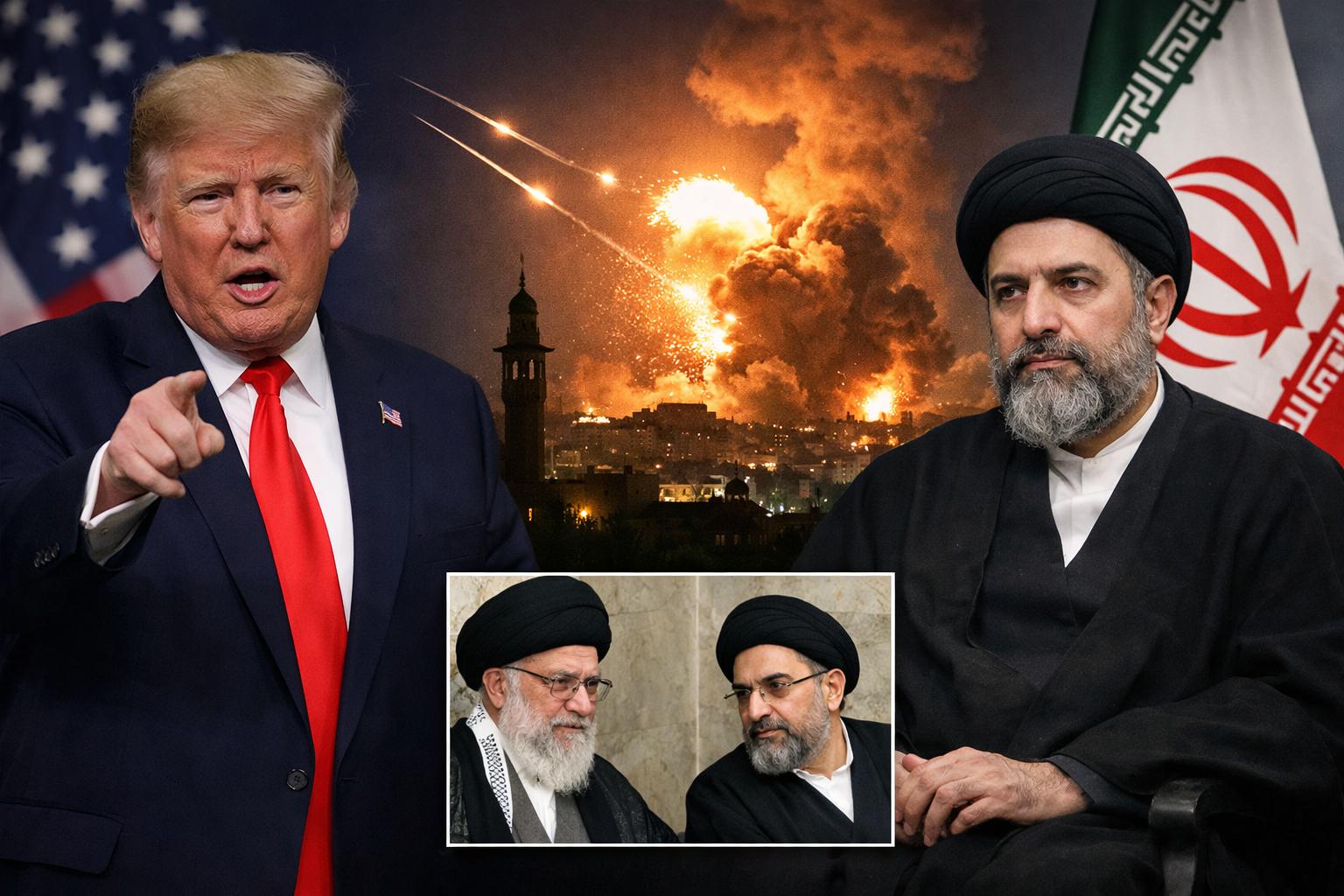
During a state dinner honoring the United Kingdom’s monarch, former U.S. President Donald Trump said King Charles III shares his view that Iran must never obtain nuclear weapons, while emphasizing the strength of U.S.-UK defense ties. Speaking at the formal event, Trump described the alliance between the two nations as rooted in “unconquerable courage,” referencing shared military history across multiple global conflicts.
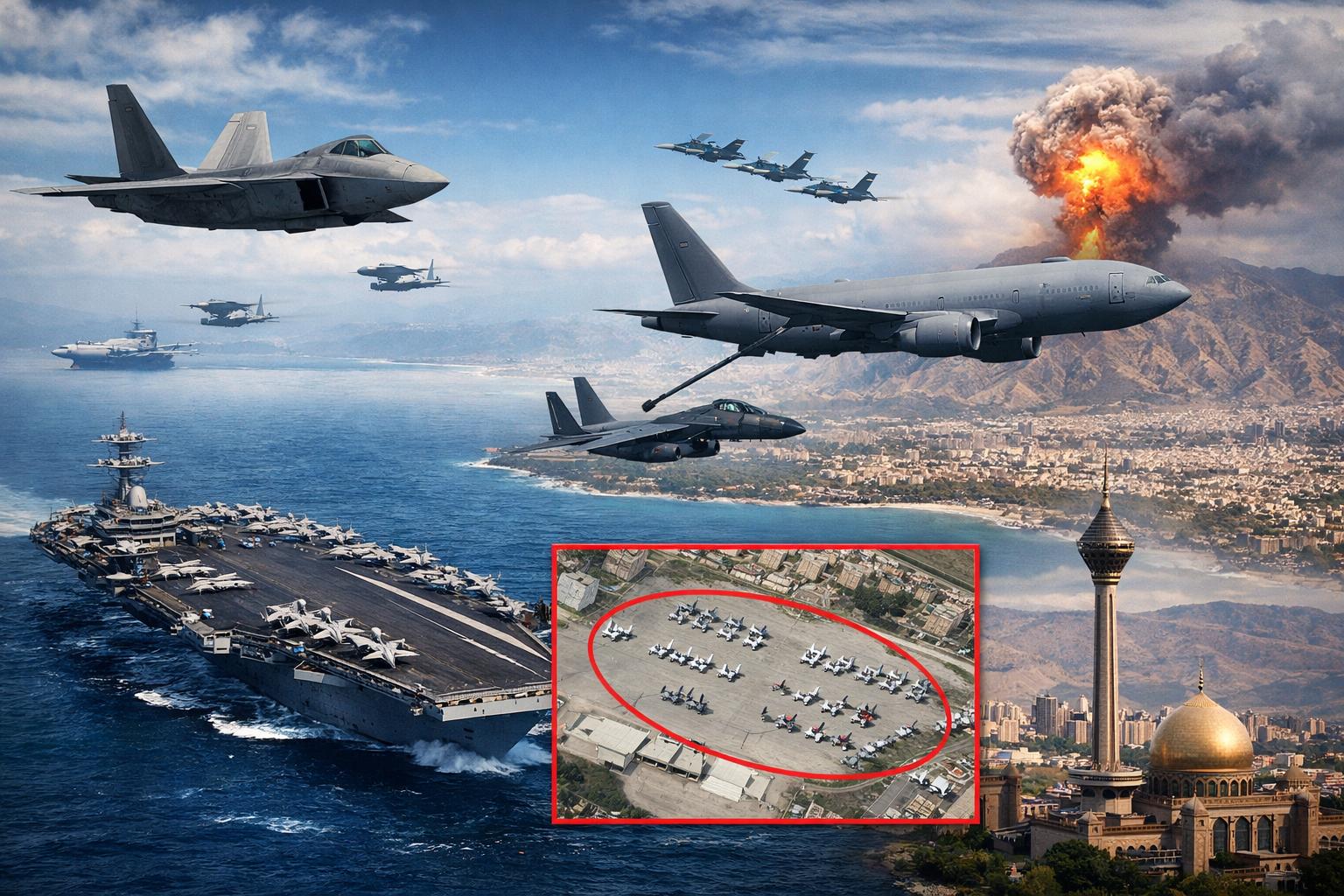
Trump used the occasion to highlight ongoing U.S. military engagement in the Middle East, stating that American forces are “doing very well” in the region. Without directly addressing current diplomatic negotiations with Iran, he reiterated a firm stance against Tehran’s nuclear ambitions, asserting that both countries remain aligned on the issue.
Historical alliance framed alongside current geopolitical tensions
In his remarks, Trump connected past joint military efforts—including World War I, World War II, and conflicts in Korea and the Middle East—to present-day cooperation. He suggested that ongoing operations in West Asia are a continuation of that legacy, reinforcing the strategic partnership between Washington and London.
He also framed the event as part of broader commemorations leading up to the 250th anniversary of American independence, calling it “only natural” to begin celebrations with recognition of the United Kingdom.
Renewed friction over Iran-US negotiations
Separately, diplomatic efforts between the United States and Iran remain stalled following renewed tensions over a proposed framework delivered through Pakistan. Iranian Foreign Minister Abbas Araghchi reportedly made multiple visits to Islamabad within a 48-hour period to facilitate indirect communication with U.S. officials.
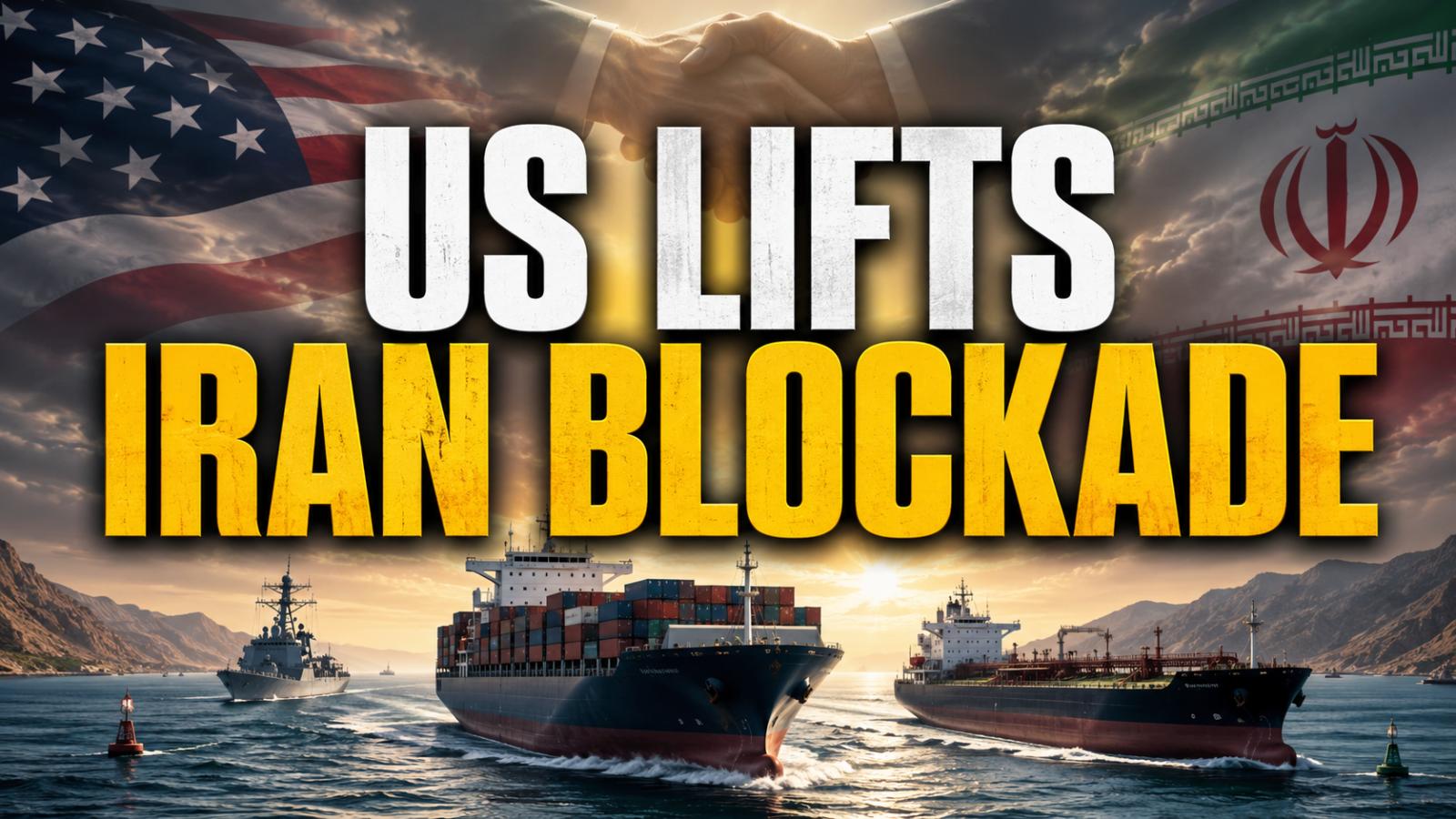
The proposal outlined a three-stage plan, beginning with a complete cessation of hostilities, including actions involving Hezbollah in Lebanon. The second phase called for lifting the U.S. naval blockade on Iranian ports and restoring maritime traffic through the Strait of Hormuz. The final stage focused on resuming negotiations over Iran’s nuclear program.
Disputes over regional actions complicate ceasefire efforts
Although initial talks earlier in April resulted in a temporary ceasefire after nearly 50 days of conflict, disagreements over Israel’s actions against Hezbollah quickly escalated tensions again. Both sides subsequently restricted access through the Strait of Hormuz, undermining progress.
Iran later withdrew from planned follow-up talks, prompting the United States to cancel a proposed diplomatic visit involving senior officials. U.S. representatives indicated that Iran would need to reinitiate contact, while Tehran maintained that negotiations could only proceed if sanctions and blockades were addressed.
Diplomatic uncertainty persists amid military signaling
The impasse highlights the fragile state of negotiations, with both sides maintaining firm positions on key issues. While diplomatic channels remain open through intermediaries, there is no clear timeline for renewed talks. Trump’s remarks at the state dinner, though largely ceremonial, underscored the broader geopolitical tensions shaping U.S. foreign policy in the region.