














#diplomacycrisis
Iran UAE row escalates at BRICS NSA meeting in New Delhi
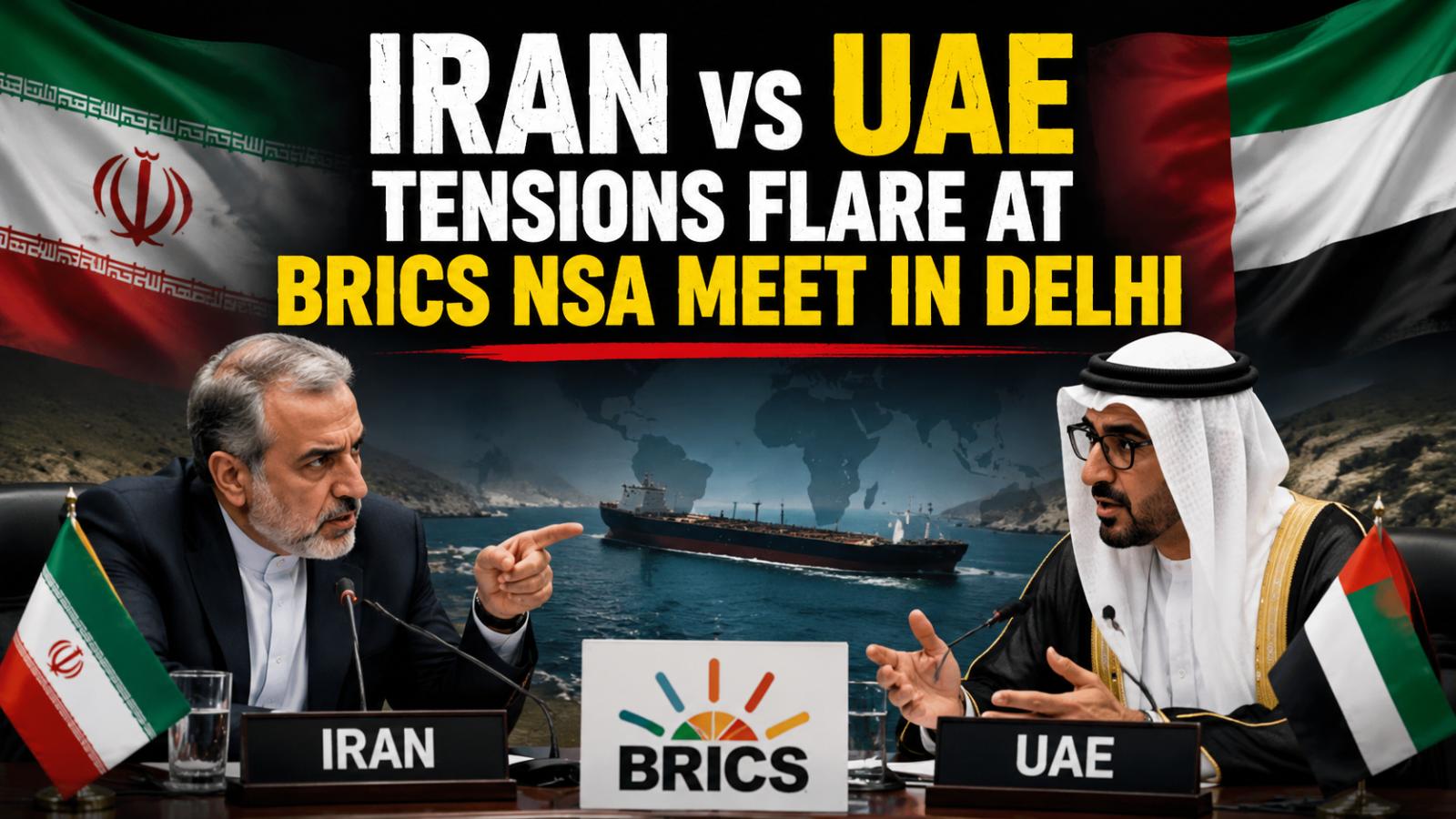
A BRICS National Security Advisers meeting in New Delhi turned tense after Iran and the United Arab Emirates exchanged strong political accusations over regional security concerns. The discussion, chaired by India’s National Security Advisor Ajit Doval, was intended to focus on cooperation in maritime safety and counterterrorism, but quickly exposed deep disagreements within the group on West Asia dynamics. Iran raises concerns over regional strikes and external involvement Iran’s delegation raised allegations linking recent regional strikes to external military coordination, suggesting that operations affecting Iranian interests were enabled through logistical and strategic support networks in the Gulf region. Tehran argued that such developments have increased risks for civilians and undermined stability across key transit zones. Strait of Hormuz remains central pressure point The Strait of Hormuz once again emerged as the most sensitive flashpoint in the discussion. Iranian representatives warned that continued military escalation near the waterway threatens global energy flows and could destabilize shipping routes that carry a significant share of the world’s oil supply. The issue highlighted how maritime security concerns are increasingly tied to broader geopolitical rivalries in the region. UAE pushes back and defends its position The UAE rejected the allegations and reiterated that it does not support or participate in hostile operations against any state. Emirati officials maintained that the country itself remains exposed to regional security threats and emphasized the need for de-escalation rather than blame-based diplomacy. Past BRICS discussions had already seen similar disagreements without consensus outcomes. BRICS unity tested by West Asia fault lines The confrontation underscored growing strain within BRICS as it expands its membership and geopolitical scope. While India has pushed for the bloc to act as a platform for dialogue and stability, persistent conflicts between member and partner states are limiting progress on unified security statements. The Iran–UAE exchange reflected how regional rivalries are increasingly shaping multilateral forums meant for cooperation rather than confrontation.
Iran UAE row escalates at BRICS NSA meeting in New Delhi
A BRICS National Security Advisers meeting in New Delhi turned tense after Iran and the United Arab Emirates exchanged strong political accusations over regional security concerns. The discussion, chaired by India’s National Security Advisor Ajit Doval, was intended to focus on cooperation in maritime safety and counterterrorism, but quickly exposed deep disagreements within the group on West Asia dynamics. Iran raises concerns over regional strikes and external involvement Iran’s delegation raised allegations linking recent regional strikes to external military coordination, suggesting that operations affecting Iranian interests were enabled through logistical and strategic support networks in the Gulf region. Tehran argued that such developments have increased risks for civilians and undermined stability across key transit zones. Strait of Hormuz remains central pressure point The Strait of Hormuz once again emerged as the most sensitive flashpoint in the discussion. Iranian representatives warned that continued military escalation near the waterway threatens global energy flows and could destabilize shipping routes that carry a significant share of the world’s oil supply. The issue highlighted how maritime security concerns are increasingly tied to broader geopolitical rivalries in the region. UAE pushes back and defends its position The UAE rejected the allegations and reiterated that it does not support or participate in hostile operations against any state. Emirati officials maintained that the country itself remains exposed to regional security threats and emphasized the need for de-escalation rather than blame-based diplomacy. Past BRICS discussions had already seen similar disagreements without consensus outcomes. BRICS unity tested by West Asia fault lines The confrontation underscored growing strain within BRICS as it expands its membership and geopolitical scope. While India has pushed for the bloc to act as a platform for dialogue and stability, persistent conflicts between member and partner states are limiting progress on unified security statements. The Iran–UAE exchange reflected how regional rivalries are increasingly shaping multilateral forums meant for cooperation rather than confrontation.
Trump Finalizes Iran Peace Deal Terms Amid Rising Tensions
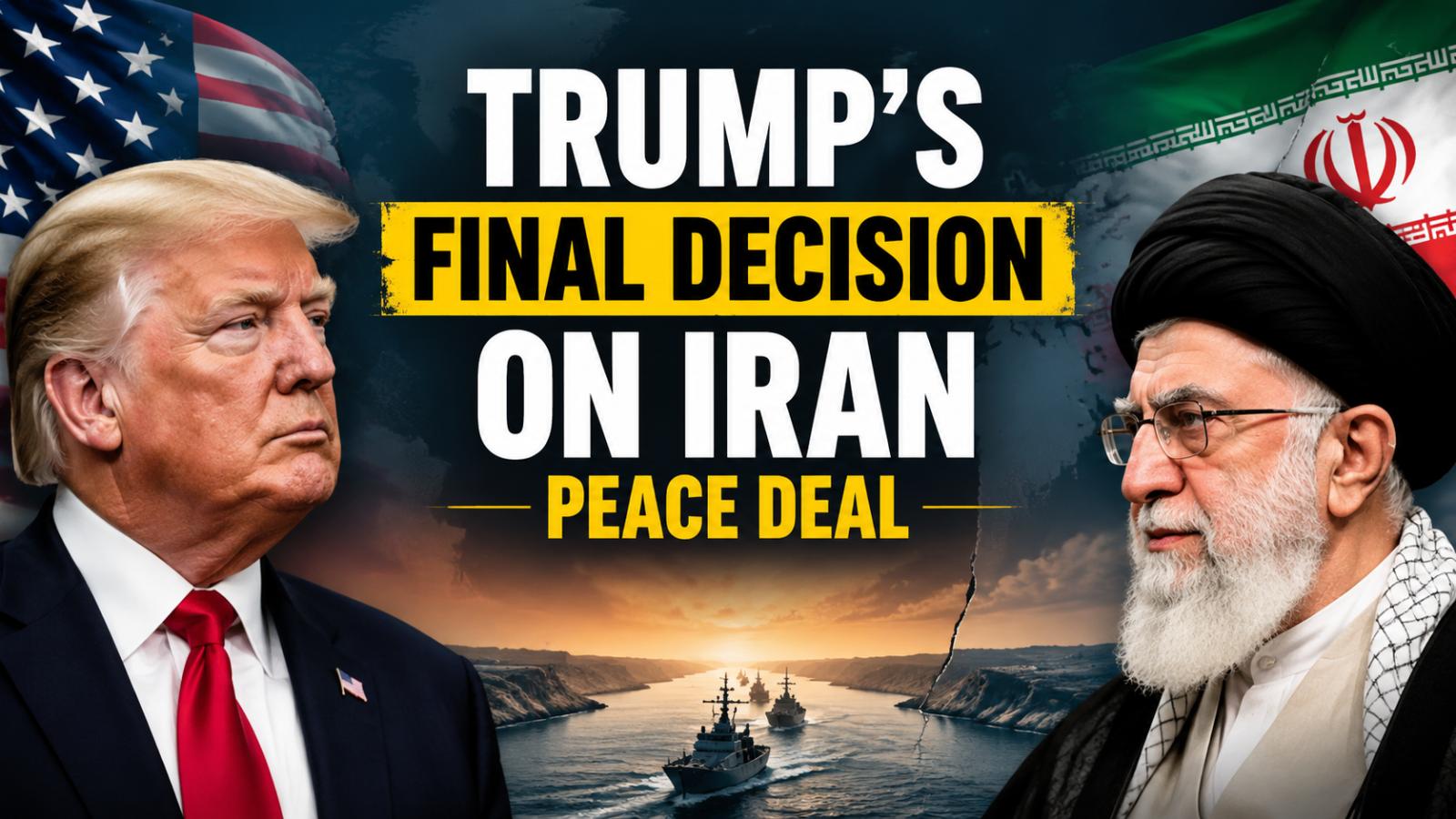
United States President Donald Trump has declared his final terms for a potential peace agreement with Iran. The proposal emphasizes strict nuclear compliance and guarantees for uninterrupted shipping through the strategic Hormuz Strait. This announcement has sparked strong reactions from Iranian officials, signaling potential hurdles in diplomatic negotiations. Iran Responds to US Demands
Trump Finalizes Iran Peace Deal Terms Amid Rising Tensions
United States President Donald Trump has declared his final terms for a potential peace agreement with Iran. The proposal emphasizes strict nuclear compliance and guarantees for uninterrupted shipping through the strategic Hormuz Strait. This announcement has sparked strong reactions from Iranian officials, signaling potential hurdles in diplomatic negotiations. Iran Responds to US Demands
US Maintains Pressure on Iran as Talks Remain Uncertain Amid Ceasefire
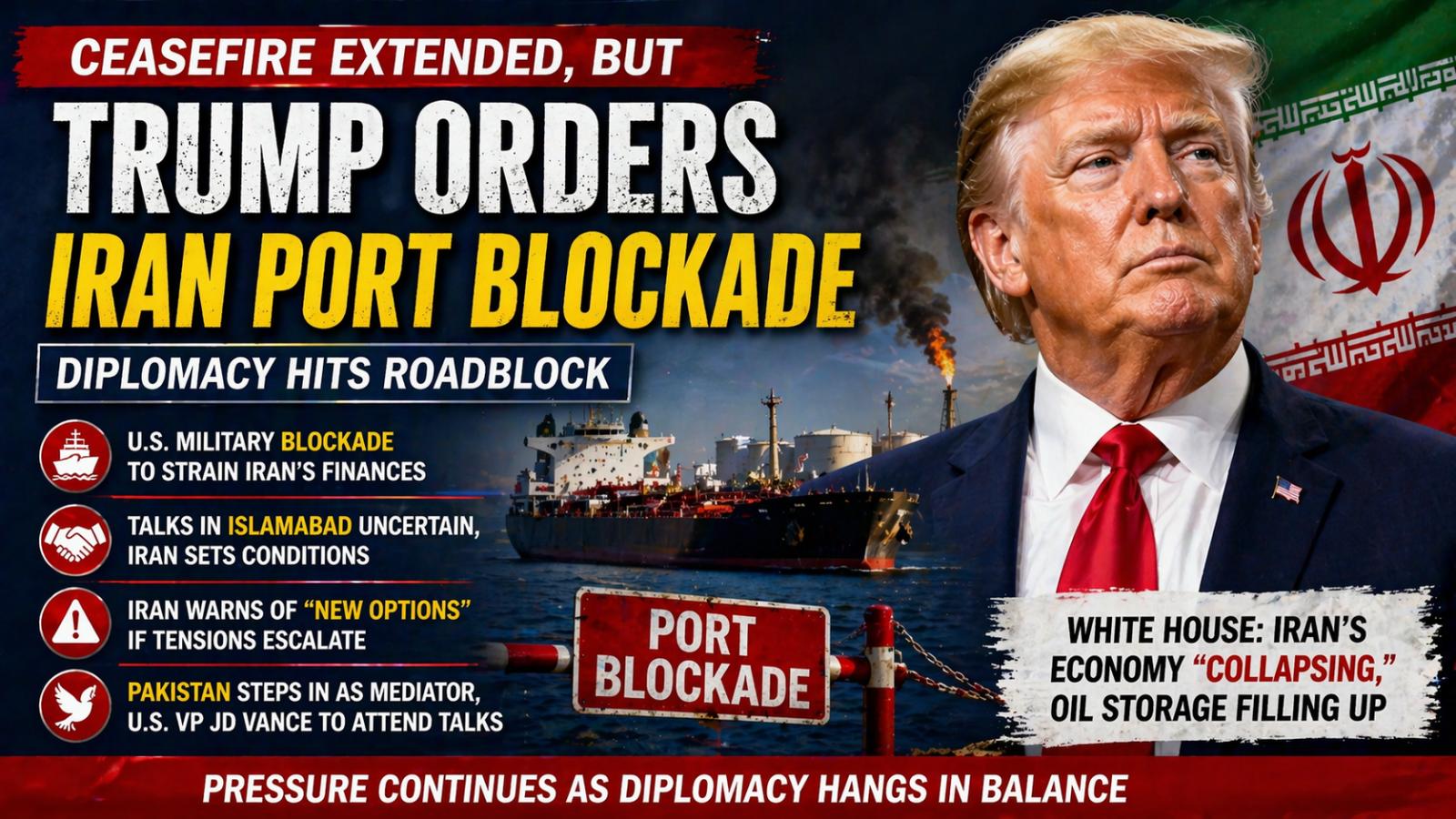
The United States has maintained pressure on Iran despite a formal agreement to extend a ceasefire aimed at creating space for diplomacy. President Donald Trump has ordered the continuation of a military blockade targeting Iranian ports, a move designed to restrict Tehran’s financial resources. The administration has indicated that Iran’s economy is under significant strain, citing limited cash reserves and increasing pressure on oil storage facilities, particularly at Kharg Island. While the ceasefire extension was initially viewed as an opportunity to advance negotiations, diplomatic progress remains uncertain. Reports of a possible summit in Islamabad have been challenged by Iranian officials, who state that no delegation has departed for Pakistan. Iranian state authorities have dismissed claims of imminent talks, emphasizing that key preconditions have not been met. Tehran has maintained that any formal negotiations would require a complete halt to Israeli military actions in Lebanon. Without such assurances, Iranian leaders have expressed reluctance to engage in further discussions. Officials have also accused the United States of pursuing a strategy focused on coercion rather than constructive dialogue, raising concerns about the credibility of ongoing diplomatic efforts. Senior Iranian figures have issued strong warnings about the potential consequences of continued pressure. Parliamentary speaker Mohammad Baqer Ghalibaf suggested that Iran could explore alternative responses if tensions escalate further. Foreign Minister Abbas Araghchi criticized what he described as repeated violations of the ceasefire, while President Masoud Pezeshkian underscored the importance of trust and consistency in any negotiation process. Pakistan has emerged as a potential mediator, preparing to host talks in Islamabad in an effort to bridge differences between the two sides. The United States is expected to send Vice President JD Vance to participate in discussions, although Iran has yet to confirm its involvement. As both diplomatic and military dynamics continue to unfold, the path toward resolution remains uncertain.
US Maintains Pressure on Iran as Talks Remain Uncertain Amid Ceasefire
The United States has maintained pressure on Iran despite a formal agreement to extend a ceasefire aimed at creating space for diplomacy. President Donald Trump has ordered the continuation of a military blockade targeting Iranian ports, a move designed to restrict Tehran’s financial resources. The administration has indicated that Iran’s economy is under significant strain, citing limited cash reserves and increasing pressure on oil storage facilities, particularly at Kharg Island. While the ceasefire extension was initially viewed as an opportunity to advance negotiations, diplomatic progress remains uncertain. Reports of a possible summit in Islamabad have been challenged by Iranian officials, who state that no delegation has departed for Pakistan. Iranian state authorities have dismissed claims of imminent talks, emphasizing that key preconditions have not been met. Tehran has maintained that any formal negotiations would require a complete halt to Israeli military actions in Lebanon. Without such assurances, Iranian leaders have expressed reluctance to engage in further discussions. Officials have also accused the United States of pursuing a strategy focused on coercion rather than constructive dialogue, raising concerns about the credibility of ongoing diplomatic efforts. Senior Iranian figures have issued strong warnings about the potential consequences of continued pressure. Parliamentary speaker Mohammad Baqer Ghalibaf suggested that Iran could explore alternative responses if tensions escalate further. Foreign Minister Abbas Araghchi criticized what he described as repeated violations of the ceasefire, while President Masoud Pezeshkian underscored the importance of trust and consistency in any negotiation process. Pakistan has emerged as a potential mediator, preparing to host talks in Islamabad in an effort to bridge differences between the two sides. The United States is expected to send Vice President JD Vance to participate in discussions, although Iran has yet to confirm its involvement. As both diplomatic and military dynamics continue to unfold, the path toward resolution remains uncertain.
US–Israel–Iran War | Trump warns of strikes on Iran infrastructure if no deal reached soon
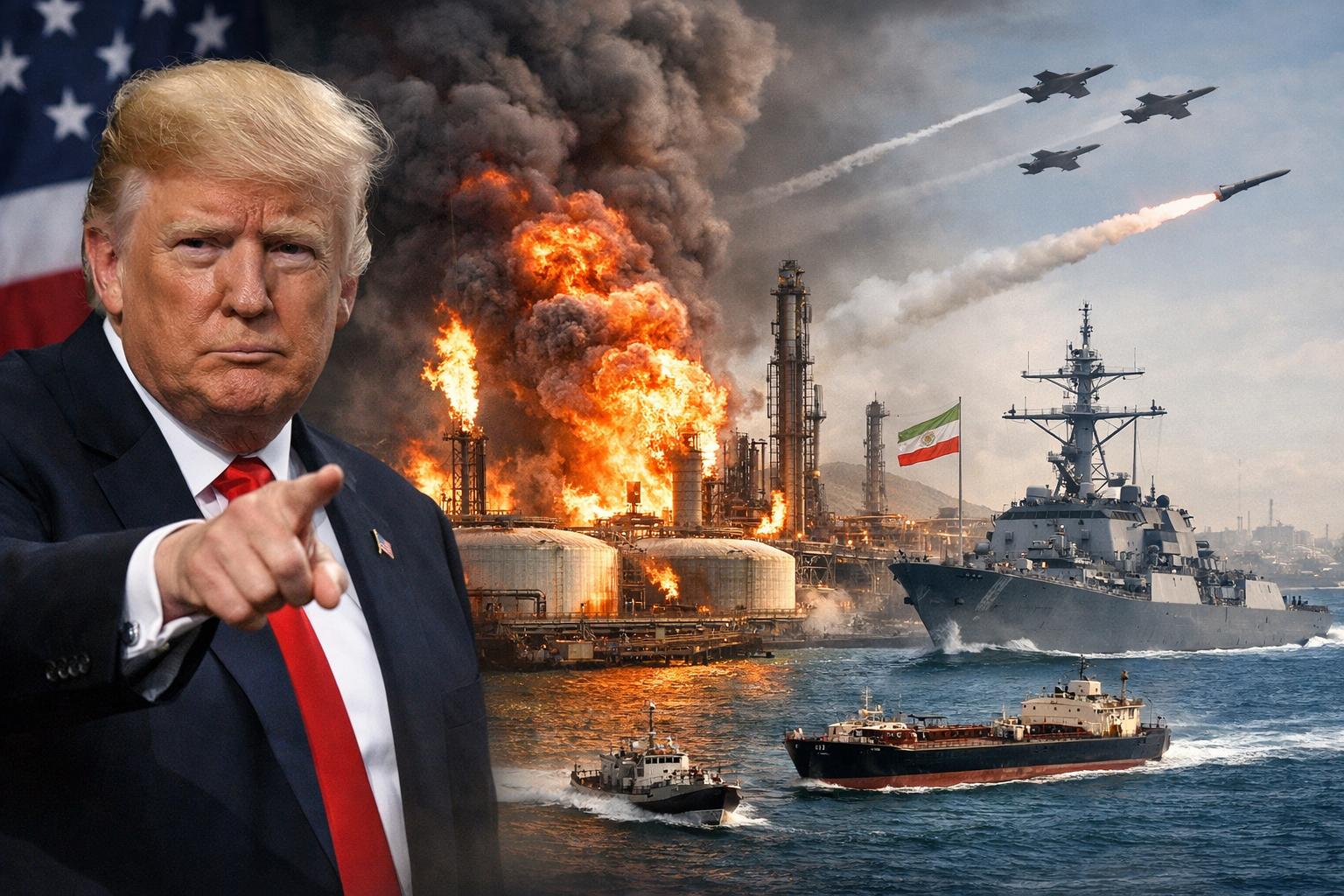
DUBAI, United Arab Emirates — U.S. President Donald Trump issued a stark warning on Monday, March 30, 2026, threatening to expand military action against Iran by targeting critical civilian infrastructure if a deal to end the ongoing conflict is not reached soon. The remarks come as tensions in the Middle East continue to escalate, raising concerns about regional stability and global oil supply routes. In a social media statement, Trump said progress in negotiations had been “sign
US–Israel–Iran War | Trump warns of strikes on Iran infrastructure if no deal reached soon
DUBAI, United Arab Emirates — U.S. President Donald Trump issued a stark warning on Monday, March 30, 2026, threatening to expand military action against Iran by targeting critical civilian infrastructure if a deal to end the ongoing conflict is not reached soon. The remarks come as tensions in the Middle East continue to escalate, raising concerns about regional stability and global oil supply routes. In a social media statement, Trump said progress in negotiations had been “sign


