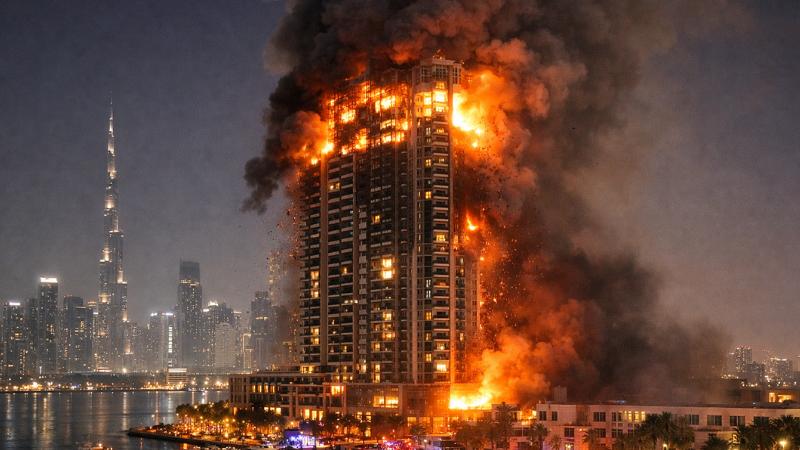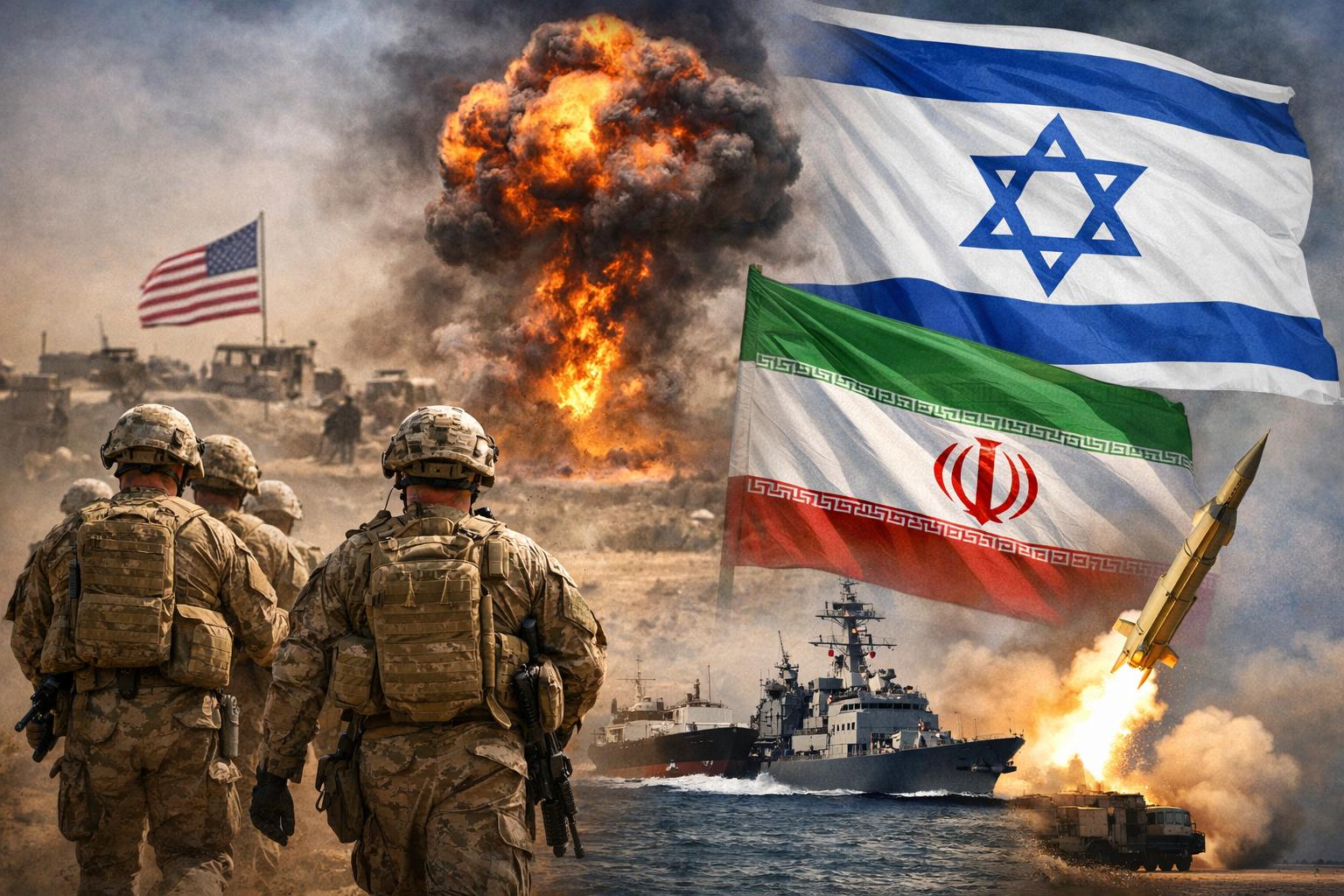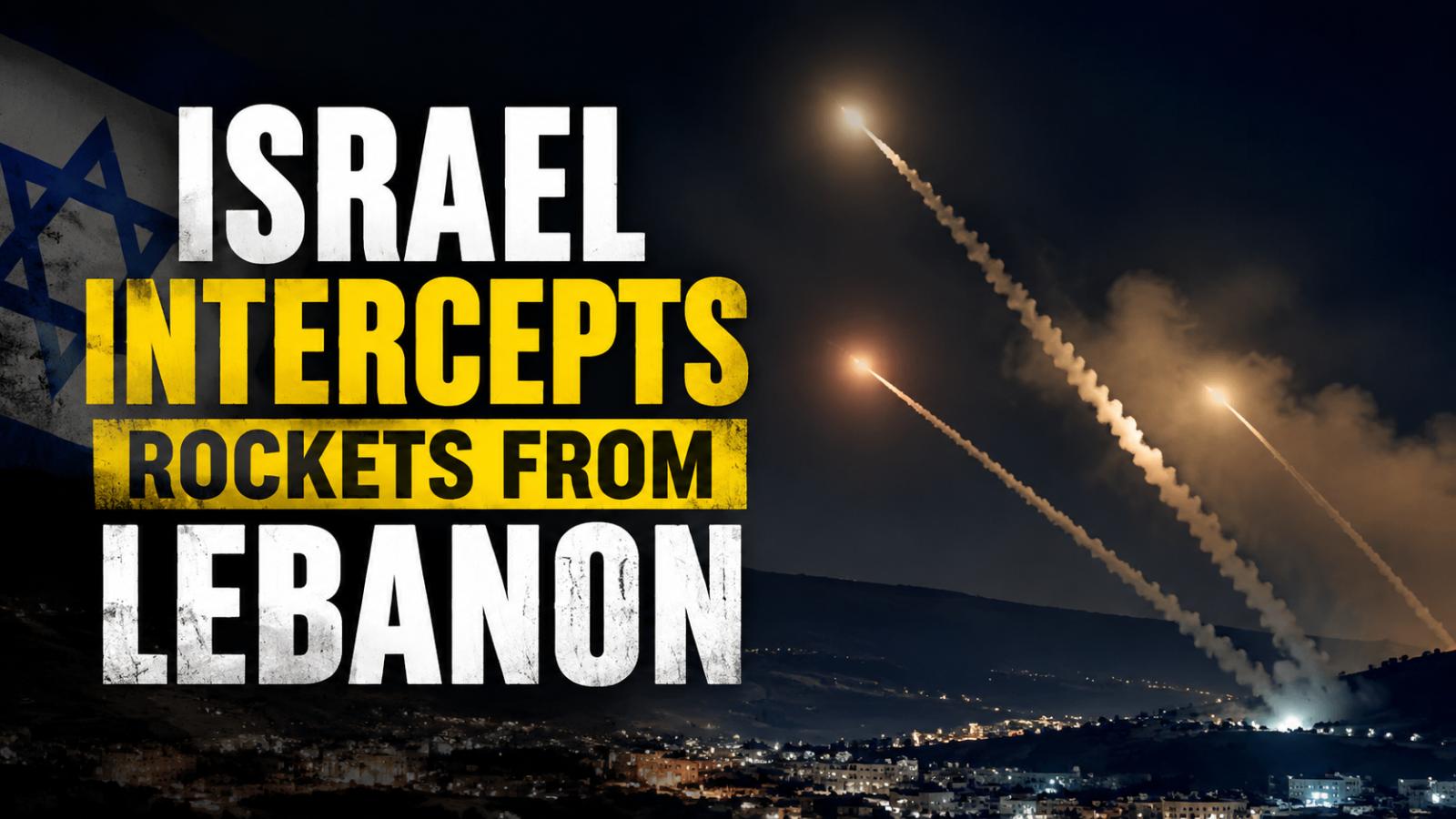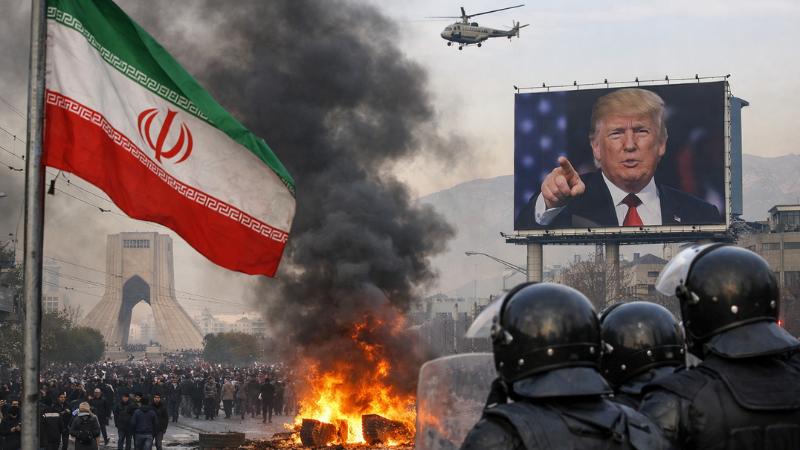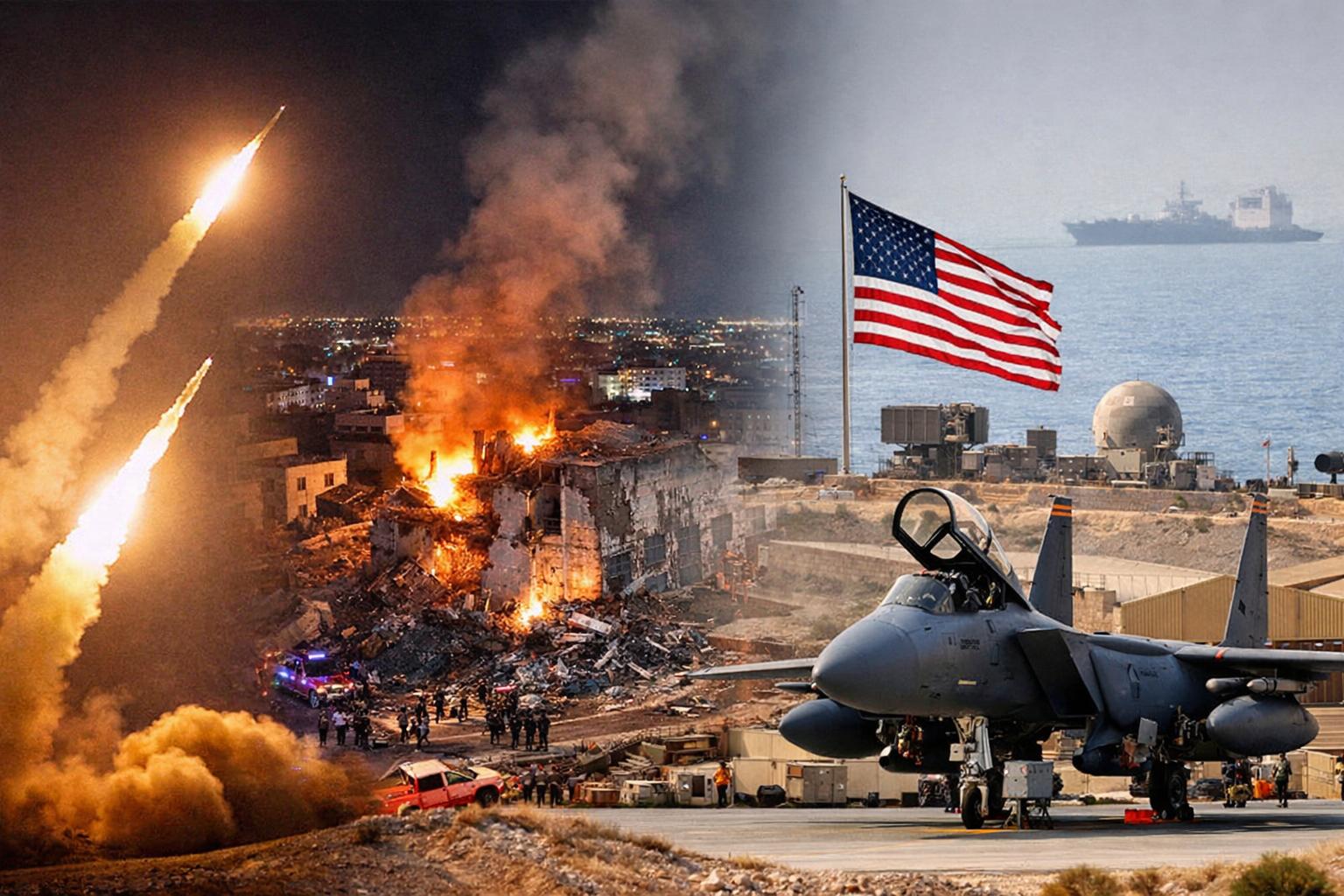
At the same time, Iranian state media reported that new strikes were carried out on US military installations in Bahrain early Wednesday. These attacks followed a series of Iranian missile and drone operations late Tuesday that targeted facilities linked to the United States across several locations in the region, including Qatar, Iraq’s Kurdistan region, the United Arab Emirates, and Bahrain. The widening scope of these attacks reflects growing regional security concerns as the confrontation spreads beyond the immediate Israel-Iran battlefield.
The latest developments came shortly after the United States and Israel conducted some of the most intense airstrikes of the conflict against Iranian positions on Tuesday. Officials in Washington described the operation as one of the heaviest waves of military action since the war began. Witnesses in several areas reported powerful explosions and sustained aerial bombardment during the strikes.
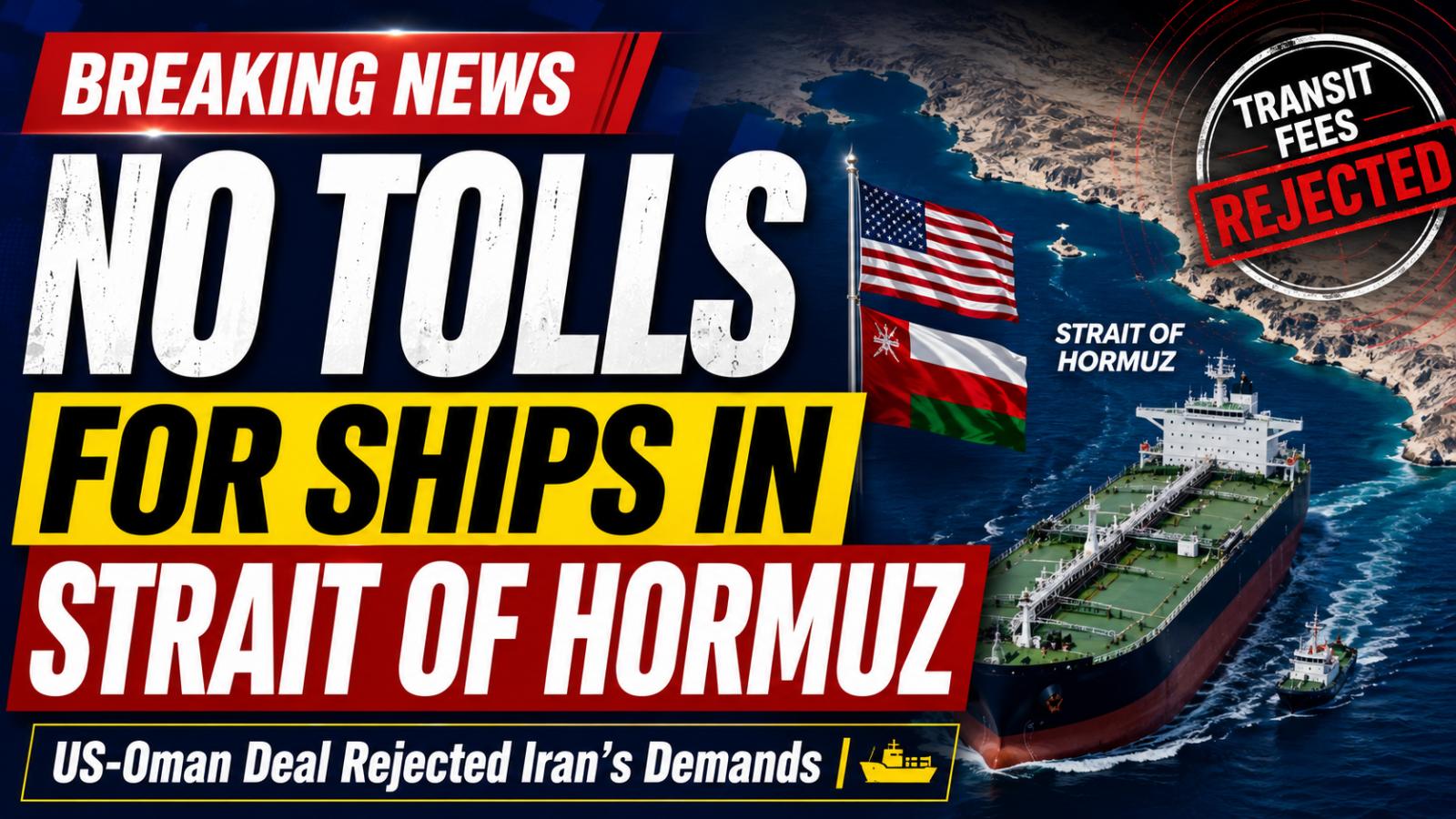
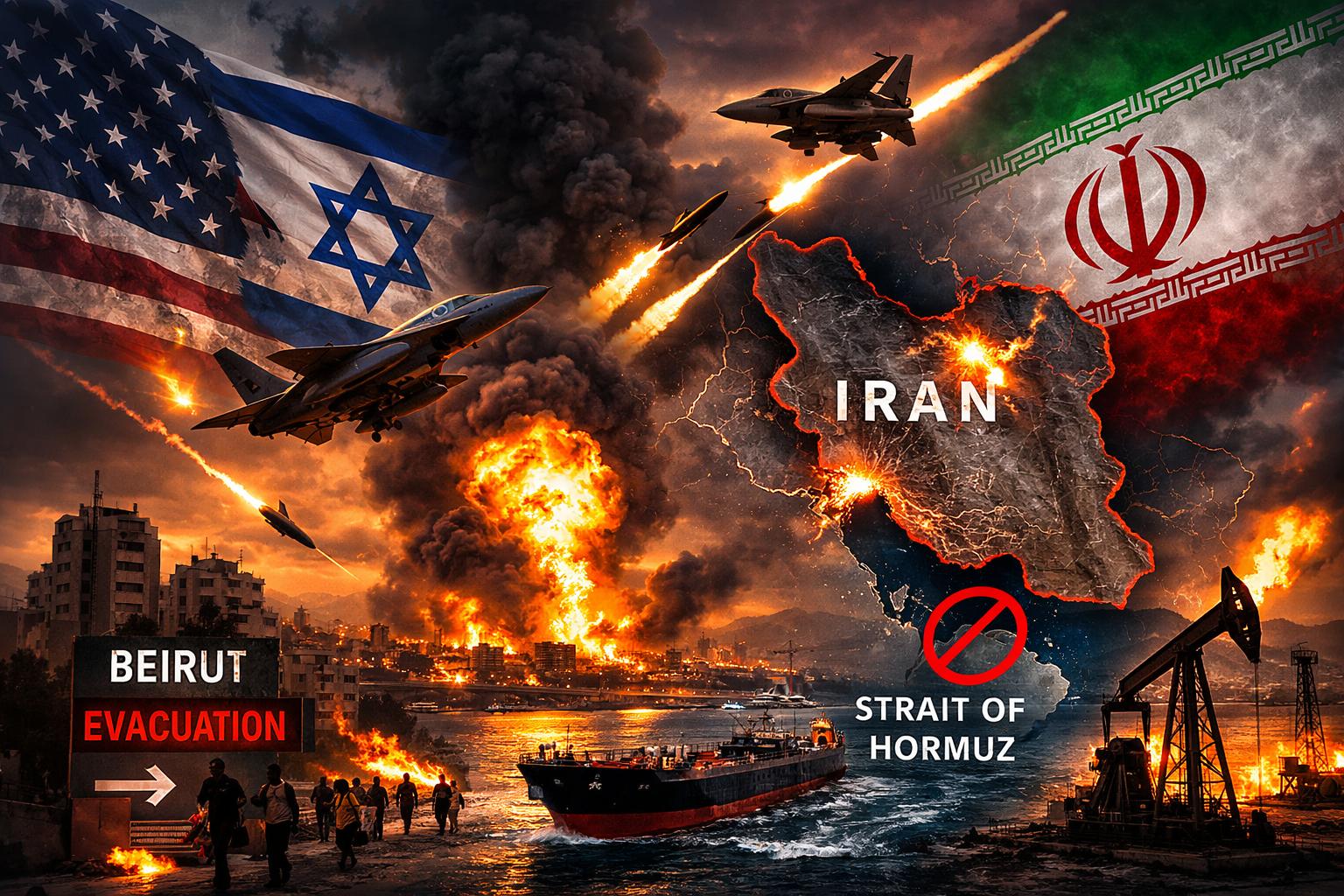
Iran’s Islamic Revolutionary Guard Corps has issued a warning that it could move to block oil shipments through the Gulf if military attacks against Iran continue. Such a move could potentially disrupt global energy markets and threaten the stability of oil supplies passing through critical shipping routes. The threat has intensified concerns about possible disruption in the Strait of Hormuz, one of the world’s most strategically important oil transit corridors.
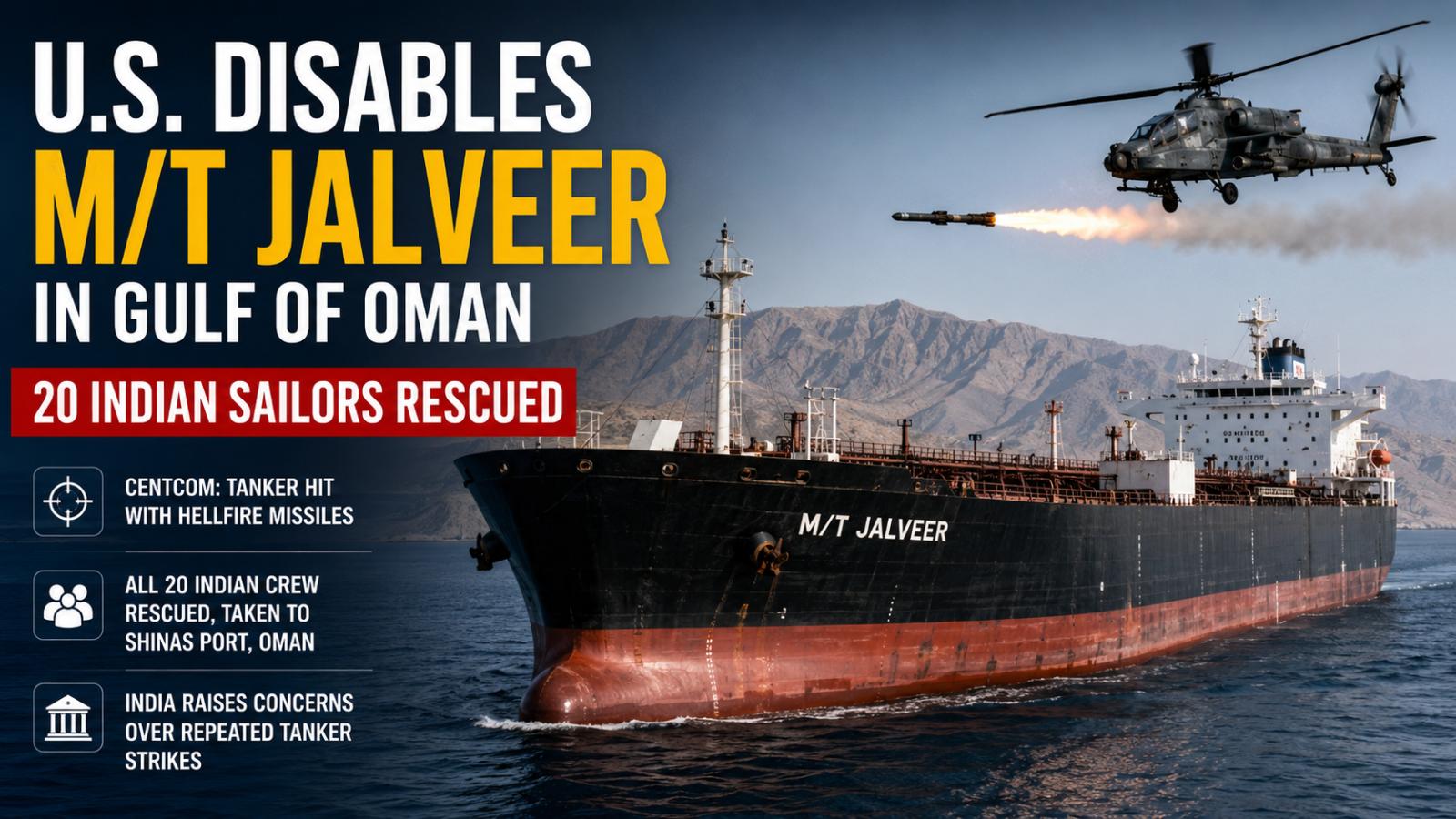
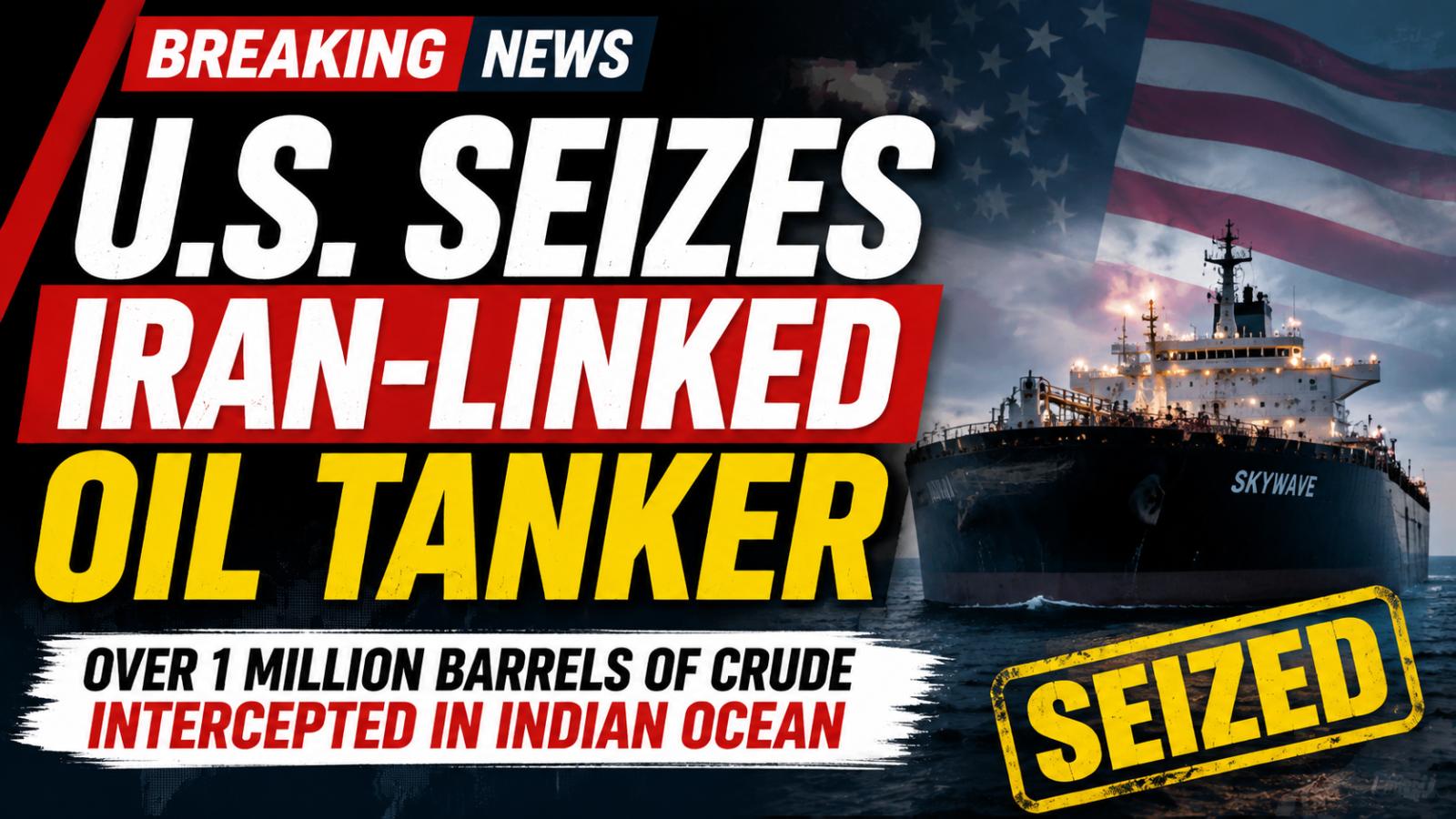
In response, the White House reiterated a warning from US President Donald Trump that any attempt by Iran to halt shipping in the Strait of Hormuz would trigger severe retaliation from the United States. American officials also confirmed that US forces had destroyed 10 Iranian vessels believed to be capable of laying naval mines, describing them as inactive platforms targeted during recent operations. As hostilities continue, international observers remain focused on whether the expanding military confrontation could further destabilize the Middle East and impact global energy security.