










#iraneconomy
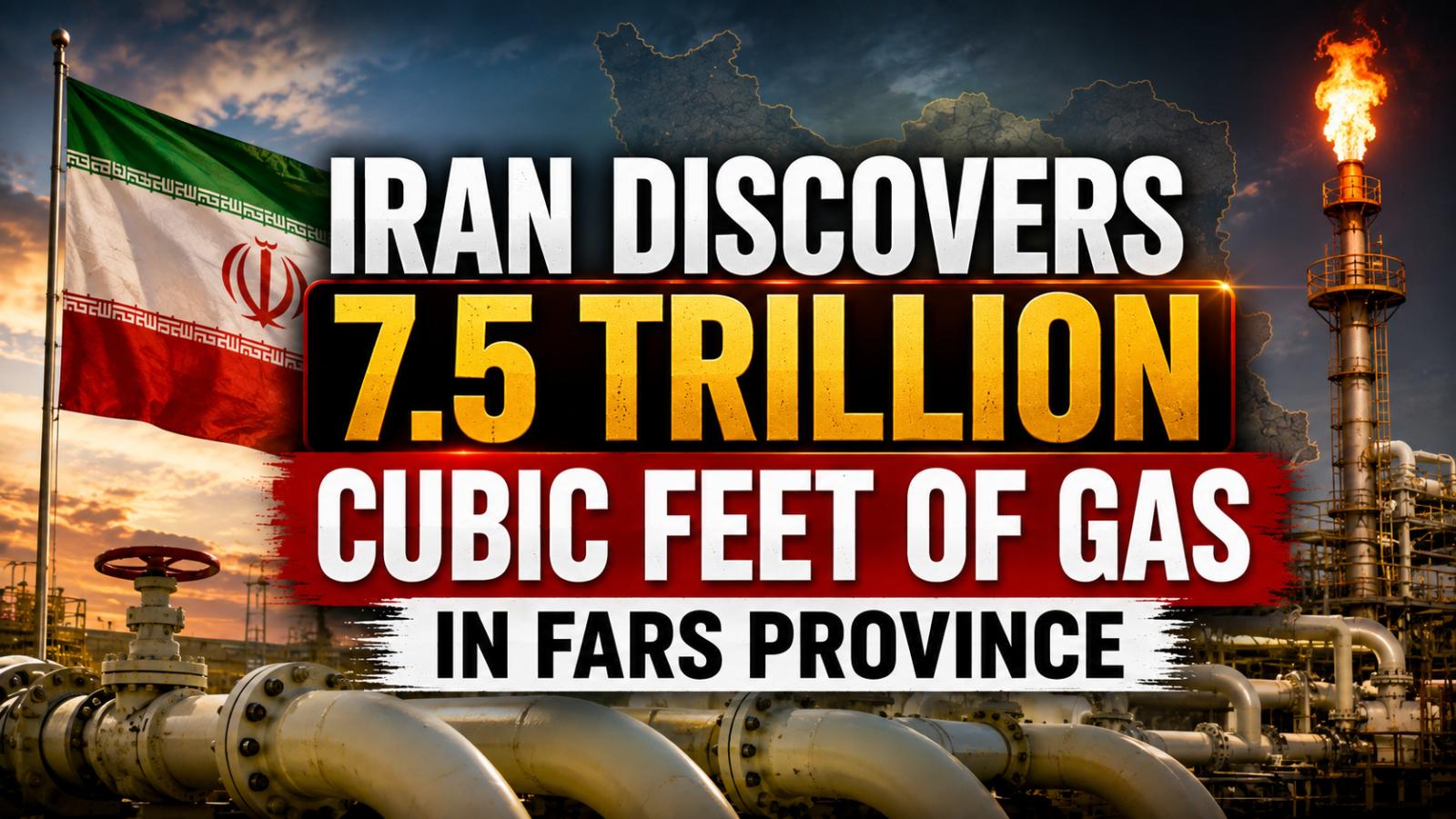
Iran Gas Discovery Adds 7.5 Trillion Cubic Feet in Fars Province
Iran has announced a major gas discovery in the southern part of Fars Province, with Oil Minister Mohsen Paknejad estimating the field contains about 7.5 trillion cubic feet of gas. The discovery could strengthen Iran’s gas reserves as the country faces economic pressure and challenges across its energy sector. Iran gas discovery reaches 7.5 trillion cubic feet Paknejad announced the discovery on Sunday, saying the newly identified field holds an estimated 7.5 trillion cubic feet, or roughly 212 billion cubic metres, of natural gas. Of that total, approximately 5.7 trillion cubic feet is considered recoverable, according to figures provided by the oil minister. Recoverable reserves refer to the portion of gas that authorities estimate can realistically be extracted under technical and economic conditions. Paknejad said the recoverable volume could provide an amount of gas comparable to the production of one phase of the giant South Pars field for about 15 years. The comparison highlights the potential scale of the new resource, although future output will depend on development, infrastructure and production conditions. Sweet gas could lower development costs The Iranian oil minister described the resource as “sweet gas,” a term generally used for natural gas containing relatively low levels of hydrogen sulfide and other sulfur compounds. That characteristic could offer an economic advantage because sweet gas typically requires less processing than sour gas before entering commercial supply systems. Paknejad said this could help reduce both development and operating costs at the field. The discovery also includes gas condensates, according to the minister. These liquid hydrocarbons can have significant commercial value alongside natural gas production. Paknejad said the condensate resources could potentially generate tens of billions of dollars in additional value. The actual economic return, however, will depend on factors including investment, production rates, infrastructure, energy prices and Iran’s access to international markets. New reserves strengthen Iran energy sector The discovery comes at an important time for Iran’s energy industry. Tehran has been working to maintain and repair energy infrastructure while dealing with sanctions and broader economic pressure. Iran already possesses some of the world’s largest natural gas reserves, and South Pars remains central to the country’s gas production. Adding another substantial resource could improve long-term supply options, but discovering gas does not automatically translate into immediate production. A field must undergo appraisal and development before commercial extraction can begin. That process can require drilling additional wells, building processing facilities and connecting production sites to pipelines and other infrastructure. Iran gas reserves gain new strategic resource Paknejad said the discovery adds a significant resource to Iran’s national hydrocarbon reserves. If subsequent assessments confirm the announced estimates, the Fars gas field could become an important addition to the country’s long-term energy portfolio. The timing also gives the announcement wider economic significance as Tehran navigates sanctions and international tensions that can complicate financing, technology access and energy exports. For Iran, the value of the discovery will ultimately depend not only on the volume underground but also on how quickly and efficiently it can bring the recoverable gas and condensates into production. The government has not yet provided a detailed timetable for development or commercial output from the newly announced field.
Iran Gas Discovery Adds 7.5 Trillion Cubic Feet in Fars Province
Iran has announced a major gas discovery in the southern part of Fars Province, with Oil Minister Mohsen Paknejad estimating the field contains about 7.5 trillion cubic feet of gas. The discovery could strengthen Iran’s gas reserves as the country faces economic pressure and challenges across its energy sector. Iran gas discovery reaches 7.5 trillion cubic feet Paknejad announced the discovery on Sunday, saying the newly identified field holds an estimated 7.5 trillion cubic feet, or roughly 212 billion cubic metres, of natural gas. Of that total, approximately 5.7 trillion cubic feet is considered recoverable, according to figures provided by the oil minister. Recoverable reserves refer to the portion of gas that authorities estimate can realistically be extracted under technical and economic conditions. Paknejad said the recoverable volume could provide an amount of gas comparable to the production of one phase of the giant South Pars field for about 15 years. The comparison highlights the potential scale of the new resource, although future output will depend on development, infrastructure and production conditions. Sweet gas could lower development costs The Iranian oil minister described the resource as “sweet gas,” a term generally used for natural gas containing relatively low levels of hydrogen sulfide and other sulfur compounds. That characteristic could offer an economic advantage because sweet gas typically requires less processing than sour gas before entering commercial supply systems. Paknejad said this could help reduce both development and operating costs at the field. The discovery also includes gas condensates, according to the minister. These liquid hydrocarbons can have significant commercial value alongside natural gas production. Paknejad said the condensate resources could potentially generate tens of billions of dollars in additional value. The actual economic return, however, will depend on factors including investment, production rates, infrastructure, energy prices and Iran’s access to international markets. New reserves strengthen Iran energy sector The discovery comes at an important time for Iran’s energy industry. Tehran has been working to maintain and repair energy infrastructure while dealing with sanctions and broader economic pressure. Iran already possesses some of the world’s largest natural gas reserves, and South Pars remains central to the country’s gas production. Adding another substantial resource could improve long-term supply options, but discovering gas does not automatically translate into immediate production. A field must undergo appraisal and development before commercial extraction can begin. That process can require drilling additional wells, building processing facilities and connecting production sites to pipelines and other infrastructure. Iran gas reserves gain new strategic resource Paknejad said the discovery adds a significant resource to Iran’s national hydrocarbon reserves. If subsequent assessments confirm the announced estimates, the Fars gas field could become an important addition to the country’s long-term energy portfolio. The timing also gives the announcement wider economic significance as Tehran navigates sanctions and international tensions that can complicate financing, technology access and energy exports. For Iran, the value of the discovery will ultimately depend not only on the volume underground but also on how quickly and efficiently it can bring the recoverable gas and condensates into production. The government has not yet provided a detailed timetable for development or commercial output from the newly announced field.
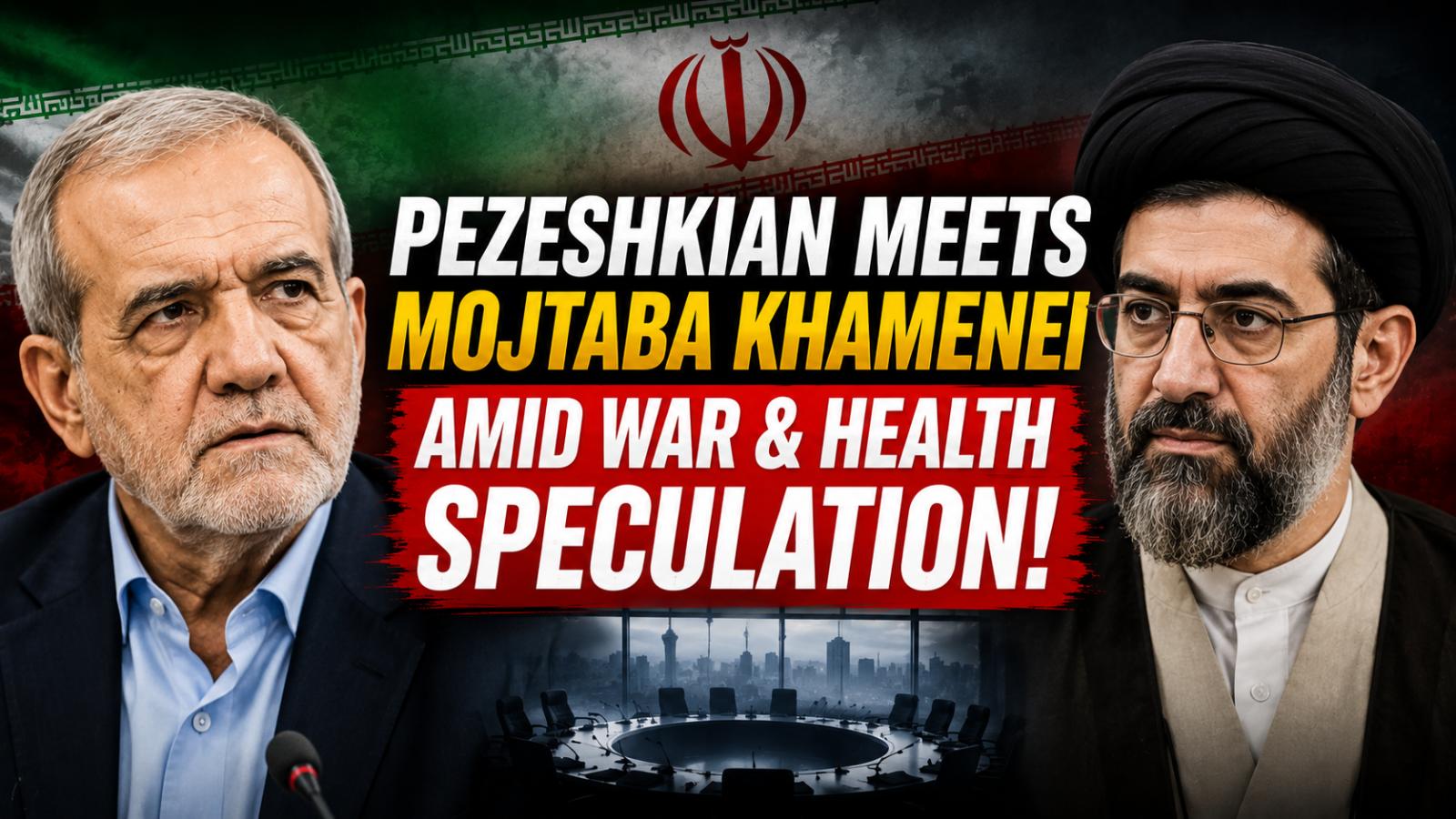
Pezeshkian Meets Mojtaba Khamenei Amid Iran Health Speculation
Pezeshkian met Mojtaba Khamenei to discuss Iran’s military situation, economic pressures, currency, energy and public needs. The meeting drew added attention amid continuing speculation over the Supreme Leader’s health and limited public visibility. Pezeshkian Meets Mojtaba Khamenei Iranian President Masoud Pezeshkian has met Supreme Leader Ayatollah Seyyed Mojtaba Khamenei for detailed dis
Pezeshkian Meets Mojtaba Khamenei Amid Iran Health Speculation
Pezeshkian met Mojtaba Khamenei to discuss Iran’s military situation, economic pressures, currency, energy and public needs. The meeting drew added attention amid continuing speculation over the Supreme Leader’s health and limited public visibility. Pezeshkian Meets Mojtaba Khamenei Iranian President Masoud Pezeshkian has met Supreme Leader Ayatollah Seyyed Mojtaba Khamenei for detailed dis
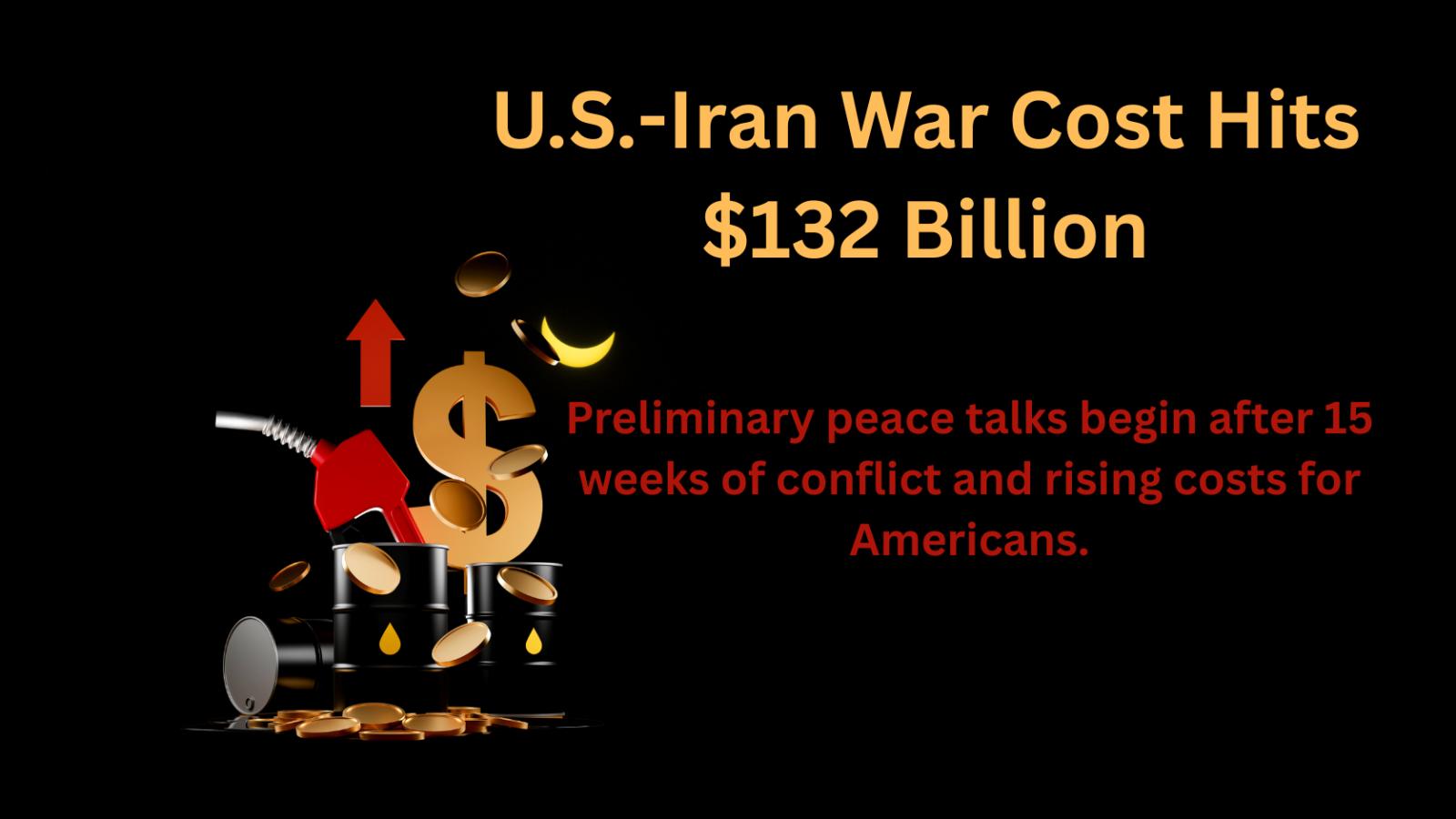
U.S.-Iran War Cost Americans $132 Billion as Peace Talks Begin
The U.S.-Iran war cost Americans an estimated $132 billion before a preliminary agreement opened a 60-day negotiation period, according to Moody’s Analytics. The framework was announced on Monday, June 15, 2026. President Donald Trump and Iranian President Masoud Pezeshkian signed the interim accord in France on Wednesday, June 17, 2026. The agreement pauses hostilities but is not a final peace treaty. How the U.S.-Iran War Cost Americans $132 Billion
U.S.-Iran War Cost Americans $132 Billion as Peace Talks Begin
The U.S.-Iran war cost Americans an estimated $132 billion before a preliminary agreement opened a 60-day negotiation period, according to Moody’s Analytics. The framework was announced on Monday, June 15, 2026. President Donald Trump and Iranian President Masoud Pezeshkian signed the interim accord in France on Wednesday, June 17, 2026. The agreement pauses hostilities but is not a final peace treaty. How the U.S.-Iran War Cost Americans $132 Billion
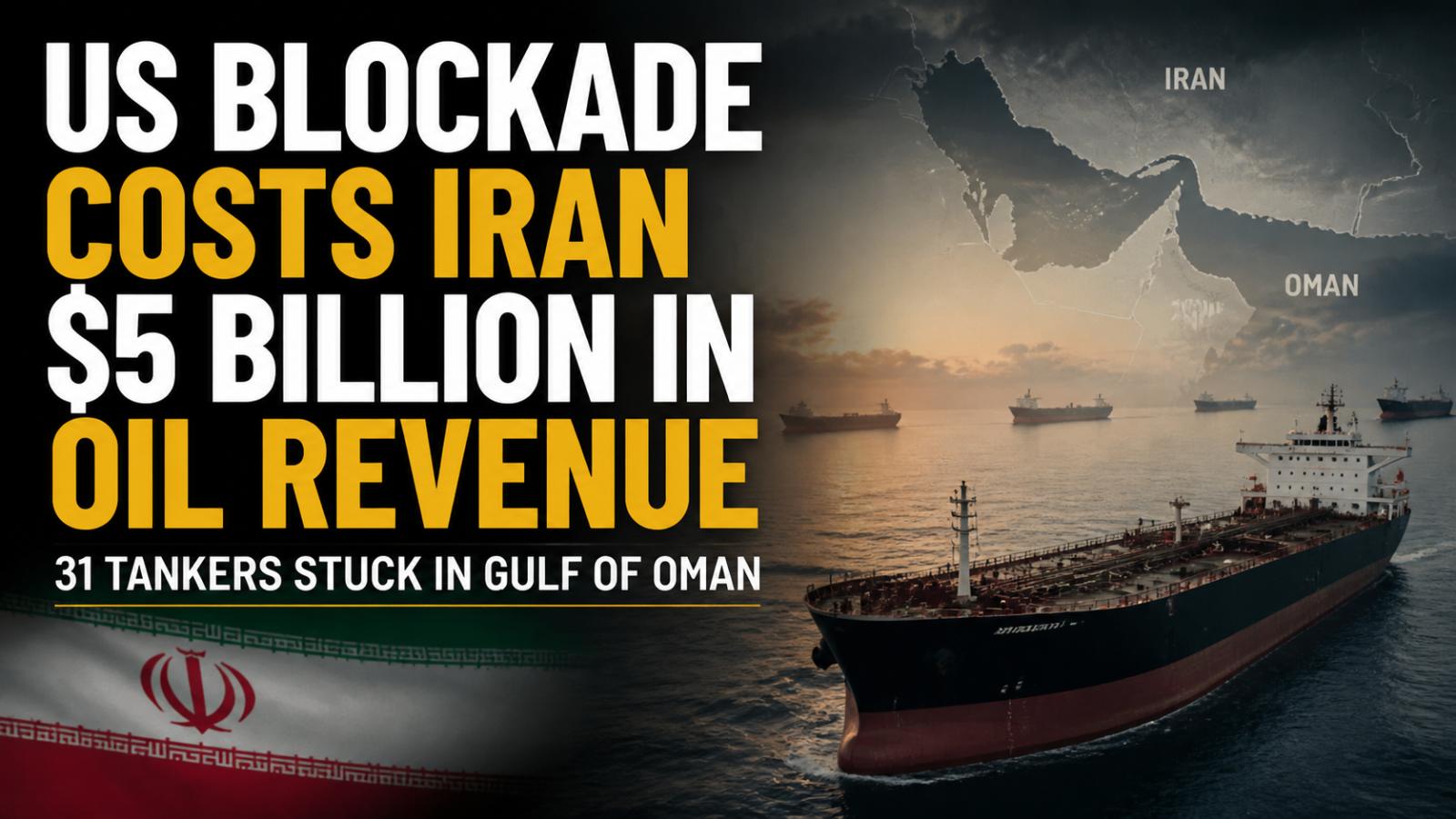
US blockade in Gulf of Oman halts $5 billion in Iranian oil revenue
The ongoing US blockade in the Gulf of Oman has forced Iran to face a massive loss, with the US Defense Department estimating that Tehran has lost nearly $5 billion in oil revenue. This economic setback is the result of a blockade imposed by the US military in an effort to increase pressure on Iran’s economy. The blockade, which began on April 13, 2025, has been described as one of President Donald Trump’s most powerful tools to drive Iran into negotiations that aim to resolve the ongoing conflict. However, diplomatic talks have been repeatedly stalling and restarting, leaving both parties in a stalemate. According to Pentagon officials, more than 40 vessels have been redirected since the operation’s start, as they attempted to smuggle oil and other contraband through the region. In total, 31 tankers carrying approximately 53 million barrels of Iranian crude are now stuck in the Gulf of Oman, and these shipments are valued at around $4.8 billion. Of these, two vessels have already been seized by US forces. With storage capacity on land reaching its limits, Iran has resorted to using older tankers as floating storage units, as reported by analysts. These tankers, which are no longer fit for regular commercial routes, have become temporary storage sites for Iran’s oil. Some shipments are being rerouted along longer and more expensive paths, primarily to avoid interception by US forces. To achieve this, Iranian ships have been following coastlines near Pakistan and India and using safer maritime corridors towards the Strait of Malacca, a key transit point for oil bound for China. Tanker tracking analysts such as Samir Madani, co-founder of TankerTrackers.com, have noted a shift in Iranian shipping patterns. He explained how one Iranian tanker, called “HUGE,” cleverly demonstrated how ships are using stealth routes to evade detection. According to Madani, ships are increasingly relying on hidden paths through regional waters to avoid the US military blockade. Madani also predicted that, in the future, Iran might attempt a large-scale breakout of its tankers. "I think the Iranians will wait for an opportunity to launch an overnight 'Great Escape' once they have built up further storage near the border with Pakistan,” Madani told Axios. This situation is part of a broader economic struggle between Iran and the United States, with both countries resorting to maritime pressure tactics. Iran has previously restricted access to the Strait of Hormuz, a critical shipping route, in retaliation. Meanwhile, the US has been tightening its control over the Gulf of Oman, an entry point to key waterways. According to Gregory Brew, an analyst at Eurasia Group, Iran is just weeks away from running out of storage space for its oil, which could collapse its oil production capacity. "They're probably several weeks, or perhaps as much as a month, away from running out of storage," Brew said. The Pentagon’s spokesperson, Joel Valdez, emphasized the severity of the situation, stating that the blockade is fully active and that the US military is delivering a devastating blow to Iran’s ability to fund terrorism and regional destabilization. “Our armed forces in the region will continue to maintain this unrelenting pressure,” Valdez said. This strategy, although harsh, seems designed to wear down Iran’s ability to sustain itself economically, and possibly force a change in its approach to negotiations.
US blockade in Gulf of Oman halts $5 billion in Iranian oil revenue
The ongoing US blockade in the Gulf of Oman has forced Iran to face a massive loss, with the US Defense Department estimating that Tehran has lost nearly $5 billion in oil revenue. This economic setback is the result of a blockade imposed by the US military in an effort to increase pressure on Iran’s economy. The blockade, which began on April 13, 2025, has been described as one of President Donald Trump’s most powerful tools to drive Iran into negotiations that aim to resolve the ongoing conflict. However, diplomatic talks have been repeatedly stalling and restarting, leaving both parties in a stalemate. According to Pentagon officials, more than 40 vessels have been redirected since the operation’s start, as they attempted to smuggle oil and other contraband through the region. In total, 31 tankers carrying approximately 53 million barrels of Iranian crude are now stuck in the Gulf of Oman, and these shipments are valued at around $4.8 billion. Of these, two vessels have already been seized by US forces. With storage capacity on land reaching its limits, Iran has resorted to using older tankers as floating storage units, as reported by analysts. These tankers, which are no longer fit for regular commercial routes, have become temporary storage sites for Iran’s oil. Some shipments are being rerouted along longer and more expensive paths, primarily to avoid interception by US forces. To achieve this, Iranian ships have been following coastlines near Pakistan and India and using safer maritime corridors towards the Strait of Malacca, a key transit point for oil bound for China. Tanker tracking analysts such as Samir Madani, co-founder of TankerTrackers.com, have noted a shift in Iranian shipping patterns. He explained how one Iranian tanker, called “HUGE,” cleverly demonstrated how ships are using stealth routes to evade detection. According to Madani, ships are increasingly relying on hidden paths through regional waters to avoid the US military blockade. Madani also predicted that, in the future, Iran might attempt a large-scale breakout of its tankers. "I think the Iranians will wait for an opportunity to launch an overnight 'Great Escape' once they have built up further storage near the border with Pakistan,” Madani told Axios. This situation is part of a broader economic struggle between Iran and the United States, with both countries resorting to maritime pressure tactics. Iran has previously restricted access to the Strait of Hormuz, a critical shipping route, in retaliation. Meanwhile, the US has been tightening its control over the Gulf of Oman, an entry point to key waterways. According to Gregory Brew, an analyst at Eurasia Group, Iran is just weeks away from running out of storage space for its oil, which could collapse its oil production capacity. "They're probably several weeks, or perhaps as much as a month, away from running out of storage," Brew said. The Pentagon’s spokesperson, Joel Valdez, emphasized the severity of the situation, stating that the blockade is fully active and that the US military is delivering a devastating blow to Iran’s ability to fund terrorism and regional destabilization. “Our armed forces in the region will continue to maintain this unrelenting pressure,” Valdez said. This strategy, although harsh, seems designed to wear down Iran’s ability to sustain itself economically, and possibly force a change in its approach to negotiations.
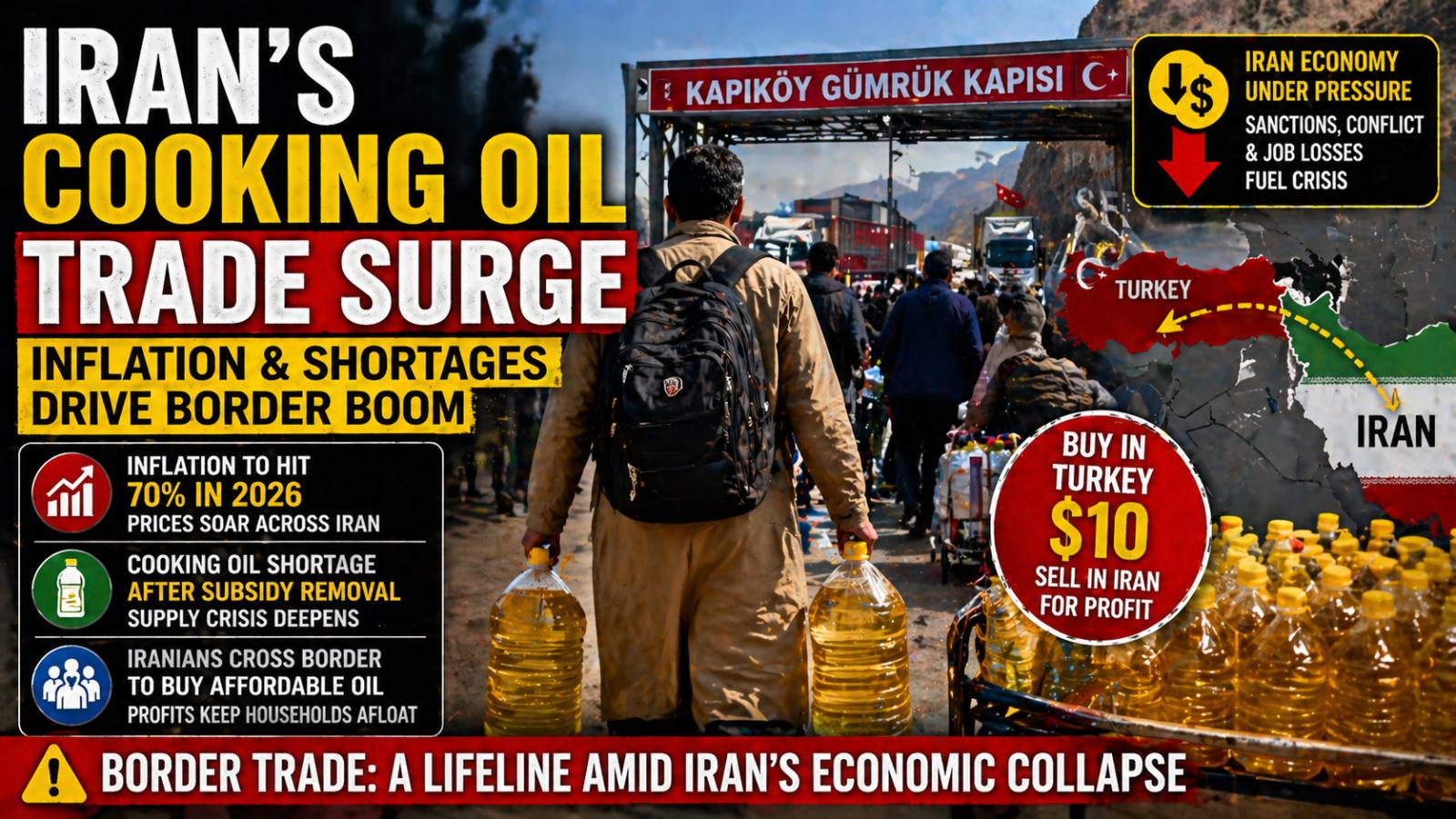
What is driving Iran’s cooking oil trade surge? Inflation and shortages at the border
On Turkey’s bustling border crossing with Iran, inflation and shortages are driving a surge in cooking oil trade as economic pressures deepen inside Iran. At the Kapikoy crossing near Van in eastern Turkey, merchants and travelers described a growing demand for basic goods, particularly cooking oil, as Iranian consumers grapple with soaring prices and limited supply. Shopkeepers at the crossing said demand has risen sharply in recent days, with dozens of individuals carrying multiple large bottles of oil back into Iran. The trade has become a small but vital source of income for both Turkish vendors and Iranian buyers seeking to resell or use the goods domestically. Rising food prices and subsidy reforms reshape consumer behavior Iran’s inflation crisis, projected by the International Monetary Fund to approach 70 percent in 2026, has significantly eroded purchasing power. Cooking oil prices surged after the government removed subsidies on certain essential imports in January, a move intended to reduce state spending amid ongoing sanctions. Iranian officials, including President Masoud Pezeshkian, have defended the policy, arguing that subsidies were being exploited without effectively lowering prices. However, many consumers report difficulty finding affordable cooking oil in local markets, forcing them to look beyond the country’s borders. Border trade becomes a lifeline for struggling households For some Iranians, cross-border trade offers a modest financial cushion. Individuals interviewed at the crossing described buying cooking oil in Turkey for just over $10 per five-liter bottle and reselling it in Iran at slightly lower prices than domestic shops, earning small profits. The Kapikoy crossing has remained one of the few consistent links between Iran and the outside world during recent disruptions, including airspace closures and an ongoing internet shutdown that has limited access to information within the country. Economic strain intensifies amid conflict and job losses Beyond inflation, Iran’s economy is facing additional strain from conflict-related disruptions and layoffs. The country’s minimum wage, roughly $108 per month, has failed to keep pace with rising living costs, leaving many households under severe financial pressure. Recent protests driven by economic discontent have been met with government crackdowns, adding to an atmosphere of uncertainty. While the government has introduced monthly cash payments equivalent to about $7 to offset rising costs, analysts say the measure is unlikely to significantly ease the burden on most families. Limited relief despite growing cross-border activity Although the increase in cross-border trade highlights the resilience of individuals adapting to economic hardship, the overall impact remains limited. The modest profits generated by transporting goods like cooking oil do little to offset the broader challenges posed by inflation, unemployment, and supply shortages. For many Iranians, the scenes at the Turkey-Iran border underscore a deeper economic crisis, where even basic necessities require creative—and often difficult—solutions to obtain.
What is driving Iran’s cooking oil trade surge? Inflation and shortages at the border
On Turkey’s bustling border crossing with Iran, inflation and shortages are driving a surge in cooking oil trade as economic pressures deepen inside Iran. At the Kapikoy crossing near Van in eastern Turkey, merchants and travelers described a growing demand for basic goods, particularly cooking oil, as Iranian consumers grapple with soaring prices and limited supply. Shopkeepers at the crossing said demand has risen sharply in recent days, with dozens of individuals carrying multiple large bottles of oil back into Iran. The trade has become a small but vital source of income for both Turkish vendors and Iranian buyers seeking to resell or use the goods domestically. Rising food prices and subsidy reforms reshape consumer behavior Iran’s inflation crisis, projected by the International Monetary Fund to approach 70 percent in 2026, has significantly eroded purchasing power. Cooking oil prices surged after the government removed subsidies on certain essential imports in January, a move intended to reduce state spending amid ongoing sanctions. Iranian officials, including President Masoud Pezeshkian, have defended the policy, arguing that subsidies were being exploited without effectively lowering prices. However, many consumers report difficulty finding affordable cooking oil in local markets, forcing them to look beyond the country’s borders. Border trade becomes a lifeline for struggling households For some Iranians, cross-border trade offers a modest financial cushion. Individuals interviewed at the crossing described buying cooking oil in Turkey for just over $10 per five-liter bottle and reselling it in Iran at slightly lower prices than domestic shops, earning small profits. The Kapikoy crossing has remained one of the few consistent links between Iran and the outside world during recent disruptions, including airspace closures and an ongoing internet shutdown that has limited access to information within the country. Economic strain intensifies amid conflict and job losses Beyond inflation, Iran’s economy is facing additional strain from conflict-related disruptions and layoffs. The country’s minimum wage, roughly $108 per month, has failed to keep pace with rising living costs, leaving many households under severe financial pressure. Recent protests driven by economic discontent have been met with government crackdowns, adding to an atmosphere of uncertainty. While the government has introduced monthly cash payments equivalent to about $7 to offset rising costs, analysts say the measure is unlikely to significantly ease the burden on most families. Limited relief despite growing cross-border activity Although the increase in cross-border trade highlights the resilience of individuals adapting to economic hardship, the overall impact remains limited. The modest profits generated by transporting goods like cooking oil do little to offset the broader challenges posed by inflation, unemployment, and supply shortages. For many Iranians, the scenes at the Turkey-Iran border underscore a deeper economic crisis, where even basic necessities require creative—and often difficult—solutions to obtain.
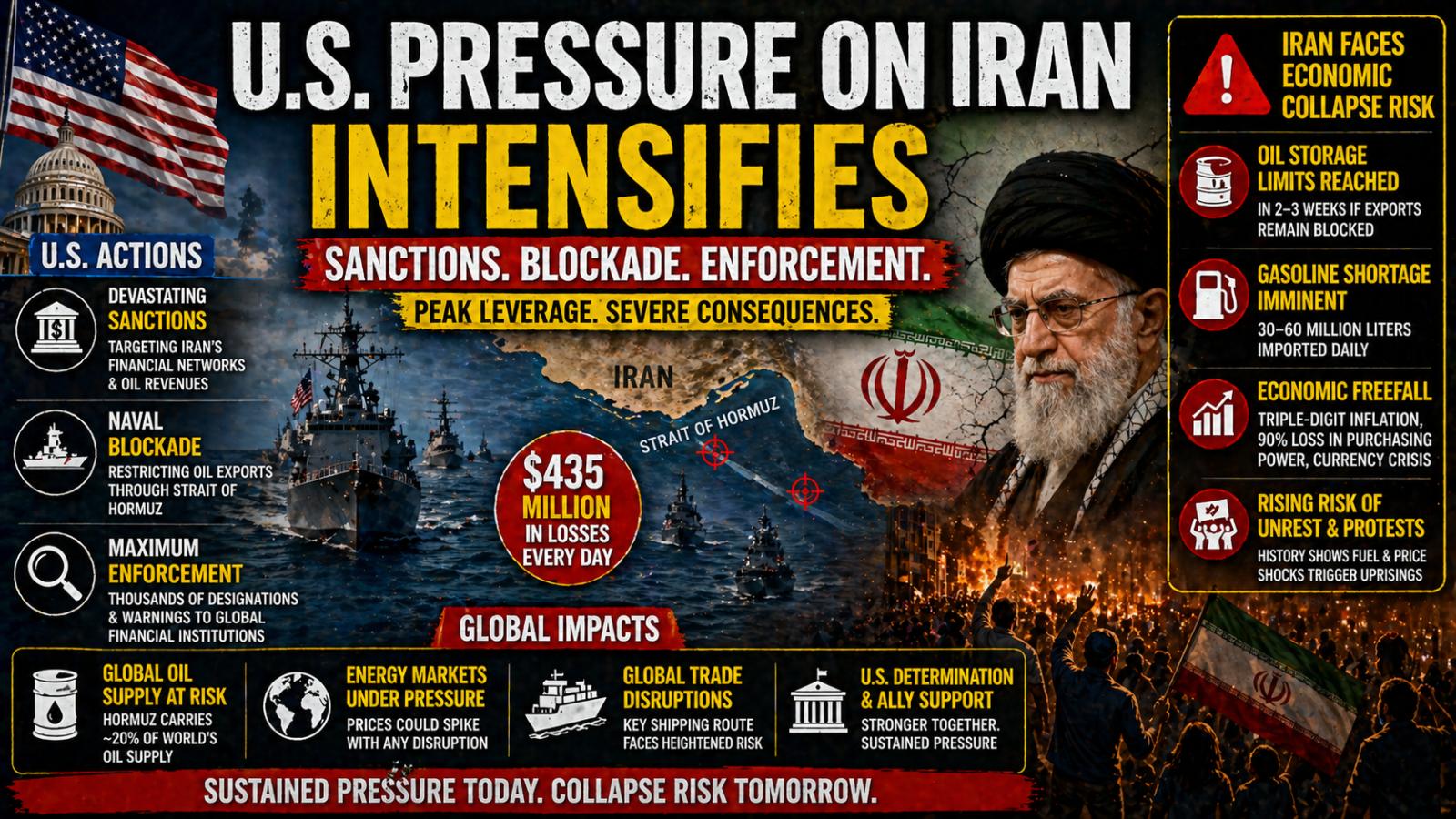
How is U.S. pressure on Iran intensifying? It combines sanctions, blockade, and enforcement
How is U.S. pressure on Iran intensifying? It combines sanctions, blockade, and enforcement as economic and geopolitical forces converge to place unprecedented strain on Tehran, according to a former U.S. Treasury sanctions expert who described the current moment as a rare alignment of leverage. Converging tools create peak economic pressure Miad Maleki, a former Treasury Department sanctions specialist, said the United States is applying multiple pressu
How is U.S. pressure on Iran intensifying? It combines sanctions, blockade, and enforcement
How is U.S. pressure on Iran intensifying? It combines sanctions, blockade, and enforcement as economic and geopolitical forces converge to place unprecedented strain on Tehran, according to a former U.S. Treasury sanctions expert who described the current moment as a rare alignment of leverage. Converging tools create peak economic pressure Miad Maleki, a former Treasury Department sanctions specialist, said the United States is applying multiple pressu
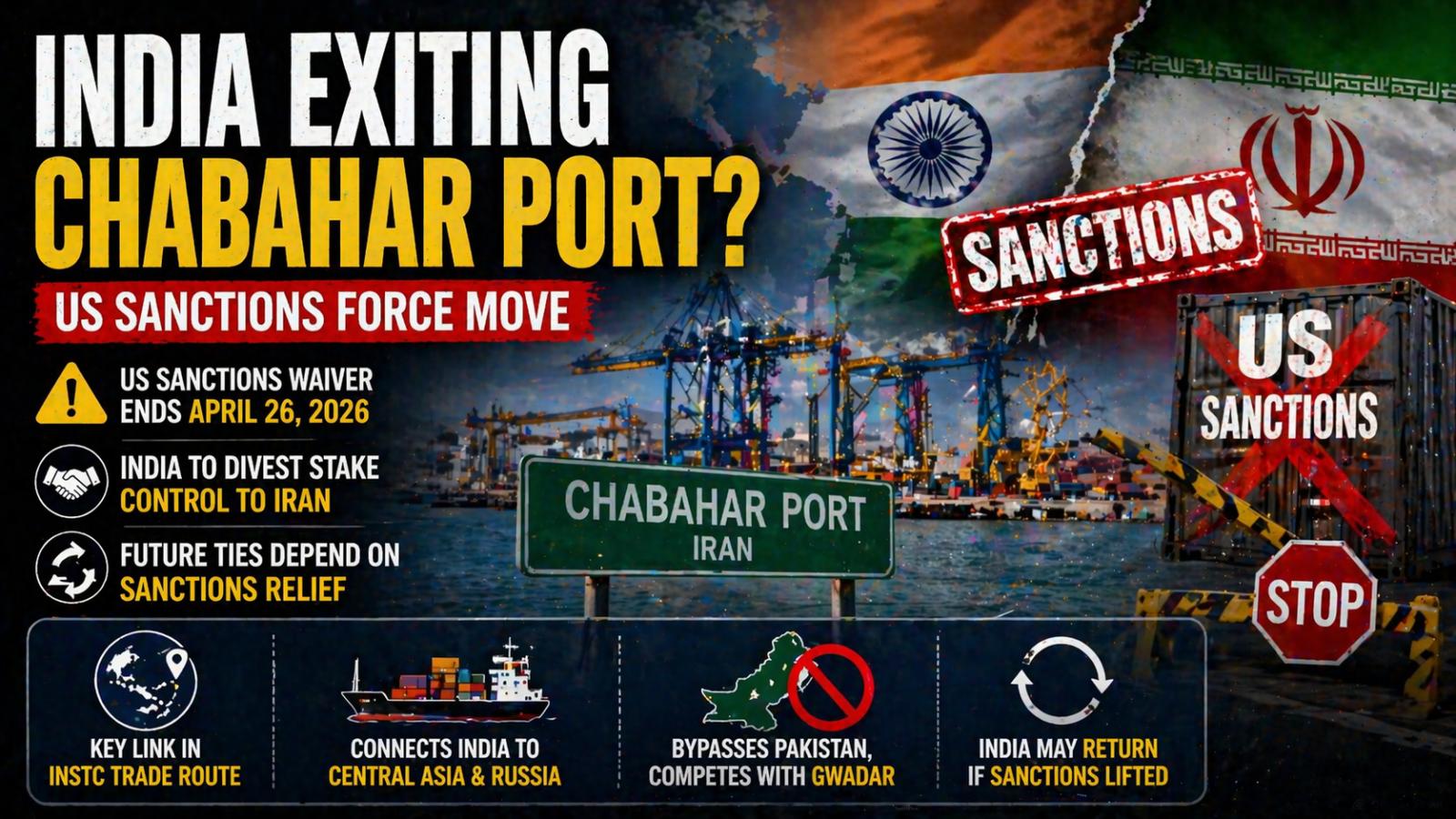
Why is India exiting Chabahar port? Government plans divestment amid US sanctions
Sanctions pressure drives India’s planned exit from Chabahar port Why is India exiting Chabahar port? Government plans divestment amid US sanctions as New Delhi prepares to step back from the strategic Iranian port ahead of the expiration of a US sanctions waiver on Sunday, April 26, 2026. The move is expected to transfer operational control to a local Iranian entity while preserving the possibility of India’s return if sanctions are lifted or a new waiver is g
Why is India exiting Chabahar port? Government plans divestment amid US sanctions
Sanctions pressure drives India’s planned exit from Chabahar port Why is India exiting Chabahar port? Government plans divestment amid US sanctions as New Delhi prepares to step back from the strategic Iranian port ahead of the expiration of a US sanctions waiver on Sunday, April 26, 2026. The move is expected to transfer operational control to a local Iranian entity while preserving the possibility of India’s return if sanctions are lifted or a new waiver is g










