The U.S.-Iran war cost Americans an estimated $132 billion before a preliminary agreement opened a 60-day negotiation period, according to Moody’s Analytics.
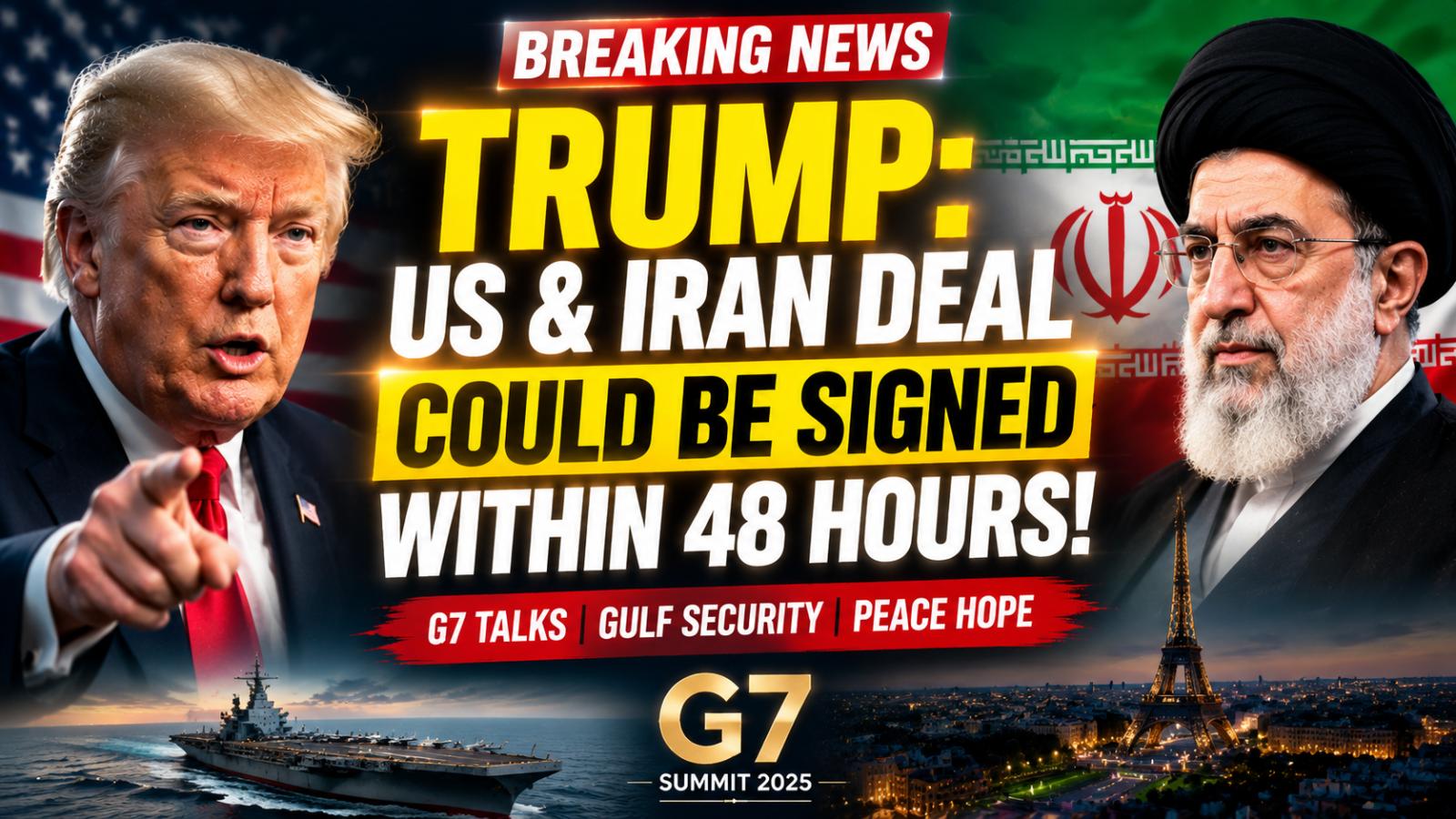
The framework was announced on Monday, June 15, 2026. President Donald Trump and Iranian President Masoud Pezeshkian signed the interim accord in France on Wednesday, June 17, 2026. The agreement pauses hostilities but is not a final peace treaty.
How the U.S.-Iran War Cost Americans $132 Billion
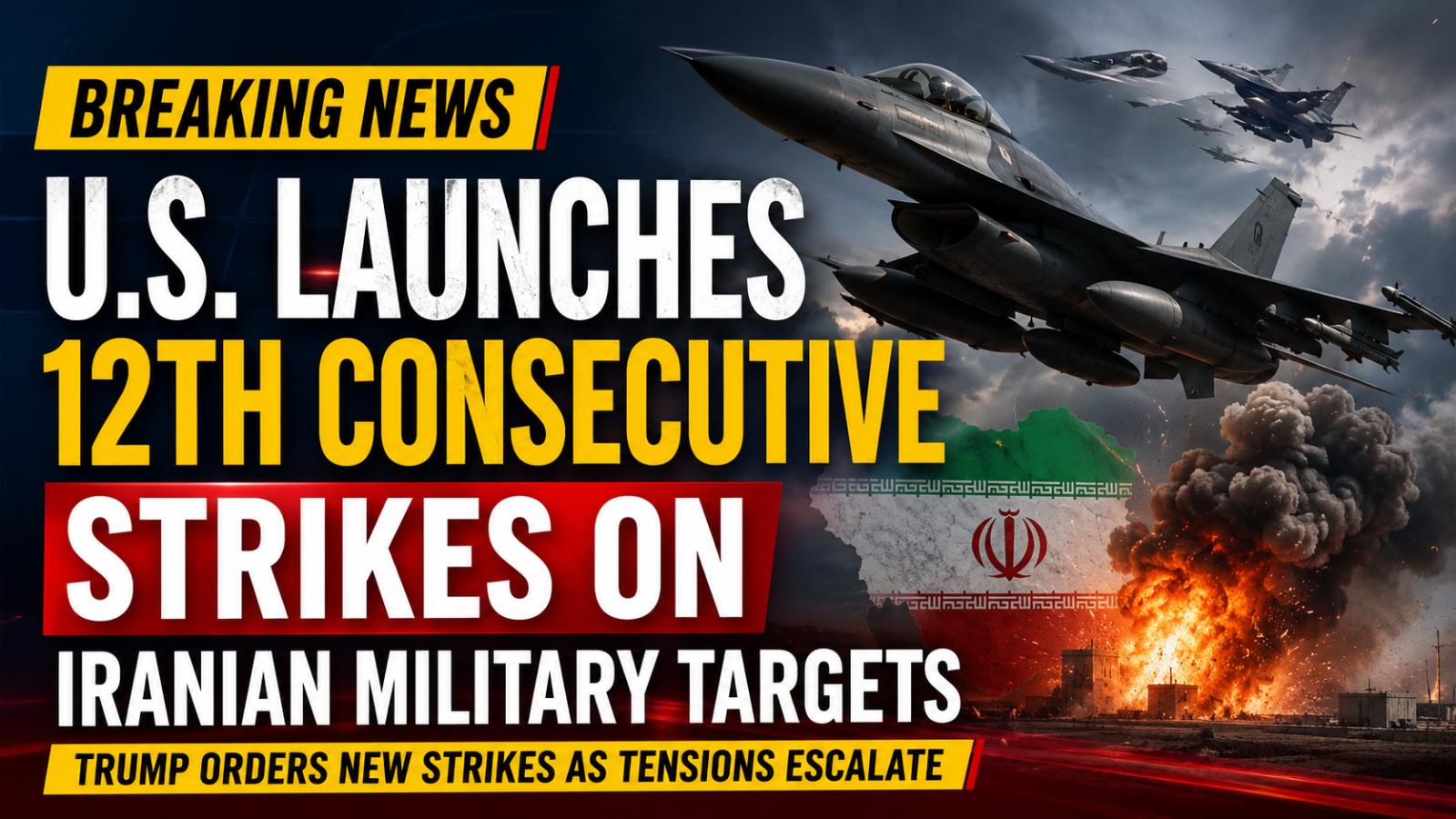
The war began on Saturday, February 28, 2026, when the United States and Israel launched strikes against Iran. More than 7,000 people were killed, primarily in Iran and Lebanon, while 13 U.S. service members also died during the conflict.
The $132 billion estimate combines direct government spending with broader costs carried by consumers and taxpayers. On Tuesday, May 12, 2026, a Pentagon official told Congress that direct U.S. military costs had reached about $29 billion.
Higher fuel prices created another major burden. A Brown University research brief found that Americans had spent more than $40 billion in additional gasoline and diesel costs by Monday, May 18, 2026. The study estimated that the average U.S. household had paid more than $300 extra because of the fuel-price shock.
Preliminary Agreement Leaves Major Questions Unresolved
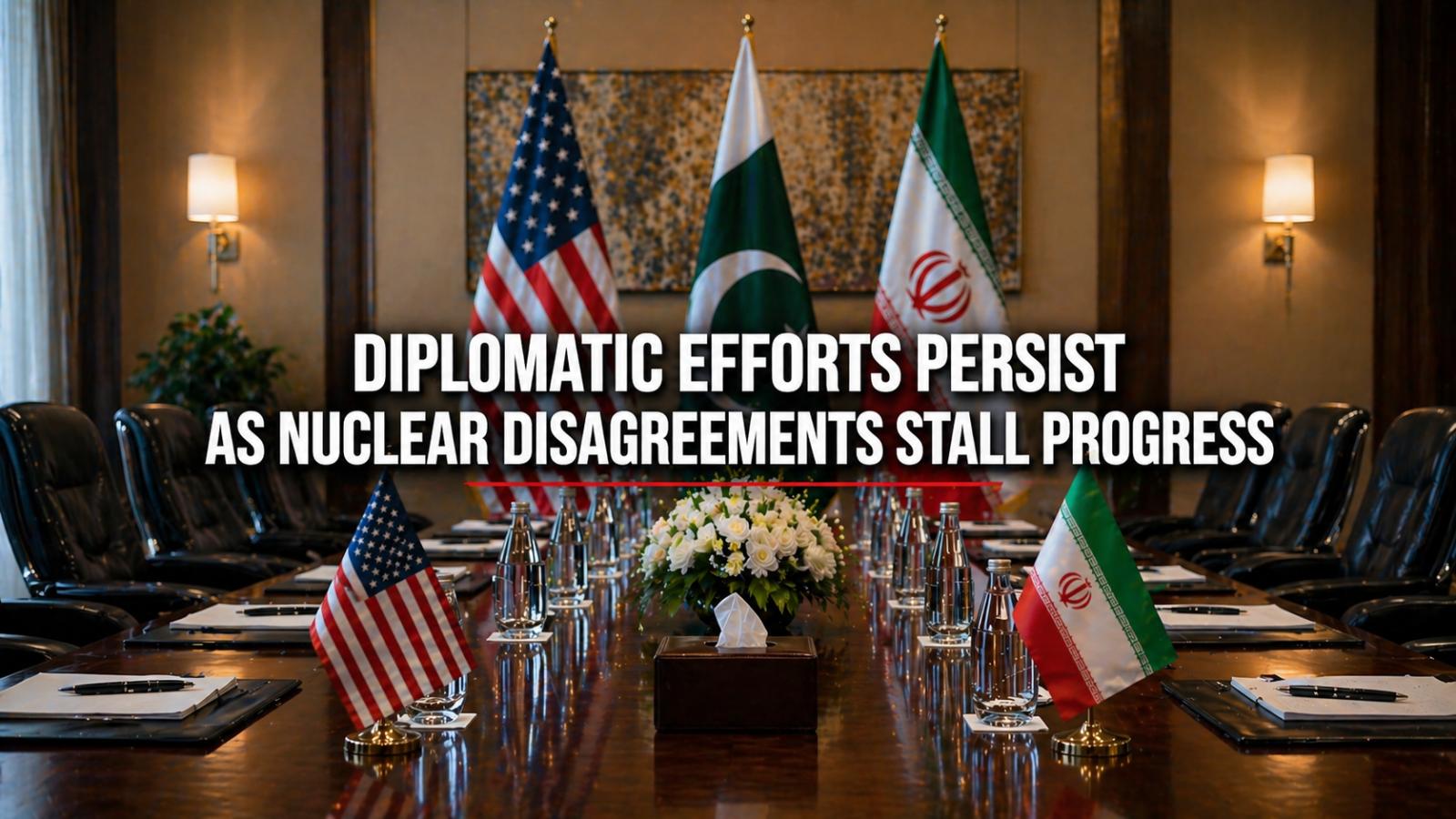
The interim U.S.-Iran agreement calls for a halt in military operations and begins 60 days of negotiations over a broader settlement. Issues involving sanctions, Iran’s nuclear program and commercial passage through the Strait of Hormuz remain central to the talks.
The fighting may have paused, but its financial effects could continue through household fuel bills, transportation costs and federal spending. The final cost will depend on whether the preliminary agreement holds and whether the two governments complete a lasting settlement.