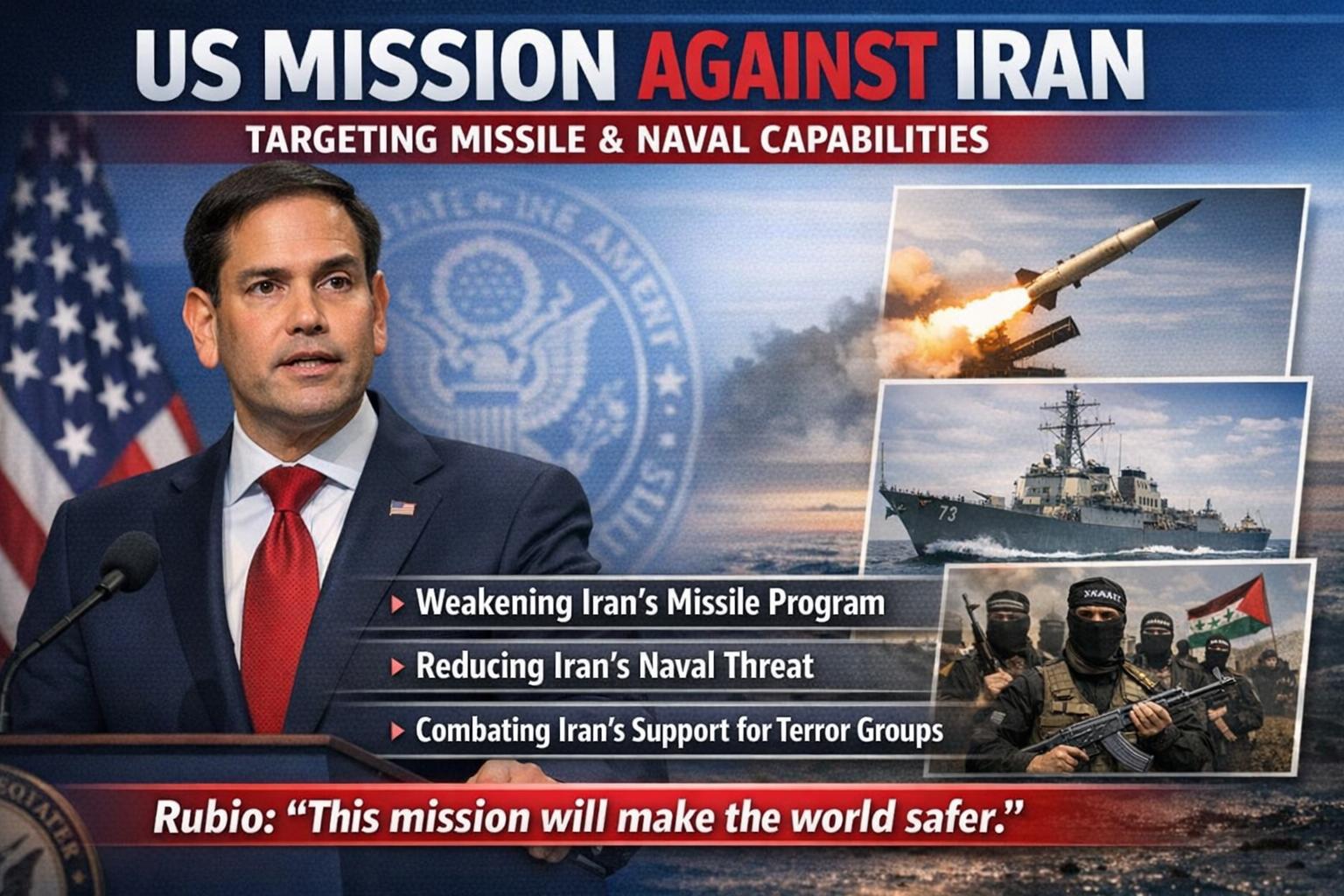
US Secretary of State Marco Rubio on Monday described Iran as the world’s leading sponsor of terrorism and said the ongoing American mission against the country’s ruling clerical regime is aimed at making the world safer once its objectives are achieved. Speaking at an event at the US State Department, Rubio said the goals of the mission are clearly defined and focus on dismantling Iran’s ability to threaten the region and the wider international community through its military capabilities.
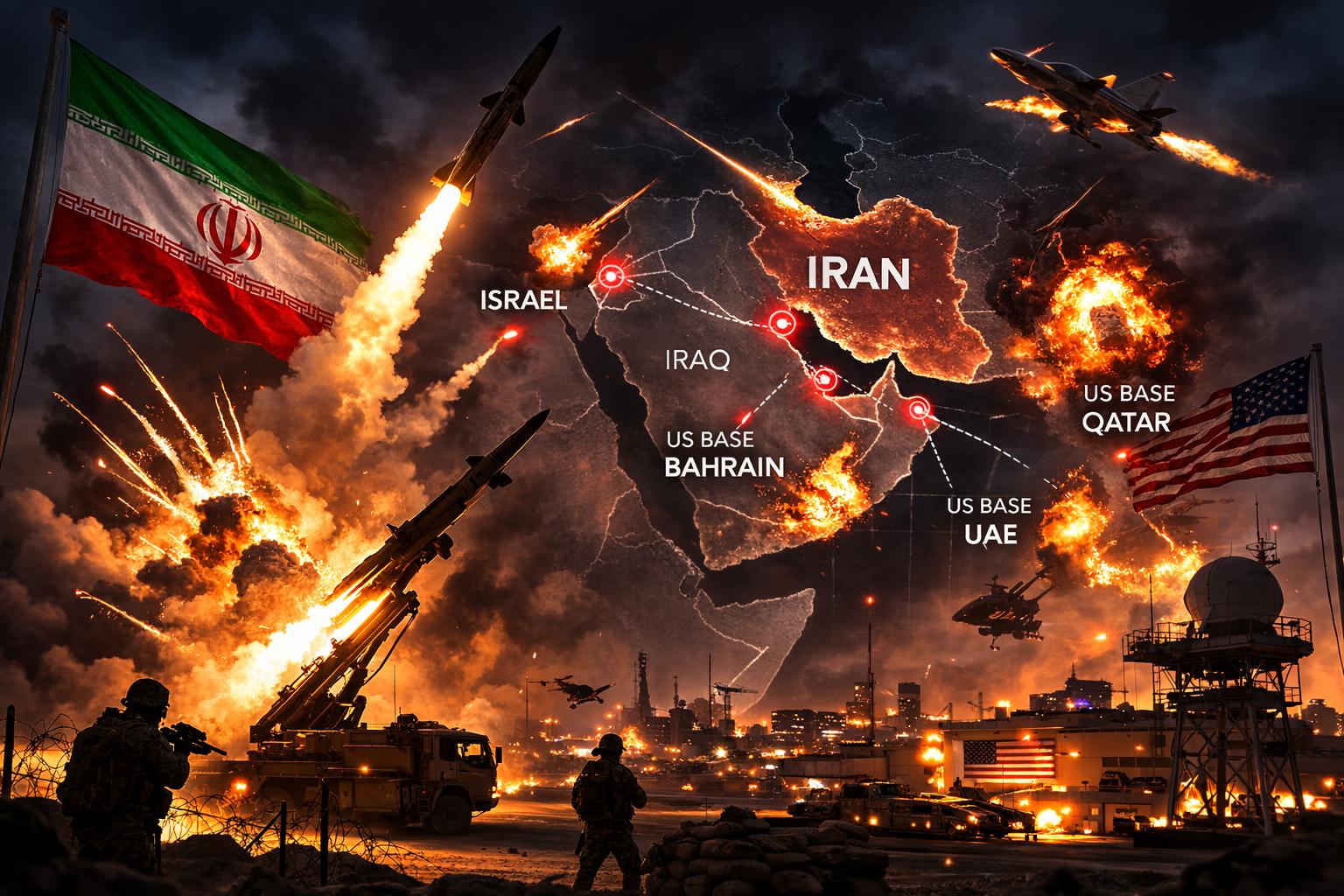
According to Rubio, the operation is specifically designed to weaken Iran’s missile program and limit its capacity to carry out attacks that could destabilize the Middle East. He emphasized that the United States believes it is important to remind people why the country’s military is involved in the operation and what it hopes to accomplish through the mission. The main objective, he said, is to destroy the regime’s ability to launch missiles by targeting both the weapons themselves and the systems that enable their deployment.
Rubio explained that the mission involves eliminating Iran’s existing missiles and launchers while also dismantling the facilities responsible for producing these weapons. By targeting the factories that manufacture missiles, the operation aims to significantly reduce the regime’s ability to rebuild or expand its missile arsenal in the future. He noted that removing these capabilities is seen as a critical step toward preventing potential attacks and maintaining stability in the region.
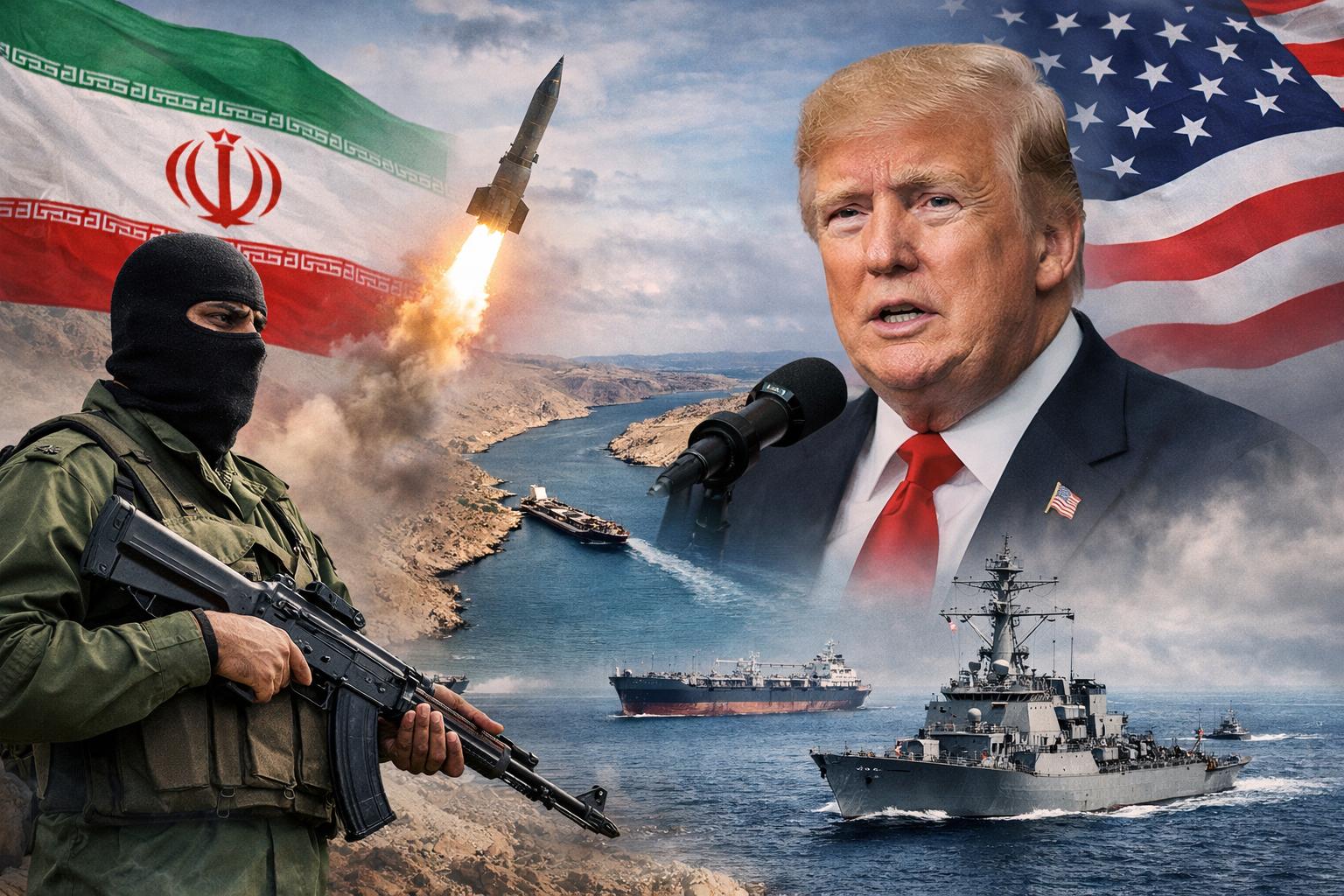
In addition to the missile program, Rubio said weakening Iran’s naval forces is another key goal of the mission. He stated that the United States views the country’s naval activities as a potential threat to regional security and international maritime routes. According to him, reducing Iran’s naval strength will help limit its ability to disrupt shipping lanes and carry out operations that could escalate tensions in the region.
Rubio also accused the Iranian leadership of supporting organizations involved in violent activities across the Middle East. He said the clerical regime has played a role in attacks targeting energy facilities and civilian infrastructure in neighboring countries. Such actions, he argued, have contributed to instability and heightened security concerns for governments across the region.
The US Secretary of State stressed that the mission is not only about immediate military objectives but also about long term global security. By weakening Iran’s ability to produce and deploy missiles and by reducing its naval power, the United States believes it can significantly lower the risks of future conflicts. Rubio maintained that limiting these capabilities will make it harder for the Iranian regime to threaten other nations or carry out attacks that could harm civilians and vital infrastructure.
He added that the operation reflects a broader effort by the United States to address what it sees as one of the most significant sources of instability in the Middle East. According to Rubio, Iran’s military strategy and its support for various groups across the region have long been viewed as a challenge to international security. The current mission, he said, is intended to directly address those concerns by targeting the military tools that enable such actions.
Rubio emphasized that the goals of the mission remain focused and specific. The United States, he said, is concentrating on dismantling capabilities that could be used to threaten regional allies and disrupt global stability. He also noted that once the operation achieves its objectives and Iran’s ability to launch missiles and conduct naval operations is significantly reduced, the outcome will be a safer and more stable international environment.
As tensions in the Middle East continue to evolve, Rubio maintained that the United States believes the mission is necessary to counter the threats posed by the Iranian regime. He concluded that once the operation is completed and the targeted capabilities are neutralized, it will contribute to improving security not only for the region but for the wider global community.
According to Rubio, the operation is specifically designed to weaken Iran’s missile program and limit its capacity to carry out attacks that could destabilize the Middle East. He emphasized that the United States believes it is important to remind people why the country’s military is involved in the operation and what it hopes to accomplish through the mission. The main objective, he said, is to destroy the regime’s ability to launch missiles by targeting both the weapons themselves and the systems that enable their deployment.
Rubio explained that the mission involves eliminating Iran’s existing missiles and launchers while also dismantling the facilities responsible for producing these weapons. By targeting the factories that manufacture missiles, the operation aims to significantly reduce the regime’s ability to rebuild or expand its missile arsenal in the future. He noted that removing these capabilities is seen as a critical step toward preventing potential attacks and maintaining stability in the region.
In addition to the missile program, Rubio said weakening Iran’s naval forces is another key goal of the mission. He stated that the United States views the country’s naval activities as a potential threat to regional security and international maritime routes. According to him, reducing Iran’s naval strength will help limit its ability to disrupt shipping lanes and carry out operations that could escalate tensions in the region.
Rubio also accused the Iranian leadership of supporting organizations involved in violent activities across the Middle East. He said the clerical regime has played a role in attacks targeting energy facilities and civilian infrastructure in neighboring countries. Such actions, he argued, have contributed to instability and heightened security concerns for governments across the region.
The US Secretary of State stressed that the mission is not only about immediate military objectives but also about long term global security. By weakening Iran’s ability to produce and deploy missiles and by reducing its naval power, the United States believes it can significantly lower the risks of future conflicts. Rubio maintained that limiting these capabilities will make it harder for the Iranian regime to threaten other nations or carry out attacks that could harm civilians and vital infrastructure.
He added that the operation reflects a broader effort by the United States to address what it sees as one of the most significant sources of instability in the Middle East. According to Rubio, Iran’s military strategy and its support for various groups across the region have long been viewed as a challenge to international security. The current mission, he said, is intended to directly address those concerns by targeting the military tools that enable such actions.
Rubio emphasized that the goals of the mission remain focused and specific. The United States, he said, is concentrating on dismantling capabilities that could be used to threaten regional allies and disrupt global stability. He also noted that once the operation achieves its objectives and Iran’s ability to launch missiles and conduct naval operations is significantly reduced, the outcome will be a safer and more stable international environment.
As tensions in the Middle East continue to evolve, Rubio maintained that the United States believes the mission is necessary to counter the threats posed by the Iranian regime. He concluded that once the operation is completed and the targeted capabilities are neutralized, it will contribute to improving security not only for the region but for the wider global community.