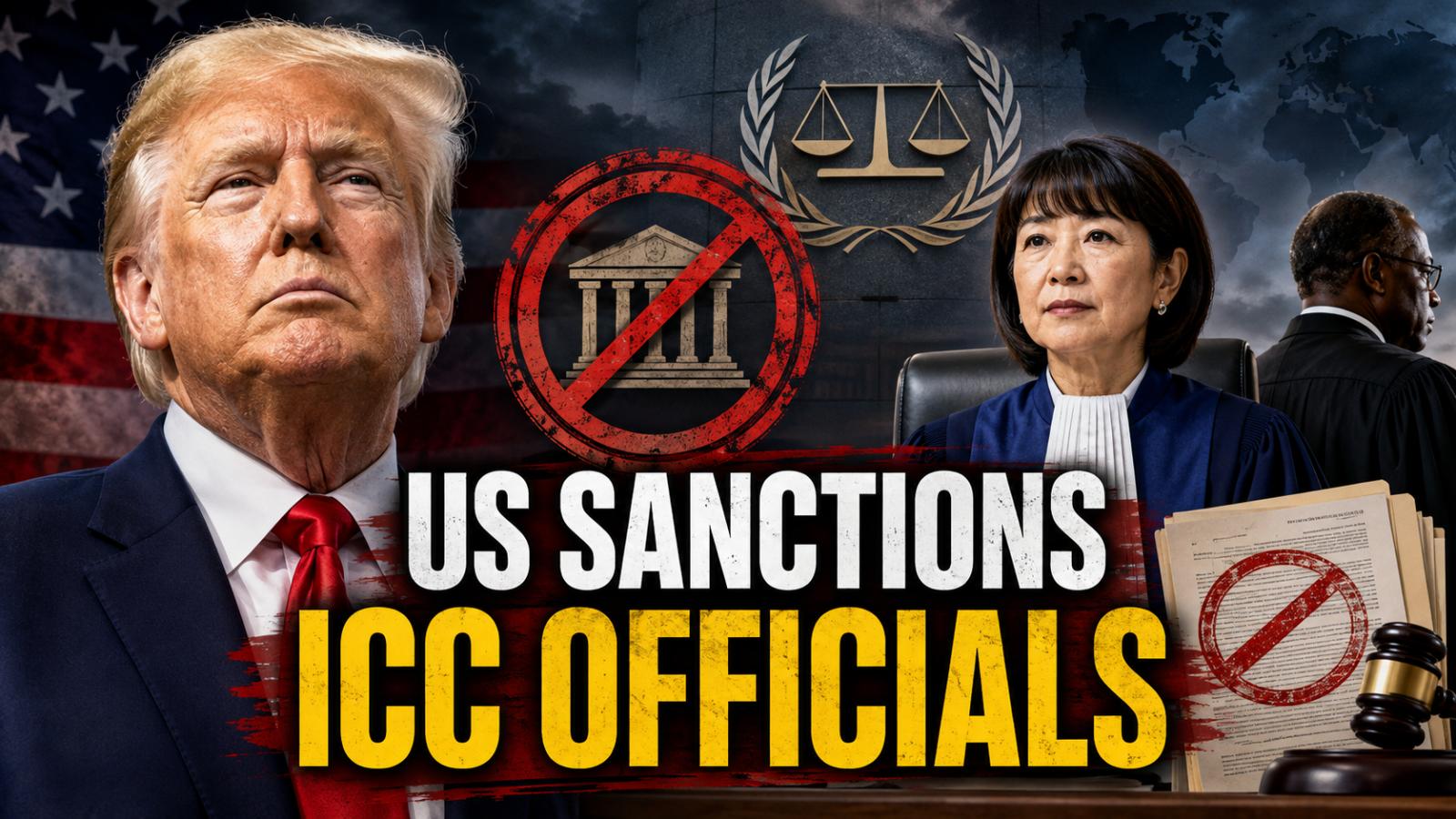
US ICC sanctions have intensified Washington's dispute with the International Criminal Court. The Trump administration has designated ICC President Tomoko Akane and senior trial lawyer Abdoulaye Seye, escalating the ICC jurisdiction row and its campaign over national sovereignty.
US ICC sanctions
The United States announced sanctions against two senior International Criminal Court officials on August 18, 2026, as President Donald Trump's administration increased pressure on the Hague-based tribunal. Secretary of State Marco Rubio identified Judge Tomoko Akane of Japan and Abdoulaye Seye of Senegal as the latest targets under Executive Order 14203.
The Treasury Department's Office of Foreign Assets Control subsequently added both officials to its Specially Designated Nationals and Blocked Persons List. Akane is the current president of the ICC, while official court documents identify Seye as a senior trial lawyer.
ICC jurisdiction row
Washington says the sanctions apply to foreign individuals directly involved in ICC efforts to investigate, arrest, detain or prosecute protected people without consent from their country of nationality. That authority comes from Section 1(a)(ii)(A) of Executive Order 14203, which Trump signed in February 2025.
The administration argues that the ICC has improperly asserted authority over nationals of countries that have not joined the Rome Statute. The United States is not a party to the treaty establishing the court, and Trump's executive order says Washington does not recognize ICC jurisdiction over US personnel without American consent.
Trump ICC action
The latest designations are part of a broader Trump ICC action aimed at restricting the court's ability to pursue officials from the United States and certain allied countries. The executive order allows the US to block property and financial interests belonging to designated individuals when those assets fall within US jurisdiction. It also provides for restrictions on certain transactions and entry into the United States.
OFAC also issued General License 12 alongside the August 18 designations, allowing specified transactions needed to wind down dealings involving Akane and Seye until September 17, 2026, subject to its conditions.
Akane and Seye sanctions
Judge Tomoko Akane has served as ICC president since March 2024, with her judicial term scheduled to run until March 2027. The court has continued to defend its mandate as an institution created to prosecute genocide, crimes against humanity, war crimes and other serious international crimes when jurisdictional requirements are met.
Seye, meanwhile, is a Senegalese legal official serving as a senior trial lawyer at the court. The US Treasury designation confirms his name as Abdoulaye Seye, correcting reports that have referred to him as “Aboudoulaye Seye.”
Rome Statute dispute
The confrontation reflects a deeper disagreement over how far an international court can exercise authority when alleged crimes involve citizens of states that have not joined it. Washington presents the issue as one of sovereign consent, while the ICC's legal framework can allow jurisdiction in circumstances linked to the territory of a state party or other recognized jurisdictional grounds.
The latest sanctions therefore go beyond two individual officials. They signal that the Trump administration is prepared to use US financial and diplomatic power against the court as the long-running dispute over ICC jurisdiction, national sovereignty and accountability enters a more confrontational phase.