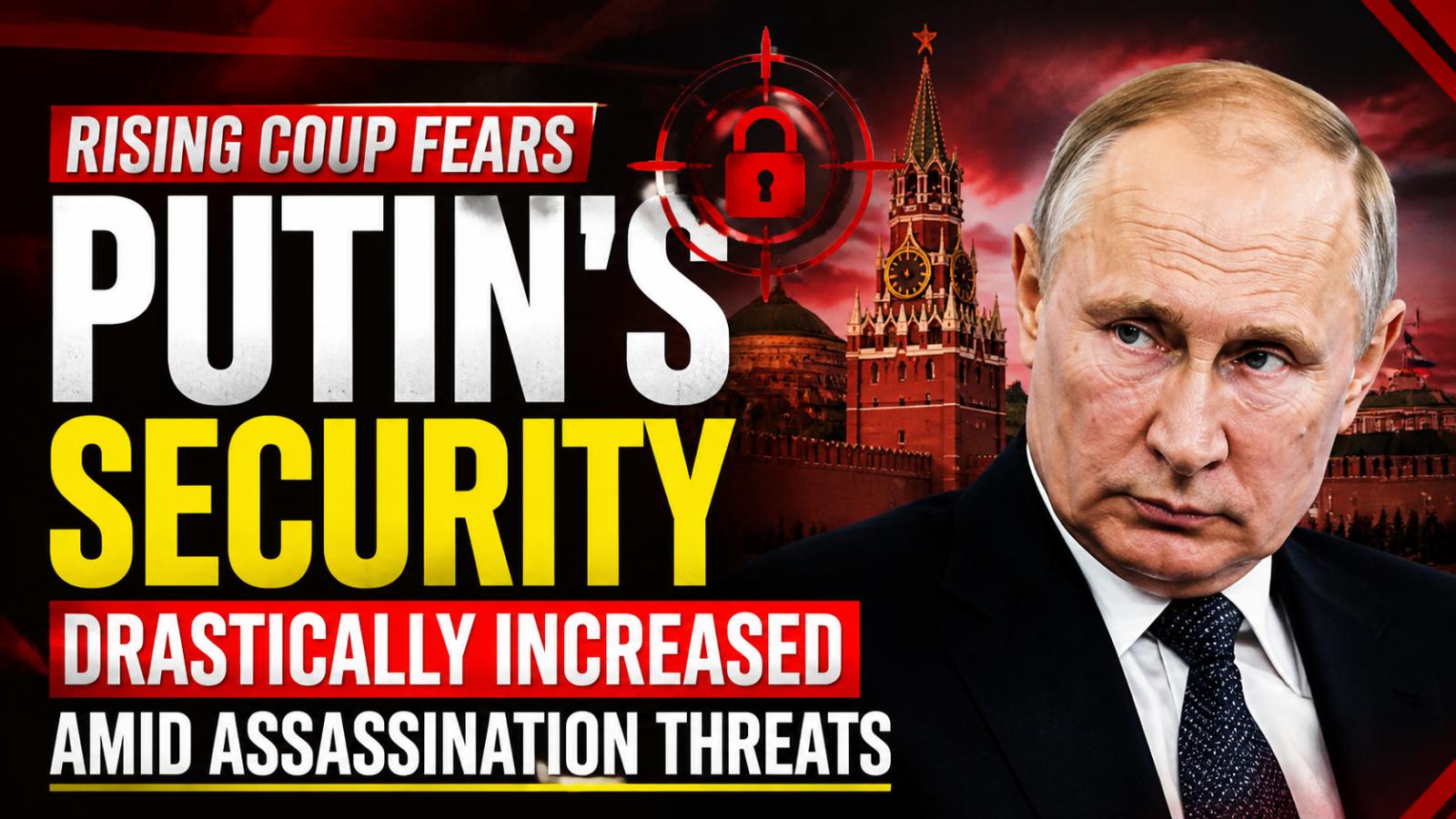
Russian President Vladimir Putin is facing an unprecedented level of security following growing concerns about a potential coup. These fears stem from a series of recent assassinations of senior Russian military figures, sparking widespread unease within the Kremlin. A European intelligence report reveals that Putin's security measures have been drastically increased, with surveillance systems now installed in the homes of his closest staff. These measures aim to prevent leaks of sensitive information and reduce the possibility of a plot against the president.
Additionally, those who work directly with the president, including his bodyguards, chefs, and photographers, are now prohibited from using public transportation. Instead, all personnel visiting Putin must undergo two rounds of screening. Moreover, they are restricted to using phones without internet access to further minimize the risk of communication leaks. The intensified security is reportedly a response to fears of assassination attempts, particularly from the growing power of Russian elites who are displeased with Putin's leadership, especially amid the ongoing conflict in Ukraine.
Former confidante’s role in coup fears
One of the major concerns surrounding Putin’s safety involves Sergei Shoigu, a former confidante and the former defense minister of Russia. Shoigu was removed from his post but still retains significant influence within the Russian military. According to the report, Shoigu is now linked to potential coup efforts, as he remains a powerful figure within Russia’s military high command.
Shoigu's influence over the Russian military is seen as a significant threat to Putin's reign, especially after the arrest of Ruslan Tsalikov, Shoigu's close associate, in March. This arrest has stirred political unrest within the Kremlin and raised suspicions about potential power shifts. The tensions within Russia's elite circles have added fuel to the fears of an internal coup, though the report does not provide direct evidence linking Shoigu to any active conspiracy.
Kremlin in turmoil over Ukraine war and dissent
The political climate within the Kremlin has grown increasingly unstable, particularly since the death of a top general in December, which triggered many of the heightened security measures. The fallout from this incident has led to fractures within Russia's security establishment, which is now divided over how to handle the fallout from the war in Ukraine. The rising costs and significant Russian military fatalities, estimated at 30,000 a month, have led to growing dissent within the political elite. Many believe the war has become unsustainable, further intensifying the pressure on Putin’s leadership.
Putin has not publicly visited a military facility in 2023 and has avoided his usual residences, including those in the Moscow region and Valdai. The president has stopped making public appearances out of fear for his safety, with the Kremlin opting to release pre-recorded videos and images to maintain his presence in the media. According to reports, Putin has spent weeks at a time in upgraded bunkers, particularly in the Krasnodar coastal region, in response to the escalating threat of a coup and potential drone attacks.
The ongoing crisis inside Russia's political structure
Amidst the growing security concerns, the Kremlin is facing increasing instability, with political dissidents pushing back against Putin’s decisions. The Ukraine war has become a focal point of this unrest, with many within the political and military elite questioning its sustainability. These issues, compounded by the rising death toll among Russian soldiers, continue to contribute to the growing volatility of Putin’s rule.
As fears of a coup mount, the situation inside the Kremlin remains precarious, with Putin’s tight security measures highlighting the level of tension and distrust among Russia’s political and military circles. The coming months may reveal whether these intensified precautions will be enough to protect Putin or if the risks posed by internal dissent and external threats will continue to grow.