






Ukraine Strikes Russian Oil Facilities As Fuel Prices Surge Globally
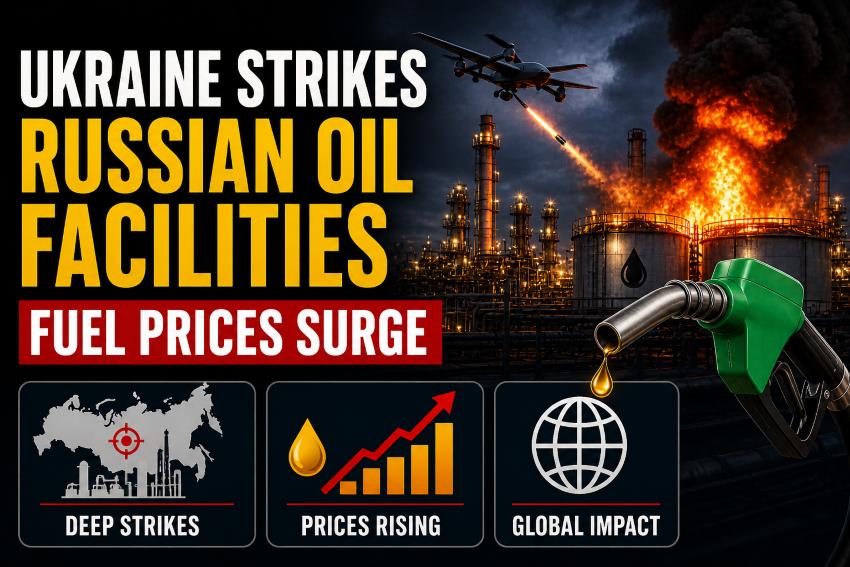
Ukraine has intensified its long-range strikes on energy infrastructure located deep inside Russia, targeting oil refineries, storage depots, and supply routes. These attacks mark a significant escalation in the ongoing
Ukraine Strikes Russian Oil Facilities As Fuel Prices Surge Globally
Ukraine has intensified its long-range strikes on energy infrastructure located deep inside Russia, targeting oil refineries, storage depots, and supply routes. These attacks mark a significant escalation in the ongoing
Trump Comments on Ukraine and Iran Wars Spark Confusion
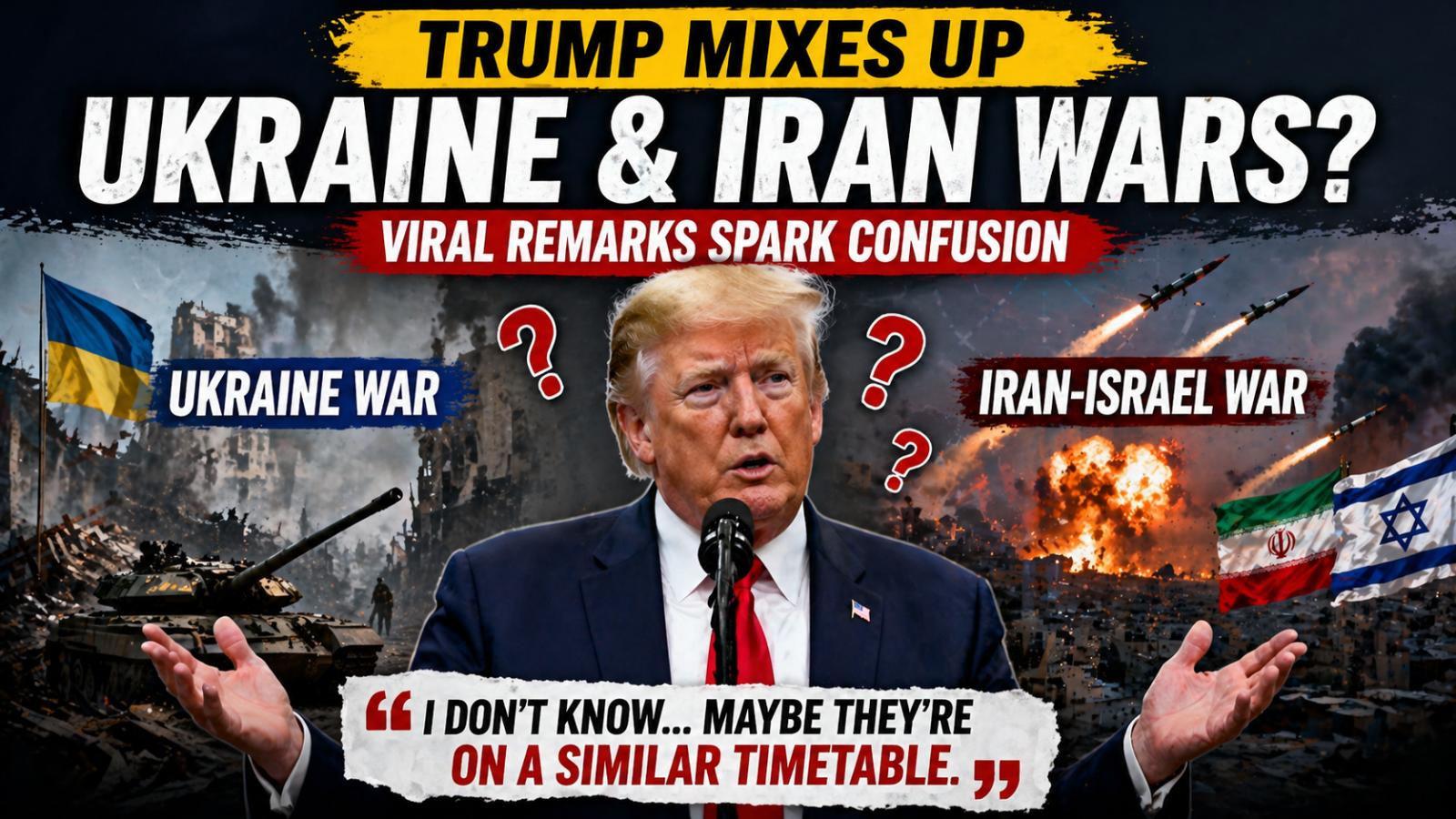
US President Donald Trump drew attention during a recent press interaction after appearing to confuse details while discussing two major international conflicts. The exchange took place as Trump addressed reporters during an event linked to the Artemis II mission crew, where he was asked which conflict might conclude first: the prolonged Russia-Ukraine war or the ongoing tensions involving Iran and Israel. In response, Trump suggested that both situations could follow a similar timeline, stating that he was uncertain which would end sooner. However, his subsequent remarks raised questions as he began describing military conditions that appeared inconsistent or unclear in context. He claimed that Ukraine was militarily defeated, referencing significant naval and air losses, including statements about ships being destroyed and aircraft being eliminated. Trump also cited reductions in missile and drone capabilities, though his comments did not clearly distinguish whether he was referring to Ukraine or Iran at various points. This lack of clarity led to widespread attention, with observers noting the difficulty in separating his analysis of the two conflicts. The Russia-Ukraine war has continued for years with ongoing military engagements, while tensions involving Iran, Israel, and US involvement have added another layer of complexity to global security dynamics. Trump’s remarks came at a time when both conflicts remain active and under close international observation. The moment quickly gained traction due to the ambiguity in the president’s statements, highlighting the challenges of addressing multiple geopolitical crises simultaneously in public forums.
Trump Comments on Ukraine and Iran Wars Spark Confusion
US President Donald Trump drew attention during a recent press interaction after appearing to confuse details while discussing two major international conflicts. The exchange took place as Trump addressed reporters during an event linked to the Artemis II mission crew, where he was asked which conflict might conclude first: the prolonged Russia-Ukraine war or the ongoing tensions involving Iran and Israel. In response, Trump suggested that both situations could follow a similar timeline, stating that he was uncertain which would end sooner. However, his subsequent remarks raised questions as he began describing military conditions that appeared inconsistent or unclear in context. He claimed that Ukraine was militarily defeated, referencing significant naval and air losses, including statements about ships being destroyed and aircraft being eliminated. Trump also cited reductions in missile and drone capabilities, though his comments did not clearly distinguish whether he was referring to Ukraine or Iran at various points. This lack of clarity led to widespread attention, with observers noting the difficulty in separating his analysis of the two conflicts. The Russia-Ukraine war has continued for years with ongoing military engagements, while tensions involving Iran, Israel, and US involvement have added another layer of complexity to global security dynamics. Trump’s remarks came at a time when both conflicts remain active and under close international observation. The moment quickly gained traction due to the ambiguity in the president’s statements, highlighting the challenges of addressing multiple geopolitical crises simultaneously in public forums.
Putin Proposes Ukraine Ceasefire as He Speaks With Trump on Global Crises
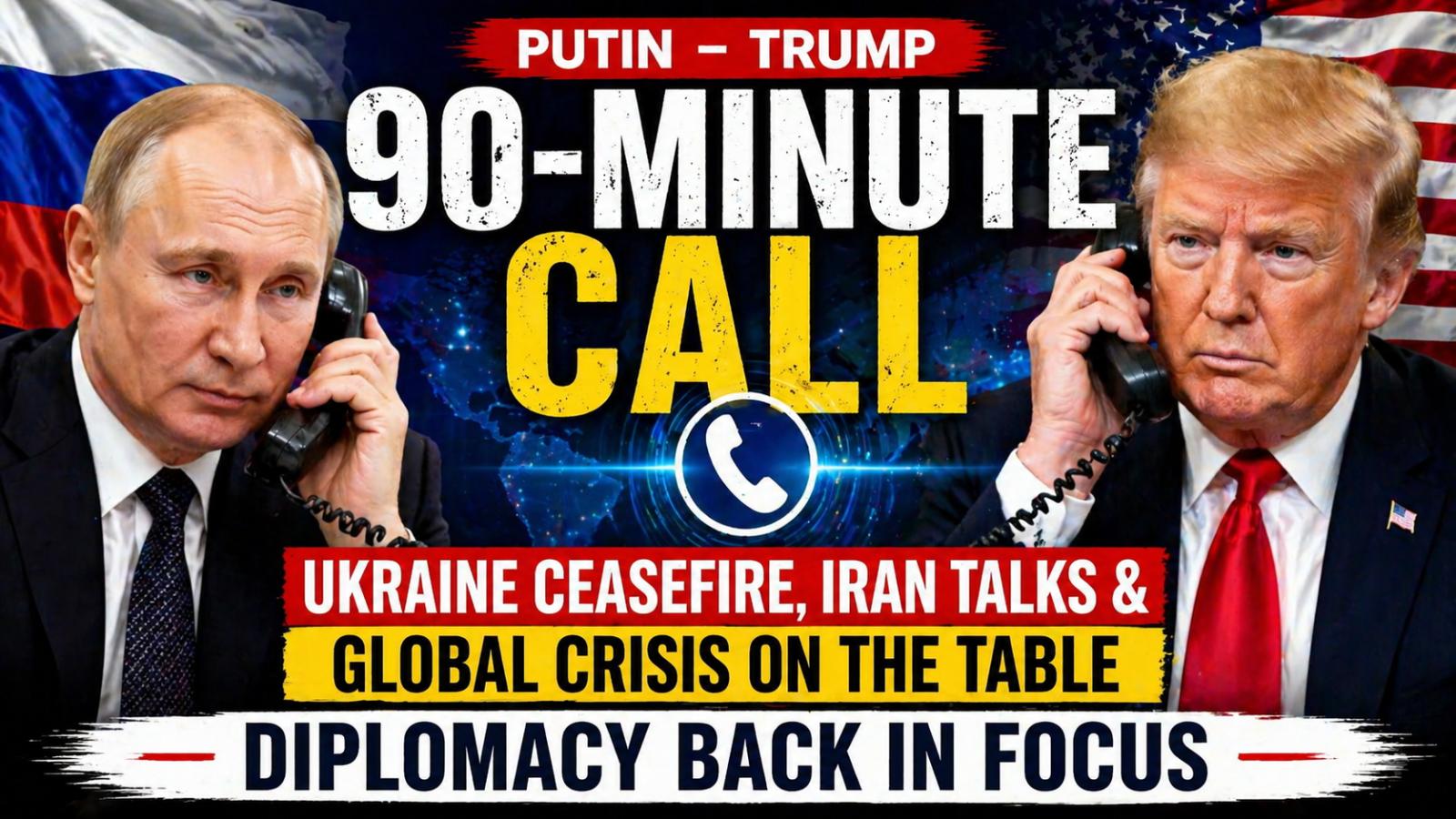
Russian President Vladimir Putin and US President Donald Trump held a phone call on Wednesday, discussing key global issues including the ongoing Ukraine war and rising tensions in the Middle East. The conversation, which lasted approximately 90 minutes, marked their first known direct contact since March and reflected continued diplomatic engagement between the two countries. According to Kremlin aide Yuri Ushakov, both leaders focused extensively on developments in the Middle East, particularly the situation involving Iran and the broader Persian Gulf region. Ushakov said Putin supported Trump’s decision to extend a ceasefire with Iran, noting that such a move could create space for negotiations and contribute to regional stability. The discussion also included specific proposals from Russia regarding Iran, though details were not publicly disclosed. The Ukraine conflict was another central topic of the call. Putin reportedly expressed readiness to declare a temporary ceasefire to coincide with Russia’s Victory Day on May 9, an annual commemoration of the Soviet Union’s victory in World War II. The proposal is seen as a symbolic gesture tied to a major national observance, although its broader implications remain unclear. During the call, Putin also condemned the recent shooting at the White House Correspondents’ Association dinner and conveyed support in response to the incident. Additionally, he extended birthday greetings to Melania Trump and acknowledged her efforts in humanitarian matters, including initiatives aimed at reconnecting families affected by the Russia-Ukraine conflict. Victory Day, observed annually in Moscow with a military parade, will reportedly be scaled back this year due to security concerns, including potential threats of retaliatory strikes. The call highlights ongoing dialogue between the two leaders amid complex geopolitical challenges.
Putin Proposes Ukraine Ceasefire as He Speaks With Trump on Global Crises
Russian President Vladimir Putin and US President Donald Trump held a phone call on Wednesday, discussing key global issues including the ongoing Ukraine war and rising tensions in the Middle East. The conversation, which lasted approximately 90 minutes, marked their first known direct contact since March and reflected continued diplomatic engagement between the two countries. According to Kremlin aide Yuri Ushakov, both leaders focused extensively on developments in the Middle East, particularly the situation involving Iran and the broader Persian Gulf region. Ushakov said Putin supported Trump’s decision to extend a ceasefire with Iran, noting that such a move could create space for negotiations and contribute to regional stability. The discussion also included specific proposals from Russia regarding Iran, though details were not publicly disclosed. The Ukraine conflict was another central topic of the call. Putin reportedly expressed readiness to declare a temporary ceasefire to coincide with Russia’s Victory Day on May 9, an annual commemoration of the Soviet Union’s victory in World War II. The proposal is seen as a symbolic gesture tied to a major national observance, although its broader implications remain unclear. During the call, Putin also condemned the recent shooting at the White House Correspondents’ Association dinner and conveyed support in response to the incident. Additionally, he extended birthday greetings to Melania Trump and acknowledged her efforts in humanitarian matters, including initiatives aimed at reconnecting families affected by the Russia-Ukraine conflict. Victory Day, observed annually in Moscow with a military parade, will reportedly be scaled back this year due to security concerns, including potential threats of retaliatory strikes. The call highlights ongoing dialogue between the two leaders amid complex geopolitical challenges.
Julie Davis Announces Exit as US Faces Challenges in Ukraine Peace Efforts
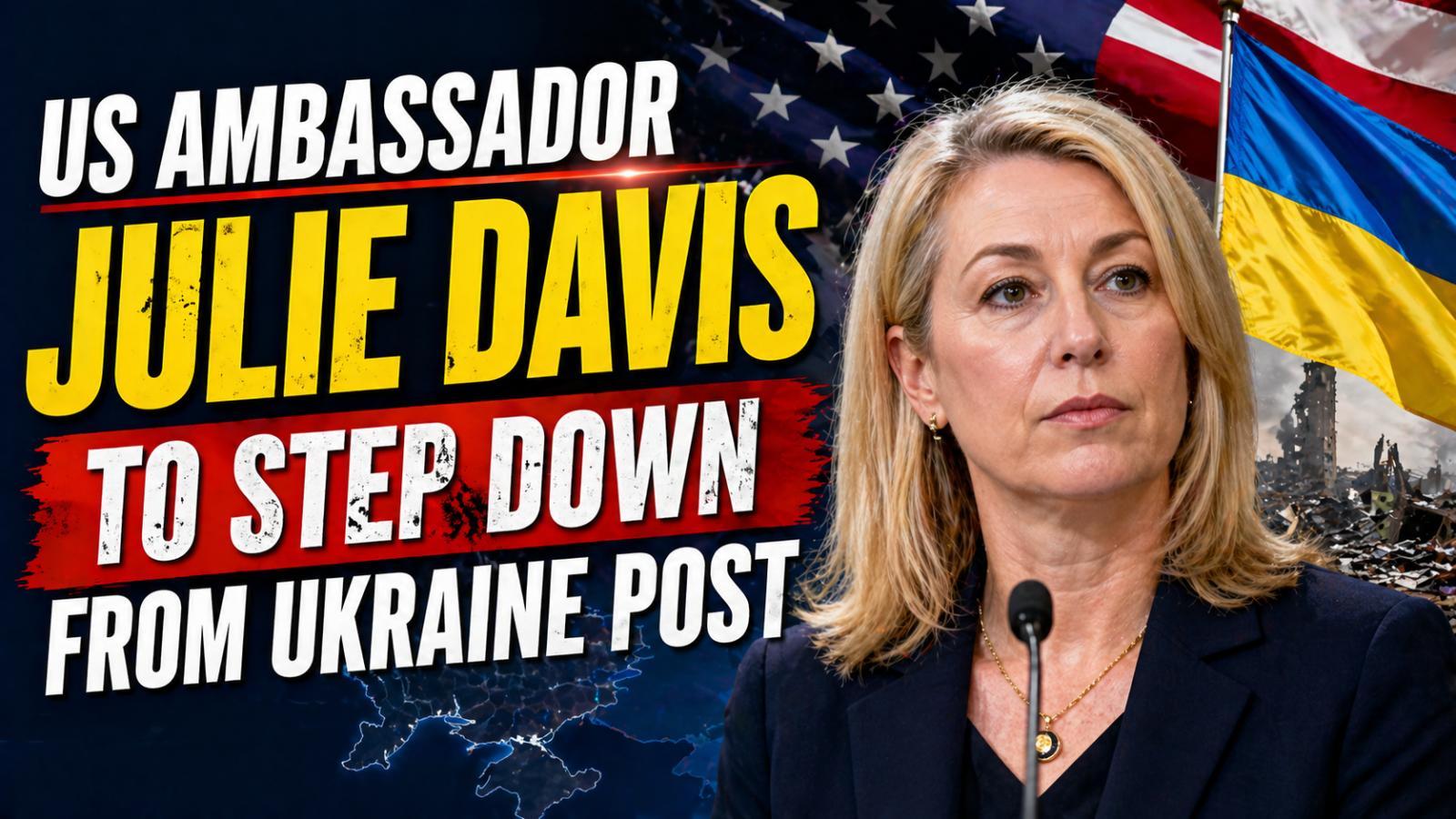
The United States Department of State confirmed on April 28 that Julie Davis will step down from her role as acting ambassador to Ukraine after serving less than a year in the position. The announcement comes at a time when diplomatic efforts by the United States to facilitate a peace agreement between Ukraine and Russia have yet to produce a breakthrough. Davis, who also serves as ambassador to Cyprus, had been handling dual responsibilities since her appointment by Donald Trump in May of the previous year. She assumed the Kyiv role following the departure of Bridget Brink, who had been appointed earlier and later stepped down. The State Department stated that Davis cited retirement as the reason for her decision. Her tenure coincided with increased diplomatic pressure from Washington on Kyiv to consider terms that could advance negotiations with Moscow. Trump has publicly emphasized the need for a resolution, including the possibility of territorial concessions by Ukraine, as part of a broader effort to secure a ceasefire. However, these initiatives have not resulted in a formal agreement, and fighting has continued without a comprehensive settlement. Reports suggesting internal disagreements regarding US policy toward Ukraine were rejected by officials, who maintained that no such disputes influenced Davis’s decision. Brink, Davis’s predecessor, had previously expressed concern over what she described as an approach that placed disproportionate pressure on Ukraine during negotiations. Davis’s departure highlights the ongoing complexity of US diplomatic engagement in the region. With peace talks stalled and geopolitical tensions unresolved, the transition comes at a critical moment for American foreign policy and its role in shaping outcomes in Eastern Europe.
Julie Davis Announces Exit as US Faces Challenges in Ukraine Peace Efforts
The United States Department of State confirmed on April 28 that Julie Davis will step down from her role as acting ambassador to Ukraine after serving less than a year in the position. The announcement comes at a time when diplomatic efforts by the United States to facilitate a peace agreement between Ukraine and Russia have yet to produce a breakthrough. Davis, who also serves as ambassador to Cyprus, had been handling dual responsibilities since her appointment by Donald Trump in May of the previous year. She assumed the Kyiv role following the departure of Bridget Brink, who had been appointed earlier and later stepped down. The State Department stated that Davis cited retirement as the reason for her decision. Her tenure coincided with increased diplomatic pressure from Washington on Kyiv to consider terms that could advance negotiations with Moscow. Trump has publicly emphasized the need for a resolution, including the possibility of territorial concessions by Ukraine, as part of a broader effort to secure a ceasefire. However, these initiatives have not resulted in a formal agreement, and fighting has continued without a comprehensive settlement. Reports suggesting internal disagreements regarding US policy toward Ukraine were rejected by officials, who maintained that no such disputes influenced Davis’s decision. Brink, Davis’s predecessor, had previously expressed concern over what she described as an approach that placed disproportionate pressure on Ukraine during negotiations. Davis’s departure highlights the ongoing complexity of US diplomatic engagement in the region. With peace talks stalled and geopolitical tensions unresolved, the transition comes at a critical moment for American foreign policy and its role in shaping outcomes in Eastern Europe.
India Enters Top Five as Global Defense Spending Surge
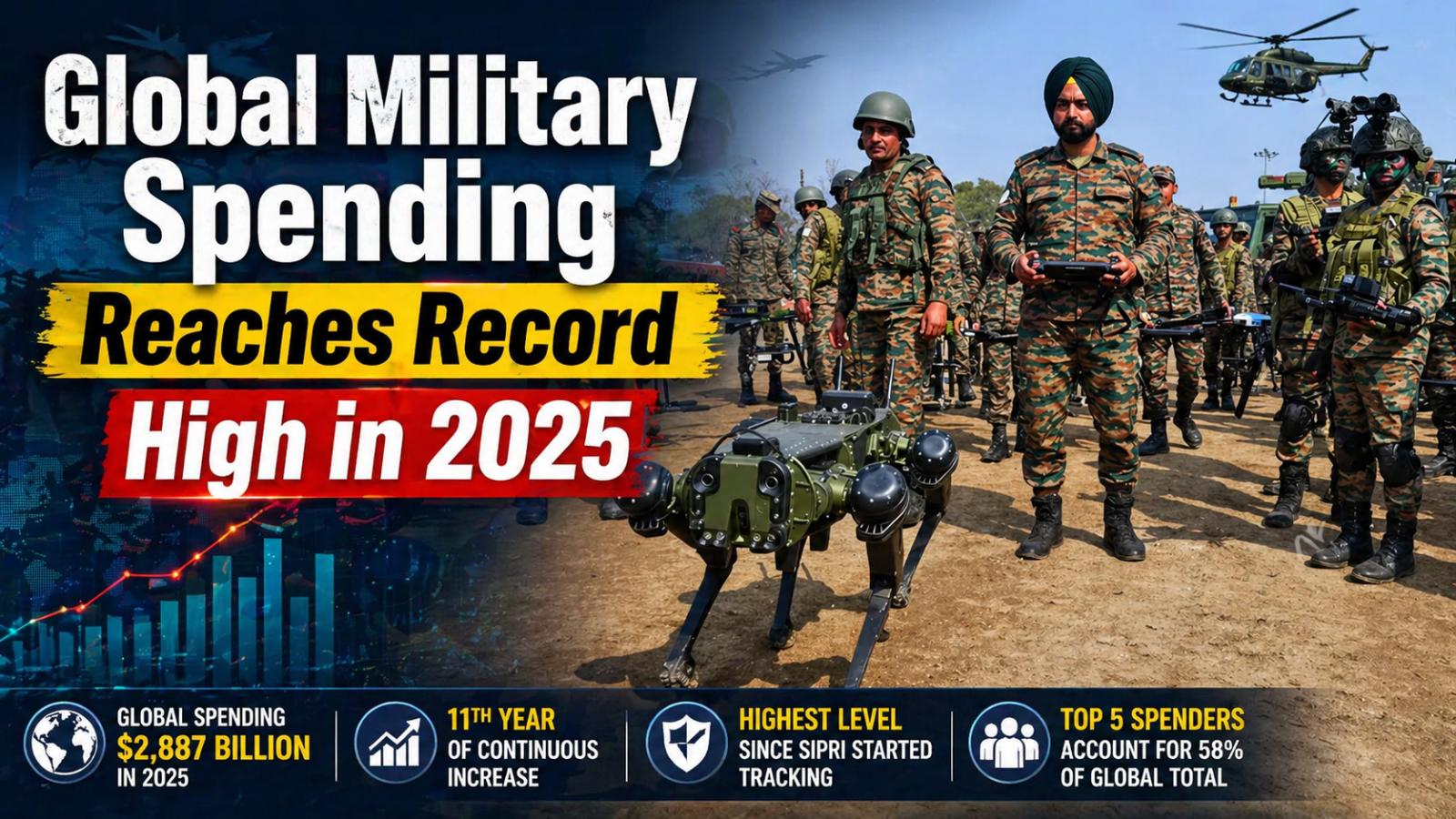
Global military spending reached a record $2,887 billion in 2025, marking the eleventh consecutive year of growth and the highest level ever recorded. According to the latest SIPRI report, the increase reflects rising geopolitical tensions, ongoing conflicts, and a shifting global security environment that has prompted governments to expand their defense budgets. India emerged as one of the world’s top military spenders, entering the top five for the first time with total expenditure of $92.1 billion. The country’s defense spending rose by 8.9 percent, reflecting heightened security concerns and operational demands. The report noted that this increase coincided with armed tensions involving Pakistan in May 2025, during which India deployed a range of military assets including aircraft, drones, and missile systems. The five largest spenders—the United States, China, Russia, Germany, and India—collectively accounted for 58 percent of global military expenditure, totaling $1,686 billion. Pakistan also increased its defense budget by 11 percent to $11.9 billion, driven largely by procurement activities and ongoing modernization efforts following regional tensions. Europe was identified as the primary contributor to the global rise in military spending, with a 14 percent increase bringing the region’s total to $864 billion. This marked the fastest growth in Central and Western Europe since the Cold War, as countries accelerated rearmament programs in response to security concerns, particularly the ongoing conflict involving Russia and Ukraine. The United States remained the largest military spender globally, allocating $954 billion in 2025. However, this represented a 7.5 percent decline compared to the previous year. The decrease was attributed mainly to reduced financial assistance to Ukraine, contrasting with higher levels of support in earlier years. Overall, the data highlights a continued global trend toward increased defense investment, driven by evolving security challenges and shifting geopolitical dynamics.
India Enters Top Five as Global Defense Spending Surge
Global military spending reached a record $2,887 billion in 2025, marking the eleventh consecutive year of growth and the highest level ever recorded. According to the latest SIPRI report, the increase reflects rising geopolitical tensions, ongoing conflicts, and a shifting global security environment that has prompted governments to expand their defense budgets. India emerged as one of the world’s top military spenders, entering the top five for the first time with total expenditure of $92.1 billion. The country’s defense spending rose by 8.9 percent, reflecting heightened security concerns and operational demands. The report noted that this increase coincided with armed tensions involving Pakistan in May 2025, during which India deployed a range of military assets including aircraft, drones, and missile systems. The five largest spenders—the United States, China, Russia, Germany, and India—collectively accounted for 58 percent of global military expenditure, totaling $1,686 billion. Pakistan also increased its defense budget by 11 percent to $11.9 billion, driven largely by procurement activities and ongoing modernization efforts following regional tensions. Europe was identified as the primary contributor to the global rise in military spending, with a 14 percent increase bringing the region’s total to $864 billion. This marked the fastest growth in Central and Western Europe since the Cold War, as countries accelerated rearmament programs in response to security concerns, particularly the ongoing conflict involving Russia and Ukraine. The United States remained the largest military spender globally, allocating $954 billion in 2025. However, this represented a 7.5 percent decline compared to the previous year. The decrease was attributed mainly to reduced financial assistance to Ukraine, contrasting with higher levels of support in earlier years. Overall, the data highlights a continued global trend toward increased defense investment, driven by evolving security challenges and shifting geopolitical dynamics.
EU approves $105 billion Ukraine loan and new Russia sanctions after deadlock ends
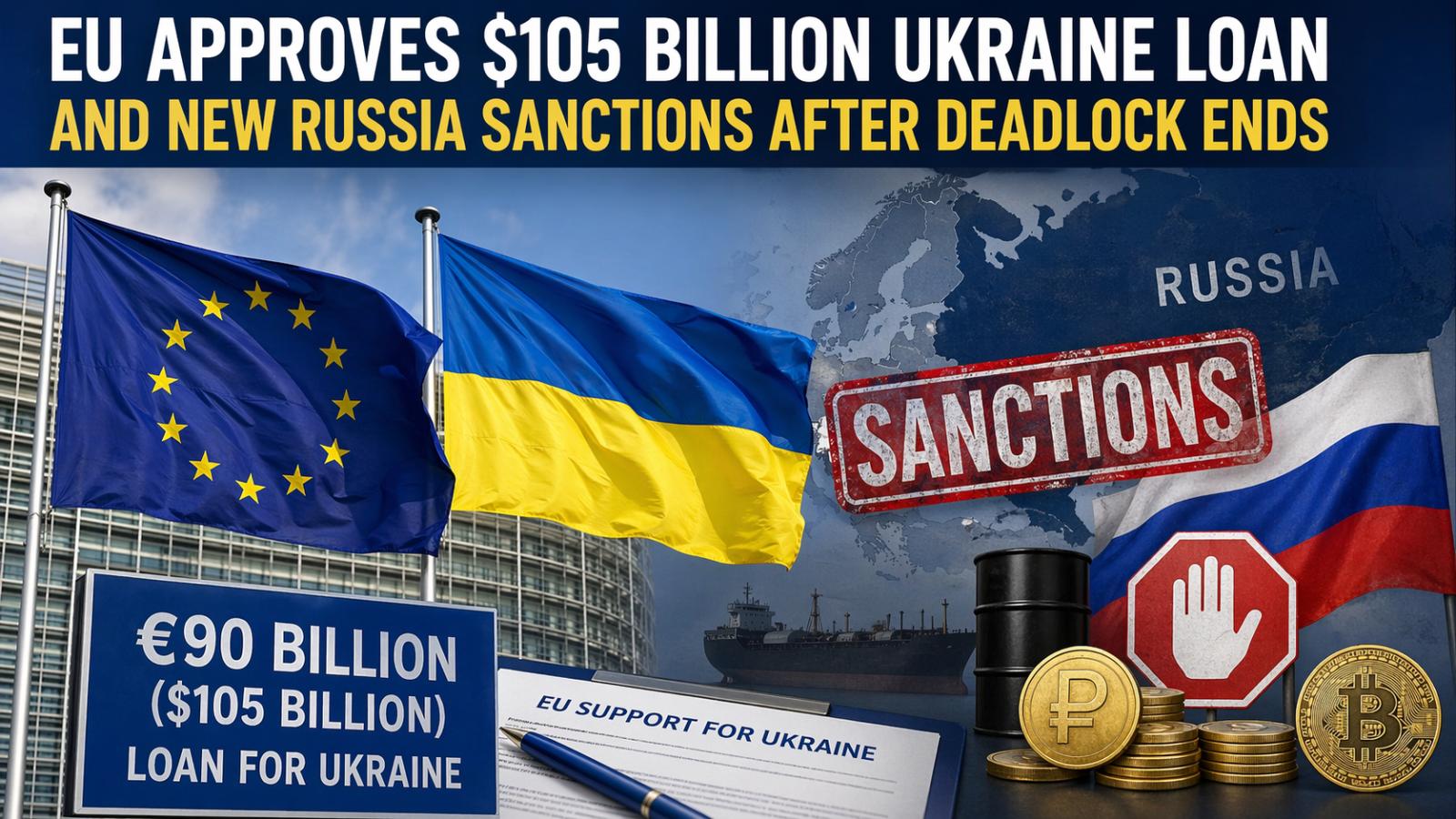
EU approves major Ukraine aid and new Russia sanctions after resolving internal disputes, strengthening Kyiv’s position and increasing pressure on Moscow amid ongoing war. EU approves $105 billion Ukraine loan and new Russia sanctions after deadlock ends. The European Union on Thursday, April 23, 2026, granted final approval to a €90 billion ($105 billion) loan for Ukraine and endorsed a new round of sanctions against Russia, marking a significant shift
EU approves $105 billion Ukraine loan and new Russia sanctions after deadlock ends
EU approves major Ukraine aid and new Russia sanctions after resolving internal disputes, strengthening Kyiv’s position and increasing pressure on Moscow amid ongoing war. EU approves $105 billion Ukraine loan and new Russia sanctions after deadlock ends. The European Union on Thursday, April 23, 2026, granted final approval to a €90 billion ($105 billion) loan for Ukraine and endorsed a new round of sanctions against Russia, marking a significant shift
How Iran’s affordable drones are challenging America’s expensive interceptors
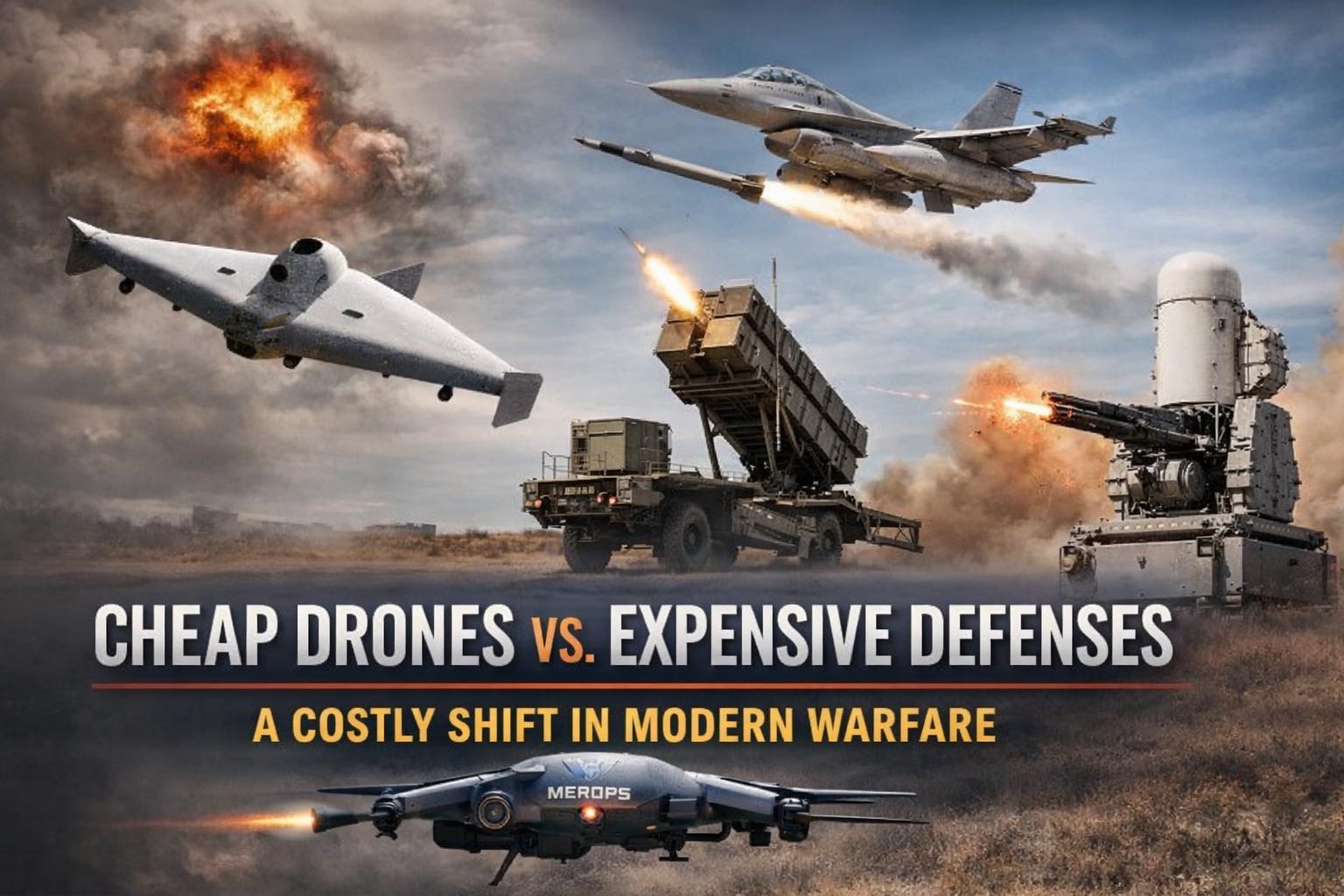
One of the most striking lessons from the war with Iran is how a relatively low-cost adversary has exposed vulnerabilities in U.S. defense strategy. Iran has demonstrated both a willingness to go on the offensive and an ability to leverage inexpensive drone technology at scale. These drones, often built with commercial-grade components, cost roughly $35,000 each—far less than the high-end interceptors used to destroy them. This imbalance has forced the United States and its allies to confront a new reality: modern warfare is no longer dominated solely by precision and sophistication, but also by affordability and volume. Cheap drones had already reshaped the battlefield in Ukraine, and Iran has now applied similar tactics in the Middle East, exploiting a long-standing gap in U.S. defense investments that favored fewer, more expensive systems over scalable solutions. Why are U.S. defenses struggling with cost efficiency? Because interceptors far exceed drone prices The financial mismatch is stark. In just the first six days of the conflict, the U.S. spent $11.3 billion, with estimates later rising to between $25 billion and $35 billion. A significant portion of that cost comes from interceptor missiles used to shoot down relatively inexpensive drones. Despite years of Pentagon focus on counter-drone capabilities, experts like Michael C. Horowitz note that there has been little urgency to scale affordable solutions. The result is a defense strategy where each engagement can cost far more than the threat itself—an unsustainable model in prolonged conflicts. How do air-based defenses work against drones? By using early detection and precision strikes—when available In an ideal scenario, airborne early warning systems detect drones hundreds of miles away. Fighter jets such as the F-16 Fighting Falcon are then deployed to intercept them using relatively cheaper rocket systems like APKWS II. This method is among the most cost-efficient, but it depends heavily on maintaining constant air patrols and intact detection systems. Iran has targeted these early warning assets, limiting their effectiveness and reducing the availability of this optimal defense approach. What role do ground and naval systems play? They offer range and reliability but at a steep price When air defenses are unavailable, the U.S. relies on ground- and sea-based systems. These include: Short-range systems like the Coyote, designed specifically for drones and relatively cost-effective—but in short supply. Naval destroyers using radar and SM-2 interceptors, which are powerful but expensive and designed for larger threats. The Patriot missile system, capable of intercepting drones from long distances using costly PAC-3 missiles. These systems were originally built to counter high-end threats like ballistic missiles, not swarms of cheap drones. As a result, they are often overkill—both technologically and financially—for the task at hand. Still, their use can be justified when defending high-value assets, such as billion-dollar radar installations or critical military infrastructure. What are the emerging solutions to counter drones? AI interceptors and lasers show promise but remain unproven New approaches aim to fix the cost imbalance. AI-powered interceptor drones, such as the Merops system developed by a company founded by Eric Schmidt, represent a potential shift toward cheaper, scalable defenses. These systems have been tested in collaboration with Ukrainian forces experienced in countering Iranian drones. The U.S. has already sent thousands of these units to the Middle East and begun training troops, though it remains unclear whether they have been deployed in combat. Meanwhile, the Pentagon has invested heavily in directed energy weapons—lasers that could cost as little as $3 per shot and reach targets up to 12 miles away. However, these systems have yet to be fielded in real-world combat. Why is ammunition depletion a growing concern? Because stockpiles may run out faster than they can be replaced Beyond cost, a more immediate concern is supply. Experts warn that interceptor stockpiles are being depleted at an alarming rate. As Tom Karako explains, the issue is not just affordability but availability: the U.S. risks running out of munitions before it can replenish them. This highlights a deeper strategic challenge. Modern conflicts—defined by mass-produced, low-cost threats—require not just advanced technology, but also sustainable production and scalable defense systems.
How Iran’s affordable drones are challenging America’s expensive interceptors
One of the most striking lessons from the war with Iran is how a relatively low-cost adversary has exposed vulnerabilities in U.S. defense strategy. Iran has demonstrated both a willingness to go on the offensive and an ability to leverage inexpensive drone technology at scale. These drones, often built with commercial-grade components, cost roughly $35,000 each—far less than the high-end interceptors used to destroy them. This imbalance has forced the United States and its allies to confront a new reality: modern warfare is no longer dominated solely by precision and sophistication, but also by affordability and volume. Cheap drones had already reshaped the battlefield in Ukraine, and Iran has now applied similar tactics in the Middle East, exploiting a long-standing gap in U.S. defense investments that favored fewer, more expensive systems over scalable solutions. Why are U.S. defenses struggling with cost efficiency? Because interceptors far exceed drone prices The financial mismatch is stark. In just the first six days of the conflict, the U.S. spent $11.3 billion, with estimates later rising to between $25 billion and $35 billion. A significant portion of that cost comes from interceptor missiles used to shoot down relatively inexpensive drones. Despite years of Pentagon focus on counter-drone capabilities, experts like Michael C. Horowitz note that there has been little urgency to scale affordable solutions. The result is a defense strategy where each engagement can cost far more than the threat itself—an unsustainable model in prolonged conflicts. How do air-based defenses work against drones? By using early detection and precision strikes—when available In an ideal scenario, airborne early warning systems detect drones hundreds of miles away. Fighter jets such as the F-16 Fighting Falcon are then deployed to intercept them using relatively cheaper rocket systems like APKWS II. This method is among the most cost-efficient, but it depends heavily on maintaining constant air patrols and intact detection systems. Iran has targeted these early warning assets, limiting their effectiveness and reducing the availability of this optimal defense approach. What role do ground and naval systems play? They offer range and reliability but at a steep price When air defenses are unavailable, the U.S. relies on ground- and sea-based systems. These include: Short-range systems like the Coyote, designed specifically for drones and relatively cost-effective—but in short supply. Naval destroyers using radar and SM-2 interceptors, which are powerful but expensive and designed for larger threats. The Patriot missile system, capable of intercepting drones from long distances using costly PAC-3 missiles. These systems were originally built to counter high-end threats like ballistic missiles, not swarms of cheap drones. As a result, they are often overkill—both technologically and financially—for the task at hand. Still, their use can be justified when defending high-value assets, such as billion-dollar radar installations or critical military infrastructure. What are the emerging solutions to counter drones? AI interceptors and lasers show promise but remain unproven New approaches aim to fix the cost imbalance. AI-powered interceptor drones, such as the Merops system developed by a company founded by Eric Schmidt, represent a potential shift toward cheaper, scalable defenses. These systems have been tested in collaboration with Ukrainian forces experienced in countering Iranian drones. The U.S. has already sent thousands of these units to the Middle East and begun training troops, though it remains unclear whether they have been deployed in combat. Meanwhile, the Pentagon has invested heavily in directed energy weapons—lasers that could cost as little as $3 per shot and reach targets up to 12 miles away. However, these systems have yet to be fielded in real-world combat. Why is ammunition depletion a growing concern? Because stockpiles may run out faster than they can be replaced Beyond cost, a more immediate concern is supply. Experts warn that interceptor stockpiles are being depleted at an alarming rate. As Tom Karako explains, the issue is not just affordability but availability: the U.S. risks running out of munitions before it can replenish them. This highlights a deeper strategic challenge. Modern conflicts—defined by mass-produced, low-cost threats—require not just advanced technology, but also sustainable production and scalable defense systems.
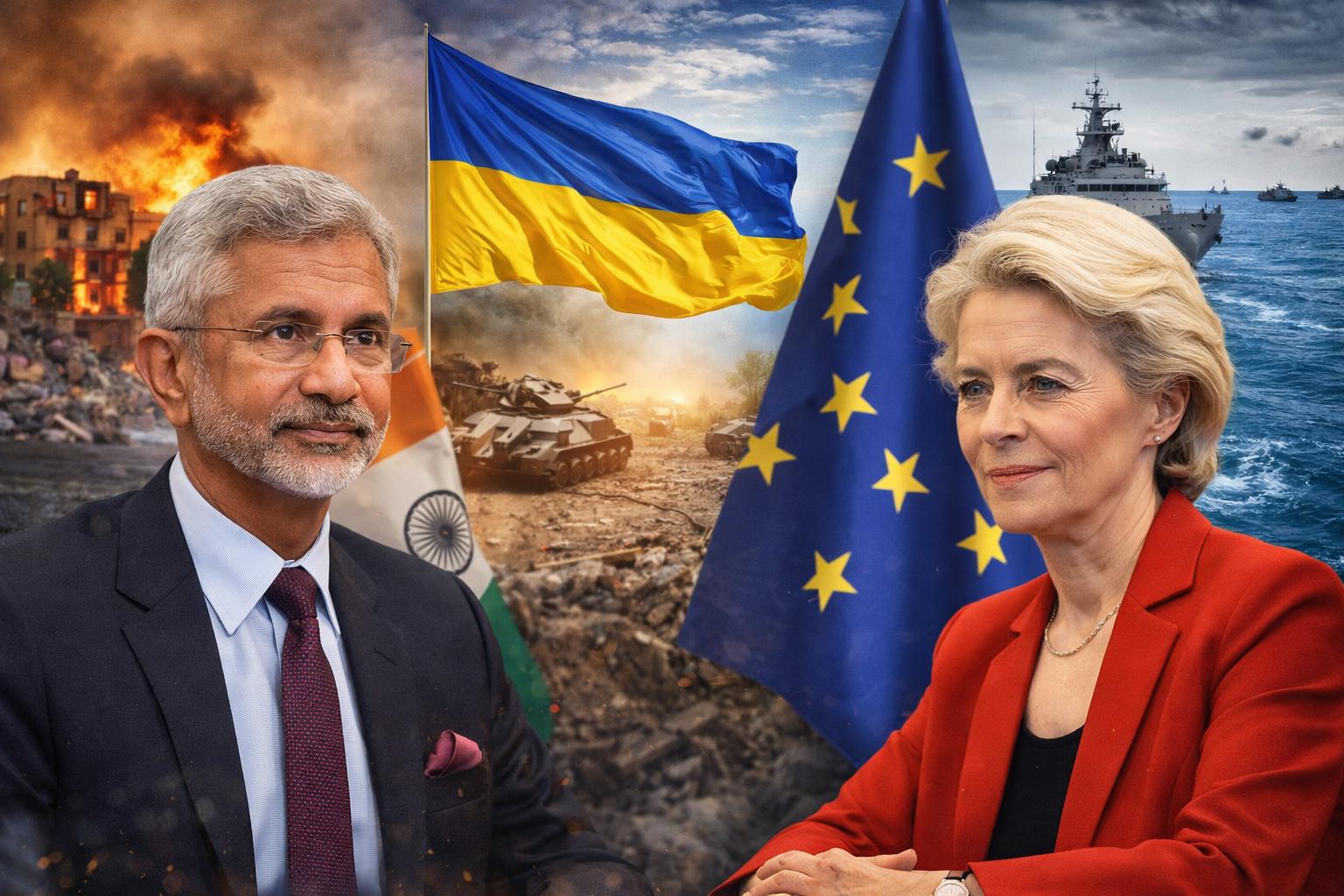
Jaishankar discusses Ukraine, West Asia and Indo-Pacific with EU ministers in Brussels
India’s External Affairs Minister S Jaishankar held extensive discussions with foreign ministers from the 27 member states of the European Union during a meeting of the Foreign Affairs Council in Brussels on Monday. The talks focused on key global developments, including the ongoing conflict in Ukraine, tensions in West Asia, evolving strategic dynamics in the Indo-Pacific region and the future trajectory of India-EU relations. Jaishankar attended the meeting at the invitation of
Jaishankar discusses Ukraine, West Asia and Indo-Pacific with EU ministers in Brussels
India’s External Affairs Minister S Jaishankar held extensive discussions with foreign ministers from the 27 member states of the European Union during a meeting of the Foreign Affairs Council in Brussels on Monday. The talks focused on key global developments, including the ongoing conflict in Ukraine, tensions in West Asia, evolving strategic dynamics in the Indo-Pacific region and the future trajectory of India-EU relations. Jaishankar attended the meeting at the invitation of
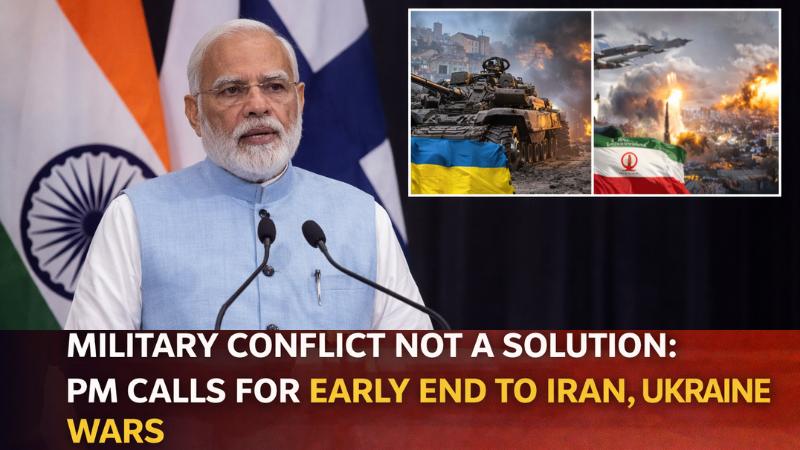
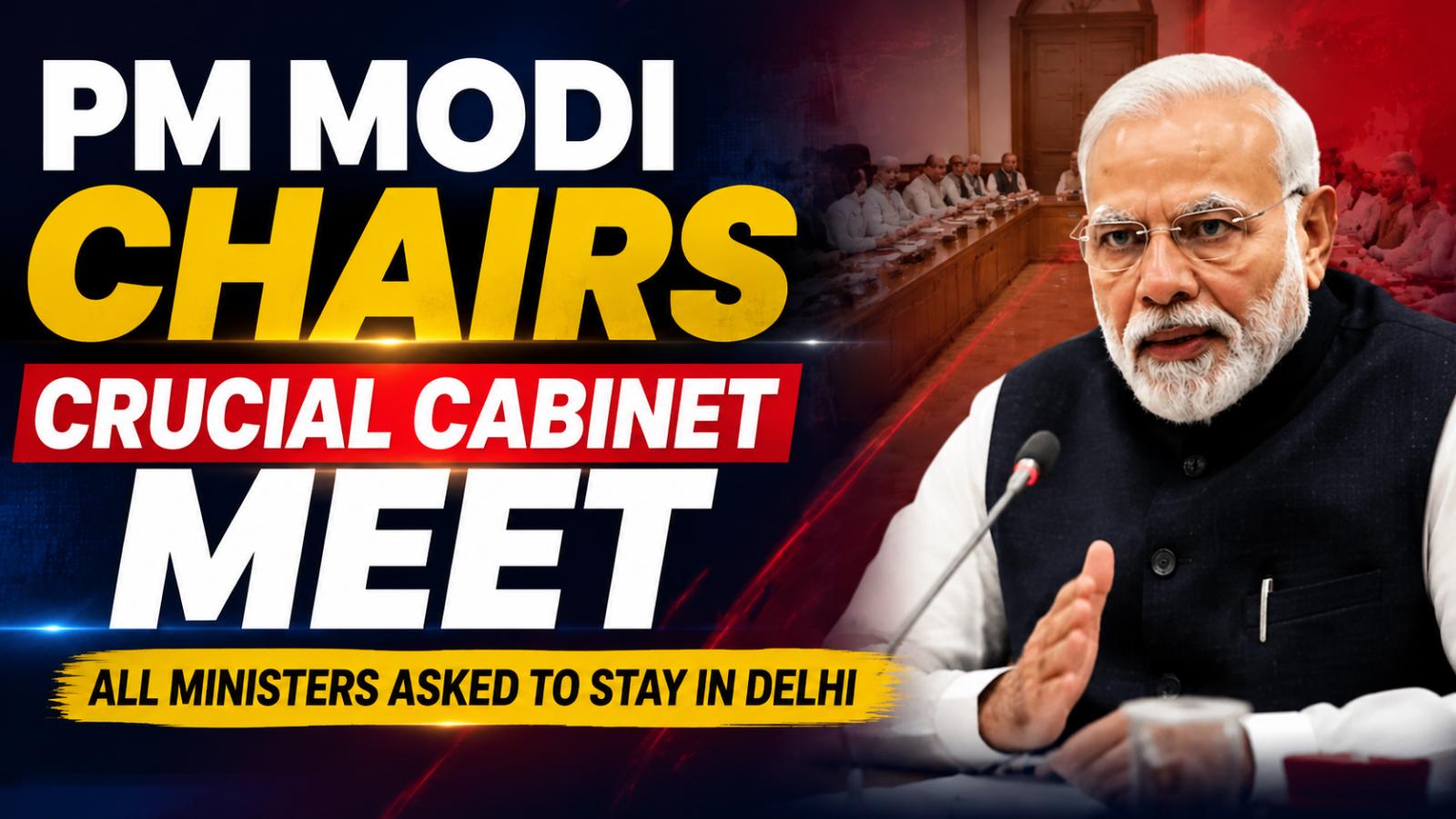
PM Modi Calls for Diplomatic Solution to End Ukraine and Iran Wars
Prime Minister Narendra Modi on Thursday called for the early end to the ongoing conflicts in Ukraine and the Middle East, underlining that dialogue and diplomacy remain the only way to resolve global disputes. His remarks came during a joint press conference in New Delhi with Finnish President Alexander Stubb, where Modi highlighted the growing instability in the world, particularly due to the ongoing wars in Ukraine and the escalating confrontation between the US, Israel, and Iran.
PM Modi Calls for Diplomatic Solution to End Ukraine and Iran Wars
Prime Minister Narendra Modi on Thursday called for the early end to the ongoing conflicts in Ukraine and the Middle East, underlining that dialogue and diplomacy remain the only way to resolve global disputes. His remarks came during a joint press conference in New Delhi with Finnish President Alexander Stubb, where Modi highlighted the growing instability in the world, particularly due to the ongoing wars in Ukraine and the escalating confrontation between the US, Israel, and Iran.
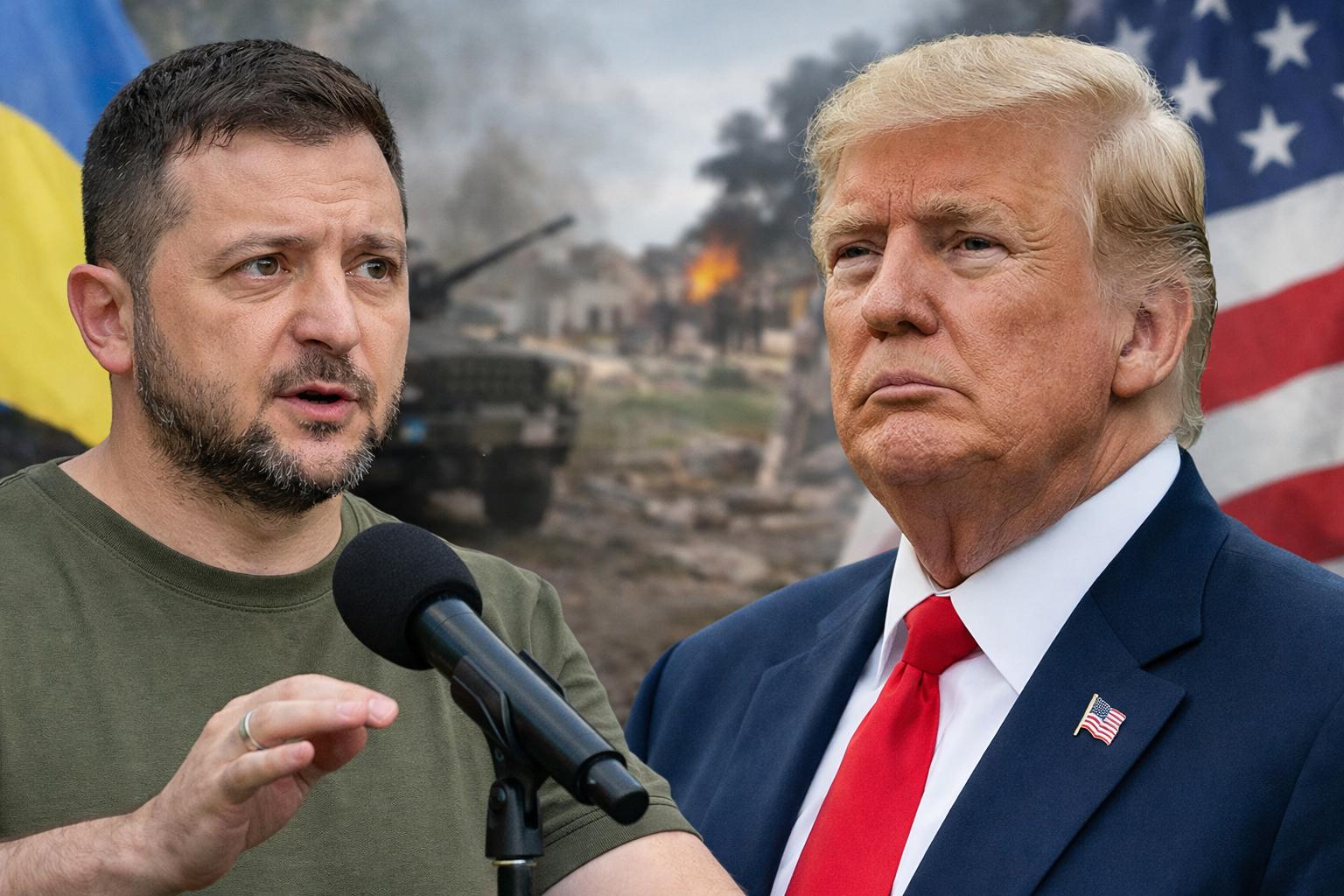
Zelenskyy urges Trump to maintain US support for Ukraine war effort
As the Russia-Ukraine war entered its fourth year, Ukrainian President Volodymyr Zelenskyy issued a direct appeal to former US President Donald Trump, urging continued American backing for Kyiv in its ongoing fight against Moscow. The Ukrainian leader emphasized that sustained US support remains critical as the conflict with Russia shows no signs of resolution. In an interview ahead of the February 24 anniversary marking Russia’s full-scale invasion in 2022, Zelenskyy stressed the strategi
Zelenskyy urges Trump to maintain US support for Ukraine war effort
As the Russia-Ukraine war entered its fourth year, Ukrainian President Volodymyr Zelenskyy issued a direct appeal to former US President Donald Trump, urging continued American backing for Kyiv in its ongoing fight against Moscow. The Ukrainian leader emphasized that sustained US support remains critical as the conflict with Russia shows no signs of resolution. In an interview ahead of the February 24 anniversary marking Russia’s full-scale invasion in 2022, Zelenskyy stressed the strategi
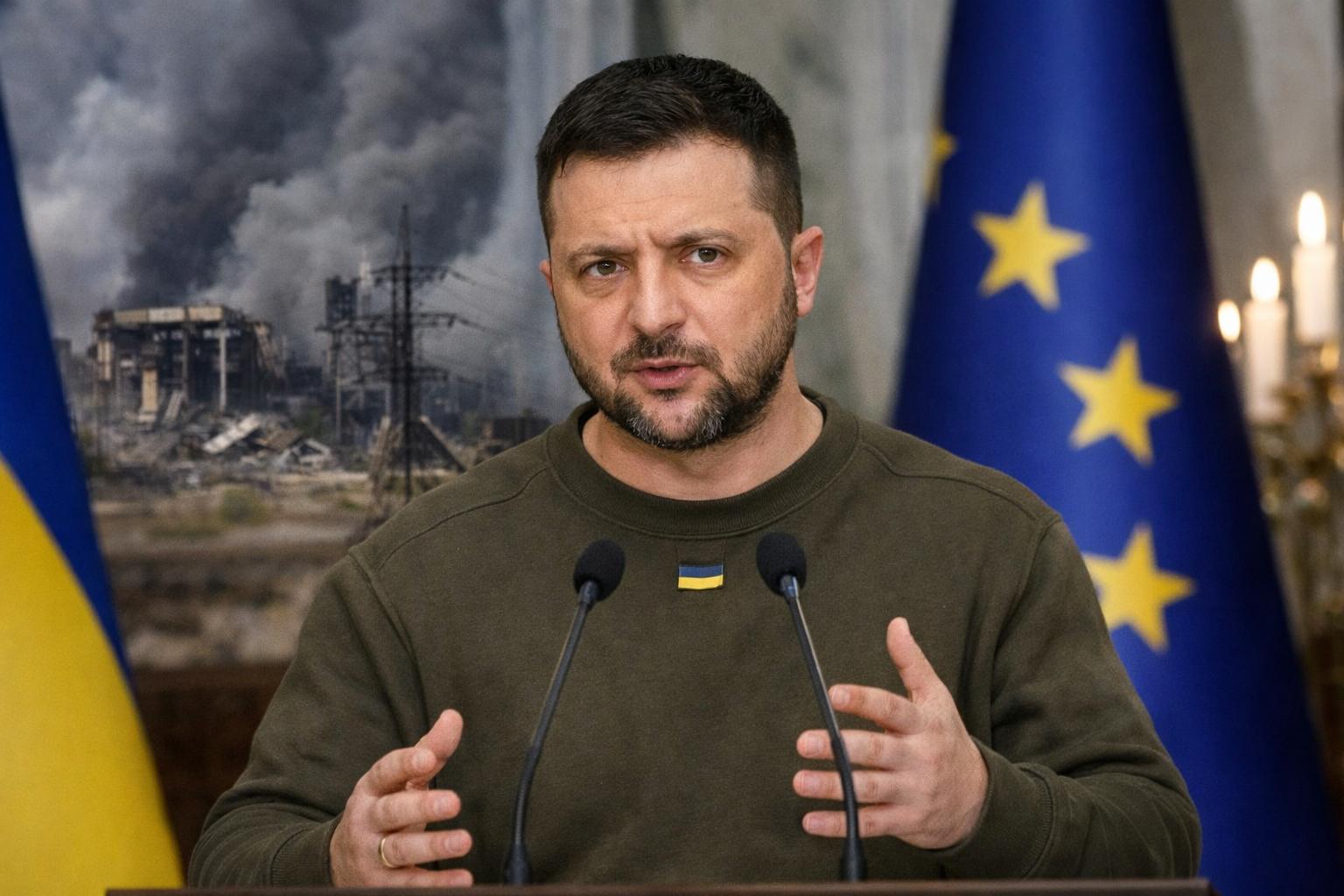
Zelensky warns of massive Russian attacks on Ukraine energy targets
Ukrainian President Volodymyr Zelensky on Monday warned that Russia is expected to continue launching large-scale strikes targeting Ukraine’s energy infrastructure, citing fresh intelligence assessments. The warning comes amid ongoing hostilities in the Ukraine war, now approaching its fourth year, and underscores growing concerns in Kyiv about the resilience of the country’s power grid during continued missile and drone attacks. Speaking about the latest intelligence findings, Zelensky
Zelensky warns of massive Russian attacks on Ukraine energy targets
Ukrainian President Volodymyr Zelensky on Monday warned that Russia is expected to continue launching large-scale strikes targeting Ukraine’s energy infrastructure, citing fresh intelligence assessments. The warning comes amid ongoing hostilities in the Ukraine war, now approaching its fourth year, and underscores growing concerns in Kyiv about the resilience of the country’s power grid during continued missile and drone attacks. Speaking about the latest intelligence findings, Zelensky
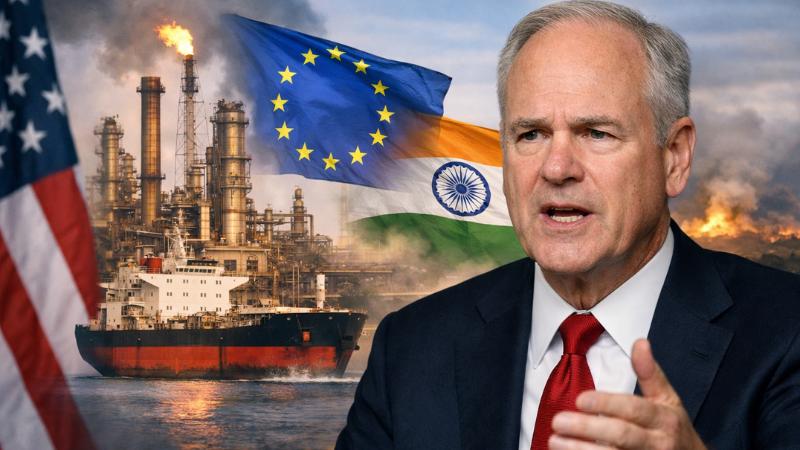
US treasury secretary says Europe funding war through Russian oil refined in India
United States Treasury Secretary Scott Bessent has accused European nations of indirectly financing Russia’s war in Ukraine by purchasing refined oil products originating from Russian crude processed in India. His remarks come amid ongoing geopolitical tensions over energy trade and sanctions linked to the conflict in Eastern Europe. In an interview aired on Sunday, Bessent alleged that while European leaders publicly condemn Russia’s actions in Ukraine, their trade practices ar
US treasury secretary says Europe funding war through Russian oil refined in India
United States Treasury Secretary Scott Bessent has accused European nations of indirectly financing Russia’s war in Ukraine by purchasing refined oil products originating from Russian crude processed in India. His remarks come amid ongoing geopolitical tensions over energy trade and sanctions linked to the conflict in Eastern Europe. In an interview aired on Sunday, Bessent alleged that while European leaders publicly condemn Russia’s actions in Ukraine, their trade practices ar
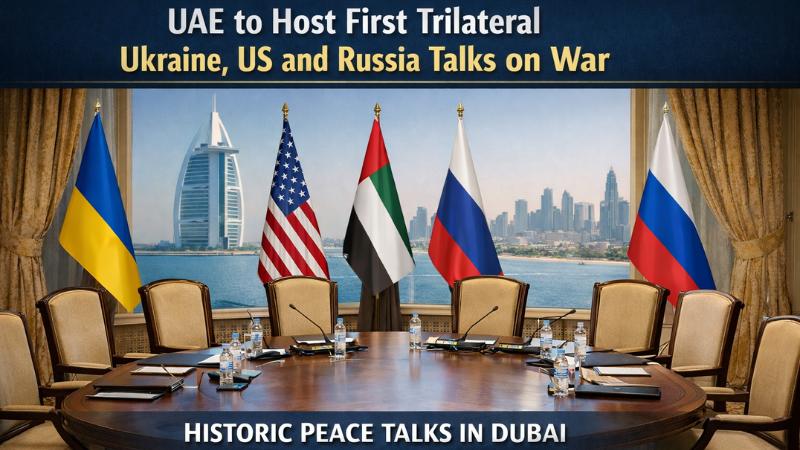
UAE to Host First Trilateral Ukraine, US and Russia Talks on War
The United Arab Emirates is set to host a historic round of trilateral discussions involving Ukraine, the United States and Russia, marking a potentially significant development in international efforts to end the prolonged conflict in Ukraine. Ukrainian President Volodymyr Zelenskyy announced the upcoming talks while addressing global leaders and policymakers during a high-profile economic forum in Davos, describing the meeting as the first instance where representatives from all three sides wi
UAE to Host First Trilateral Ukraine, US and Russia Talks on War
The United Arab Emirates is set to host a historic round of trilateral discussions involving Ukraine, the United States and Russia, marking a potentially significant development in international efforts to end the prolonged conflict in Ukraine. Ukrainian President Volodymyr Zelenskyy announced the upcoming talks while addressing global leaders and policymakers during a high-profile economic forum in Davos, describing the meeting as the first instance where representatives from all three sides wi
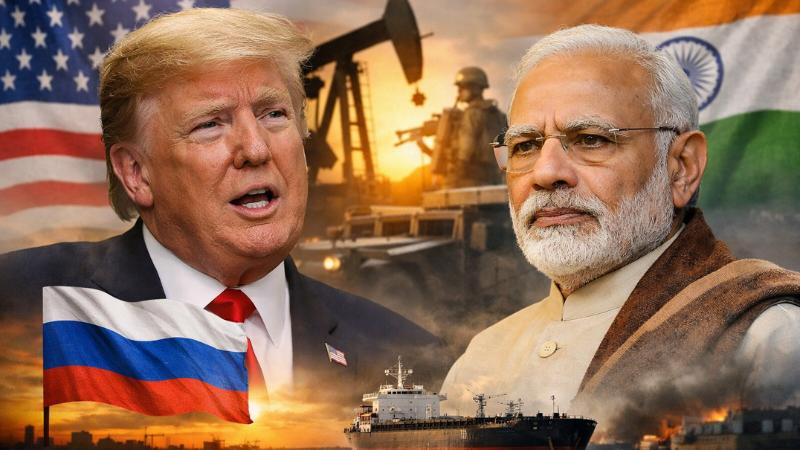
Trump claims India cut Russian oil imports after US imposed 50% tariffs
US President Donald Trump on Sunday, January 4, claimed that India has significantly reduced its purchases of Russian oil following the imposition of steep tariffs on Indian goods by Washington. Speaking aboard Air Force One, Trump said his administration’s decision to levy a 50 percent tariff had prompted a response from New Delhi, while also warning that the United States could escalate trade penalties further if necessary. Trump asserted that India’s leadership acted in respo
Trump claims India cut Russian oil imports after US imposed 50% tariffs
US President Donald Trump on Sunday, January 4, claimed that India has significantly reduced its purchases of Russian oil following the imposition of steep tariffs on Indian goods by Washington. Speaking aboard Air Force One, Trump said his administration’s decision to levy a 50 percent tariff had prompted a response from New Delhi, while also warning that the United States could escalate trade penalties further if necessary. Trump asserted that India’s leadership acted in respo
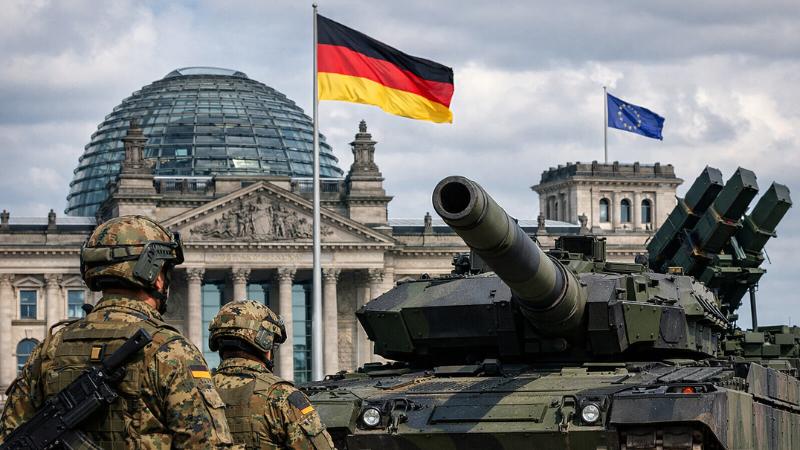
Germany set to approve €50 billion defense package as security priorities shift
German lawmakers are widely expected to approve a defense procurement package exceeding 50 billion euros on Wednesday, marking one of the most significant military spending decisions in the country’s post-war history. The move reflects a broader shift in Germany’s security policy as the government seeks to strengthen national and allied defense capabilities following Russia’s invasion of Ukraine. Agenda documents for the Bundestag’s Budget Committee indicate that members are
Germany set to approve €50 billion defense package as security priorities shift
German lawmakers are widely expected to approve a defense procurement package exceeding 50 billion euros on Wednesday, marking one of the most significant military spending decisions in the country’s post-war history. The move reflects a broader shift in Germany’s security policy as the government seeks to strengthen national and allied defense capabilities following Russia’s invasion of Ukraine. Agenda documents for the Bundestag’s Budget Committee indicate that members are
Trump says Russia-Ukraine peace deal closer than ever amid Berlin talks
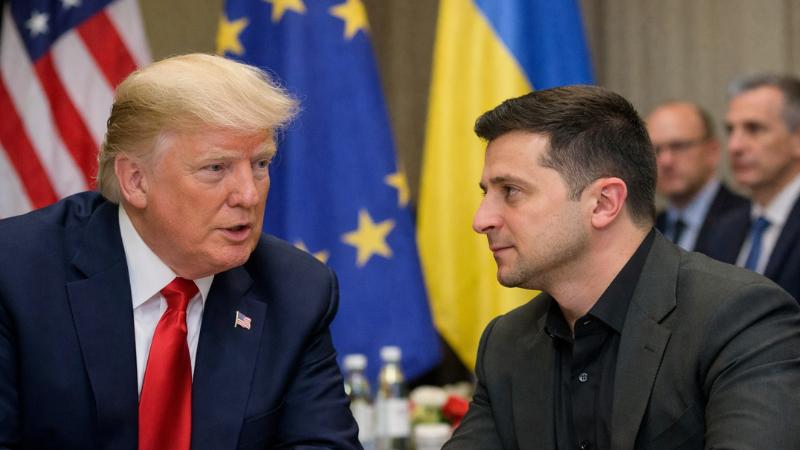
US President Donald Trump said on Monday, December 15, that efforts to end the war between Russia and Ukraine were making unprecedented progress, describing the possibility of a peace deal as “closer than ever.” His remarks came amid a series of high-level diplomatic engagements in Europe, where Ukrainian President Volodymyr Zelensky met with key European leaders in Berlin as part of renewed international efforts to bring an end to the nearly three-year-long conflict. Speaking t
Trump says Russia-Ukraine peace deal closer than ever amid Berlin talks
US President Donald Trump said on Monday, December 15, that efforts to end the war between Russia and Ukraine were making unprecedented progress, describing the possibility of a peace deal as “closer than ever.” His remarks came amid a series of high-level diplomatic engagements in Europe, where Ukrainian President Volodymyr Zelensky met with key European leaders in Berlin as part of renewed international efforts to bring an end to the nearly three-year-long conflict. Speaking t

U.S. army secretary meets Russian officials in Abu Dhabi for Ukraine peace talks
U.S. Army Secretary Dan Driscoll held discussions with Russian officials in Abu Dhabi on Monday, according to a U.S. official familiar with the matter, marking the latest attempt by the Trump administration to revive momentum toward a negotiated settlement in the ongoing Russia-Ukraine war. The meetings were described as part of a broader diplomatic effort aimed at narrowing longstanding divisions between Moscow and Kyiv, which have intensified despite repeated international appeals for de-es
U.S. army secretary meets Russian officials in Abu Dhabi for Ukraine peace talks
U.S. Army Secretary Dan Driscoll held discussions with Russian officials in Abu Dhabi on Monday, according to a U.S. official familiar with the matter, marking the latest attempt by the Trump administration to revive momentum toward a negotiated settlement in the ongoing Russia-Ukraine war. The meetings were described as part of a broader diplomatic effort aimed at narrowing longstanding divisions between Moscow and Kyiv, which have intensified despite repeated international appeals for de-es
US and Ukraine advance revised peace plan aimed at ending Russia conflict
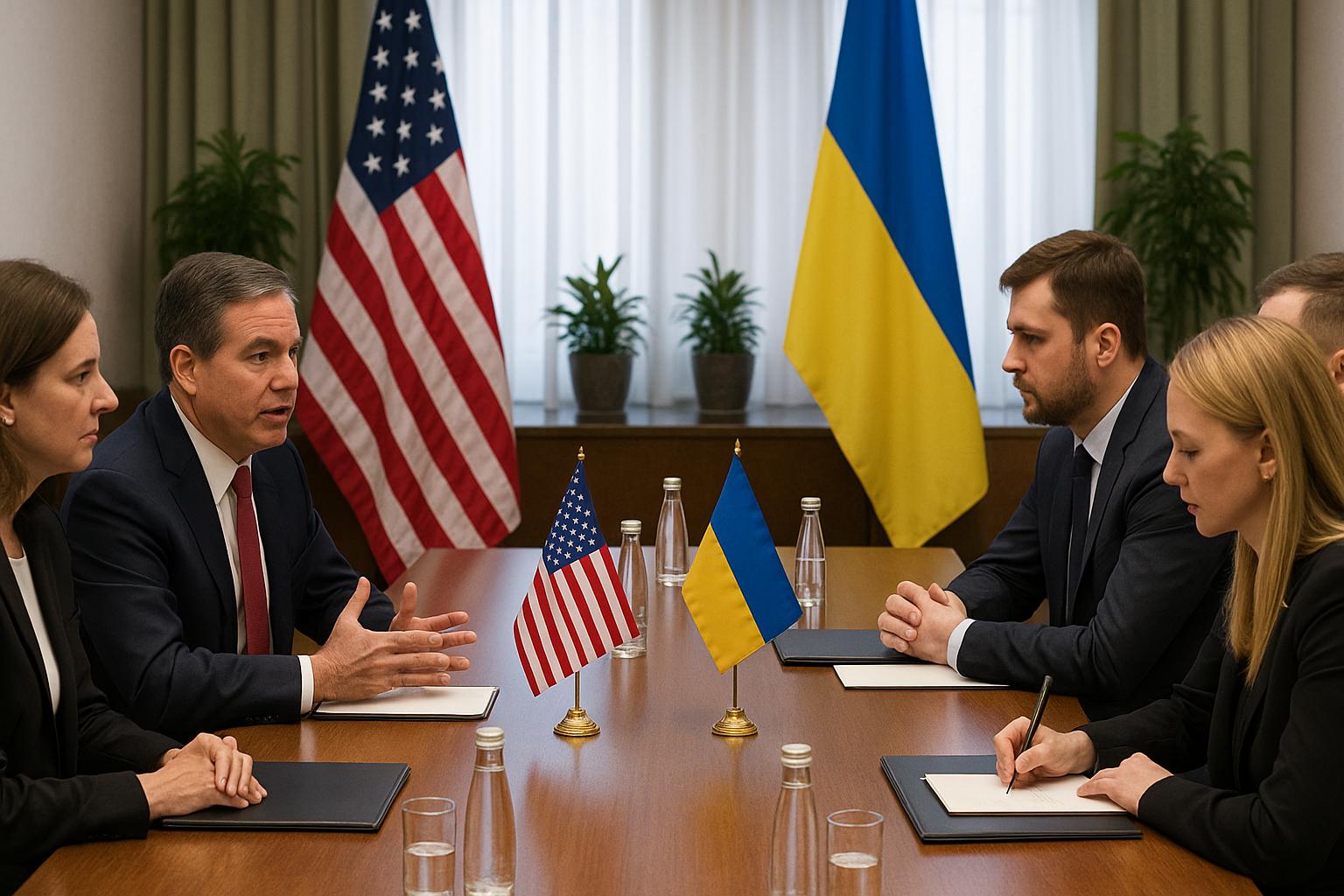
The United States and Ukraine announced that they have agreed on an updated peace framework designed to advance efforts to end the nearly four-year conflict with Russia. The revised approach follows a new round of intensive diplomatic discussions in Geneva, where senior officials from both nations worked to address concerns that earlier proposals leaned too heavily toward positions seen as favourable to Moscow. The previous iteration of the plan, strongly backed by President Donald Trump, had
US and Ukraine advance revised peace plan aimed at ending Russia conflict
The United States and Ukraine announced that they have agreed on an updated peace framework designed to advance efforts to end the nearly four-year conflict with Russia. The revised approach follows a new round of intensive diplomatic discussions in Geneva, where senior officials from both nations worked to address concerns that earlier proposals leaned too heavily toward positions seen as favourable to Moscow. The previous iteration of the plan, strongly backed by President Donald Trump, had
U.S.–Russia peace plan reports raise tough choices for Ukraine
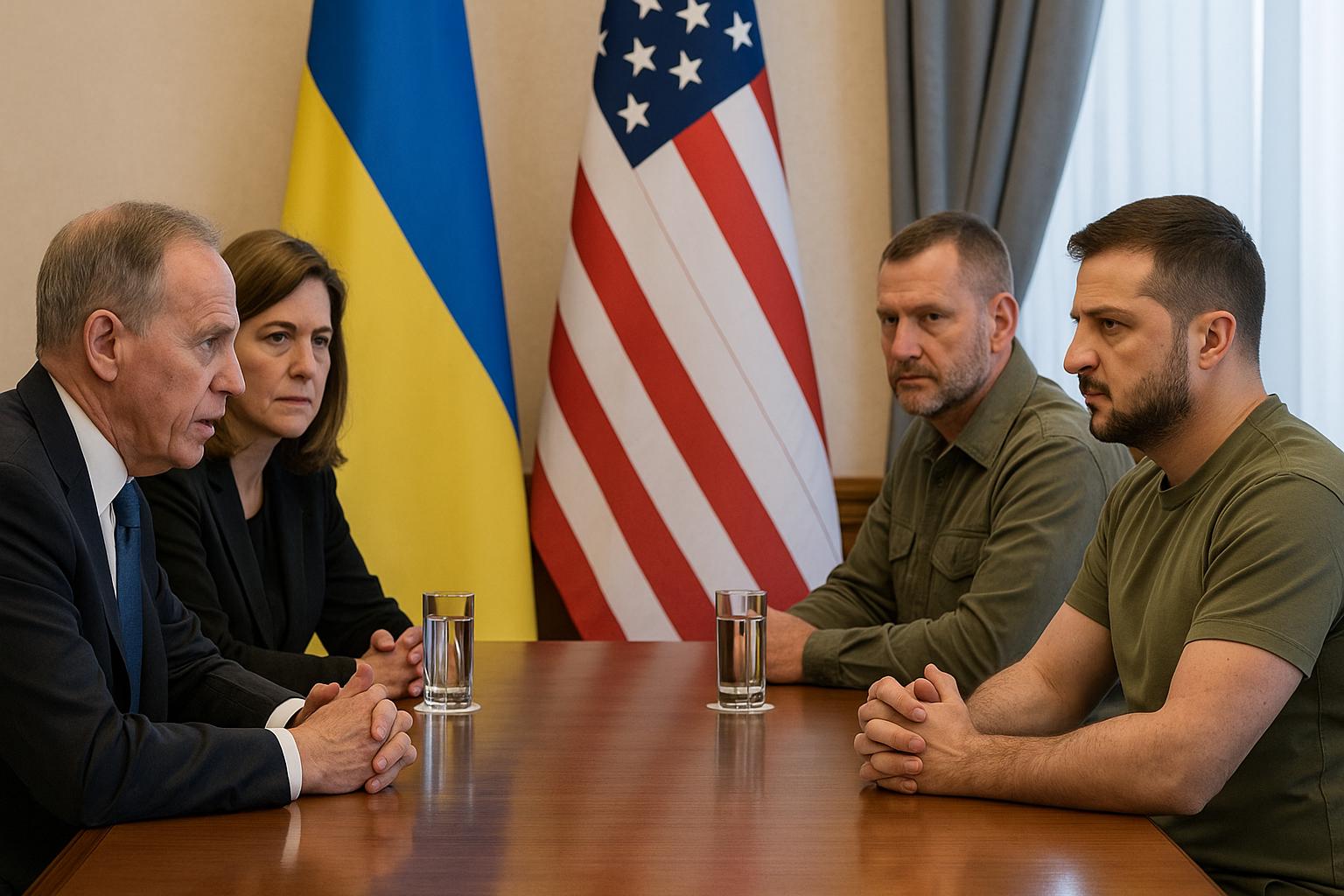
Reports suggesting that the United States and Russia have drafted a confidential peace proposal for Ukraine have stirred uncertainty in Kyiv and prompted questions across Europe about the future direction of the conflict. The alleged initiative, first detailed in recent media reports, points to a possible framework designed without Ukrainian participation and containing concessions that could fundamentally reshape the country’s territorial and security landscape. Senior U.S. milit
U.S.–Russia peace plan reports raise tough choices for Ukraine
Reports suggesting that the United States and Russia have drafted a confidential peace proposal for Ukraine have stirred uncertainty in Kyiv and prompted questions across Europe about the future direction of the conflict. The alleged initiative, first detailed in recent media reports, points to a possible framework designed without Ukrainian participation and containing concessions that could fundamentally reshape the country’s territorial and security landscape. Senior U.S. milit
US may impose 500% tariffs on countries buying Russian oil under new bill
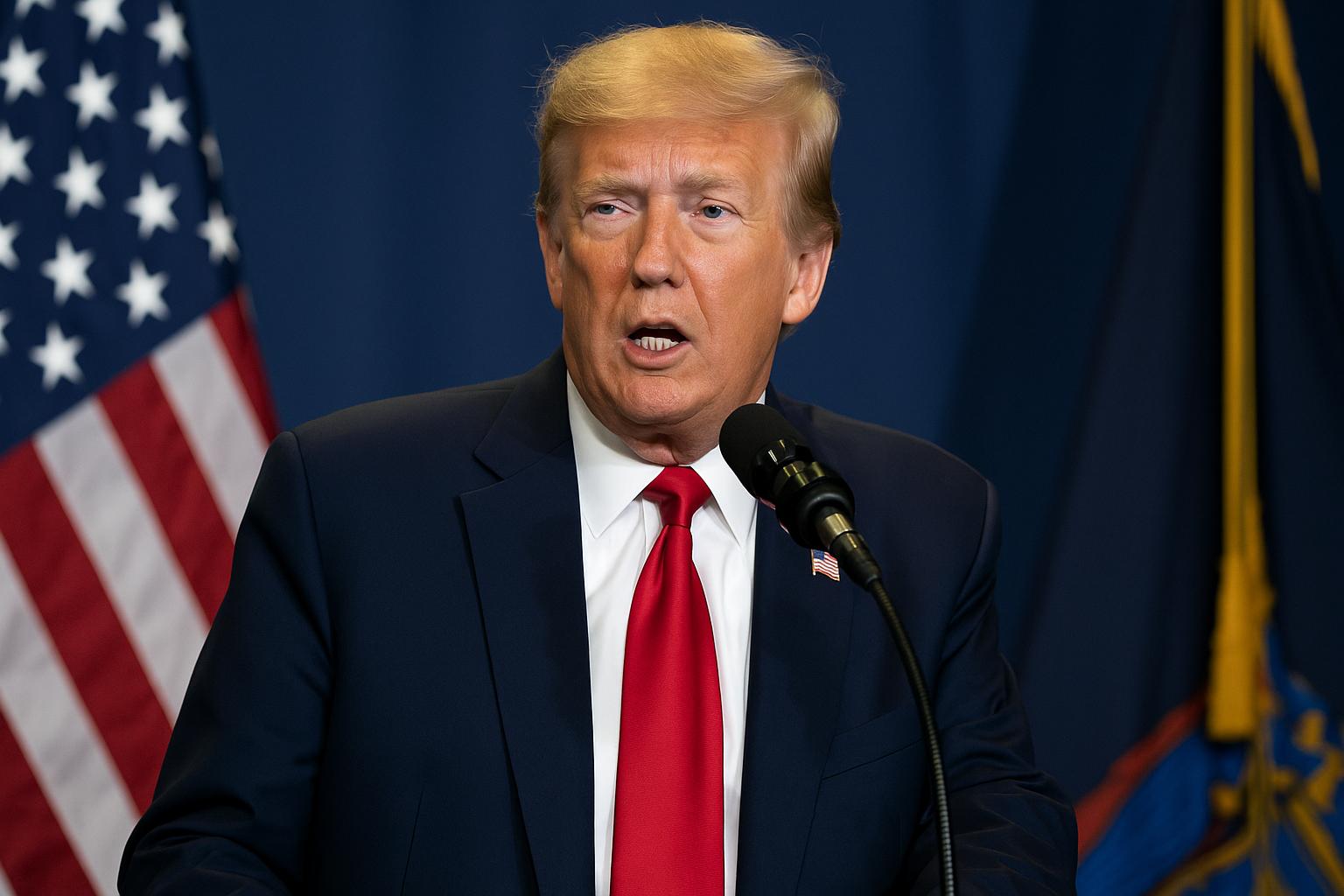
The United States is preparing a major escalation in its economic pressure campaign against Russia, with President Donald Trump announcing that he supports Senate legislation enabling Washington to impose tariffs of up to 500 percent on countries that continue significant trade with Moscow. The measure represents one of the most aggressive attempts yet to curtail Russian war funding and signals growing frustration in Washington over the prolonged conflict in Ukraine. Speaking before
US may impose 500% tariffs on countries buying Russian oil under new bill
The United States is preparing a major escalation in its economic pressure campaign against Russia, with President Donald Trump announcing that he supports Senate legislation enabling Washington to impose tariffs of up to 500 percent on countries that continue significant trade with Moscow. The measure represents one of the most aggressive attempts yet to curtail Russian war funding and signals growing frustration in Washington over the prolonged conflict in Ukraine. Speaking before










