US-Iran Hormuz Deal May Reopen Strait for 60 Days
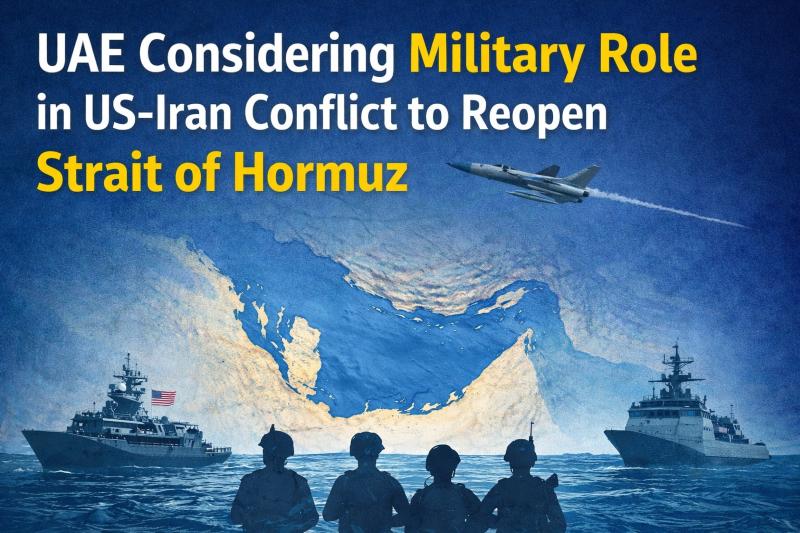
The US-Iran Hormuz deal could reopen the Strait of Hormuz for 60 days without transit fees and renew a fragile ceasefire. Oman and Qatar are helping mediate as President Donald Trump pauses a planned Iran strike, although Tehran has not publicly confirmed every reported term.
Hormuz 60-Day Reopening
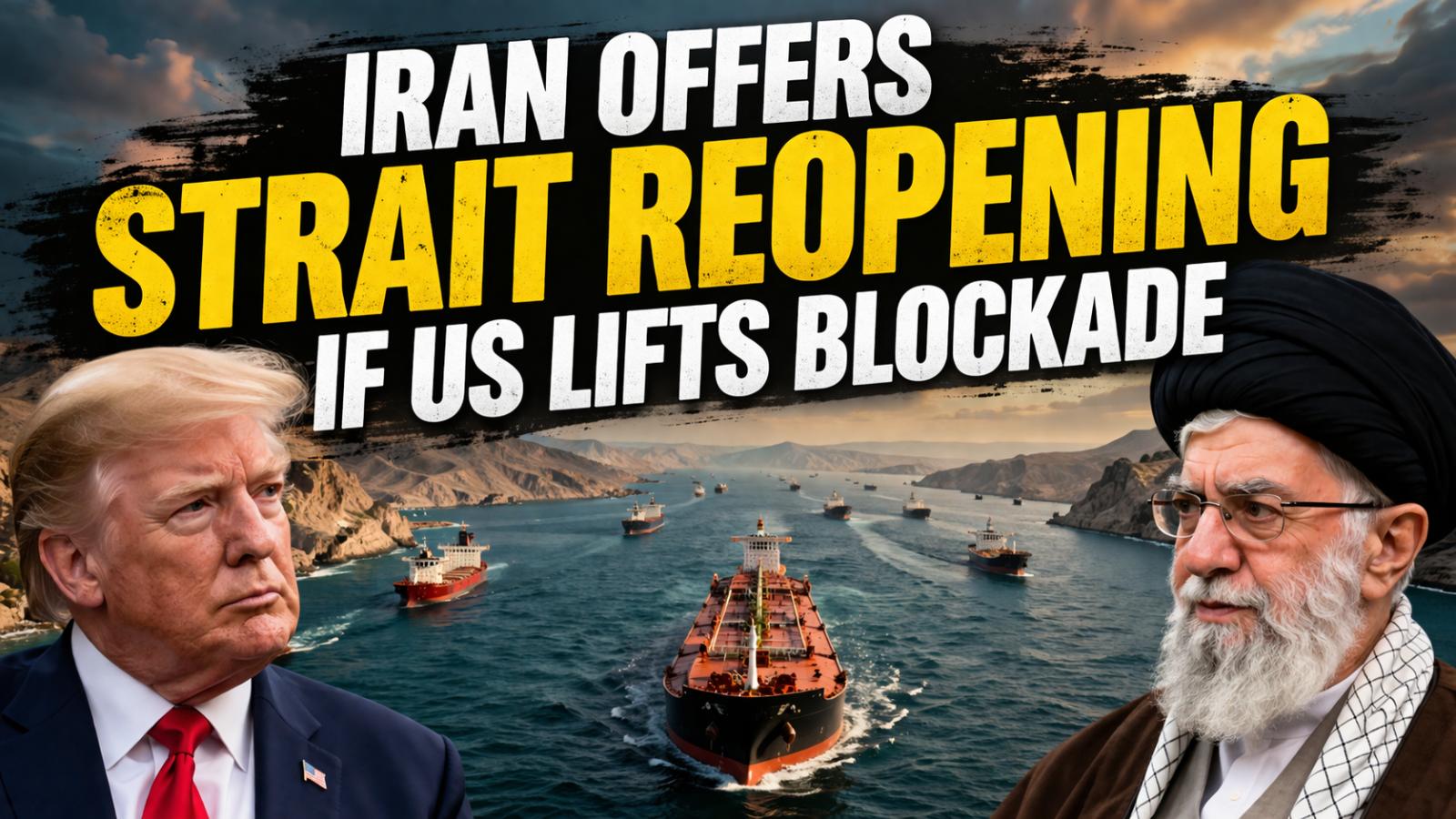
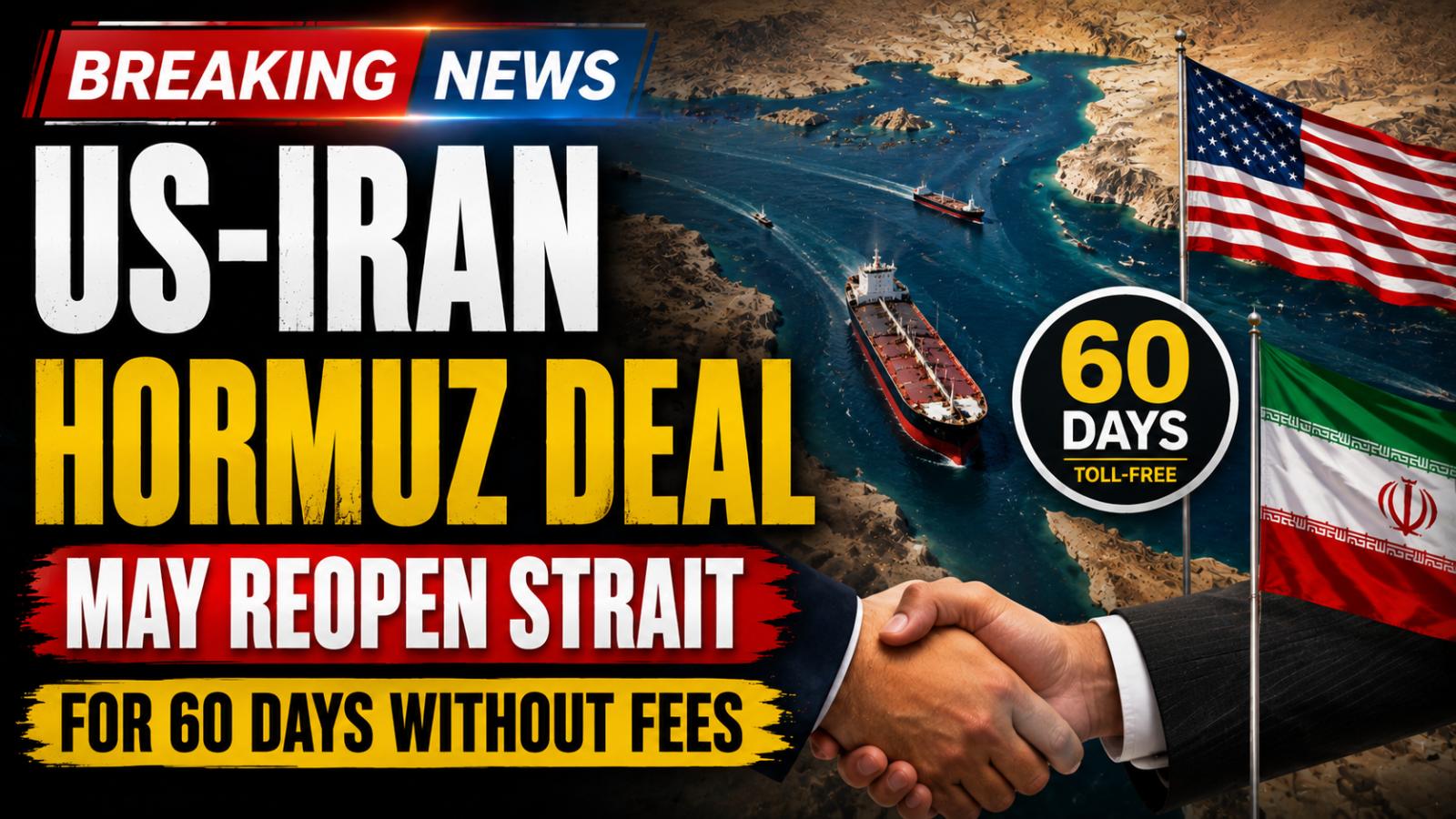
A developing diplomatic proposal could revive the earlier US-Iran memorandum and keep the Strait of Hormuz open to international shipping for 60 days without fees. Reports citing officials familiar with the negotiations said the arrangement would also restore a temporary ceasefire between the United States, Israel and Iran.
The White House has previously described the June memorandum as a 60-day ceasefire framework that reopened the strait to toll-free international shipping. However, that understanding later broke down as Washington and Tehran offered conflicting interpretations of Iran’s authority over the strategic waterway.
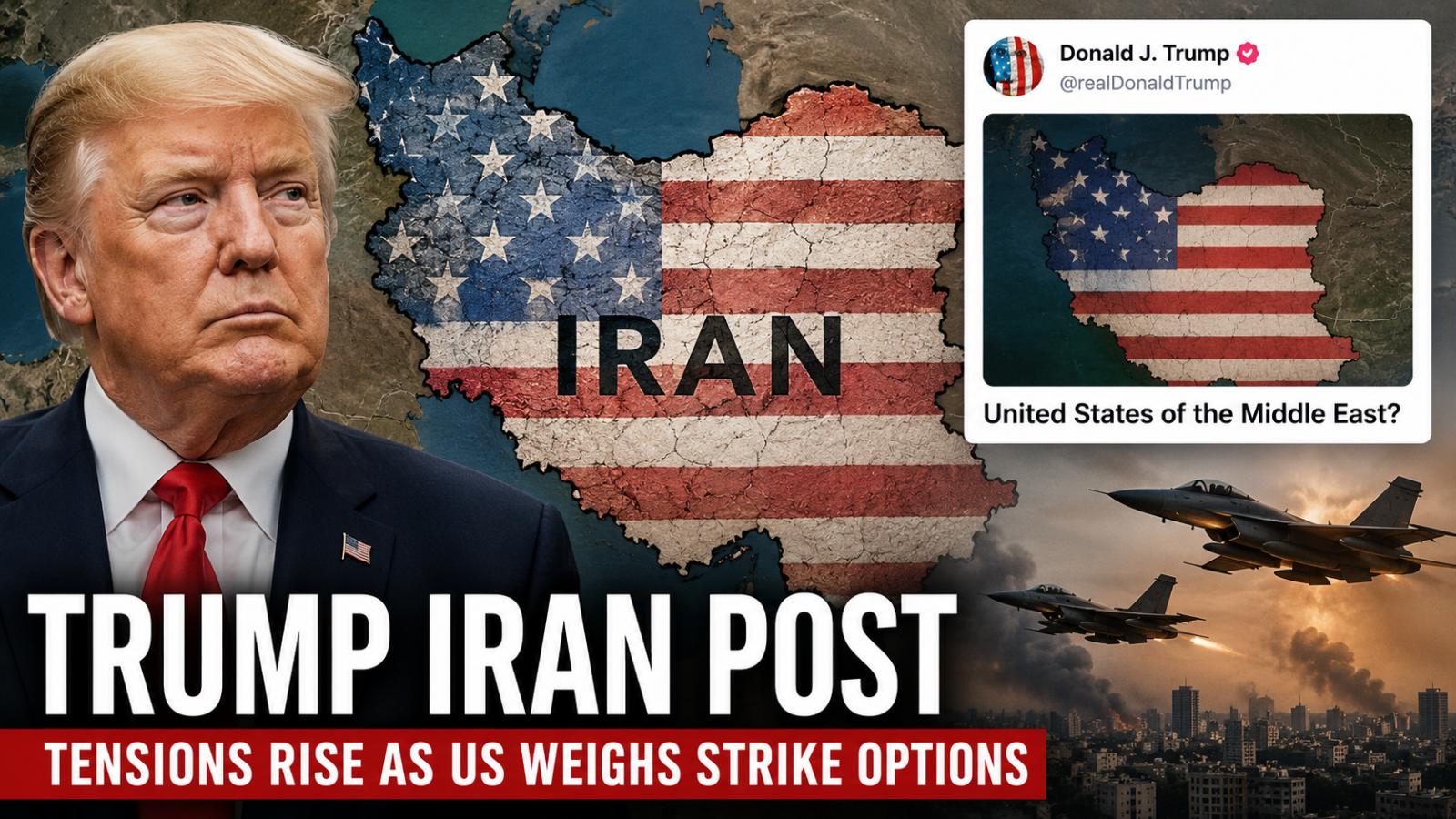
President Donald Trump announced over the weekend that he had postponed a major military attack on Iran to allow regional diplomacy more time. He said Iran and several Middle Eastern governments had requested an opportunity to finalise an agreement involving the strait and Iran’s nuclear programme. Iran has remained more cautious and has not confirmed all the terms described by Trump.
Oman Mediation Talks
Iranian officials said negotiations with Oman over a new navigation mechanism were in their final stages. Tehran has stressed that these bilateral talks concern an acceptable shipping route and should not be treated as confirmation that Iran accepted Washington’s version of a broader agreement.
Oman has held repeated discussions with Iran on restoring smooth maritime passage and reducing regional tensions. An earlier Gulf-backed proposal included voluntary transit payments, but Tehran rejected any arrangement that allowed regional or international parties to jointly manage the strait.
The latest plan may instead create a route acceptable to both Iran and Oman while leaving each country responsible for its territorial waters. The exact navigation path, enforcement system and arrangements after the initial 60-day period remain unclear.
Trump Cancels Iran Strike
Trump’s decision followed urgent discussions with Gulf governments concerned that a large US attack could trigger a broader war and further disrupt oil and gas shipments. Qatar reportedly maintained intensive contacts with Tehran, Muscat and Washington, while Saudi Crown Prince Mohammed bin Salman urged Trump to give diplomacy additional time.
Trump later said the views of Gulf leaders played a major role in his decision. Public reporting indicates that Saudi Arabia, Qatar and the United Arab Emirates encouraged negotiations, although accounts differ over how strongly each government supported military pressure against Iran.
US and Israeli officials had reportedly considered attacks on Iranian energy and government targets if negotiations failed. No such strikes followed Trump’s announcement, but American officials have warned that military action could return if Tehran restricts navigation or abandons negotiations.
Gulf Shipping Security
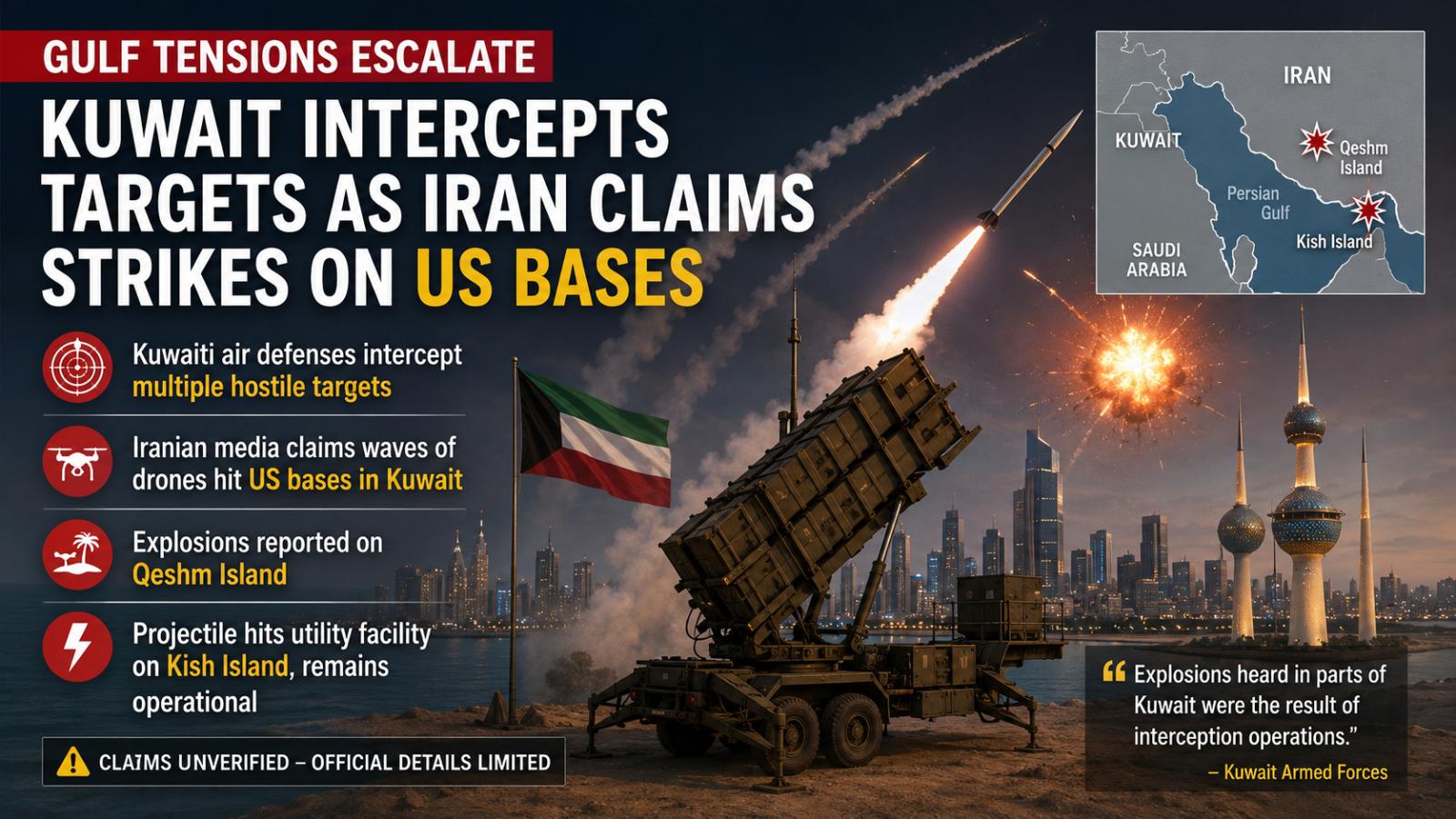
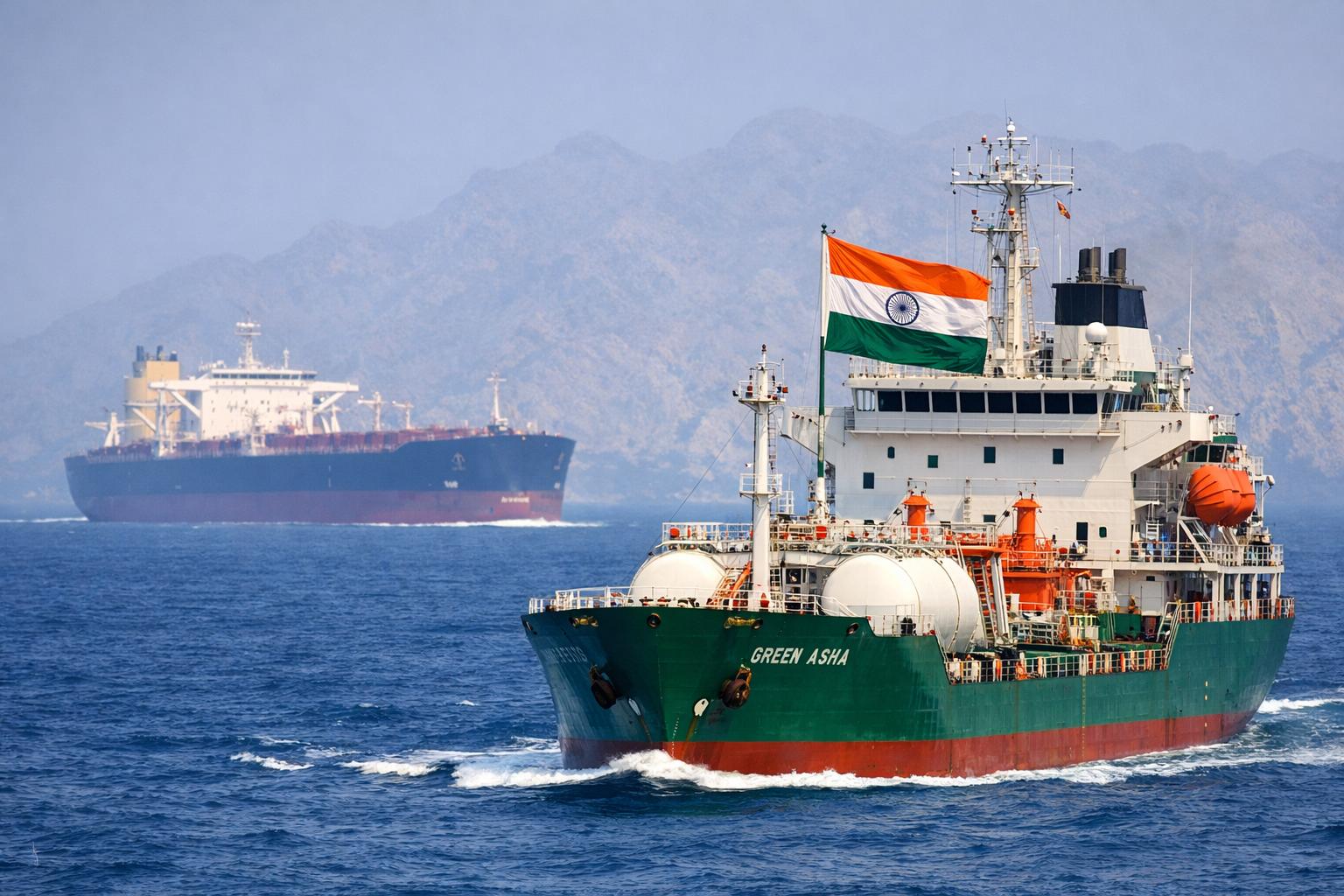
The Strait of Hormuz remains central to the dispute because a significant share of internationally traded oil and liquefied natural gas normally passes through it. Months of conflict, tanker incidents and restrictions have reduced traffic and increased insurance, freight and energy costs.
Oil prices fell after Trump cancelled the planned attack, reflecting market expectations that a temporary agreement could lower the immediate risk to Gulf shipping. Analysts nevertheless warned that the arrangement remains fragile because the parties have not announced a signed, detailed settlement.
A 60-day reopening would provide only temporary relief unless negotiators resolve the deeper conflict over Iran’s nuclear programme, maritime control and regional military activity. The most important unanswered issue is what happens when the proposed period ends. Without a permanent enforcement mechanism, the ceasefire could again collapse under competing US and Iranian interpretations.