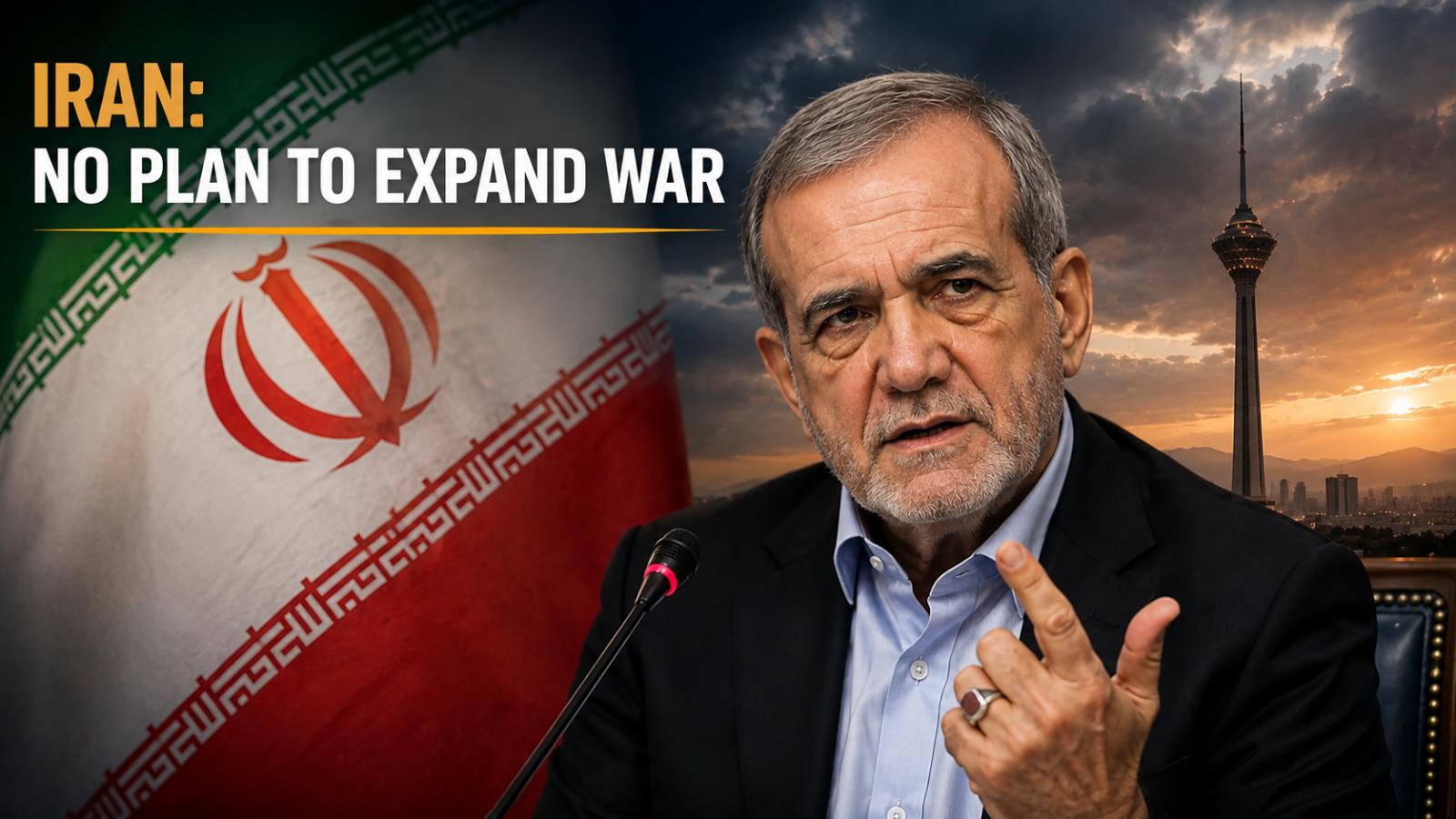
Iranian President Masoud Pezeshkian says Iran will not expand war or prolong the current conflict, but it will defend its borders against threats. He also stressed social unity, national security, military coordination and his commitment to remain in office.
Iran War Policy
Iranian President Masoud Pezeshkian said on Tuesday, August 4, that Tehran was not seeking to continue or expand the ongoing war, while making clear that the country would defend its territory against any attack.
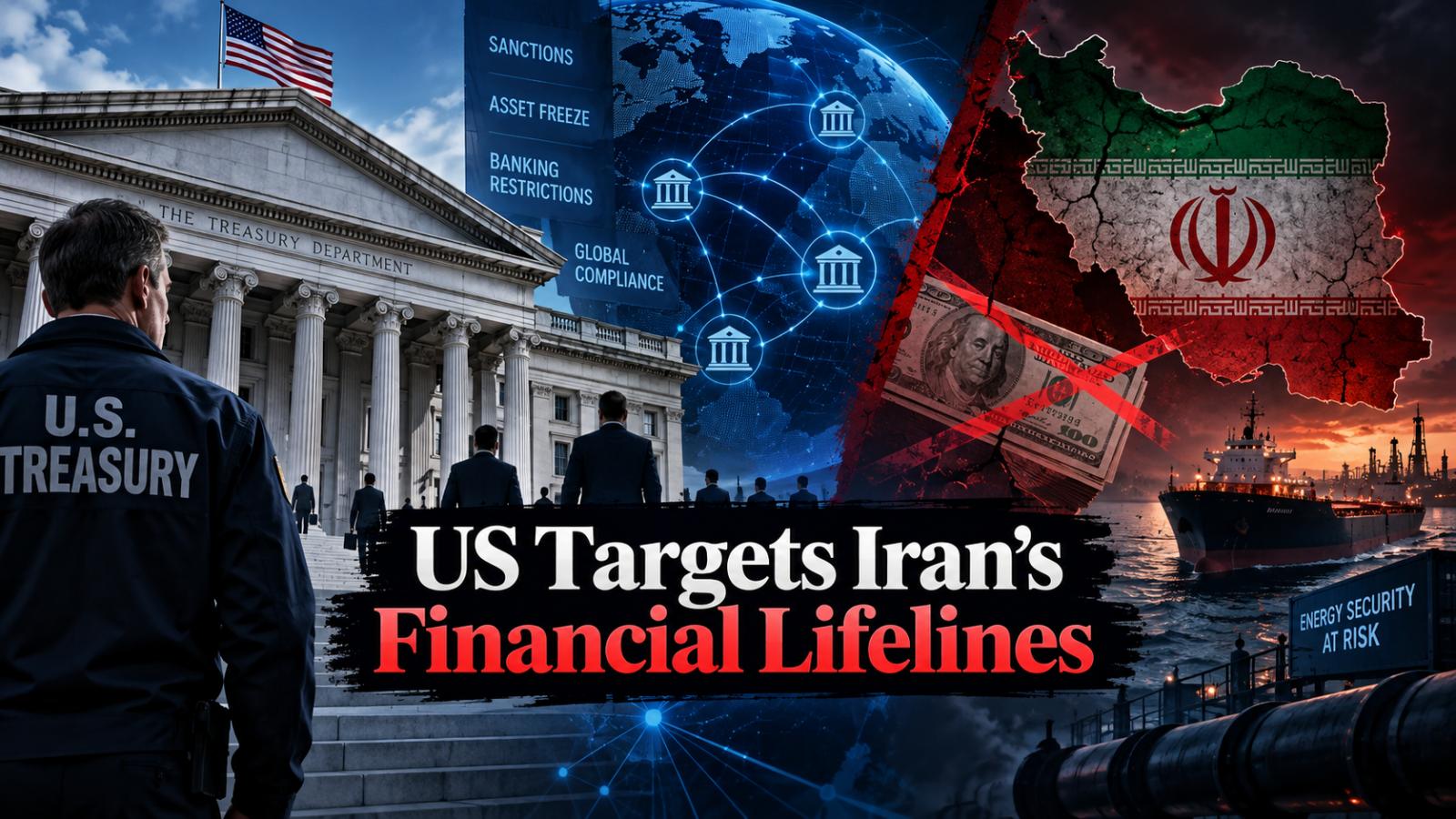
Pezeshkian described conflict as a disease that could affect neighbourhoods, cities and entire countries. He said Iran’s priority was to protect its borders rather than allow hostilities to spread further. His remarks presented Tehran’s position as defensive, although tensions involving Iran and the United States remain high.
“We will defend our boundaries, but we are not seeking to expand the war or continue it,” Pezeshkian said, according to remarks reported from Iranian state media.
Border Defence
The Iranian president separated the country’s right to defend itself from any intention to widen the conflict. His comments appeared designed to reassure the public and regional governments that Iran was not pursuing a broader confrontation.
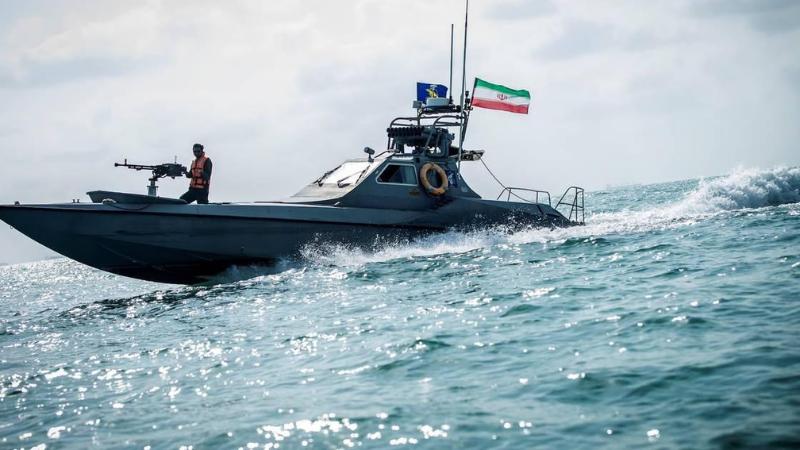
At the same time, Pezeshkian did not indicate that Tehran would reduce its military preparedness. His statement suggested that Iranian forces would continue responding to threats against the country’s territory, infrastructure or national interests.
That distinction remains important as diplomatic contacts and military pressure continue across the region. Iran’s leadership is attempting to show that it can maintain a strong defence position without openly committing itself to a longer war.
Social Unity
Pezeshkian also linked Iran’s national security to domestic unity. He argued that a divided society could create opportunities for foreign powers to interfere in the country or weaken public institutions.
The president said the government must work to build a healthy society so that outside forces are not encouraged to enter Iran, damage its social fabric or deepen internal divisions. He presented social cohesion as part of the country’s wider security strategy rather than only a domestic political issue.
His remarks come at a time when Iran faces military pressure, economic strain and disagreements within its political establishment. Strengthening public confidence may therefore be as important for the government as maintaining coordination with the armed forces.
Resignation Denial
Pezeshkian separately rejected speculation that he was preparing to resign. In a preview of an interview scheduled for broadcast on Iranian state television, he said he remained committed to his position and was working in full coordination with Iran’s military forces.
“I will not resign, and I will stand firm,” he said, adding that any genuine resignation would be announced formally.
The denial followed claims from senior cleric Mohammad-Bagher Kharrazi that Pezeshkian had repeatedly threatened to leave office. Officials connected to the president’s administration rejected those allegations as false and politically motivated.
National Security
Pezeshkian’s comments combined three messages: Iran does not want a wider war, it will continue defending its borders, and the president intends to remain in office.
The statements may help Tehran project political stability during a period of intense external pressure. However, the risk of further escalation will depend not only on presidential remarks but also on military developments, regional diplomacy and decisions taken by Iran’s wider security establishment.