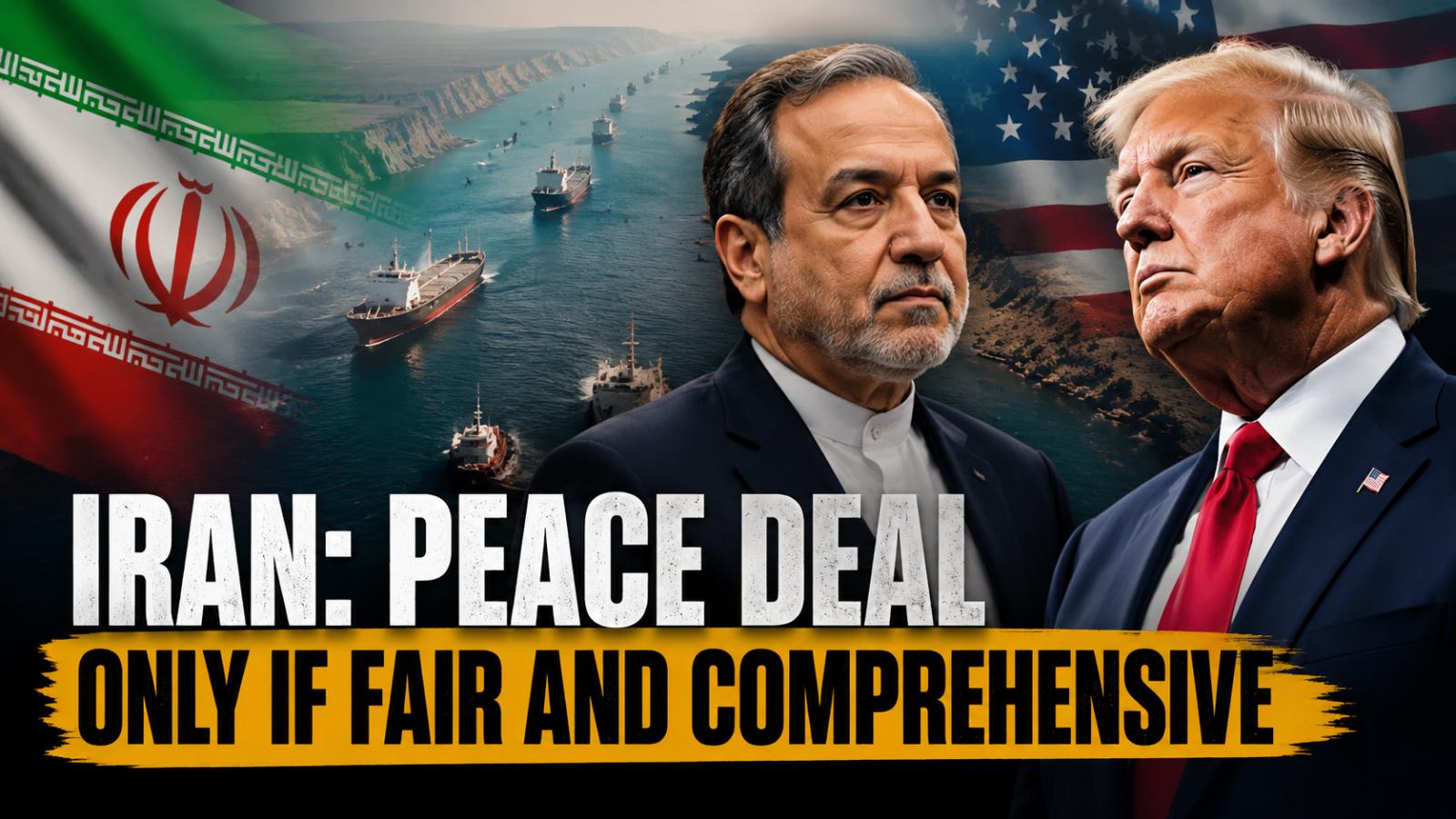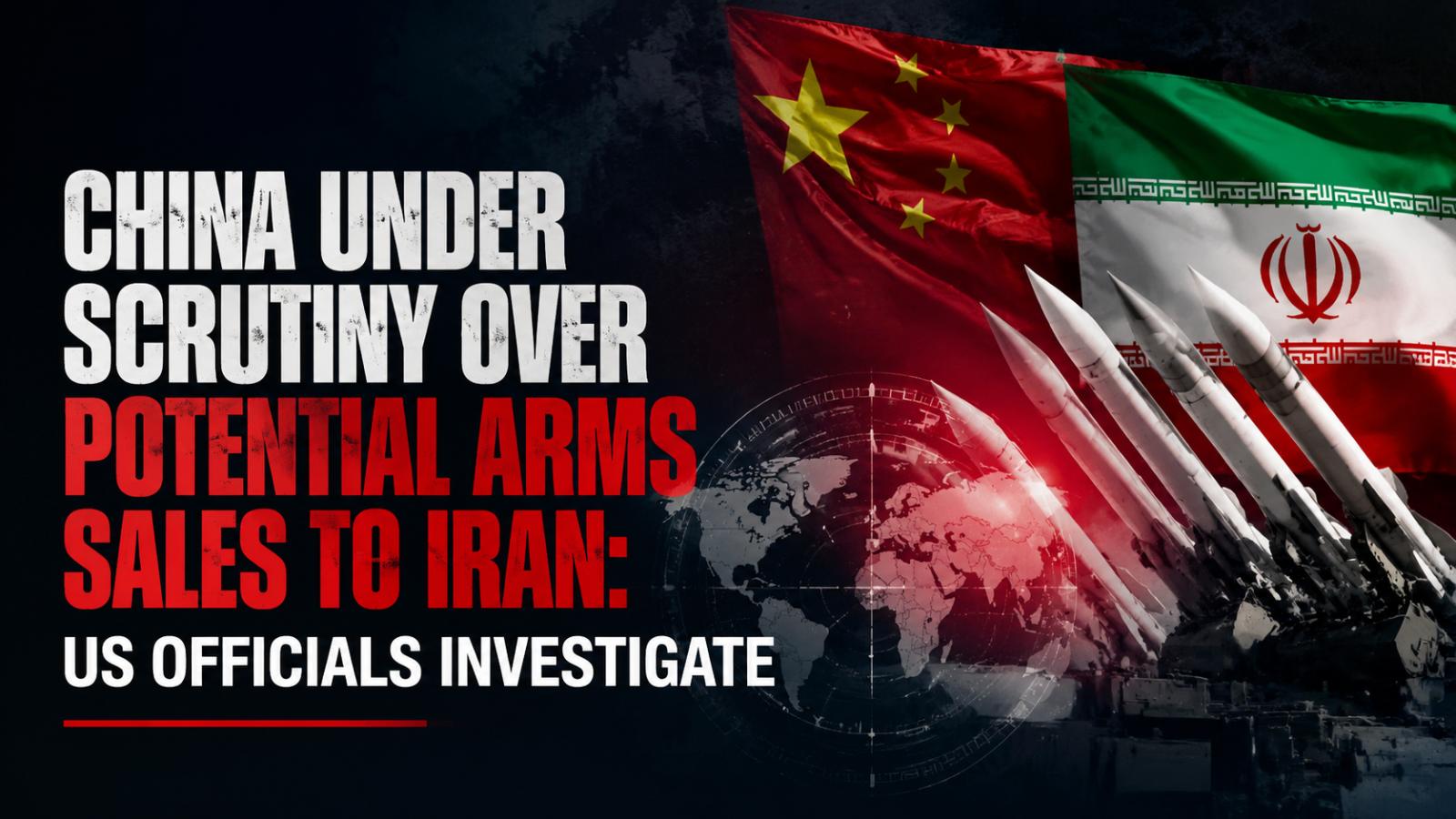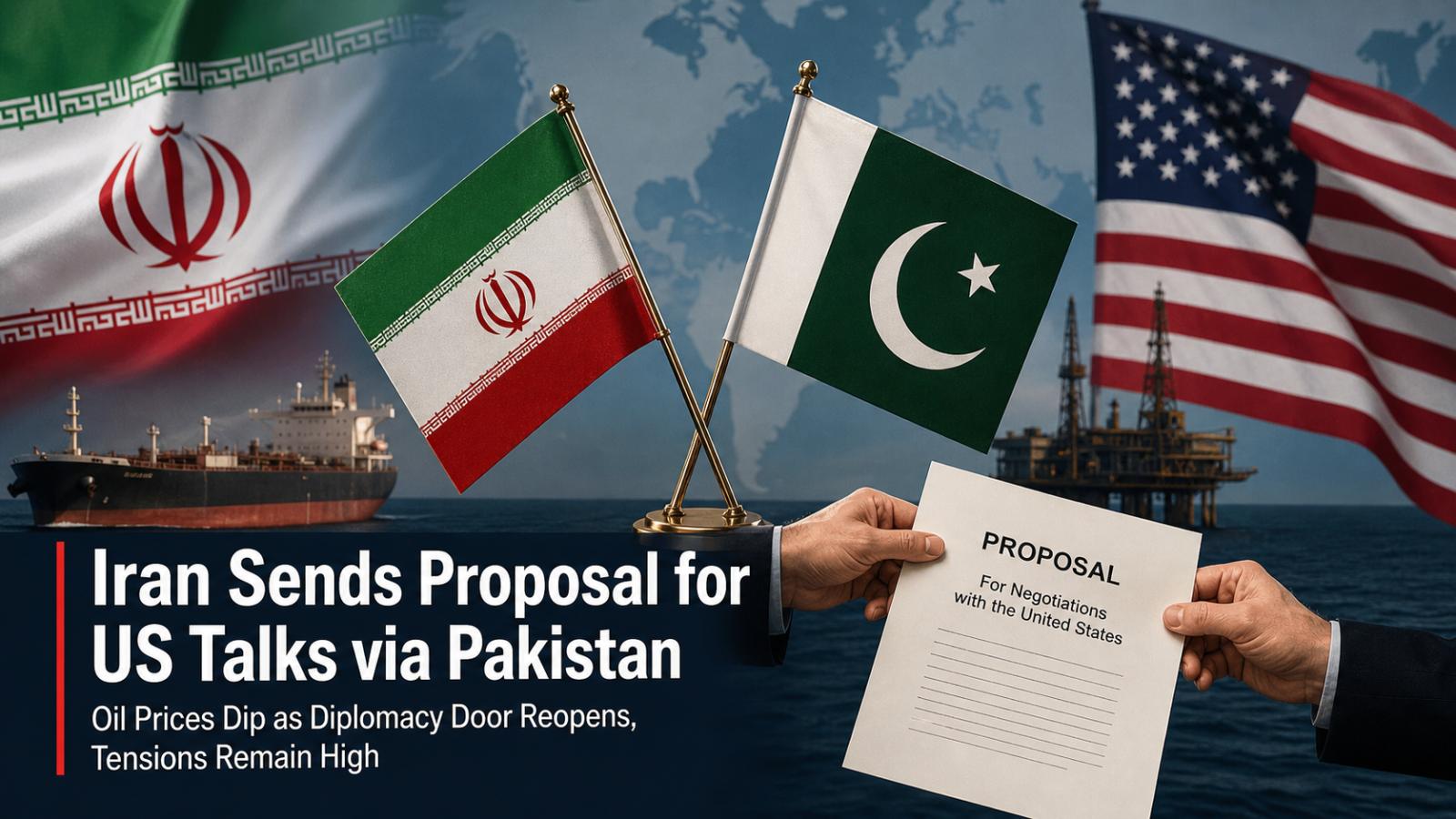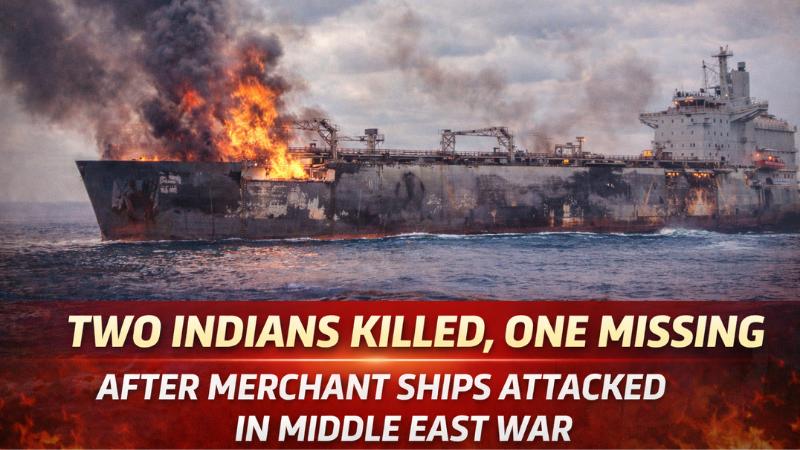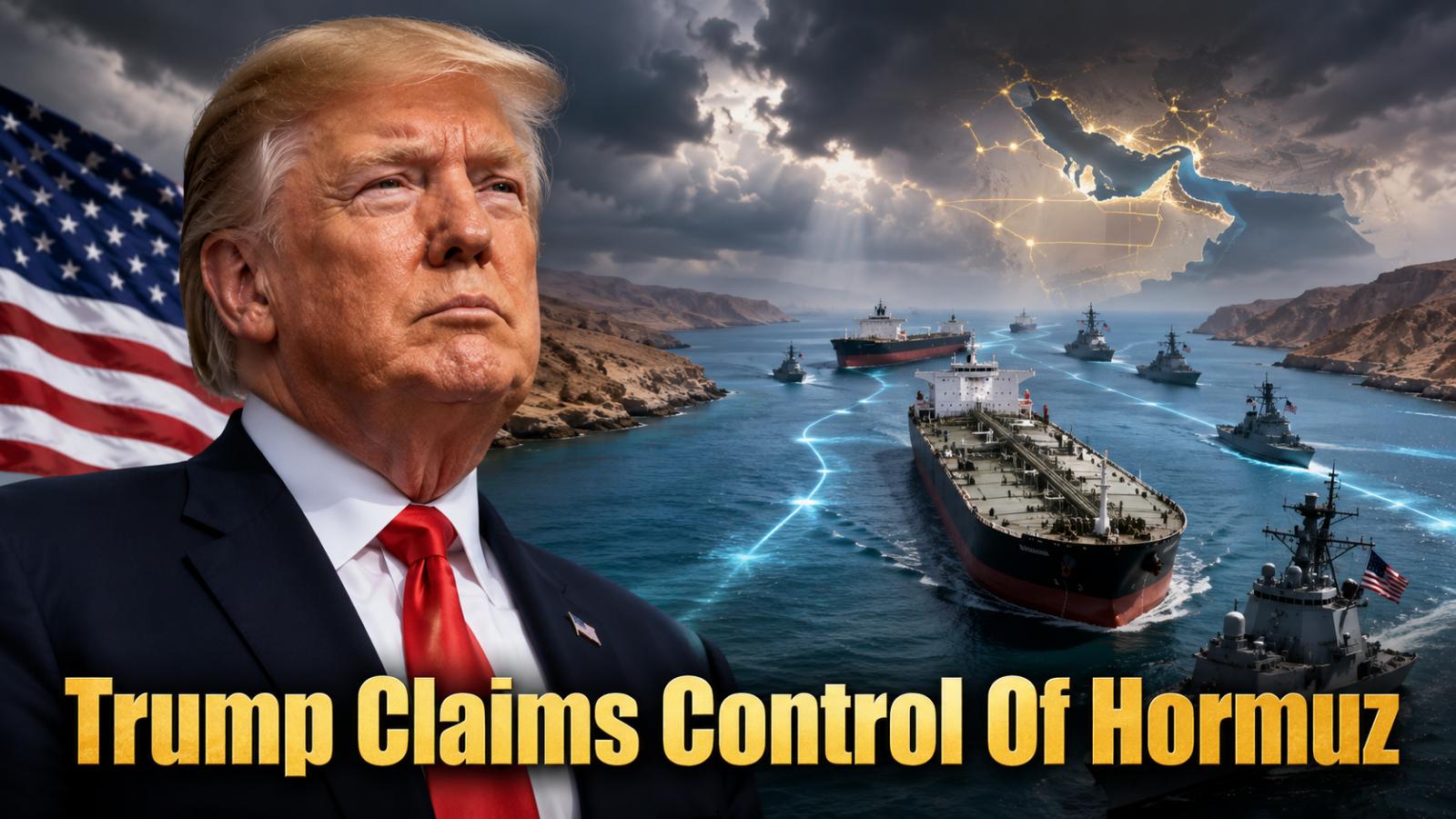
President Donald Trump has renewed his US Hormuz control claim, saying Washington has “complete control” of the Strait of Hormuz as more oil tankers move through the strategic waterway. Shipping remains well below normal levels, however, while Iran continues to dispute American claims of control.
Trump Hormuz claim
Trump told reporters on Wednesday that a large number of vessels had recently passed through the Strait of Hormuz and said the United States now had possession and “complete control” of the waterway apart from what he described as occasional Iranian harassment.
The president has made similar claims repeatedly during the conflict. In July, the White House quoted Trump as saying that only ships Washington wanted to pass were getting through and that Iran did not control the strait.
Iran rejects that interpretation. Iranian officials have publicly claimed that Tehran controls and manages the strategic passage and have linked a full reopening to the broader dispute with Washington.
Hormuz oil flow
Trump said increased oil movement through the strait had helped prevent crude prices from reaching extreme levels. Independent shipping data nevertheless shows that traffic remains heavily disrupted.
Reuters reported that only six commodity vessels crossed the Strait of Hormuz on Tuesday, compared with nine the previous day and a recent average of about 11 daily transits. Before the conflict, the waterway handled roughly one-fifth of global crude oil and liquefied natural gas shipments.
Separate reporting indicates that the US military has been helping facilitate oil movements through the southern channel of the strait. US officials cited in reporting said tankers were being moved through during tightly controlled operations, although overall oil traffic remains below pre-war levels.
US naval blockade
The broader US strategy includes a military blockade aimed at restricting vessels travelling to and from Iranian ports. Trump has repeatedly presented that pressure campaign as evidence that Washington holds the operational advantage in the waterway.
US Central Command has conducted blockade enforcement operations in and around the Gulf and Gulf of Oman during the conflict. The White House has also described US naval power as central to maintaining control of shipping routes while restricting Iranian maritime activity.
The distinction is important: controlling selected vessel movement through military force is not the same as internationally recognized sovereignty over the Strait of Hormuz. The waterway remains bordered by Iran and Oman, while shipping rights and territorial waters continue to operate under international maritime rules.
Brent crude and Gulf oil
Energy markets continue to reflect the risk surrounding the strait. The US Energy Information Administration said disruption to Hormuz had already caused substantial volatility in global crude flows and prices earlier in the conflict. Brent crude averaged about $85 per barrel in June after previously trading above $100 as shipping disruptions intensified.
The reduced flow through Hormuz has also forced buyers to seek alternative supplies and shipping routes. Asian refiners have increased purchases from other markets, including the United States, while some major shipping companies have avoided the passage because of security risks.
Iran strait row
The fight over Hormuz is now both military and political. Trump says the United States controls access and can keep oil moving despite Iranian threats, while Tehran argues that Washington cannot dictate the status of a waterway on Iran’s doorstep.
The current shipping data supports neither side’s strongest rhetoric. The strait is not functioning normally, but it is also not completely closed. Tankers are moving through in limited numbers under extraordinary security conditions.
That makes Hormuz one of the most important pressure points in the US-Iran conflict. If traffic continues to increase, oil markets could stabilize further. If military incidents intensify, the same narrow shipping corridor could again become the fastest route to a new global energy shock.