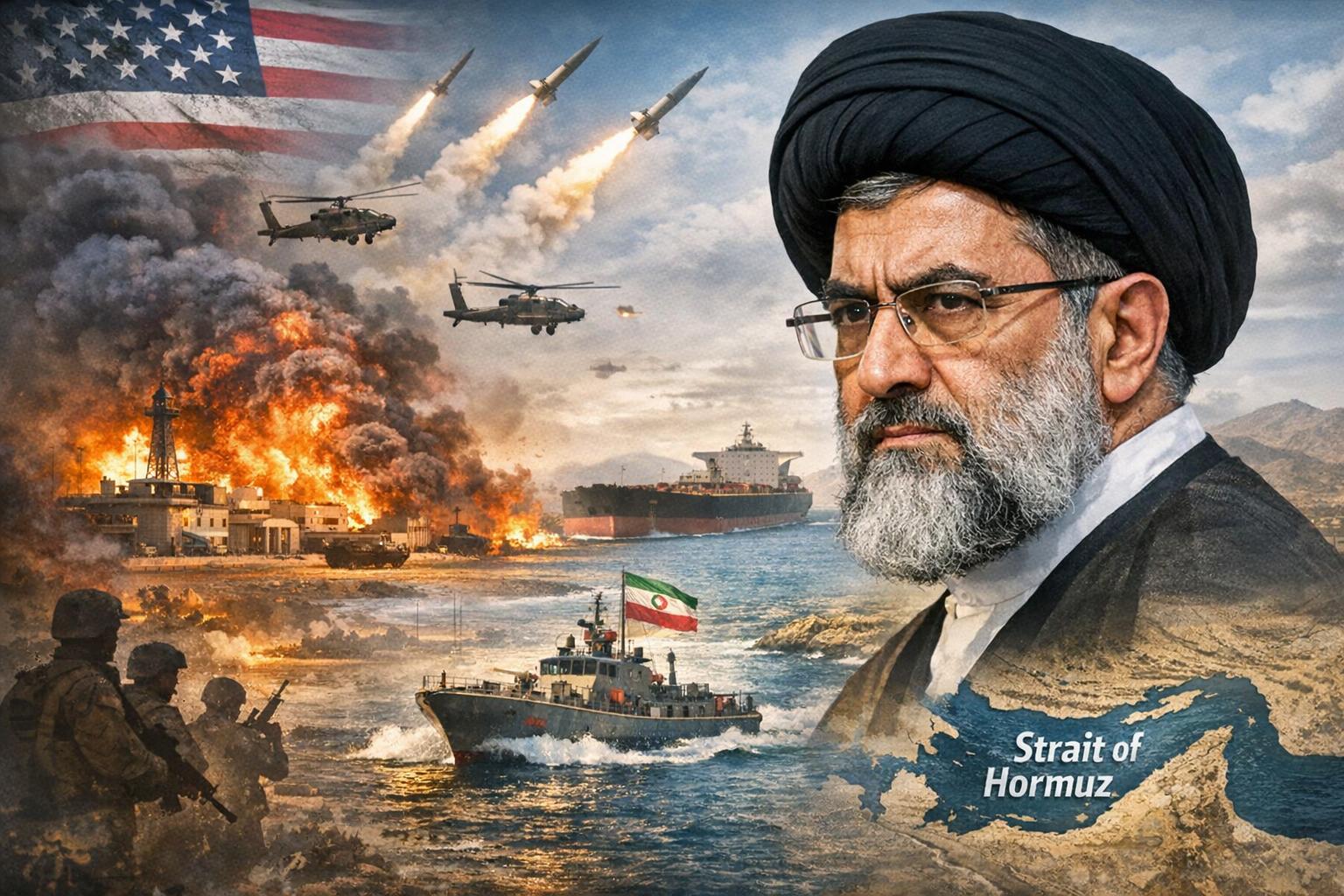
Iran’s newly appointed Supreme Leader Mojtaba Khamenei delivered a strong and defiant message in his first public statement since assuming the country’s highest leadership position, warning that Iran will continue responding to what it describes as hostile actions by the United States and its allies. In the message broadcast on state television on Thursday, March 12, Khamenei vowed revenge for what he called crimes committed against Iran and signaled that attacks linked to ongoing regional t
Iran’s newly appointed Supreme Leader Mojtaba Khamenei delivered a strong and defiant message in his first public statement since assuming the country’s highest leadership position, warning that Iran will continue responding to what it describes as hostile actions by the United States and its allies. In the message broadcast on state television on Thursday, March 12, Khamenei vowed revenge for what he called crimes committed against Iran and signaled that attacks linked to ongoing regional t
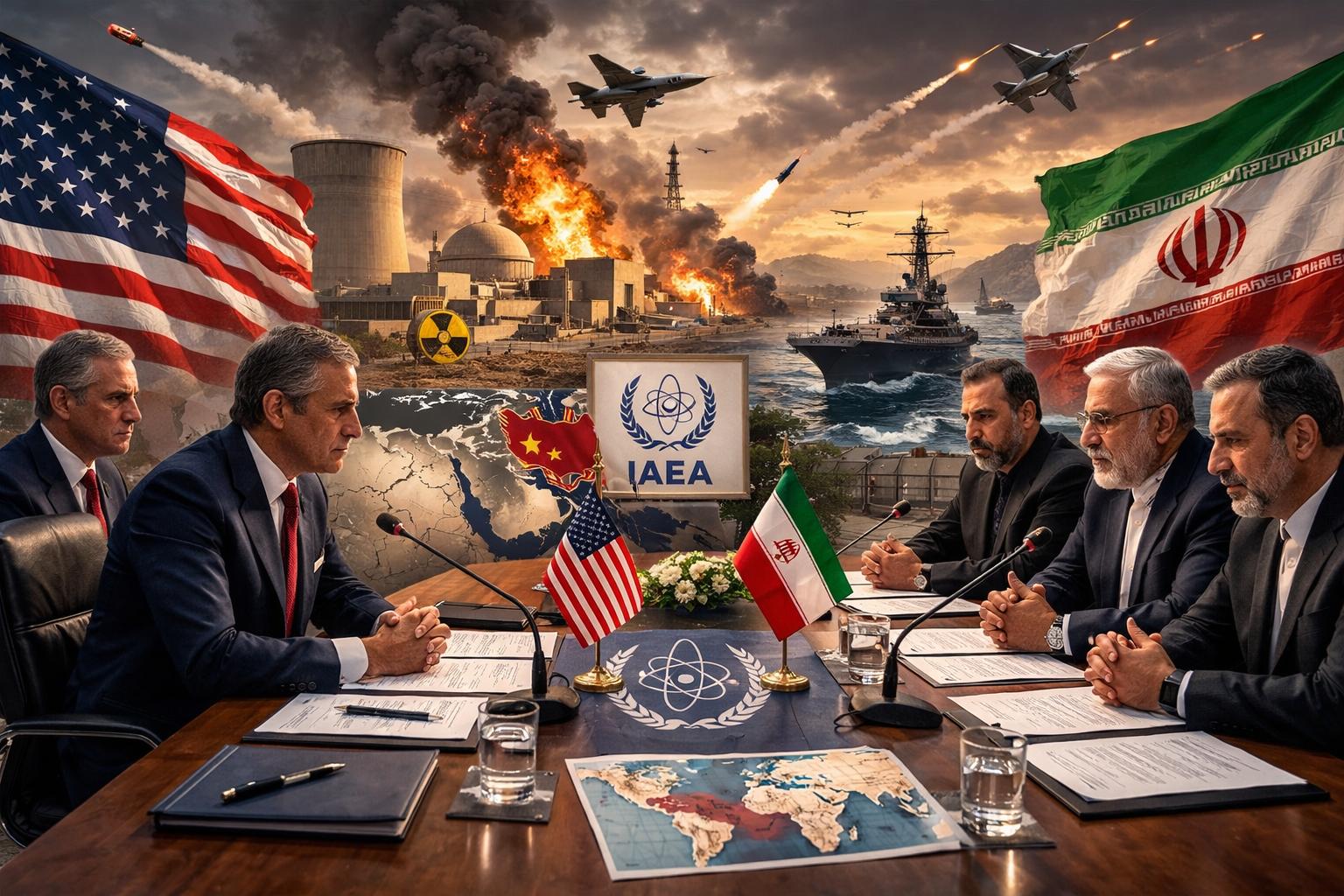
The head of the International Atomic Energy Agency (IAEA), Rafael Grossi, has issued a stark warning about the narrowing window for diplomacy between the United States and Iran, emphasizing the urgent need for an agreement to prevent further military escalation. His remarks come as concerns grow over Iran’s enriched nuclear material, which he said remains largely intact despite US strikes on key facilities last year.
Speaking in an interview with French broadcaster TF1, Grossi stressed tha
The head of the International Atomic Energy Agency (IAEA), Rafael Grossi, has issued a stark warning about the narrowing window for diplomacy between the United States and Iran, emphasizing the urgent need for an agreement to prevent further military escalation. His remarks come as concerns grow over Iran’s enriched nuclear material, which he said remains largely intact despite US strikes on key facilities last year.
Speaking in an interview with French broadcaster TF1, Grossi stressed tha
Oil prices climbed sharply on Wednesday, rising more than 4% as investors reacted to escalating tensions between the United States and Iran following the latest round of nuclear negotiations. Market sentiment shifted after U.S. Vice President JD Vance indicated that Tehran had failed to address key American demands and warned that military options remain under consideration.
U.S. West Texas Intermediate crude settled up $2.86, or 4.59%, at $65.19 per barrel, while global benchmark B
Oil prices climbed sharply on Wednesday, rising more than 4% as investors reacted to escalating tensions between the United States and Iran following the latest round of nuclear negotiations. Market sentiment shifted after U.S. Vice President JD Vance indicated that Tehran had failed to address key American demands and warned that military options remain under consideration.
U.S. West Texas Intermediate crude settled up $2.86, or 4.59%, at $65.19 per barrel, while global benchmark B
Iran has indicated it is prepared to allow verification of its nuclear activities following the conclusion of a second round of US-Iran negotiations mediated by Oman. Speaking on Tuesday, February 17, Iranian President Masoud Pezeshkian reiterated that Tehran has no intention of developing atomic weapons and expressed openness to international scrutiny aimed at confirming that position.
In remarks reported after the Geneva talks, Pezeshkian stated that Iran’s stance on nuclear weapons rema
Iran has indicated it is prepared to allow verification of its nuclear activities following the conclusion of a second round of US-Iran negotiations mediated by Oman. Speaking on Tuesday, February 17, Iranian President Masoud Pezeshkian reiterated that Tehran has no intention of developing atomic weapons and expressed openness to international scrutiny aimed at confirming that position.
In remarks reported after the Geneva talks, Pezeshkian stated that Iran’s stance on nuclear weapons rema
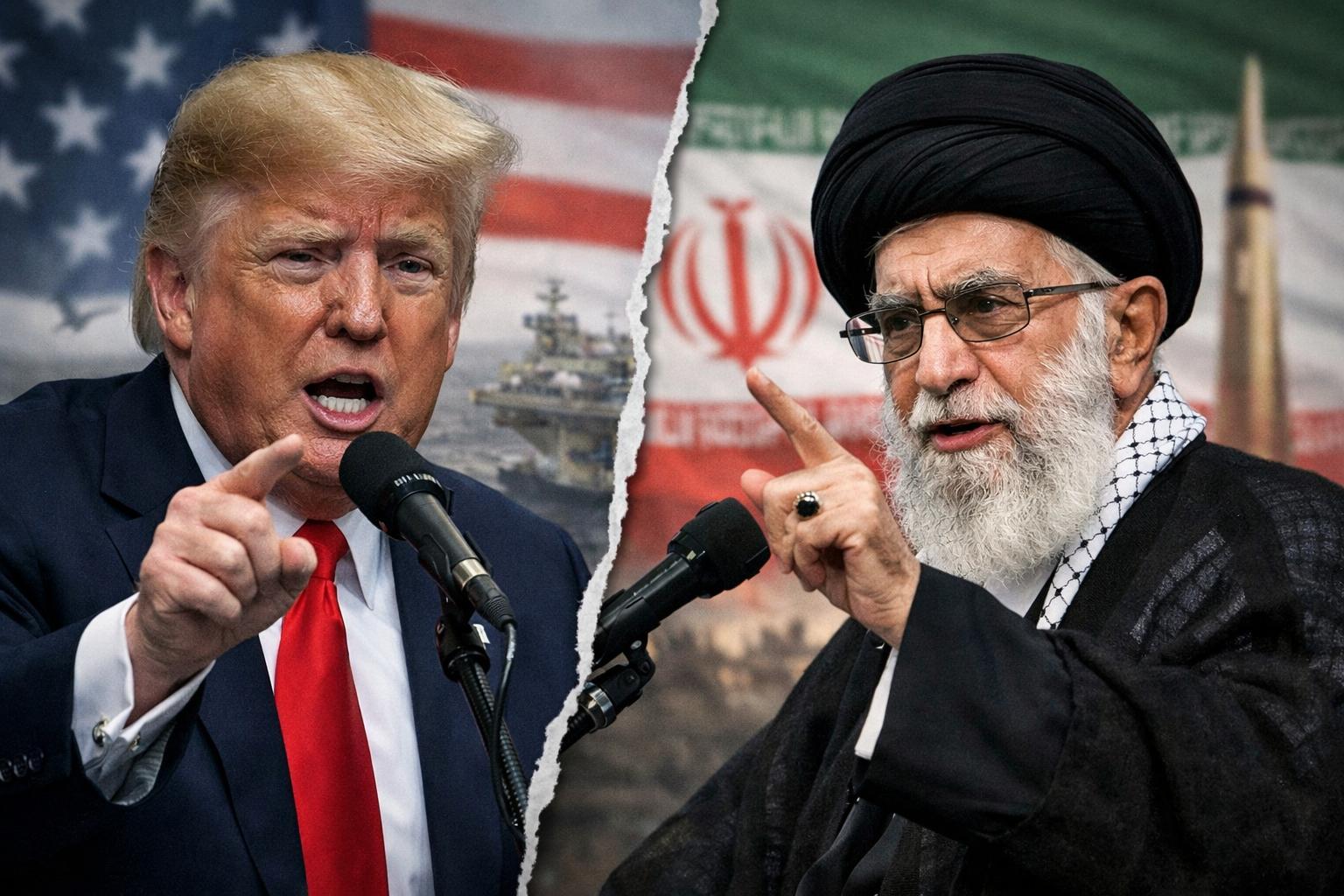
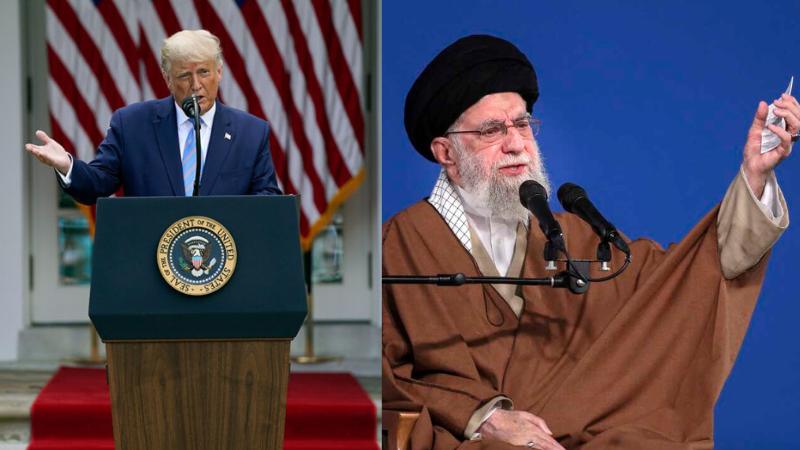
Tensions between the United States and Iran intensified this week as both sides exchanged sharp rhetoric ahead of renewed diplomatic efforts over Tehran’s nuclear program. Former US President Donald Trump highlighted America’s military strength while Iran’s Supreme Leader Ali Khamenei issued a pointed warning, underscoring the fragile atmosphere surrounding the latest round of nuclear deal talks.
The war of words escalated even before the second round of negotiations, which were mediat
Tensions between the United States and Iran intensified this week as both sides exchanged sharp rhetoric ahead of renewed diplomatic efforts over Tehran’s nuclear program. Former US President Donald Trump highlighted America’s military strength while Iran’s Supreme Leader Ali Khamenei issued a pointed warning, underscoring the fragile atmosphere surrounding the latest round of nuclear deal talks.
The war of words escalated even before the second round of negotiations, which were mediat
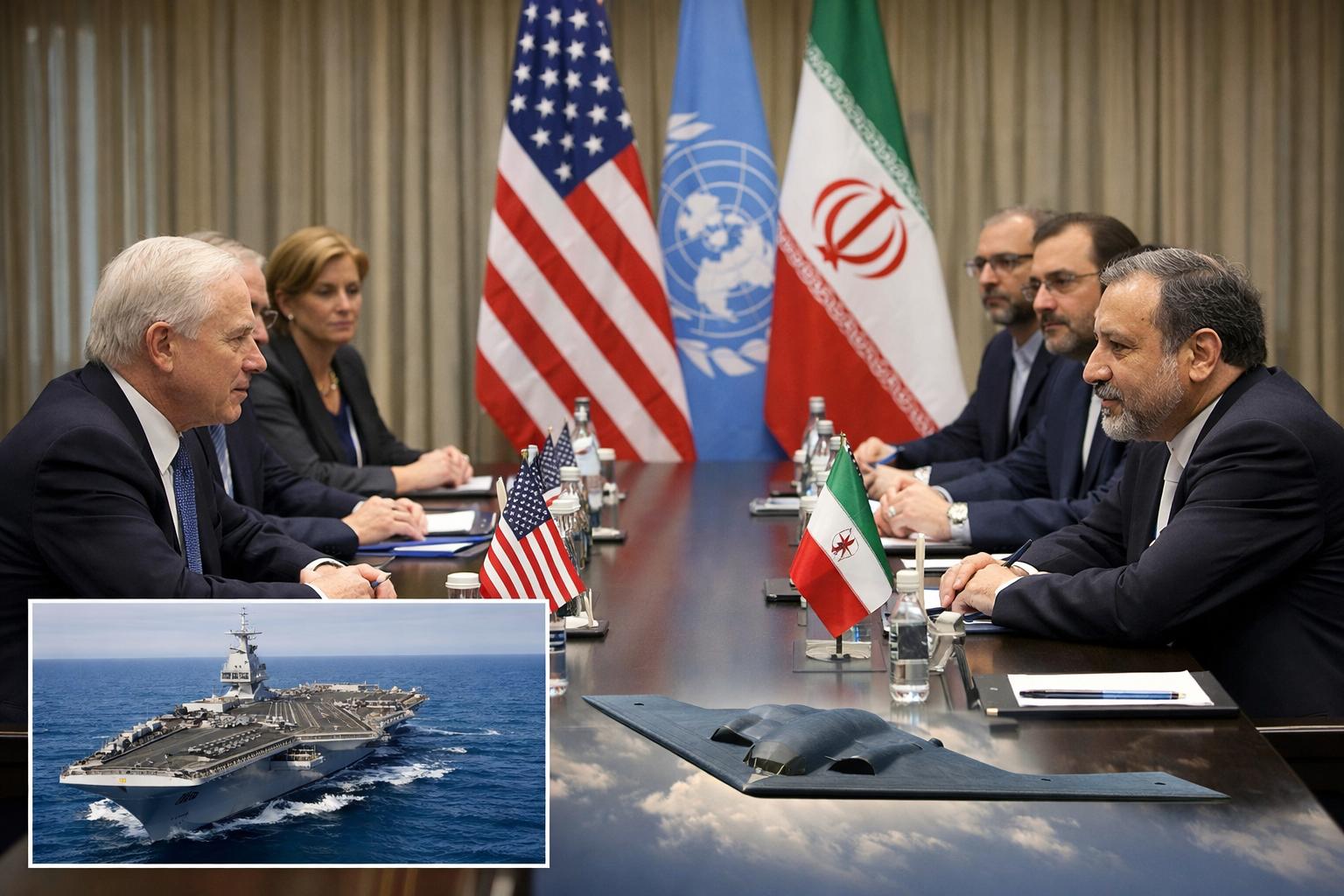
The second round of talks between the United States and Iran concluded in Geneva on Tuesday, with both sides signaling cautious optimism about the path forward. The Geneva meet, facilitated through Oman mediation, comes at a sensitive moment in US Iran relations, with diplomatic and military signals unfolding simultaneously across the Middle East.
Speaking at the Conference on Disarmament, Iran FM Abbas Araghchi described the latest engagement as a potential turning point. He said a
The second round of talks between the United States and Iran concluded in Geneva on Tuesday, with both sides signaling cautious optimism about the path forward. The Geneva meet, facilitated through Oman mediation, comes at a sensitive moment in US Iran relations, with diplomatic and military signals unfolding simultaneously across the Middle East.
Speaking at the Conference on Disarmament, Iran FM Abbas Araghchi described the latest engagement as a potential turning point. He said a
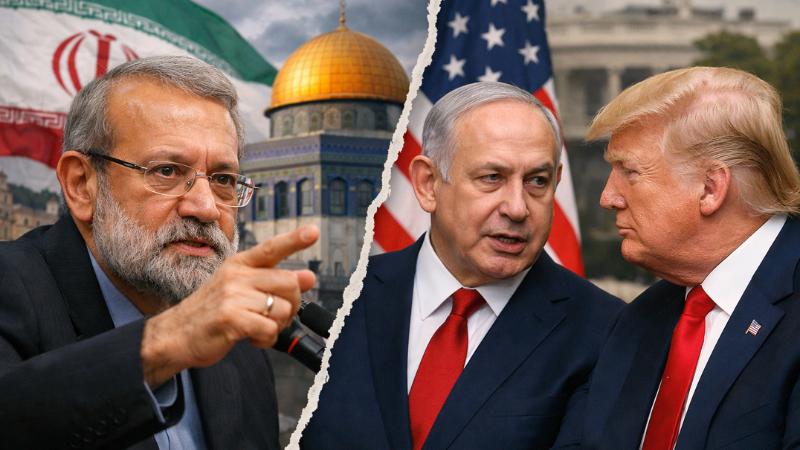
A senior Iranian security official has issued a sharp warning to the United States ahead of Israeli Prime Minister Benjamin Netanyahu’s visit to Washington, underscoring escalating rhetoric between Tehran and Tel Aviv as diplomatic efforts around Iran’s nuclear program continue to shape regional politics.
Ali Larijani, a prominent figure in Iran’s political and security establishment, addressed the matter in a post on social media on Tuesday, urging American policymakers and citizens to exercise caution. He said the United States should “think wisely” and remain alert to what he described as the “destructive role of the Zionists,” signaling Tehran’s deep distrust of Israeli influence over Washington’s foreign policy decisions. Larijani criticized Netanyahu’s planned trip, suggesting that the Israeli leader intended to sway the United States’ stance on negotiations related to Iran’s nuclear activities.
In his remarks, Larijani argued that Netanyahu might attempt to frame the direction of nuclear negotiations before arriving in the United States. He warned that such messaging could mislead American officials and complicate ongoing diplomatic efforts. The comments reflect broader concerns in Tehran that Israel seeks to derail talks that could ease tensions between Iran and the United States or lead to a new agreement governing Iran’s nuclear program.
Separately, Iran’s judiciary chief, Gholamhossein Mohseni Ejei, reinforced the government’s hardline posture. Speaking publicly, he said the Islamic Republic had demonstrated “compassion” since its founding but stressed that authorities would not hesitate to confront individuals or groups deemed disloyal. Ejei warned that the judiciary would take action against those acting “in tandem with Israel and other enemies of the Islamic revolution,” a statement widely interpreted as a message to domestic critics and alleged collaborators.
Meanwhile, Netanyahu confirmed that discussions about Iran’s nuclear ambitions would be a central part of his agenda in Washington. Before departing for the US capital, the Israeli prime minister told reporters that he intended to present Israel’s approach and core principles regarding negotiations with Tehran. He described these principles as essential not only for Israel’s security but for any country seeking peace and stability in the Middle East.
Netanyahu also emphasized the close relationship between Israel and the United States, highlighting frequent meetings with former US President Donald Trump as evidence of strong diplomatic and personal ties. According to the Israeli leader, this partnership plays a critical role in shaping policy on issues ranging from nuclear talks to the ongoing conflict in Gaza. He indicated that a range of regional security concerns would be discussed during the visit.
The exchange of pointed statements from both sides illustrates the persistent tensions surrounding Iran’s nuclear program and the broader geopolitical rivalry between Iran and Israel. As Washington prepares to engage with Israeli leadership while weighing its approach to Tehran, the coming discussions are likely to influence not only bilateral US-Israel relations but also the future trajectory of diplomacy and security across the Middle East.
A senior Iranian security official has issued a sharp warning to the United States ahead of Israeli Prime Minister Benjamin Netanyahu’s visit to Washington, underscoring escalating rhetoric between Tehran and Tel Aviv as diplomatic efforts around Iran’s nuclear program continue to shape regional politics.
Ali Larijani, a prominent figure in Iran’s political and security establishment, addressed the matter in a post on social media on Tuesday, urging American policymakers and citizens to exercise caution. He said the United States should “think wisely” and remain alert to what he described as the “destructive role of the Zionists,” signaling Tehran’s deep distrust of Israeli influence over Washington’s foreign policy decisions. Larijani criticized Netanyahu’s planned trip, suggesting that the Israeli leader intended to sway the United States’ stance on negotiations related to Iran’s nuclear activities.
In his remarks, Larijani argued that Netanyahu might attempt to frame the direction of nuclear negotiations before arriving in the United States. He warned that such messaging could mislead American officials and complicate ongoing diplomatic efforts. The comments reflect broader concerns in Tehran that Israel seeks to derail talks that could ease tensions between Iran and the United States or lead to a new agreement governing Iran’s nuclear program.
Separately, Iran’s judiciary chief, Gholamhossein Mohseni Ejei, reinforced the government’s hardline posture. Speaking publicly, he said the Islamic Republic had demonstrated “compassion” since its founding but stressed that authorities would not hesitate to confront individuals or groups deemed disloyal. Ejei warned that the judiciary would take action against those acting “in tandem with Israel and other enemies of the Islamic revolution,” a statement widely interpreted as a message to domestic critics and alleged collaborators.
Meanwhile, Netanyahu confirmed that discussions about Iran’s nuclear ambitions would be a central part of his agenda in Washington. Before departing for the US capital, the Israeli prime minister told reporters that he intended to present Israel’s approach and core principles regarding negotiations with Tehran. He described these principles as essential not only for Israel’s security but for any country seeking peace and stability in the Middle East.
Netanyahu also emphasized the close relationship between Israel and the United States, highlighting frequent meetings with former US President Donald Trump as evidence of strong diplomatic and personal ties. According to the Israeli leader, this partnership plays a critical role in shaping policy on issues ranging from nuclear talks to the ongoing conflict in Gaza. He indicated that a range of regional security concerns would be discussed during the visit.
The exchange of pointed statements from both sides illustrates the persistent tensions surrounding Iran’s nuclear program and the broader geopolitical rivalry between Iran and Israel. As Washington prepares to engage with Israeli leadership while weighing its approach to Tehran, the coming discussions are likely to influence not only bilateral US-Israel relations but also the future trajectory of diplomacy and security across the Middle East.
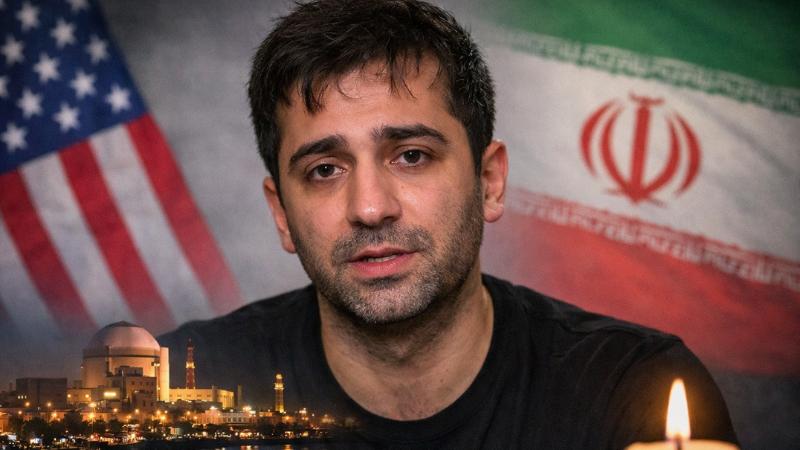
An Iranian man has reportedly taken his own life after recording and sharing a video message in which he appealed directly to former US President Donald Trump to halt any diplomatic engagement with Iran’s current leadership. The man, identified by activists and Iranian media as Pouria Hamidi, was from the southern port city of Bushehr. His death has drawn renewed attention to ongoing political tensions inside Iran and the wider international debate surrounding Tehran’s relations with Wash
An Iranian man has reportedly taken his own life after recording and sharing a video message in which he appealed directly to former US President Donald Trump to halt any diplomatic engagement with Iran’s current leadership. The man, identified by activists and Iranian media as Pouria Hamidi, was from the southern port city of Bushehr. His death has drawn renewed attention to ongoing political tensions inside Iran and the wider international debate surrounding Tehran’s relations with Wash
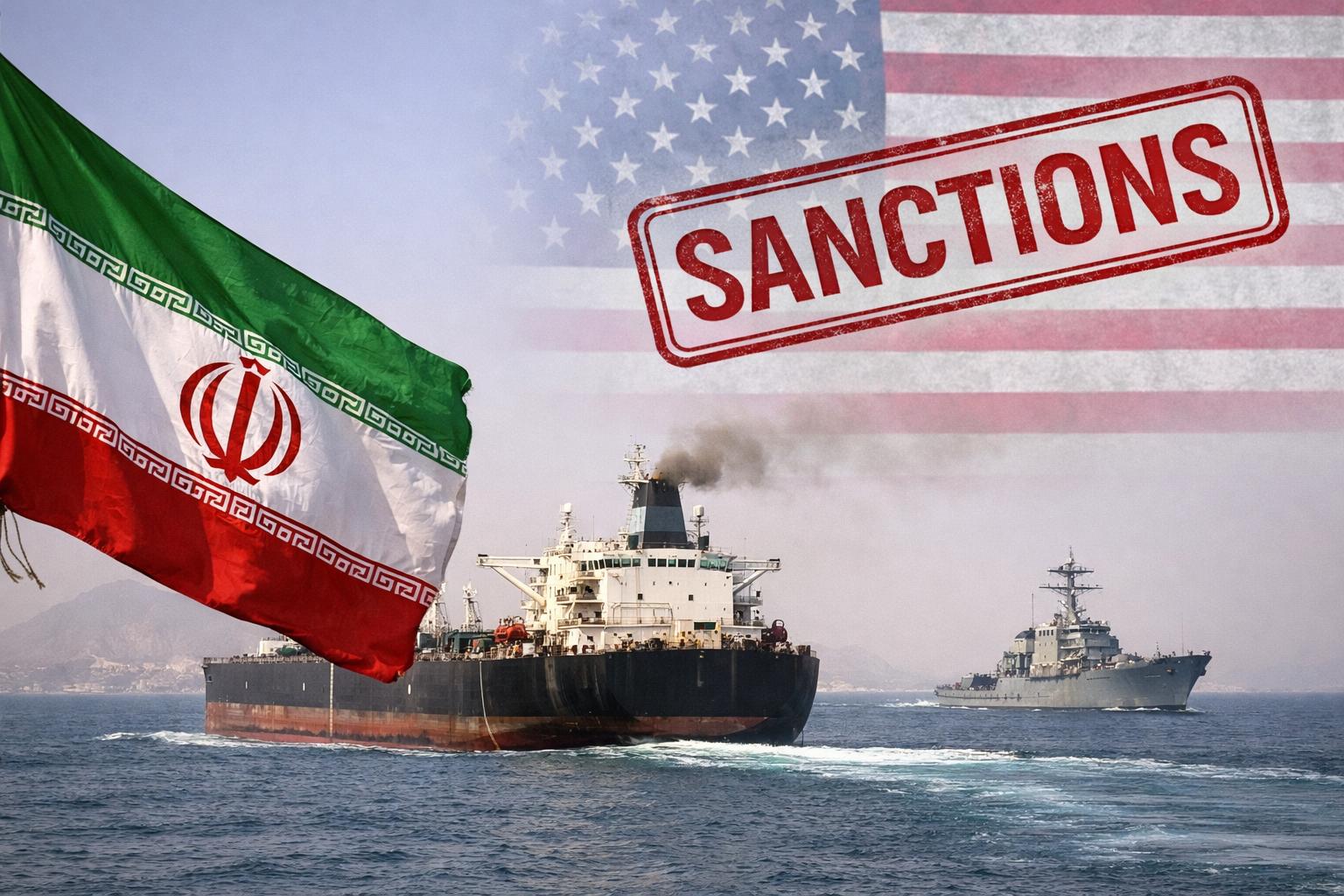
The United States announced a new round of sanctions on Friday targeting Iran’s oil and petrochemical trade, hours after indirect diplomatic talks between Tehran and Washington concluded in Oman, underscoring the fragile balance between pressure and engagement as both sides attempt to manage tensions surrounding Iran’s nuclear programme.
The measures, unveiled by the US State Department, apply to 15 entities and 14 vessels that officials say are linked to Iran’s so-called shad
The United States announced a new round of sanctions on Friday targeting Iran’s oil and petrochemical trade, hours after indirect diplomatic talks between Tehran and Washington concluded in Oman, underscoring the fragile balance between pressure and engagement as both sides attempt to manage tensions surrounding Iran’s nuclear programme.
The measures, unveiled by the US State Department, apply to 15 entities and 14 vessels that officials say are linked to Iran’s so-called shad
US President Donald Trump intensified his rhetoric toward Iran on Saturday, calling for a change in leadership in Tehran just a day after publicly praising Iranian authorities for halting what he said were more than 800 scheduled executions. The remarks underscored the volatile and often contradictory tone of Washington’s messaging toward Iran amid recent unrest and deadly crackdowns across the country.
Speaking in an interview, Trump described Supreme Leader Ayatollah Ali Khamene
US President Donald Trump intensified his rhetoric toward Iran on Saturday, calling for a change in leadership in Tehran just a day after publicly praising Iranian authorities for halting what he said were more than 800 scheduled executions. The remarks underscored the volatile and often contradictory tone of Washington’s messaging toward Iran amid recent unrest and deadly crackdowns across the country.
Speaking in an interview, Trump described Supreme Leader Ayatollah Ali Khamene
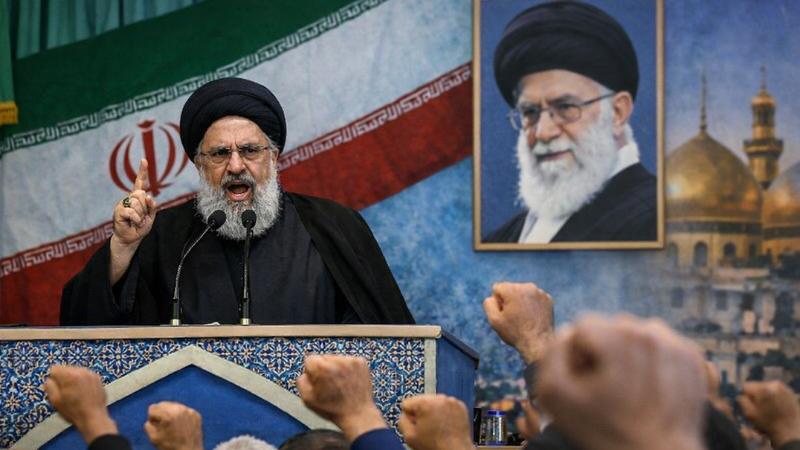
A senior Iranian cleric closely aligned with the country’s leadership has called for the execution of detained protesters and issued direct threats toward the United States, further intensifying tensions as Iran continues a sweeping crackdown on nationwide unrest. Speaking during Friday prayers in Tehran, Ayatollah Ahmad Khatami delivered a forceful sermon that was broadcast on state radio and echoed by chants from worshippers gathered in the capital.
Khatami, known for his hardli
A senior Iranian cleric closely aligned with the country’s leadership has called for the execution of detained protesters and issued direct threats toward the United States, further intensifying tensions as Iran continues a sweeping crackdown on nationwide unrest. Speaking during Friday prayers in Tehran, Ayatollah Ahmad Khatami delivered a forceful sermon that was broadcast on state radio and echoed by chants from worshippers gathered in the capital.
Khatami, known for his hardli
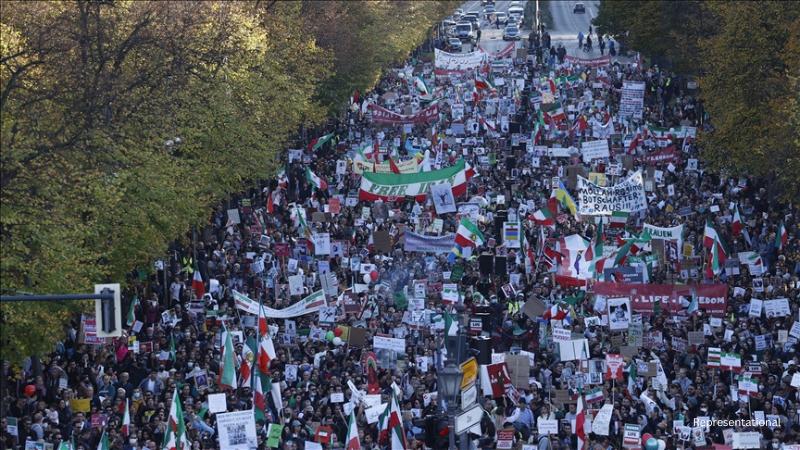
The protest movement against the Iranian regime is growing stronger and more vocal with each passing day. What began as domestic unrest has now expanded beyond the country’s borders, evolving into a global expression of dissent. Demonstrations are increasingly visible in Europe, the United States, and neighboring regions, highlighting the determination of Iranians and their supporters to draw international attention to long-standing political and social grievances. The expanding reach of these
The protest movement against the Iranian regime is growing stronger and more vocal with each passing day. What began as domestic unrest has now expanded beyond the country’s borders, evolving into a global expression of dissent. Demonstrations are increasingly visible in Europe, the United States, and neighboring regions, highlighting the determination of Iranians and their supporters to draw international attention to long-standing political and social grievances. The expanding reach of these
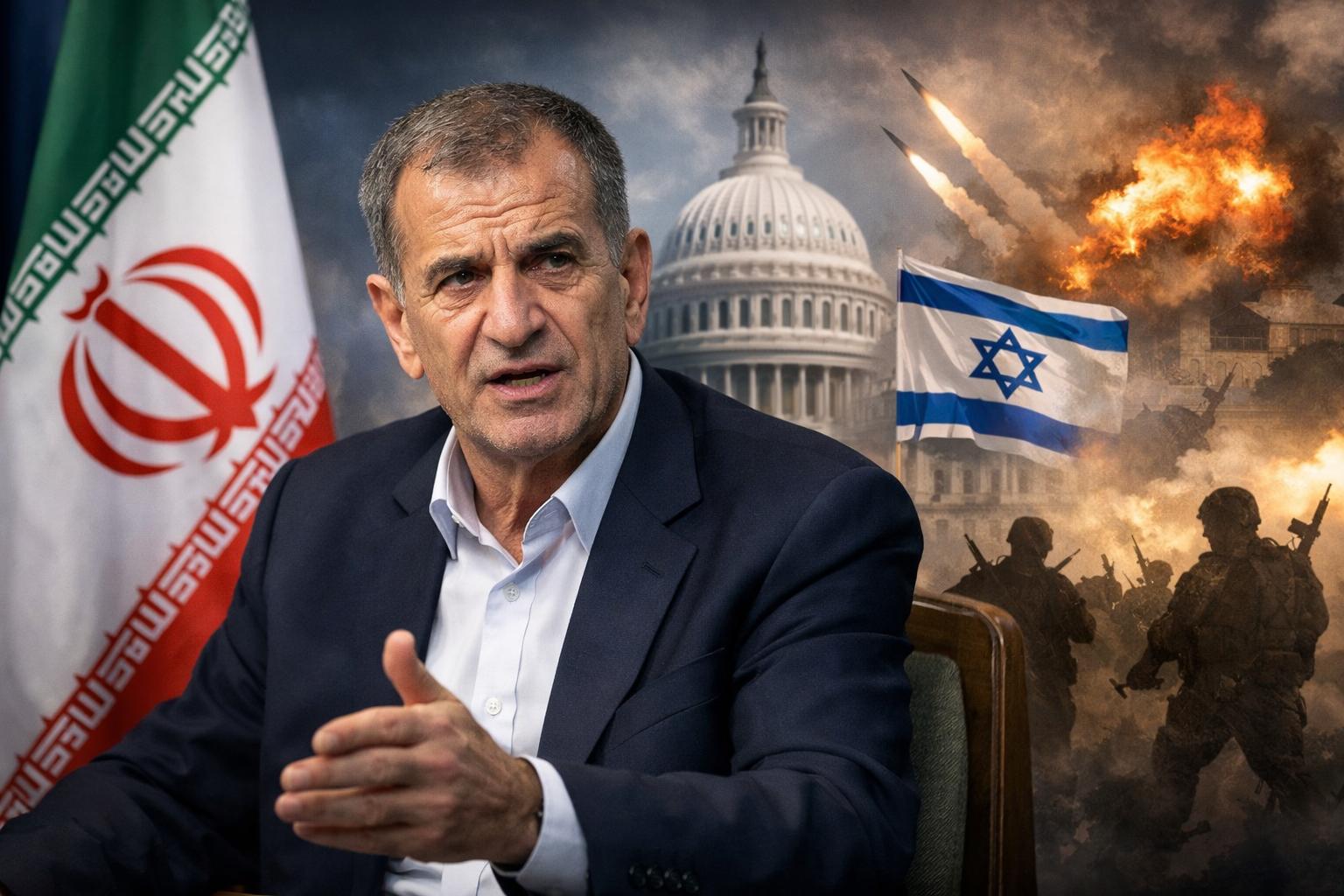
Iranian President Masoud Pezeshkian has said the country is effectively engaged in a full-scale conflict with the United States, Israel and Europe, describing Iran’s current diplomatic and strategic environment as increasingly complex and difficult. His remarks reflect heightened regional tensions following months of military confrontation, economic pressure and stalled diplomacy.
In an
Iranian President Masoud Pezeshkian has said the country is effectively engaged in a full-scale conflict with the United States, Israel and Europe, describing Iran’s current diplomatic and strategic environment as increasingly complex and difficult. His remarks reflect heightened regional tensions following months of military confrontation, economic pressure and stalled diplomacy.
In an