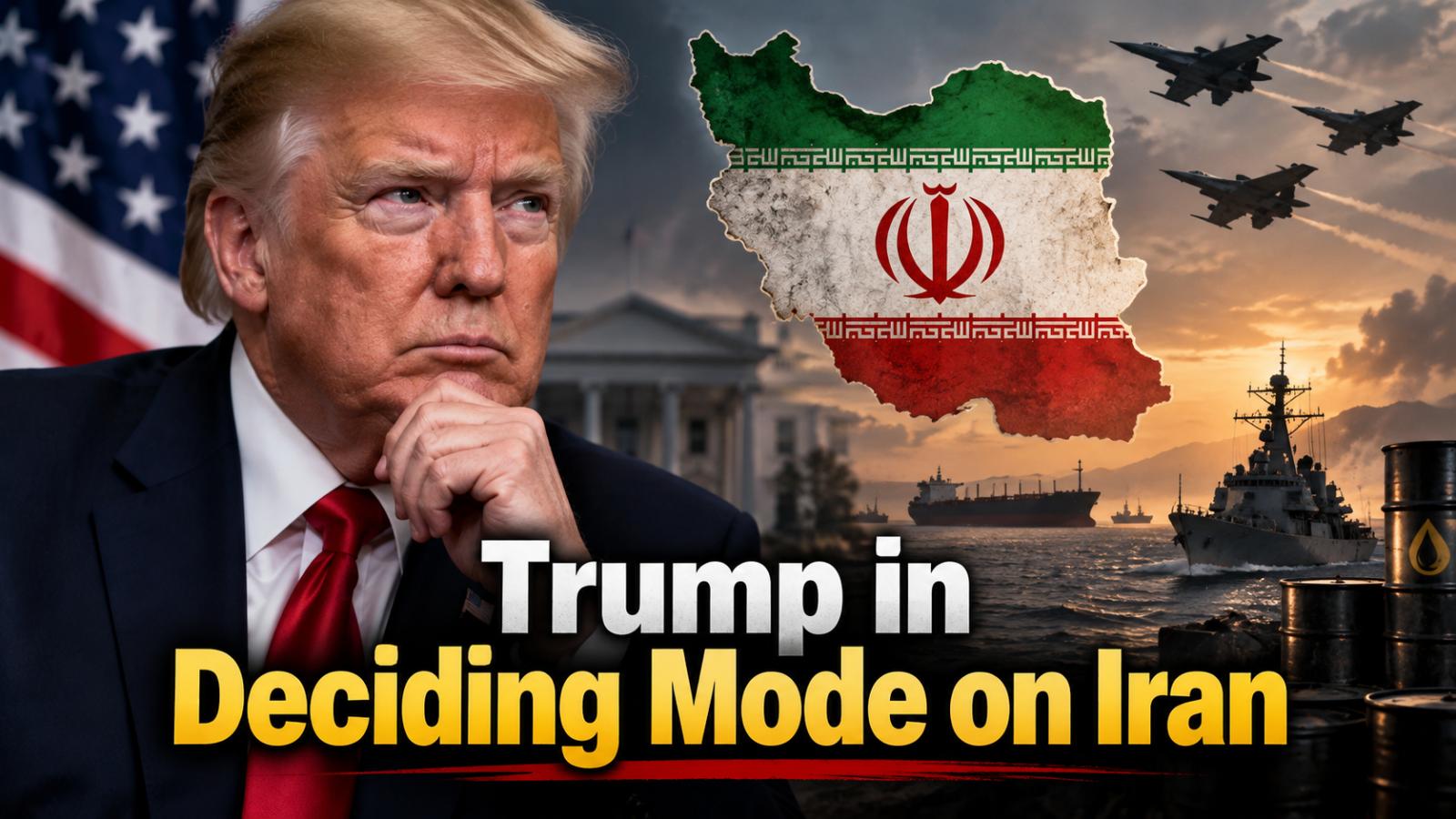
US President Donald Trump says he is in a “deciding mode” over Iran as Washington weighs military action, economic pressure and possible diplomacy. His comments come as Tehran sets conditions for renewed negotiations, Houthi attacks heighten regional tensions and the Strait of Hormuz remains central to the dispute.
Trump weighs Iran military and economic options
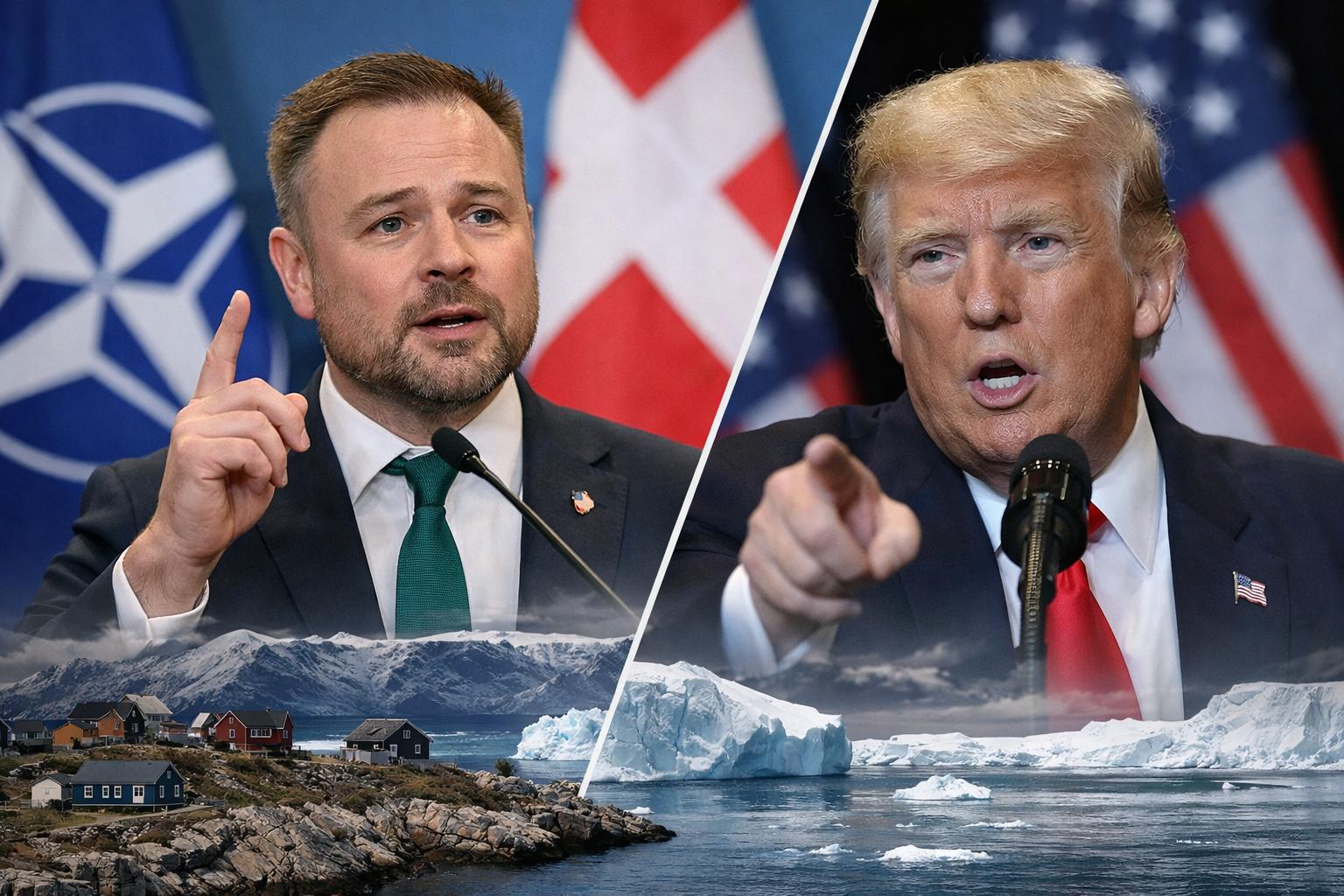
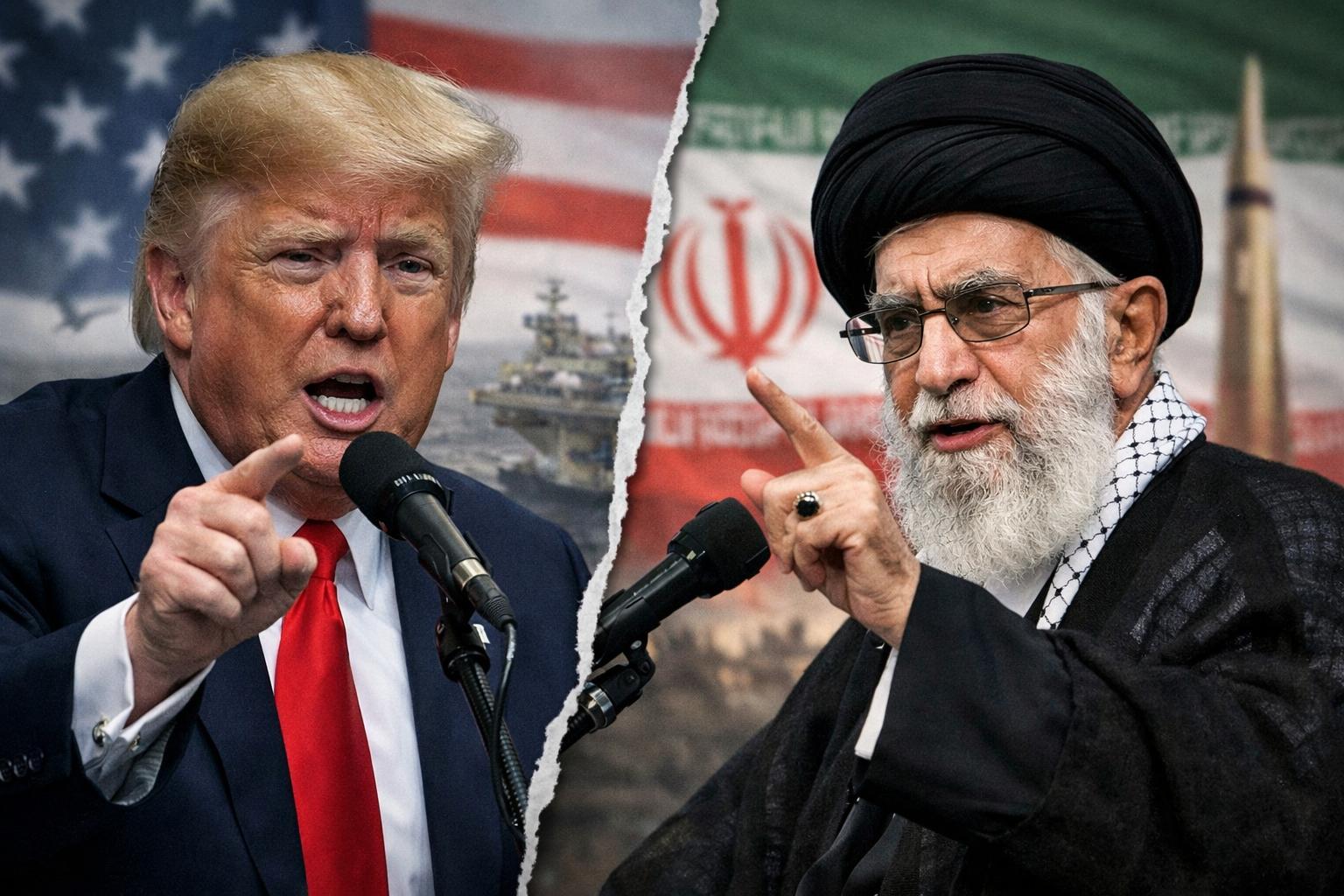
Trump told Fox News on September 20 that “very big things” could happen in the near future as he considers what course to take toward Iran. He outlined three broad possibilities: reaching a deal, intensifying economic pressure or pursuing major military action.
The president also used unusually stark language when discussing the military option, warning Iran that it should “behave.” His comments came amid renewed concern over possible escalation after months of conflict and tension across the Middle East. Iran has warned that further US attacks would bring retaliation against American interests and regional partners.
Iran talks remain possible ahead of UNGA
Trump also said he would probably be open to meeting Iranian President Masoud Pezeshkian during the United Nations General Assembly in New York. No meeting has been confirmed, and significant differences remain between Washington and Tehran.
Iranian officials say seven conditions have been conveyed to the United States through Qatari mediators. Mohsen Rezaei, secretary of Iran’s Supreme National Security Council, publicly identified several demands, including an end to fighting, the release of frozen Iranian funds and an end to the US naval blockade. He did not publicly detail all seven conditions.
Iranian parliament speaker Mohammad Bagher Ghalibaf has also said Tehran would not return to previous negotiating arrangements or reopen the Strait of Hormuz until its conditions and what it considers US commitments are addressed.
Houthis add pressure to regional security
Trump separately said the United States remains in contact with Yemen’s Houthis and that the group has agreed not to fight US forces. The claim comes despite renewed Houthi attacks on Saudi Arabia, including missile and drone strikes around Riyadh.
The Houthis have said they do not intend to target US ships under an Oman-mediated understanding, even as their conflict with Saudi Arabia continues. Their activity around the Red Sea and Bab el-Mandeb has added another layer of risk to shipping and regional security.
Strait of Hormuz remains central to Iran standoff
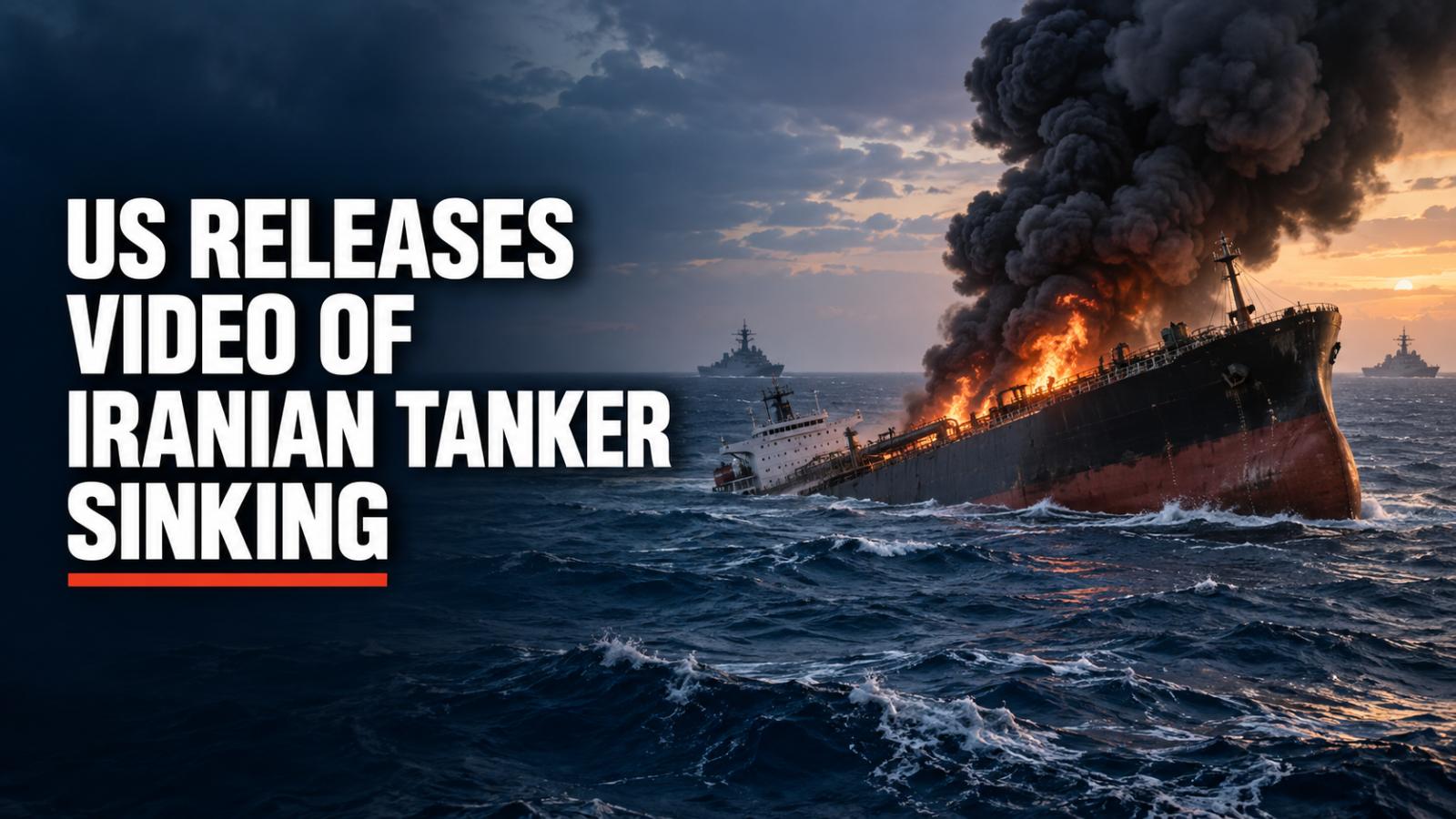
The Iran conflict continues to affect global energy markets because the Strait of Hormuz is one of the world’s most important oil shipping routes. Tehran has tied reopening the waterway to broader negotiations with Washington, while the United States continues naval operations intended to protect commercial shipping and enforce pressure on Iran.
Trump’s latest remarks do not establish which option Washington will choose. They show that military escalation, economic pressure and diplomacy remain under consideration as both sides prepare for another potentially consequential week of talks and regional security developments.