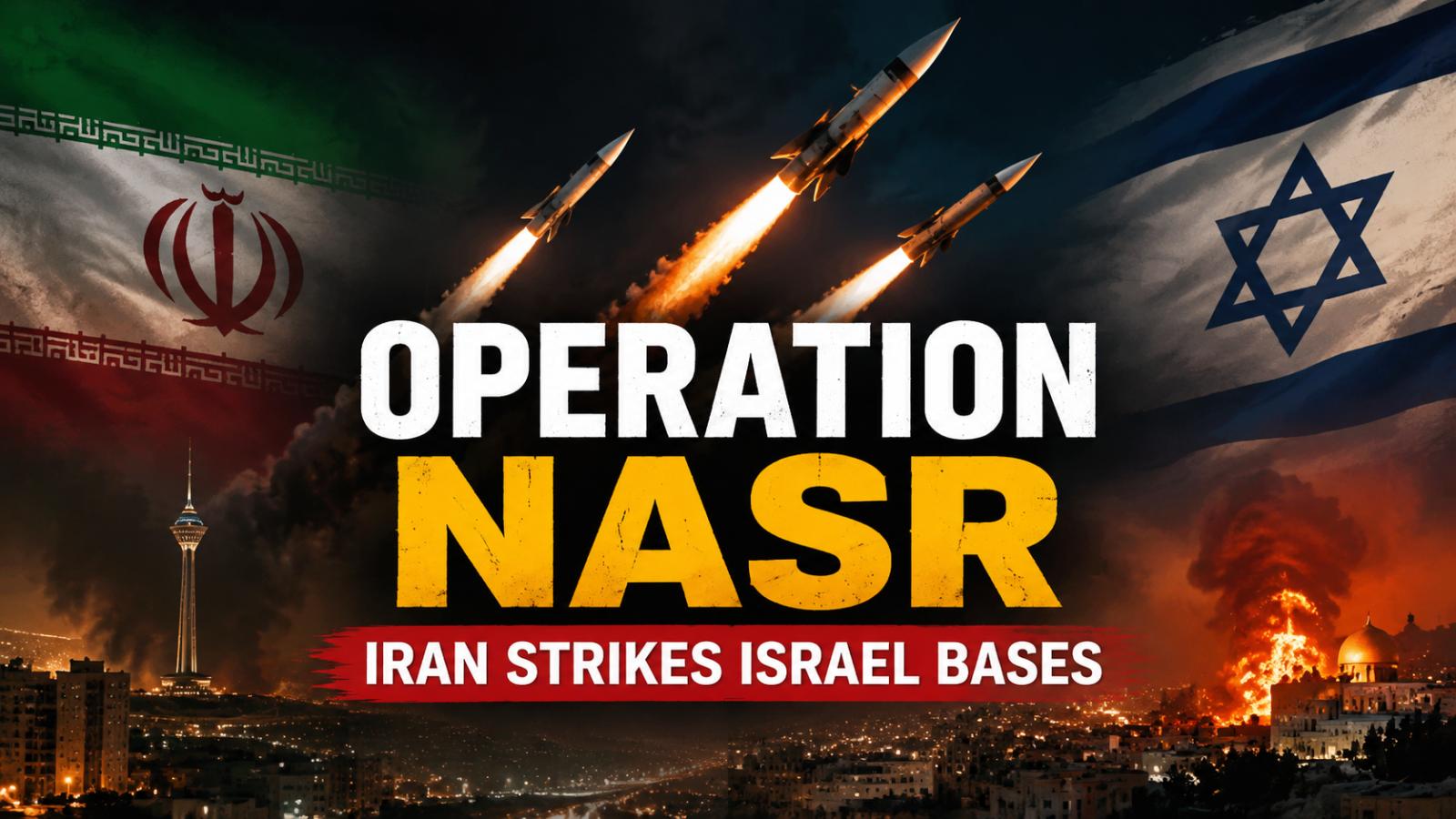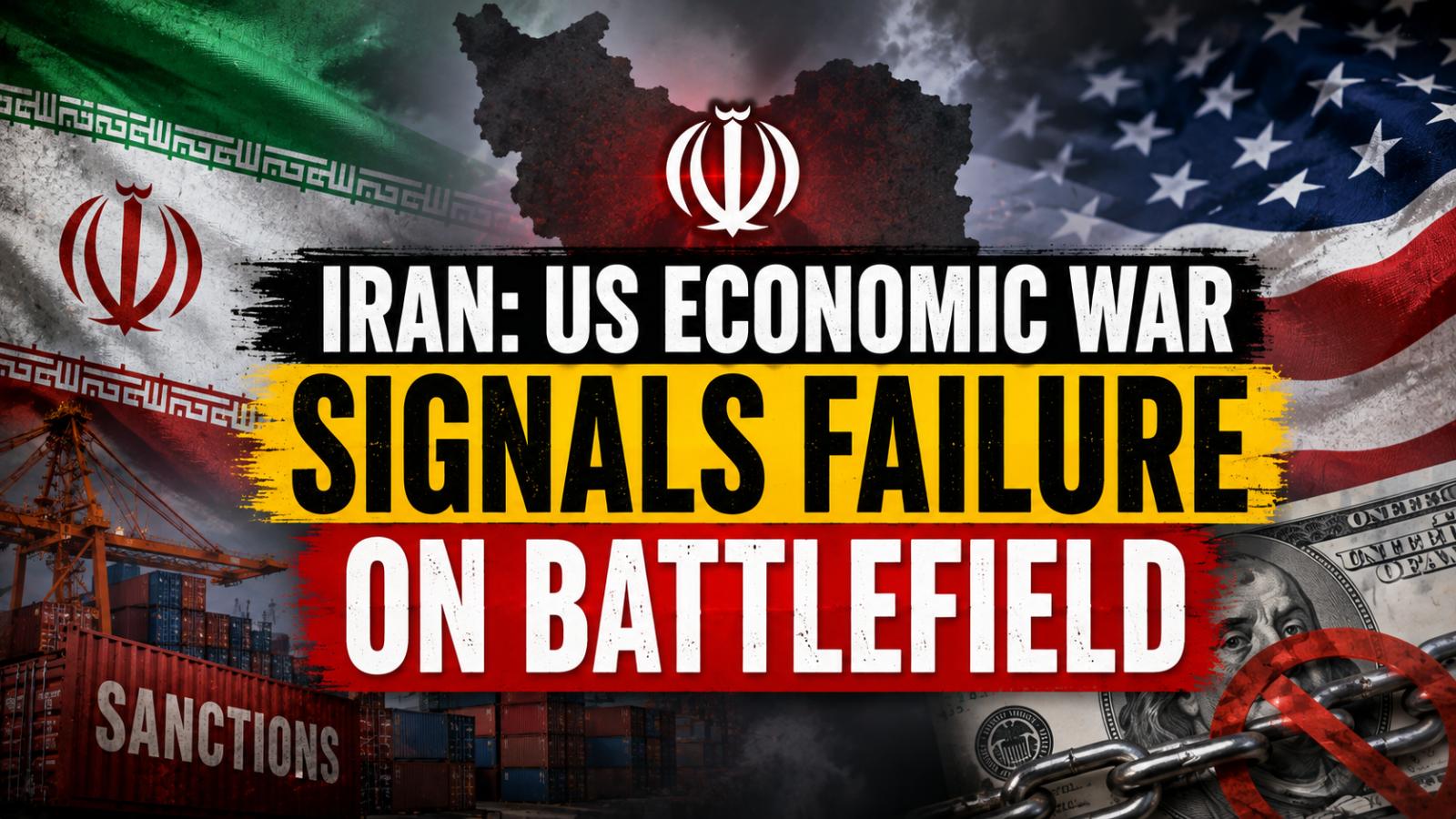
Iran has portrayed Washington’s intensified economic campaign against Tehran as evidence that the United States failed to achieve its objectives through military pressure. An Islamic Revolutionary Guard Corps spokesperson said Iran was prepared for further US actions and would seek to limit the impact of economic pressure while expanding ties with other countries.
IRGC says US economic war signals military failure
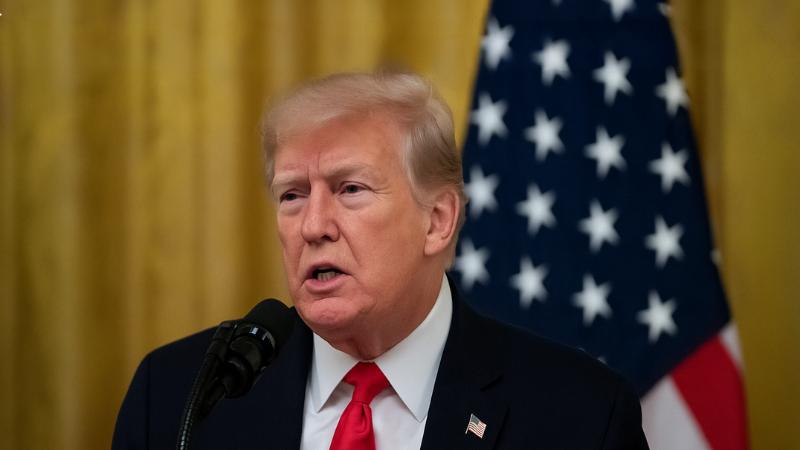
IRGC spokesperson Sardar Mohebi said on Sunday that US President Donald Trump’s decision to intensify economic pressure against Iran amounted to what he described as a “tacit admission” of failure on the battlefield.
“If you were victorious in the military arena, you wouldn’t have to start an economic war,” Mohebi said, according to statements carried by Iranian state media.
His remarks represent Tehran’s interpretation of Washington’s strategy and should not be treated as an independent assessment of the outcome of military confrontation between the two countries.
Mohebi argued that economic pressure was not new for Iran, pointing to decades of sanctions targeting major parts of the country’s economy. He claimed the latest US campaign was also intended to influence public perceptions inside and outside Iran.
Iran says it is prepared for US pressure
The IRGC spokesperson said Iran has prepared responses for different forms of hostile action from the United States. Those preparations, he said, include measures aimed at limiting the consequences of economic pressure and strengthening economic relationships with other countries.
Mohebi also claimed Iran was finding ways to bypass American pressure through economic interactions that involve the United States itself. He did not provide detailed evidence for the assertion but said the results would become apparent in the near future.
The comments come as economic measures remain a major instrument in Washington’s approach toward Tehran. Their effectiveness, however, depends on factors including enforcement, international trade relationships and Iran’s ability to find alternative markets and financial channels.
Iran sanctions and impact on civilians
Separately, Iranian Foreign Ministry spokesperson Esmaeil Baghaei called for greater involvement by non-governmental organisations in documenting the effects of actions and sanctions attributed to the United States and Israel.
Speaking at a joint news conference with the head of Iran’s National Organisation for Social Affairs, Baghaei said Tehran maintains regular contact with friendship associations and supports efforts to communicate with international audiences through diplomacy, cultural engagement and public diplomacy.
He said organisations could highlight what Tehran describes as the impact of US and Western sanctions on livelihoods, medicine and healthcare.
Tehran calls for documentation of US and Israeli actions
Baghaei also urged NGOs to document alleged violations by the United States and Israel so that evidence could potentially be presented in Iranian or international courts.
He cited Minab, Lamard and Qeshm as examples of locations where Iran alleges US actions caused harm. His allegations were presented without independently verifiable evidence in the remarks provided and should be reported as claims by the Iranian government rather than established findings.
The statements from Mohebi and Baghaei underline Tehran’s effort to frame its confrontation with Washington on both economic and legal fronts. As US-Iran tensions continue, sanctions, international partnerships and competing narratives over the impact of economic pressure are likely to remain central to the dispute.